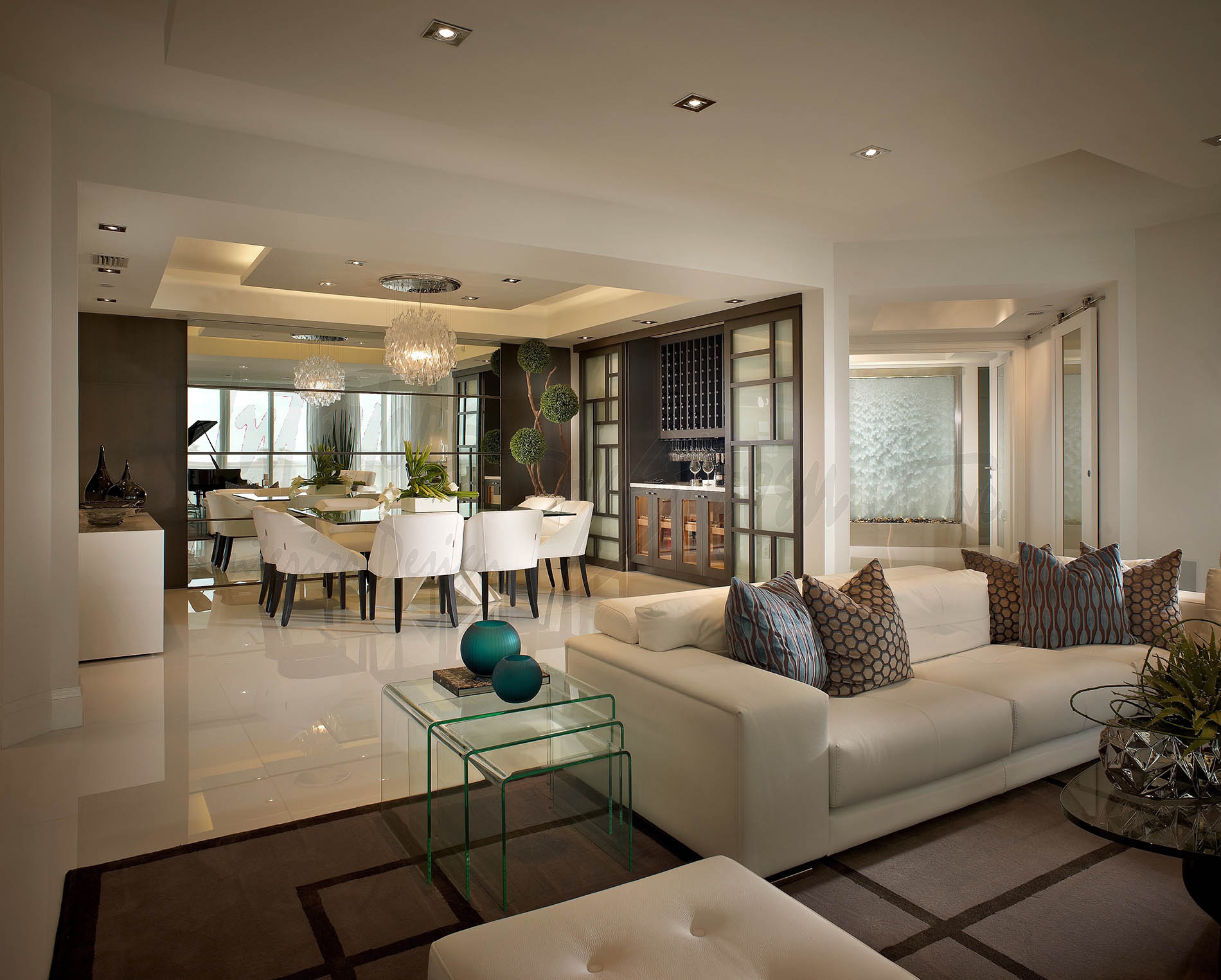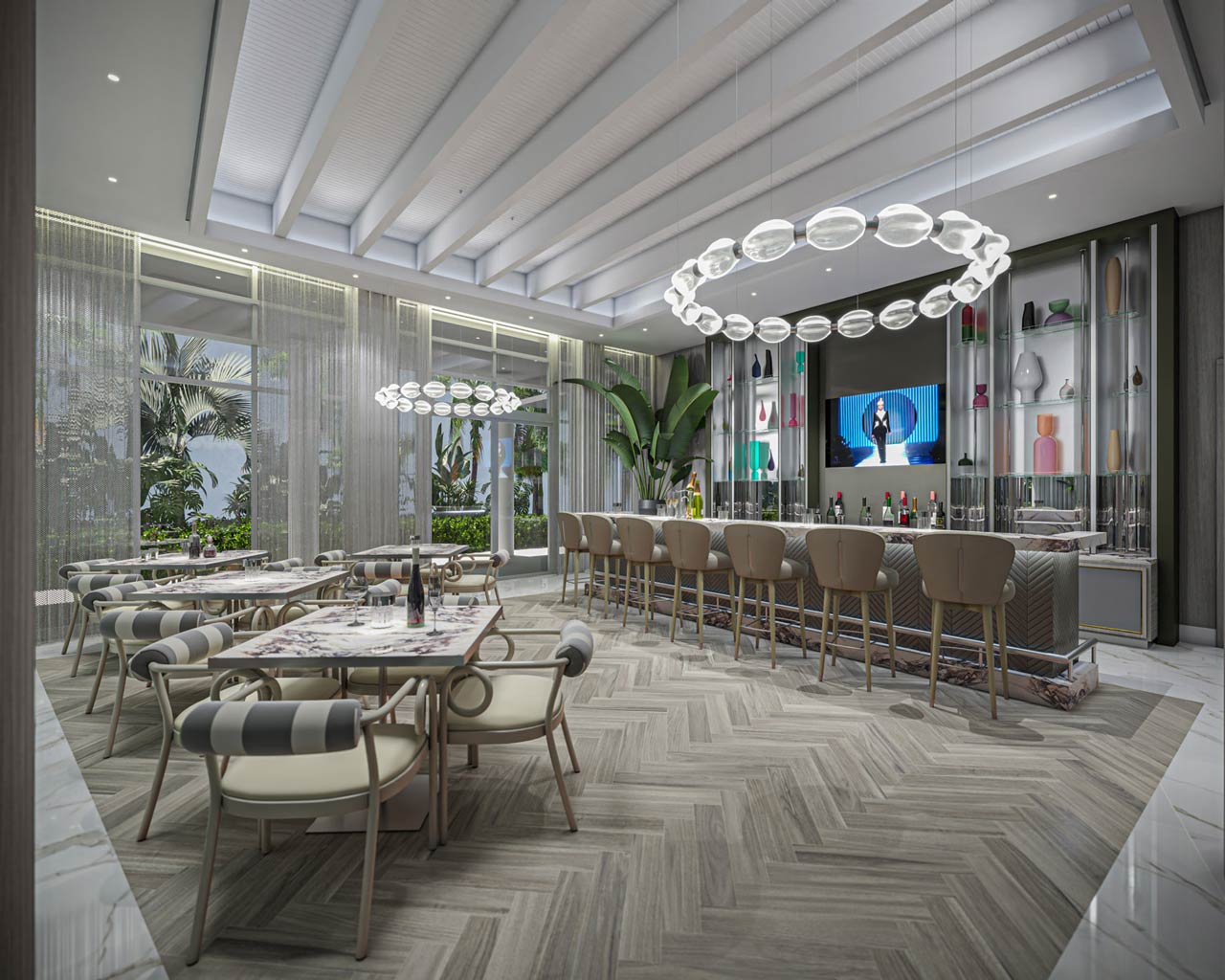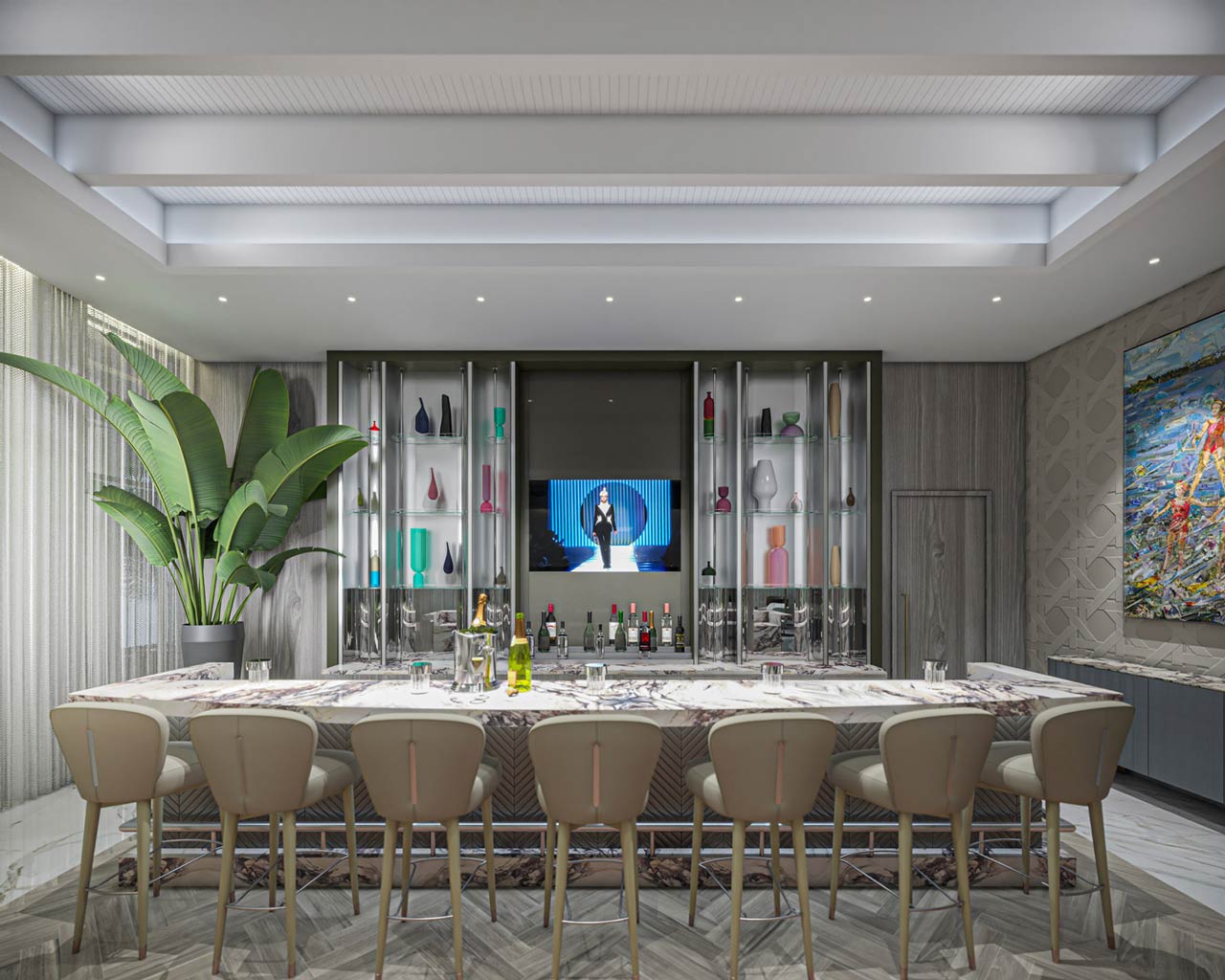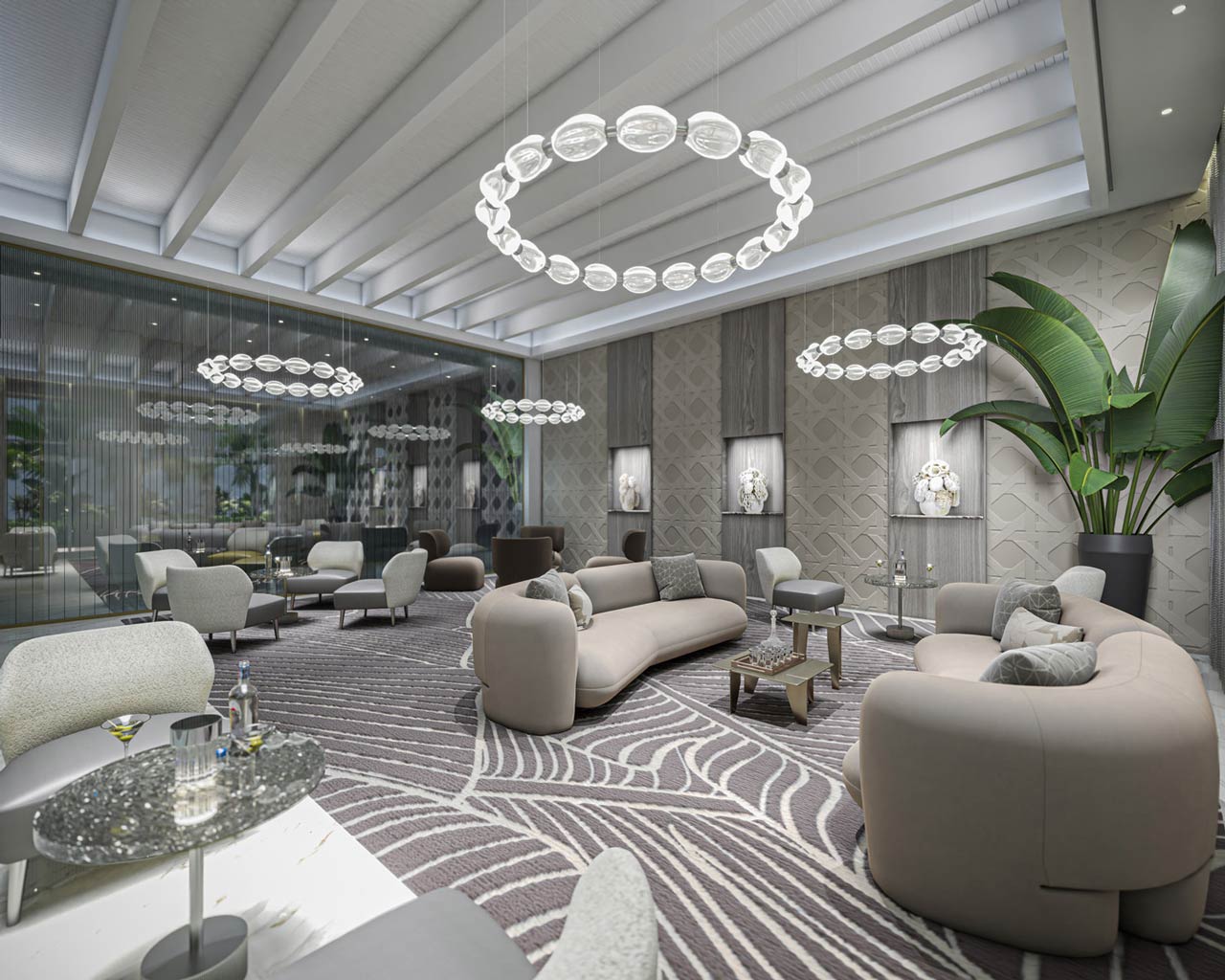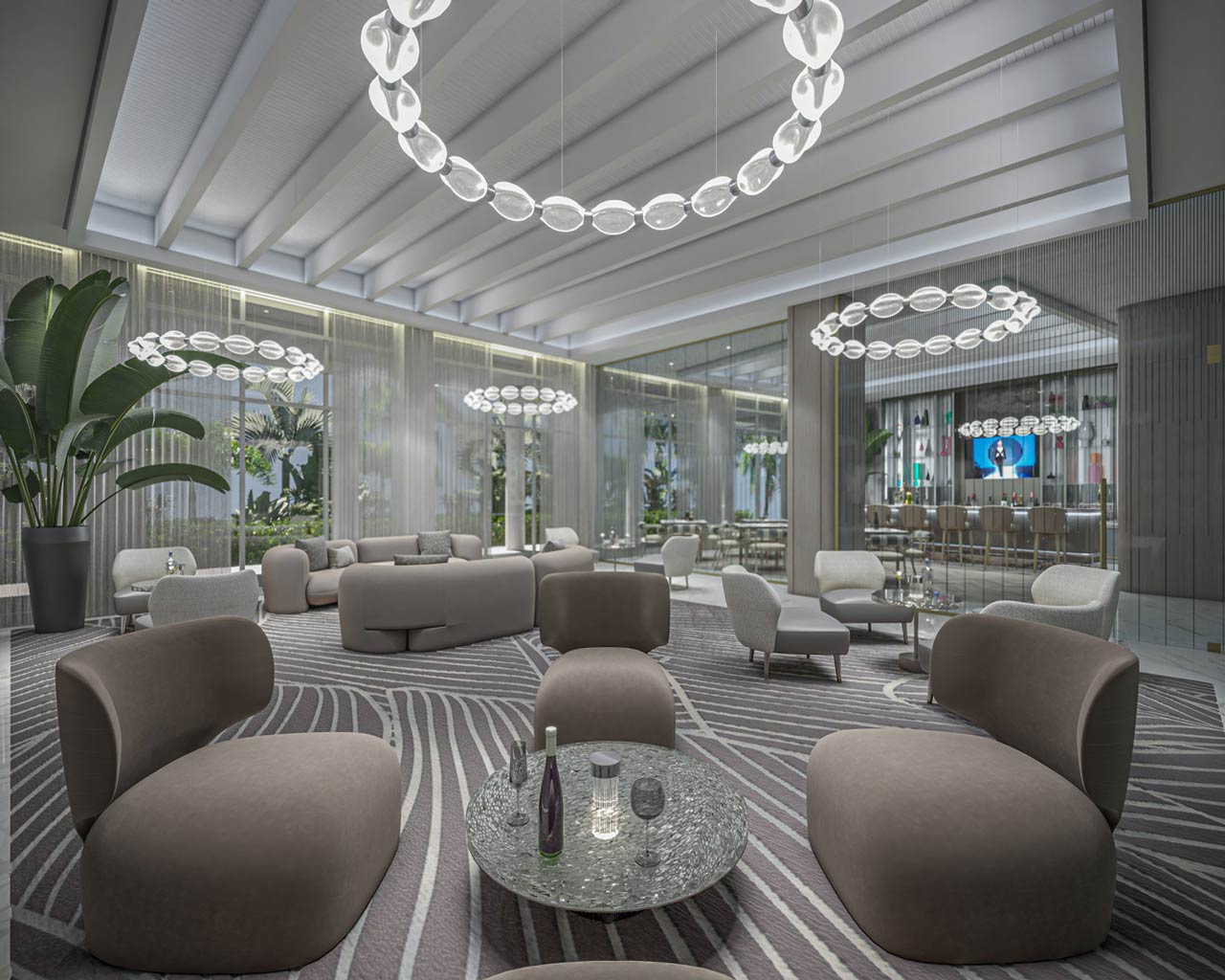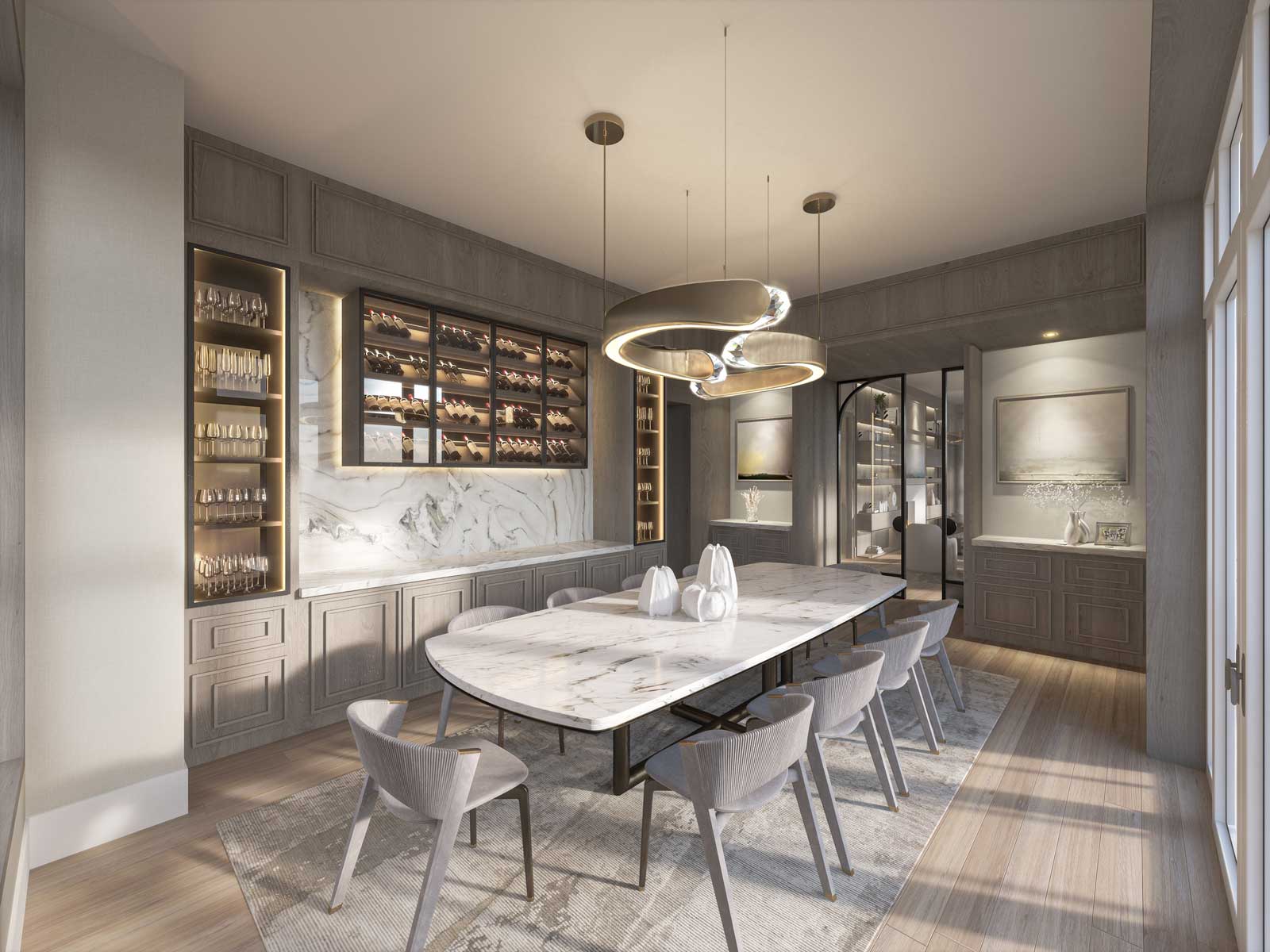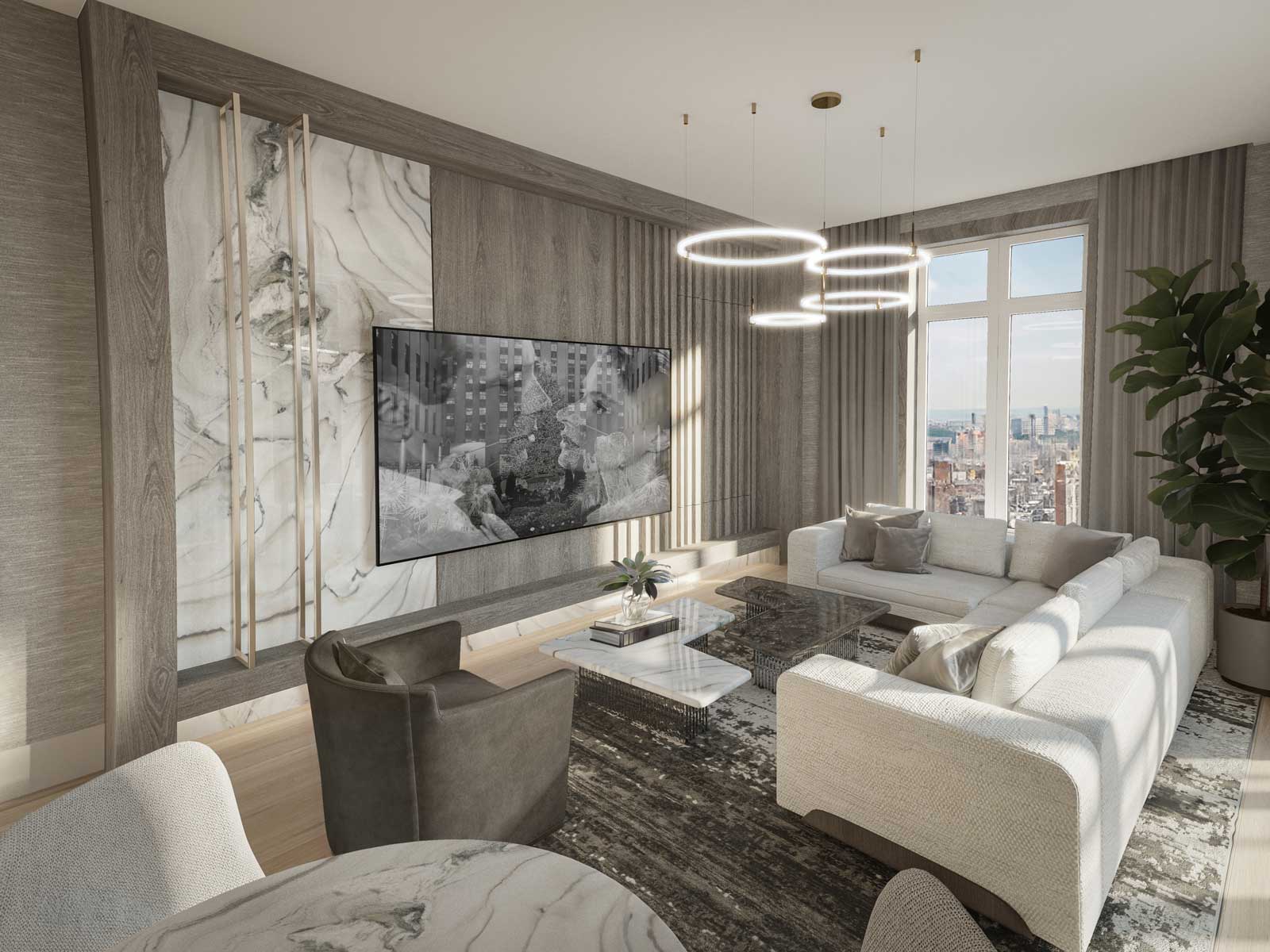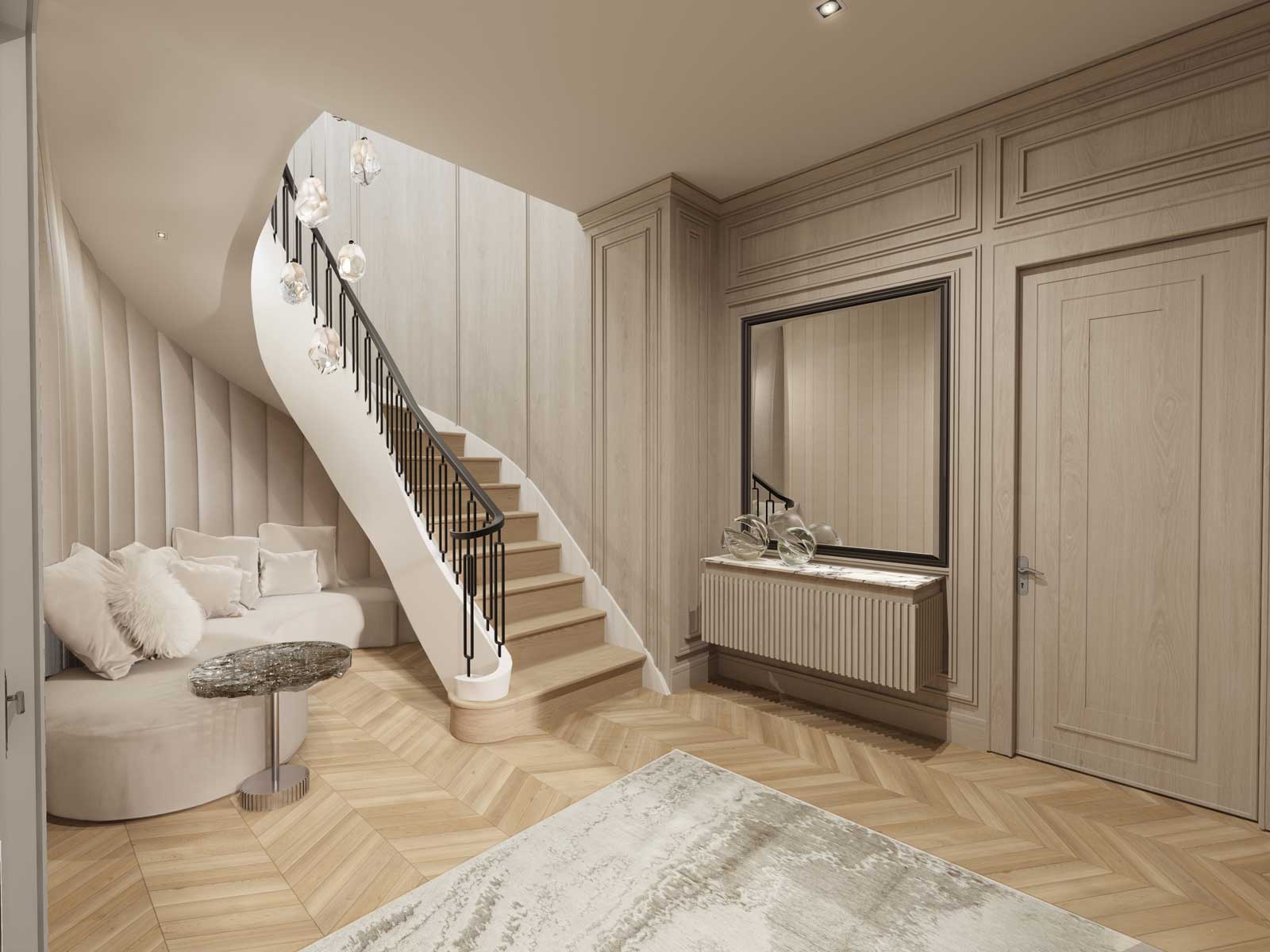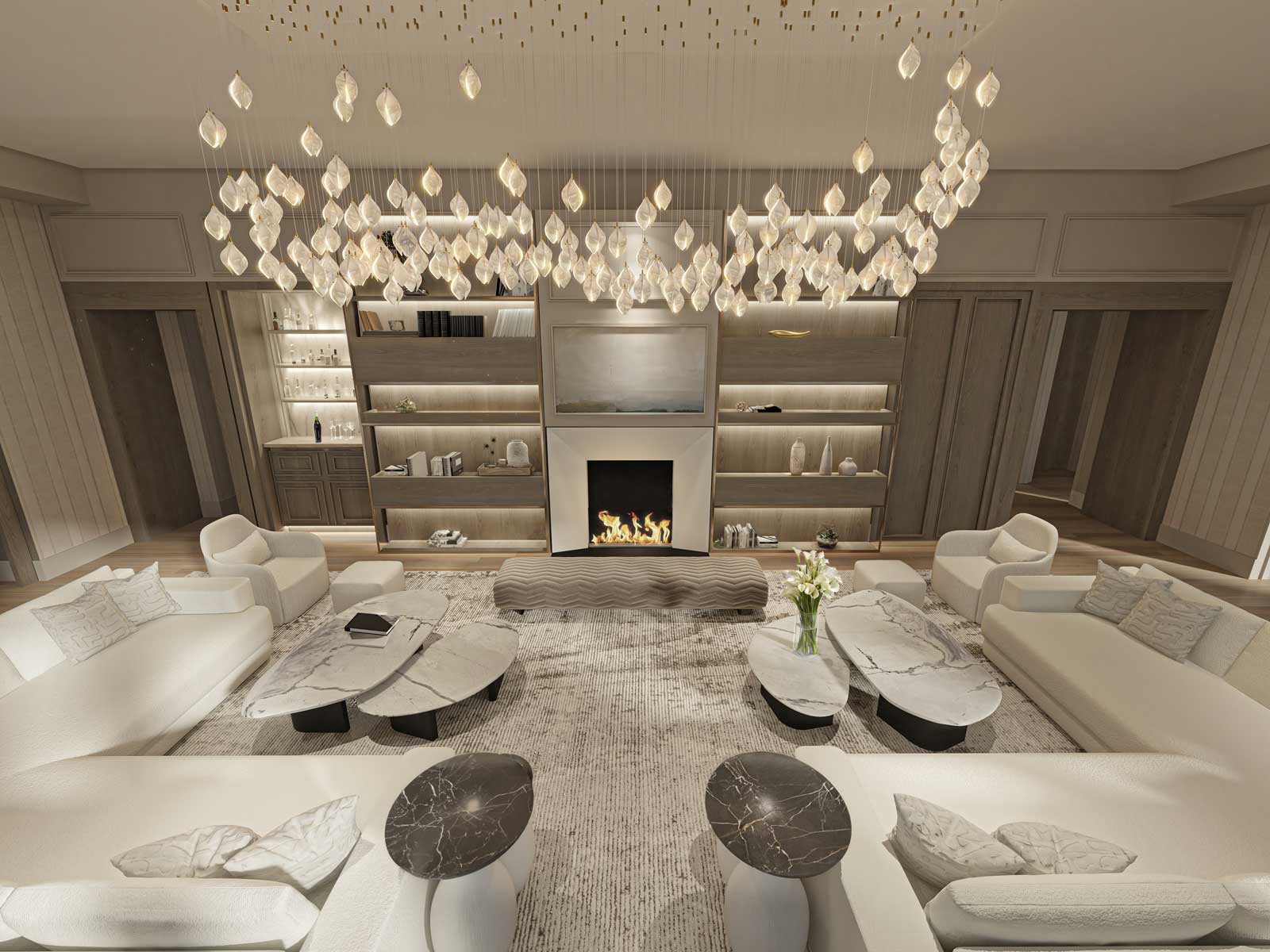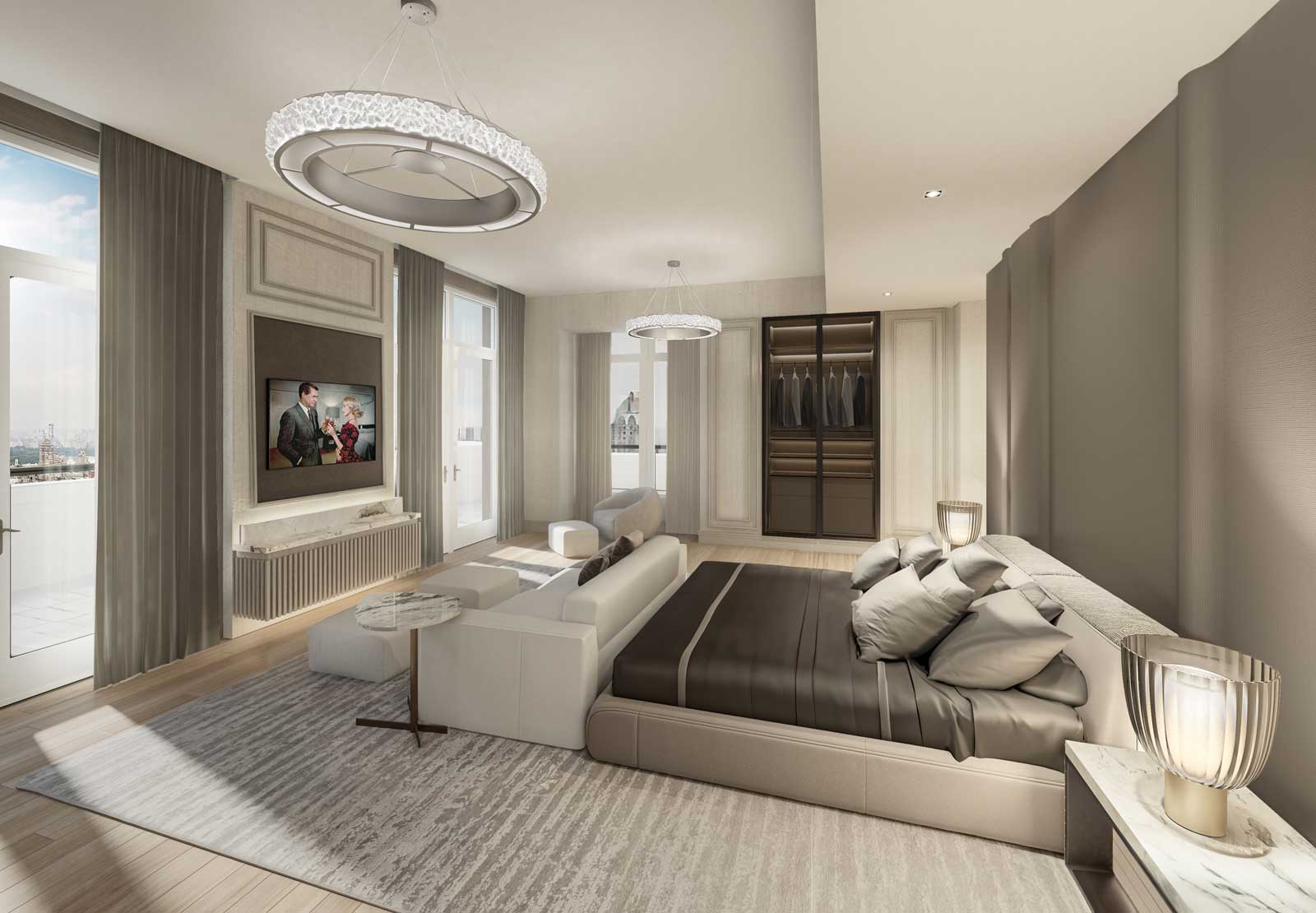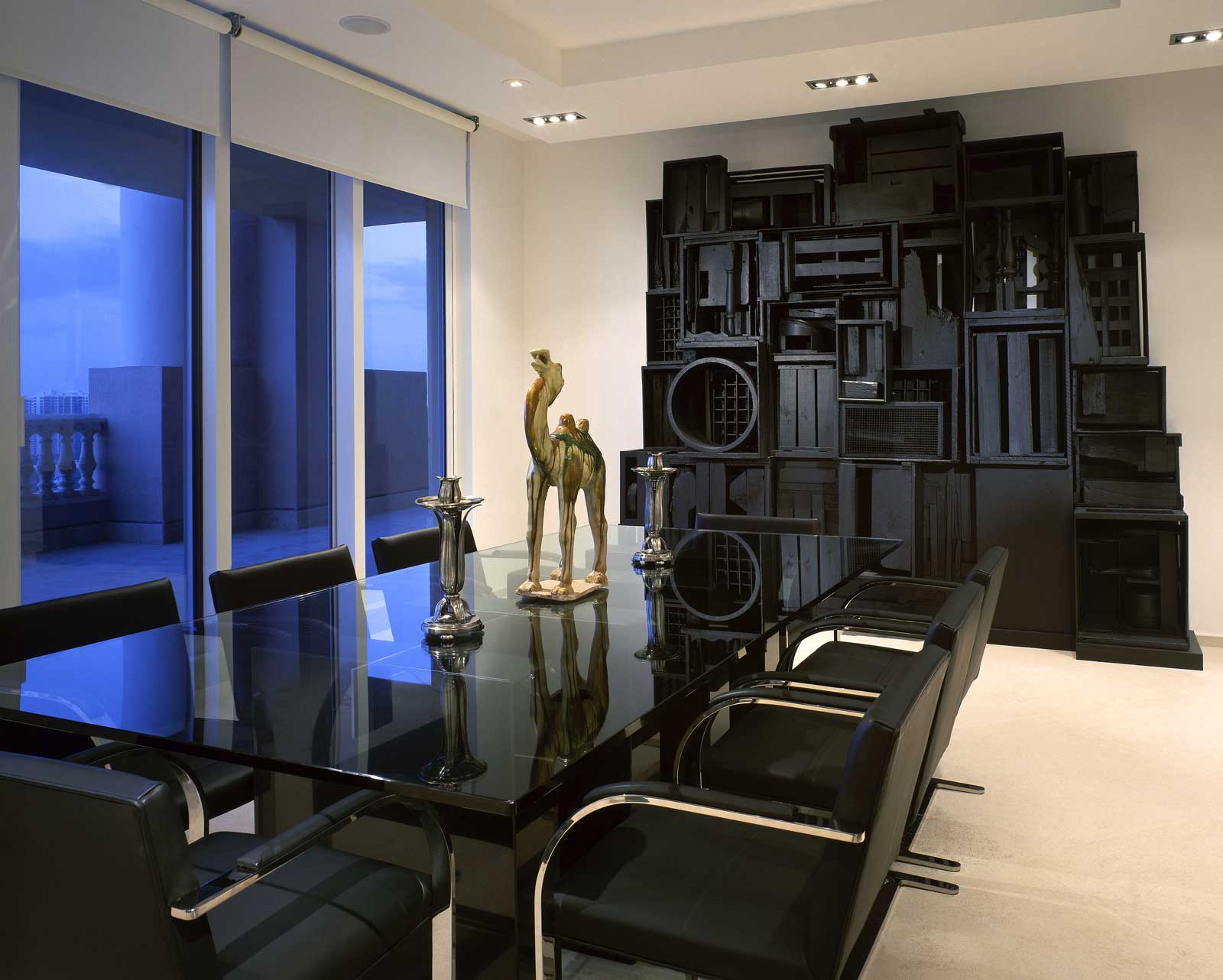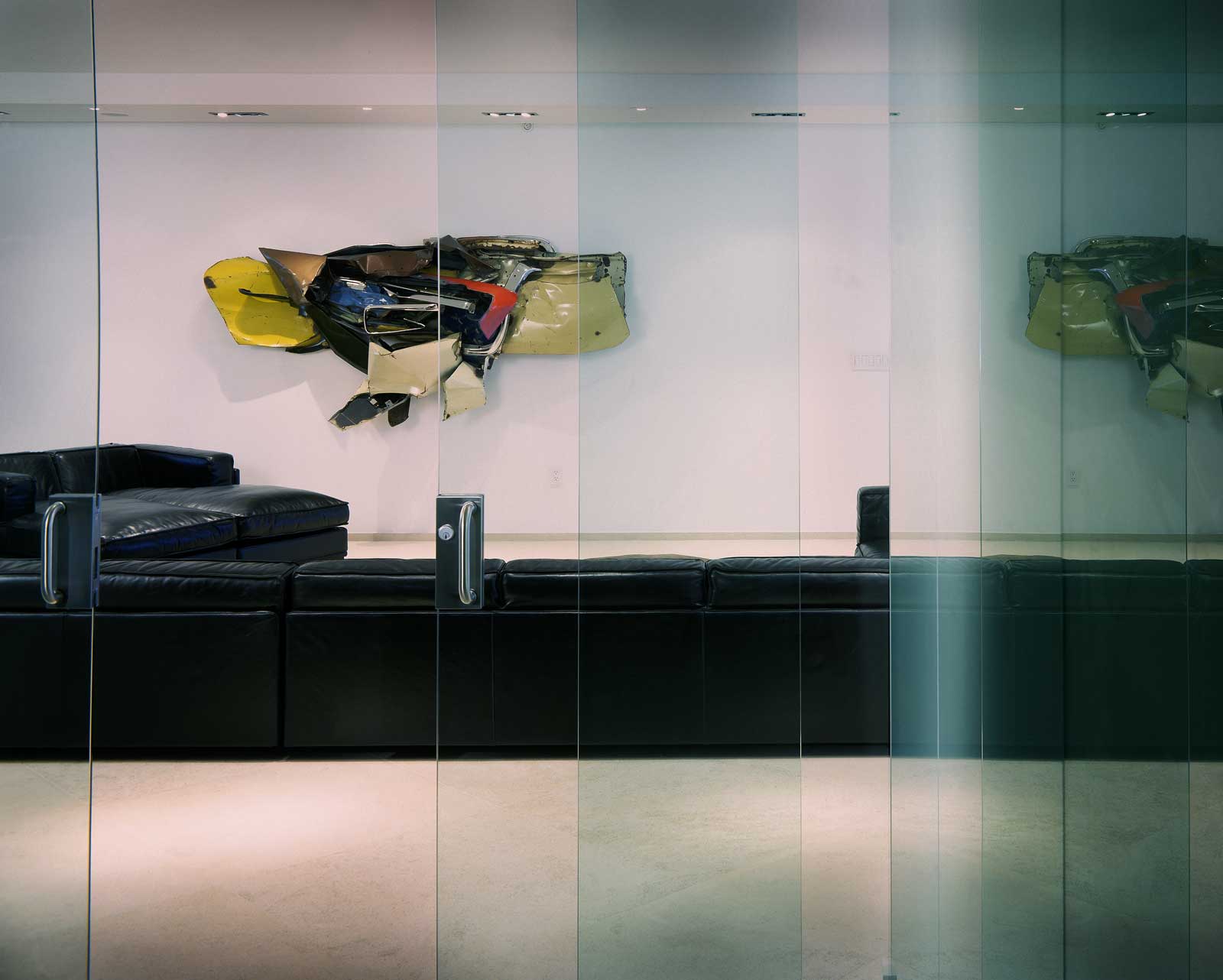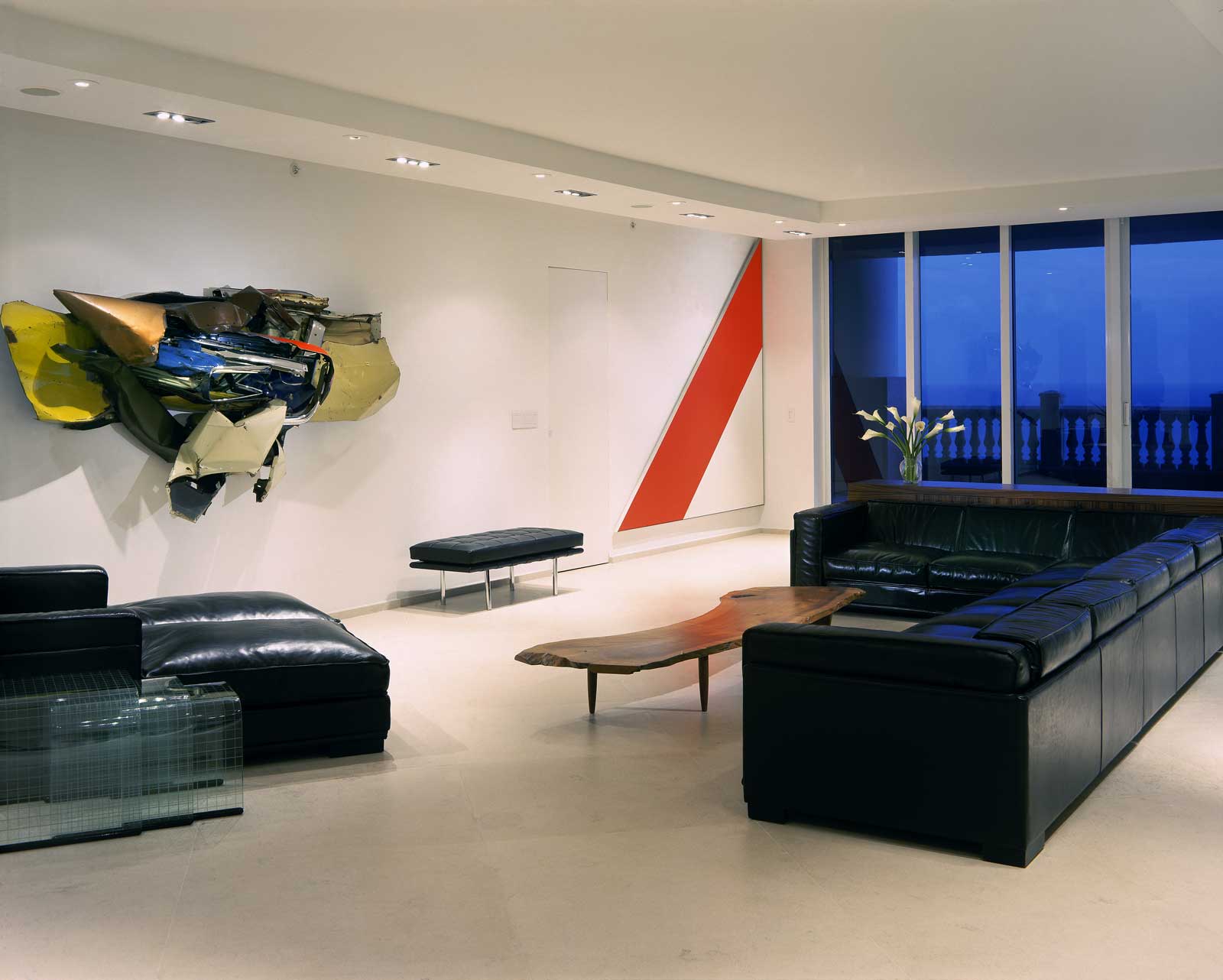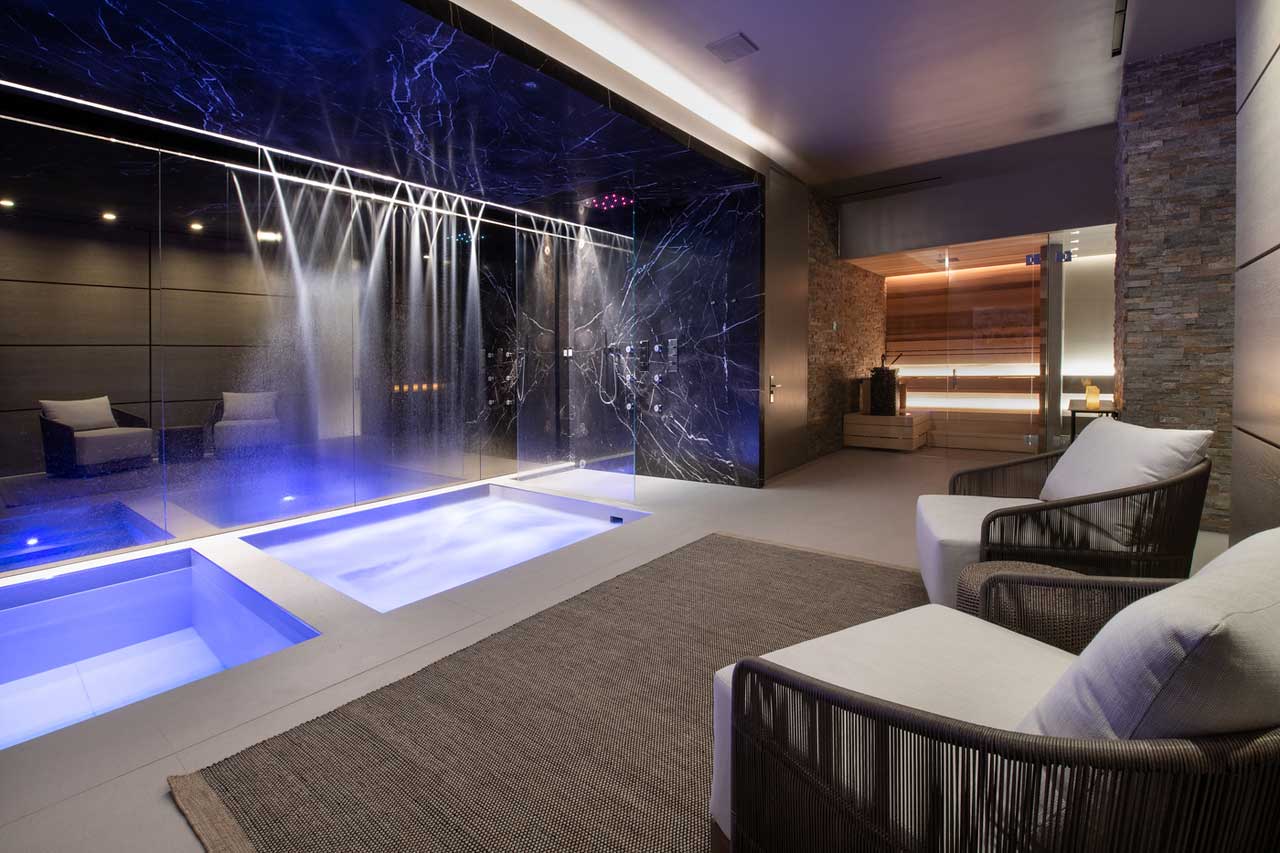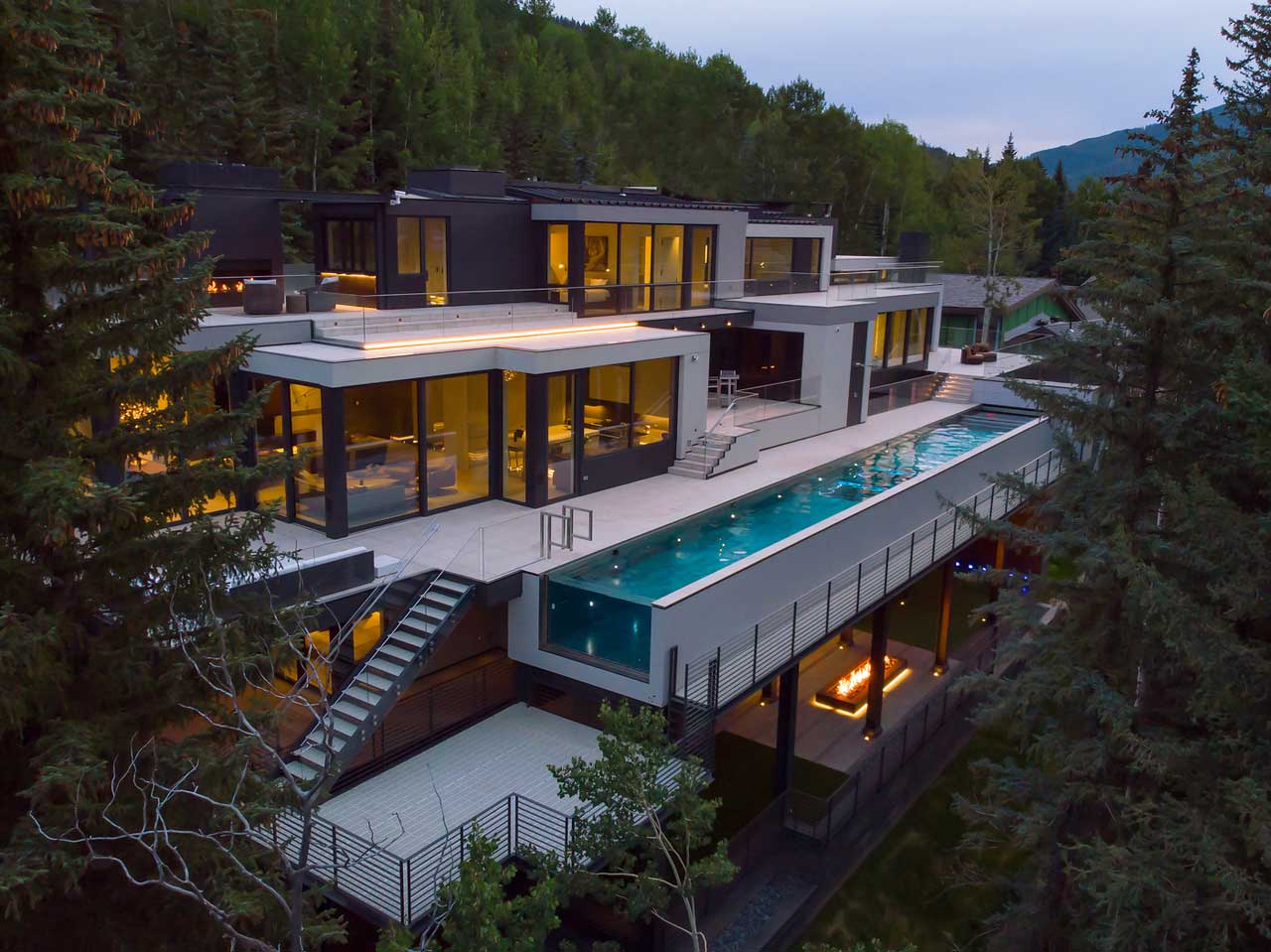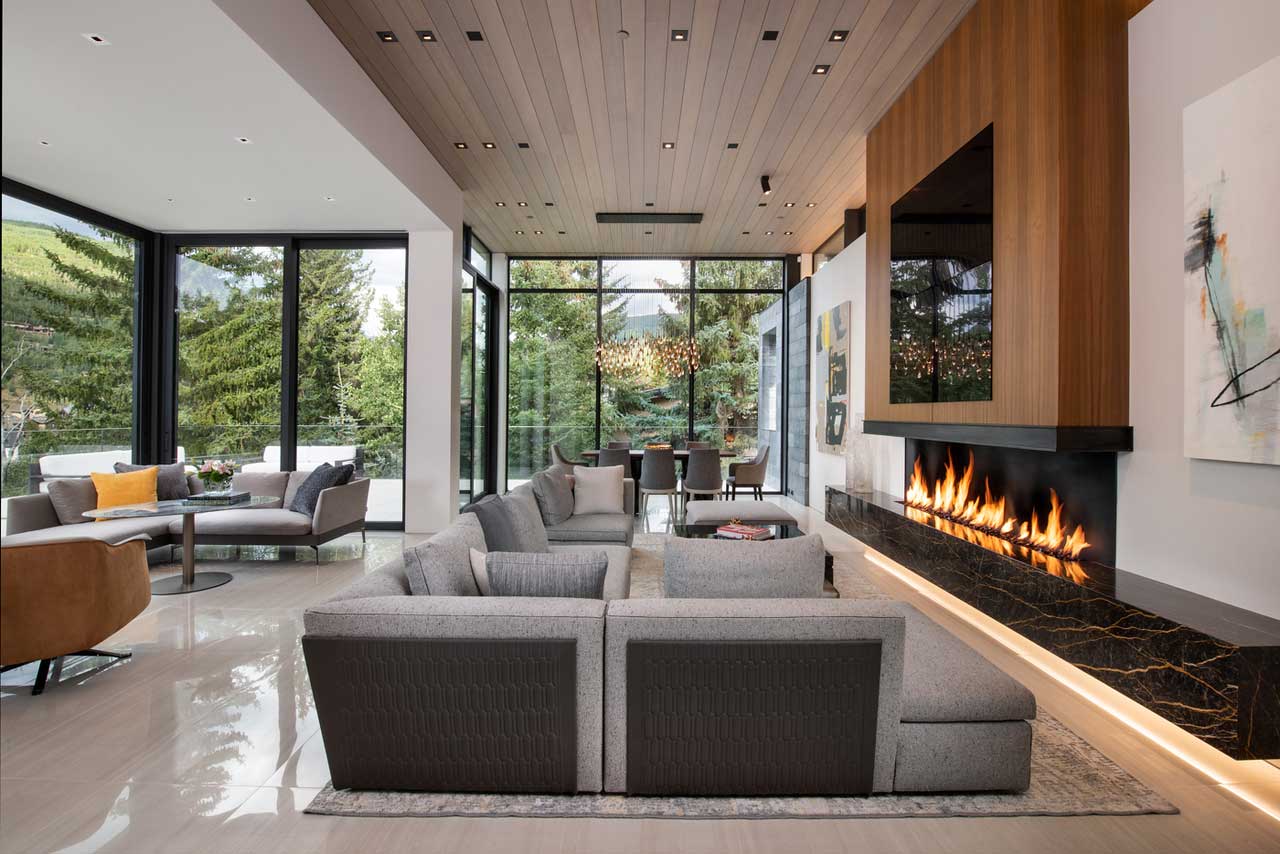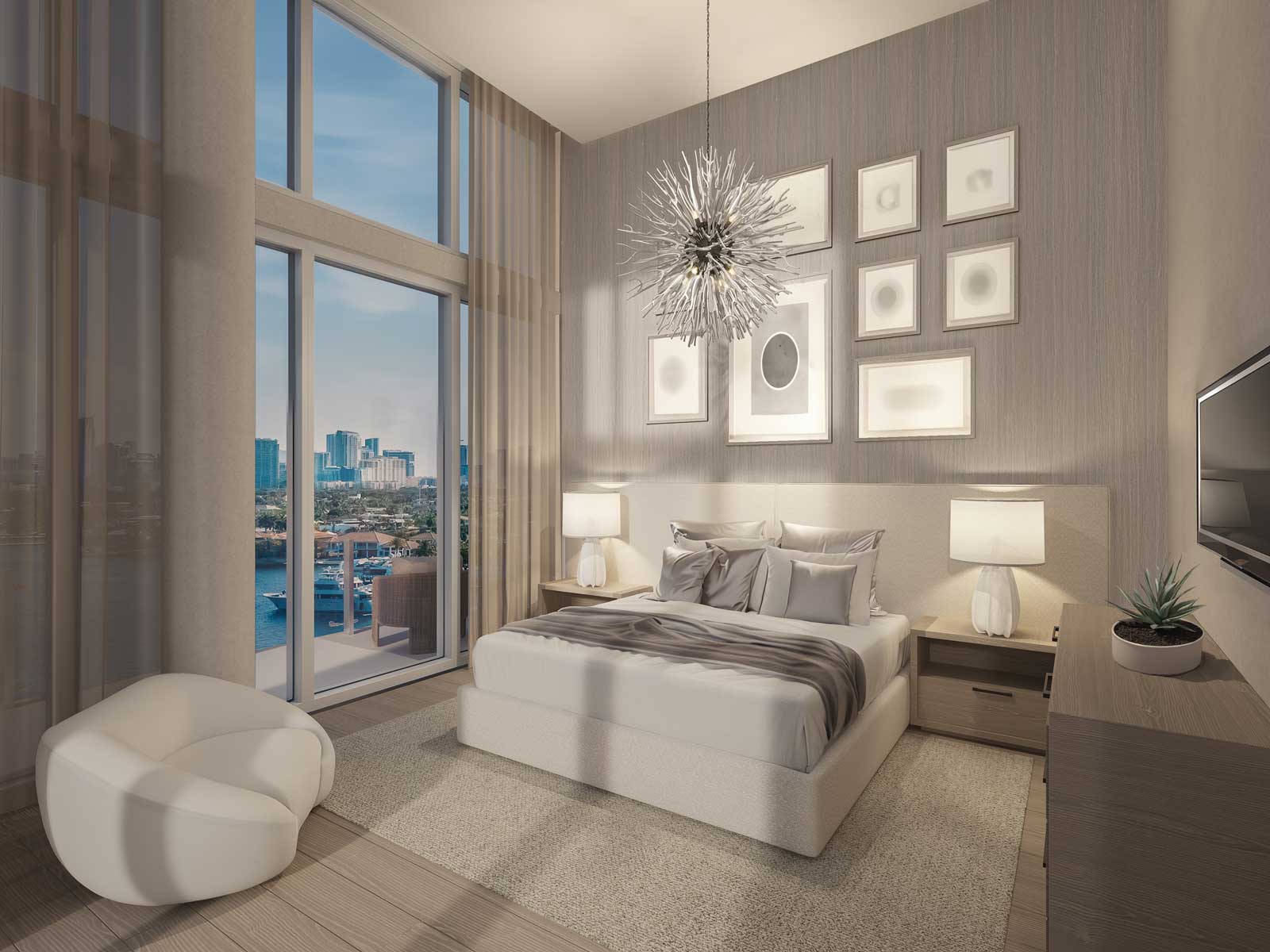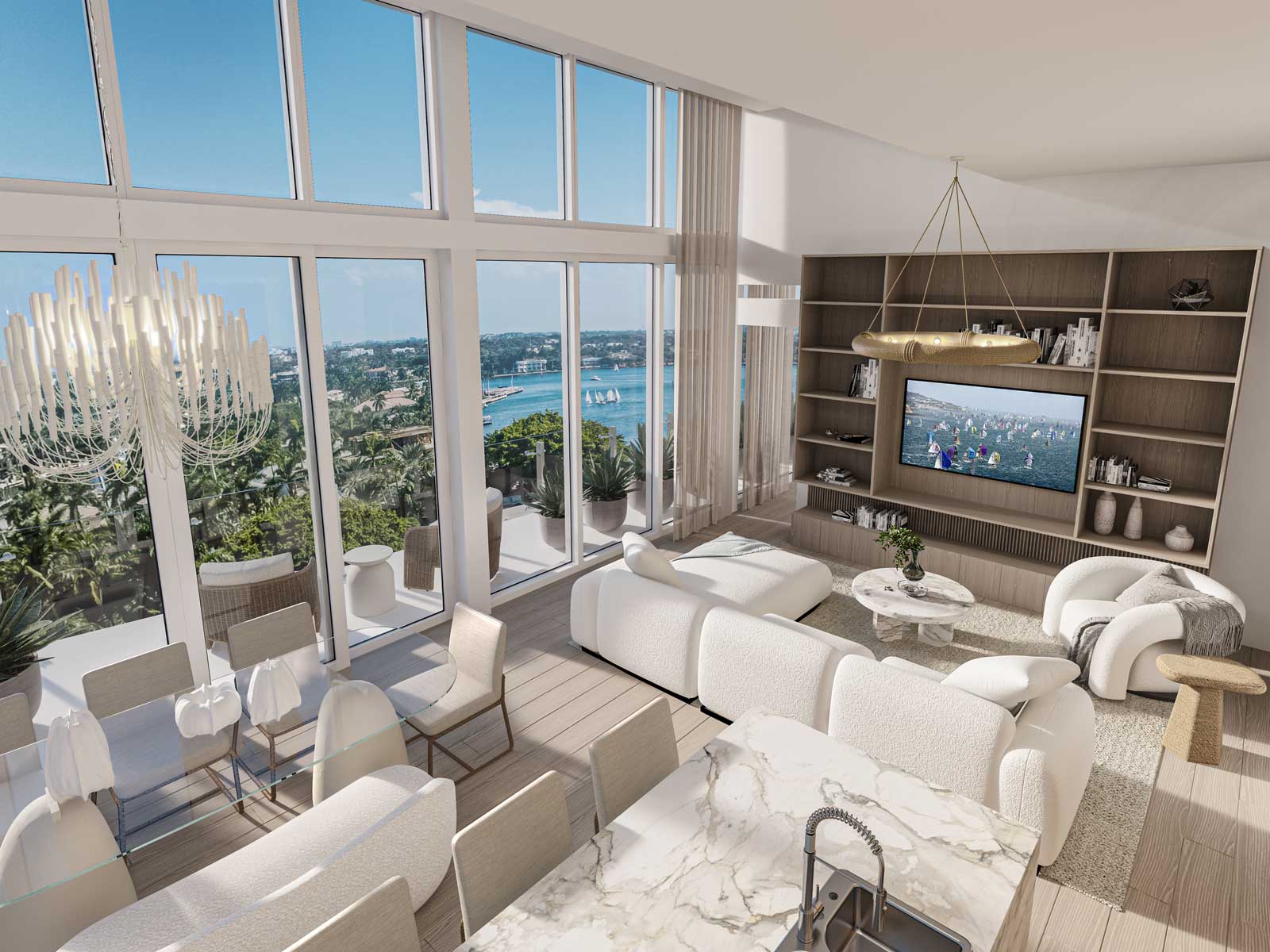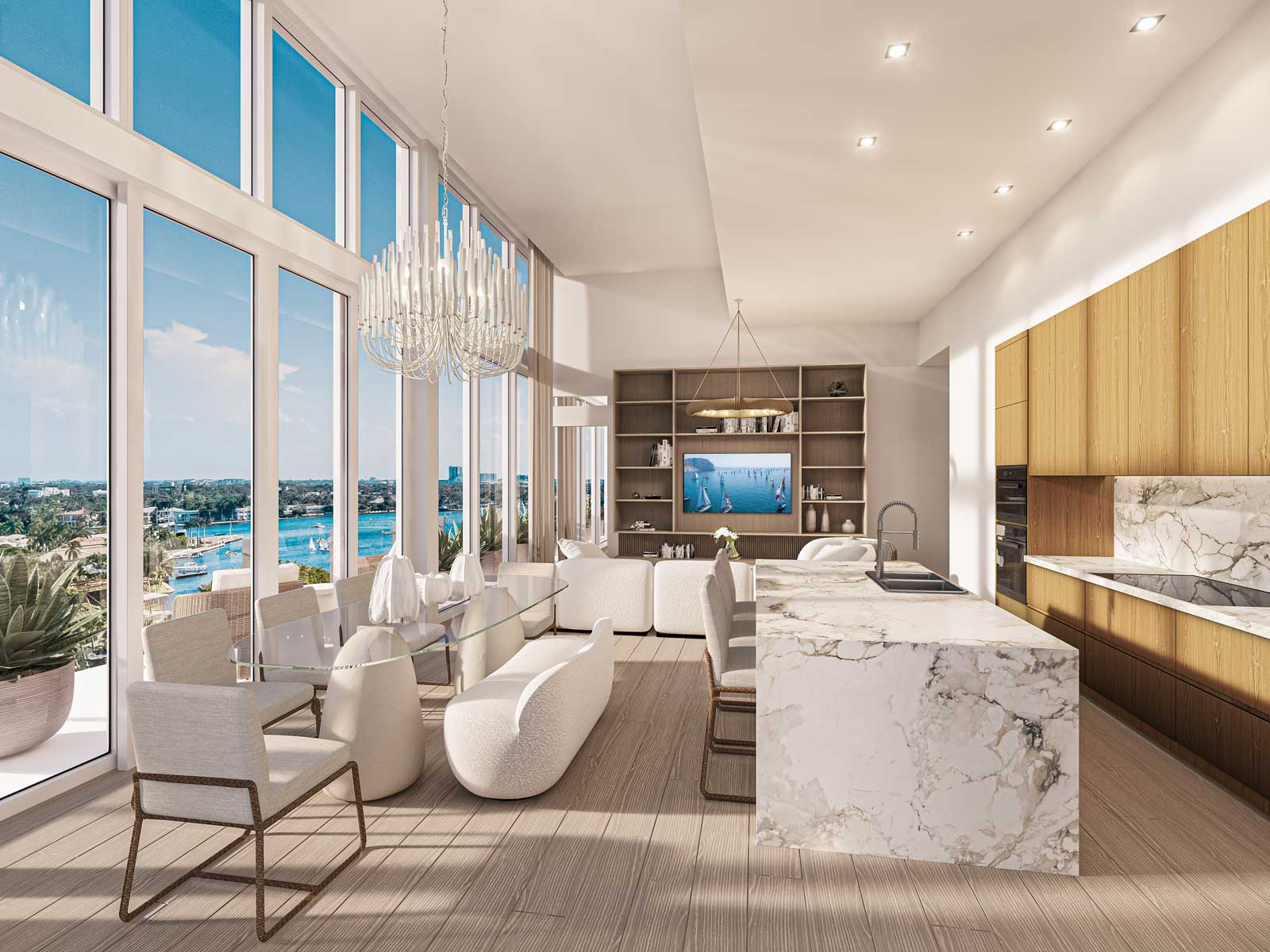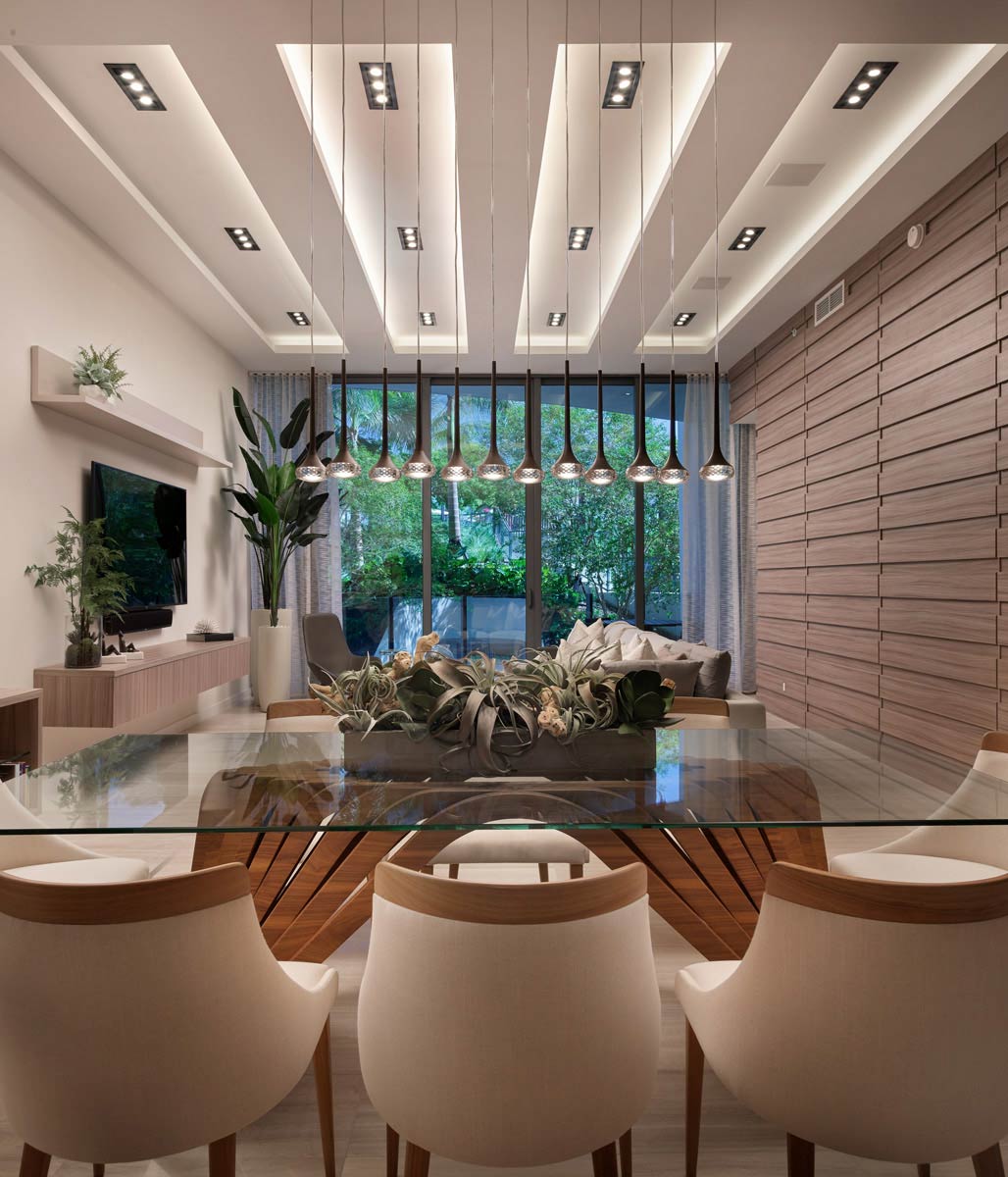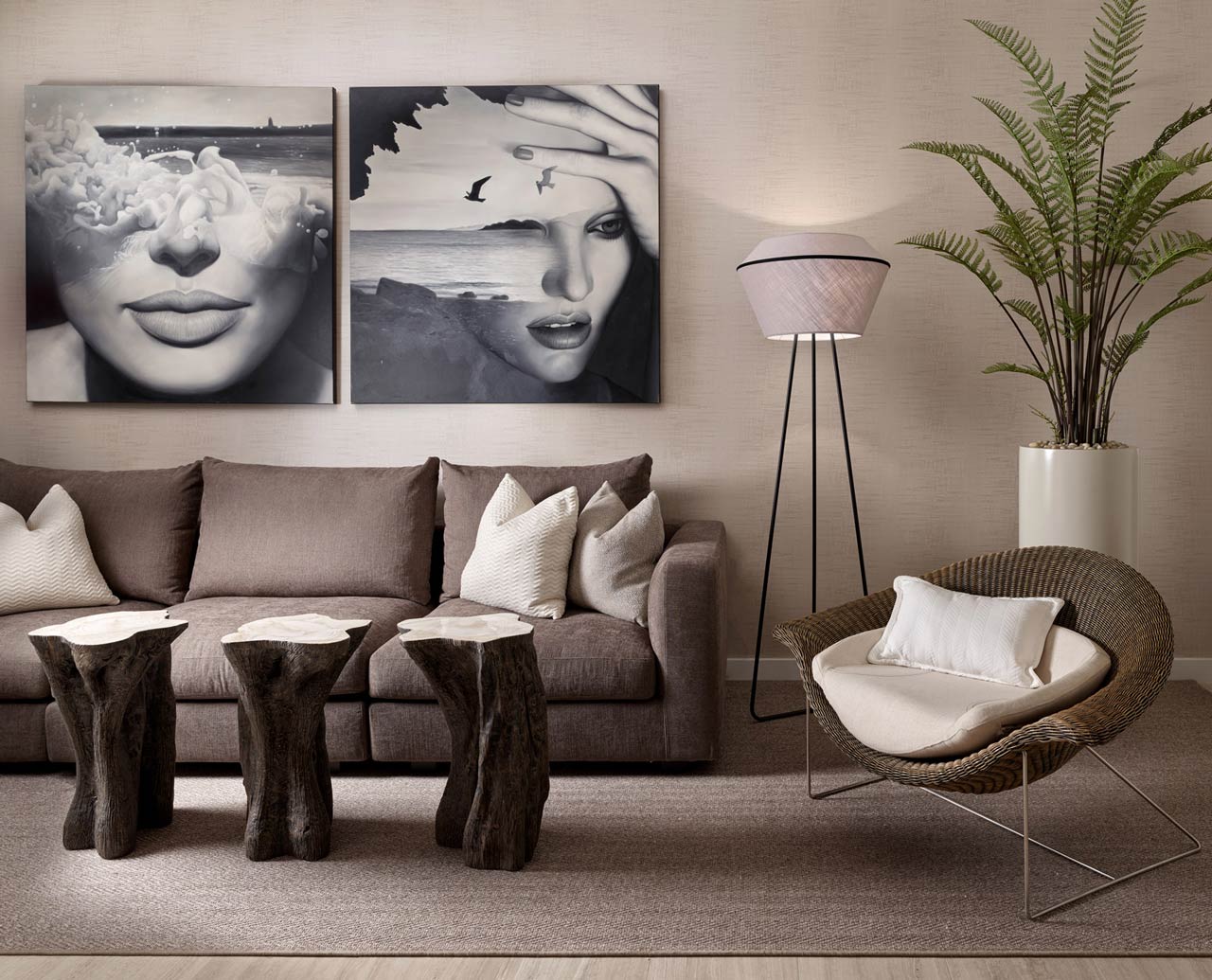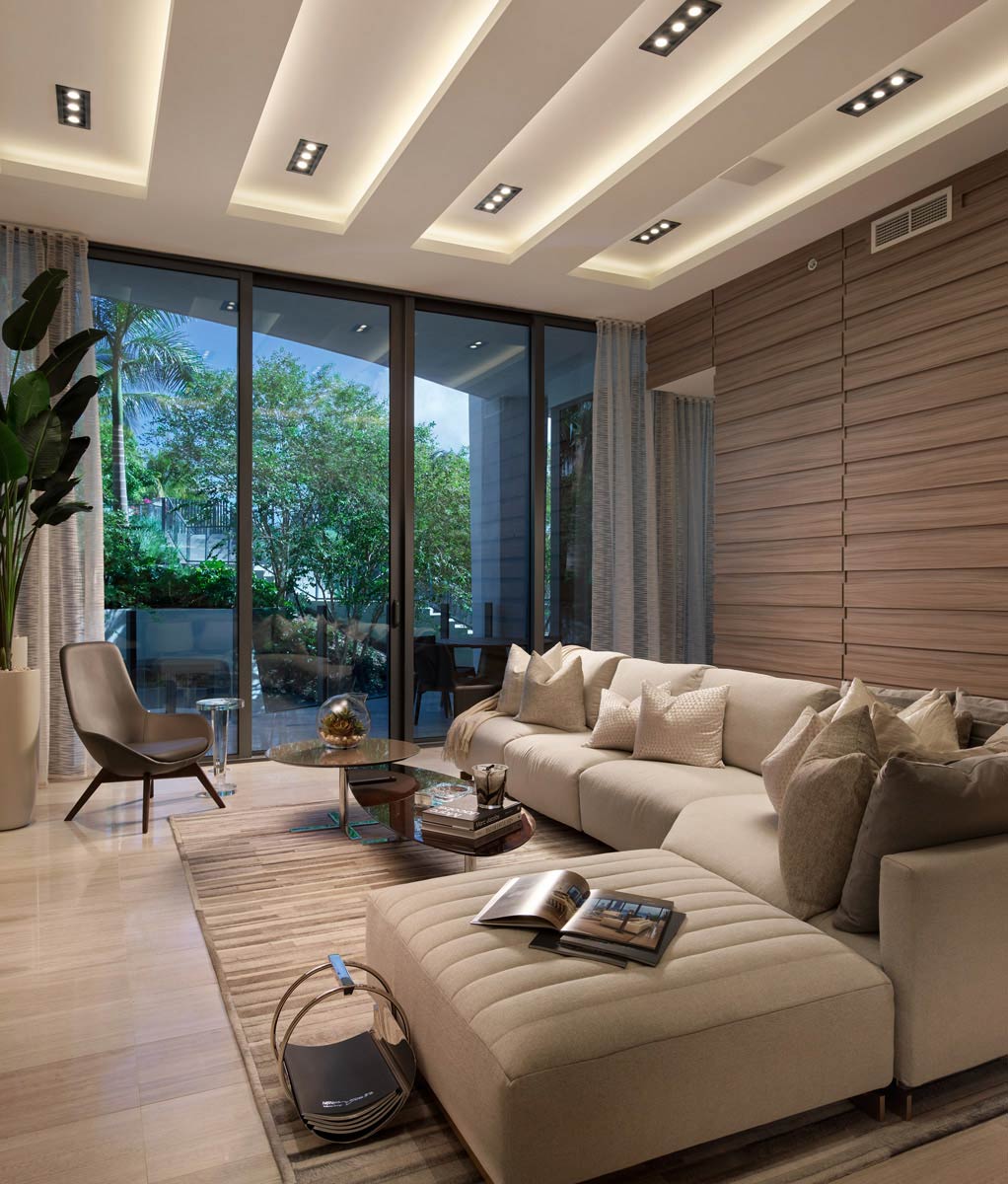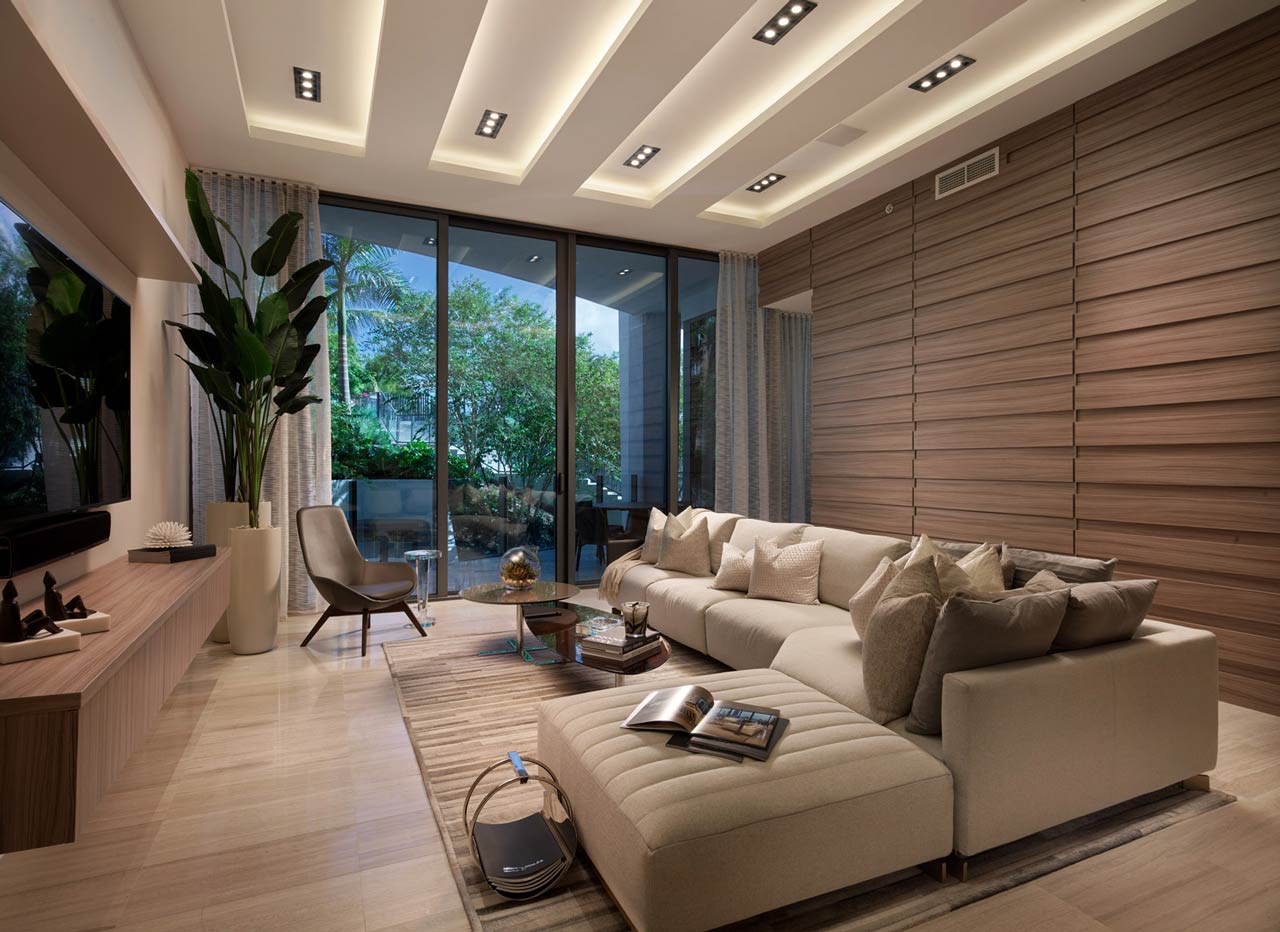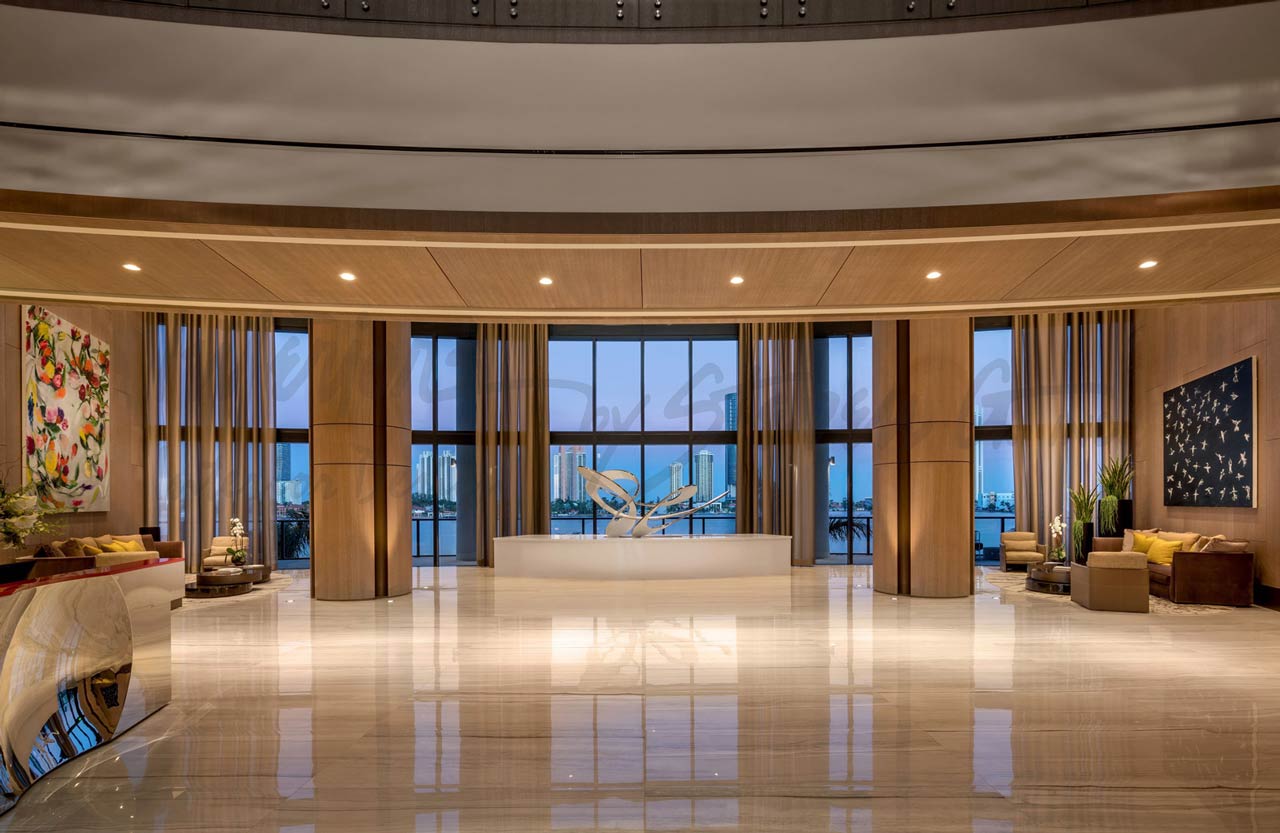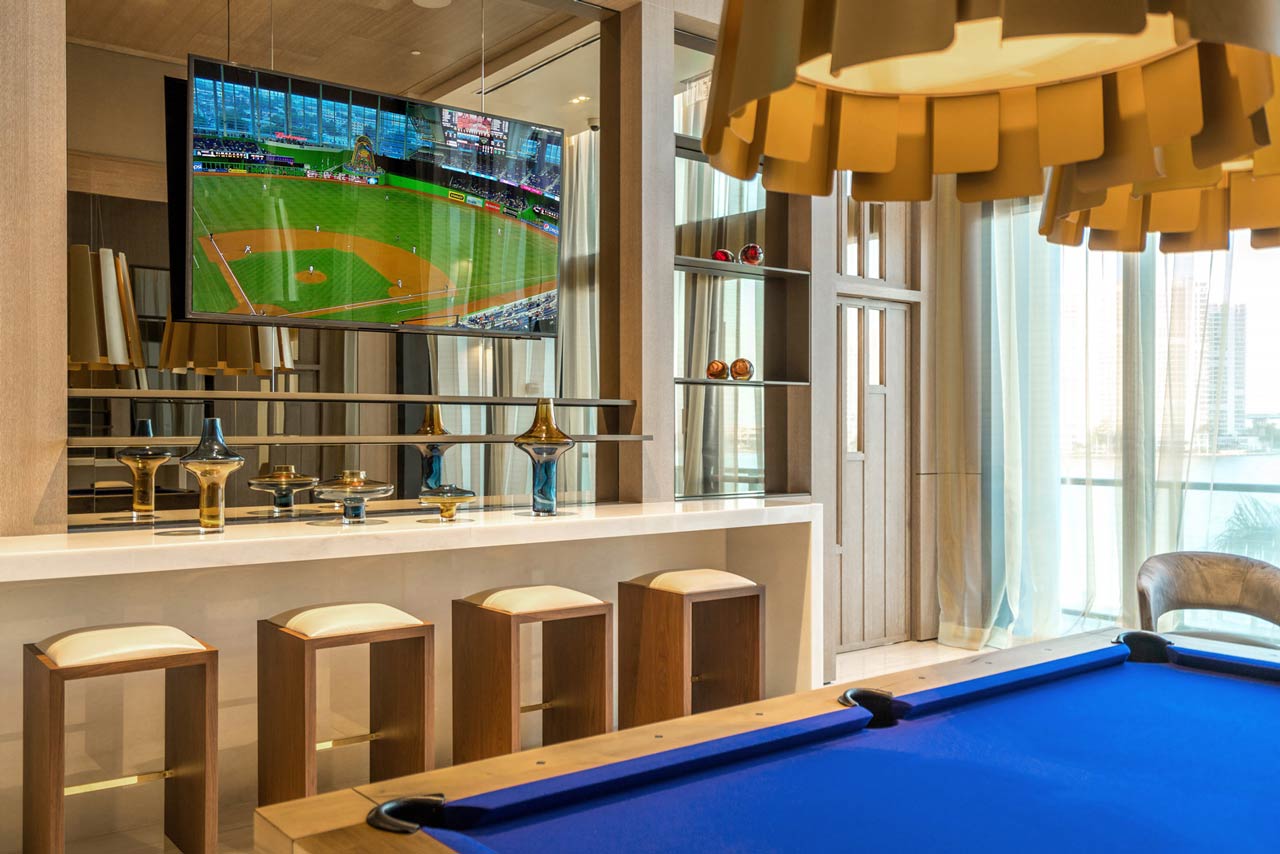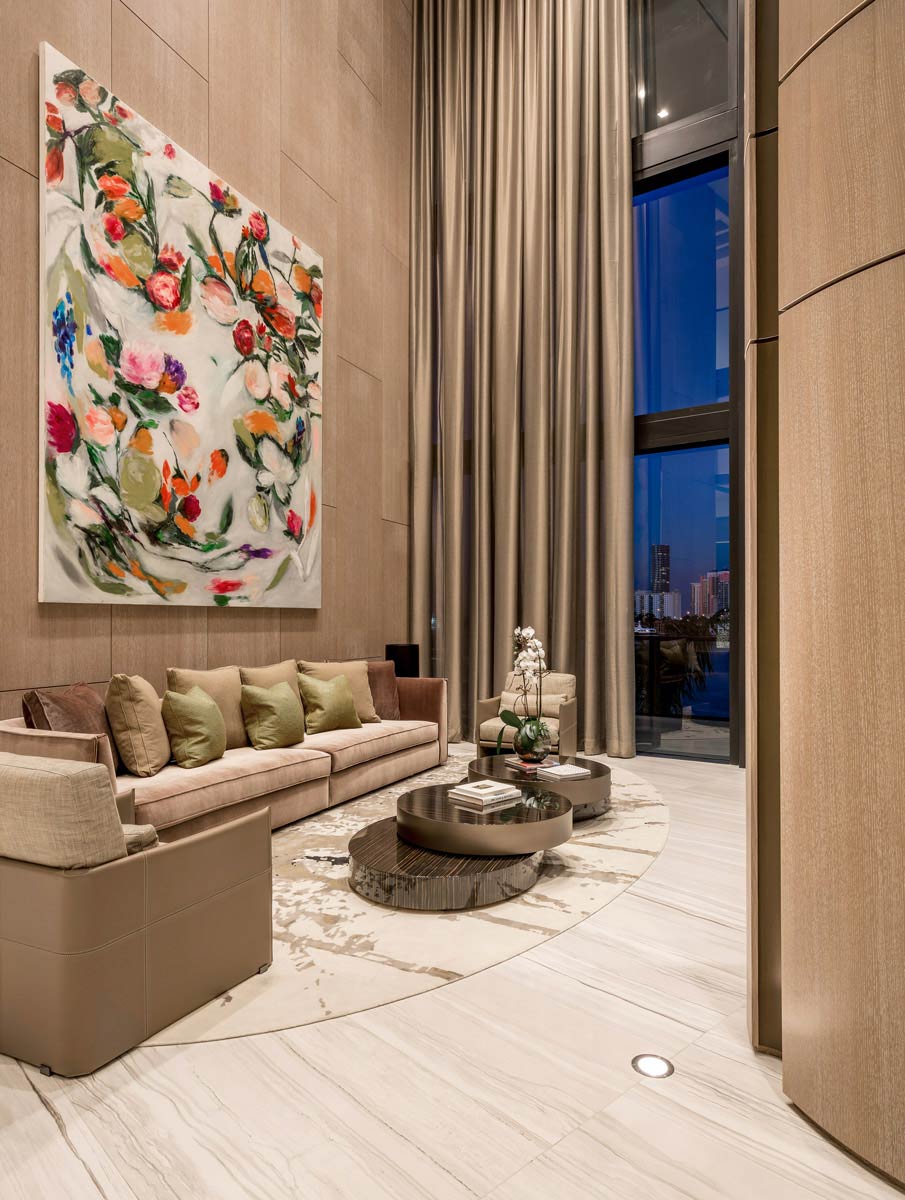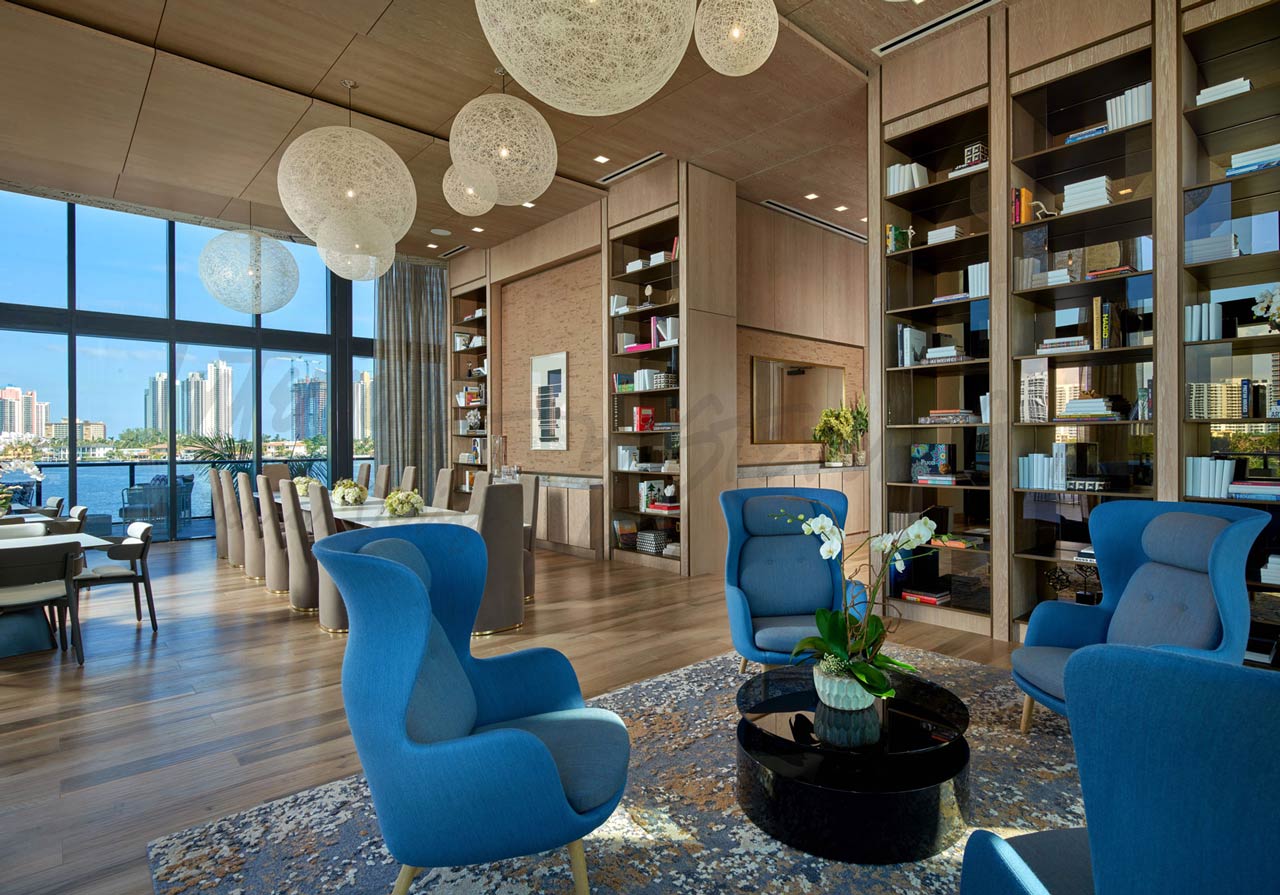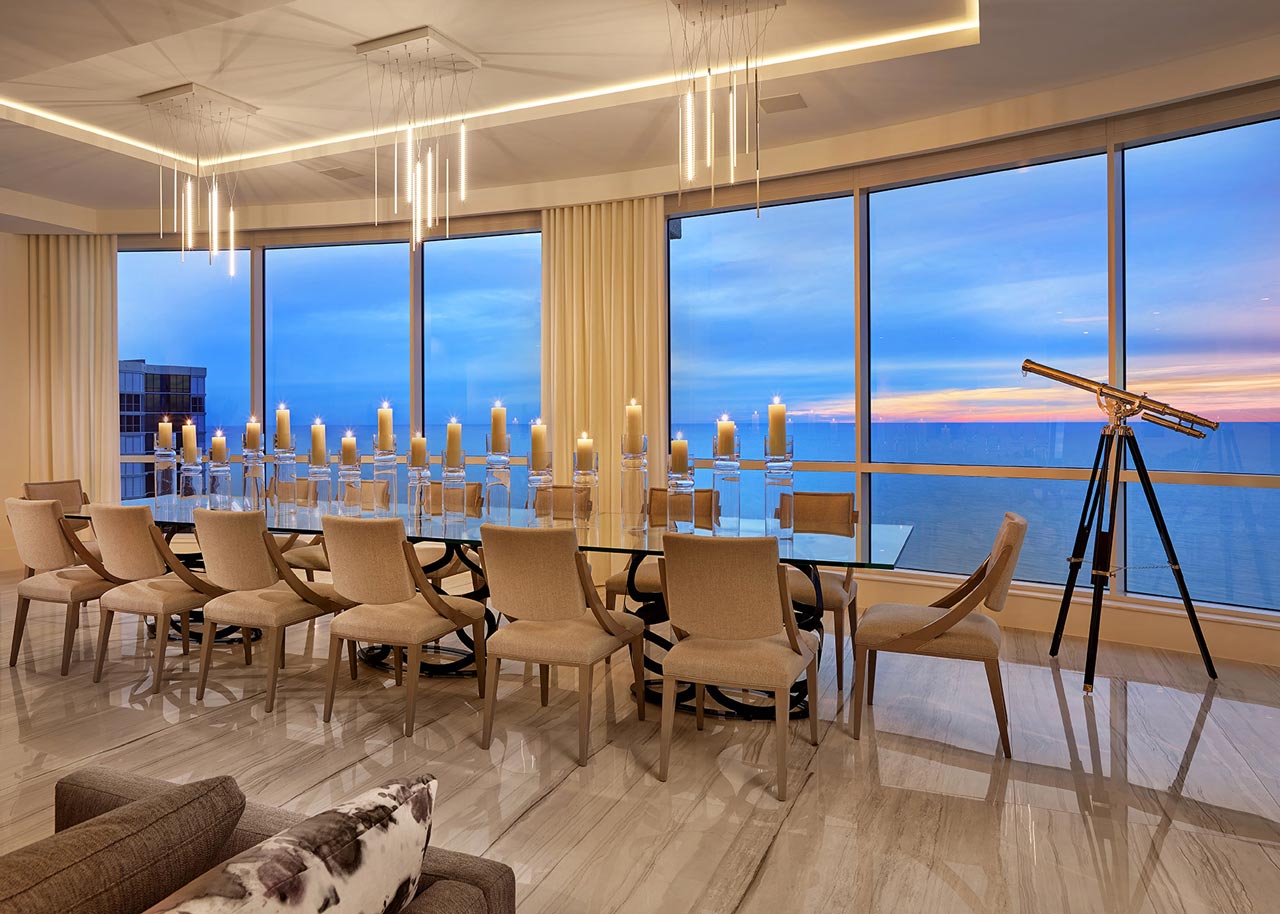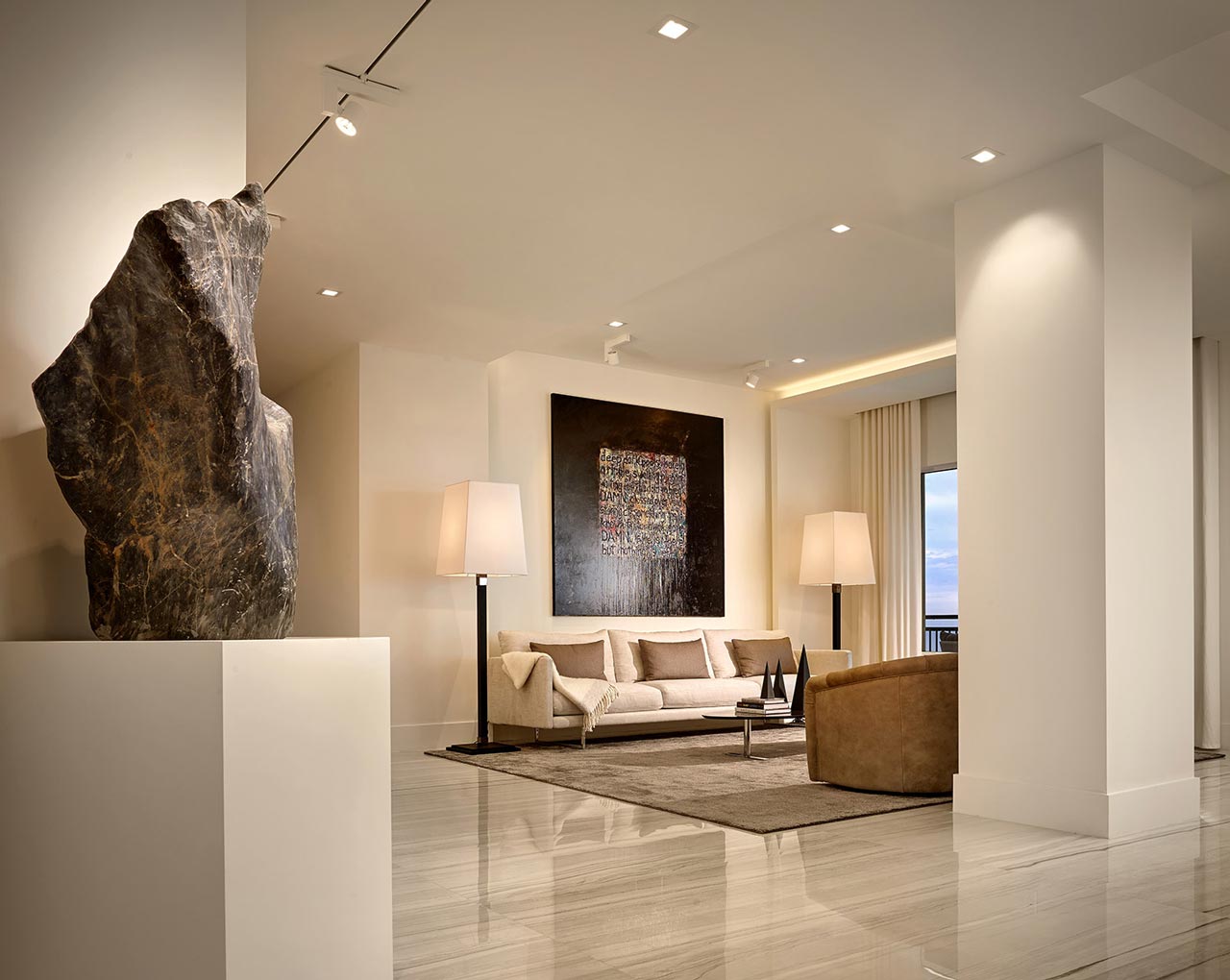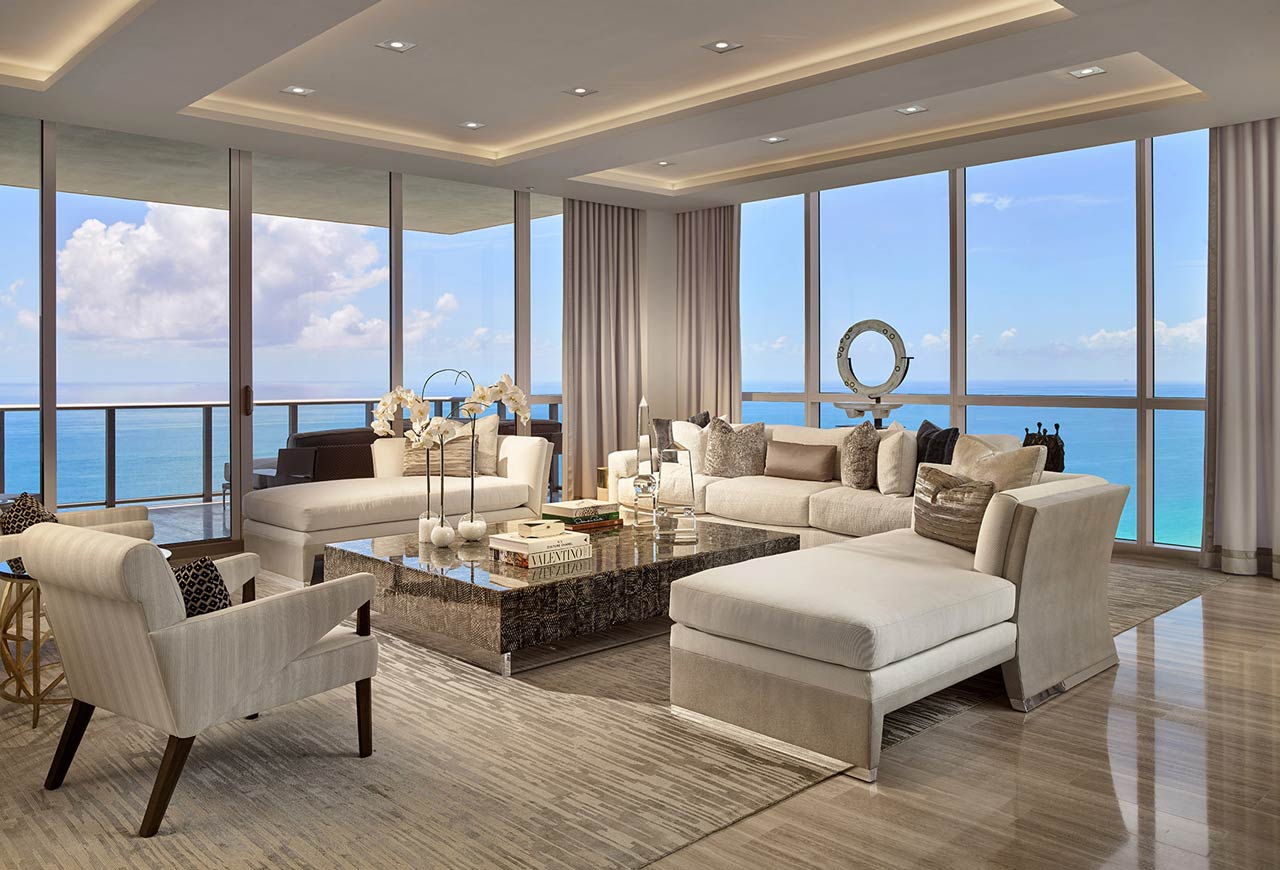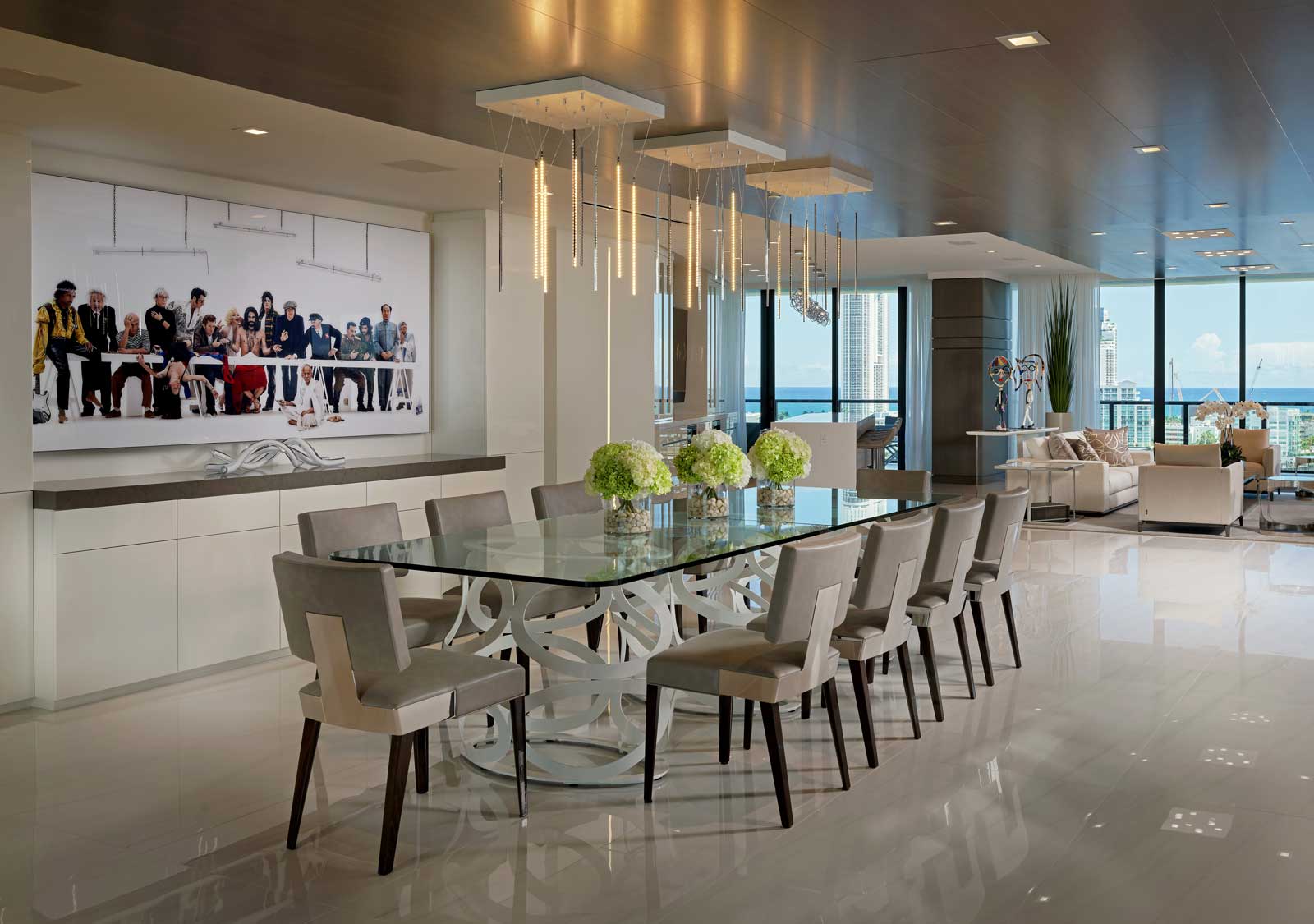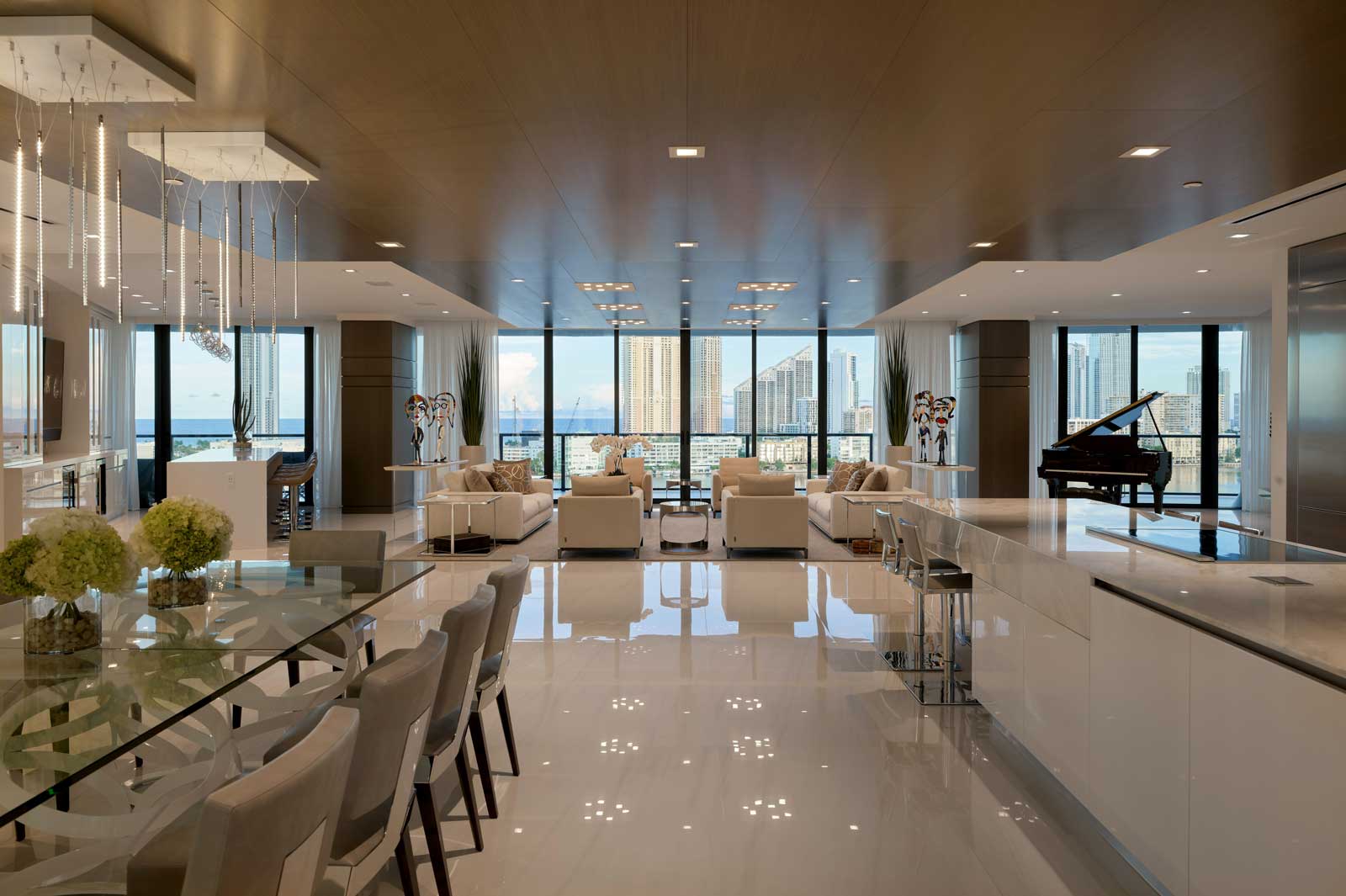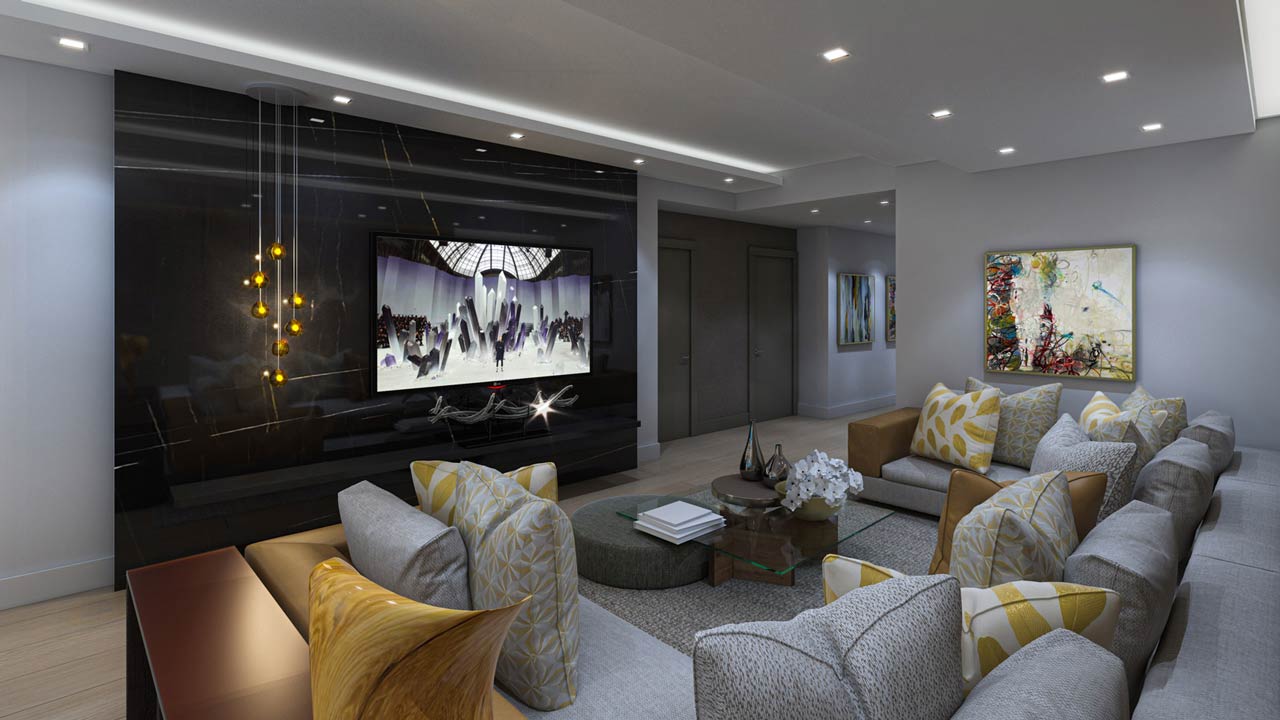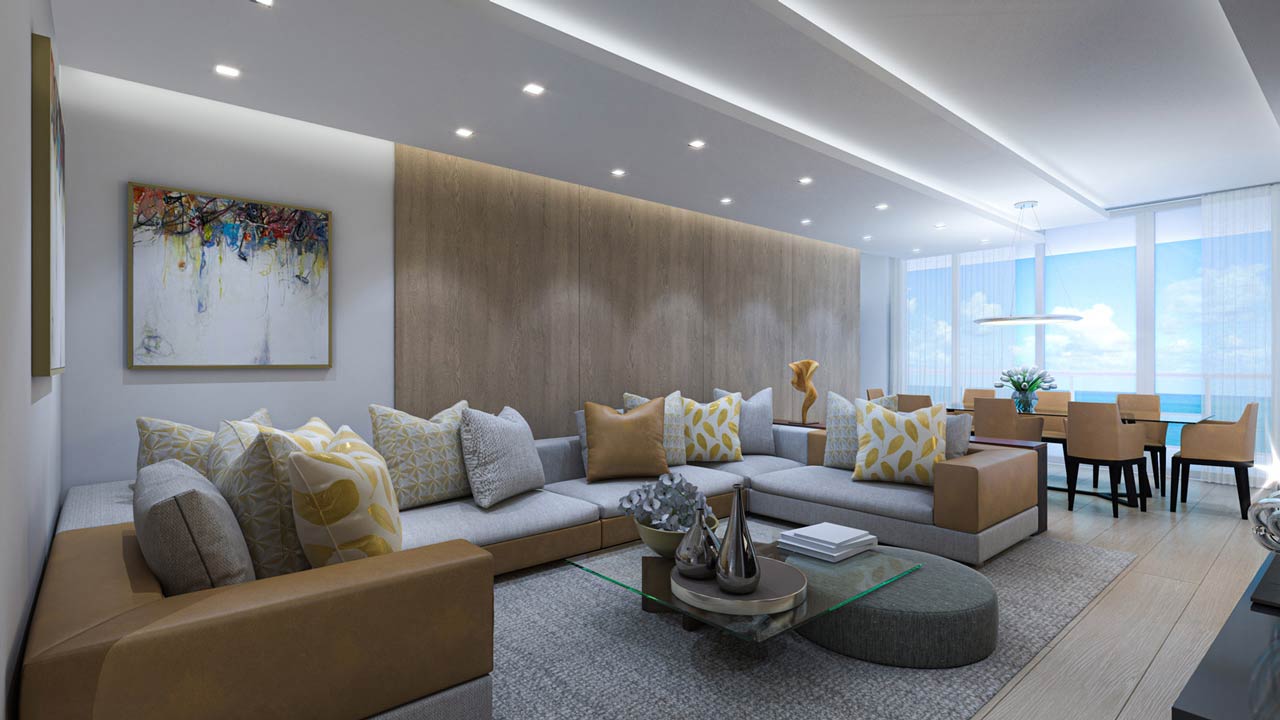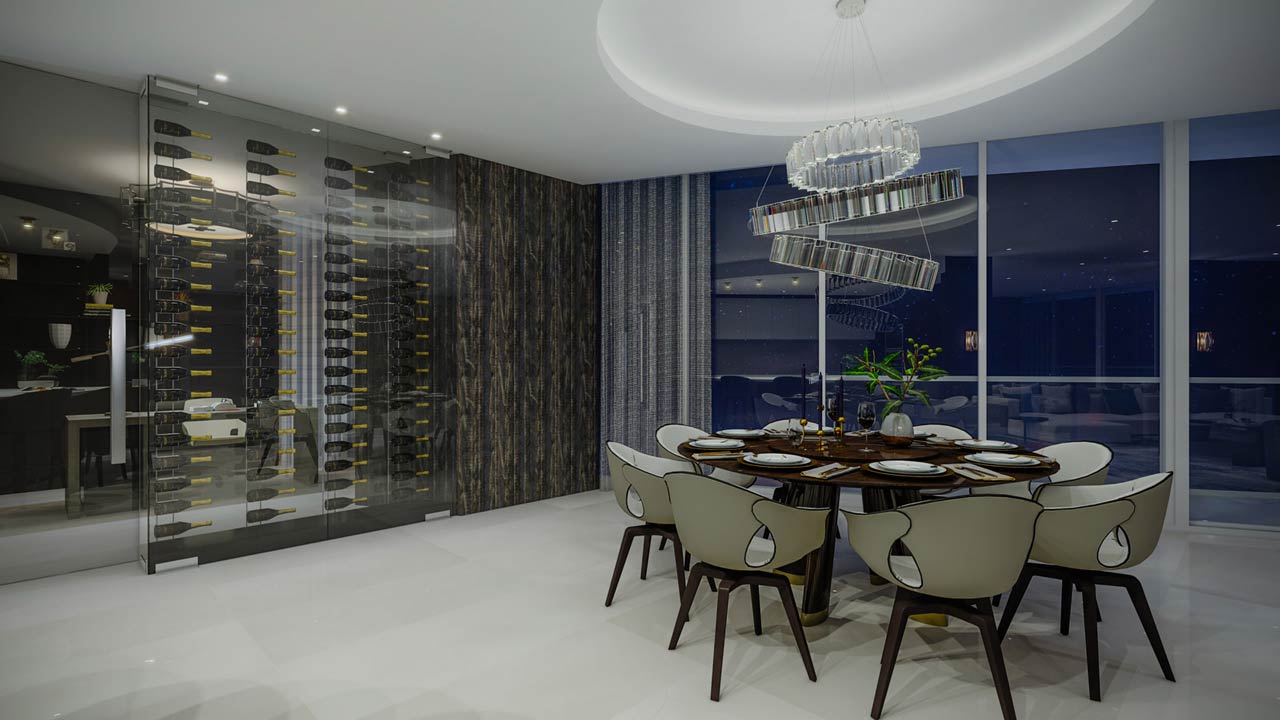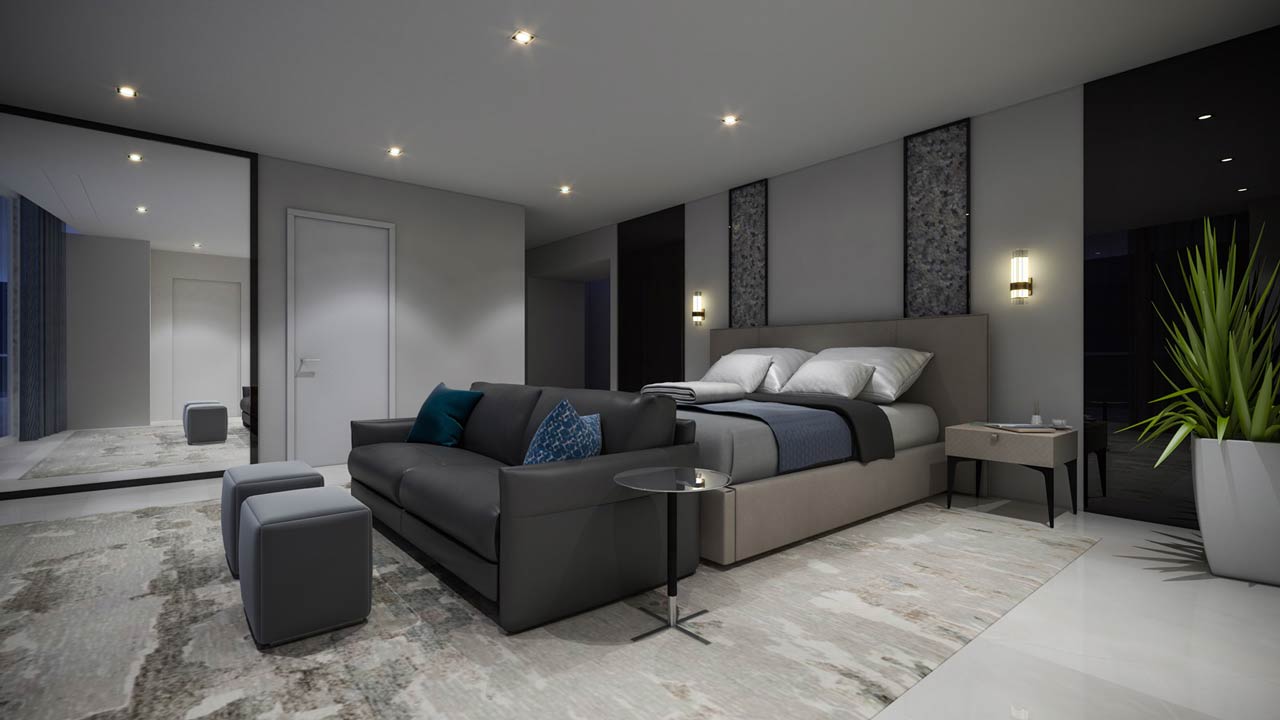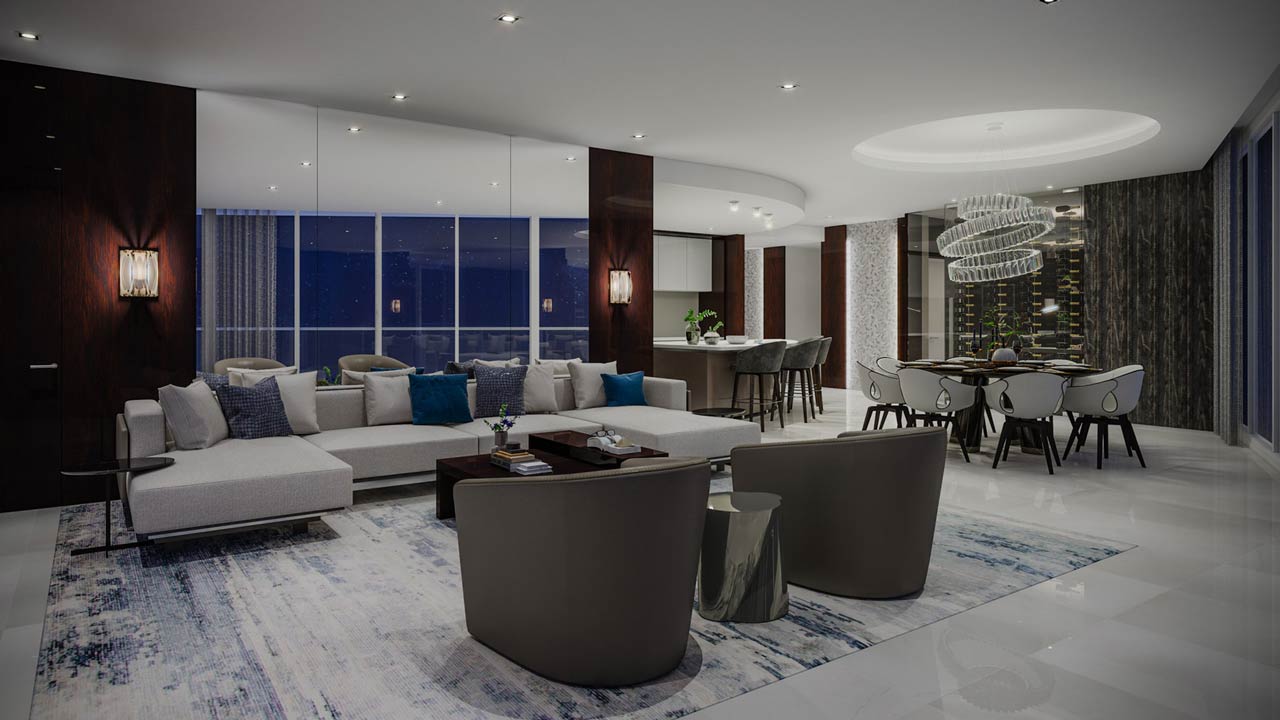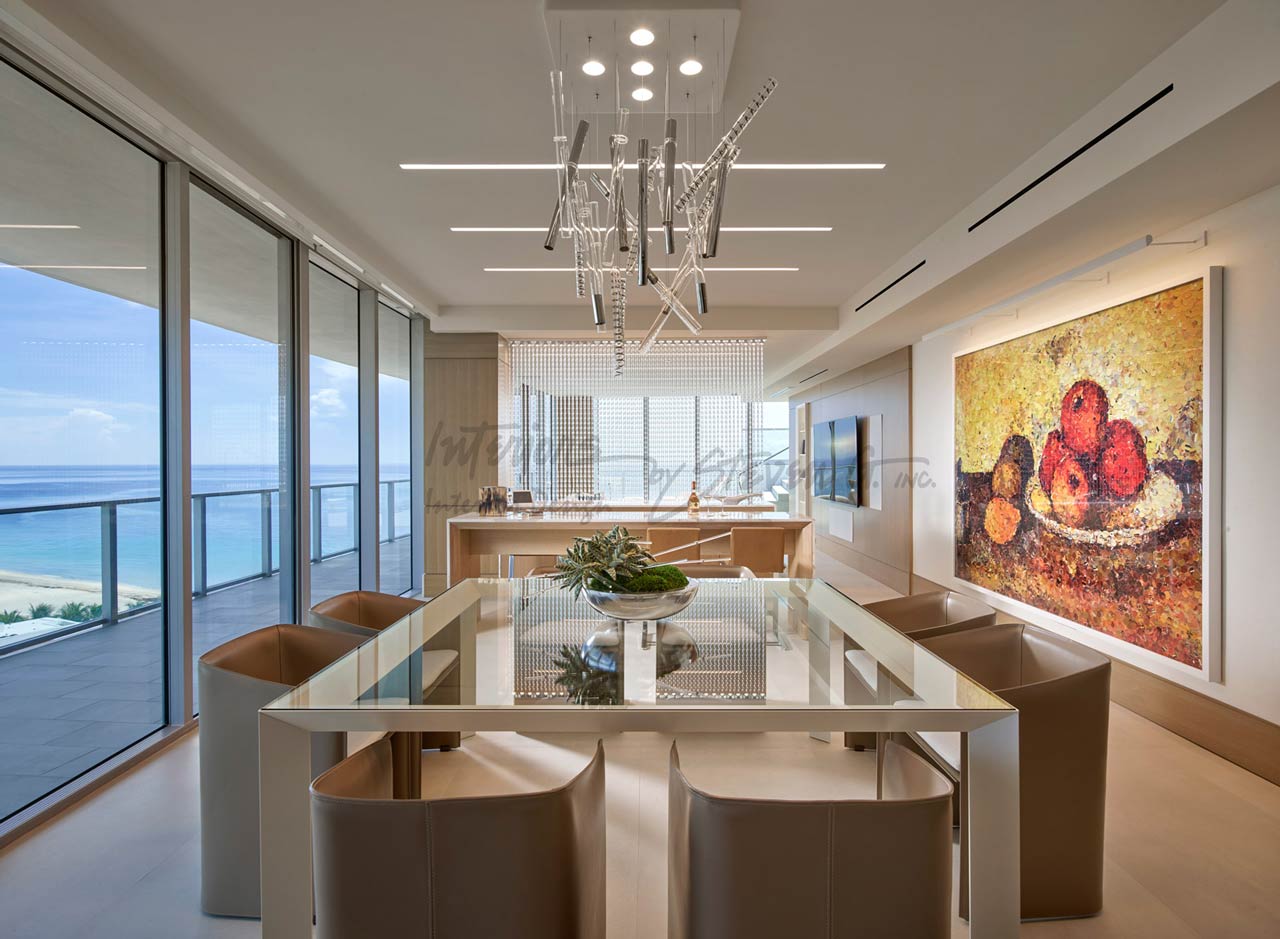




What makes a home feel luxurious is the deliberate alignment of investment-grade materials, layered lighting, and cohesive design; spaces where every detail has been chosen with intent. A refined interior feels calm, effortless, and unmistakably personal. These qualities follow a clear set of design principles that any home can achieve.
The U.S. Environmental Protection Agency estimates that Americans spend approximately 90% of their time indoors, yet most never stop to consider whether their living environment is genuinely working for them. The quality of that environment shapes mood, comfort, and how effortlessly daily life unfolds.
Understanding the principles behind truly luxurious living spaces is the first step toward creating one.
The Language of Luxury Materials
Luxury interior design starts with the surfaces you can see and touch. High-end home styles typically share one quality: the materials chosen for them carry weight, warmth, and a sense of lasting craftsmanship.
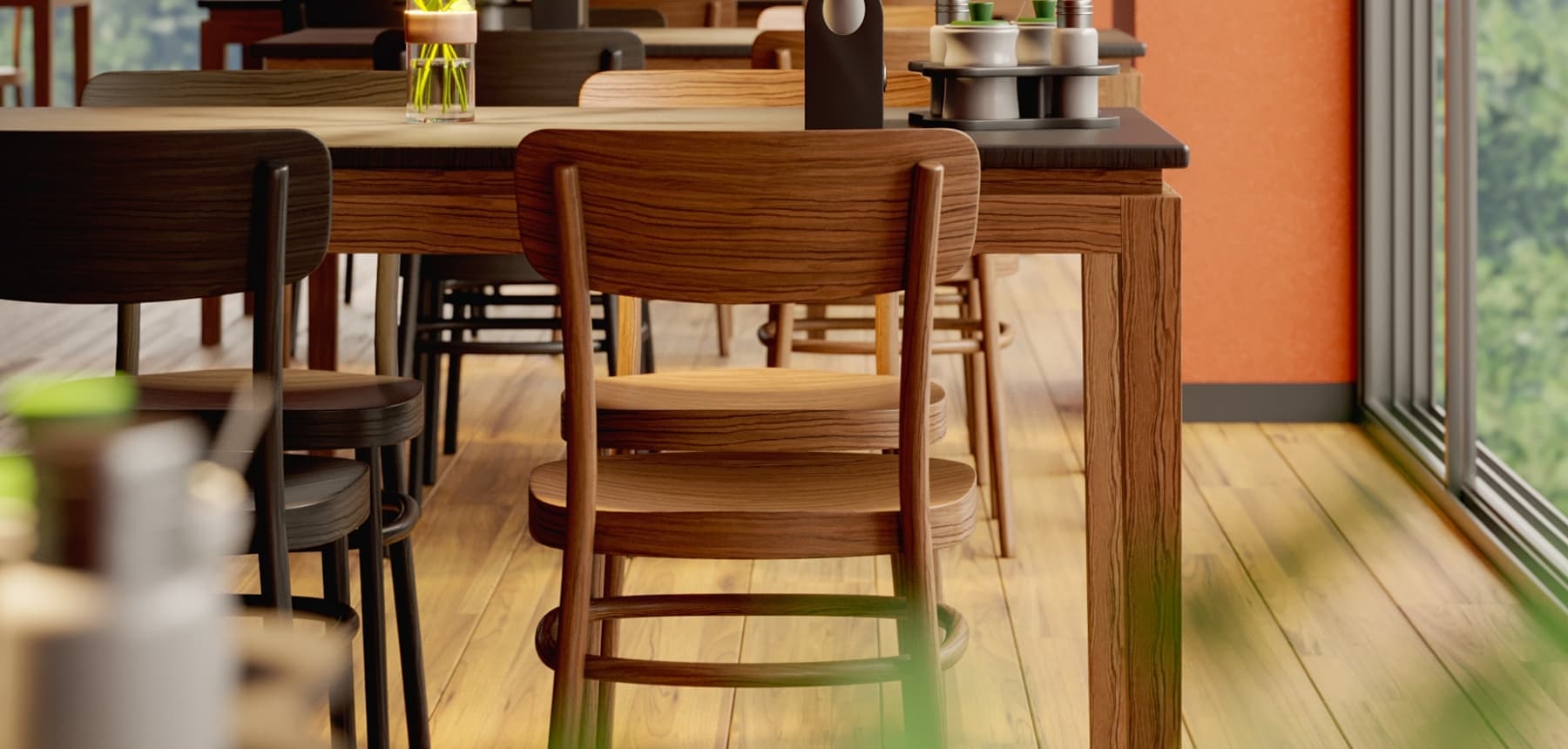
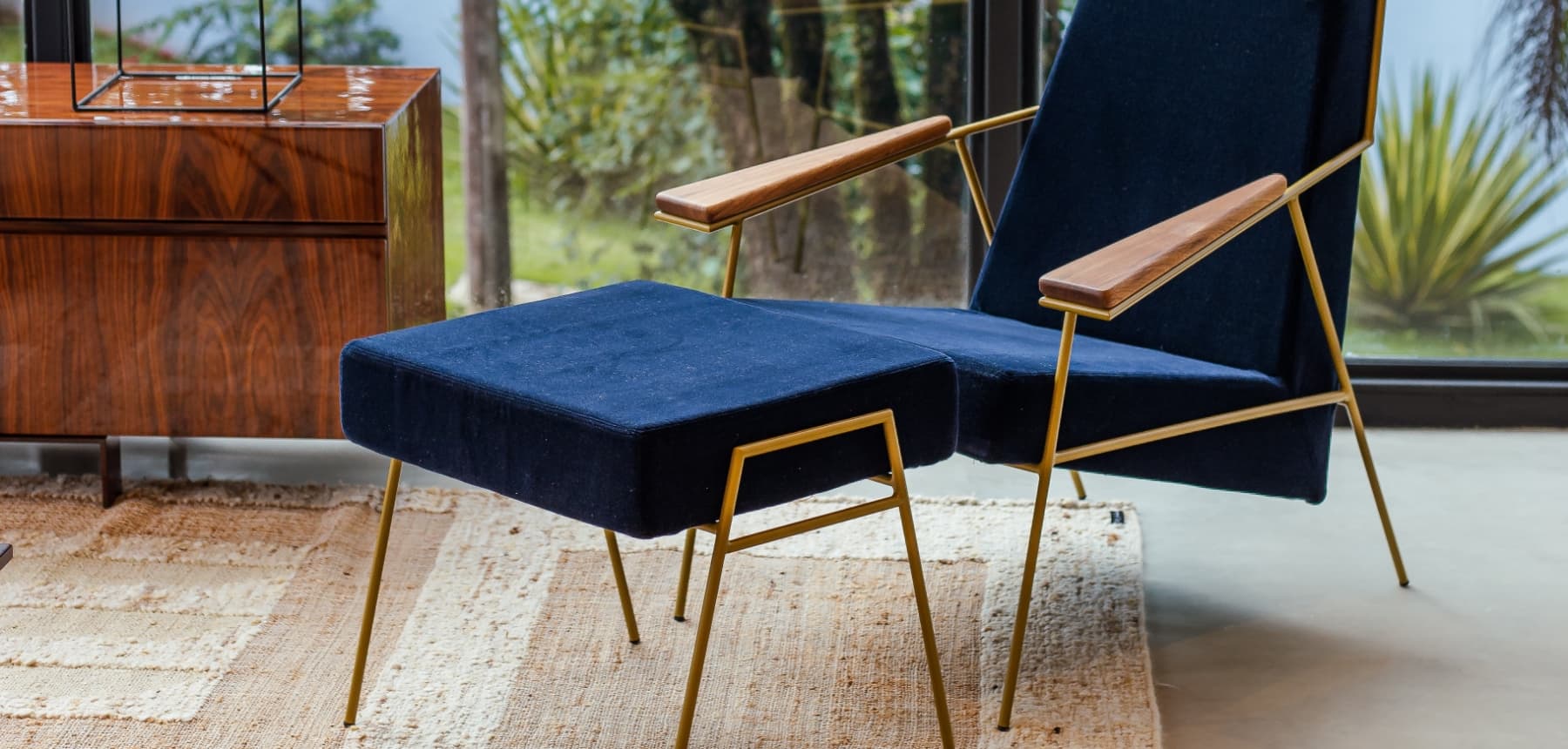
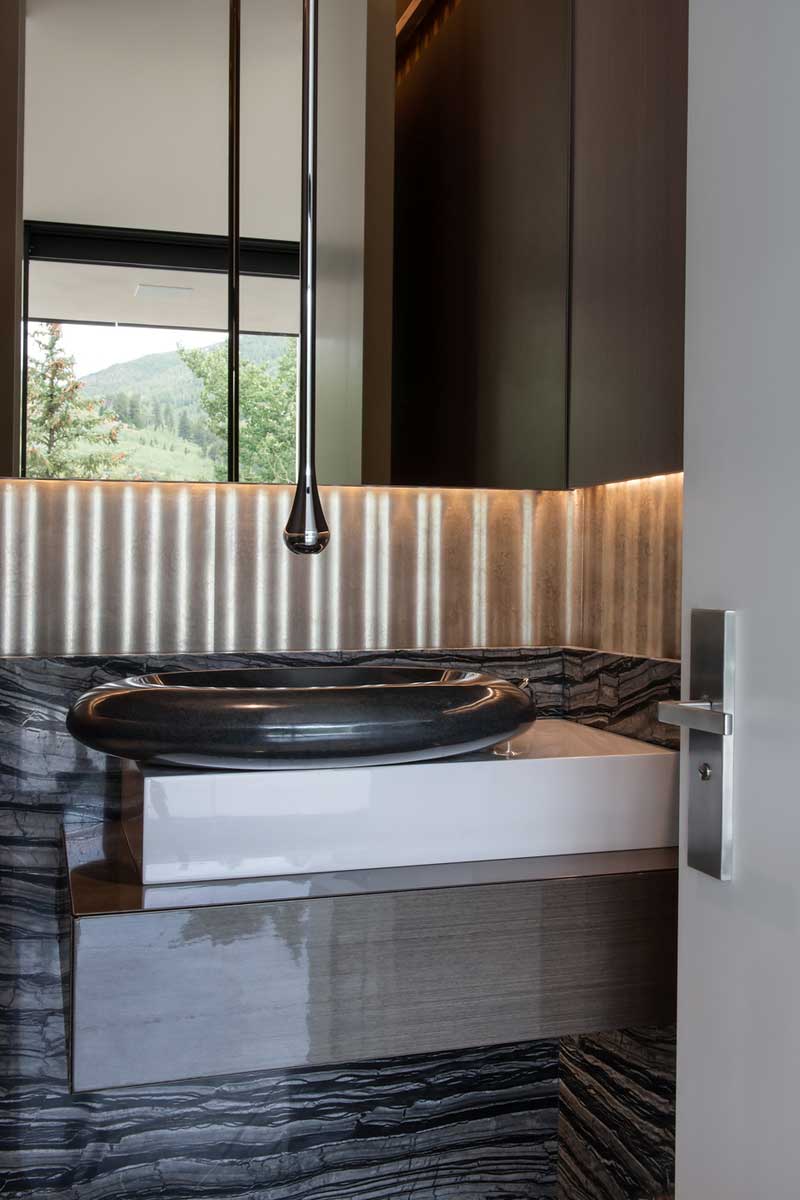
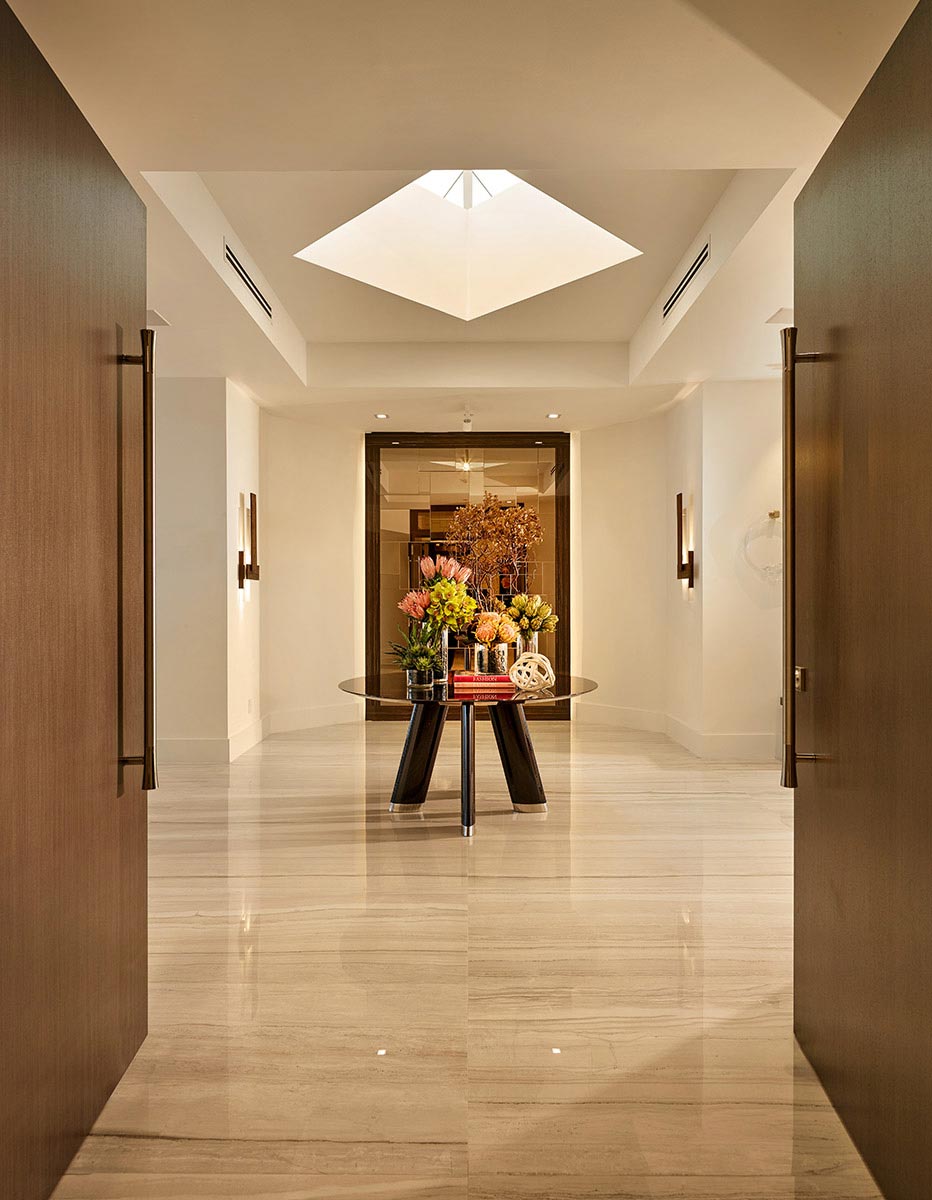
Natural materials define the most refined spaces. Marble, solid hardwood, stone, and hand-stitched leather actually communicate quality before a guest consciously registers it. Finish choices carry just as much significance, and solid brass or bronze hardware, for instance, ages with character rather than fading over time.
Material continuity is one of the most overlooked principles in good design. When a home repeats a finish or texture across multiple rooms, the space feels cohesive and considered. A full-service firm like Interiors by Steven G. actually sources materials from around the world, bringing that kind of global design fluency to every selection decision.
Some investment-grade materials worth exploring include:
- Hand-knotted silk or wool rugs that add depth and warmth to any room
- Unlacquered brass fixtures that develop a rich patina over years of use
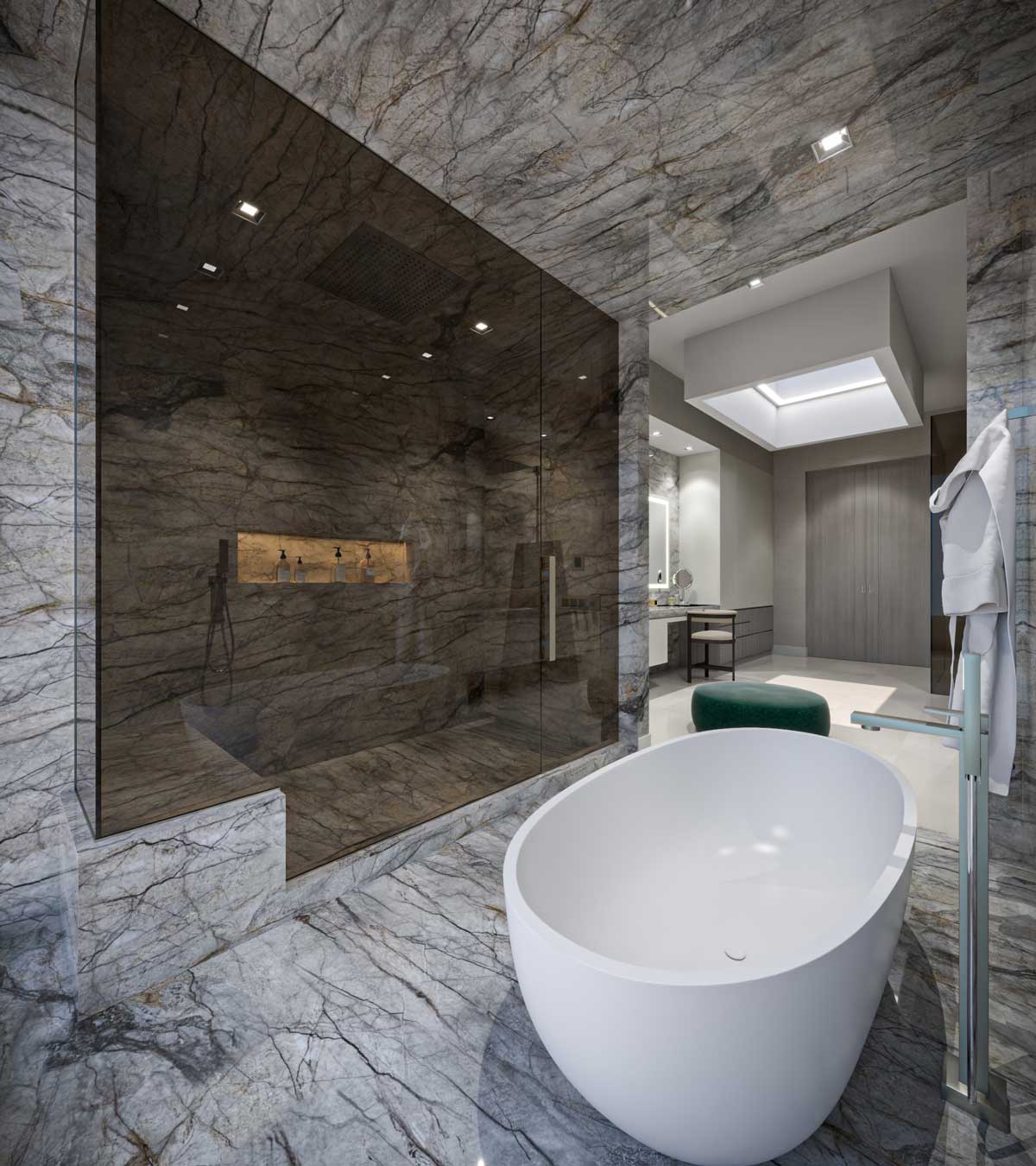
- Natural stone tiles in bathrooms for a grounded, spa-like atmosphere
- Solid wood cabinetry with dovetail joinery for lasting structural integrity
What Role Does Lighting Play in a Truly Elevated Space?
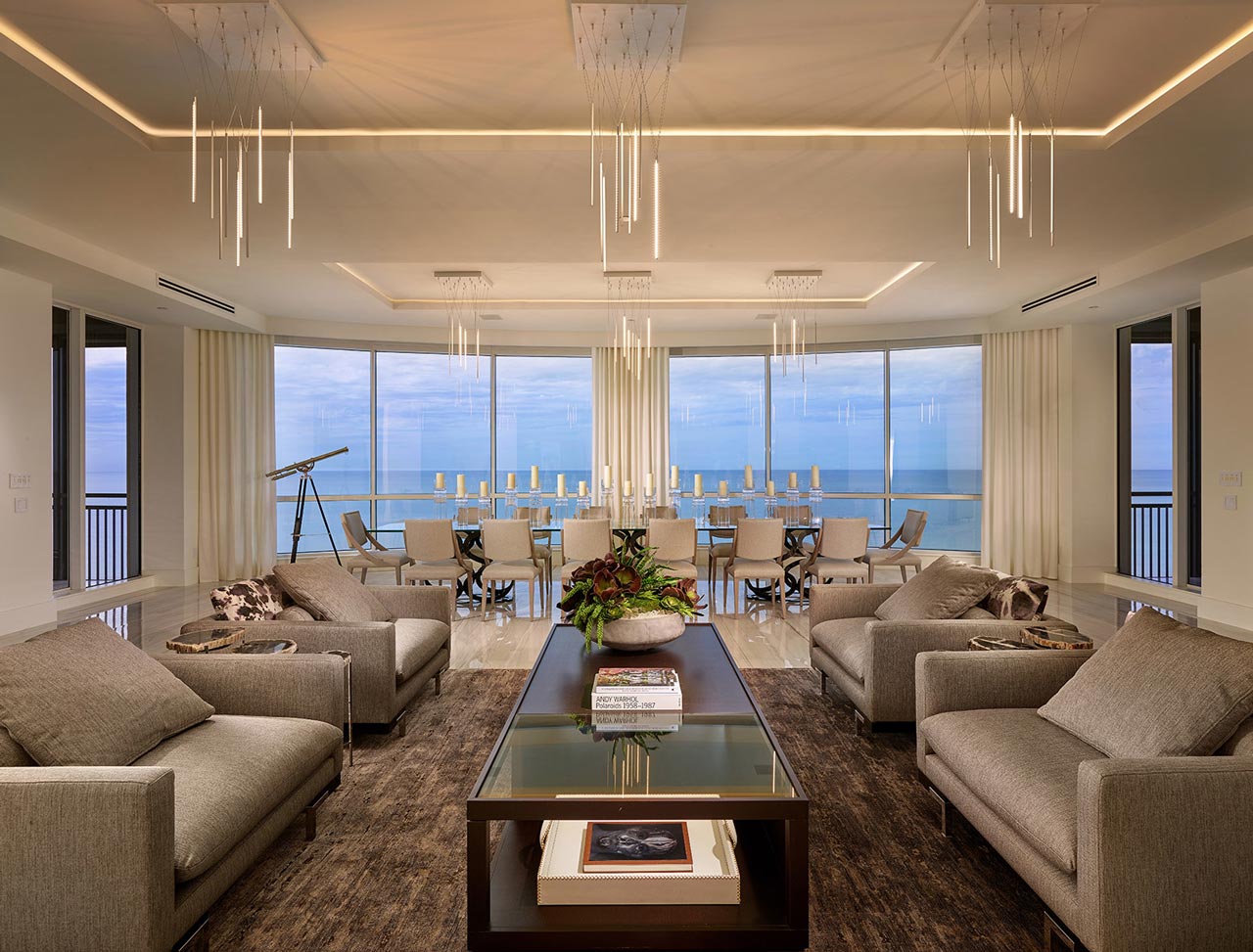
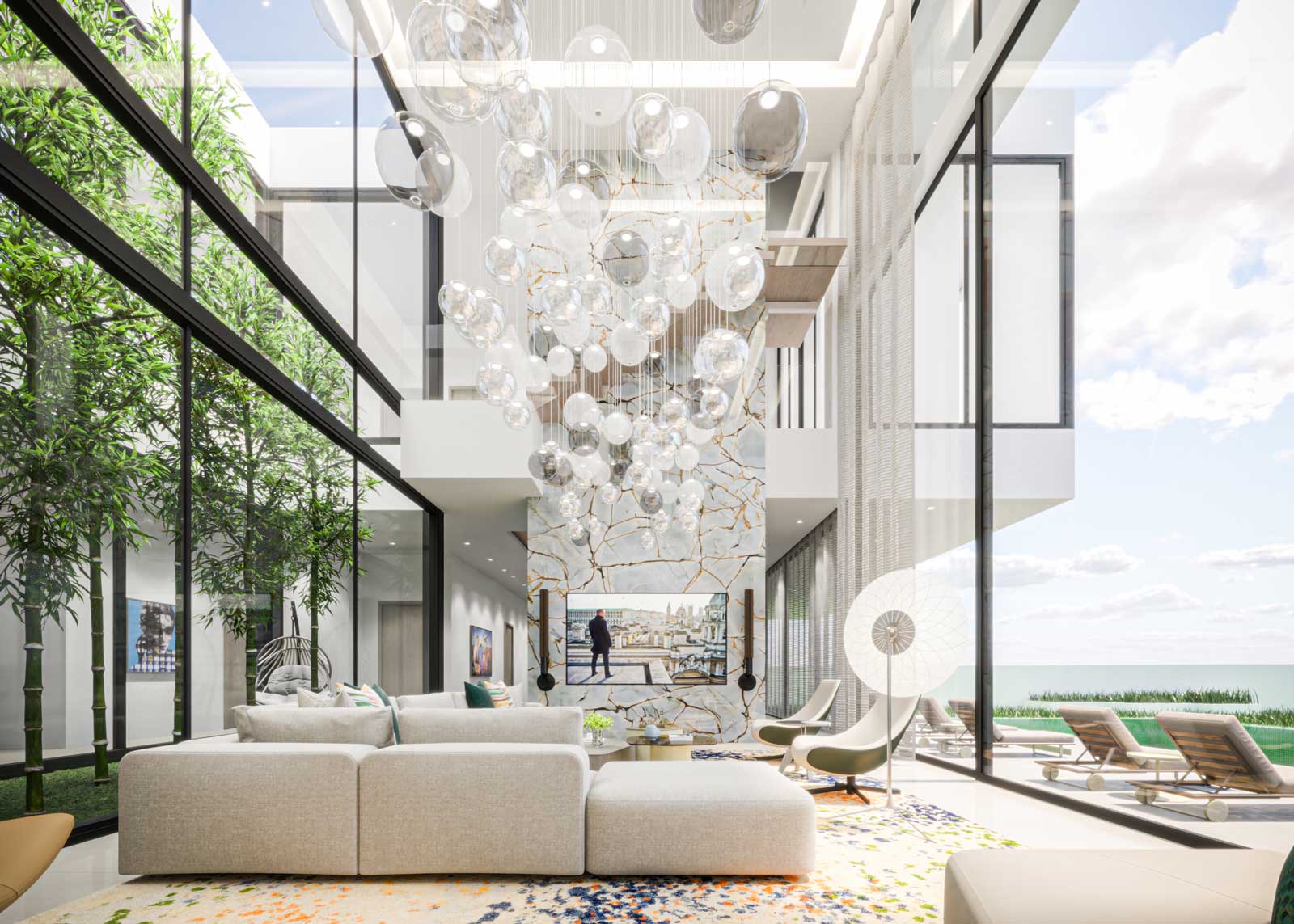
Good lighting transforms a room more than almost any other single design decision. Opulent design ideas often center on statement fixtures, like oversized pendants, sculptural chandeliers, or layered sconces that often define a room’s personality and mood.
A well-lit room uses three types of light working together. Ambient light fills a space generally, task lighting serves a functional purpose, and accent lighting is really where personality gets added.
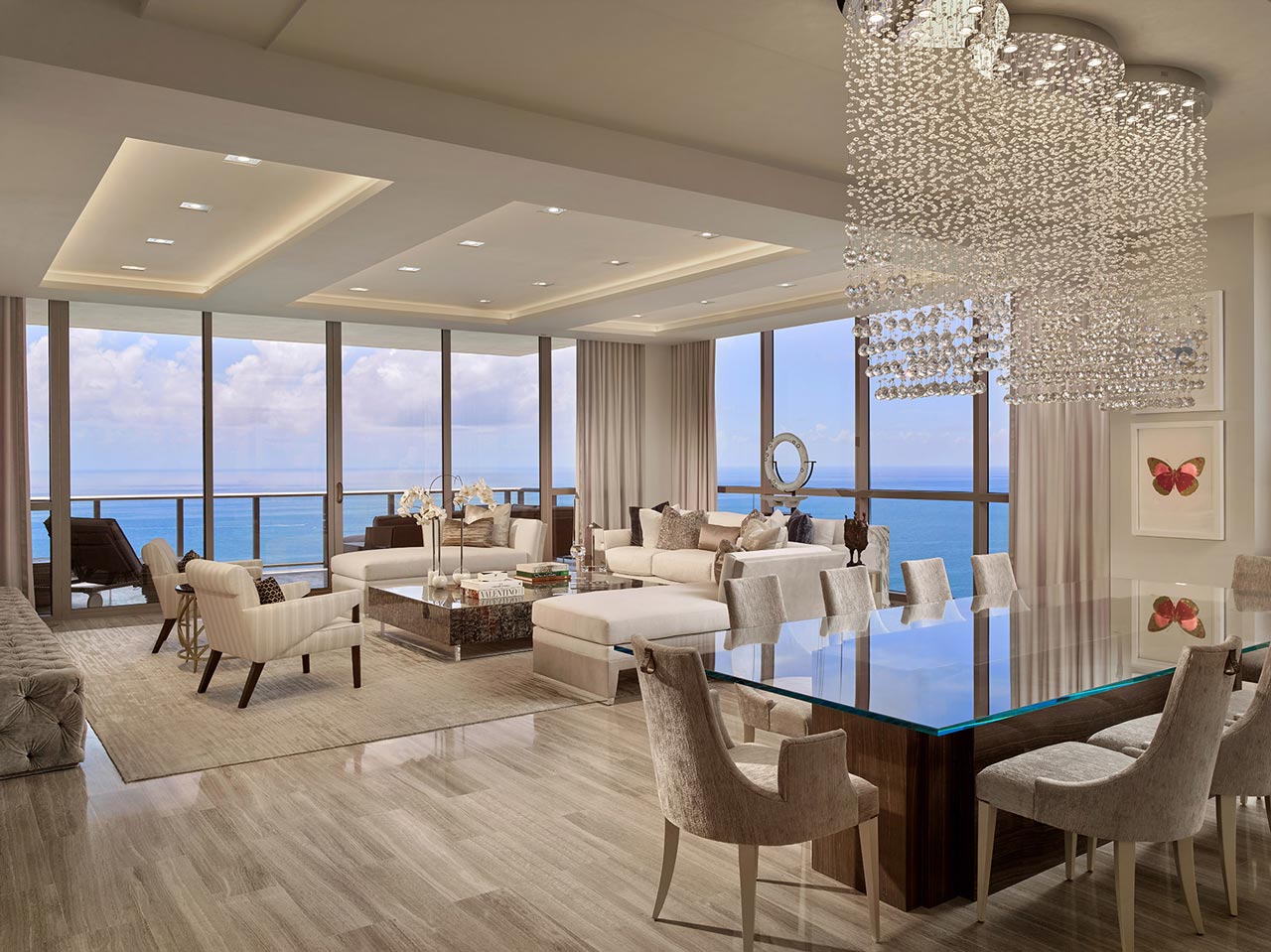
Statement fixtures do double duty as art. A single dramatic pendant above a dining table, for example, can set the tone for an entire room.
Natural light deserves the same attention as artificial sources; sheer window treatments that soften daylight tend to create a warmth that purely artificial lighting cannot replicate.
Cohesion, Scale, and the Art of Restraint
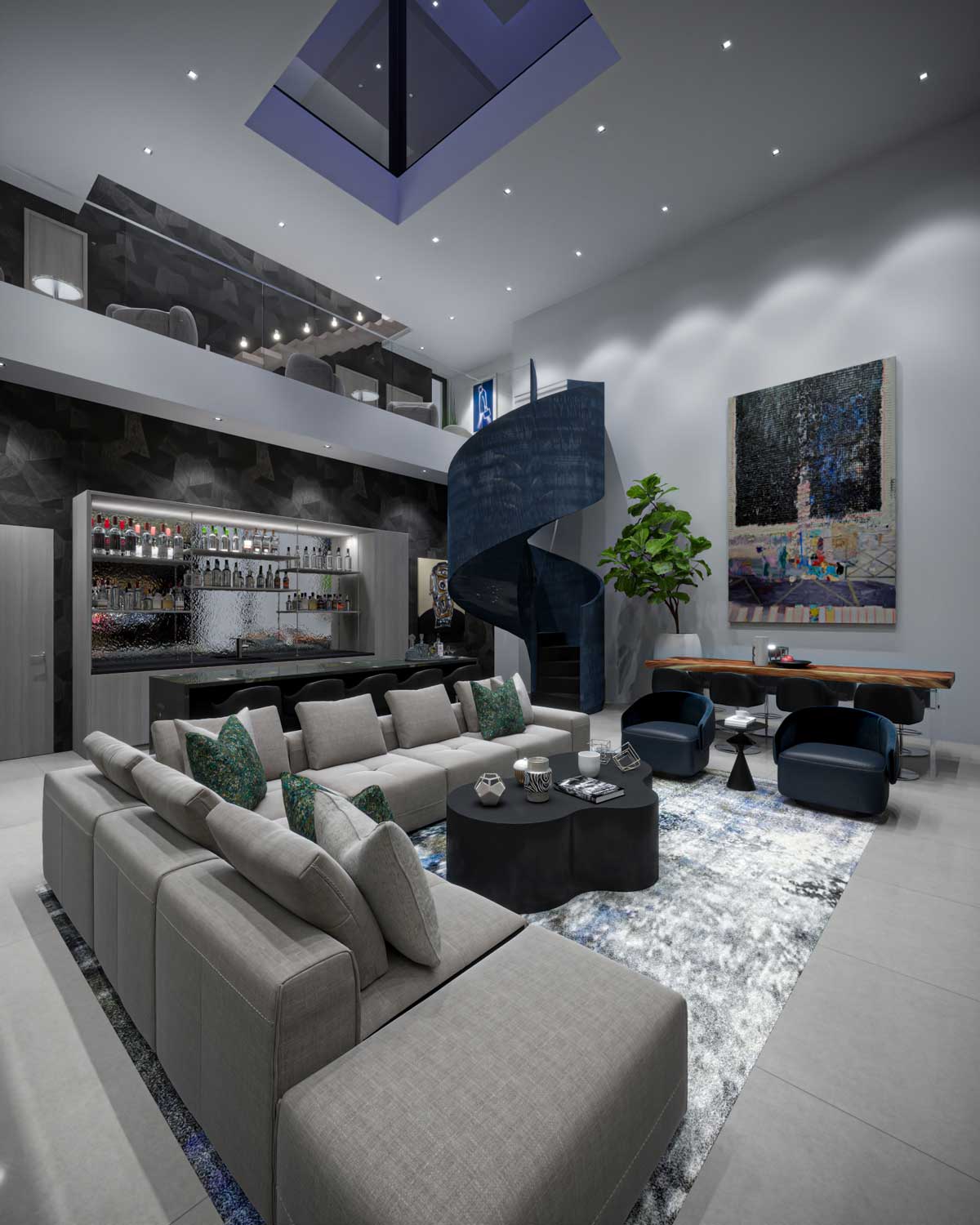
A clear color story gives a home its sense of intention and calm. Elegant home decor typically works within a palette of two to four tones, letting texture and material variation do much of the visual work.
Scale matters as much as style. Furniture that actually fits the proportions of a room, like a generous sofa in a large living area or a slim console in a narrow hallway, makes the space feel right. Getting scale wrong tends to make even very expensive pieces look out of place.
Restraint is a design principle. Choosing fewer, more considered pieces tends to produce a more refined result than filling every surface.
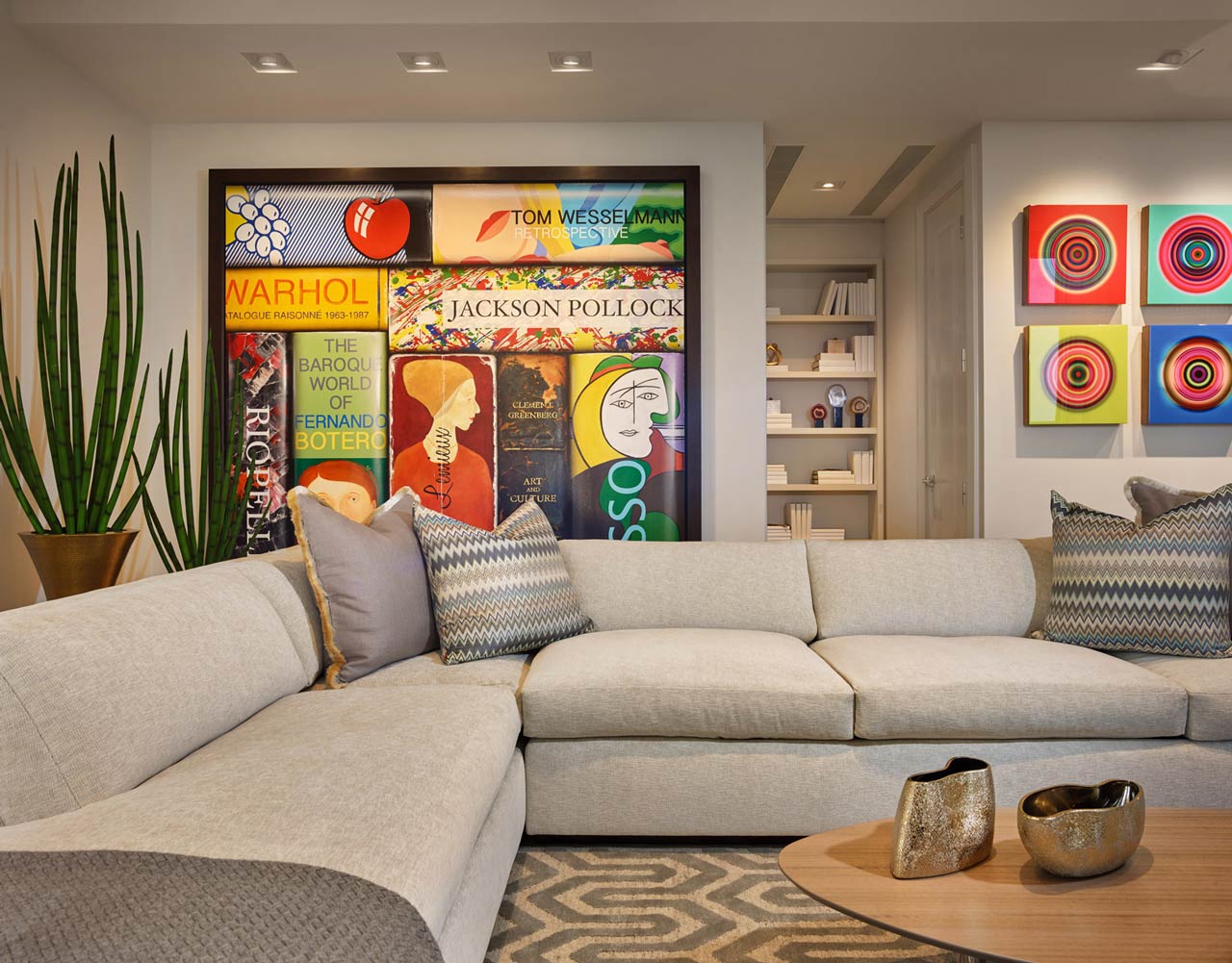
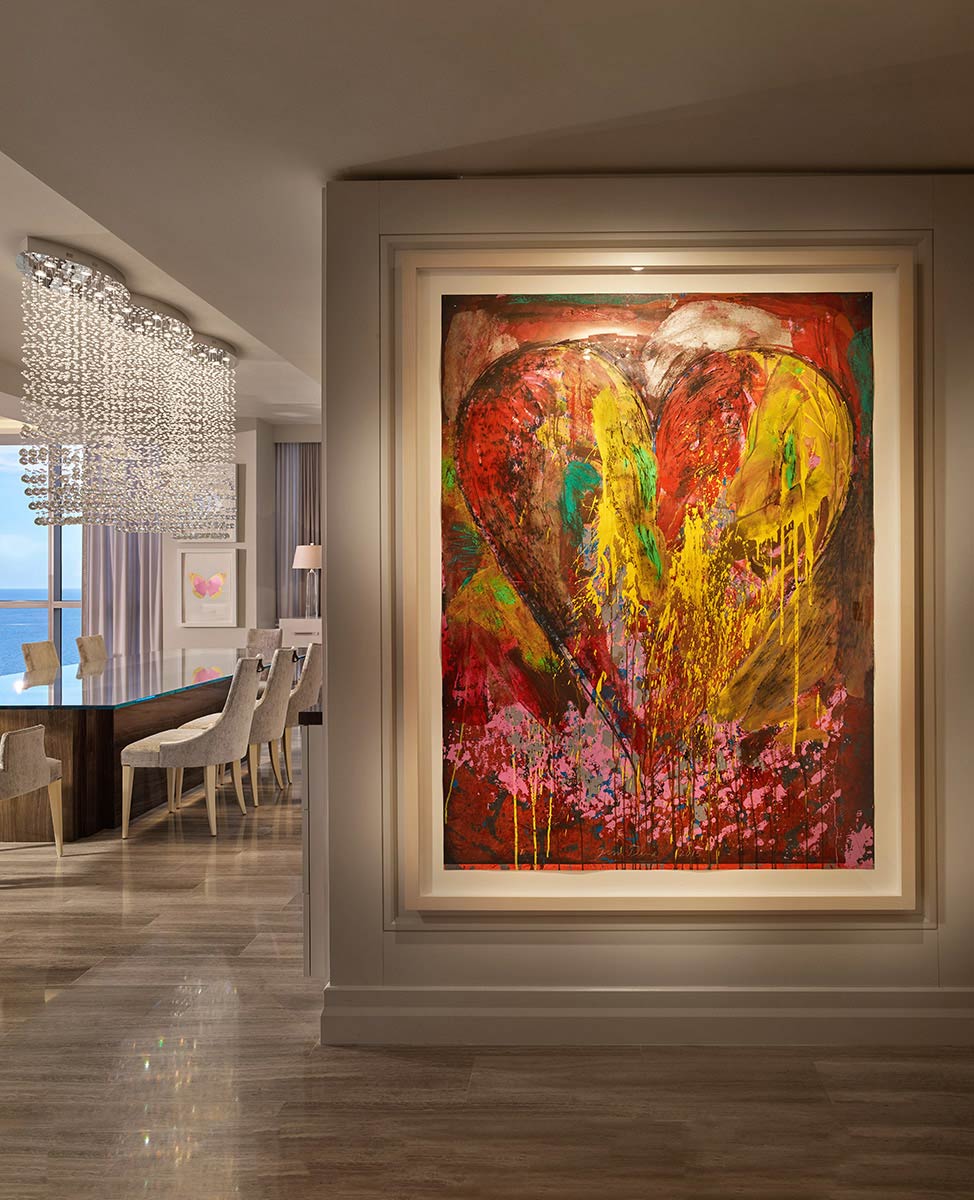
One strong focal point anchors a room. That could be a commissioned artwork, a sculptural floor lamp, or a hand-knotted rug that draws the eye naturally. A home that feels truly considered usually has that kind of clear visual anchor.
Is Luxury Really About How a Home Lives, Not Just How It Looks?
Luxurious living spaces feel effortless to move through and easy to maintain. The design decisions that create that feeling are often the ones you never consciously notice.
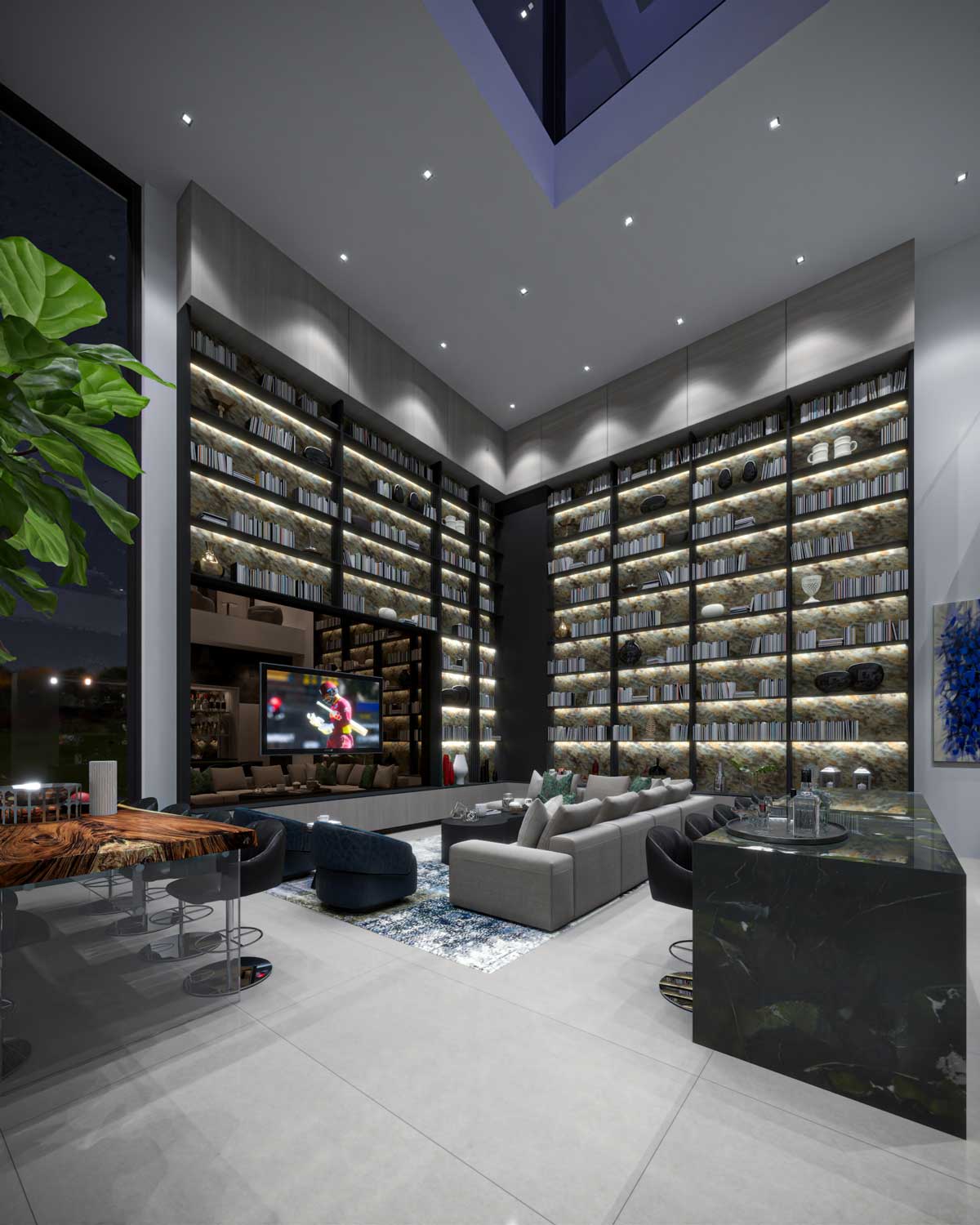
Built-in storage removes clutter from sight entirely. Smart controls simply let you adjust lighting or temperature without crossing the room. Furniture fitted to the specific scale of a space sits differently than anything pulled from a standard catalog; the fit is more or less perfect from the very first day.
The details that make a home feel refined often stay out of sight, so the space stays visually calm no matter how much is actually happening behind the scenes. That sense of effortless order is one of the clearest markers of quality design.
Several functional elements that typically distinguish a professionally designed home include:
- Zoned climate control that maintains comfortable temperatures room by room
- Motorized window treatments that respond to natural light throughout the day
- Under-cabinet lighting that serves both task and ambient functions in kitchens
- Dedicated charging stations built into cabinetry for a clutter-free look
- Sound insulation between rooms for greater privacy in shared living areas
Frequently Asked Questions
How Long Does a Full Luxury Interior Design Project Typically Take?
The timeline for a full residential design project varies based on the size of the home and the scope of work. A single-room redesign can take anywhere from six to twelve weeks. A full home project often runs six months to over a year, covering phases from initial consultation and space planning right through to final delivery and installation.
How Do I Know if My Home’s Layout Is Working Against the Design?
A layout works against the design when traffic flow feels awkward, rooms seem smaller than their square footage suggests, or furniture placement looks forced. A licensed interior designer reviews the floor plan first, so that any design direction builds on a foundation that actually supports how you live. Poor flow is one of the most common (and most fixable) reasons a home never quite feels right.
So, What Makes a Home Feel Luxurious?
What makes a home feel luxurious is the result of considered decisions: investment-grade materials, purposeful lighting, and spaces designed to function as beautifully as they look. When these principles align, a home becomes effortless to live in.
Interiors by Steven G. has upheld that standard for over 40 years. Our 110,000-square-foot Pompano Beach showroom, team of 85+ professionals, and licensed designers fluent in seven languages make us one of South Florida’s most comprehensive full-service design firms. Every project is managed from concept to installation, backed by a three-year warranty.
Request a consultation today and take the first step toward a home designed around your life.