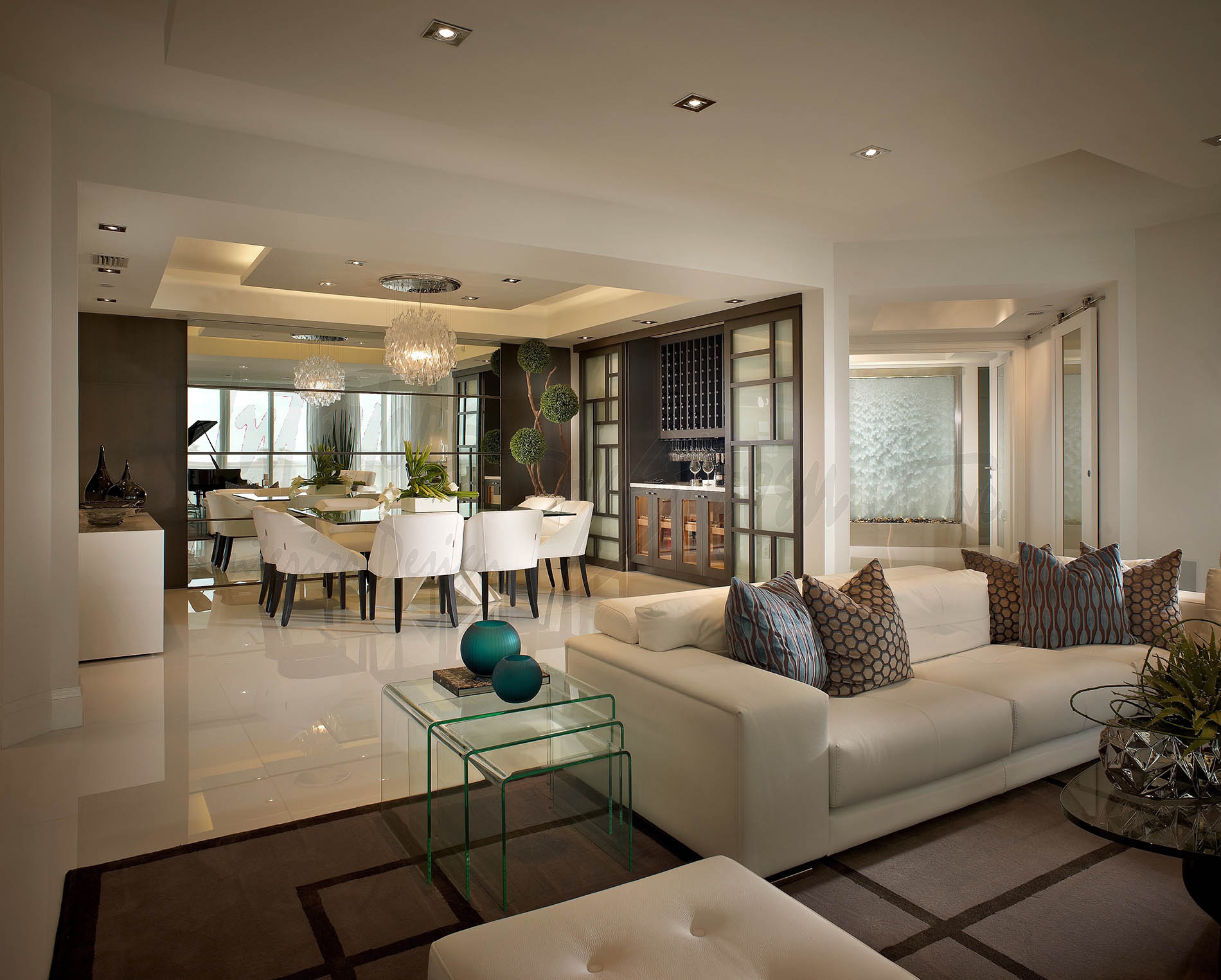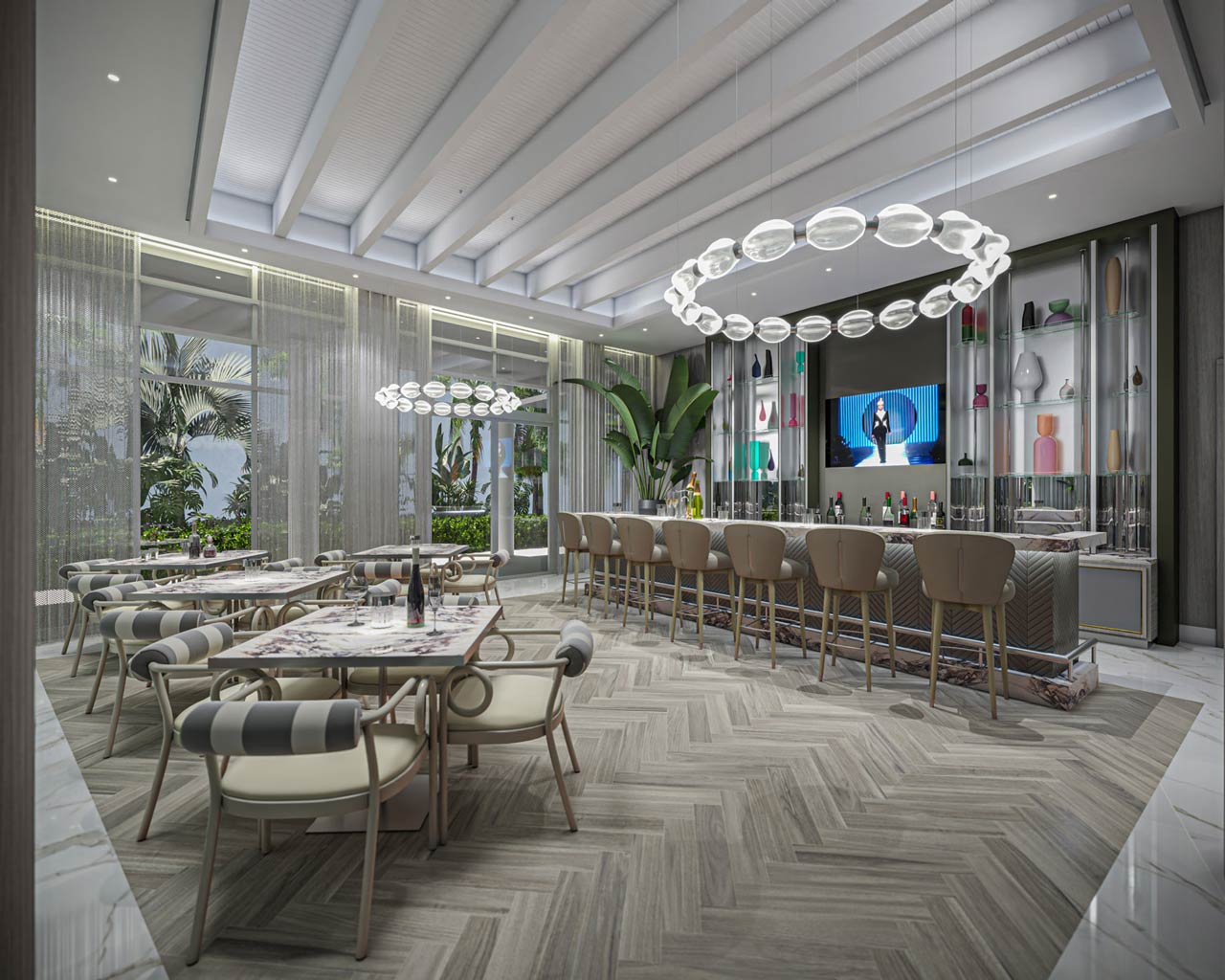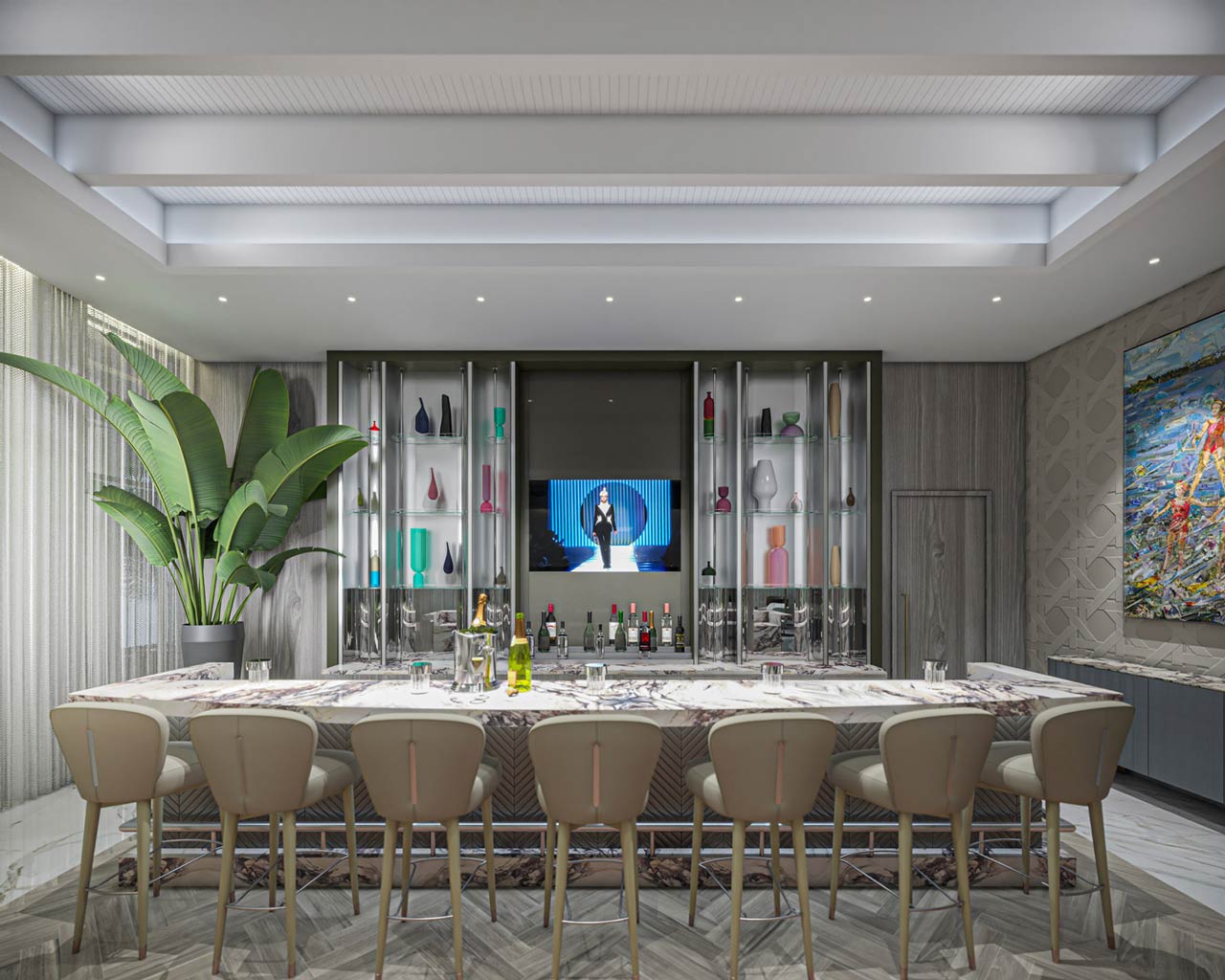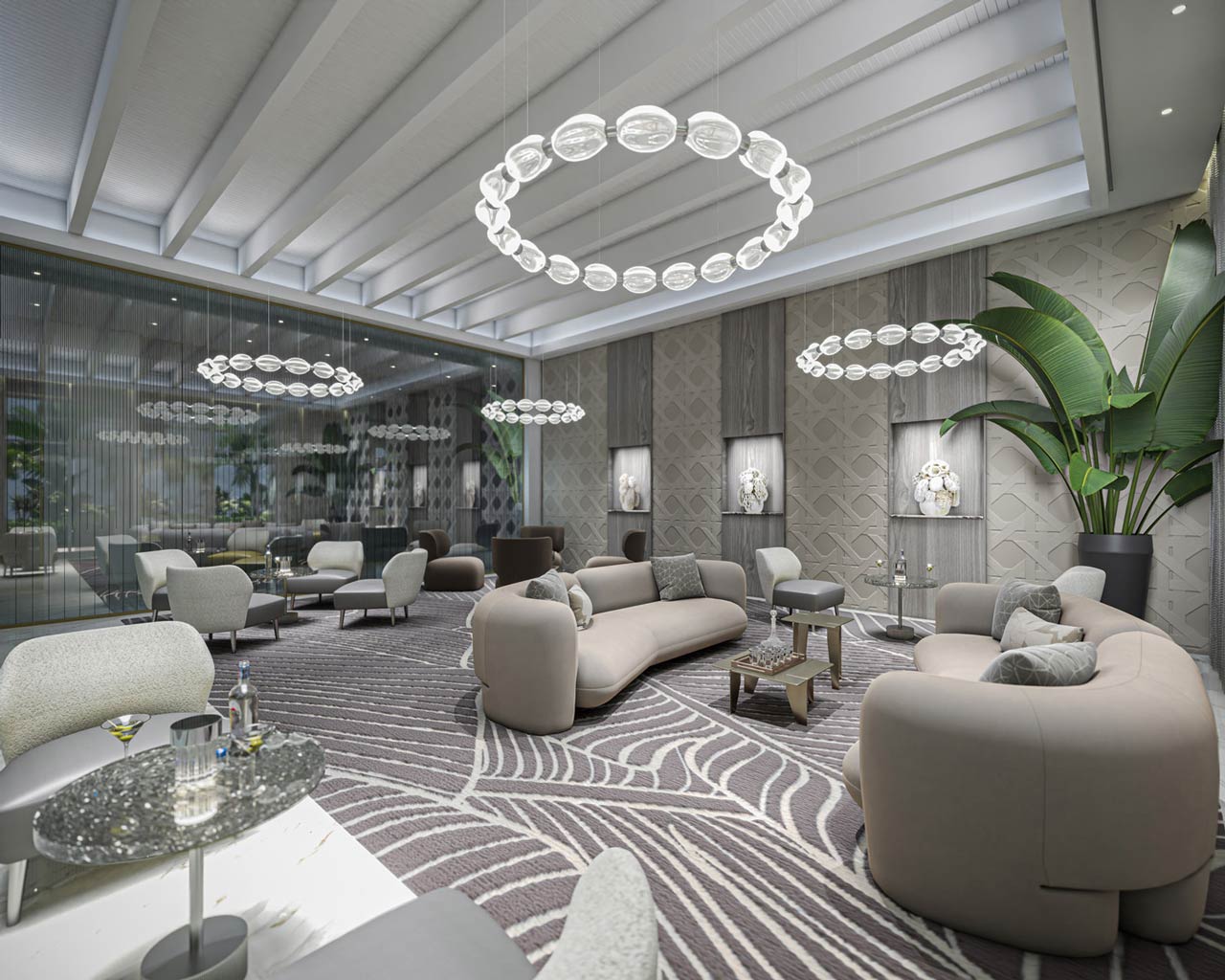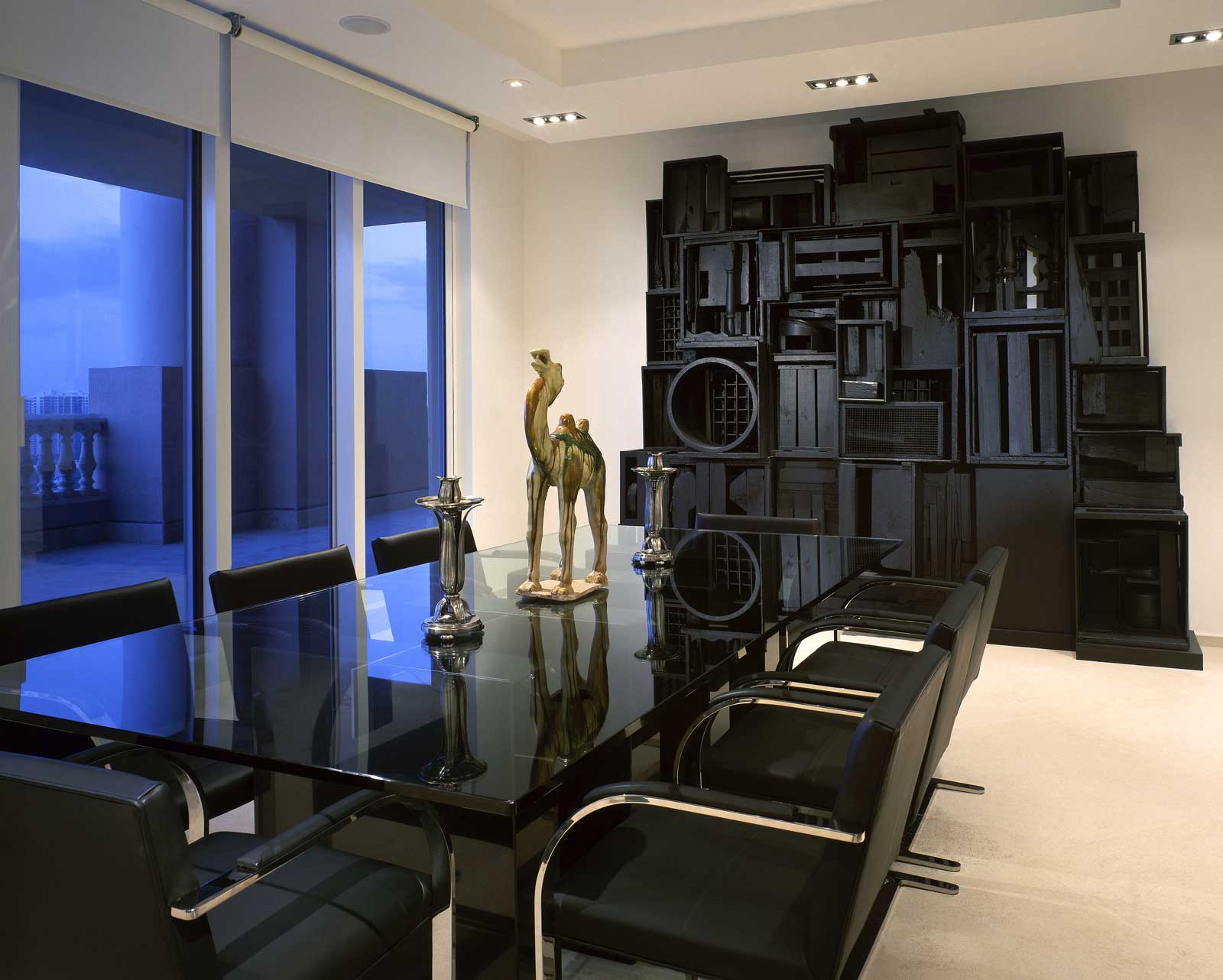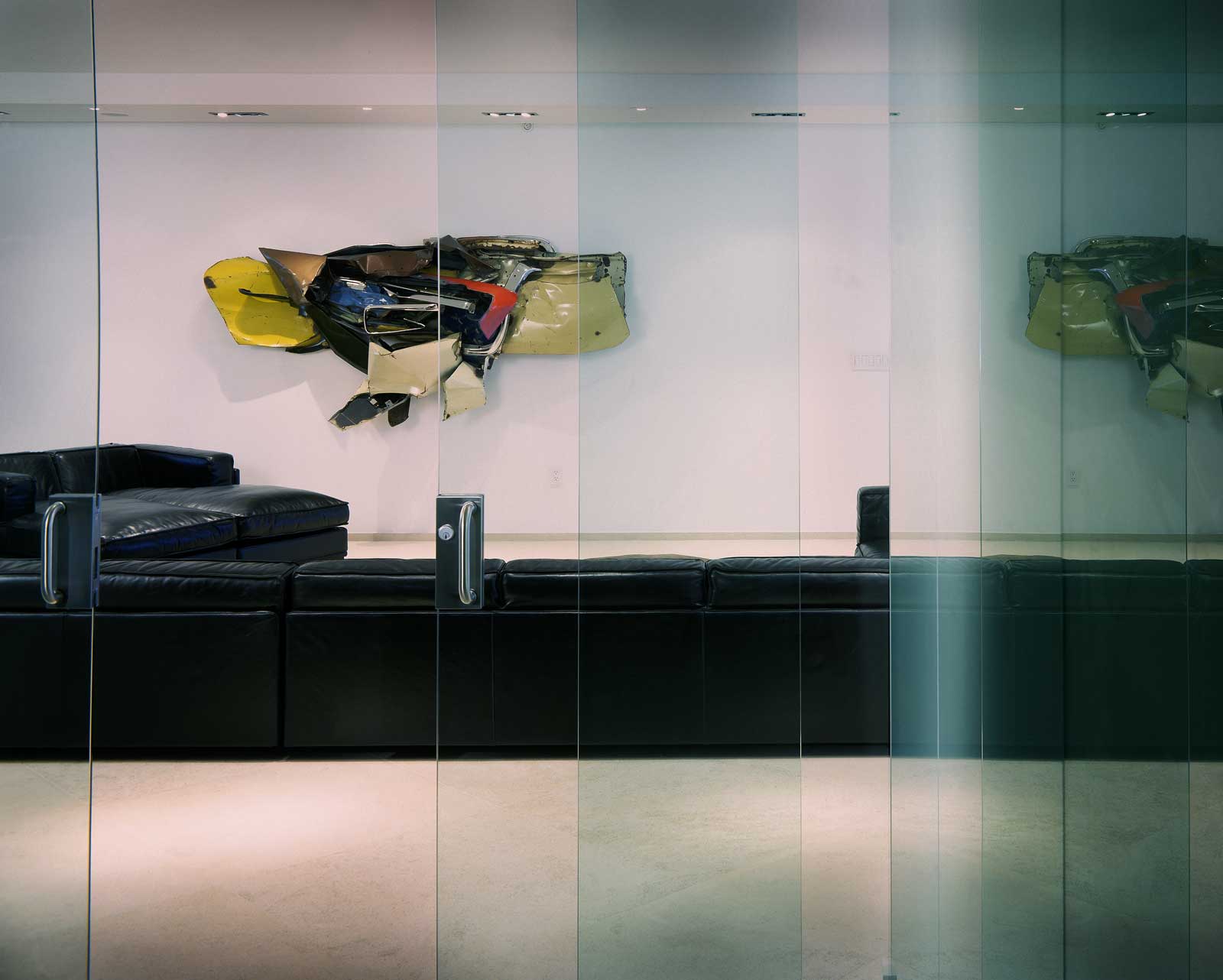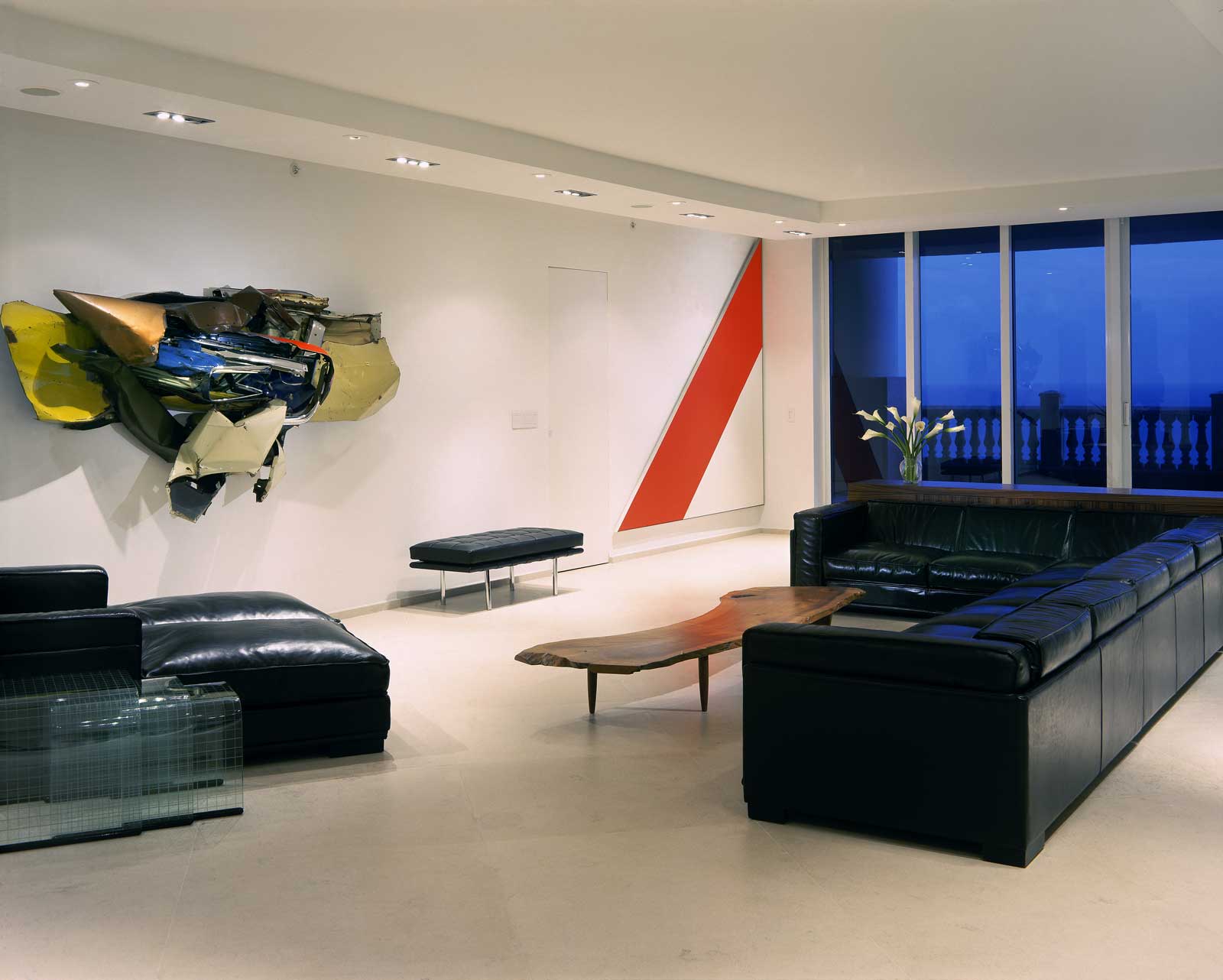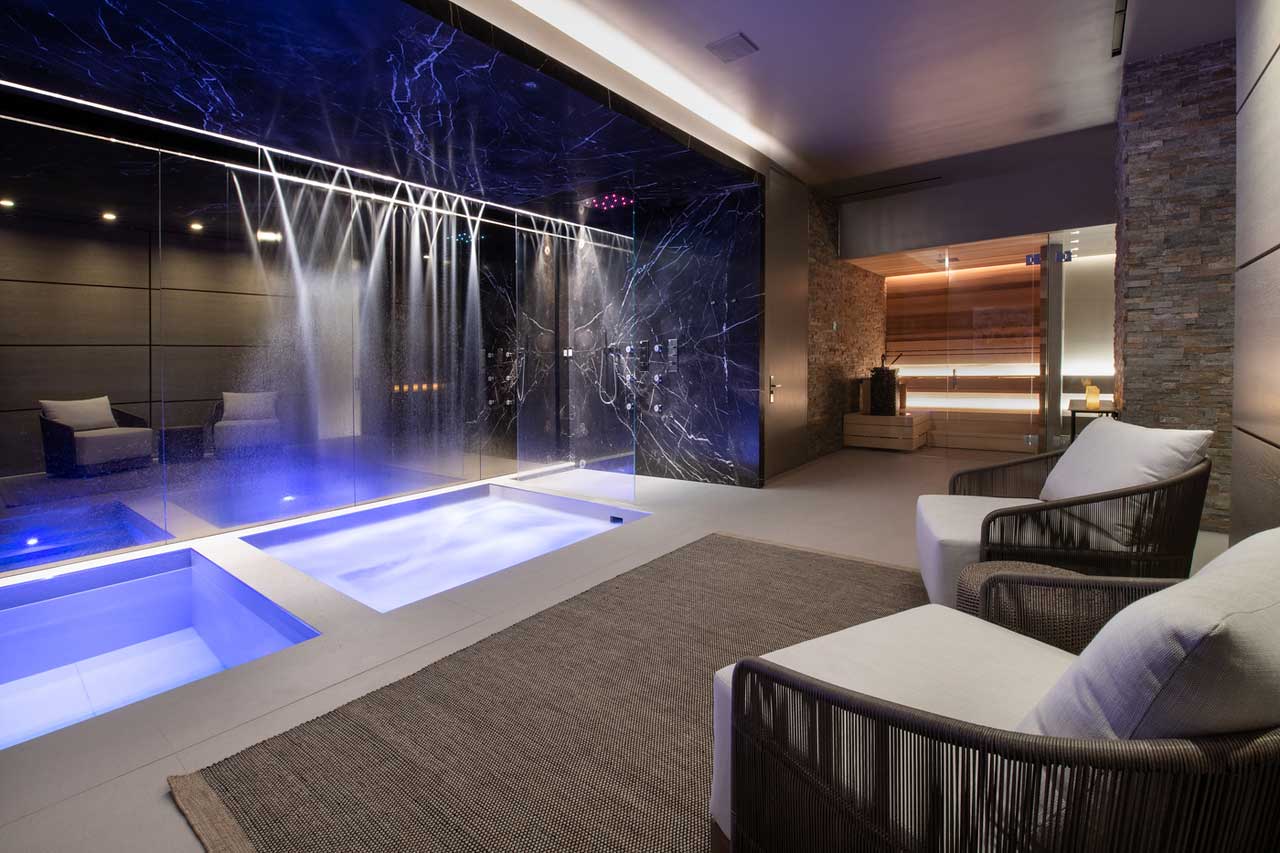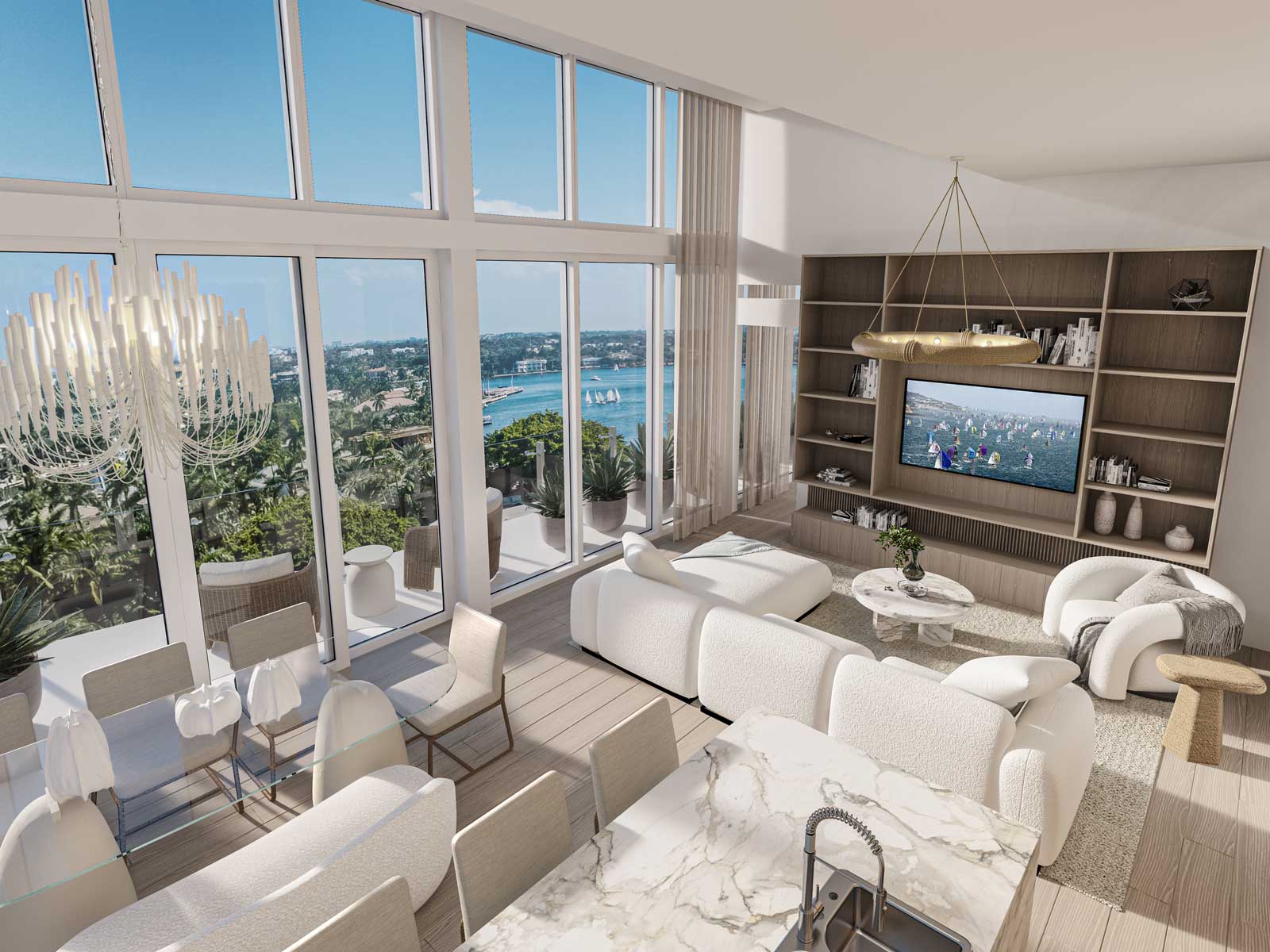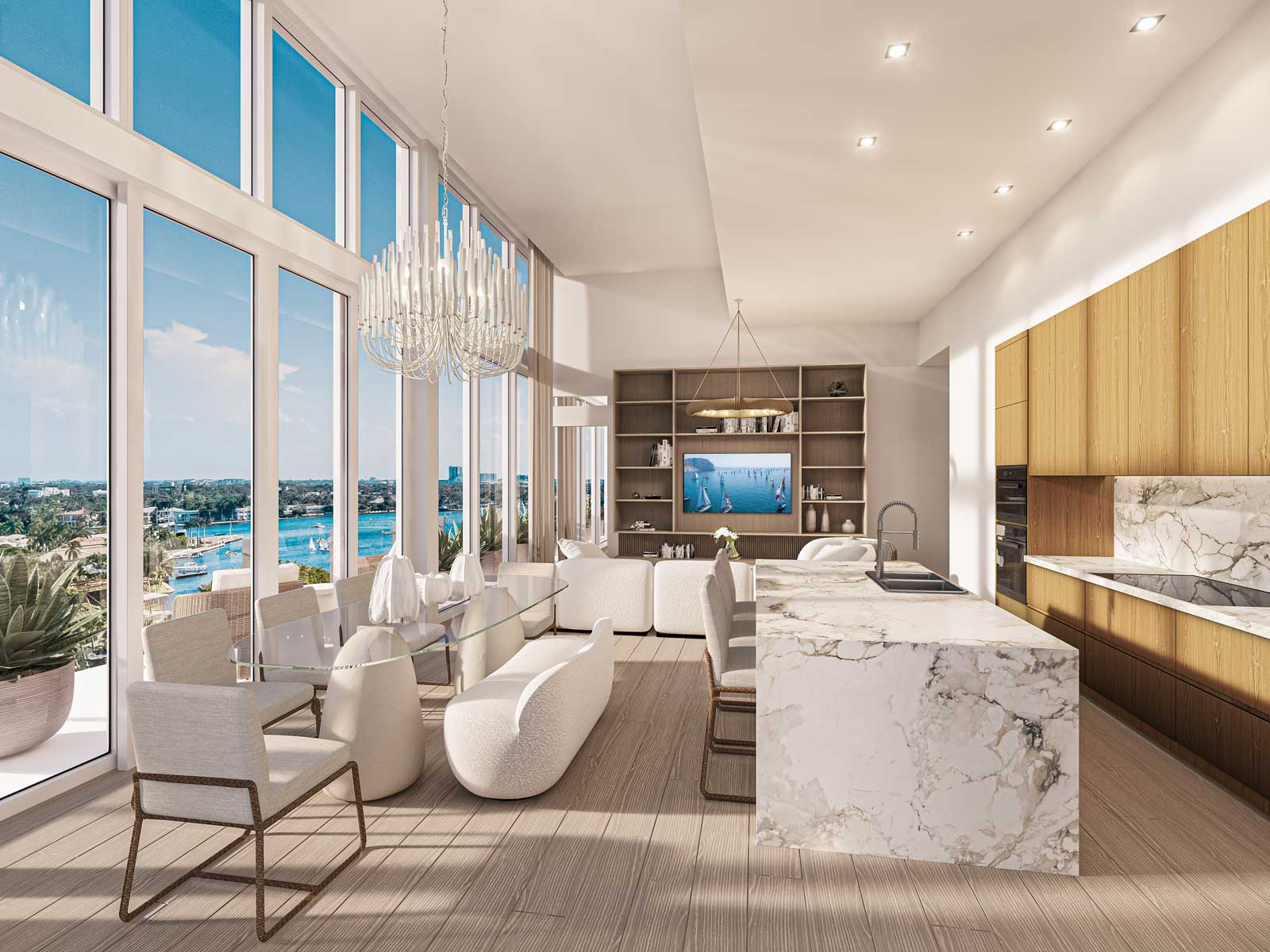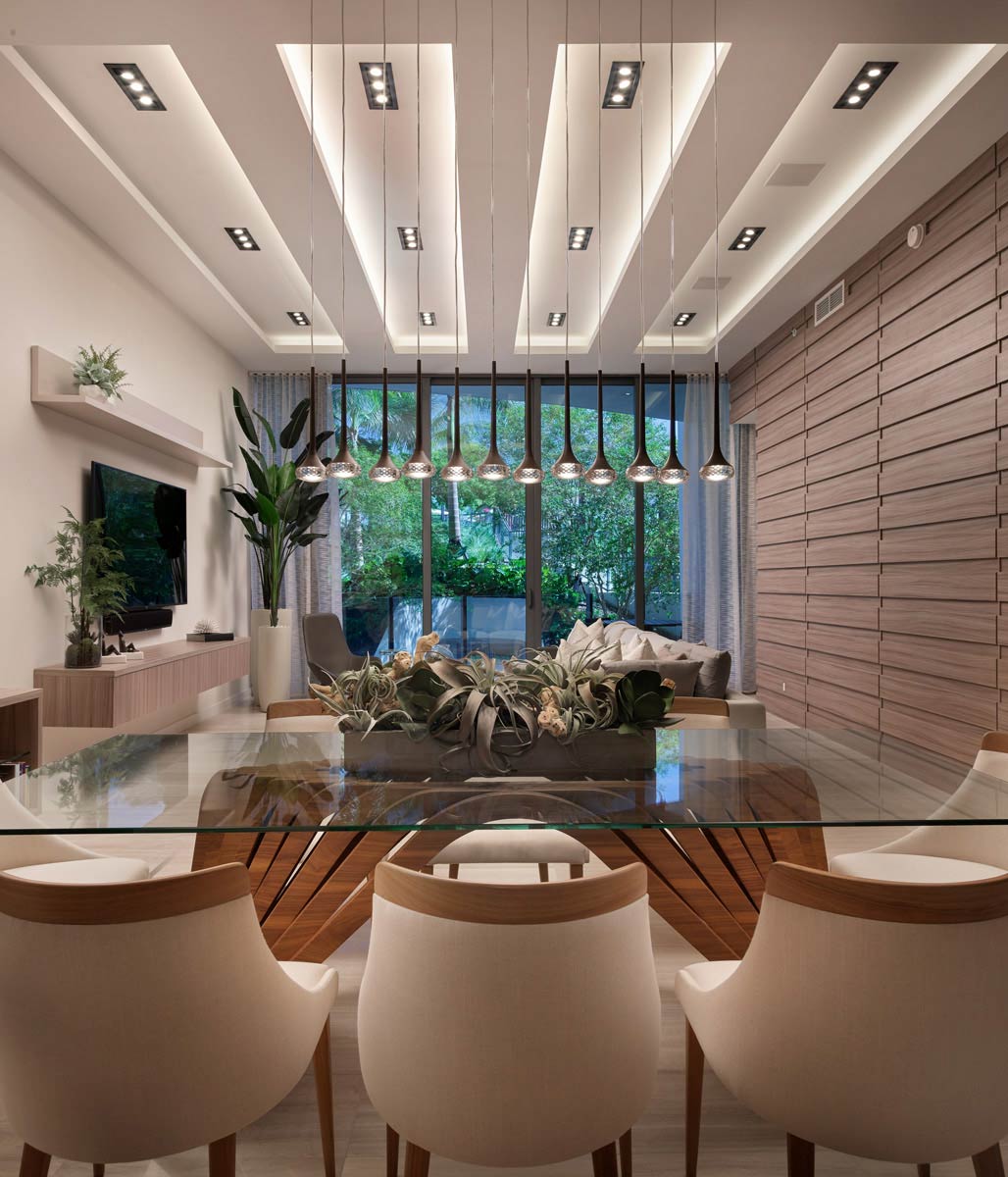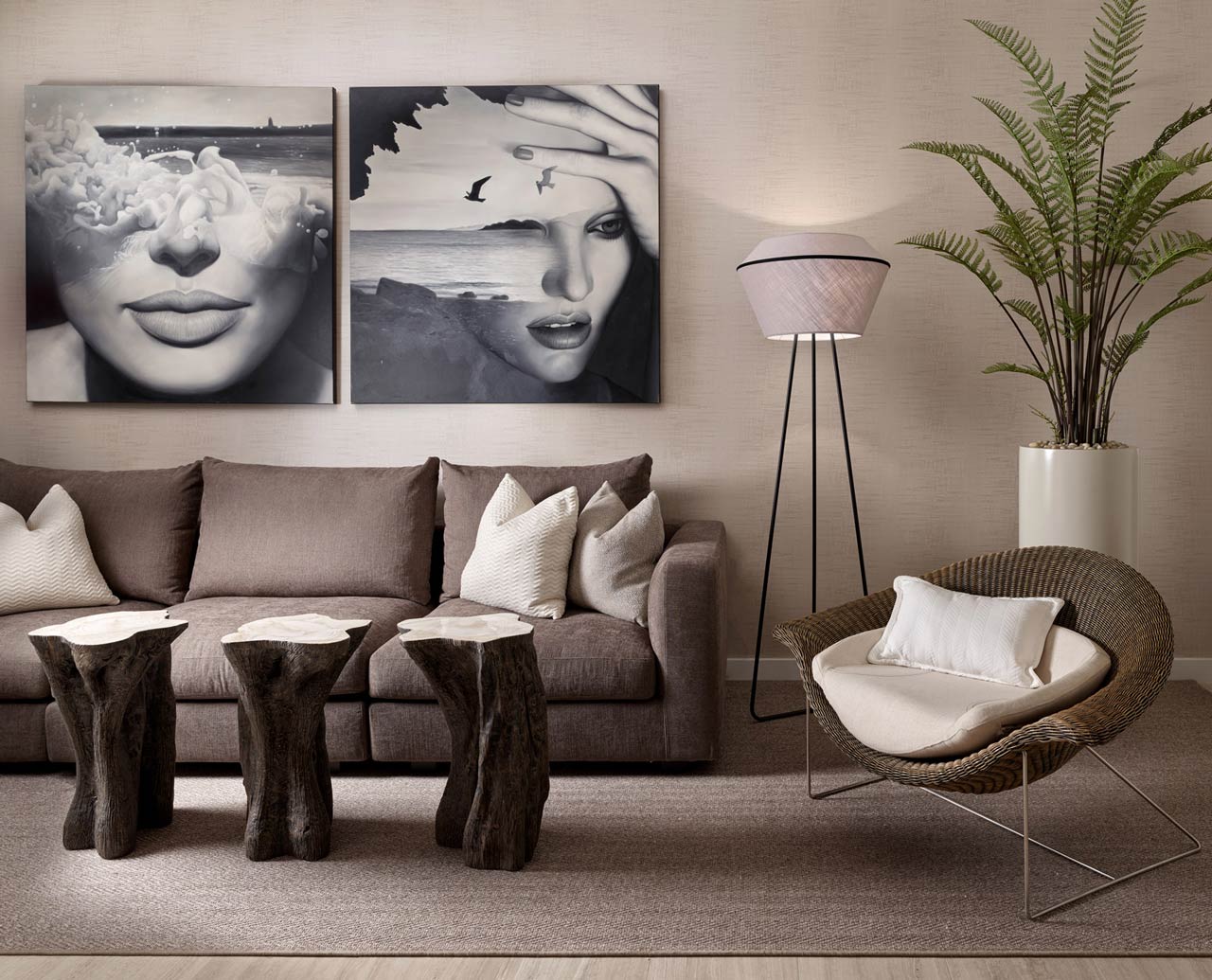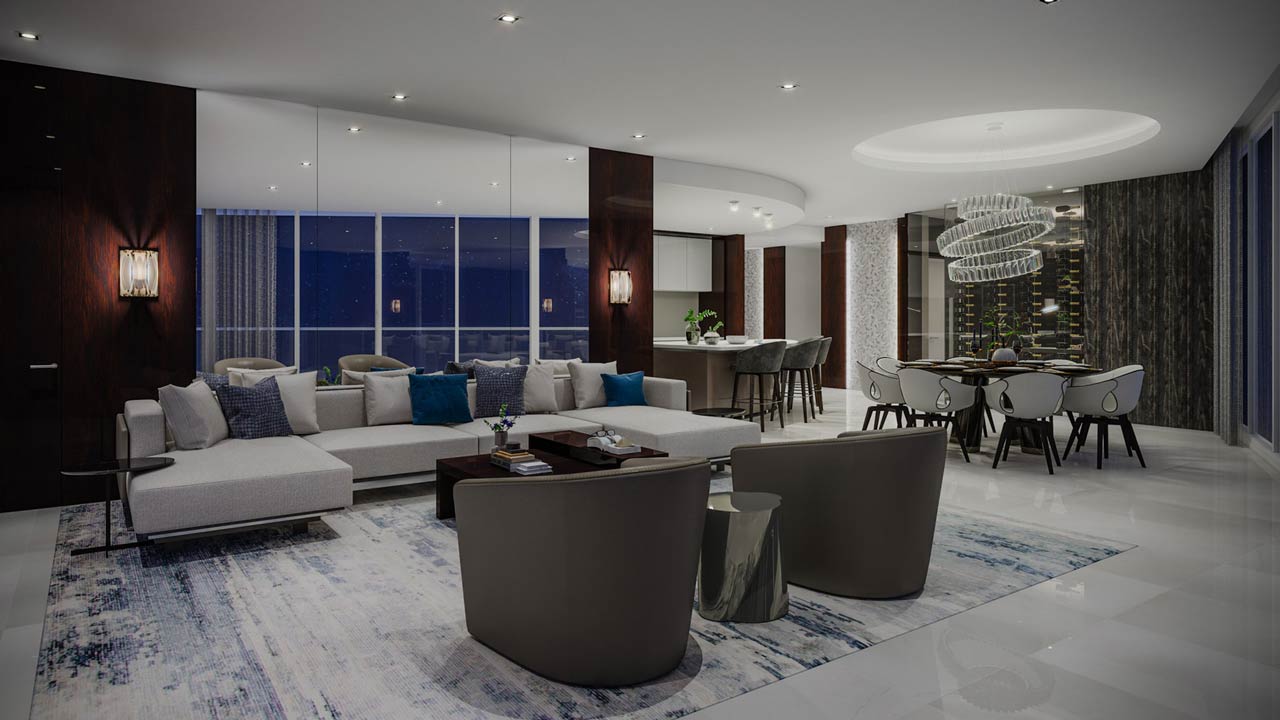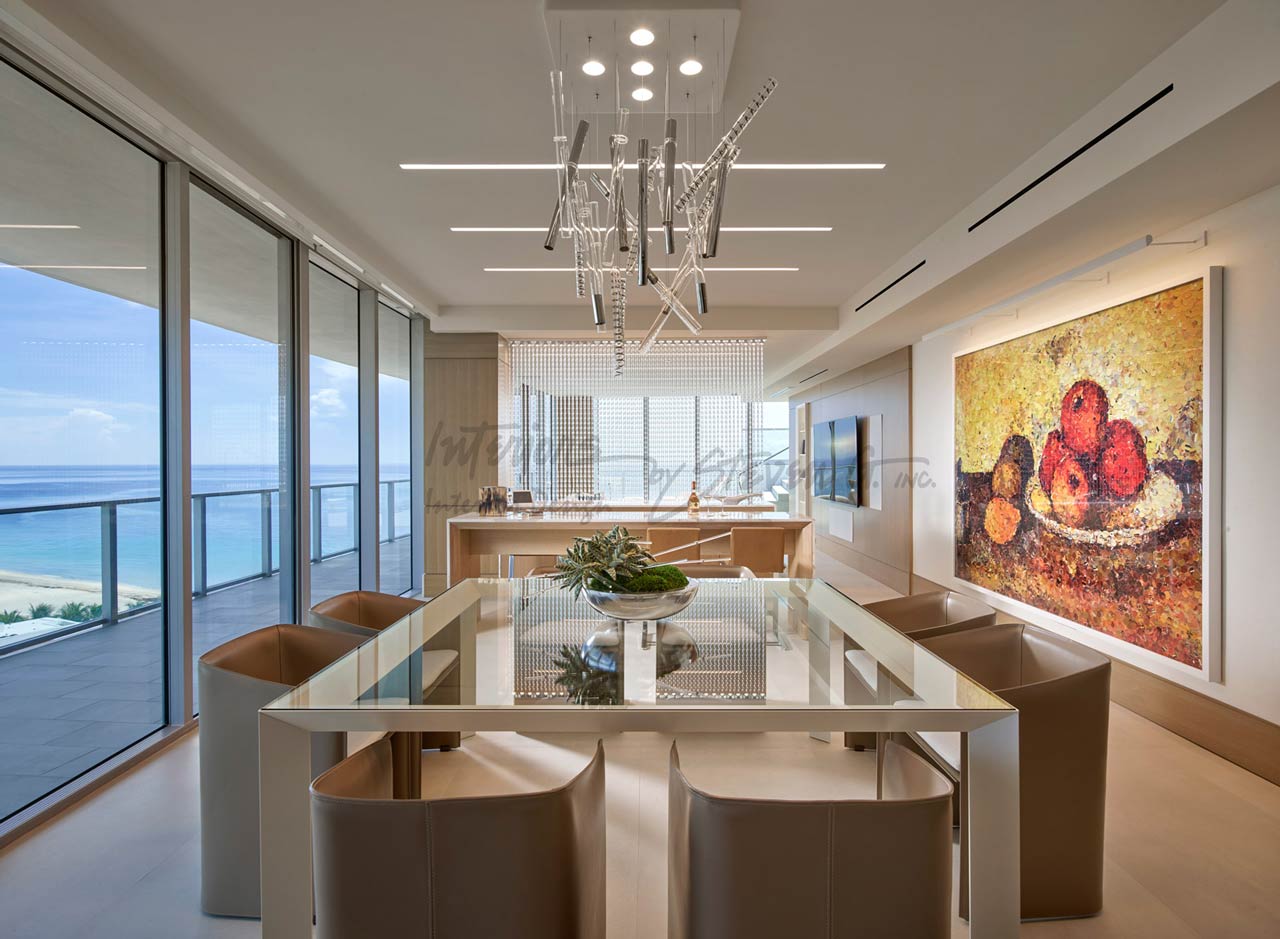




The biggest hospitality interior design trends for 2026 focus on comfort, individuality, natural materials, and spaces designed around how guests actually live and interact. Modern hospitality design is moving beyond visual appeal to create environments that feel considered from the moment a guest arrives.
For hotels, resorts, restaurants, and private hospitality spaces, thoughtful interior design for hotels can influence how guests experience a property, from the texture of velvet seating and oak finishes to the scale of marble surfaces and statement lighting.
As expectations for luxury continue to rise, hospitality interiors must balance beauty with function, identity, and seamless execution.
Interiors by Steven G. brings more than 40 years of experience to this approach, combining bespoke design with a full-service model that extends from concept through turnkey project management and white-glove installation. The result is an investment-grade environment designed to feel distinctive, refined, and effortless.
Residential Comfort Comes to Hospitality Spaces
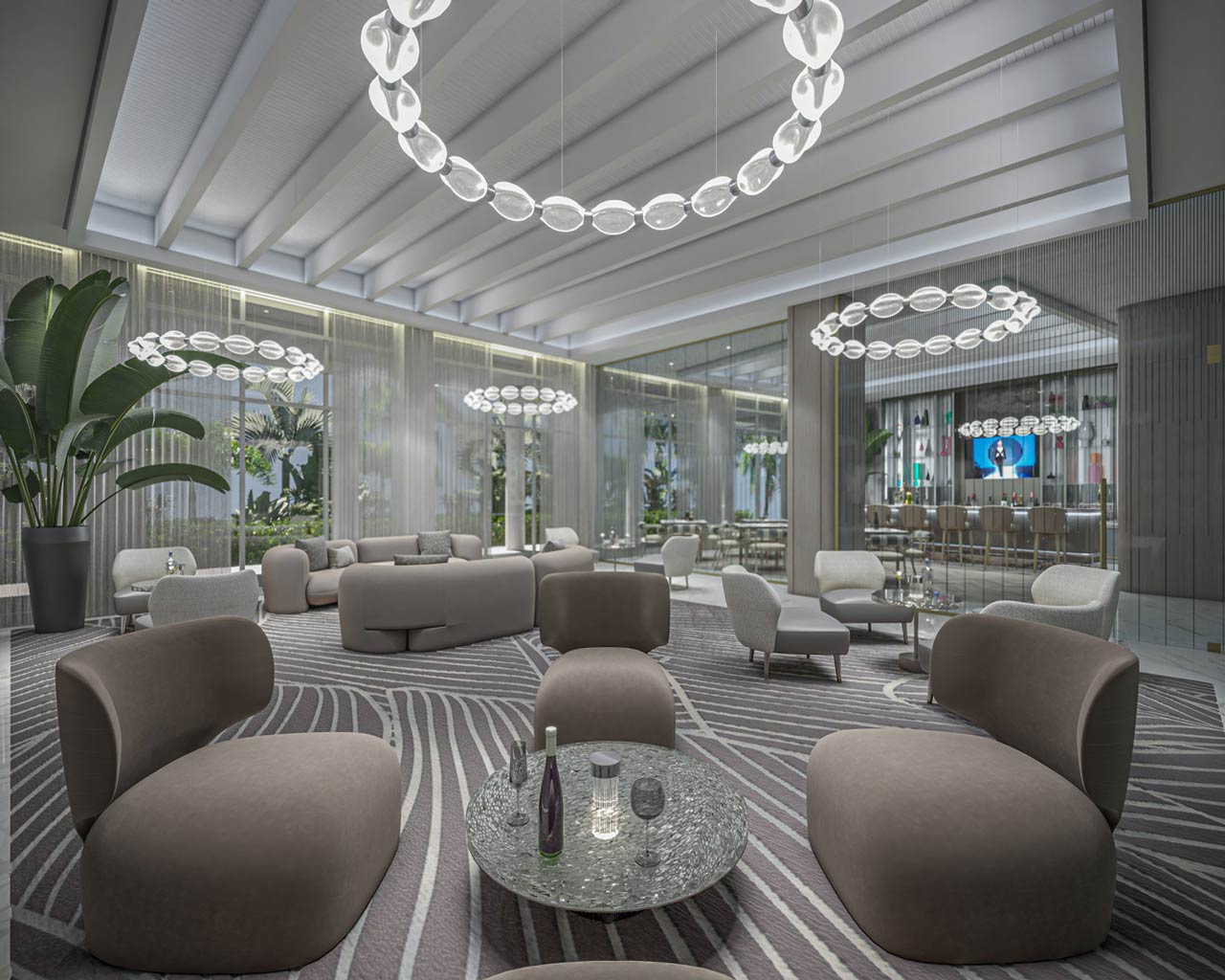
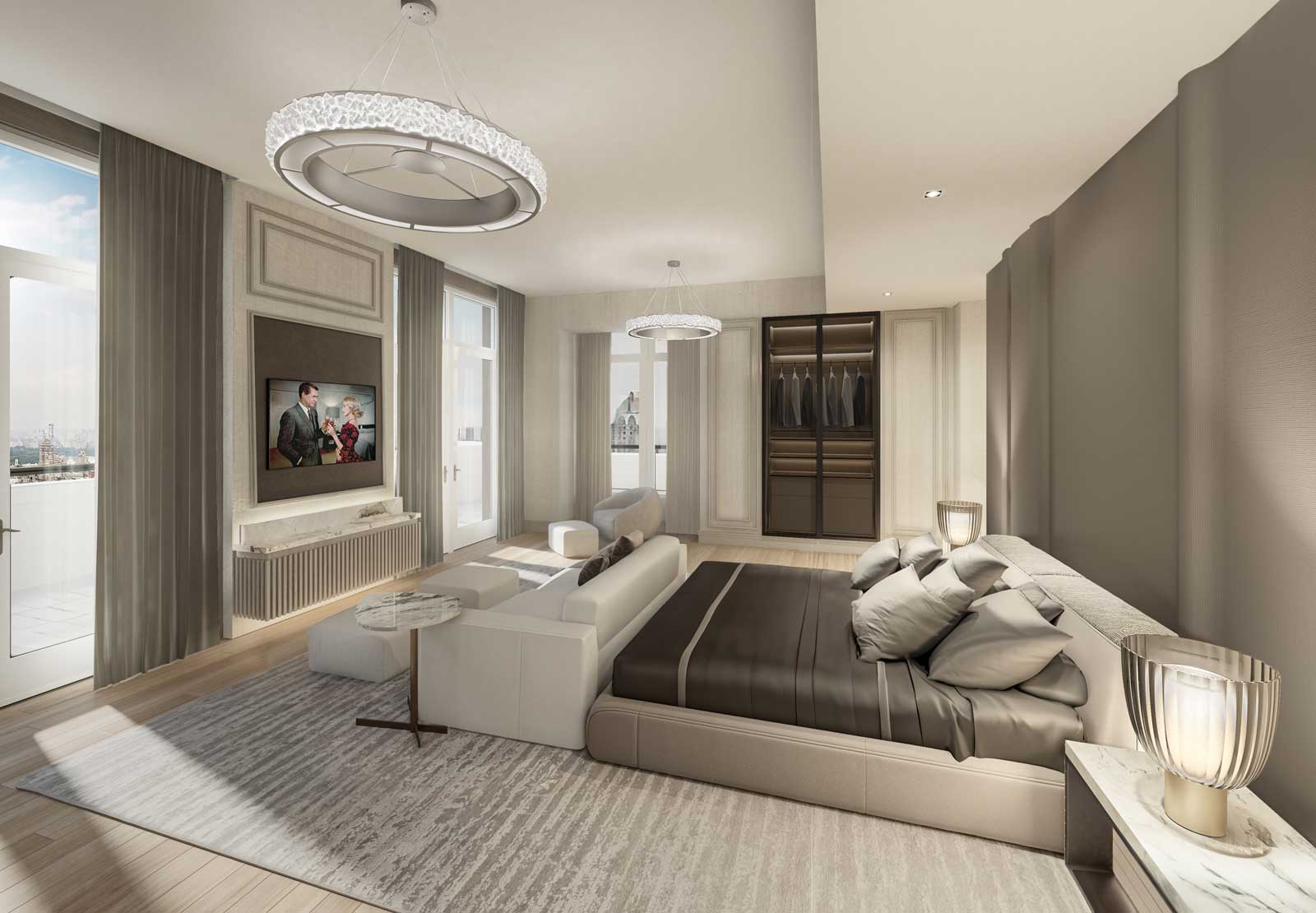
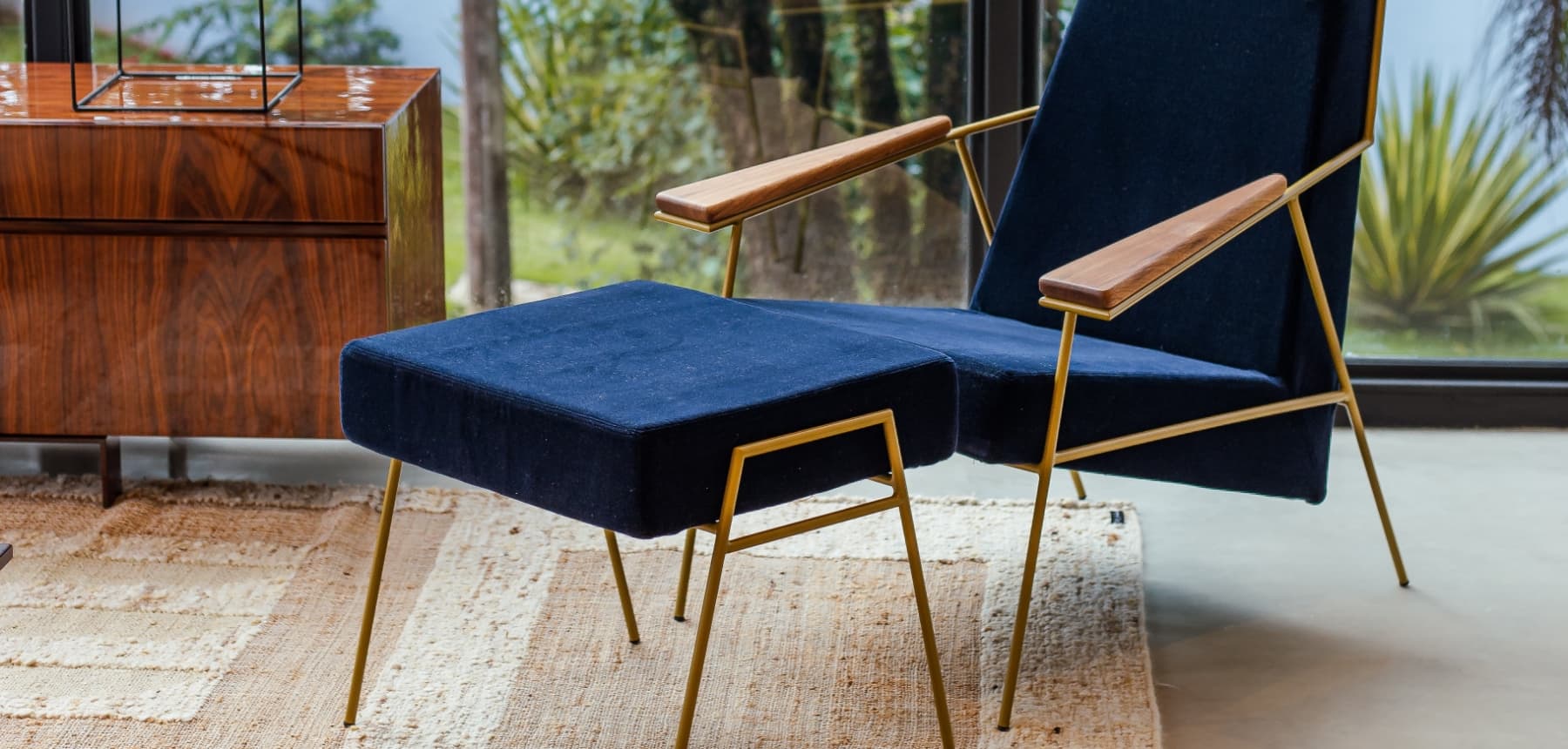
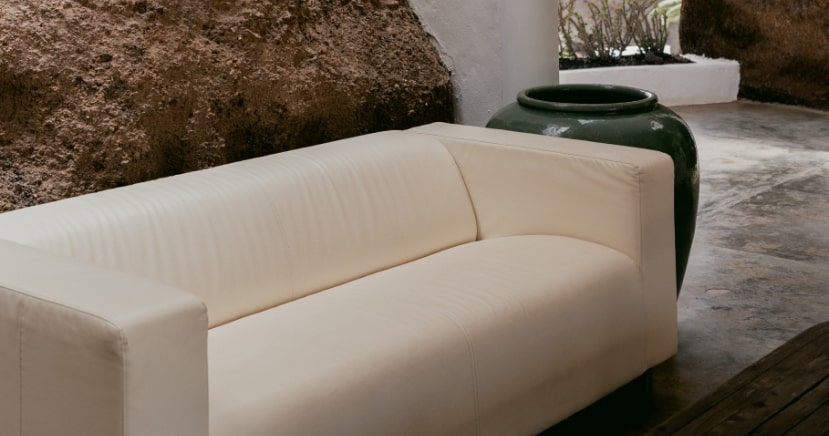
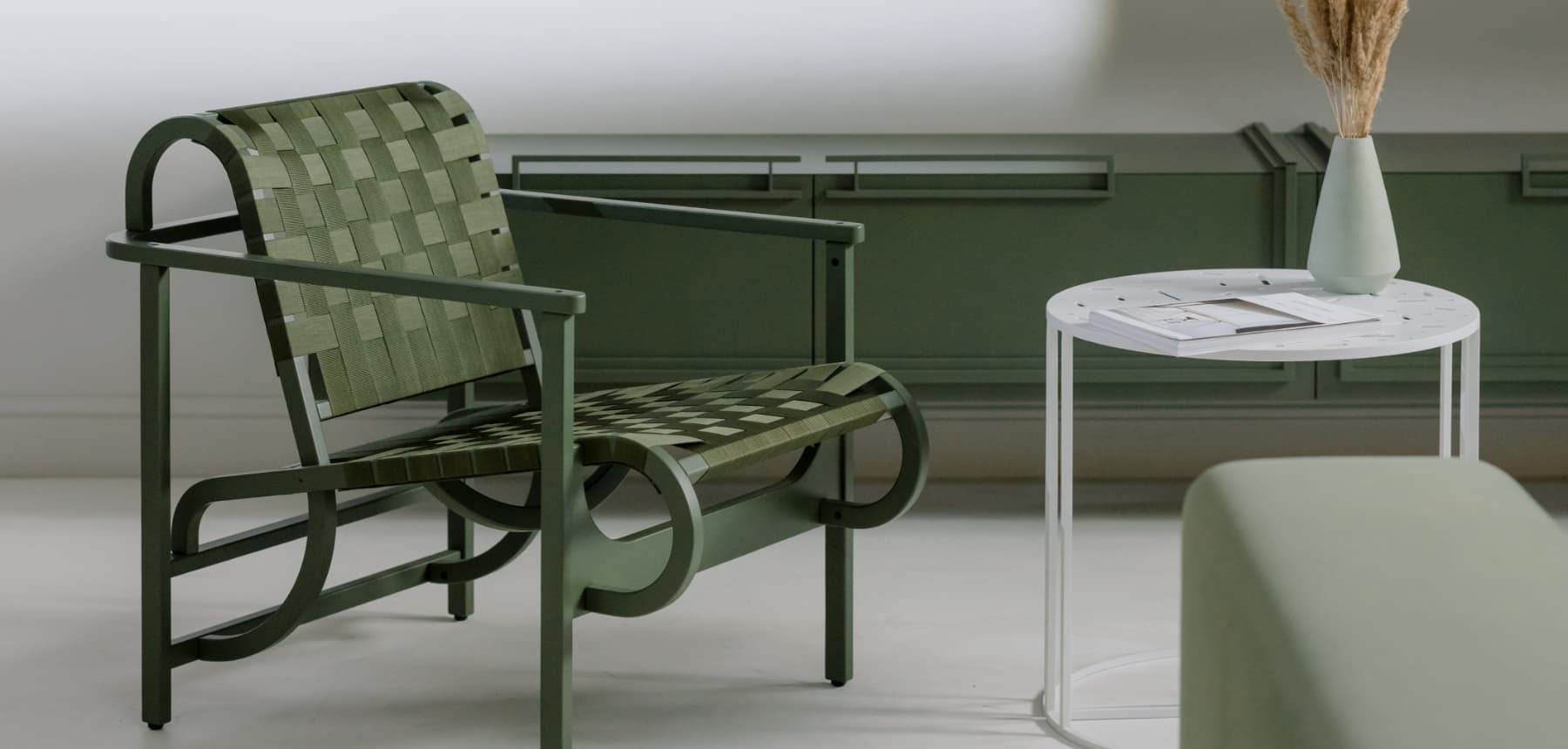
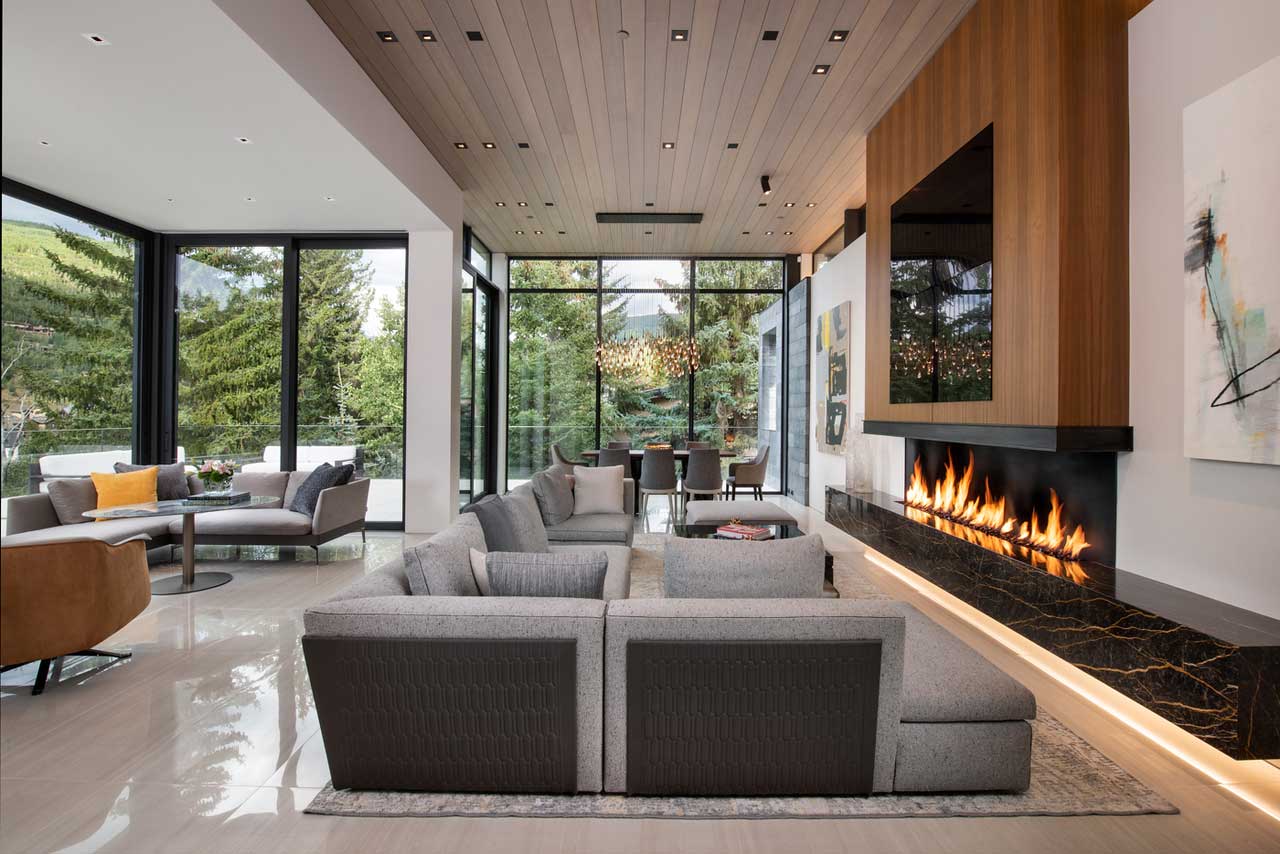
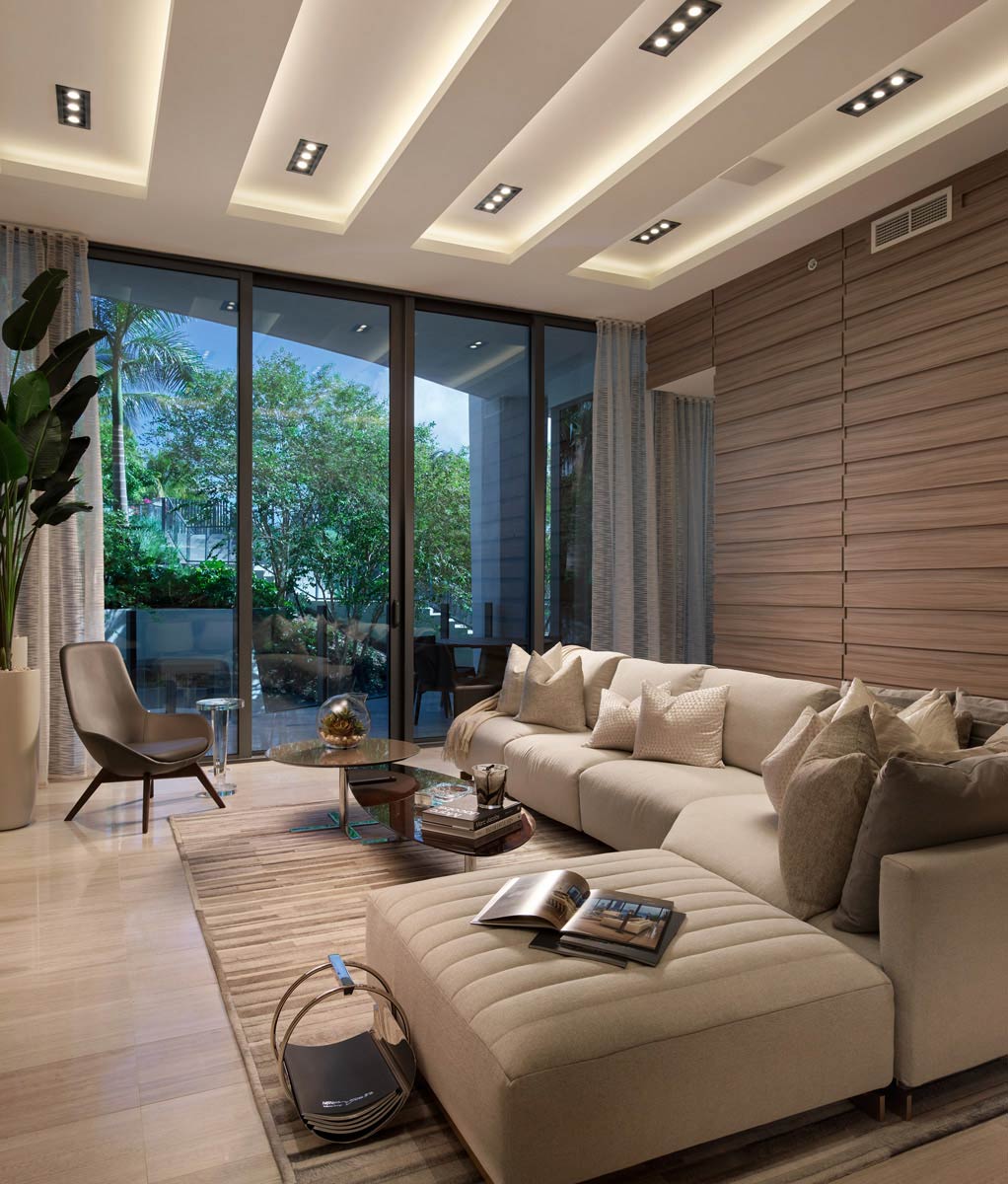
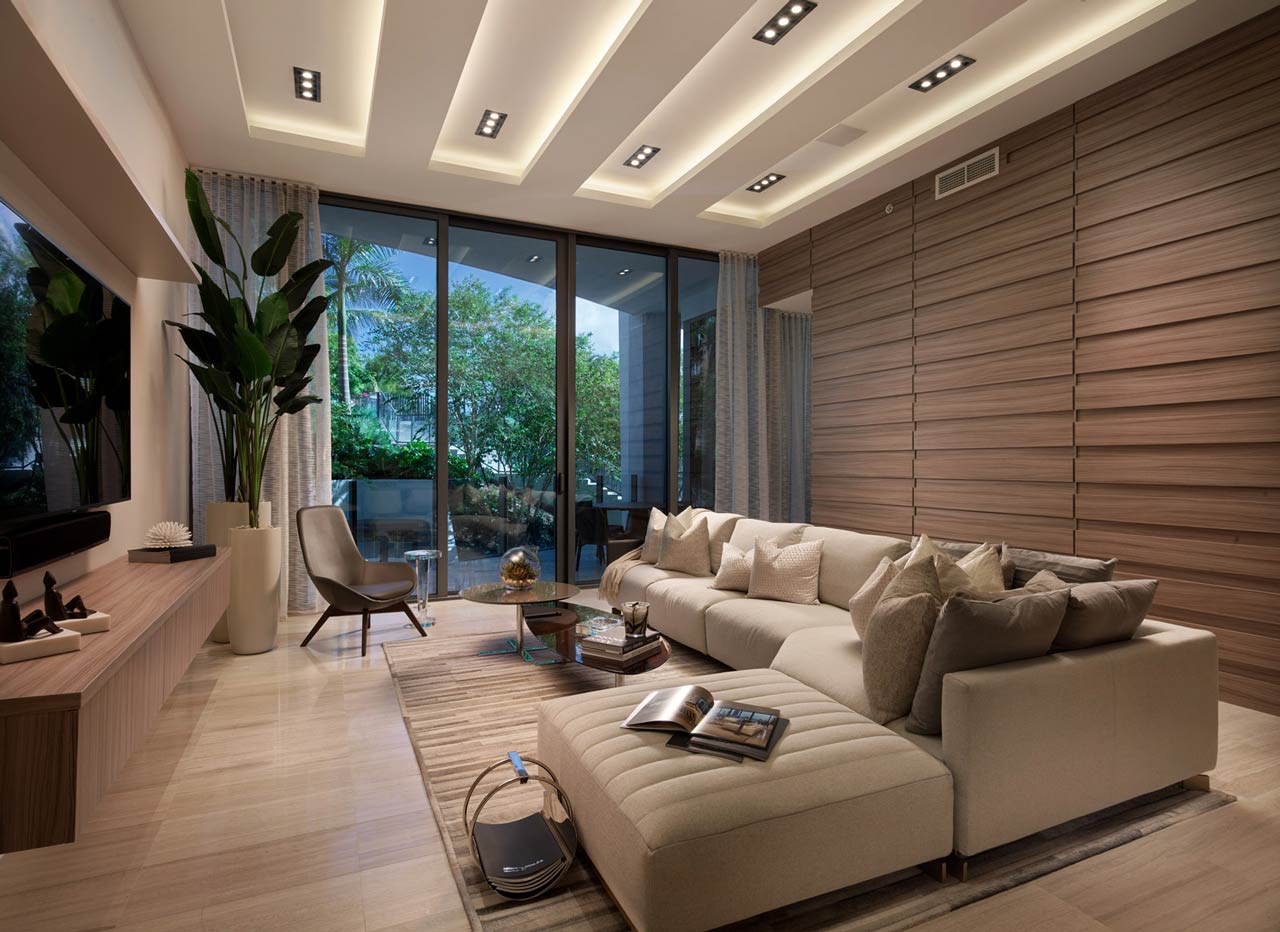
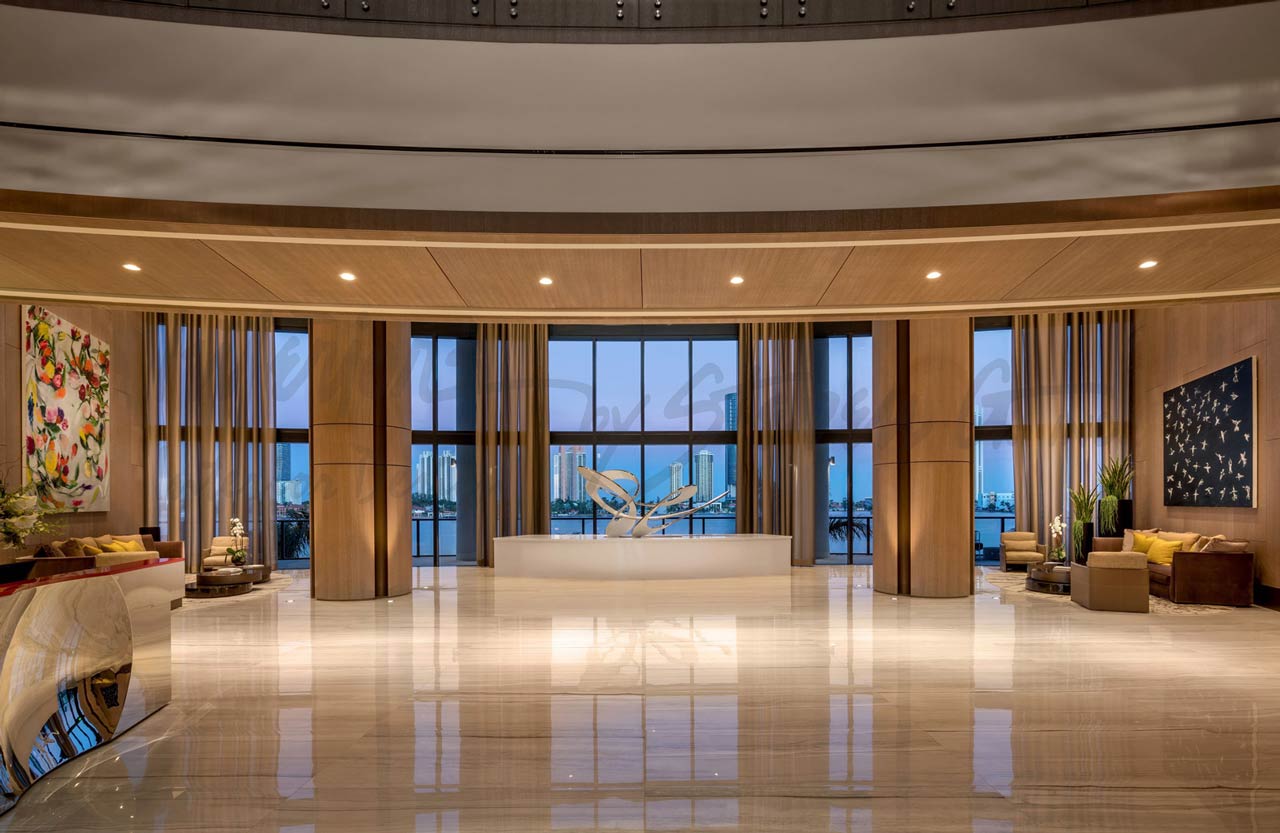
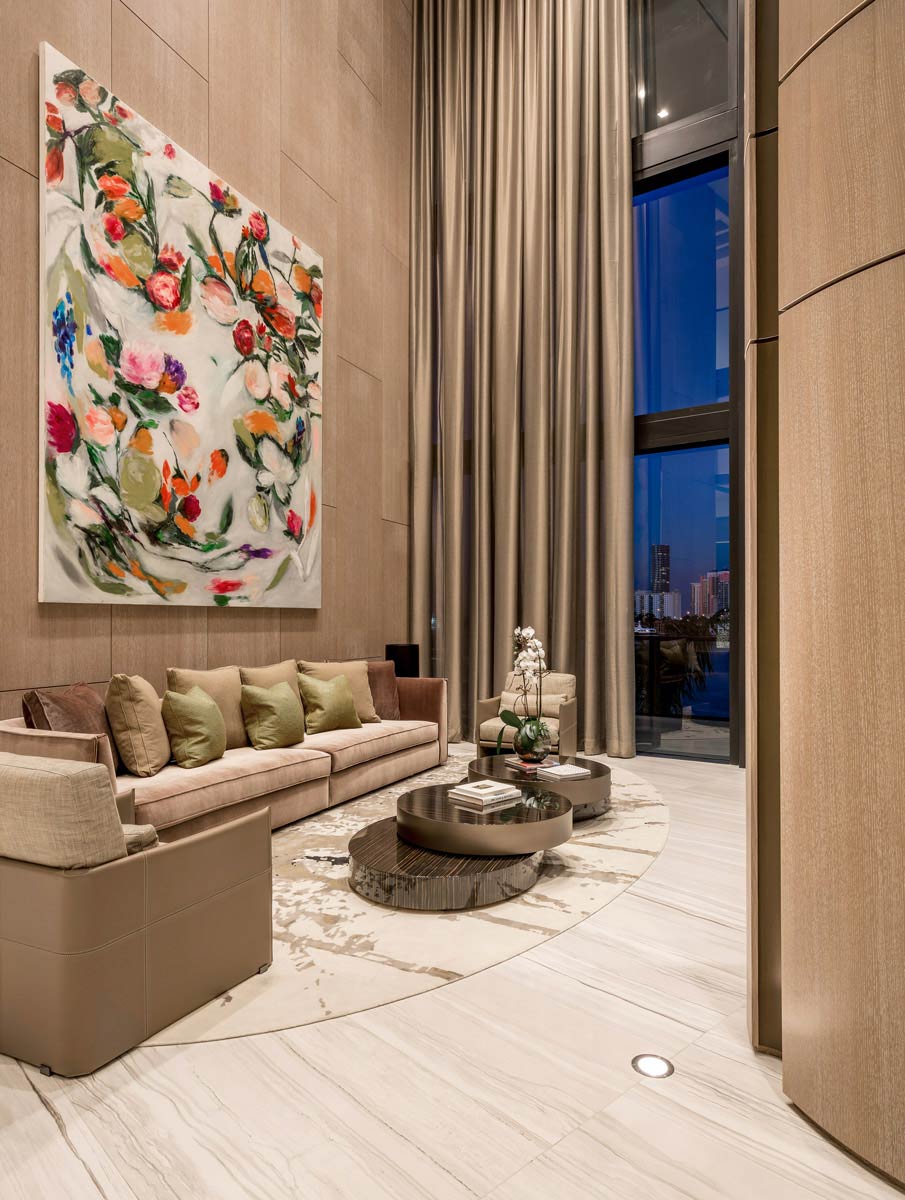
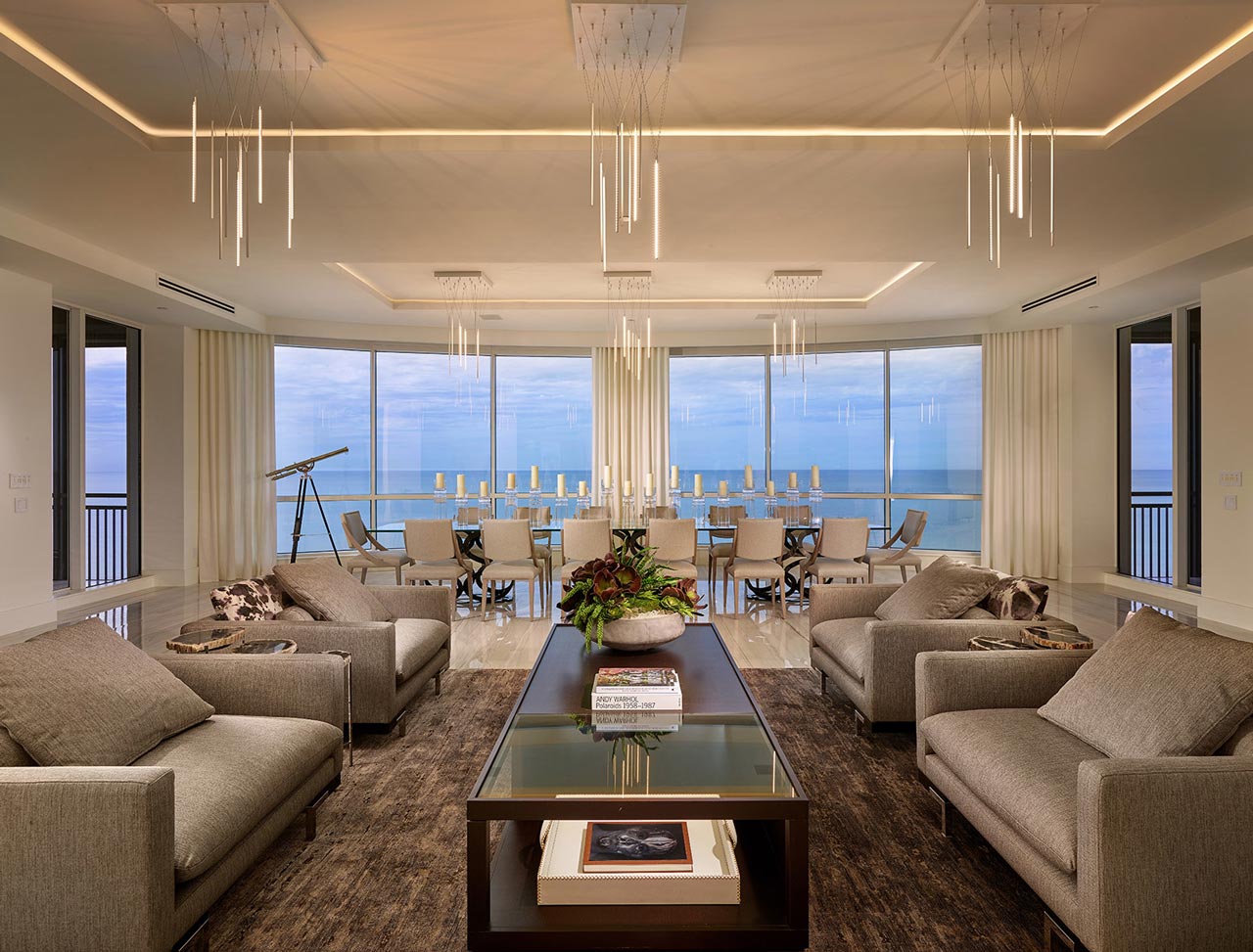
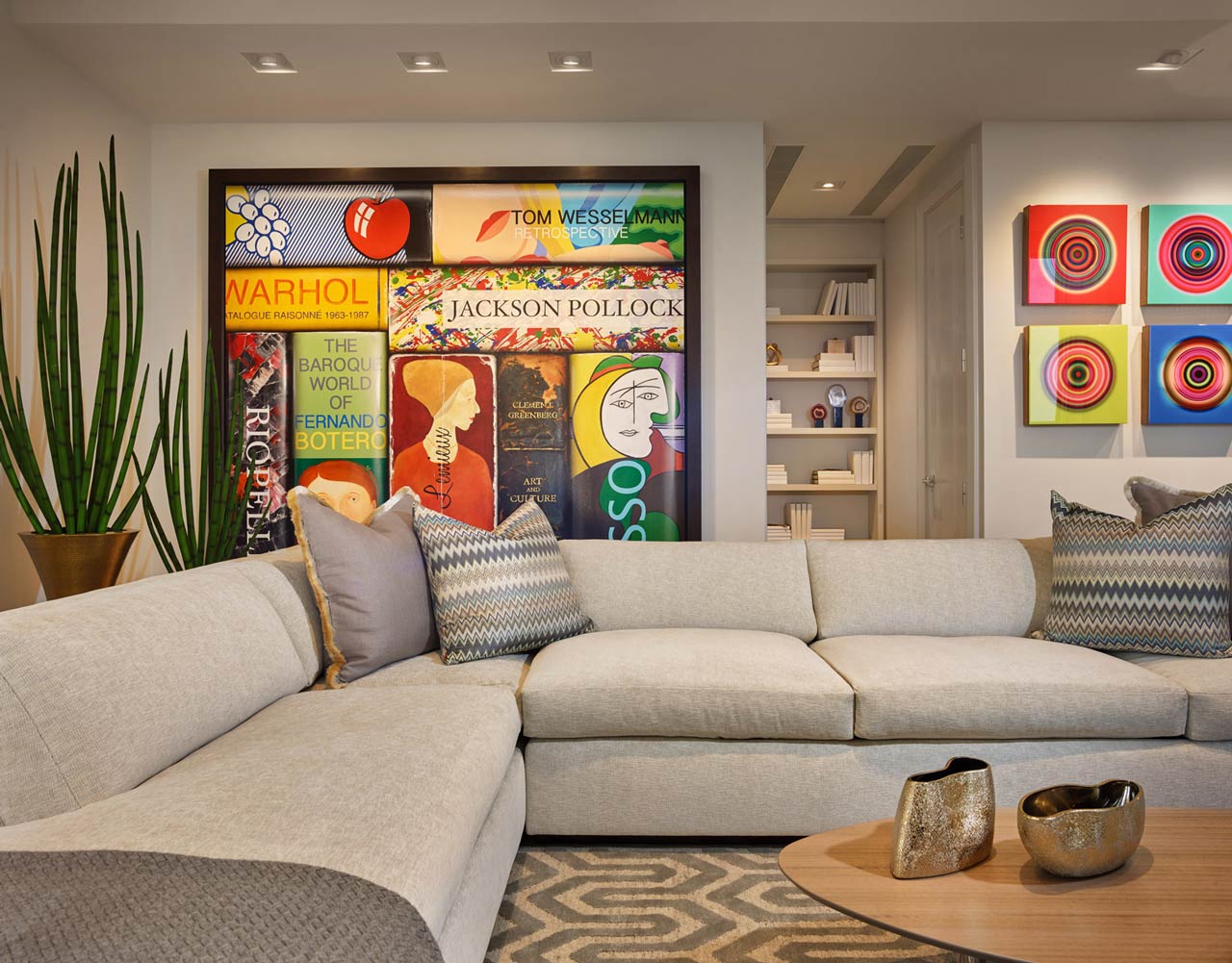
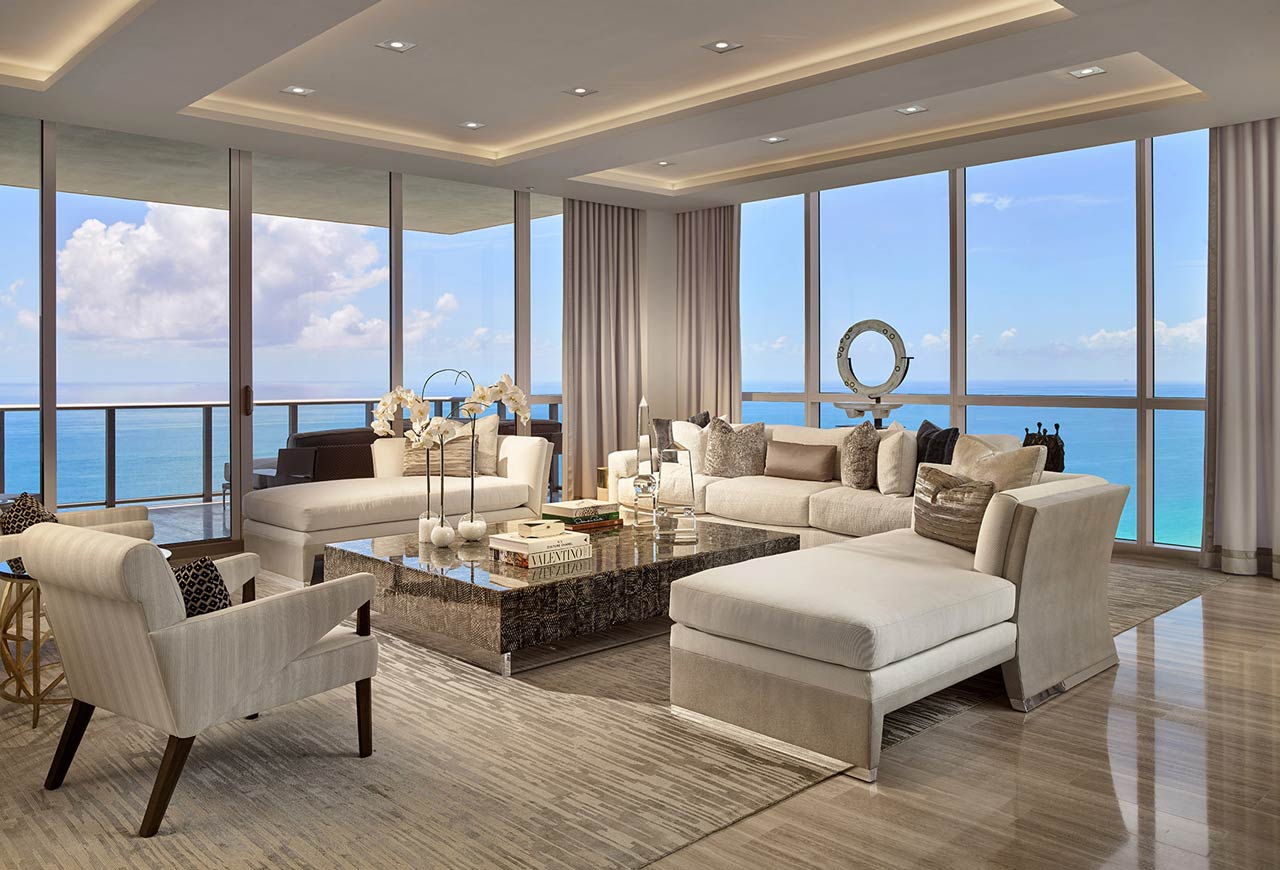
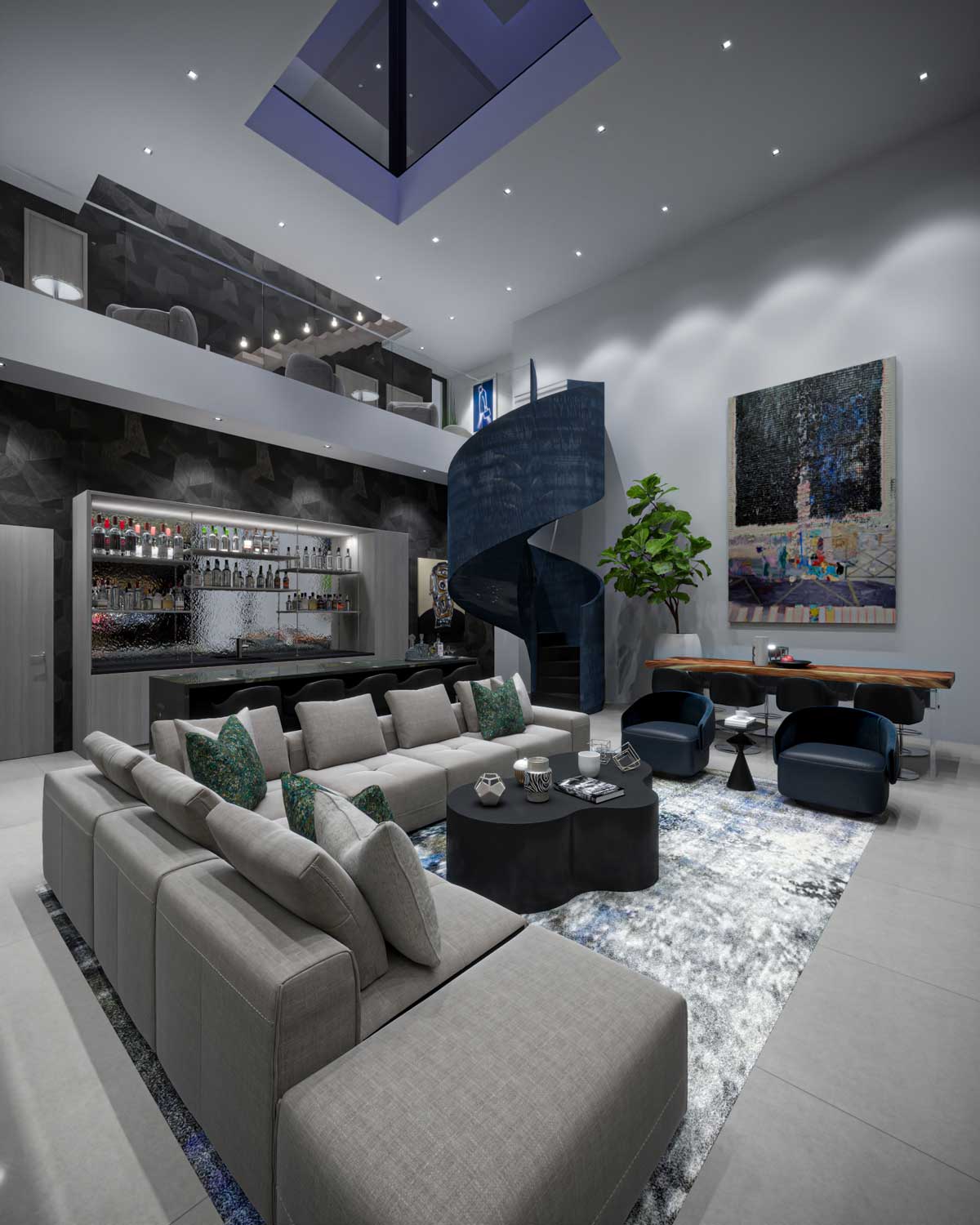
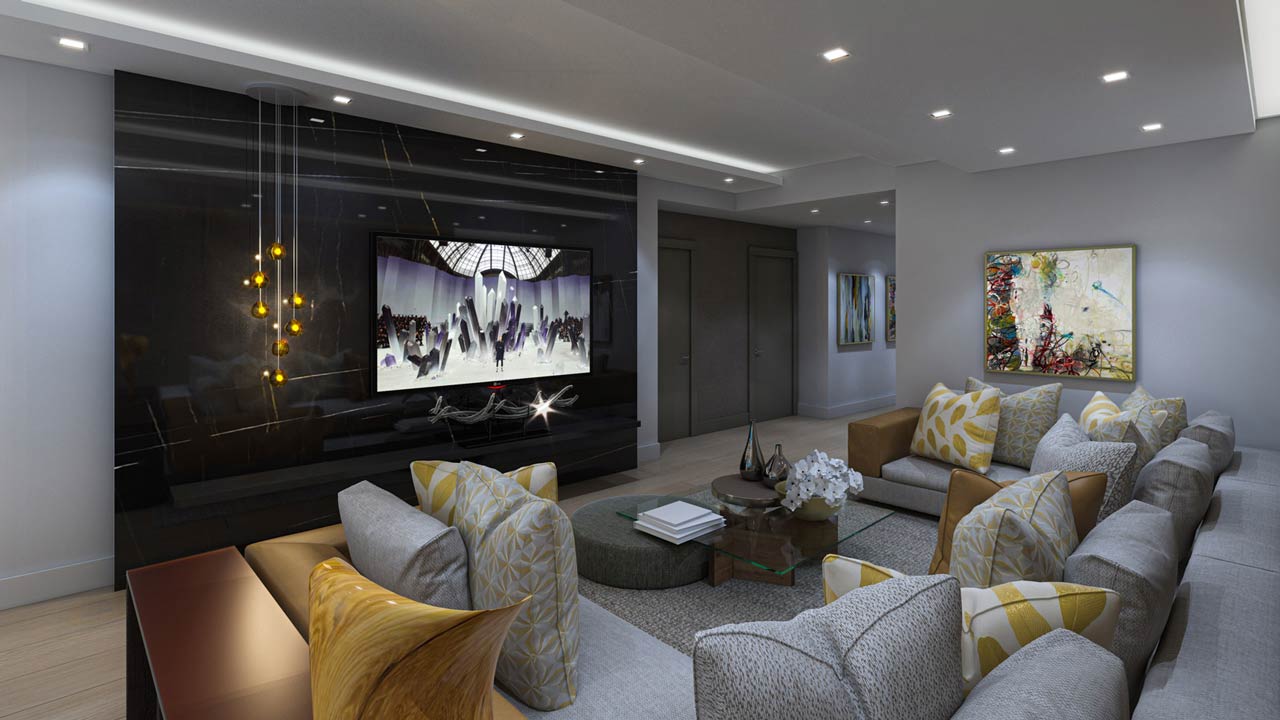
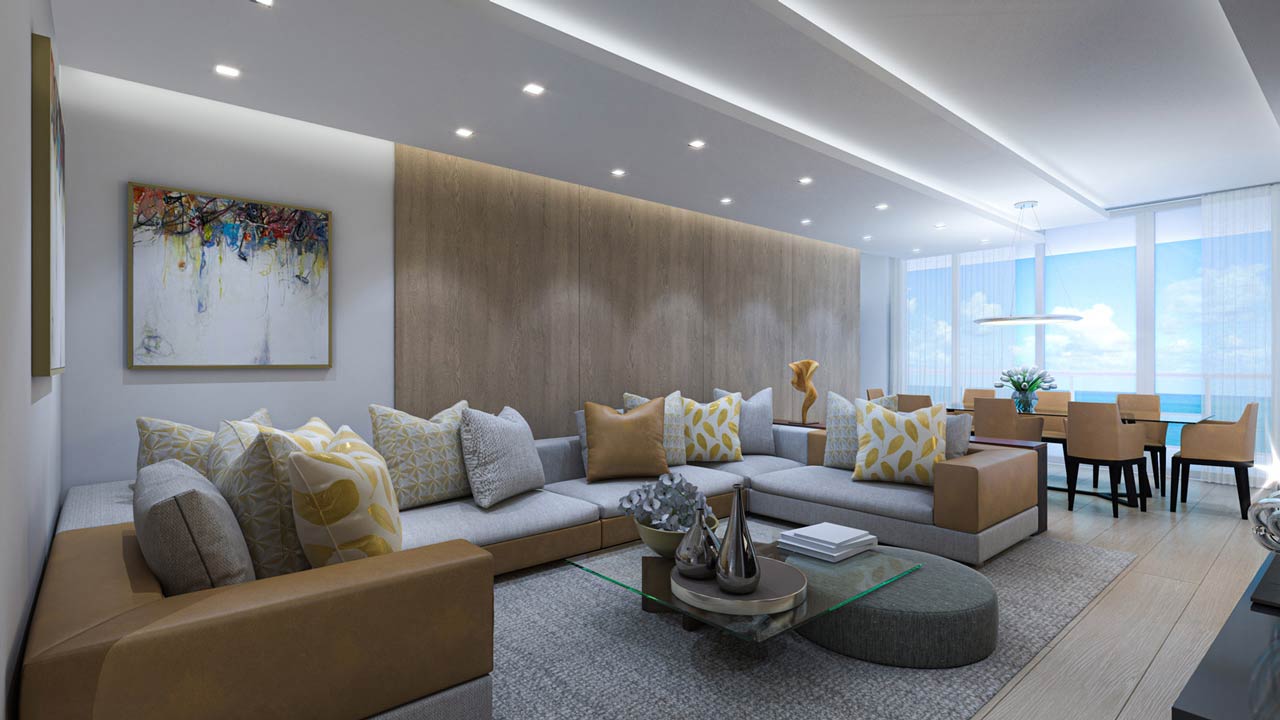
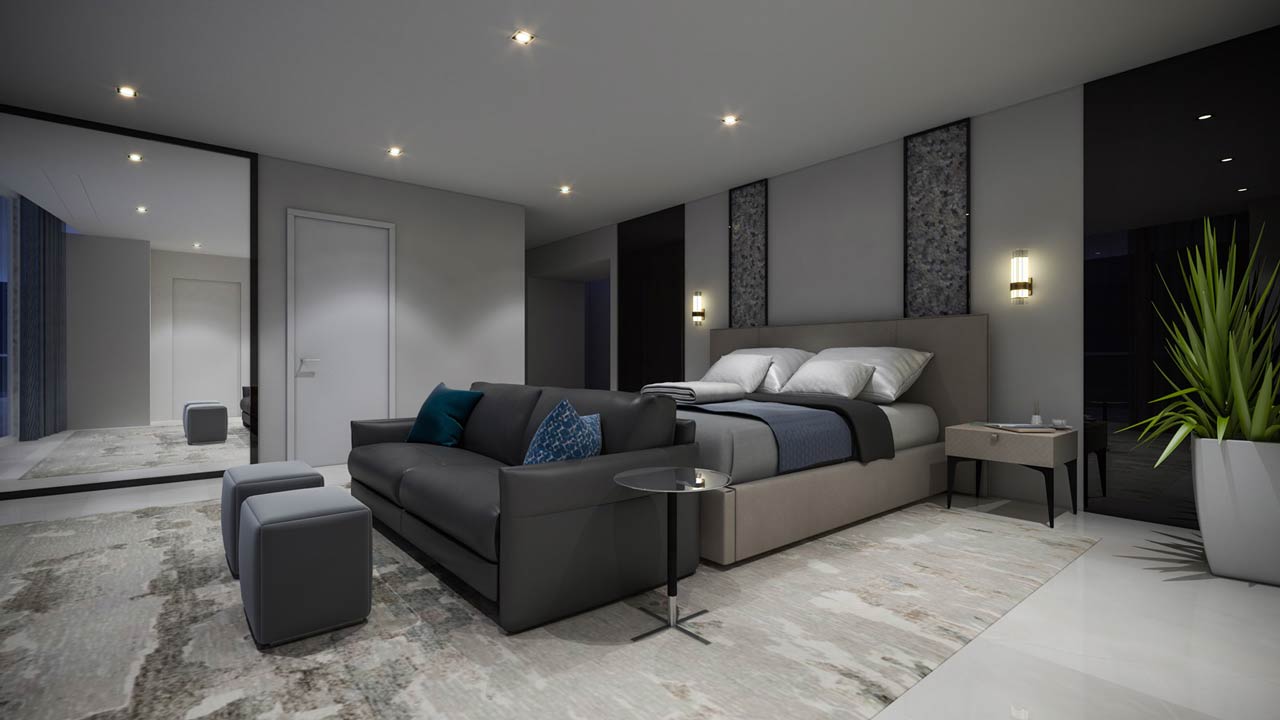
The first thing to mention is that luxury hospitality spaces are becoming more comfortable and inviting. Hotels and resorts are taking inspiration from high-end residential interiors, using plush velvet seating, warm oak finishes, layered textiles, and softer lighting. Large lobbies can now include intimate seating areas that encourage guests to relax, work, or meet with others.
For modern hospitality design, comfort does not mean sacrificing sophistication. Carefully selected furniture, custom finishes, and considered layouts can create spaces that feel both polished and personal.
The scale of each element also matters. Oversized furniture can help define a large room, while smaller seating arrangements can make expansive spaces feel more intimate.
Interiors by Steven G. approaches each project by first understanding how the space needs to function. The design can then bring together comfort, elegance, and practical movement while maintaining a consistent luxury aesthetic.
Natural Materials Create Warmth and Depth
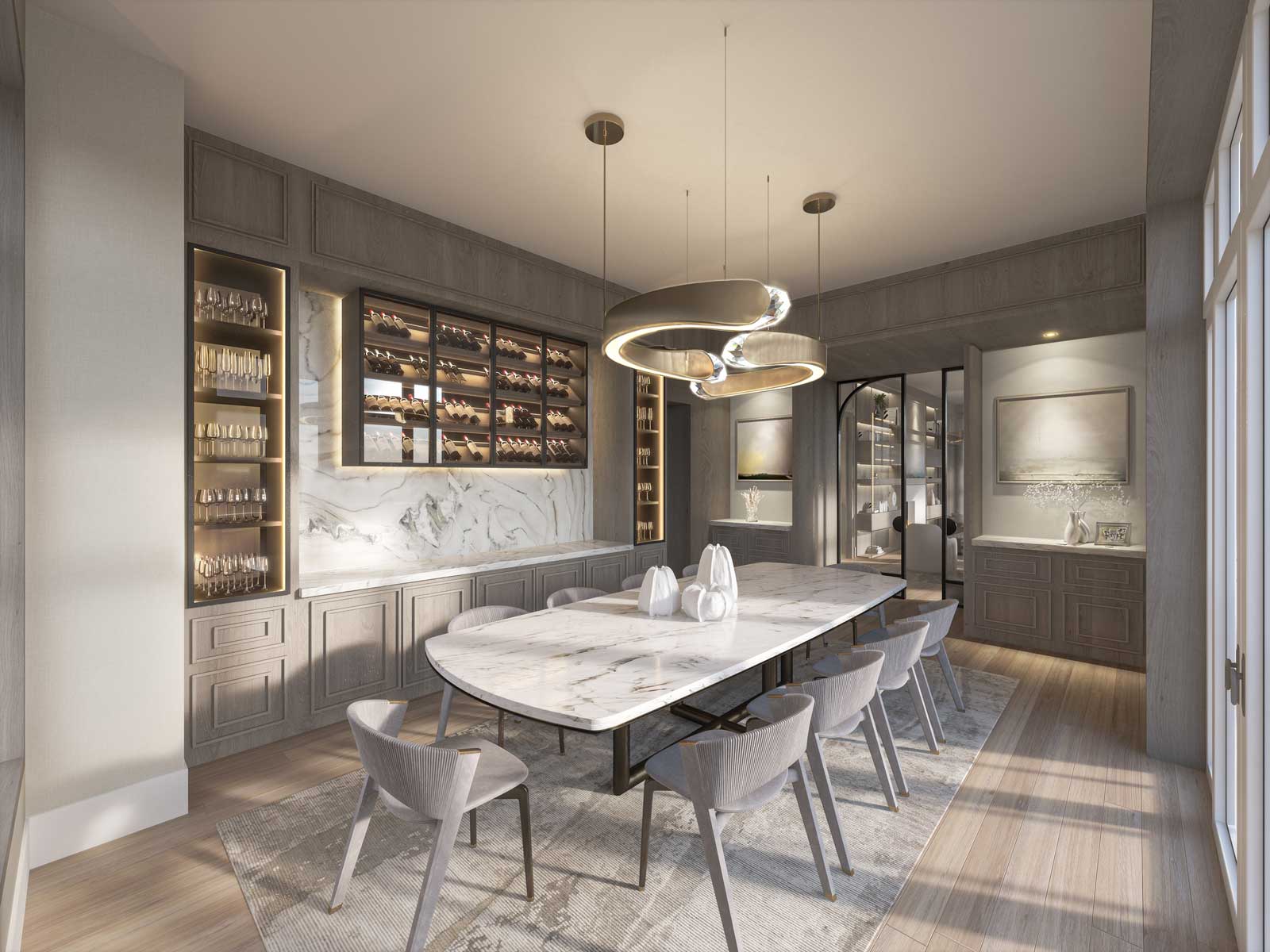
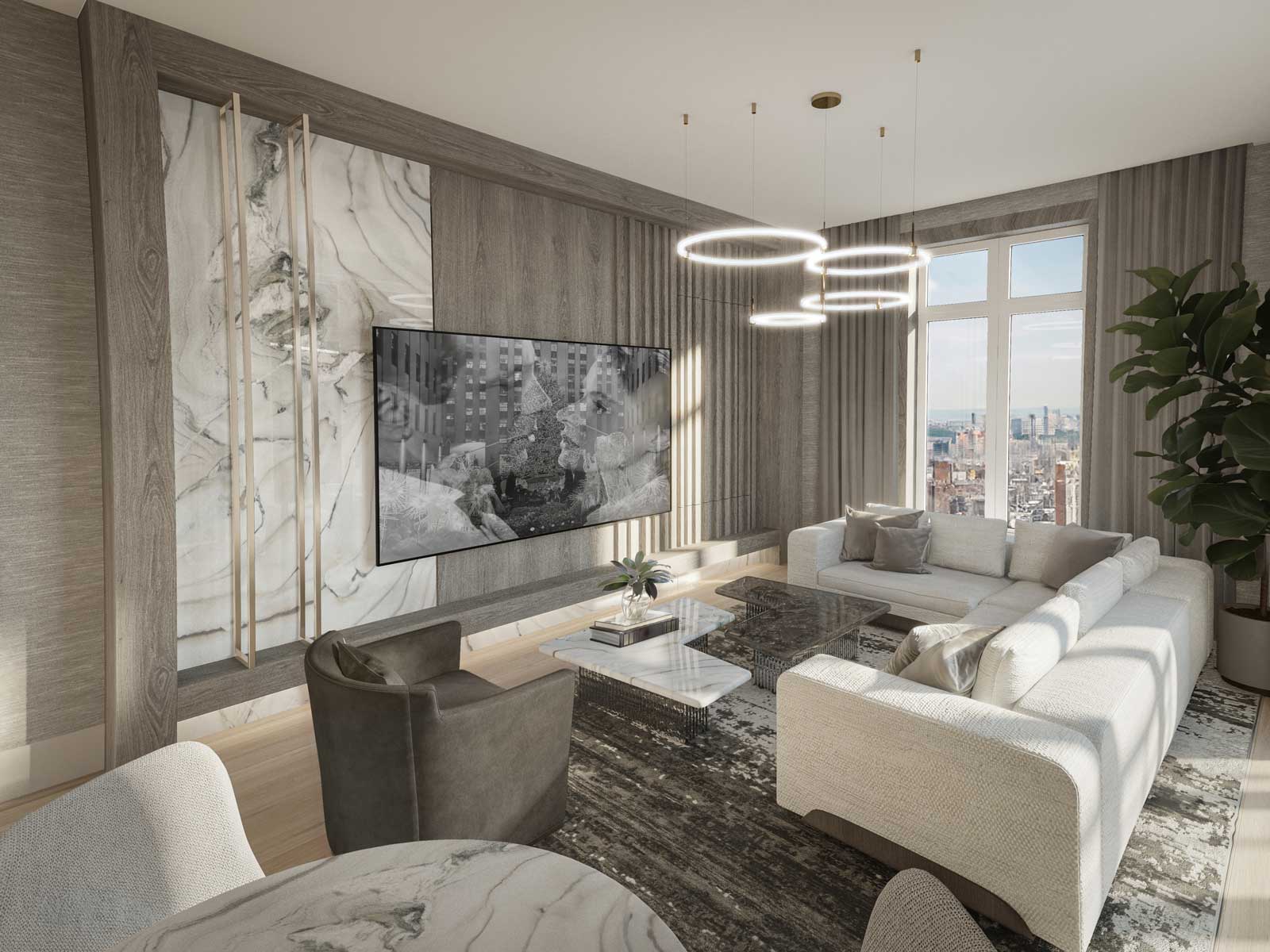
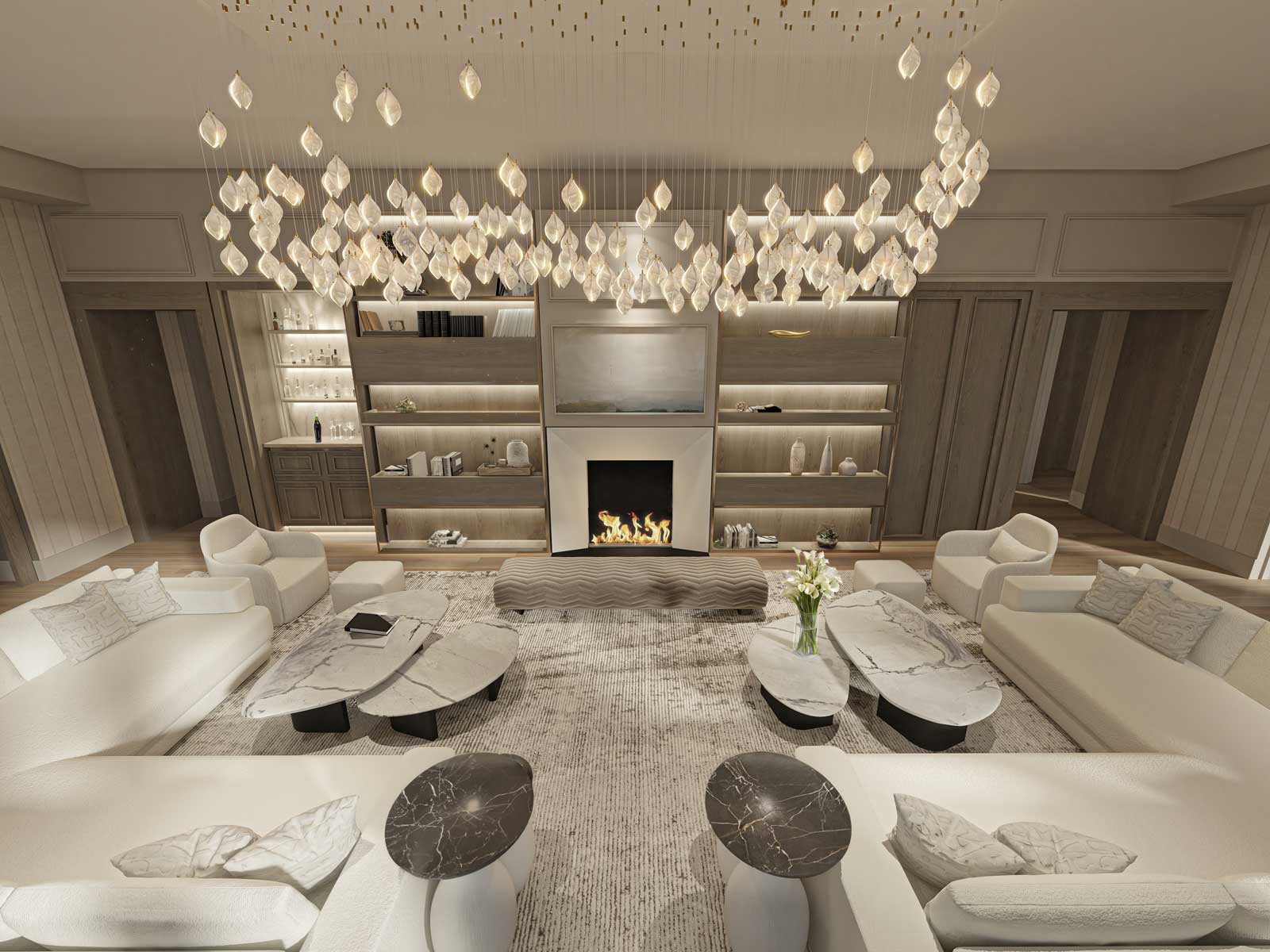
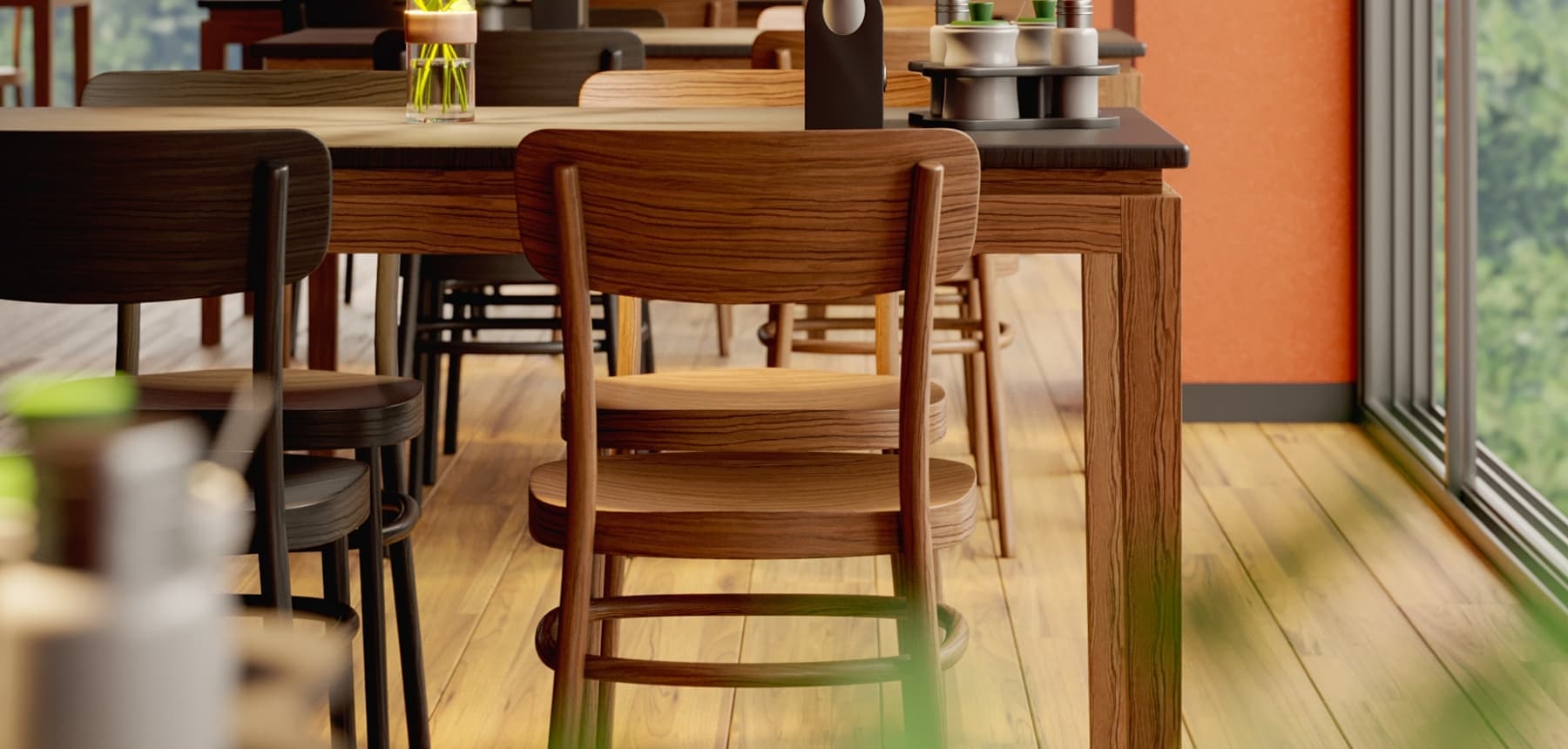
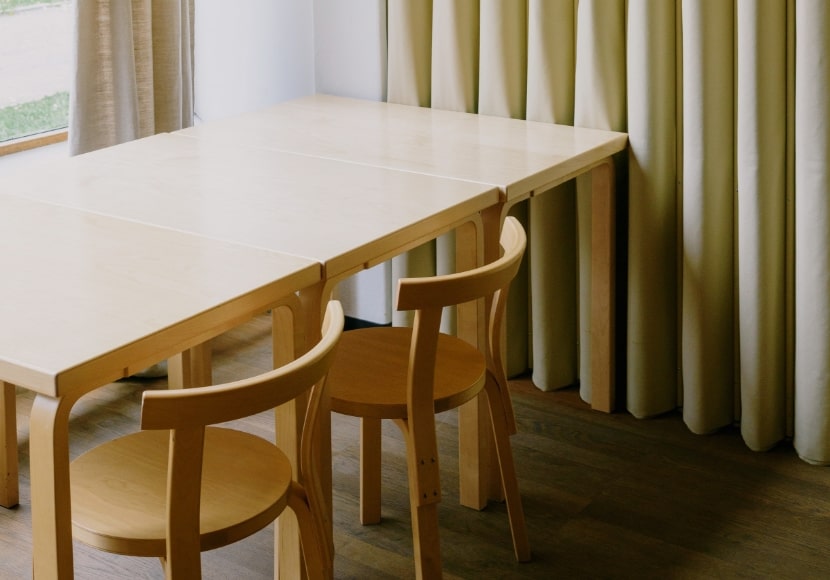
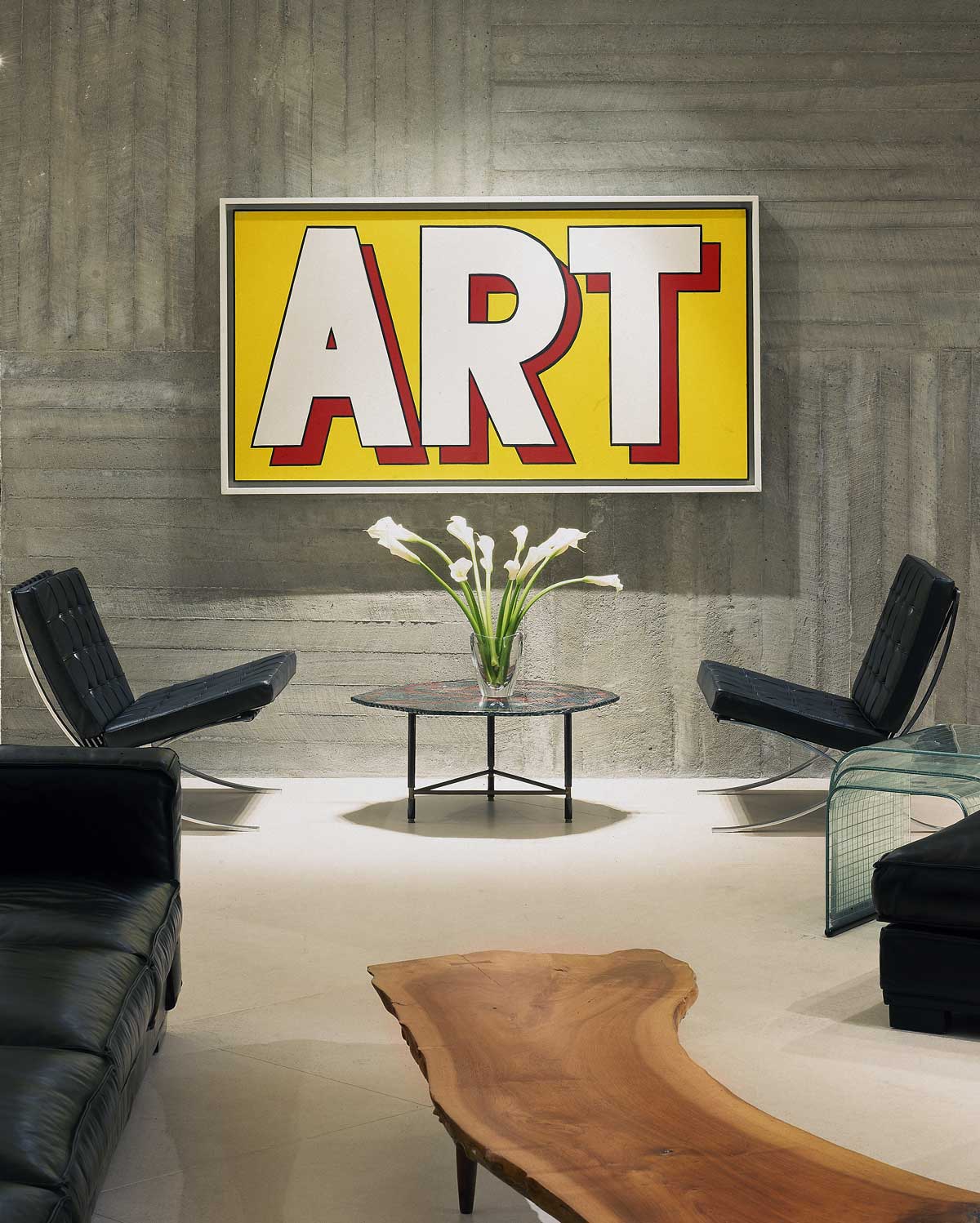
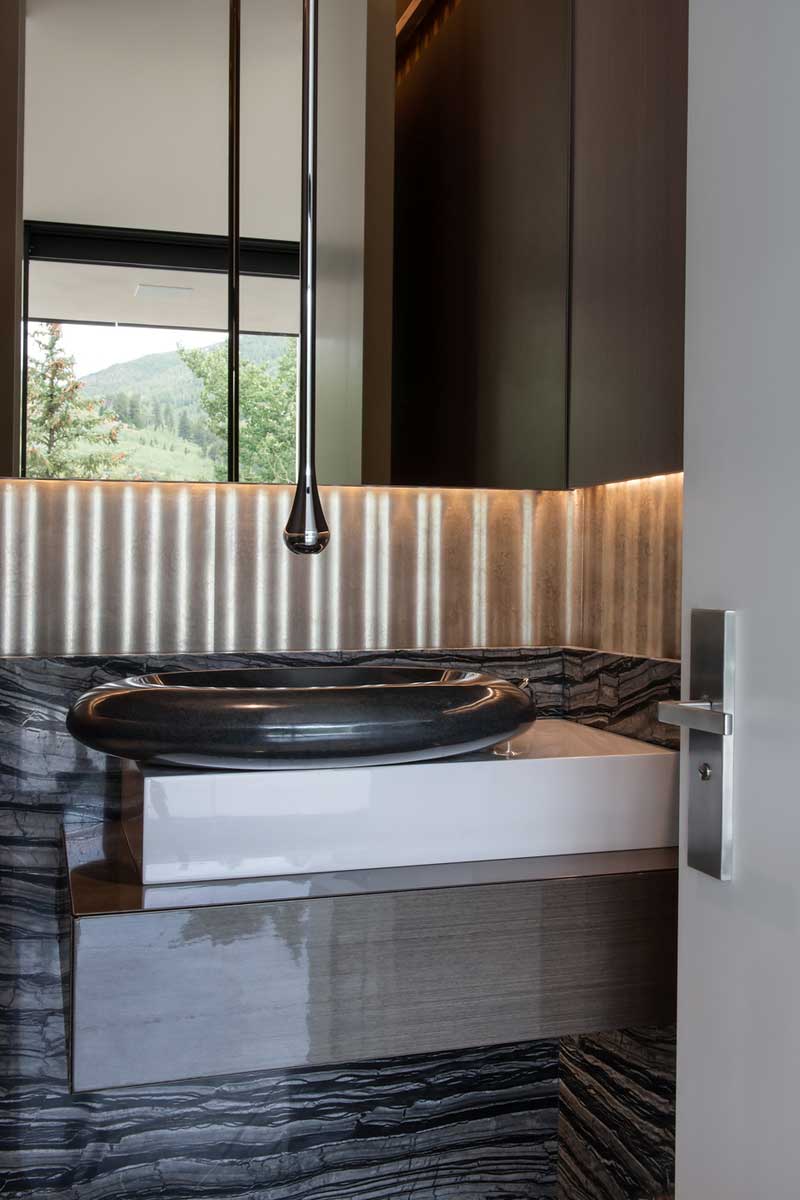
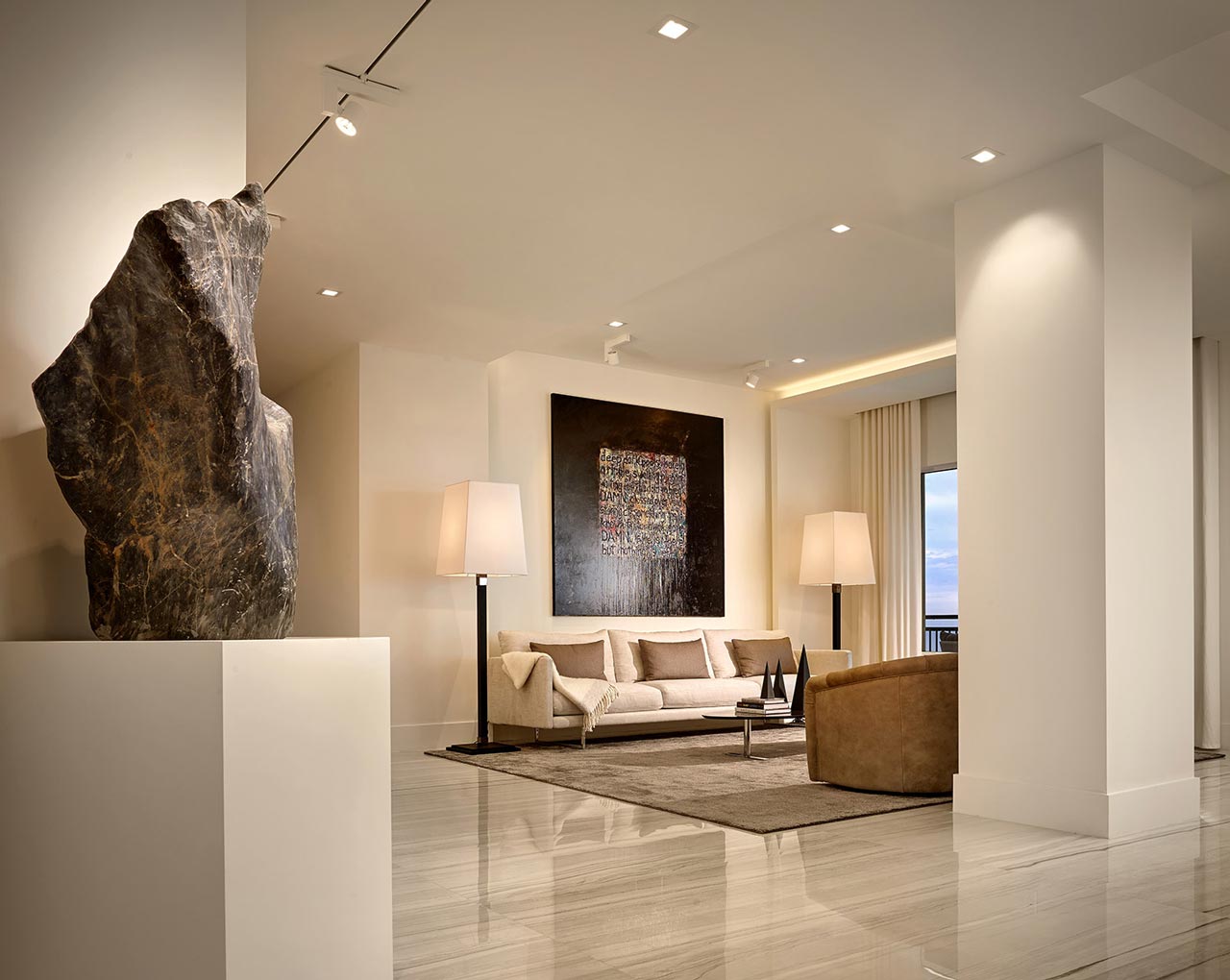
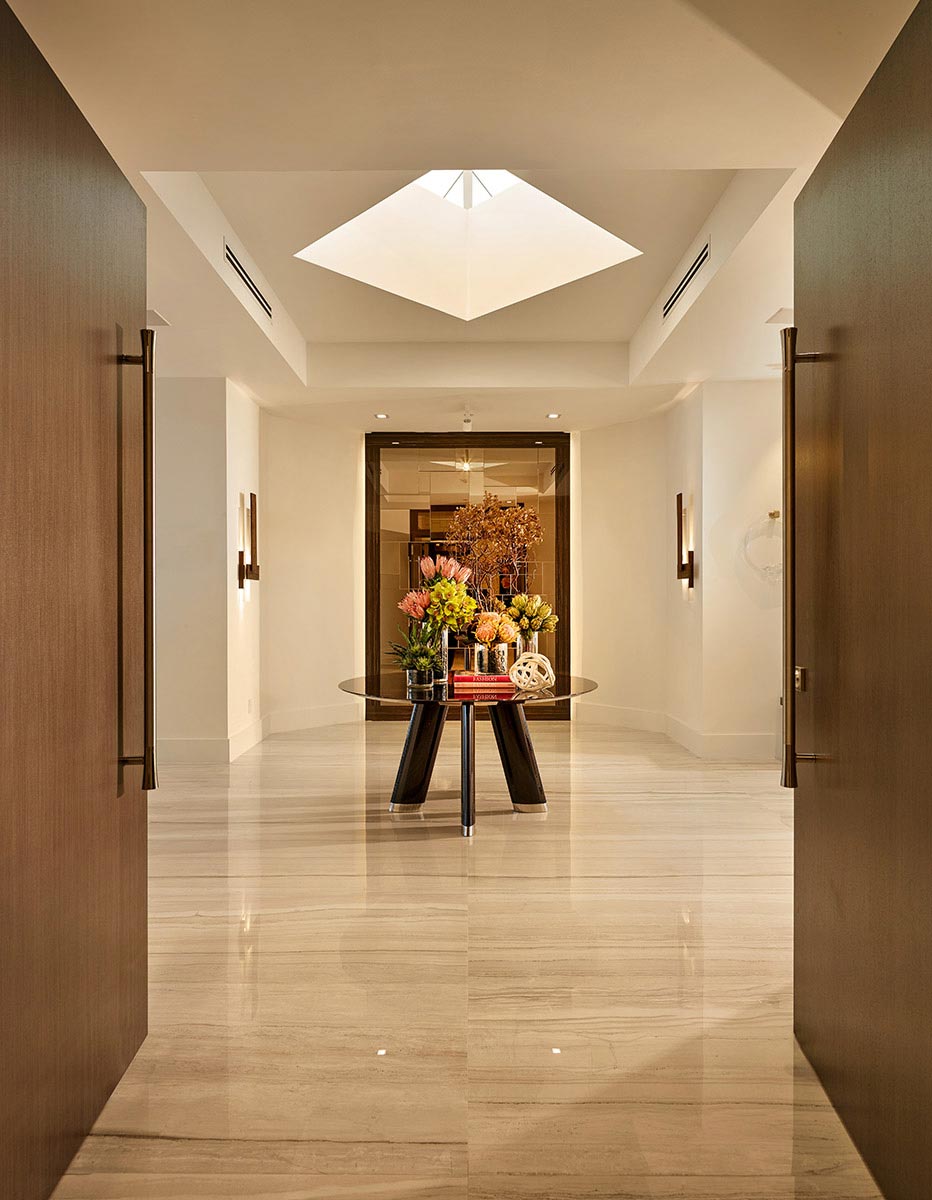
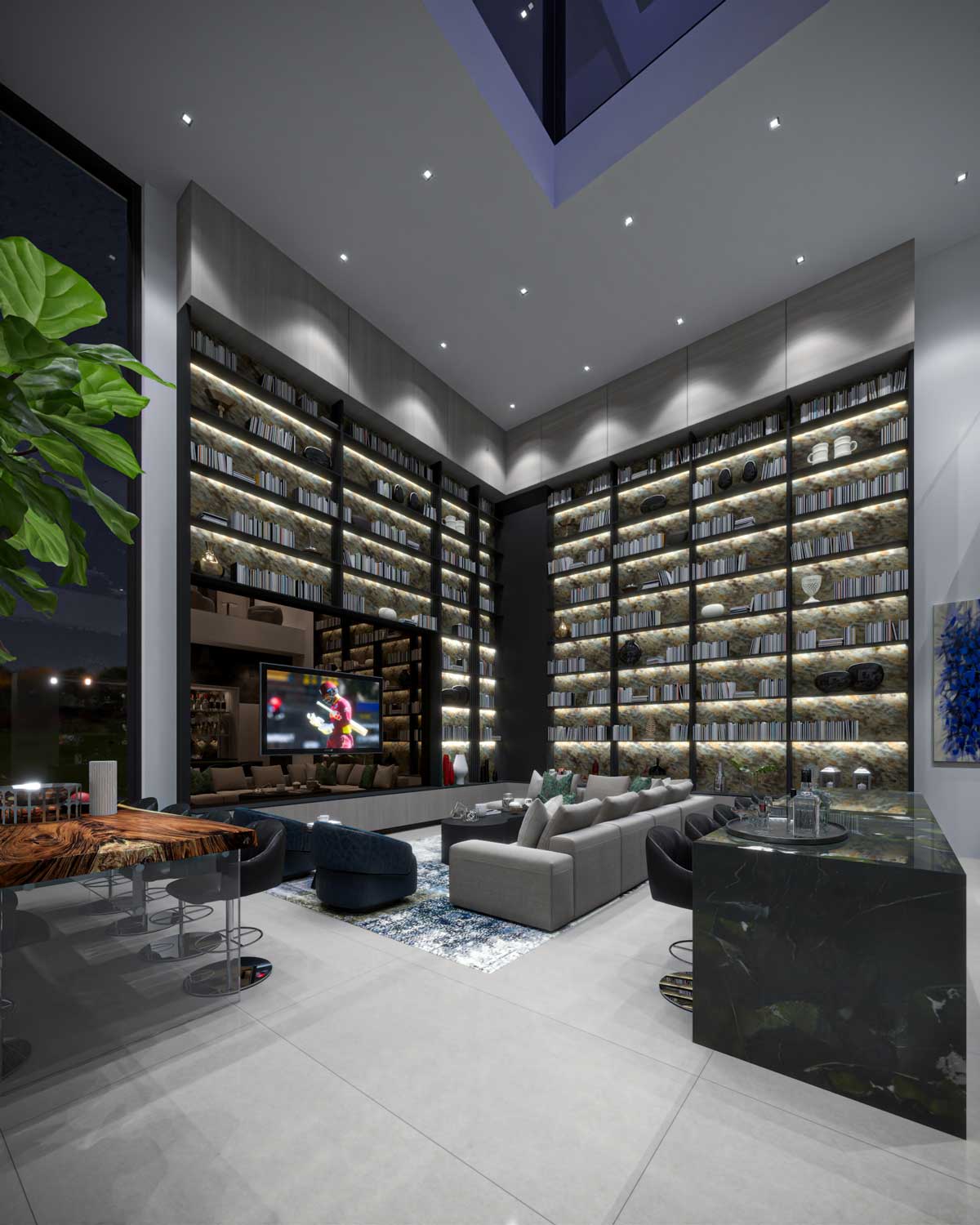
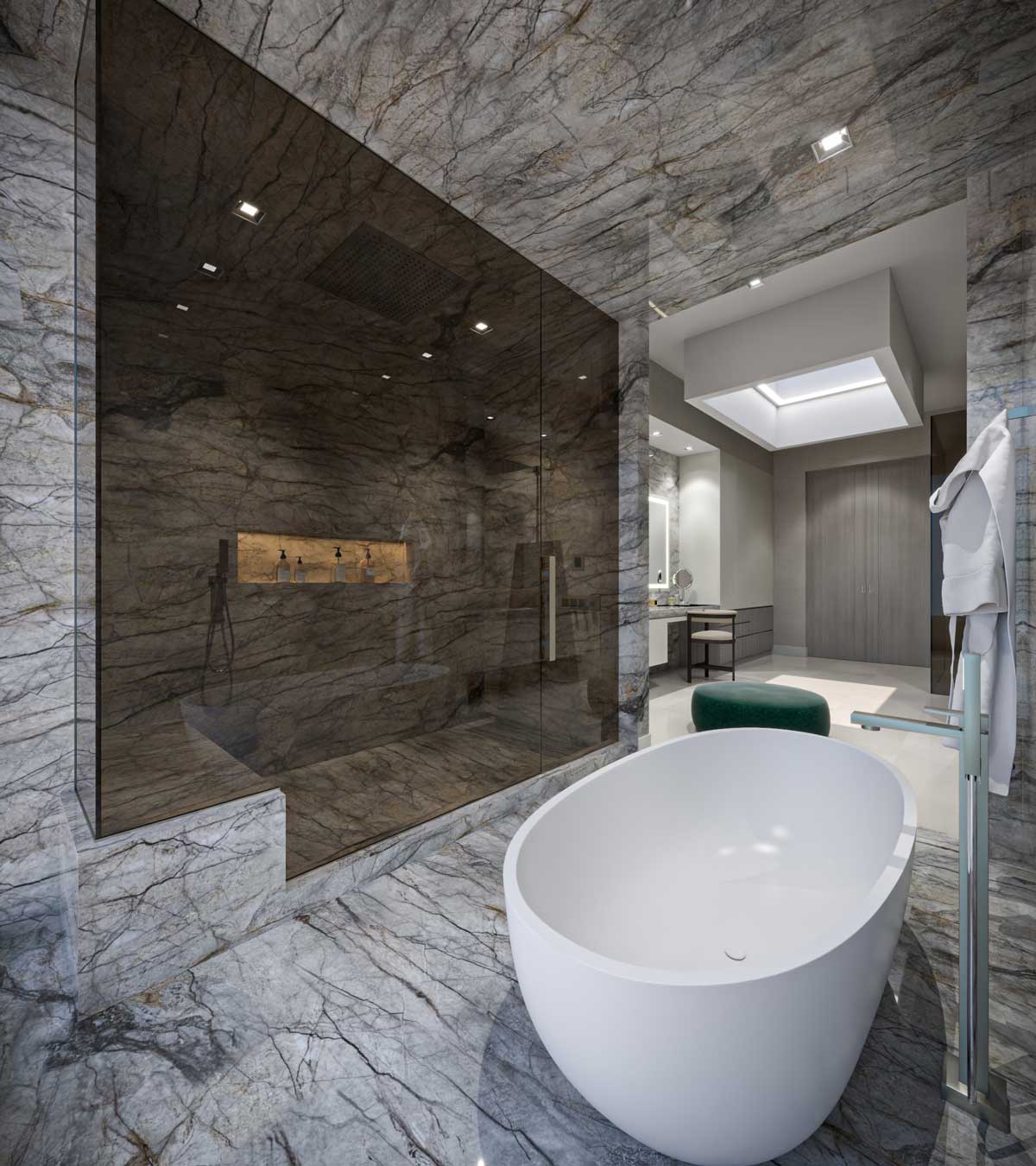
Natural materials will remain an important part of hospitality interior design trends in 2026. Marble, oak, stone, wood, and natural textiles can add warmth and texture while creating a sophisticated foundation for a luxury interior. These materials also provide opportunities to introduce contrast through color, finish, and scale.
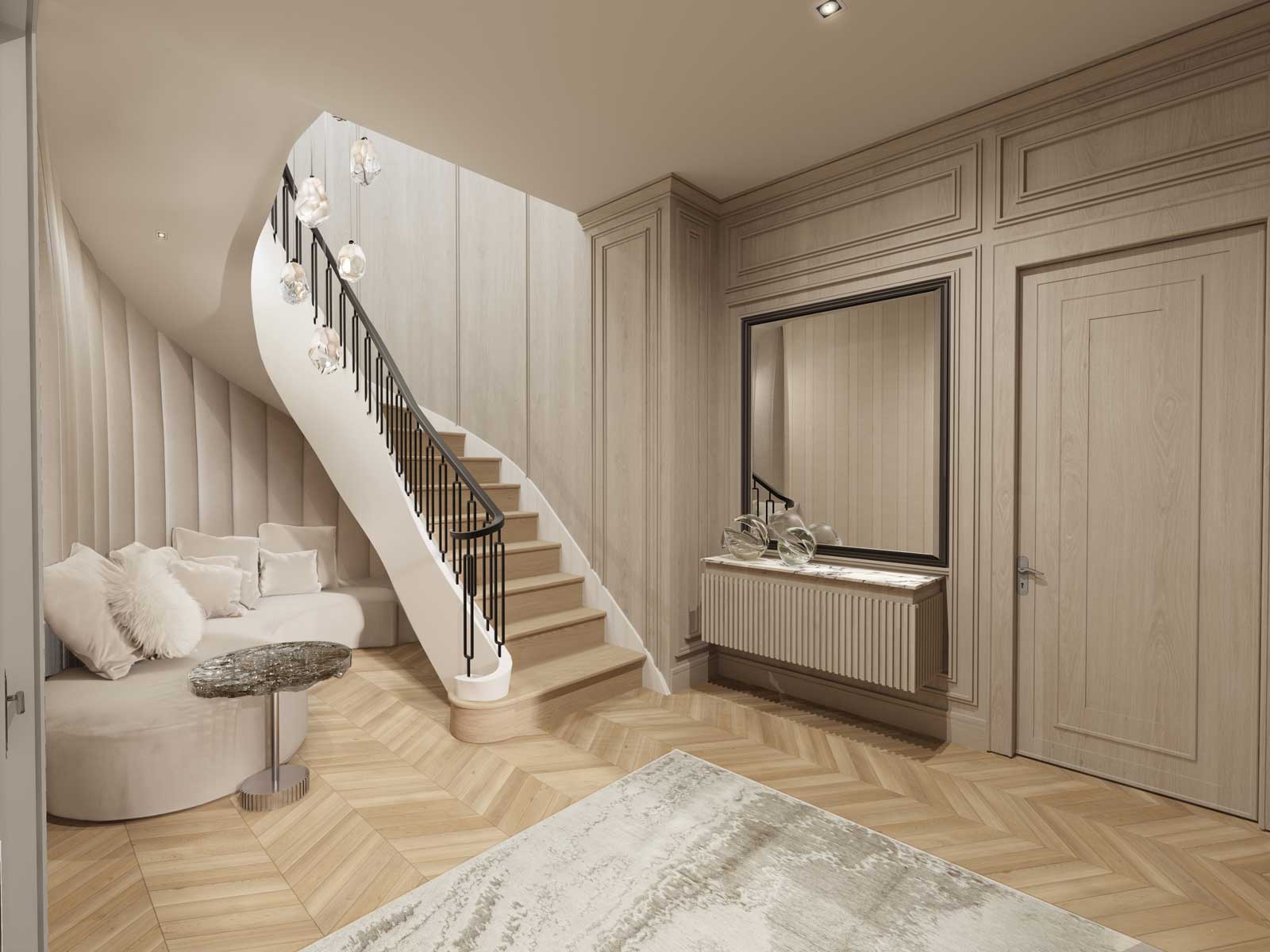
For example, a marble reception desk, oak wall paneling, or textured stone feature can give a space a strong visual identity without making the design feel excessive. Velvet, woven fabrics, and layered rugs can then add softness and comfort.
For luxury hotels and resorts, material selection also needs to consider durability and daily use. Interiors by Steven G. brings together furniture, finishes, lighting, artwork, and accessories through its full-service design process. The result is a cohesive environment where every material contributes to the overall guest experience.
Flexible Spaces Support the Guest Experience
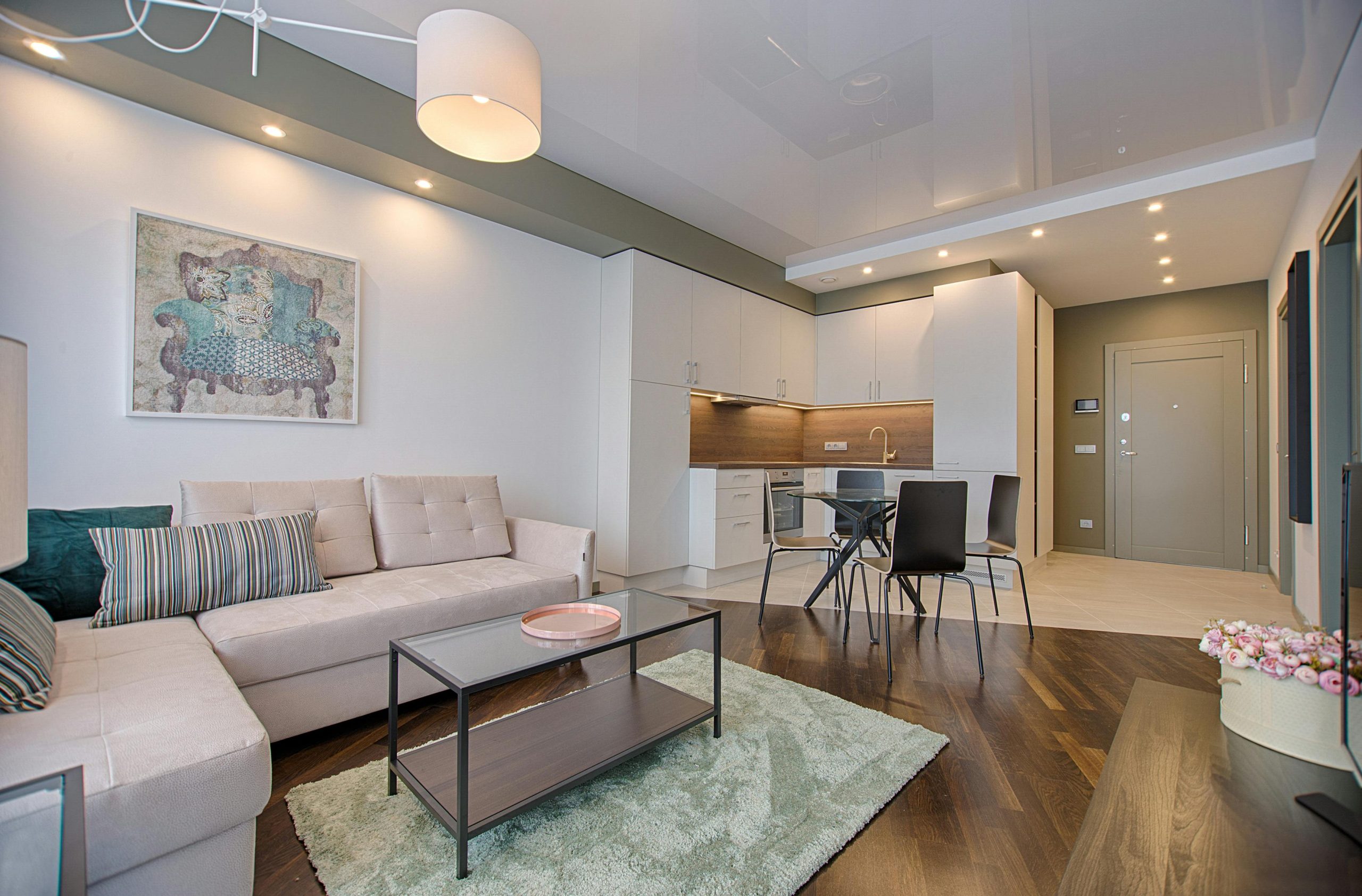
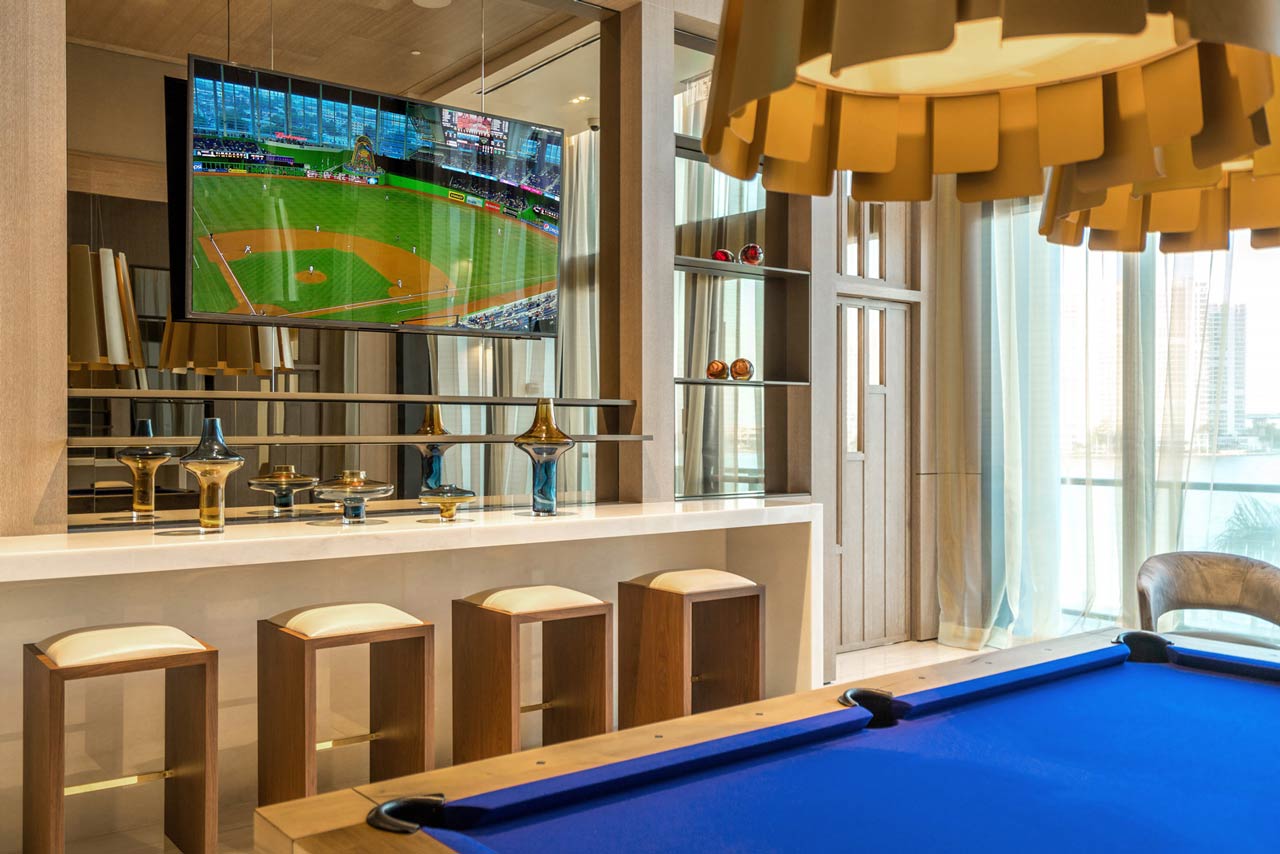
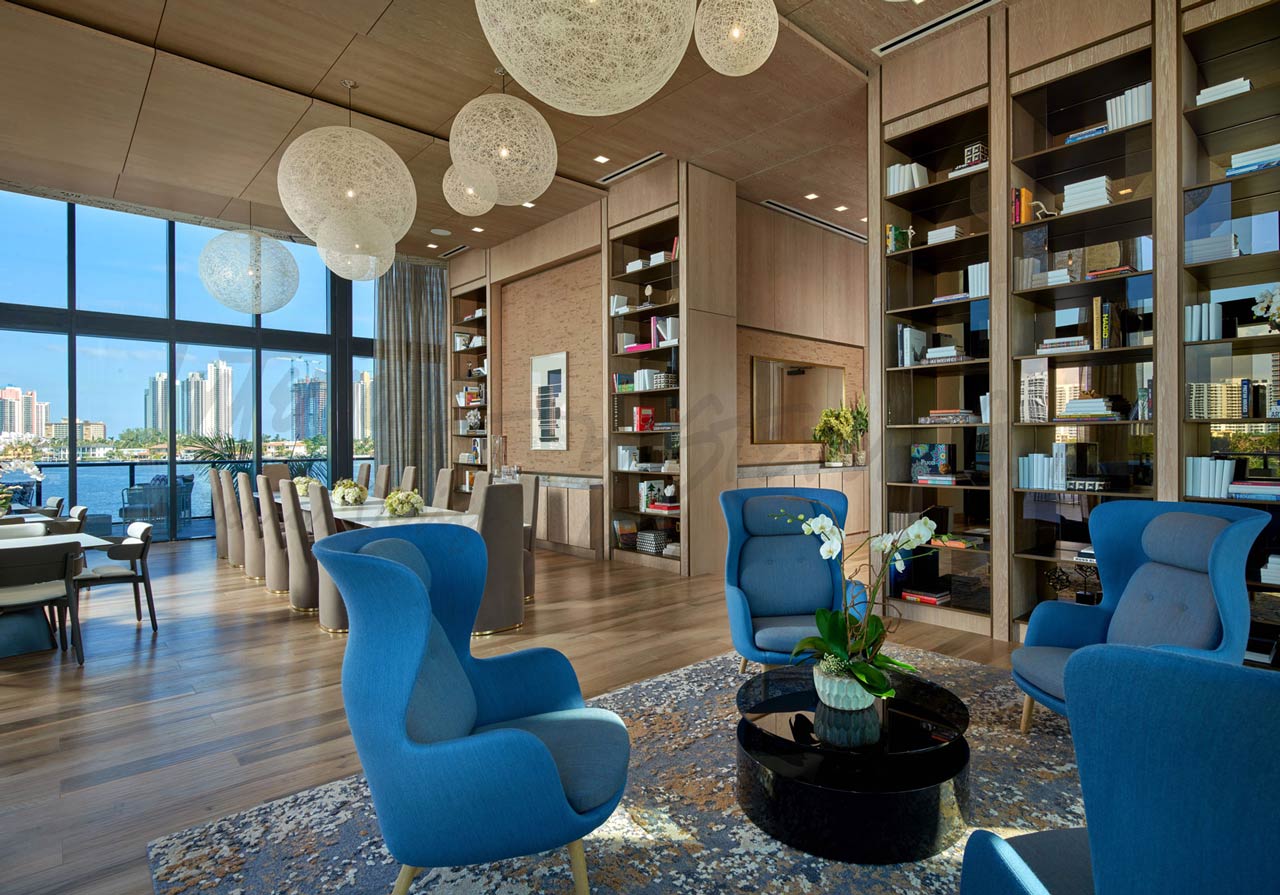
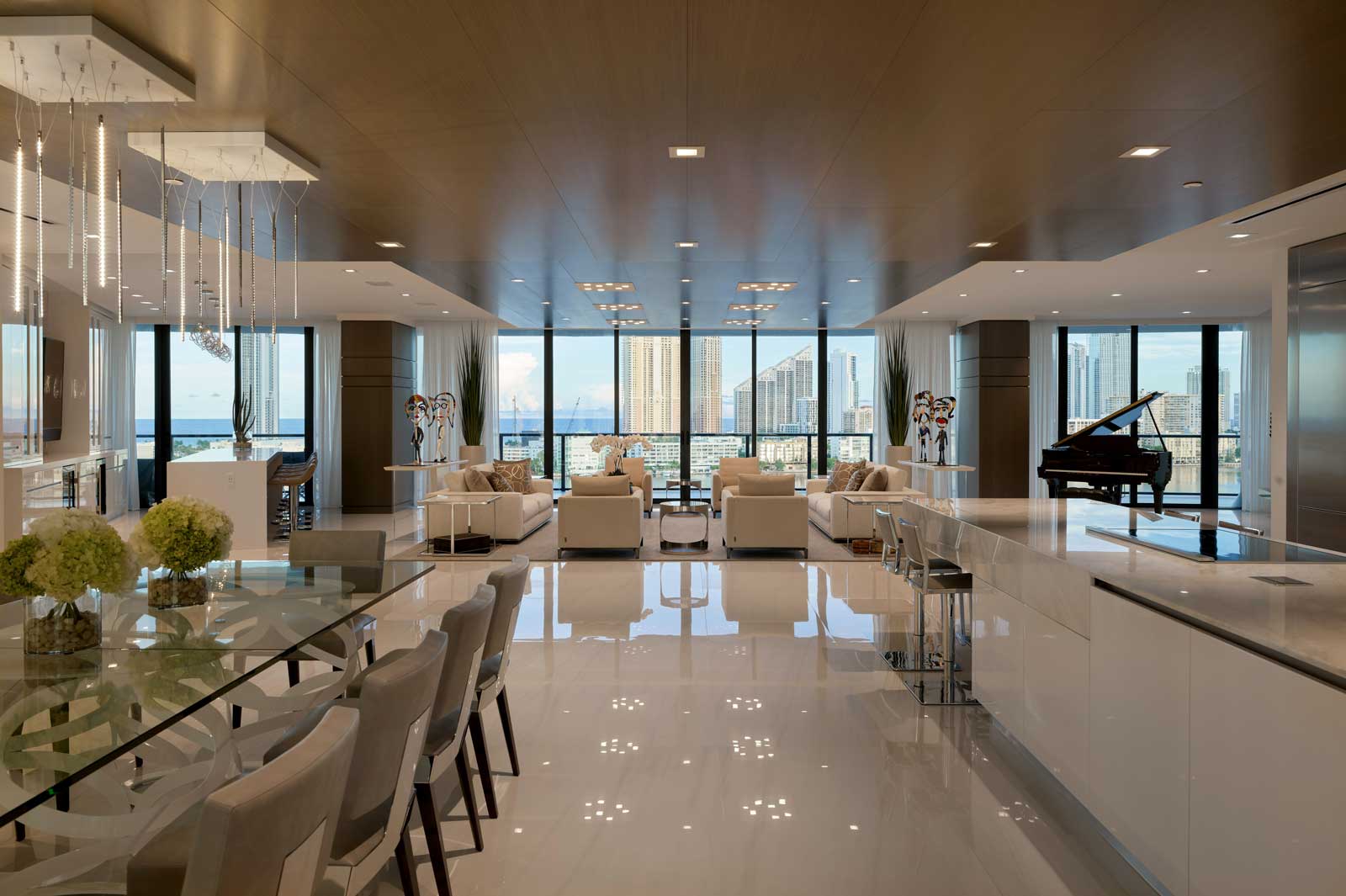
Hospitality spaces need to serve different purposes throughout the day. A hotel lobby may function as a reception area in the morning, a workspace during the afternoon, and a social setting in the evening. Flexible layouts allow these spaces to adapt without losing their sense of luxury.
Furniture placement, lighting, circulation, and room proportions all contribute to how easily a space can change. Lounge seating can create private areas within a larger room, while movable furniture can support events and gatherings.
Effective interior design for hotels considers these practical requirements from the beginning. We follow a form-follows-function approach, developing floor plans around the needs of each client and property. Conceptual design, detailed selections, implementation, and quality control are then coordinated as part of the firm’s turnkey luxury design process.
Statement Lighting Becomes a Design Feature
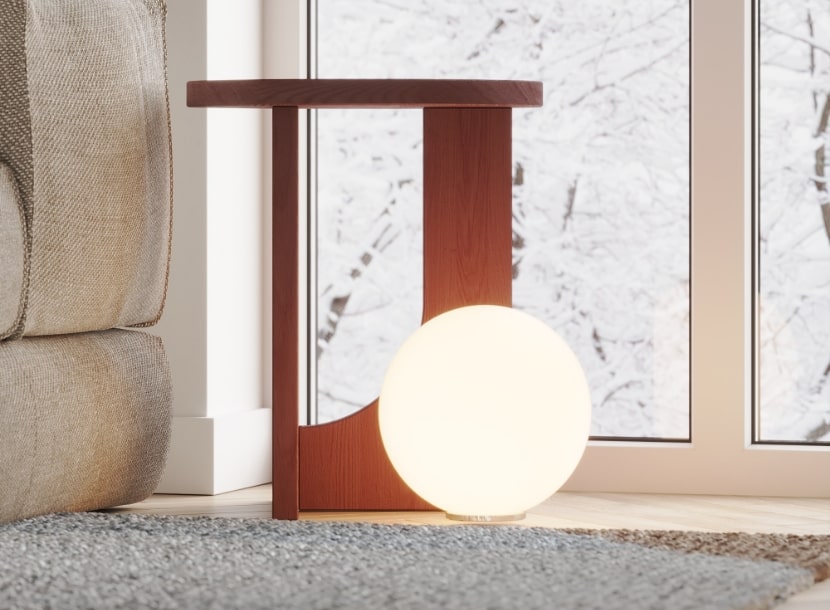
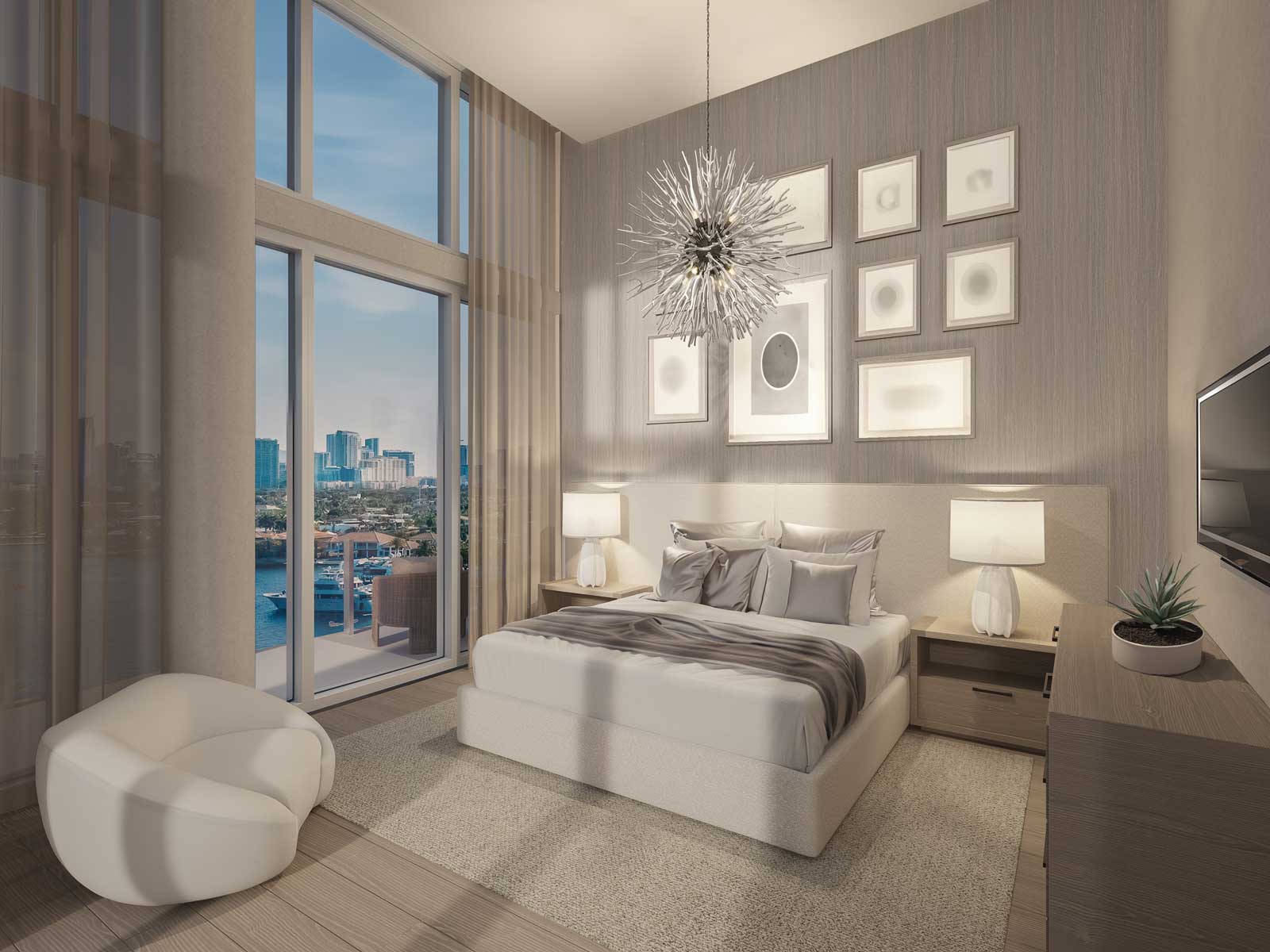
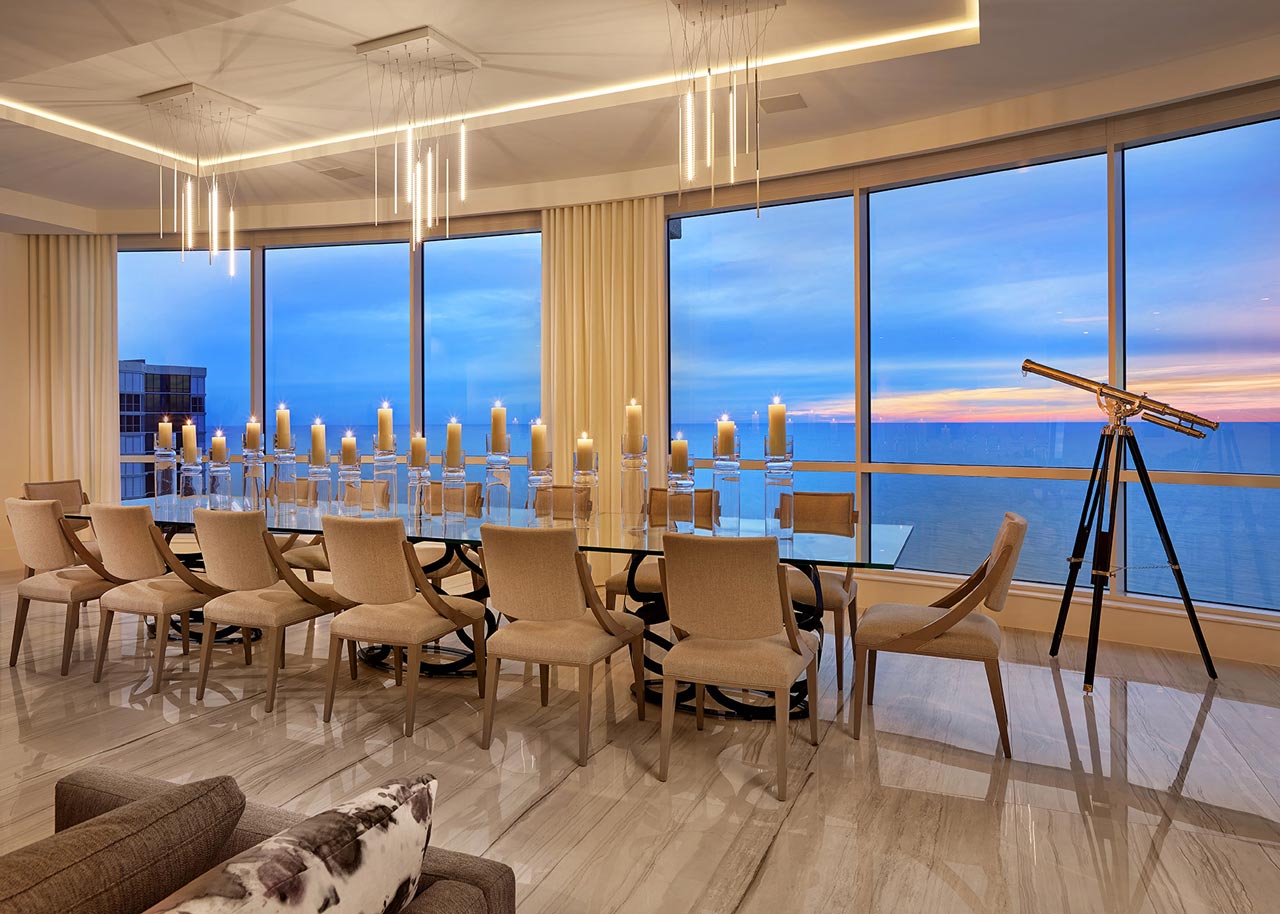
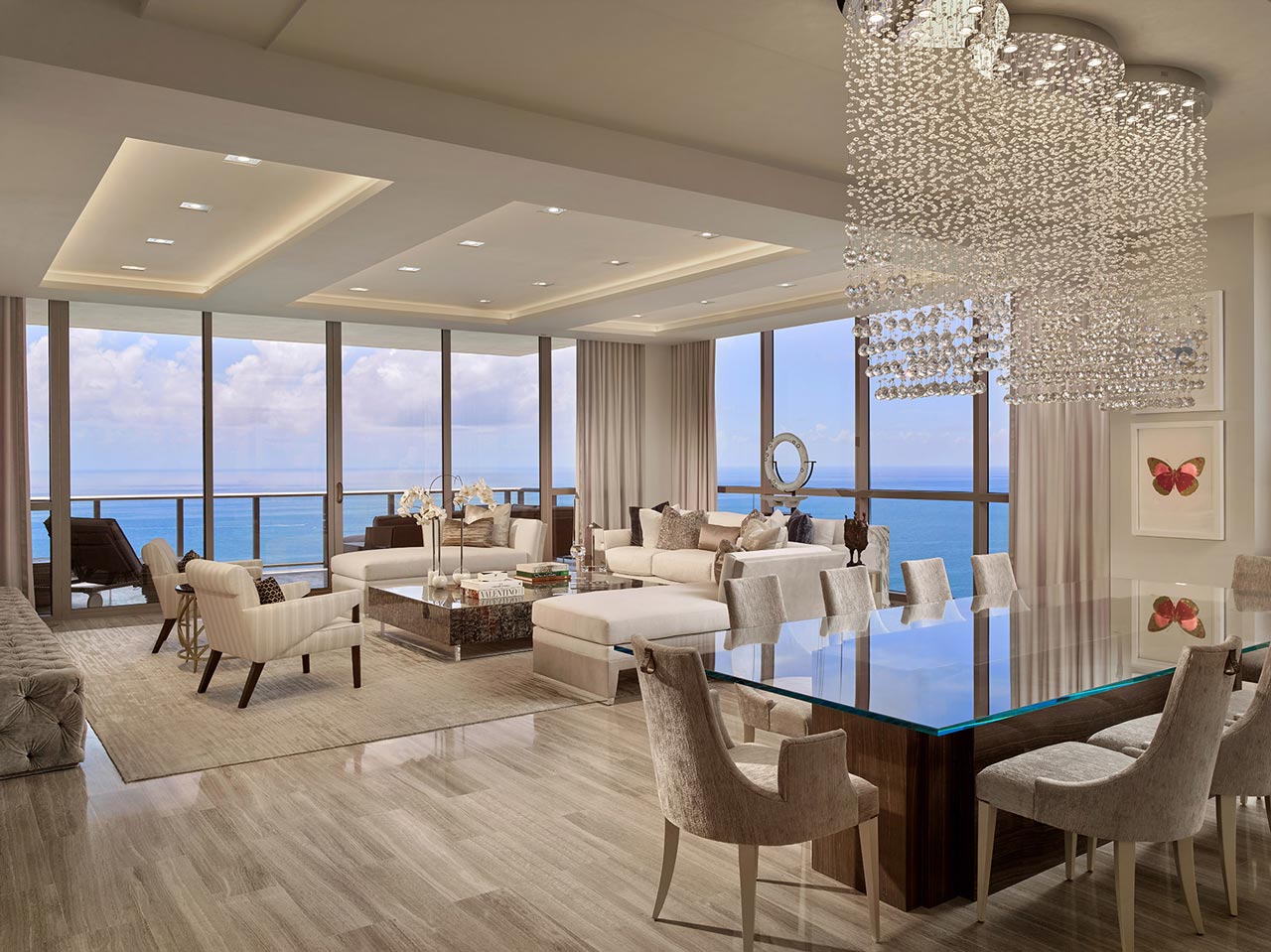
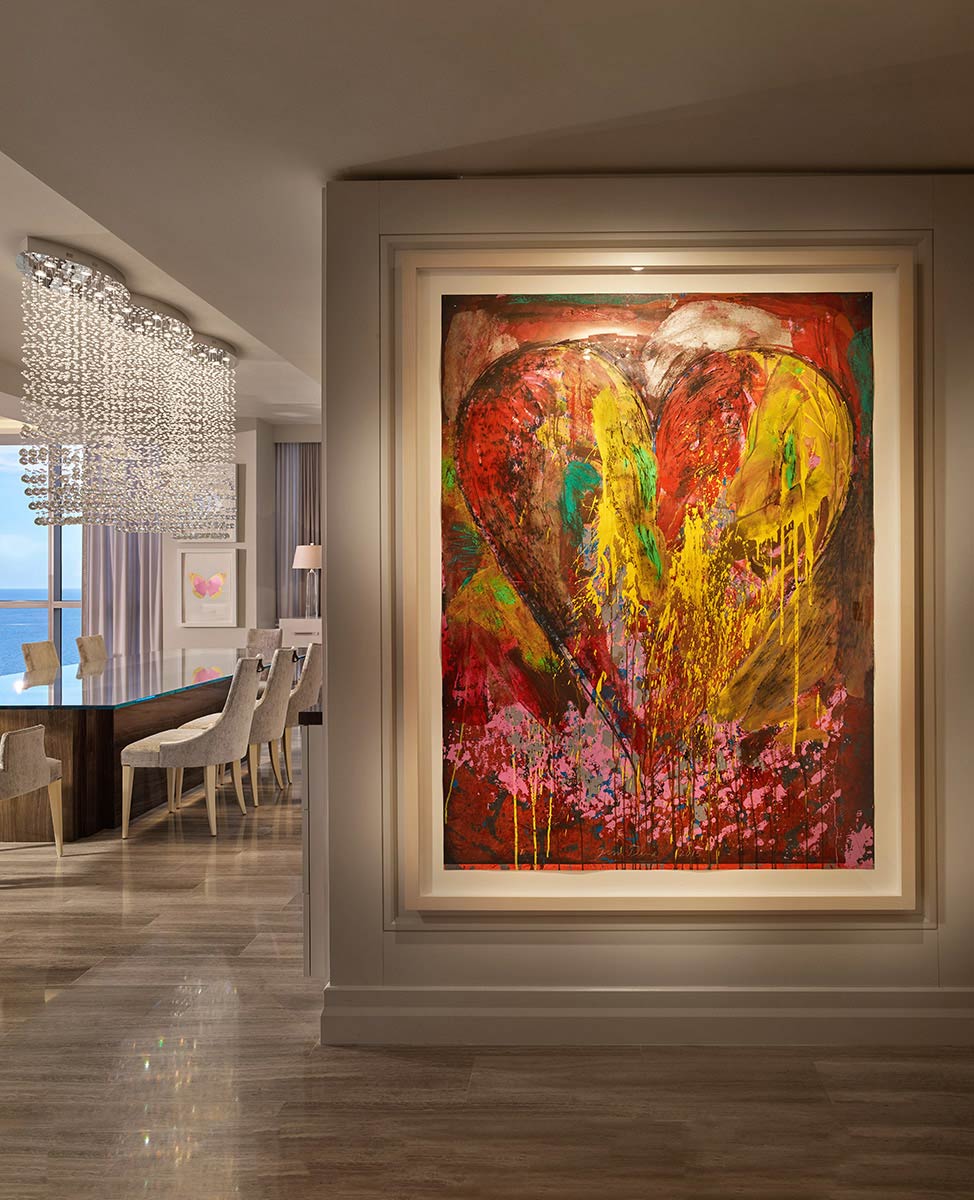
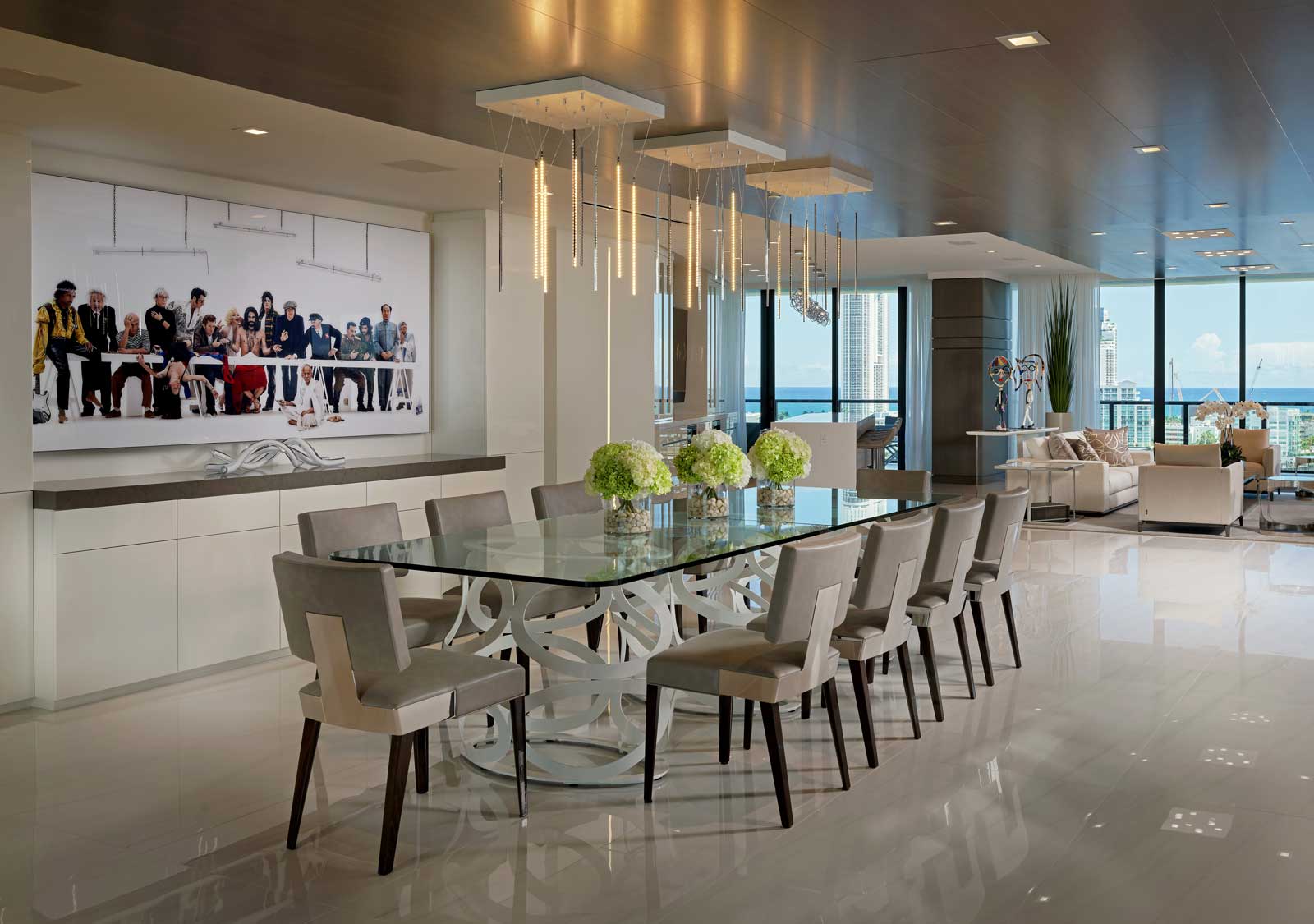
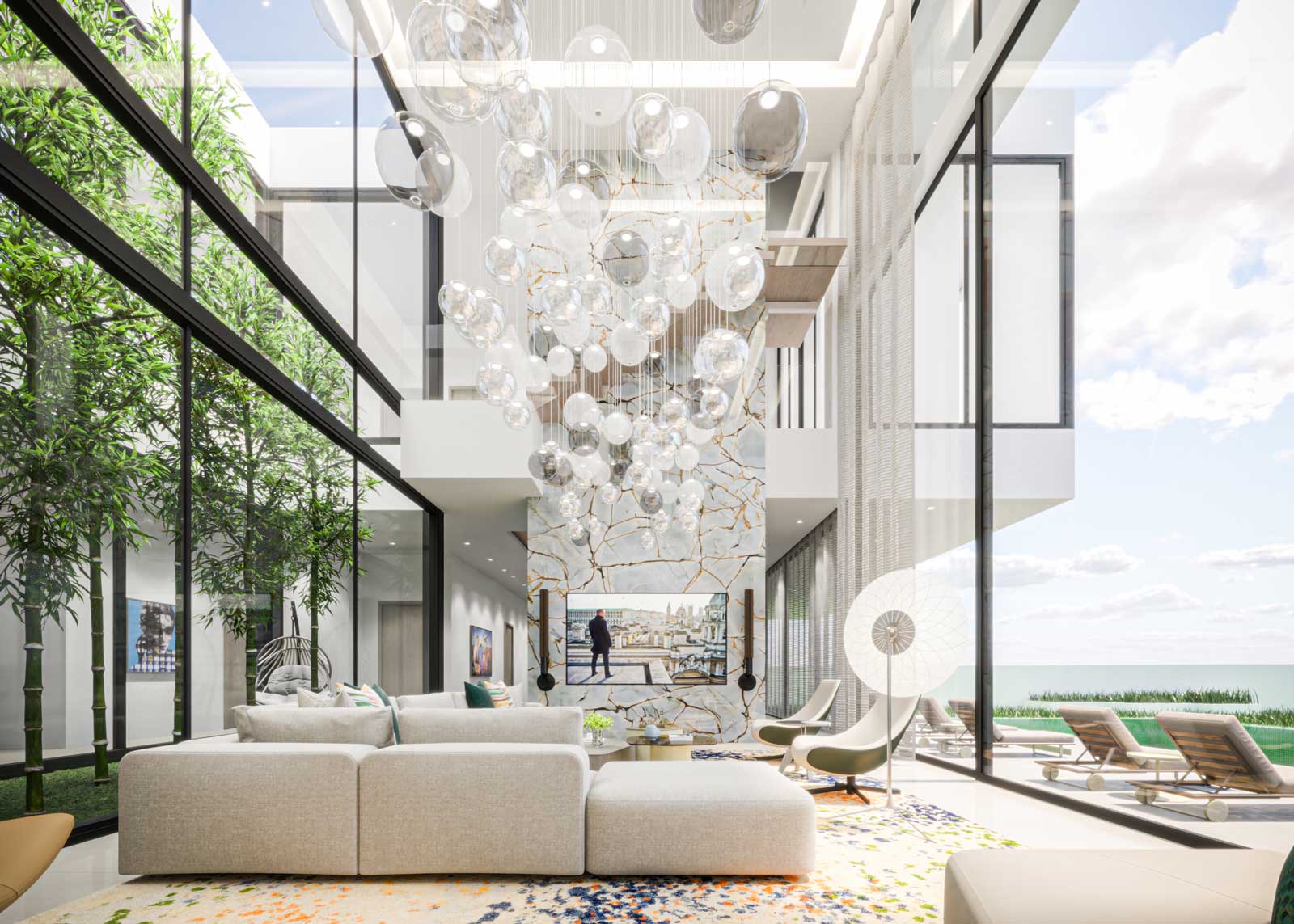
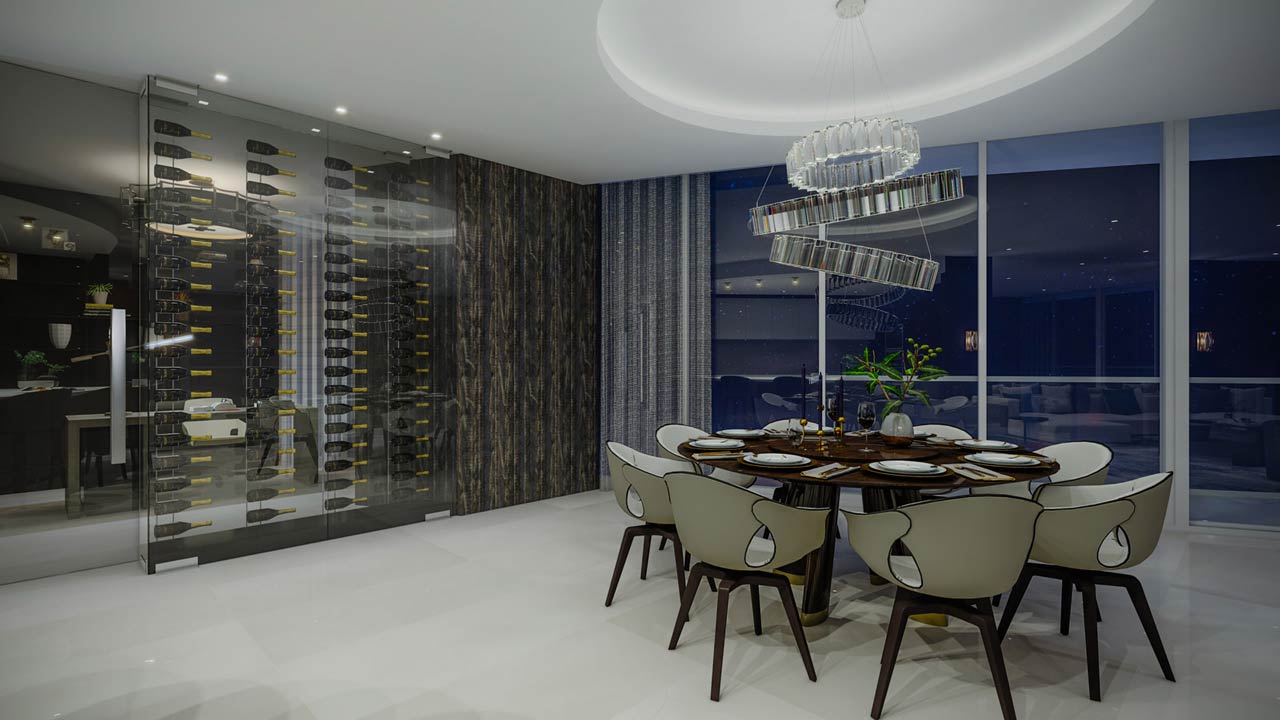
Lighting is becoming a more prominent part of luxury hospitality interiors. Rather than serving only a practical purpose, carefully selected fixtures can define the character of a space. Sculptural chandeliers, oversized pendants, decorative wall lights, and concealed illumination can all contribute to the overall design.
Layered lighting is particularly important in hospitality environments because spaces often need to feel different throughout the day. Bright, functional lighting may suit daytime activity, while warmer ambient lighting can create a more relaxed evening setting.
The right fixture also needs to match the scale of the room. A large lobby may require a substantial statement piece, while a smaller lounge can benefit from more restrained lighting. Our team offers access to a curated collection of lighting, furniture, artwork, rugs, and accessories through our luxury showroom, helping create cohesive, bespoke interiors.
Frequently Asked Questions
What Makes a Luxury Hotel Interior Feel Memorable?
A memorable hotel interior combines comfort, visual identity, and thoughtful details. Materials such as marble, oak, and velvet can add texture and depth, while custom furniture and lighting help create a distinctive guest experience.
How Important Is Scale in Hospitality Interior Design?
Scale helps determine how comfortable and balanced a space feels. Large rooms may need substantial furniture, artwork, and lighting to avoid feeling empty. Smaller areas benefit from carefully selected pieces that maintain a sense of openness.
Why Are Natural Materials Popular in Modern Hospitality Design?
Natural materials bring warmth and texture to luxury interiors. Marble, wood, stone, and natural fabrics can also work across different design styles, making them useful for creating sophisticated and timeless spaces.
Can Hotel Interiors Reflect a Property’s Location?
Yes. A property’s surroundings can influence its materials, colors, artwork, and overall design direction. Local influences can create a stronger sense of place while still maintaining a refined luxury aesthetic.
What Does Turnkey Luxury Design Include?
Turnkey luxury design can cover the entire project, from initial planning and conceptual design through sourcing, coordination, implementation, and white-glove installation. Interiors by Steven G. manages these stages as part of its full-service approach.
How Does Interior Design Improve the Guest Experience?
Thoughtful design can make spaces easier to navigate, more comfortable, and more engaging. Every detail, from seating and lighting to materials and room layouts, can contribute to how guests experience a property.
Hospitality Interior Design Trends to Watch in 2026
In summary, keeping up with hospitality interior design trends can help hotels, resorts, and restaurants create spaces that feel distinctive and inviting. From natural materials to carefully planned lighting, every detail can shape the guest experience.
Interiors by Steven G. creates bespoke luxury environments, including trendy restaurant interiors, through a full-service, turnkey approach.
Get in touch with our team to discuss your next hospitality design project and create a space designed around your vision.