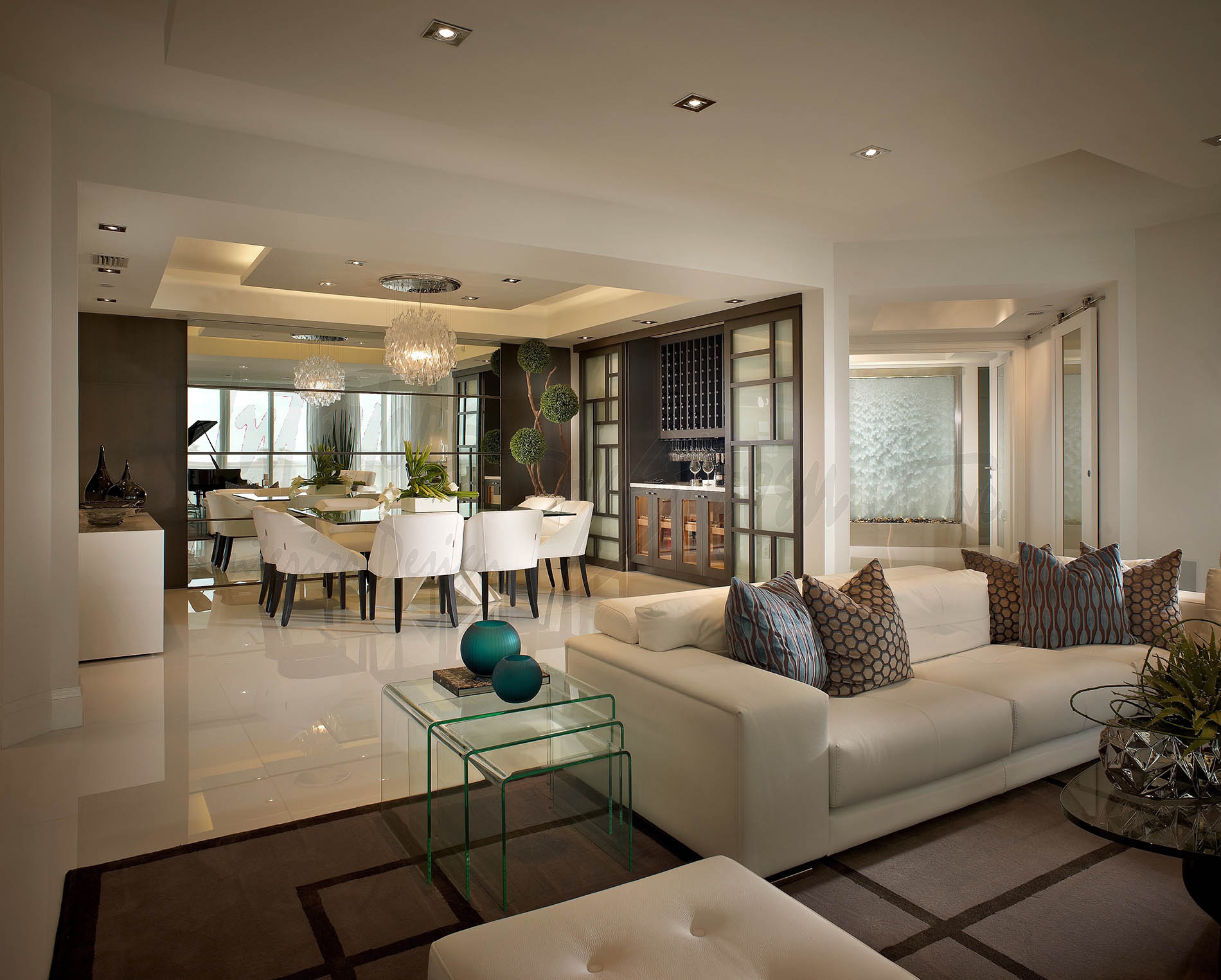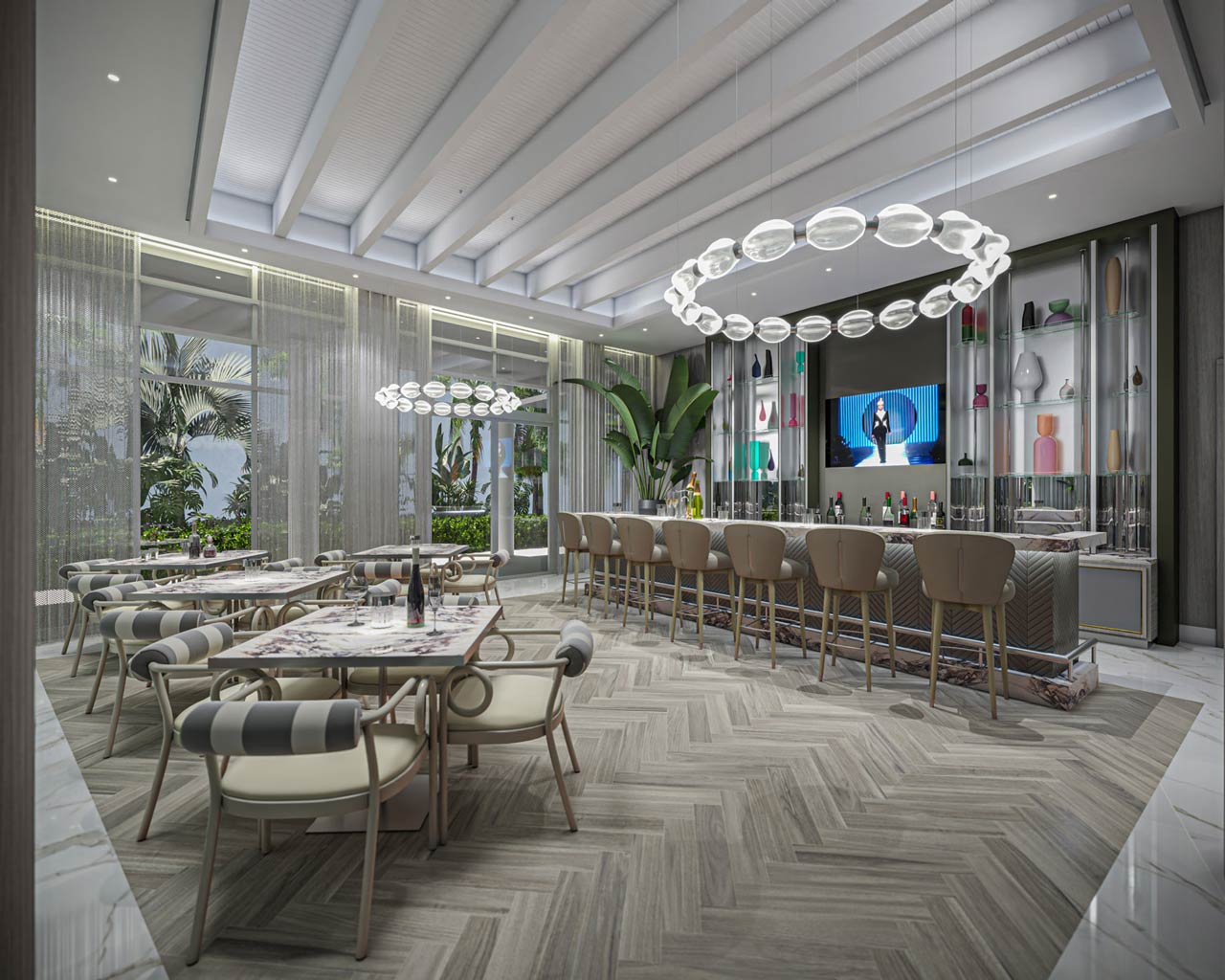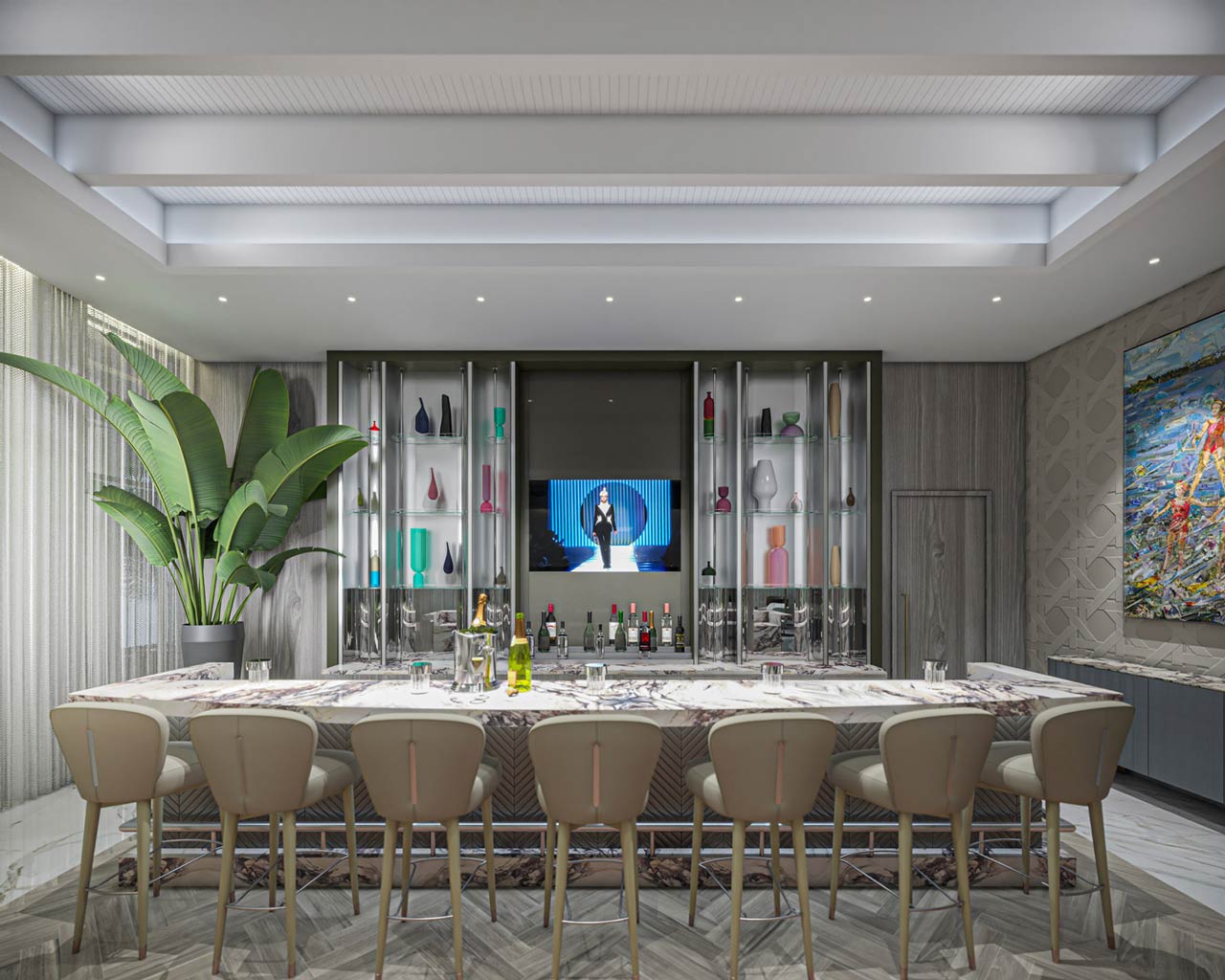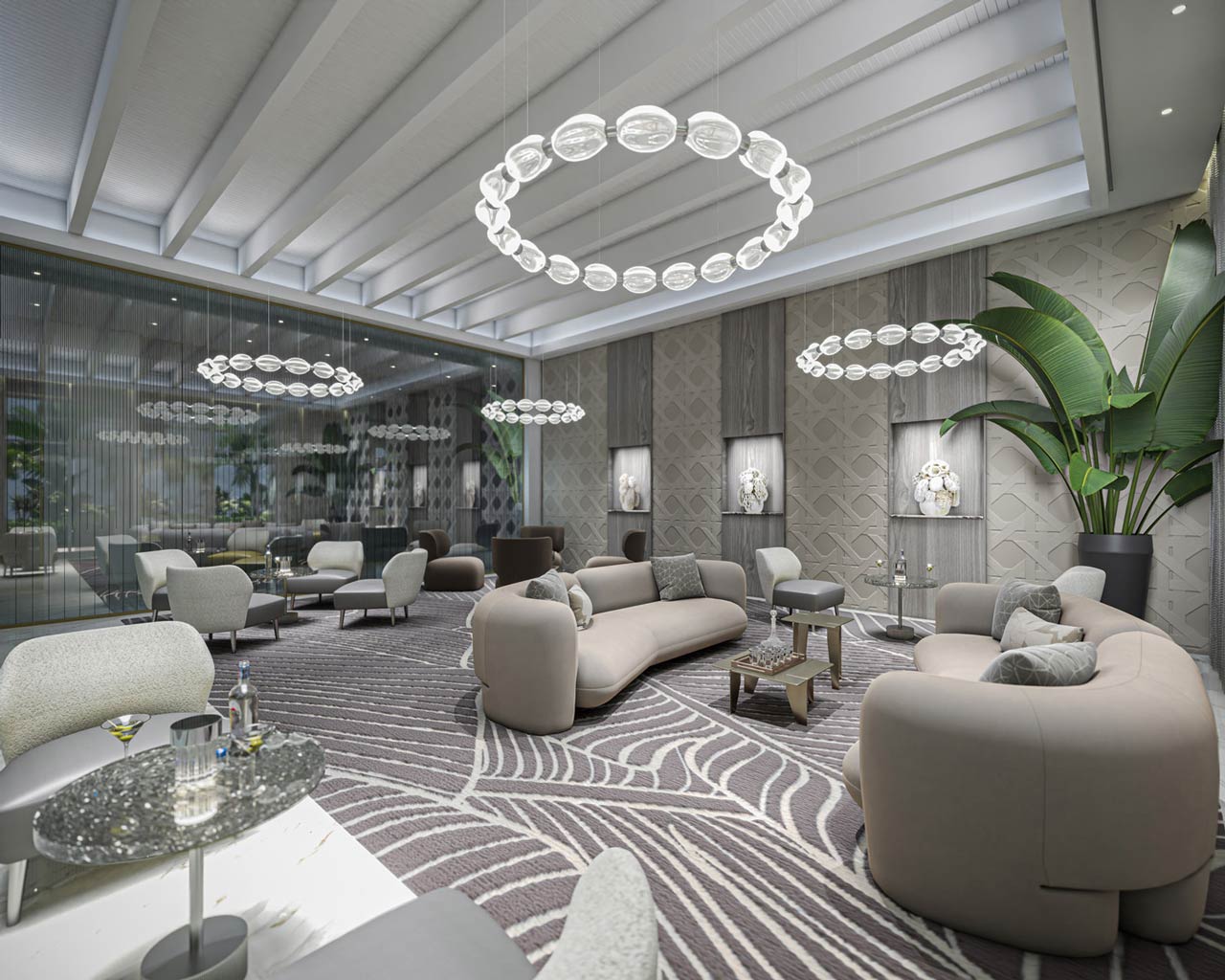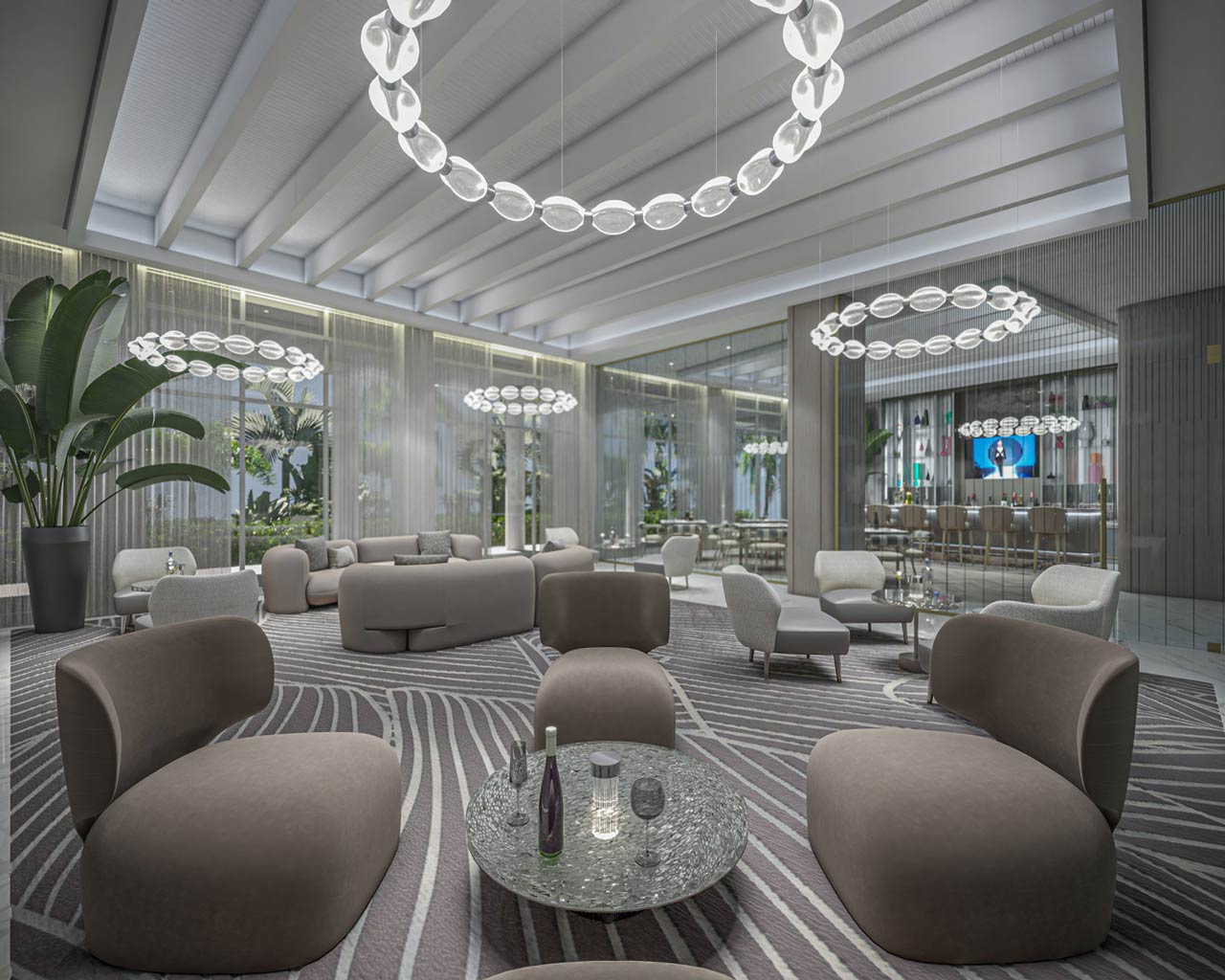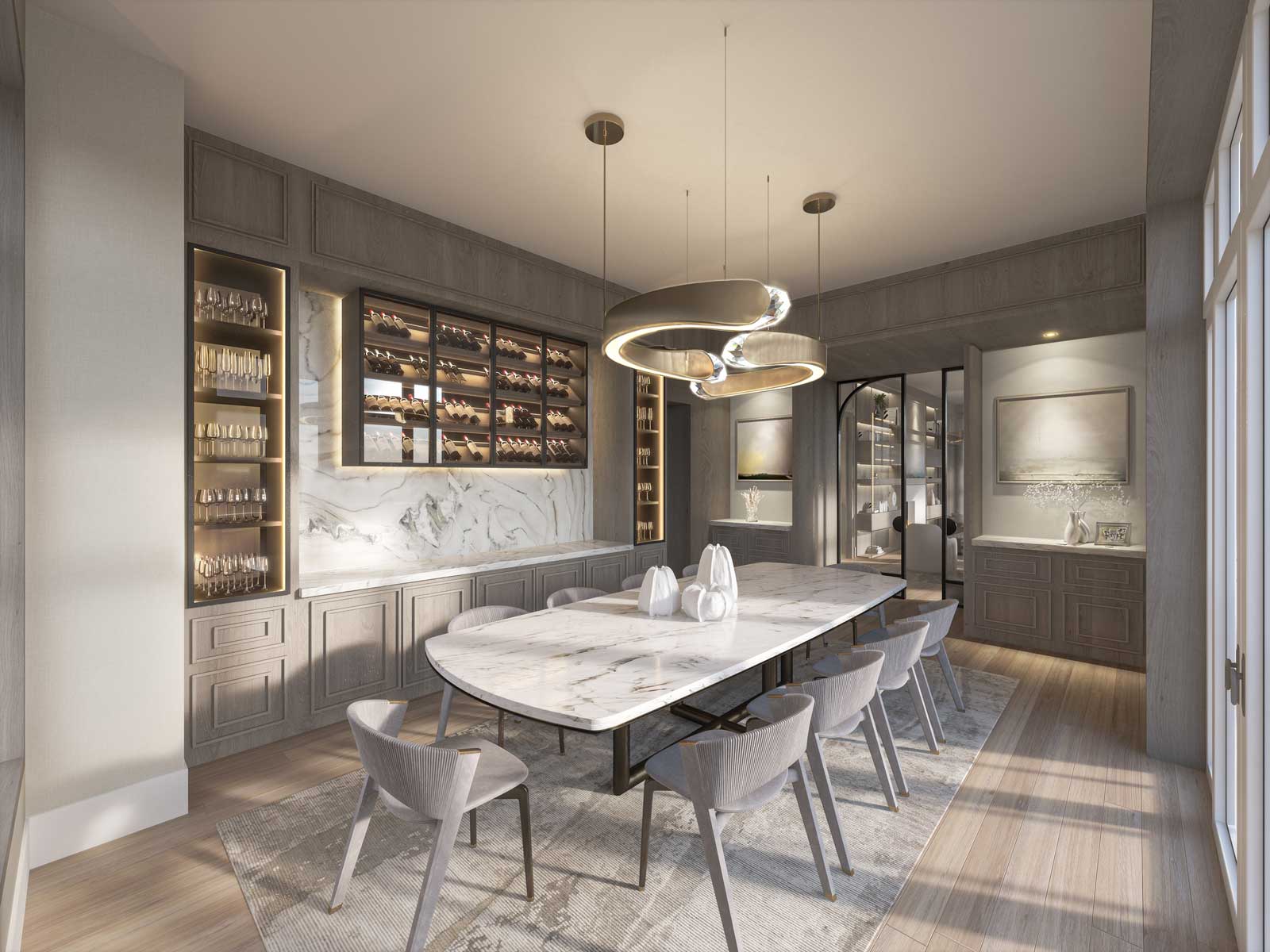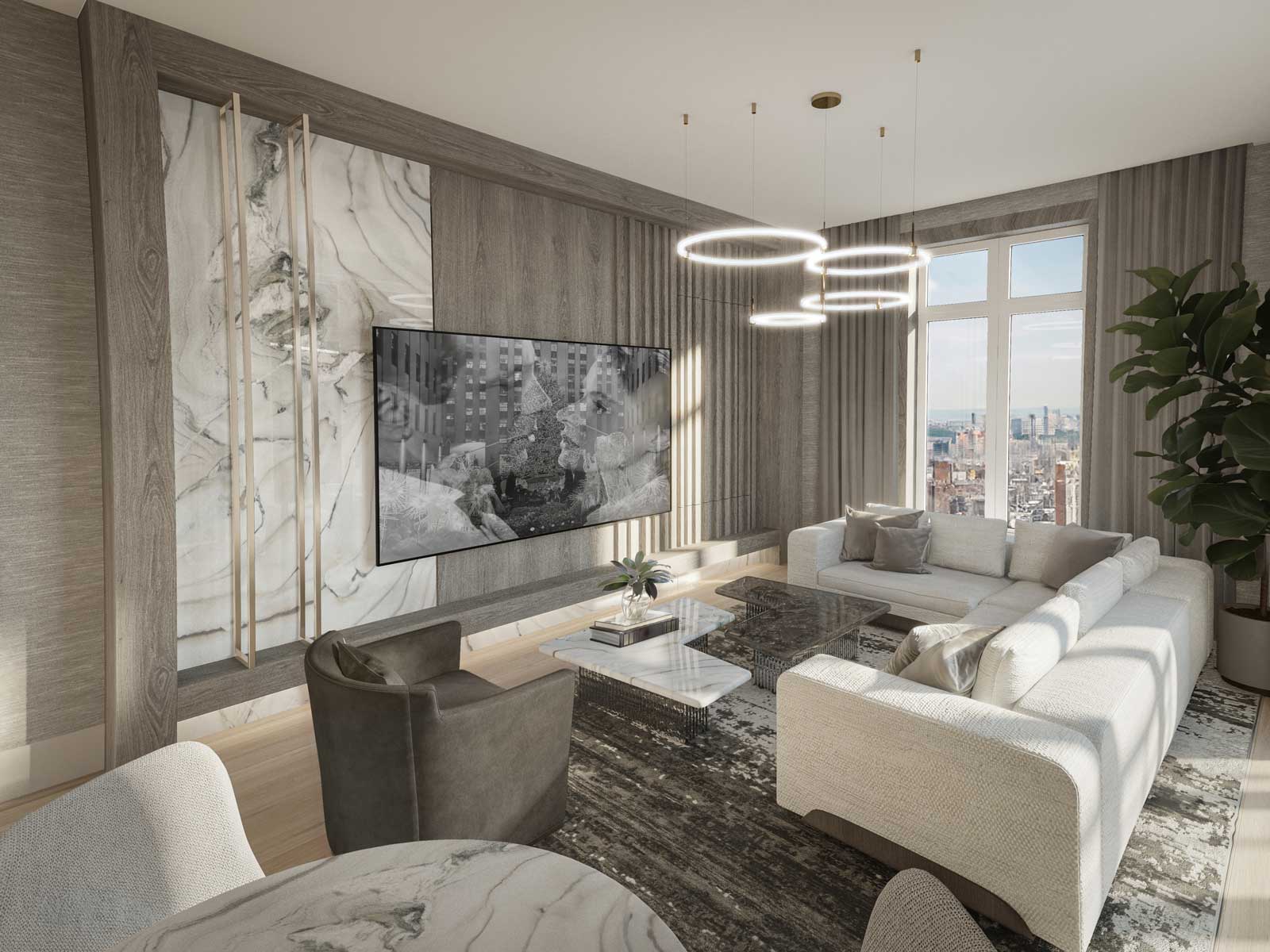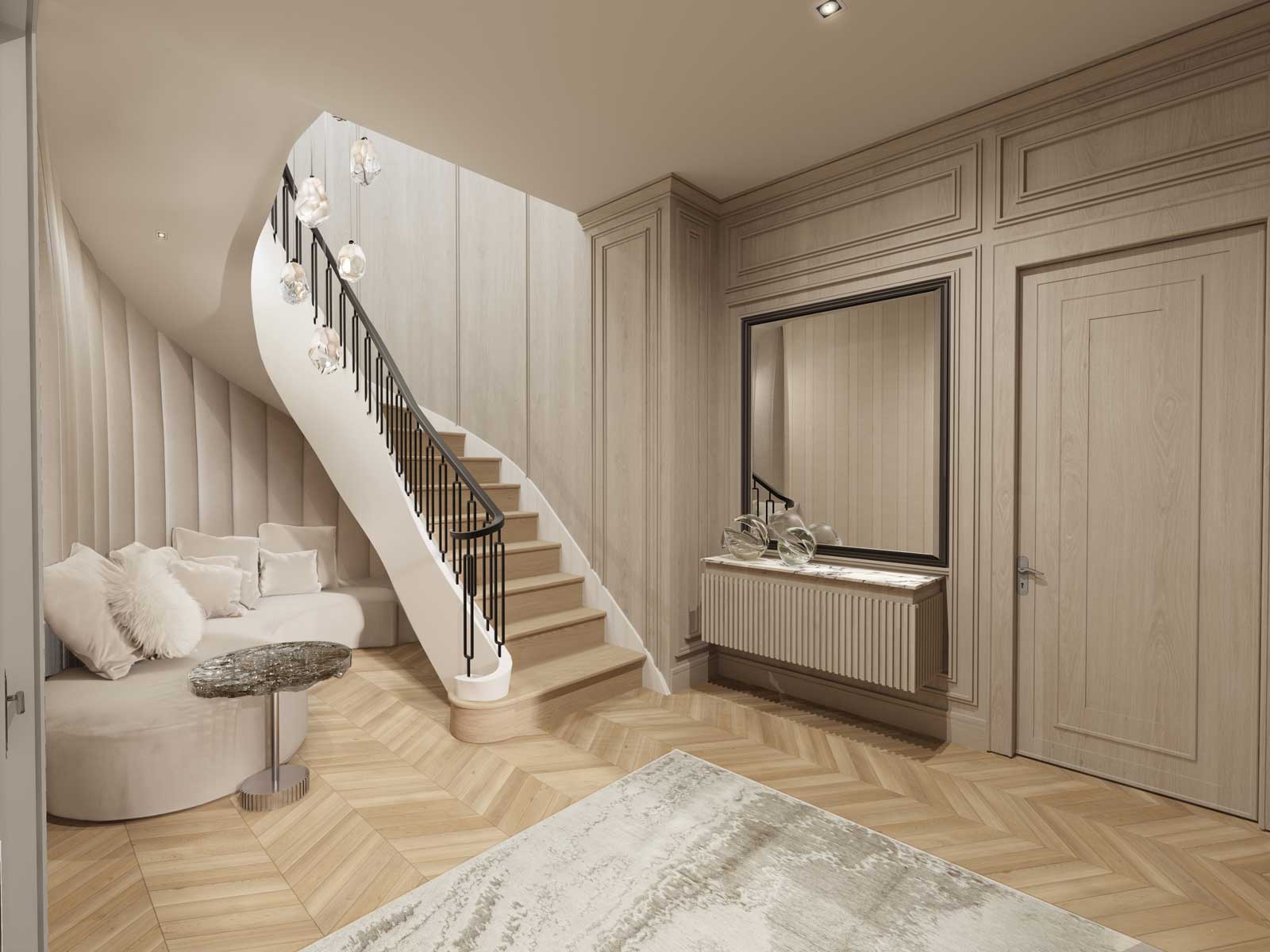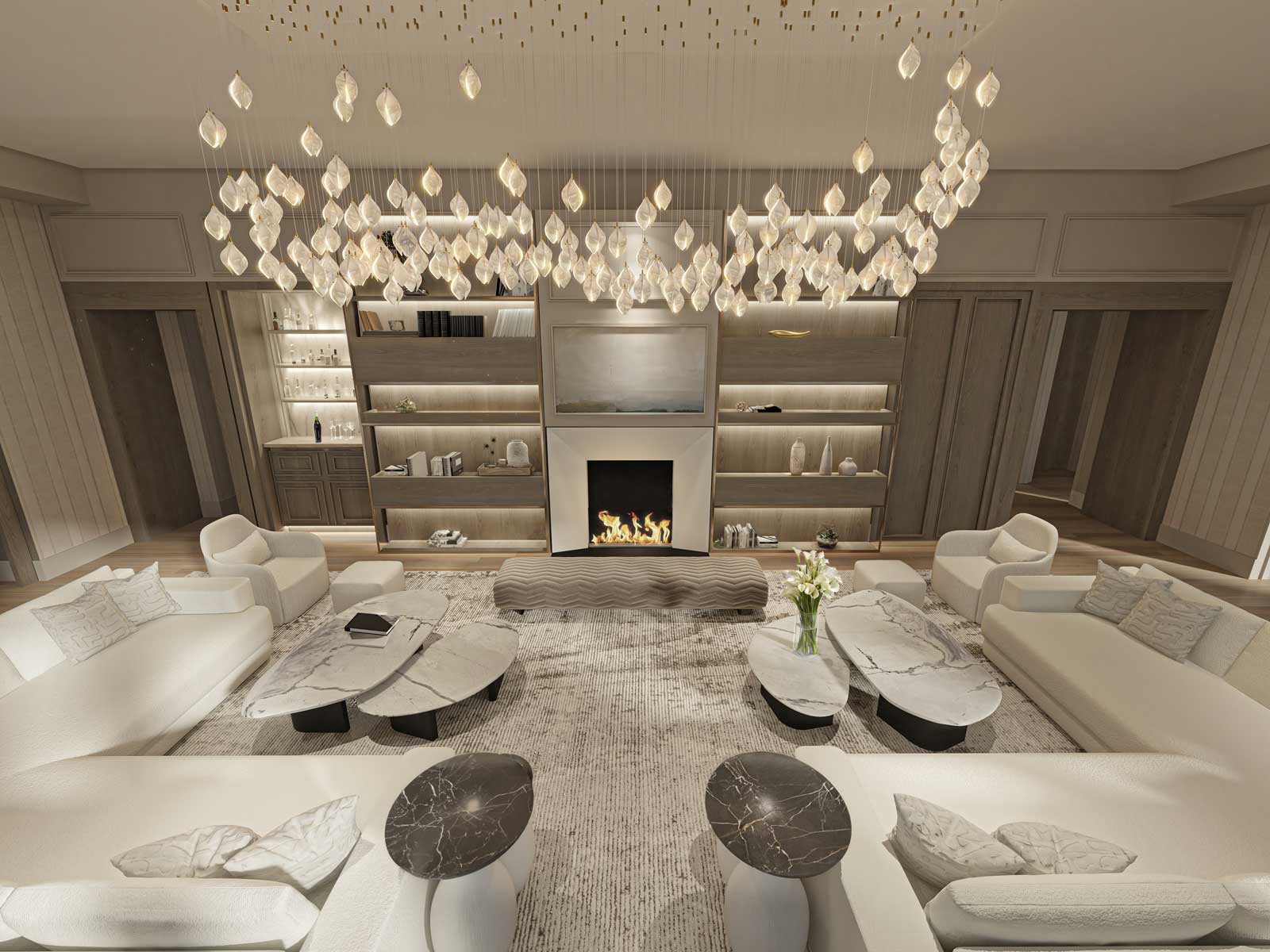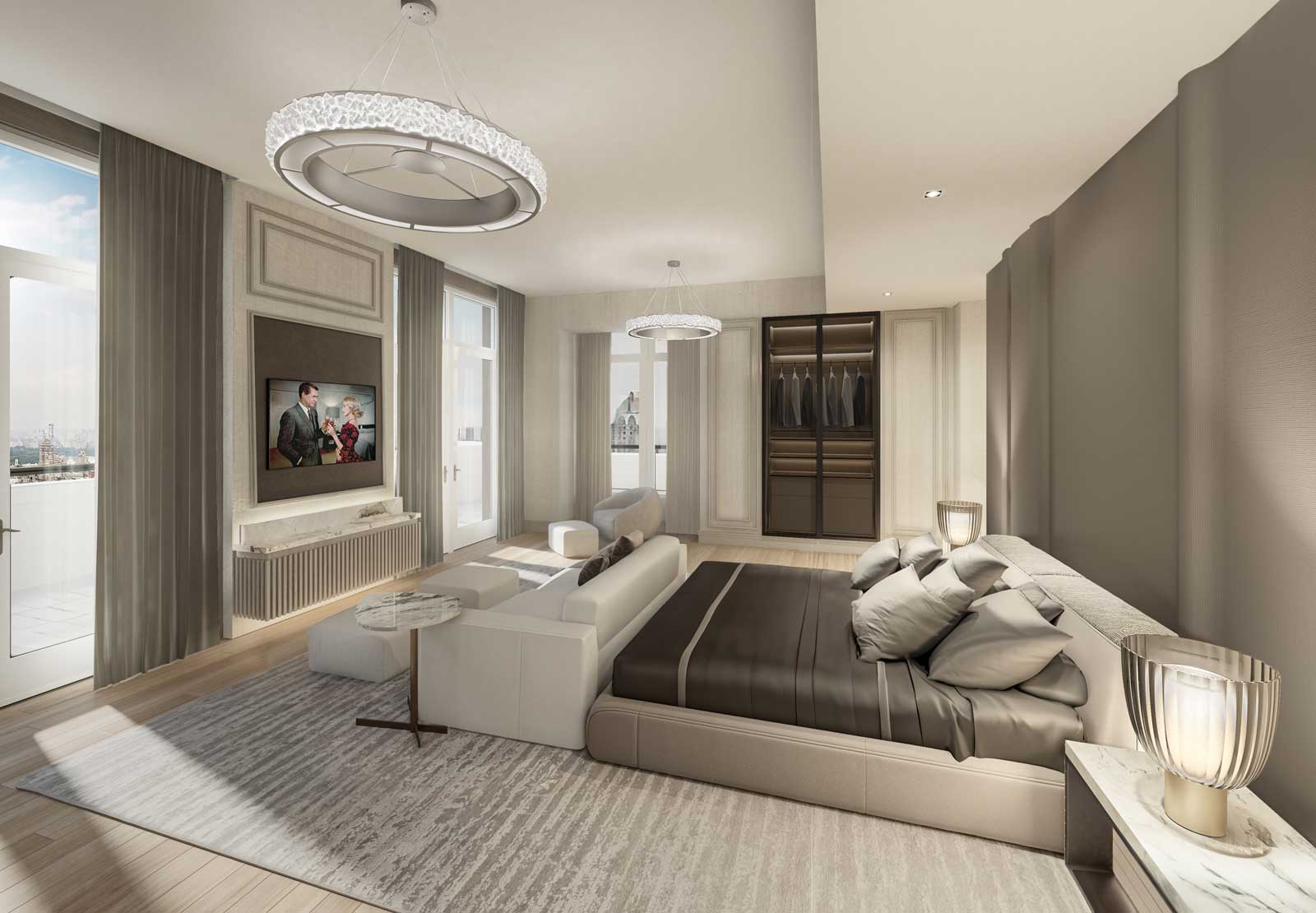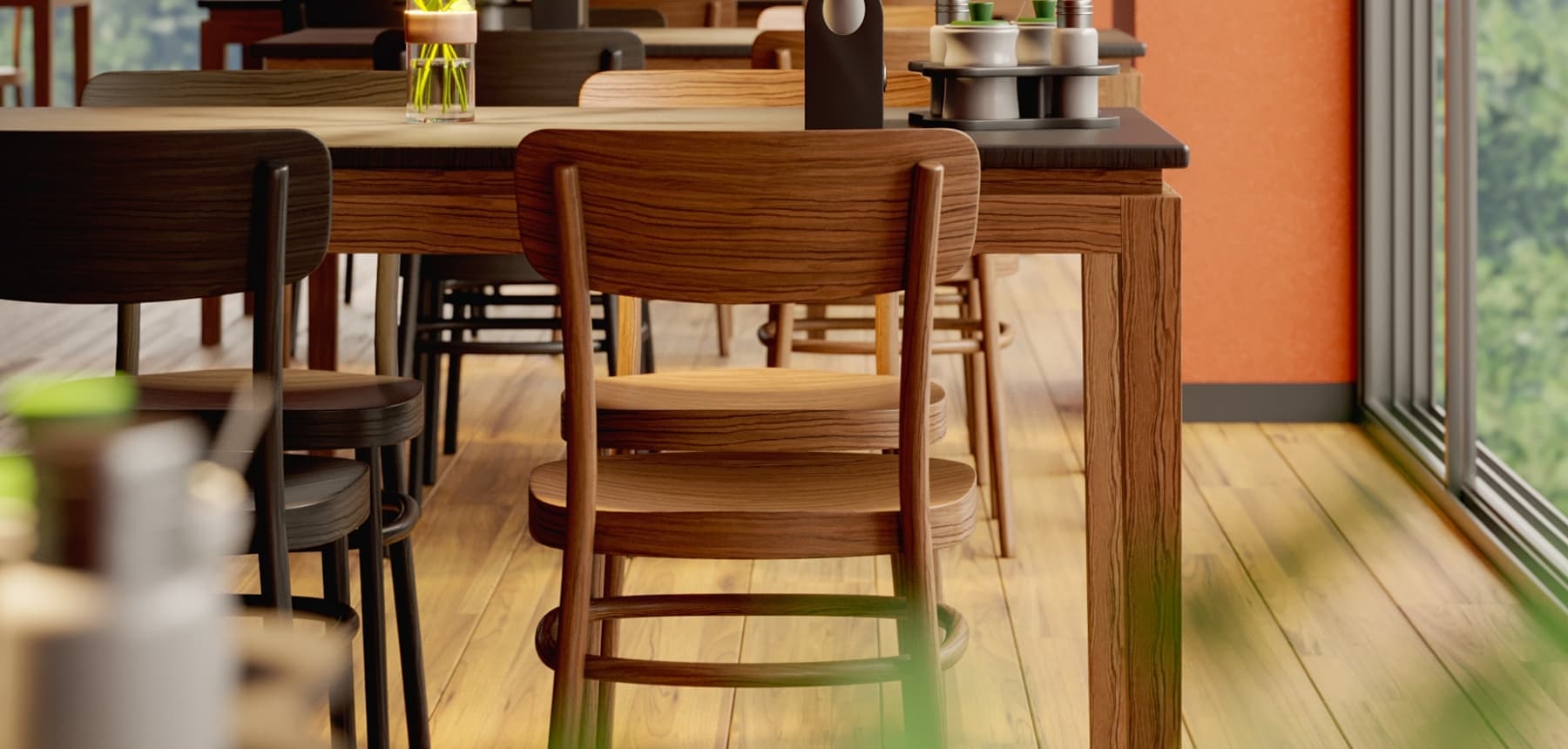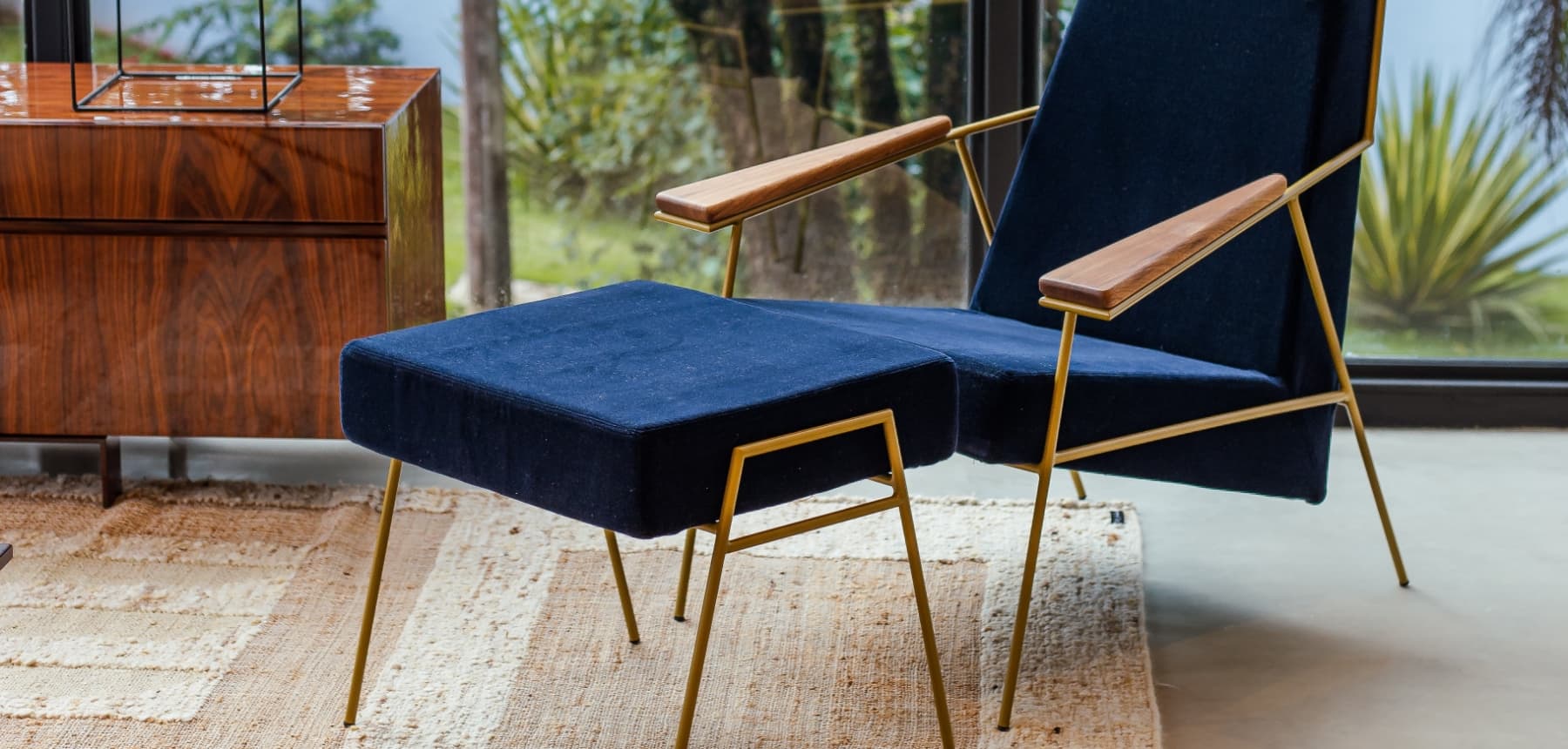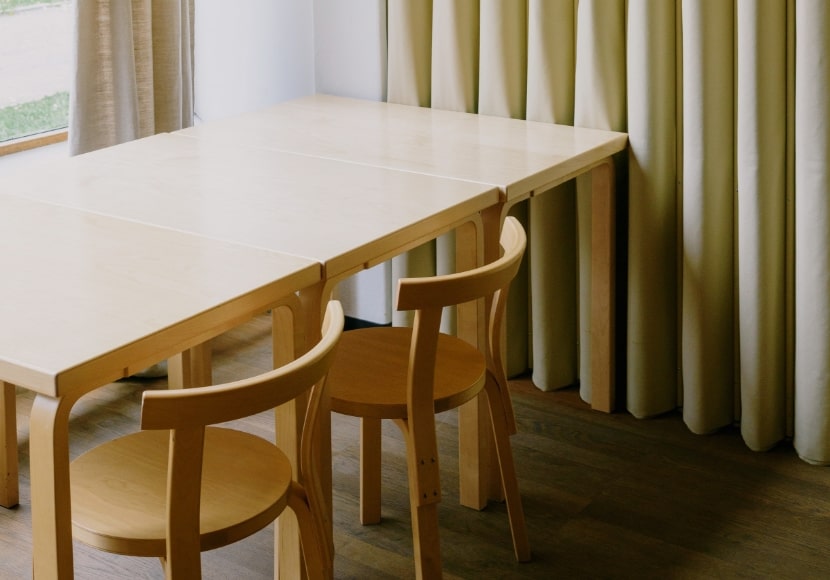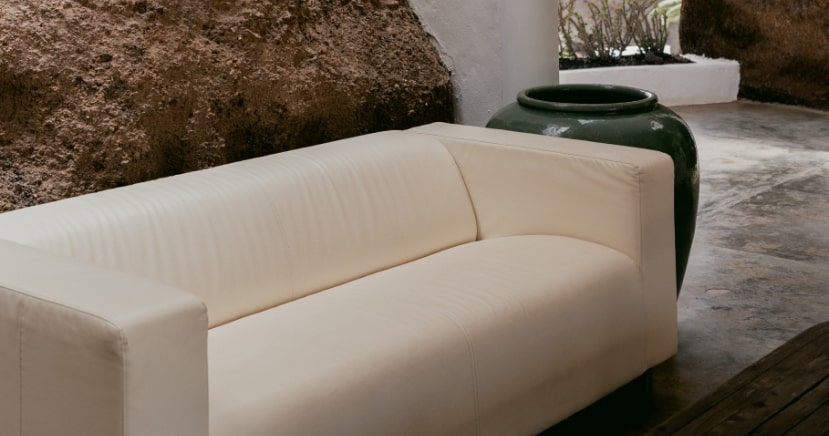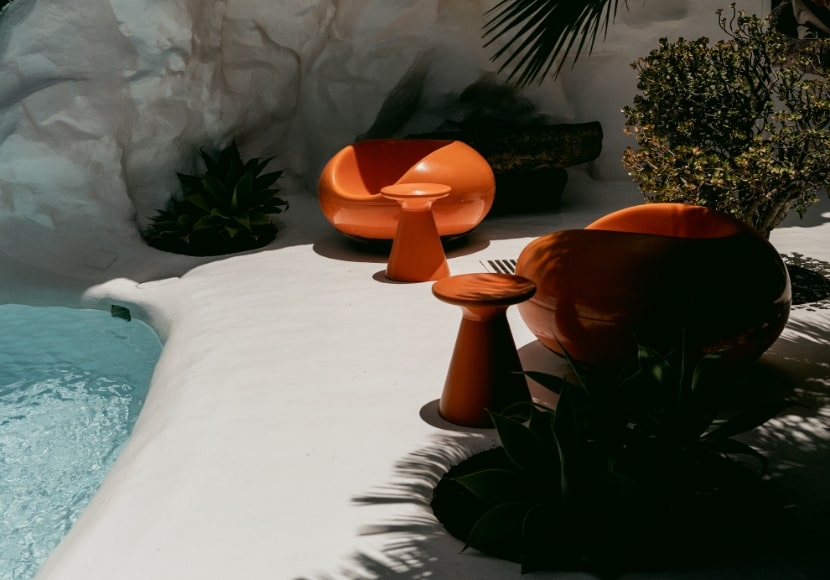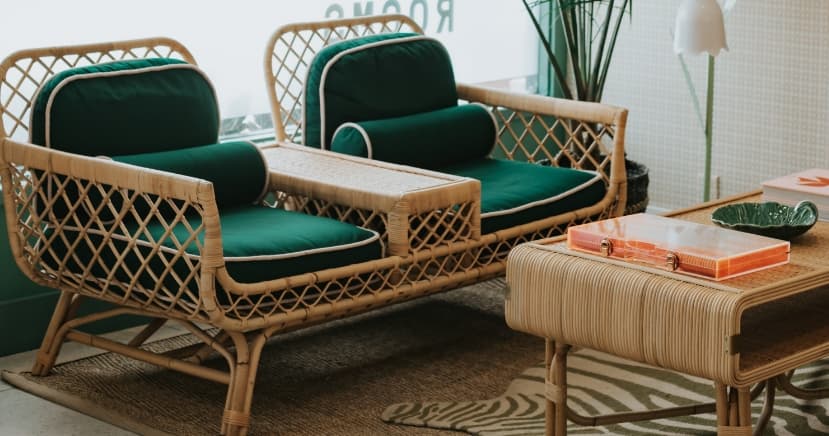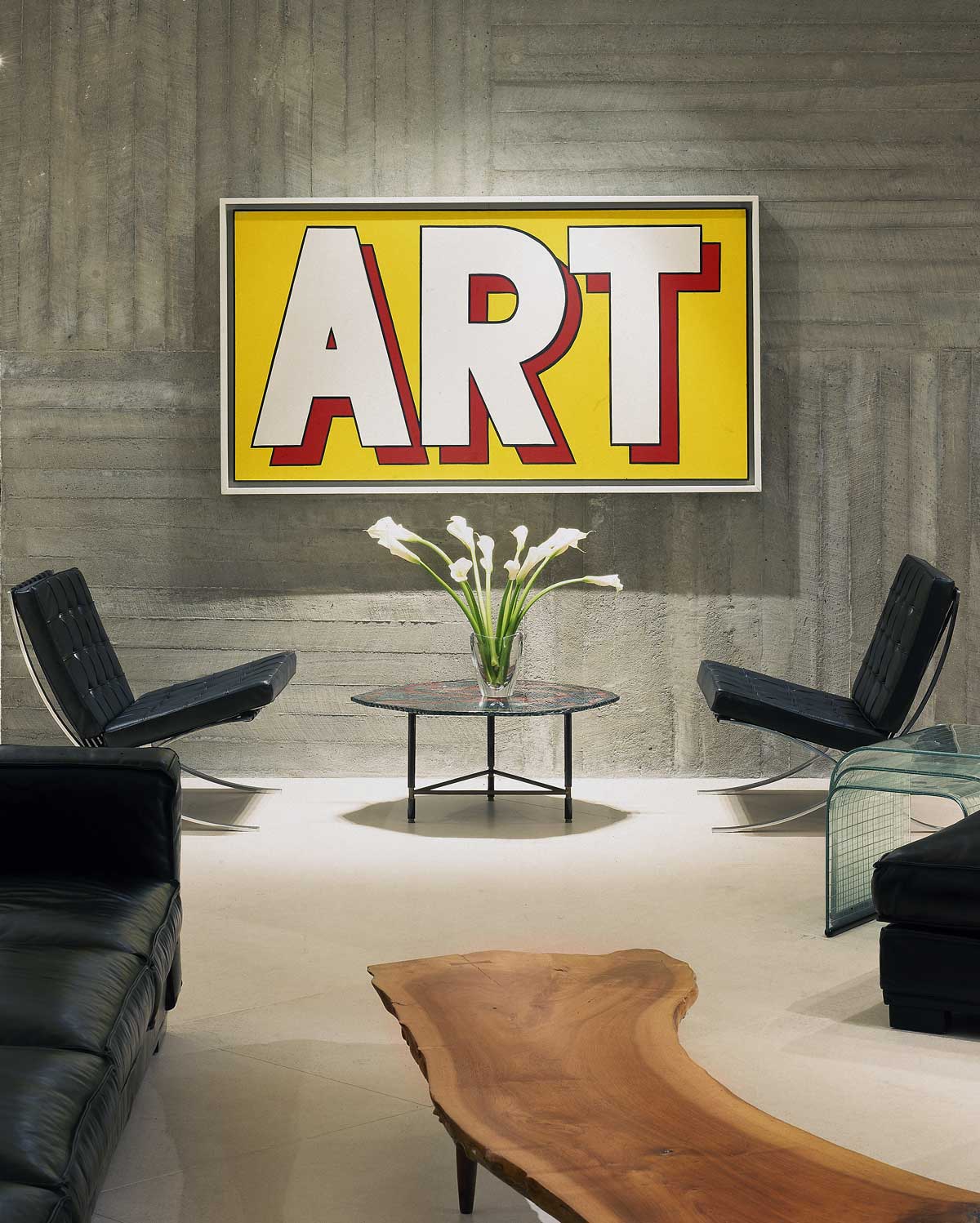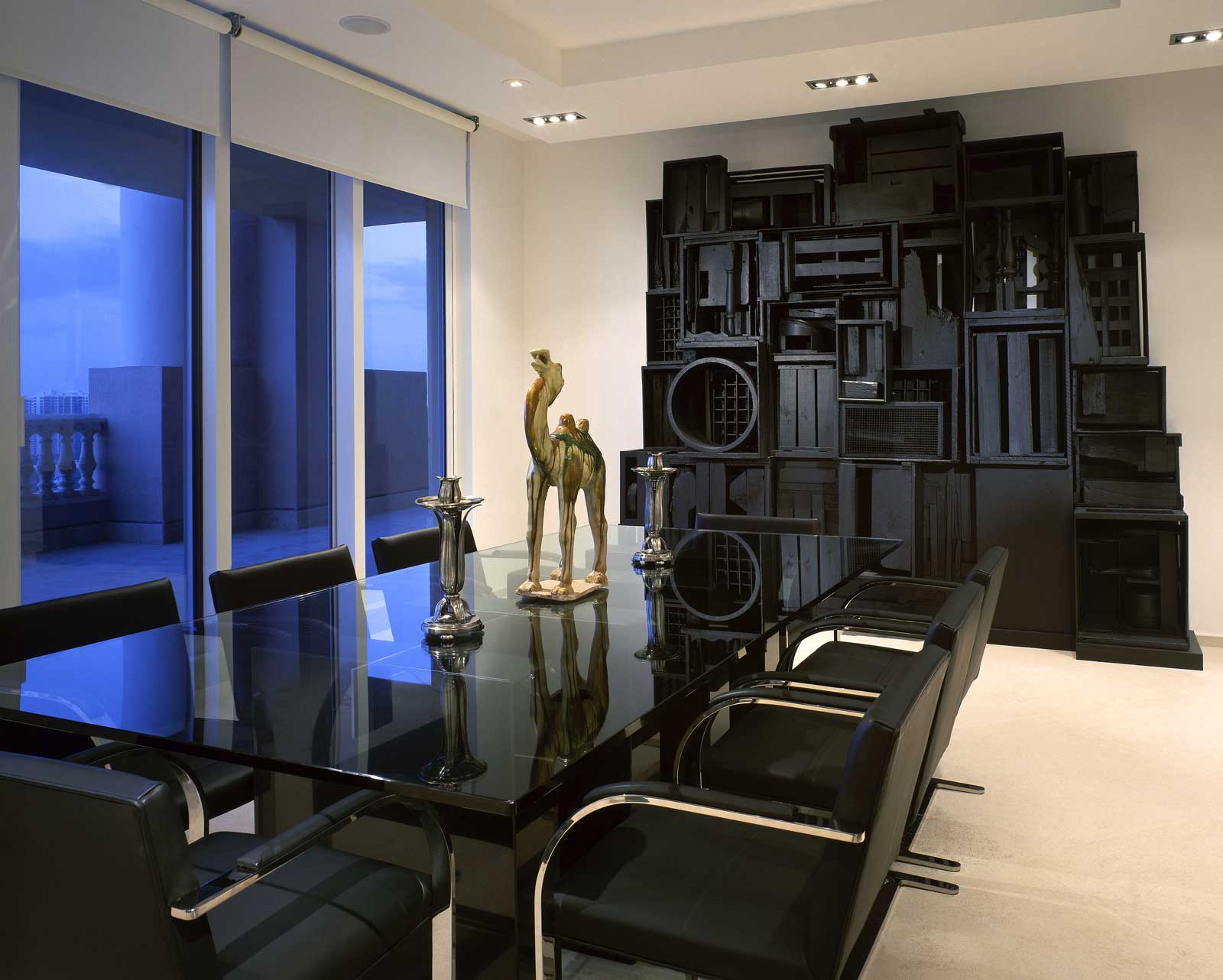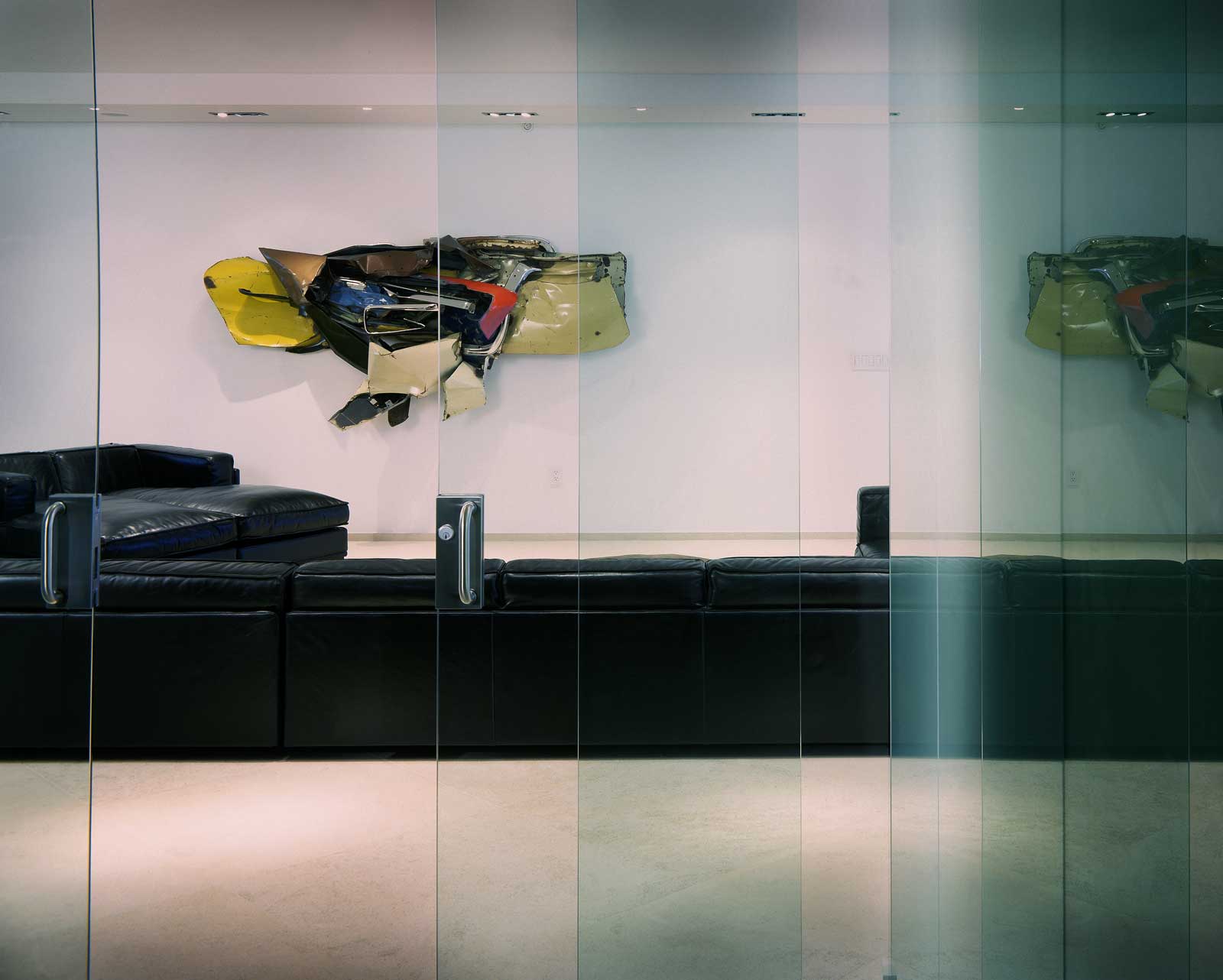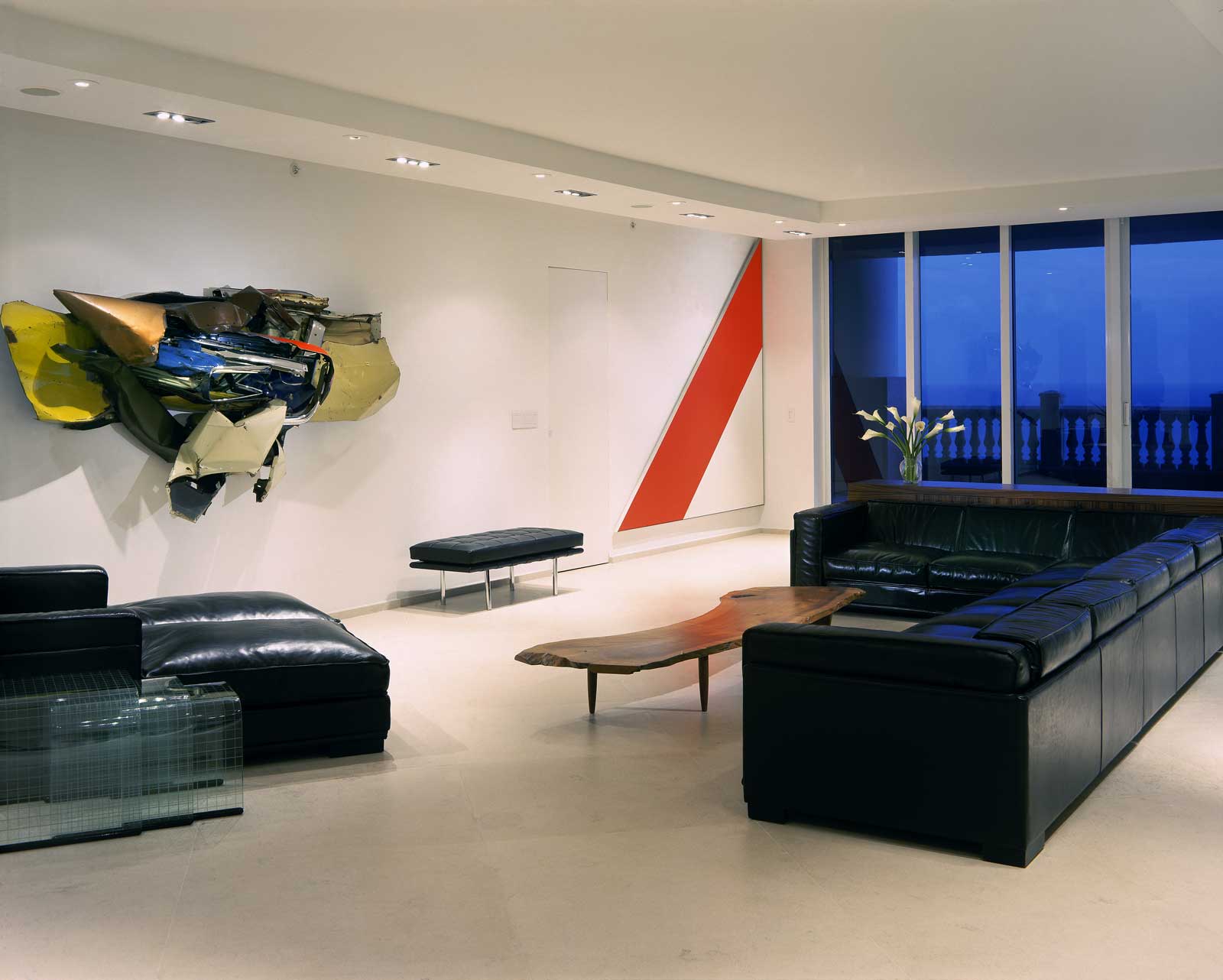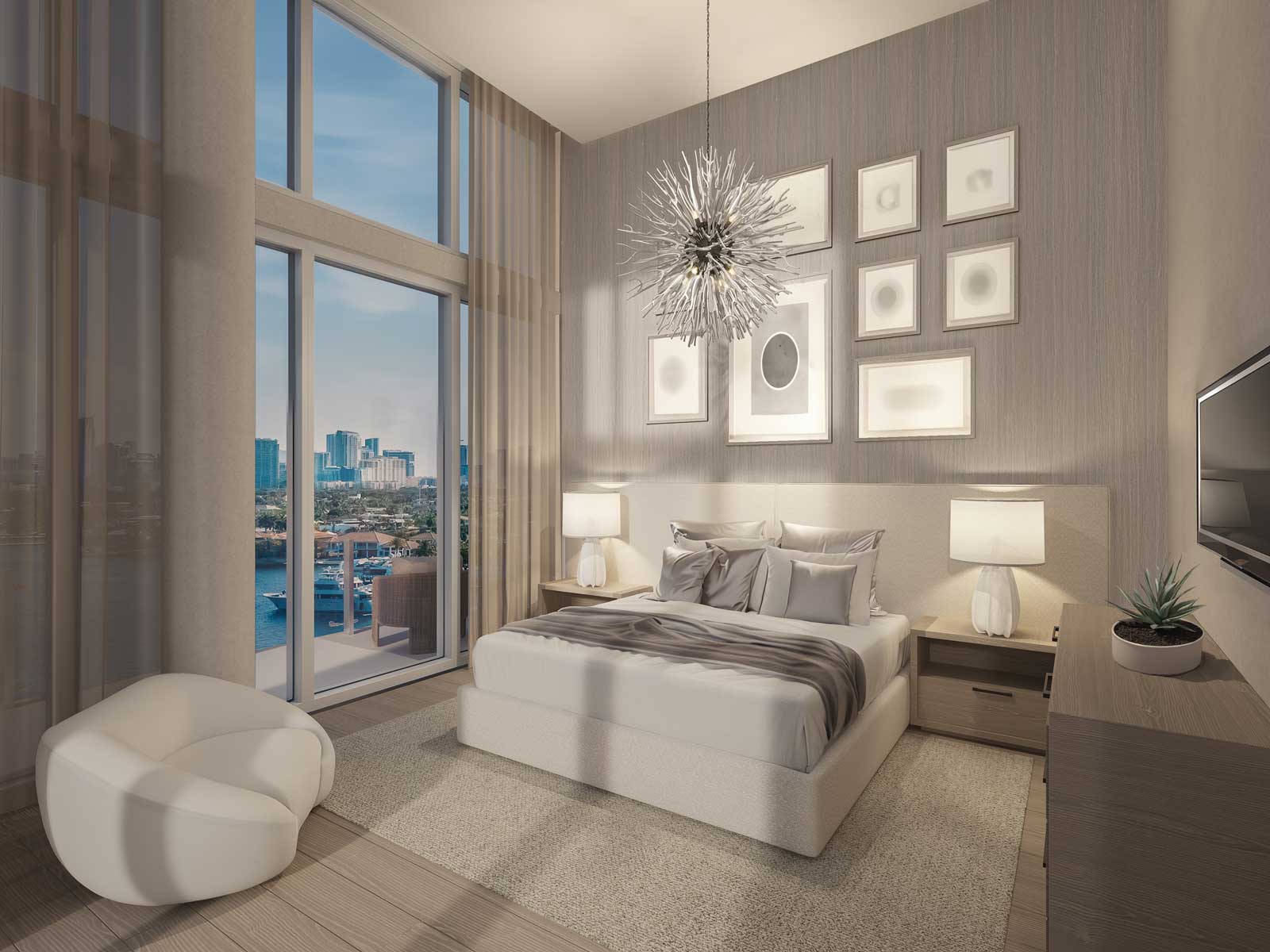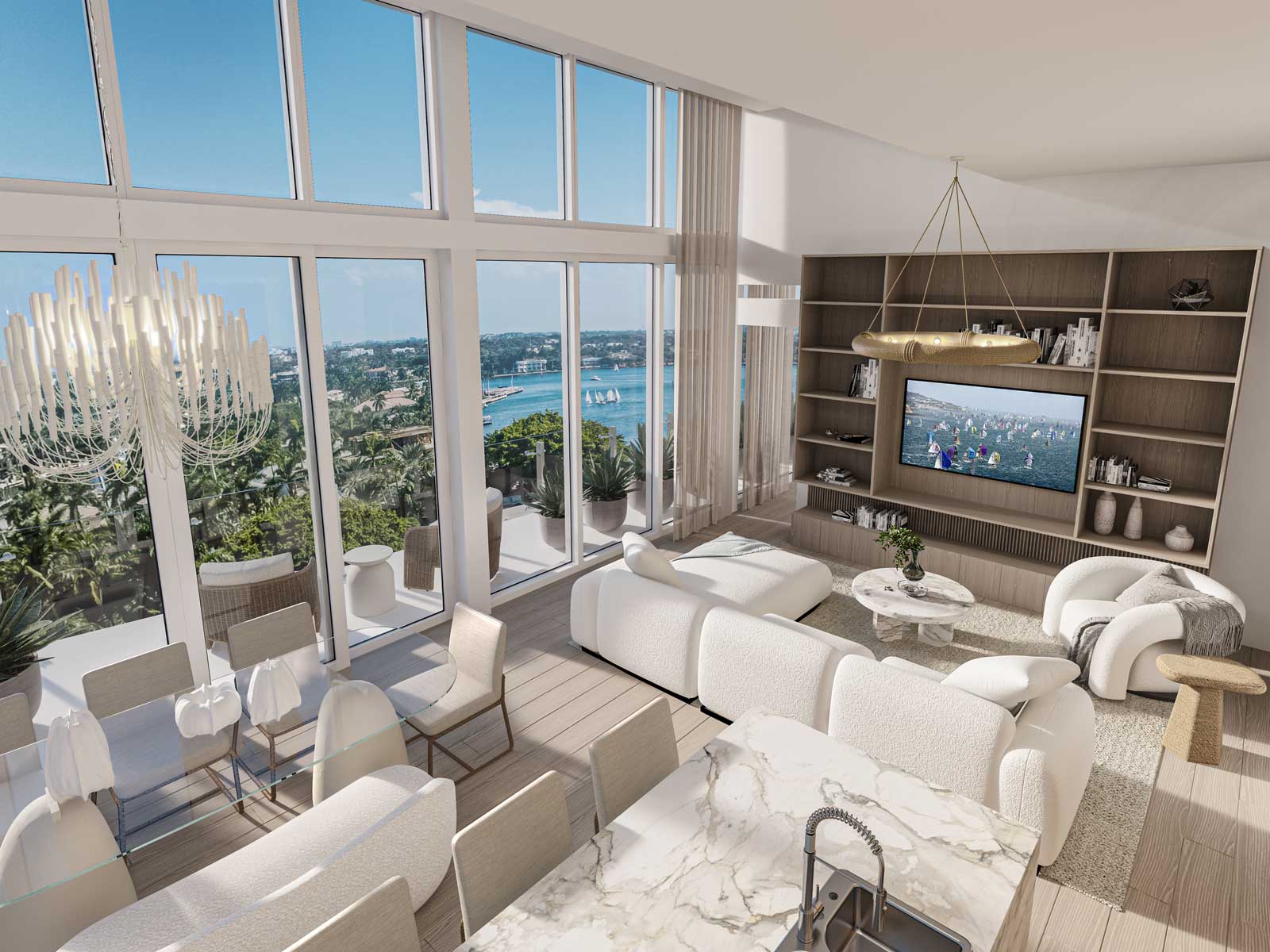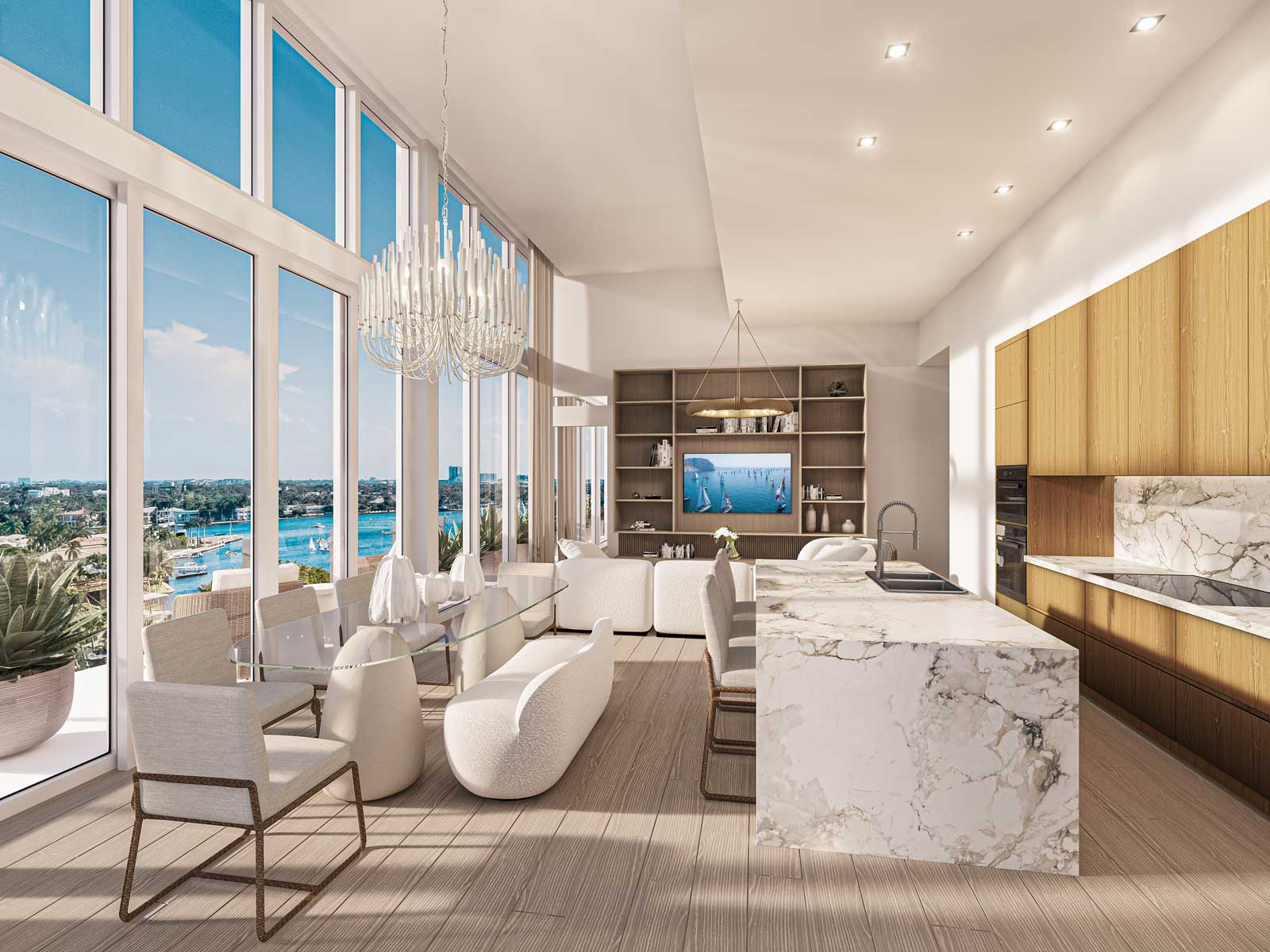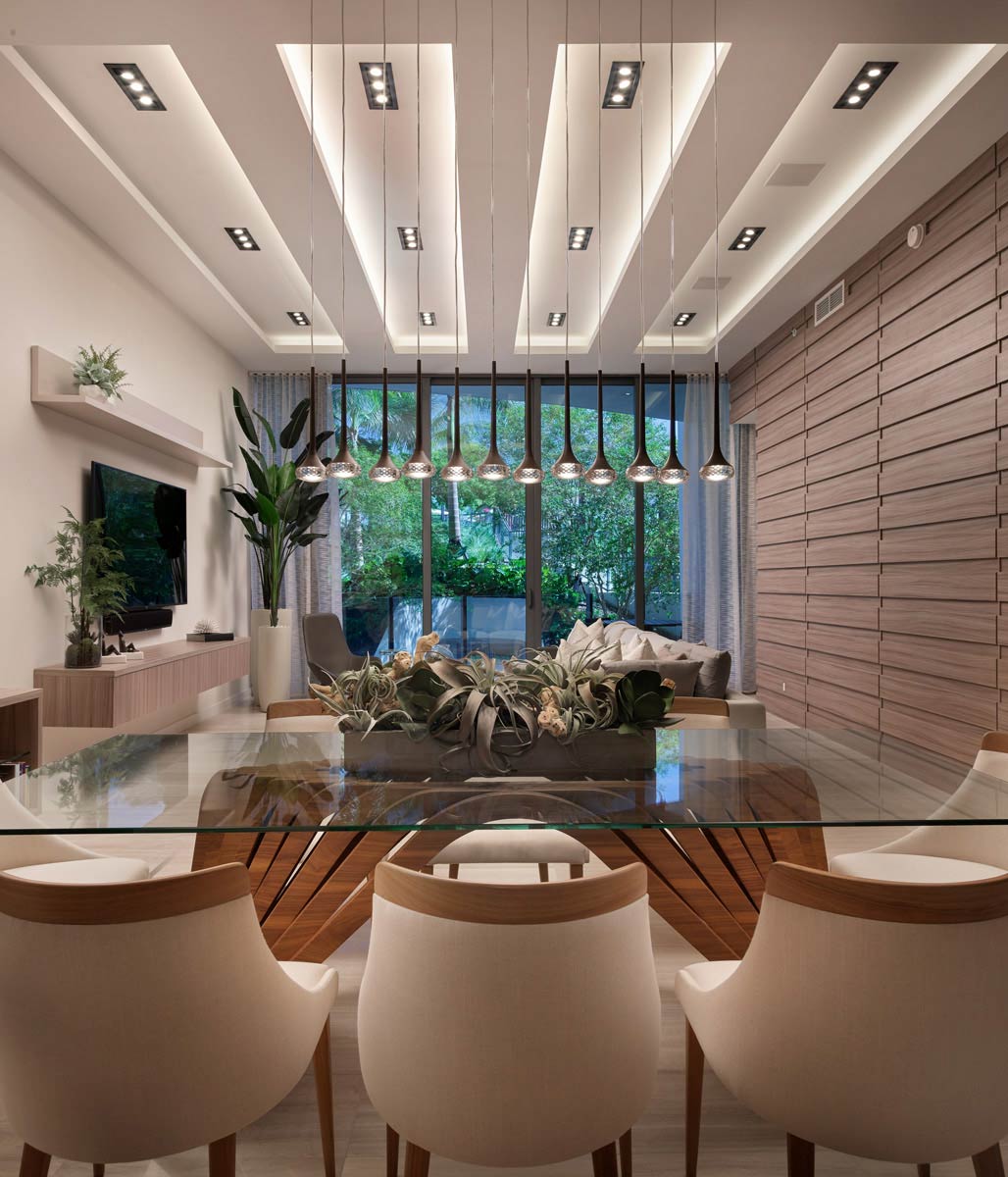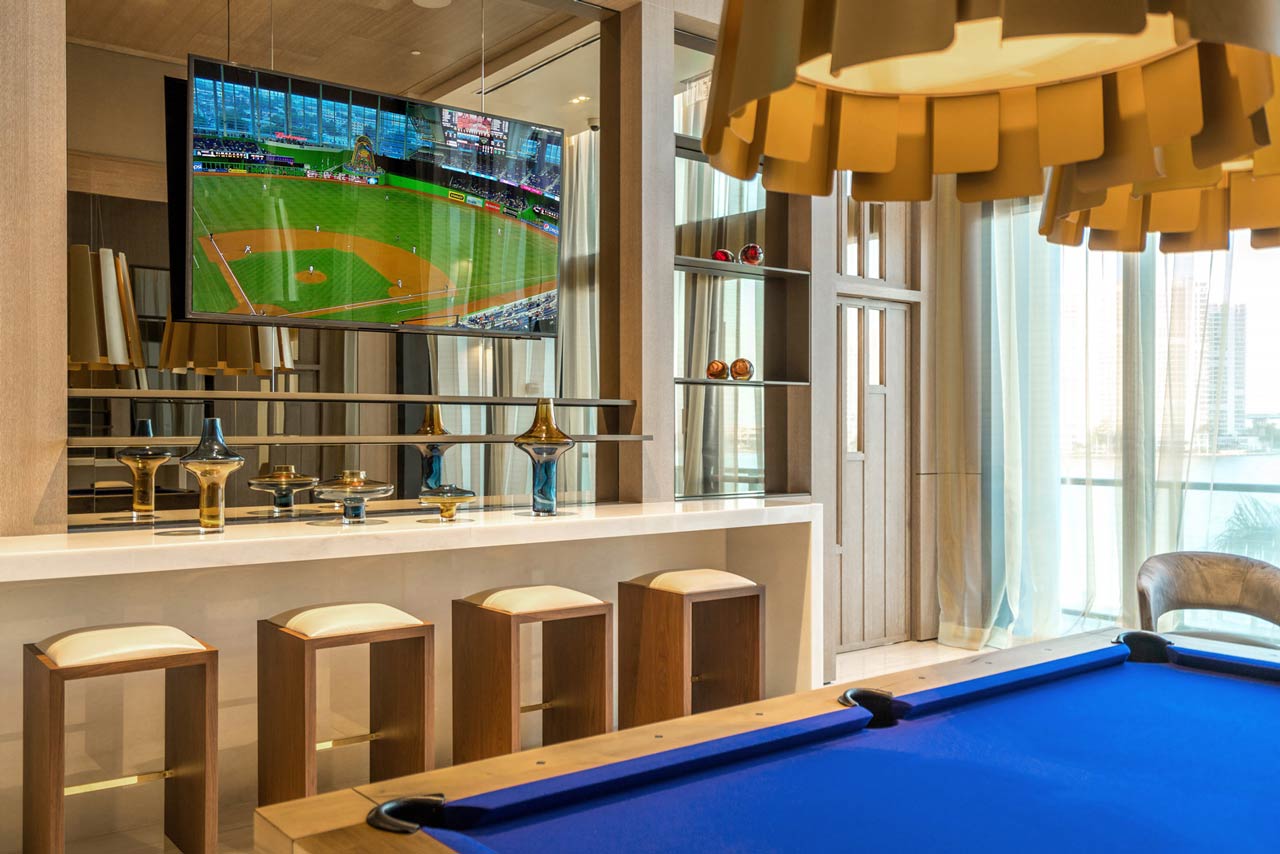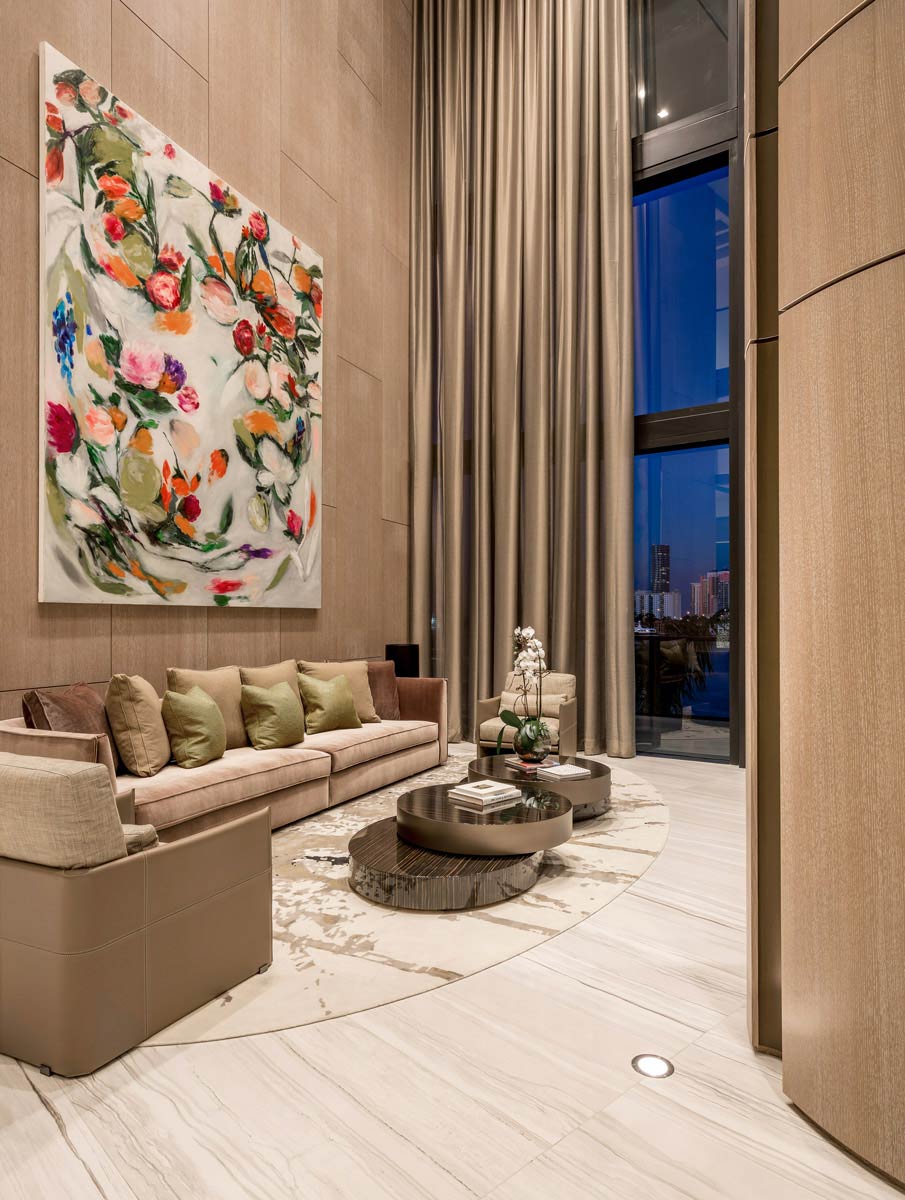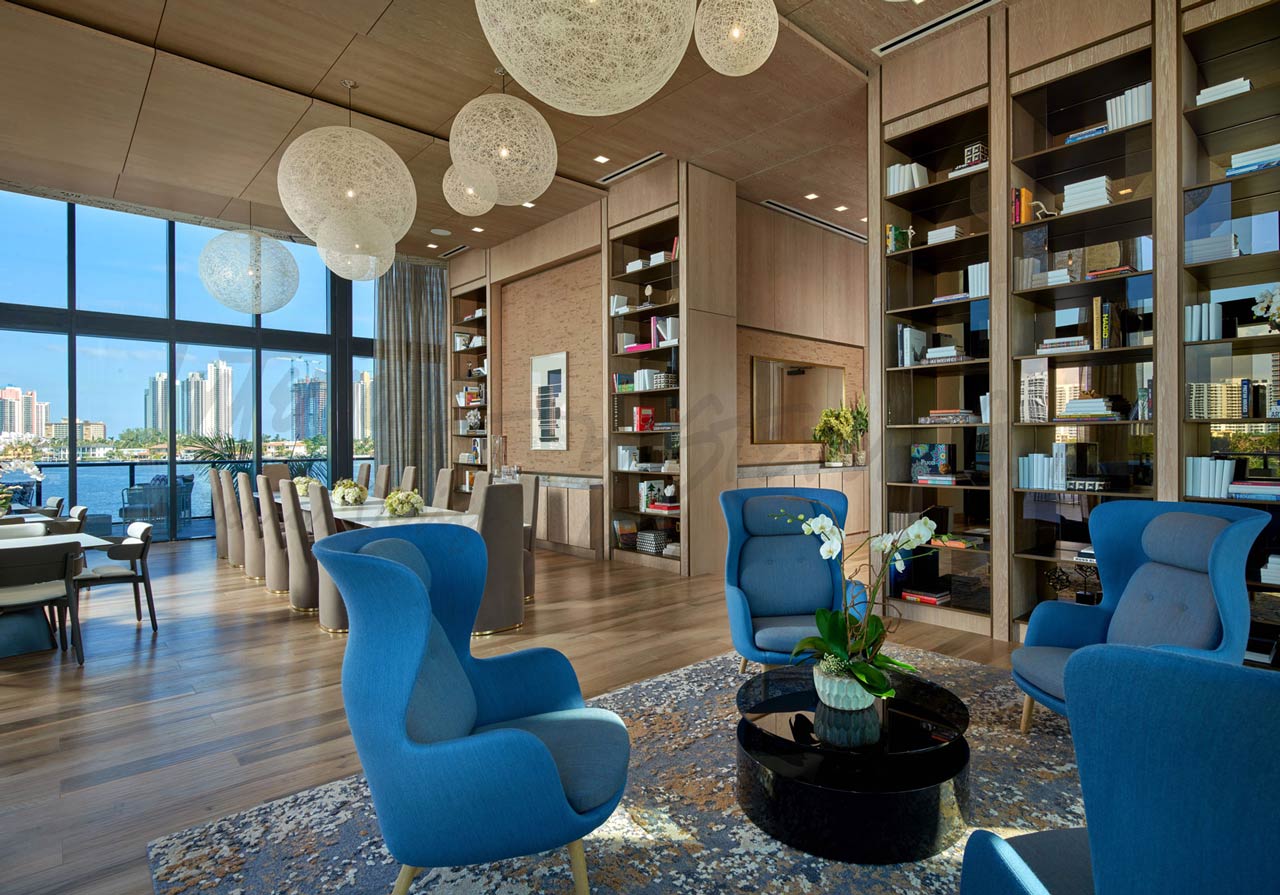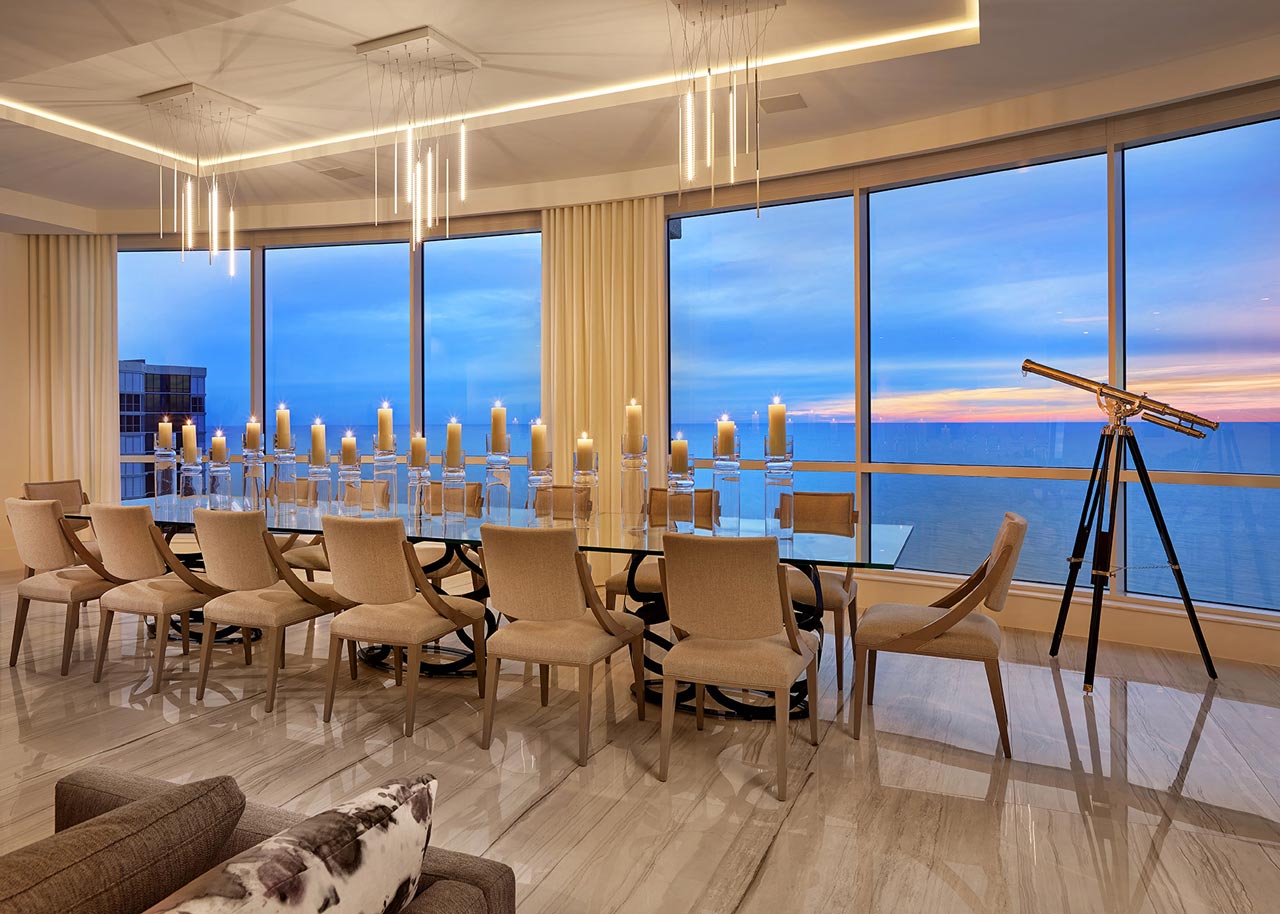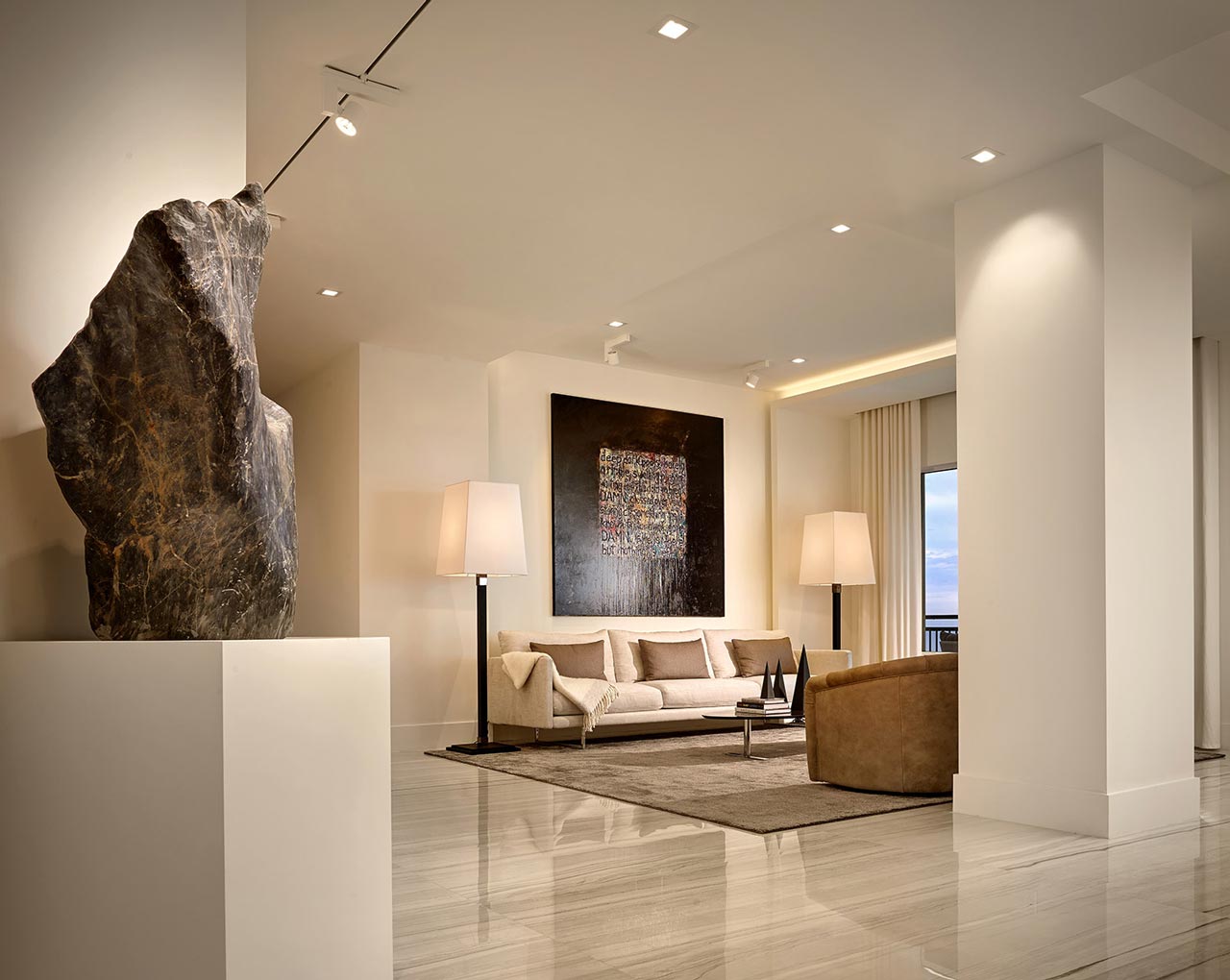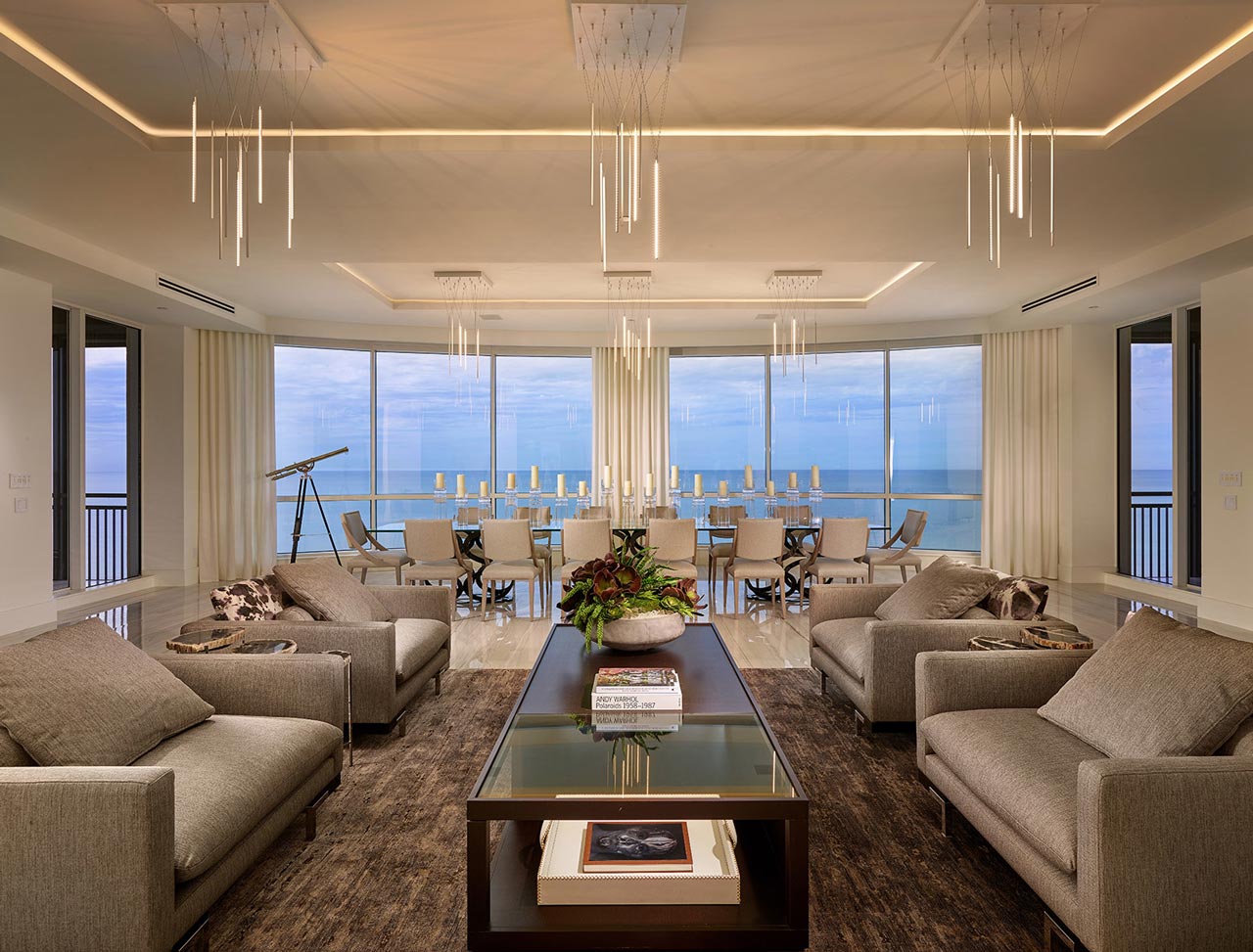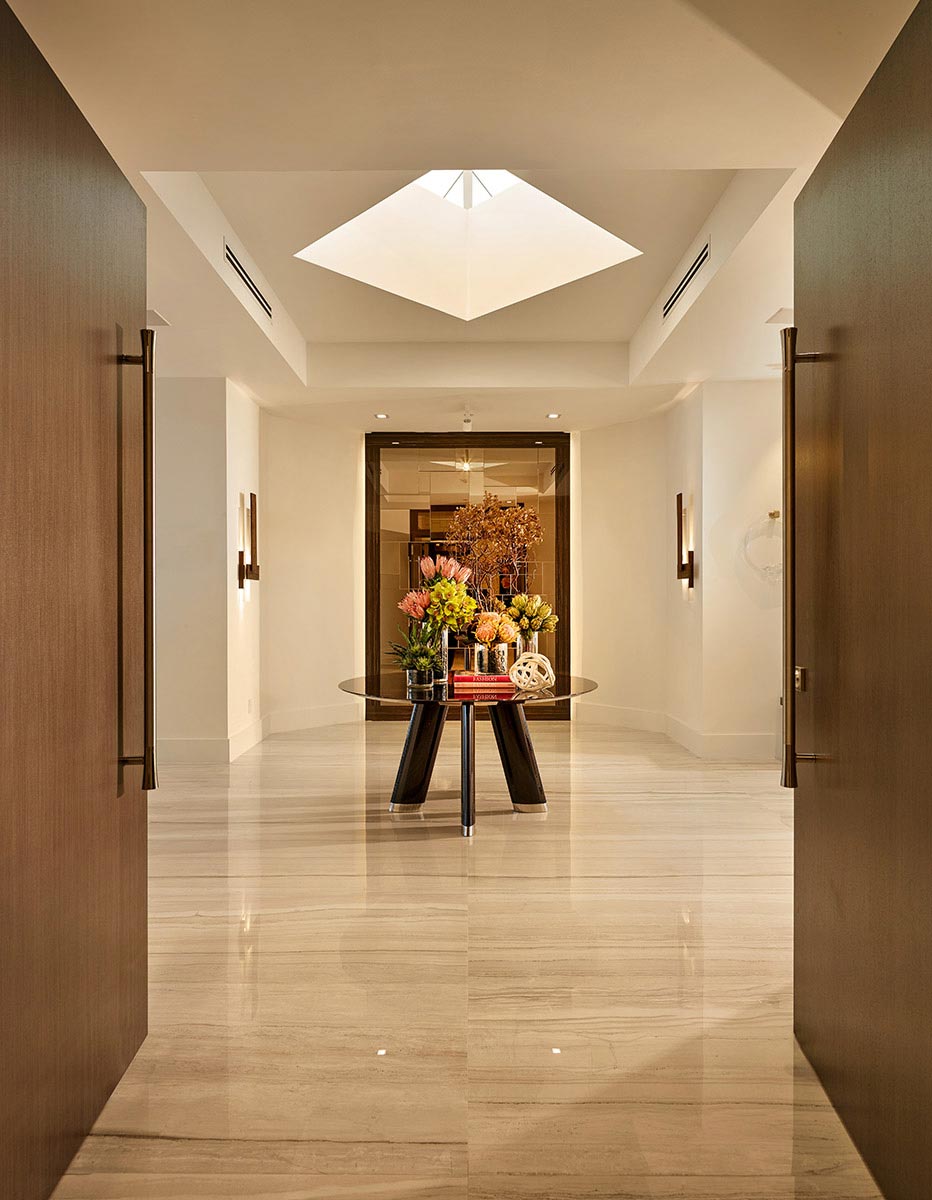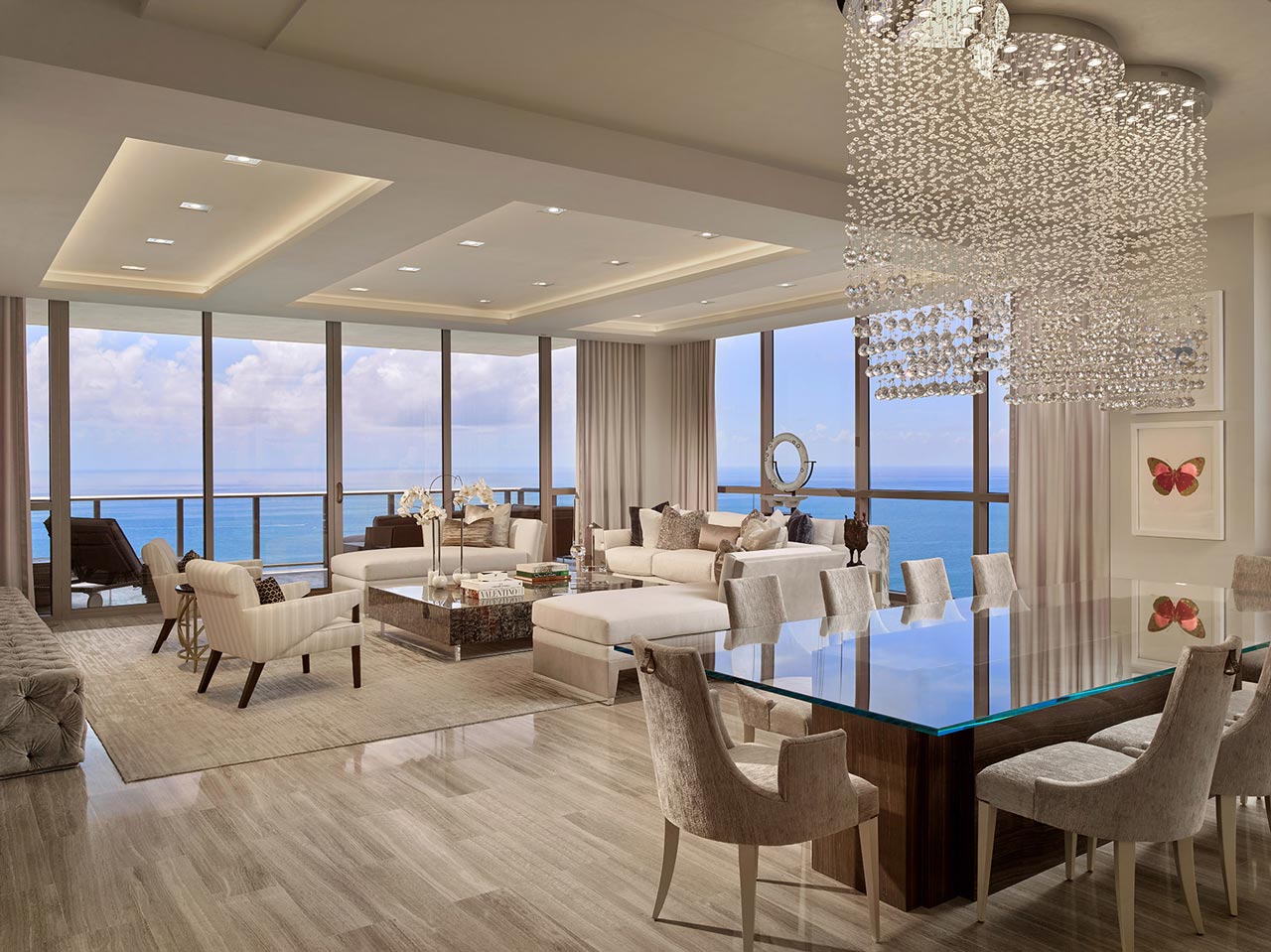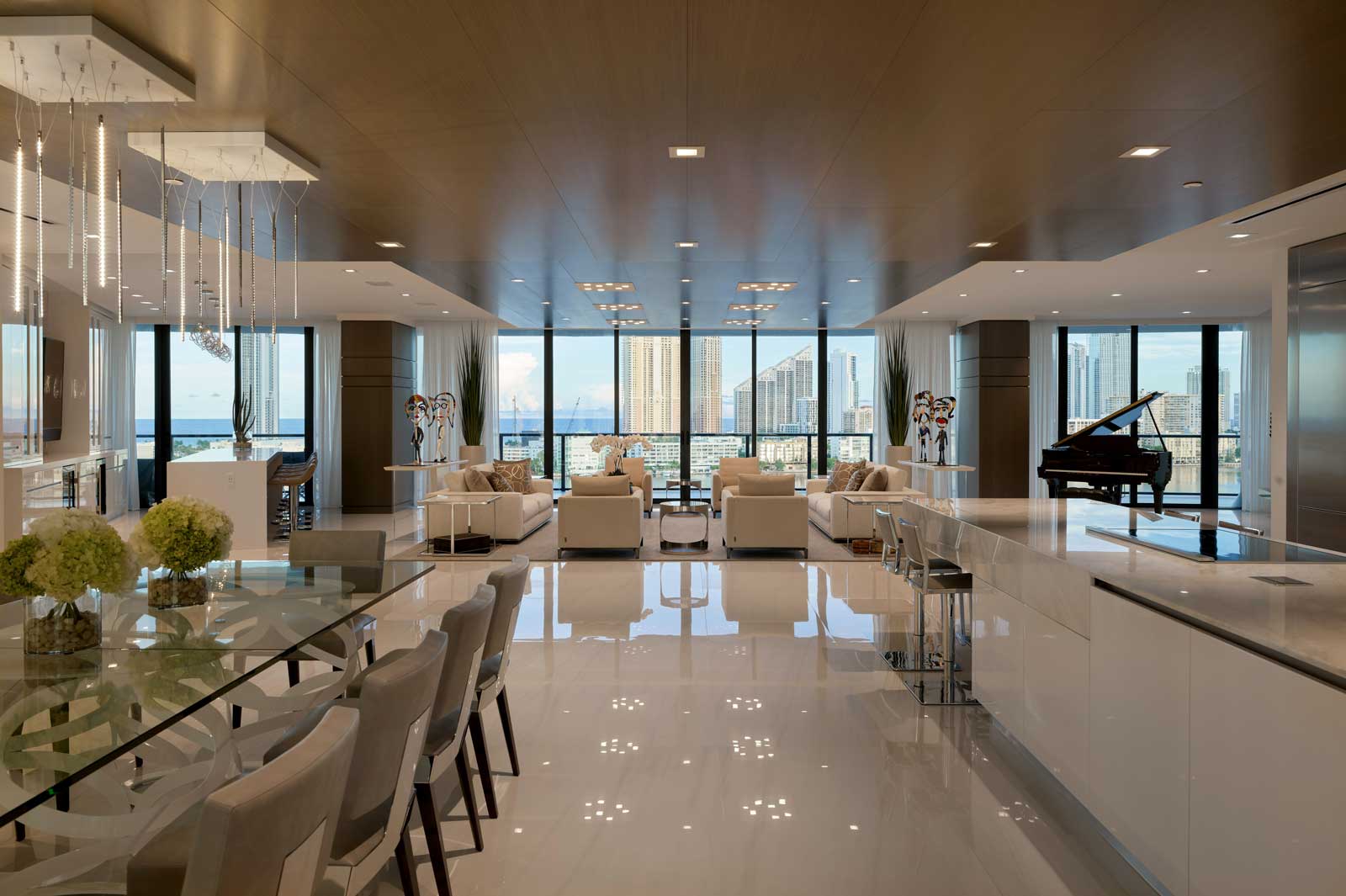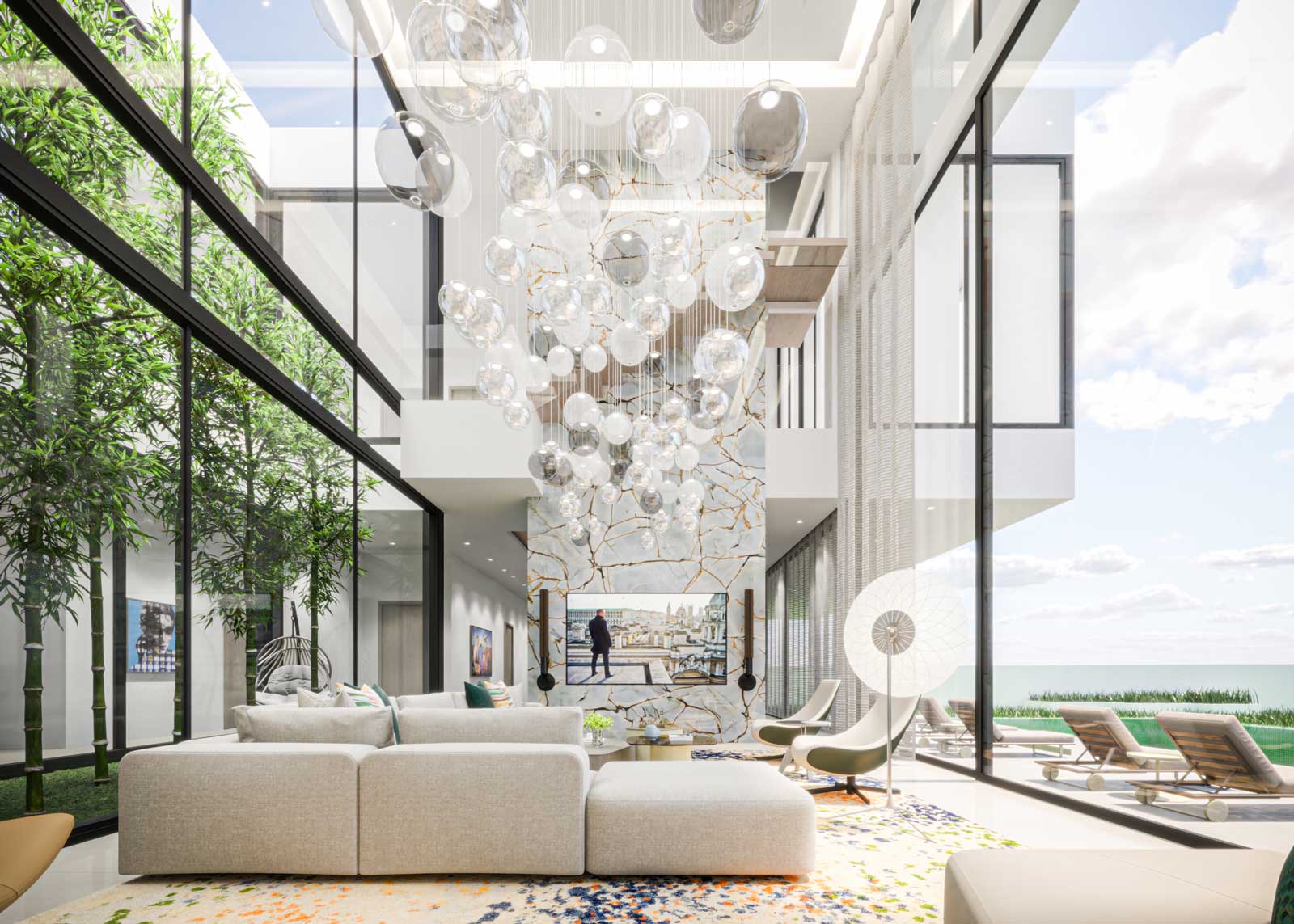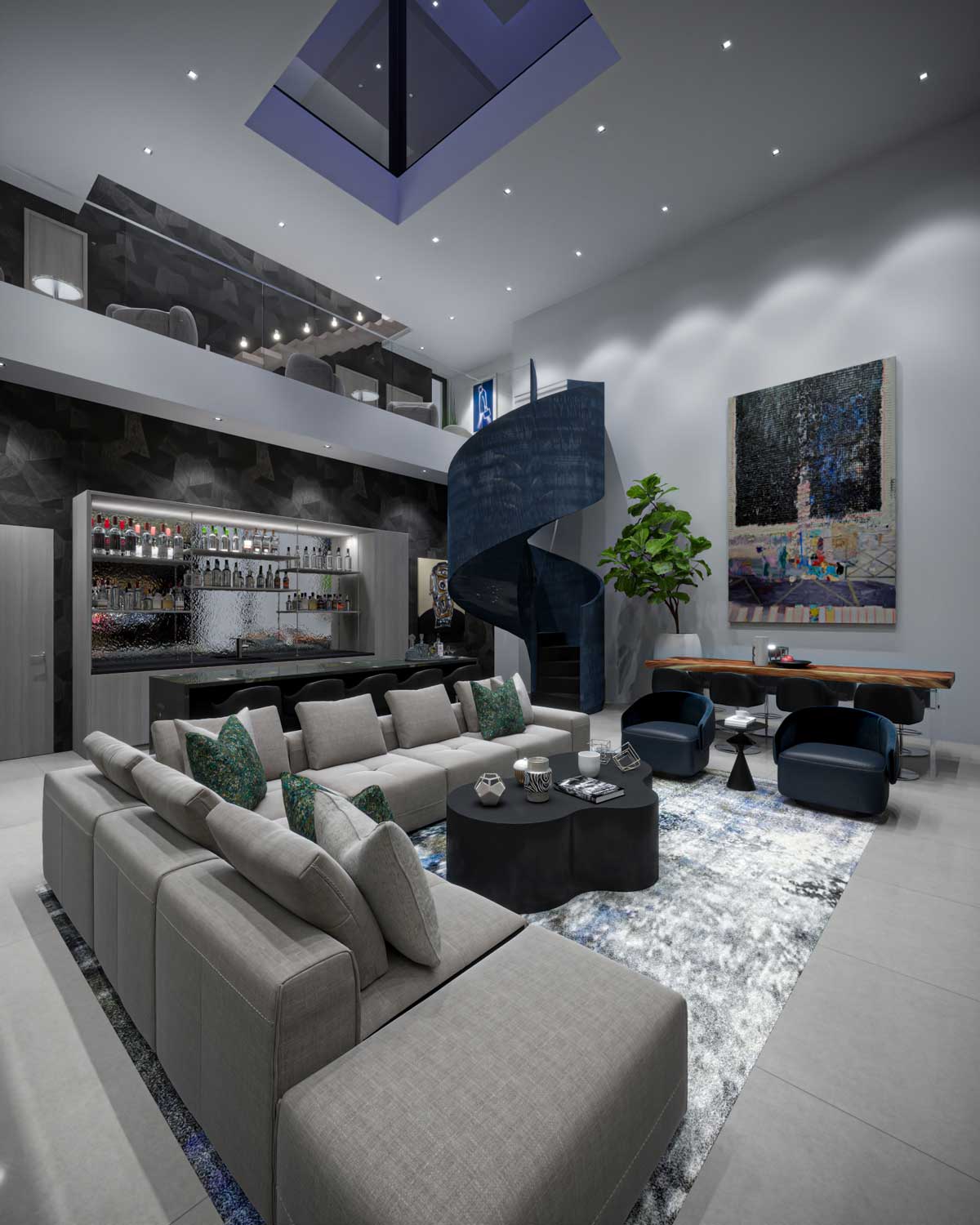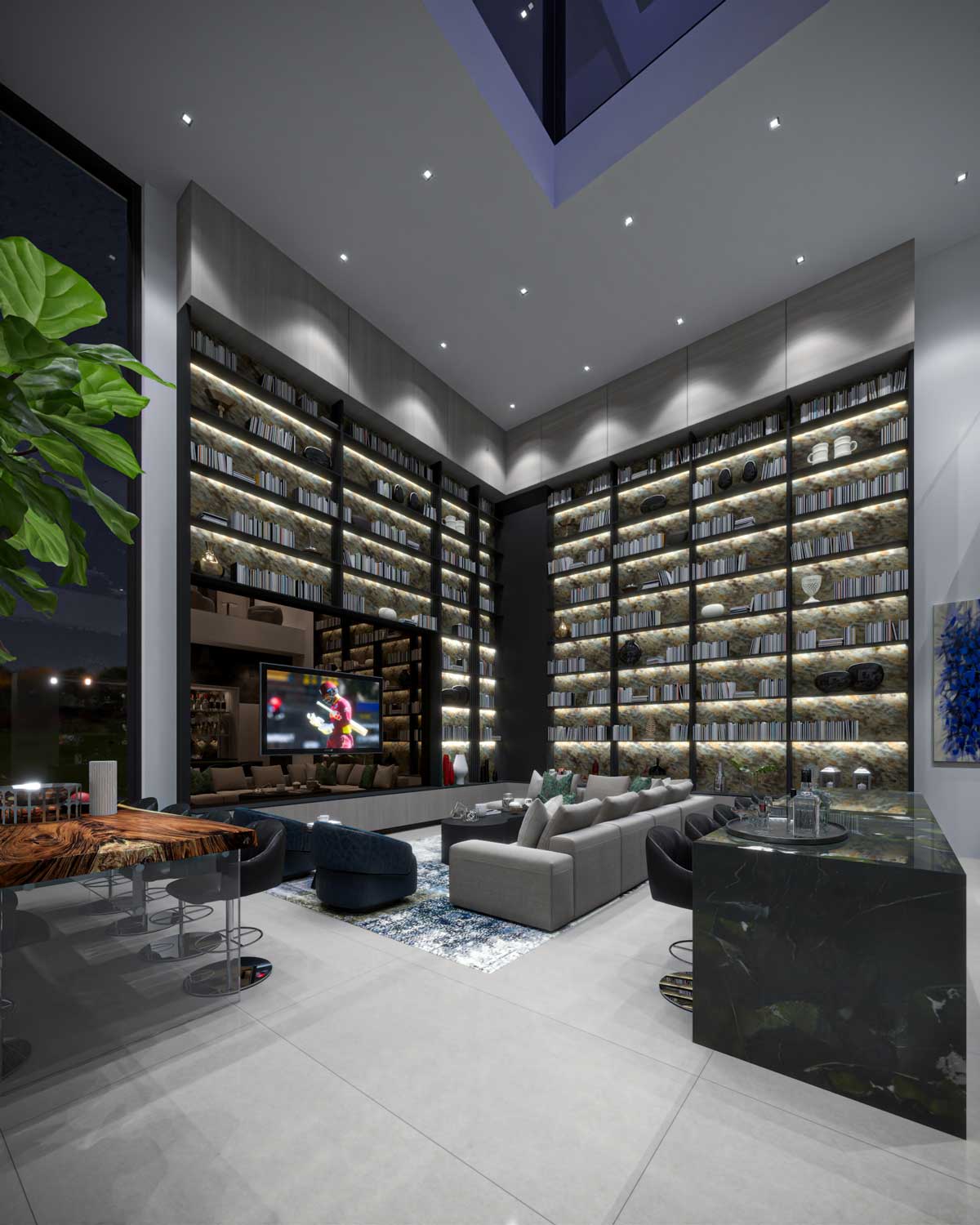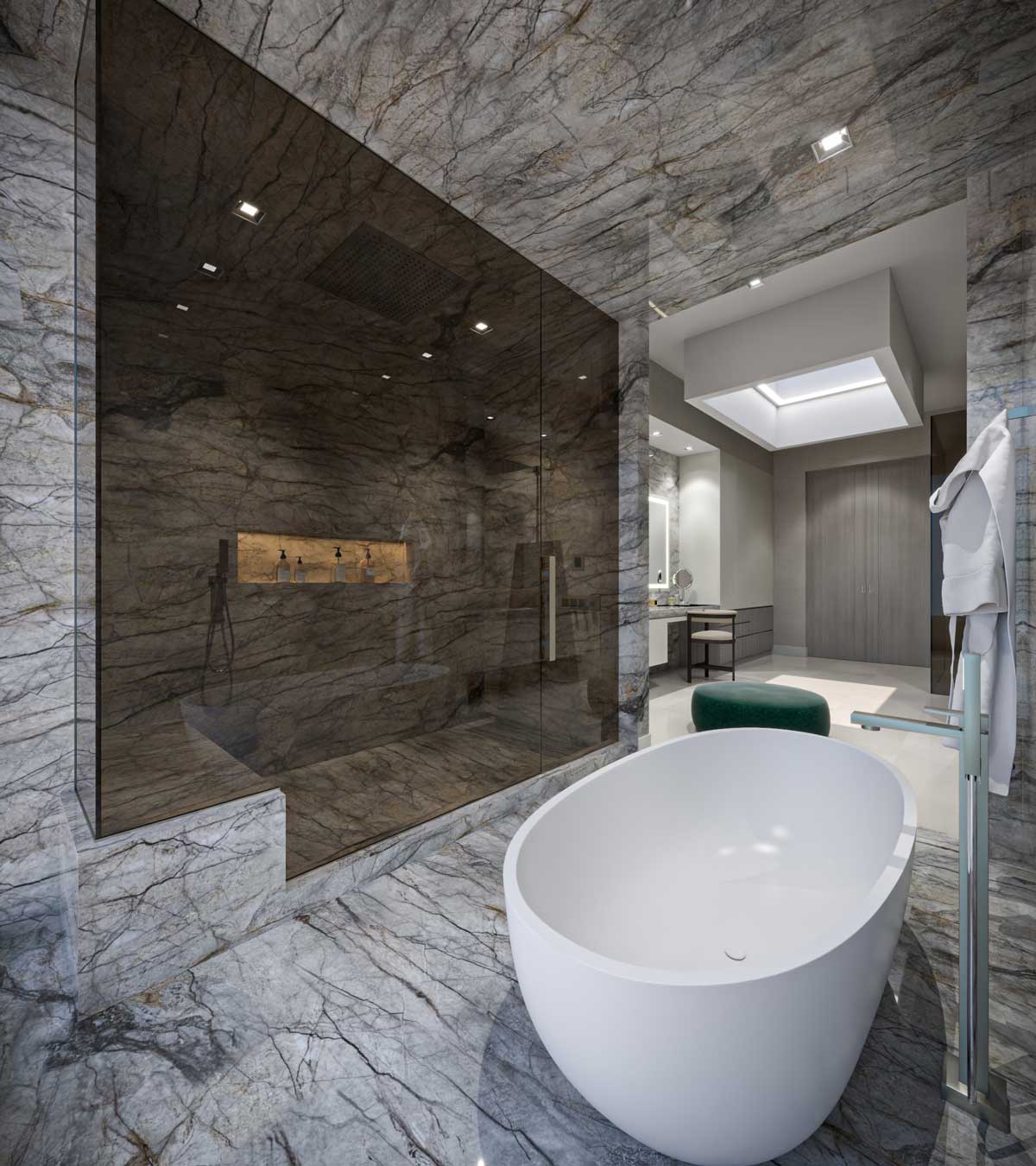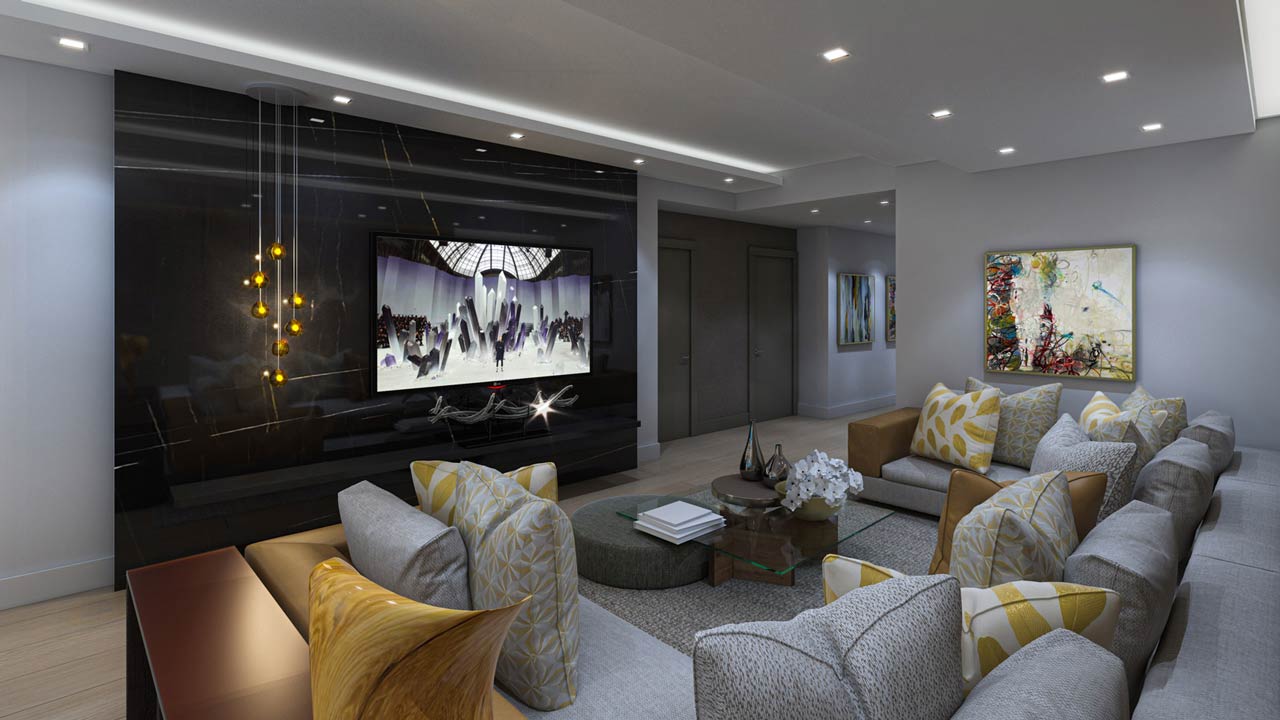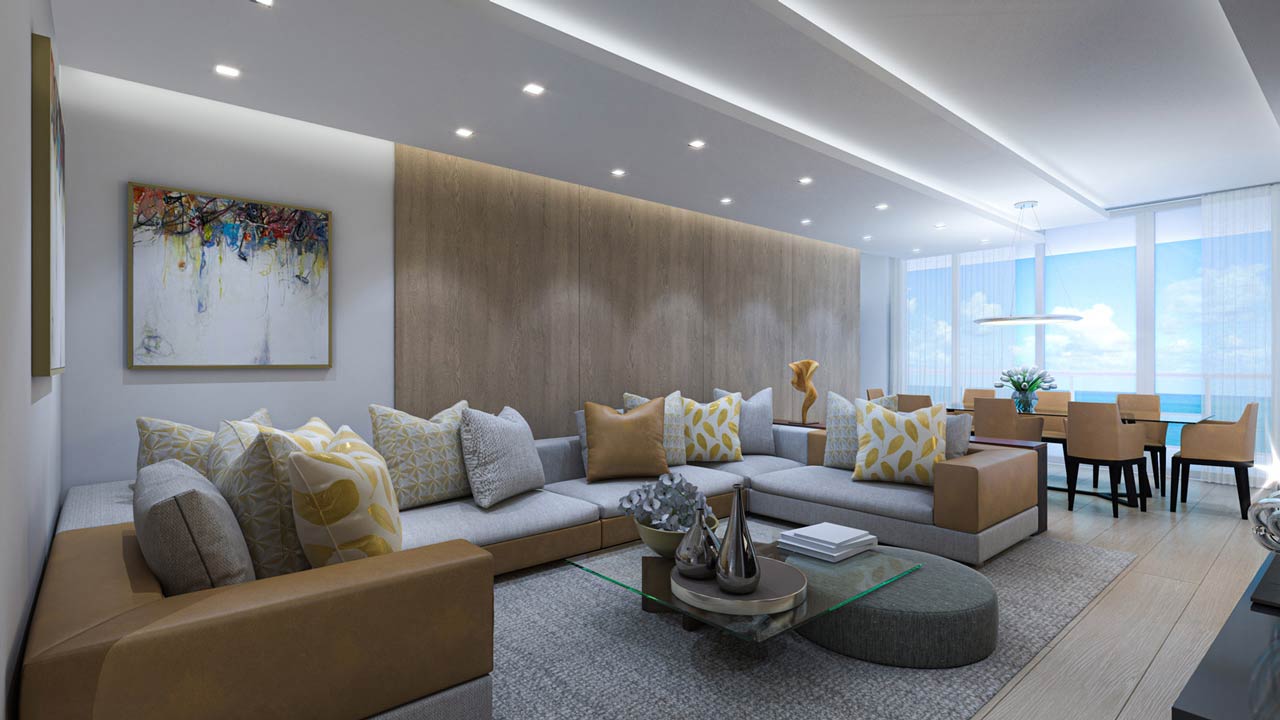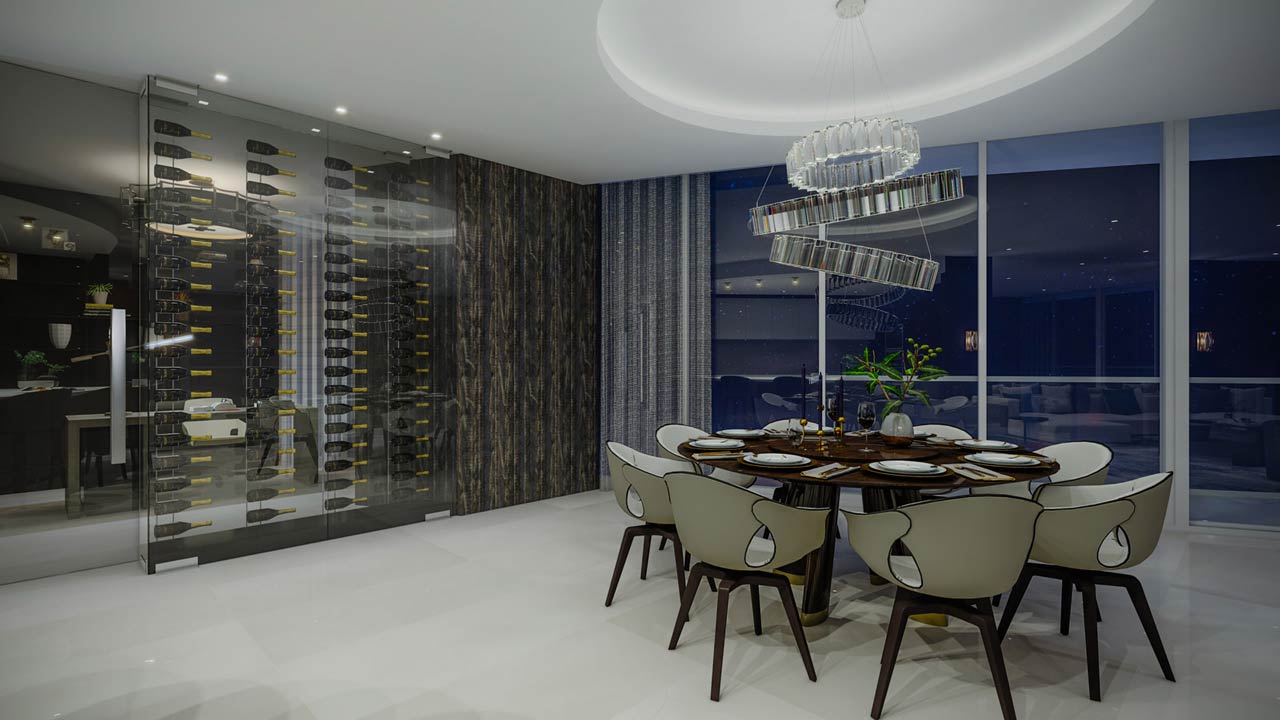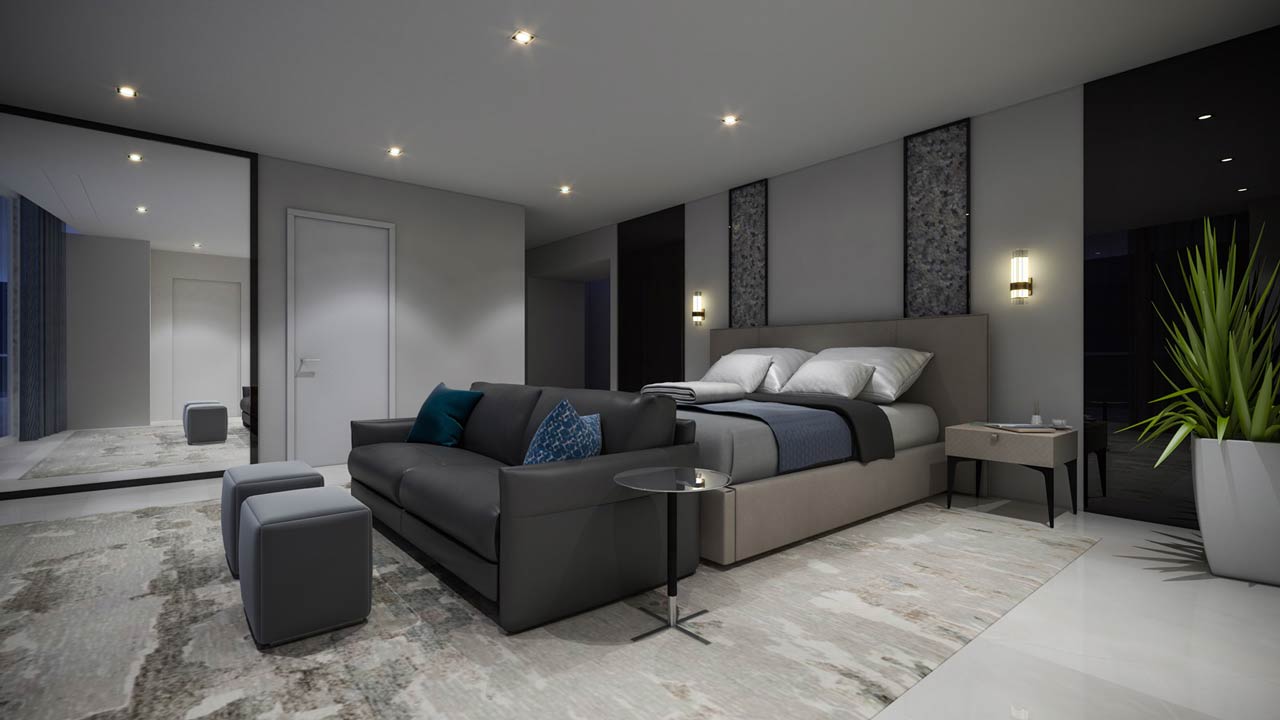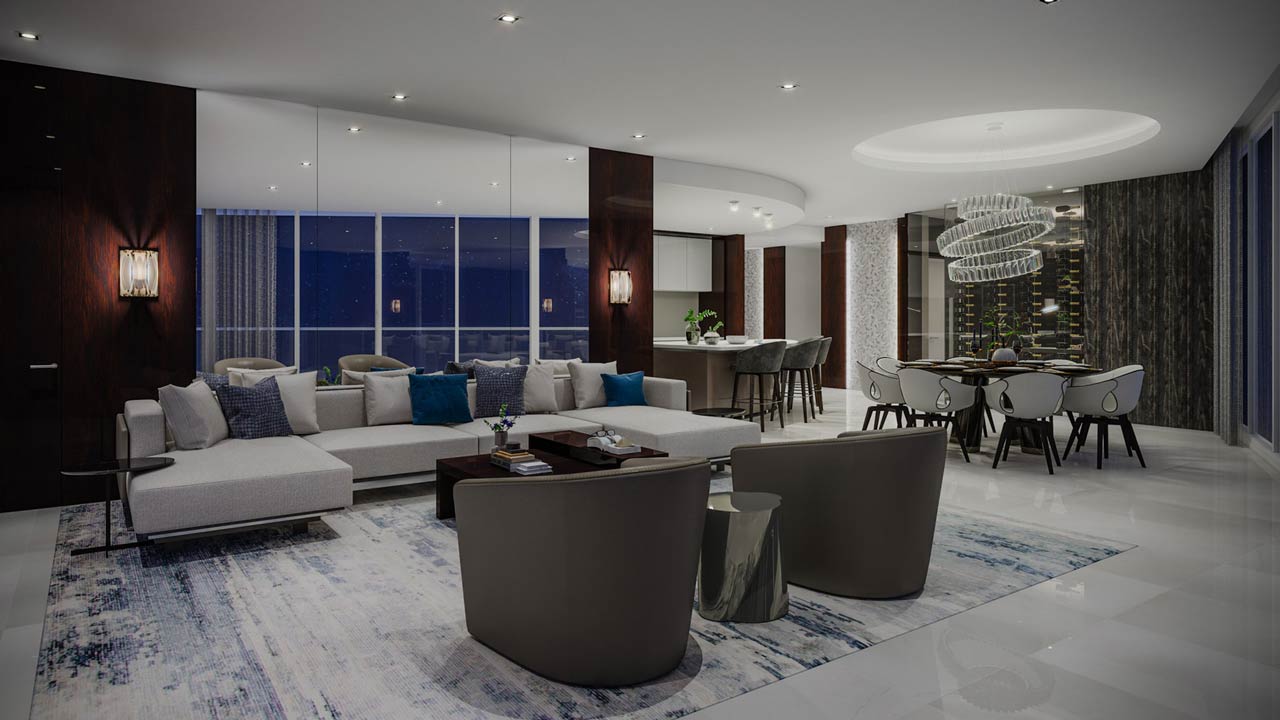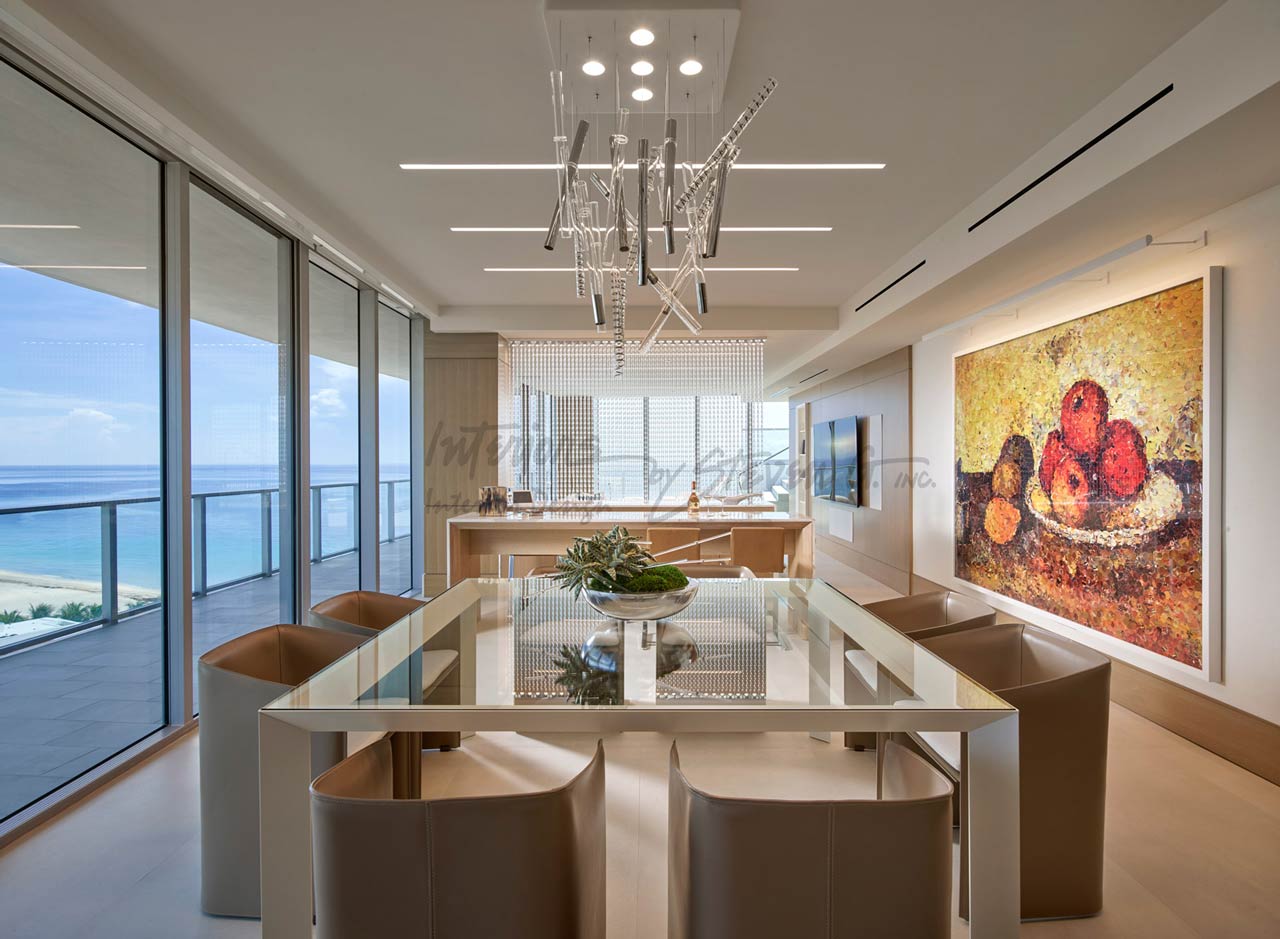




Some of the most influential global interior design trends include natural materials, biophilic design, curated vintage pieces, and global artisan craftsmanship. Others, like flexible living spaces, architectural lighting, and warm minimalism, add comfort and everyday ease without sacrificing sophistication.
Fortune Business Insights reports that the market’s valuation is set to rise by US$62.02 billion between 2026 and 2034, reflecting a CAGR of 4.36%. The growth reflects a shift: more homeowners are moving past local style conventions to build something more personal and distinct. Understanding how these trends work together can help you shape a home that remains elegant and valuable for years to come.
How Do Global Interior Design Trends Differ From Passing Design Fads?
Global interior design trends are built on longevity, not novelty. A passing fad relies on a single visual moment and dates quickly once the next trend takes over. Investing in global design means choosing craftsmanship and character that retain value as your home evolves.
What Are the Top Global Interior Design Trends to Try Now?
Global interior design trends are redefining the way luxury homes look, feel, and function by blending timeless principles with influences from around the world. A professional like Interiors by Steven G. can help you make informed choices that directly impact a project’s cost, durability, and resale value.
1. Natural Materials That Improve With Age
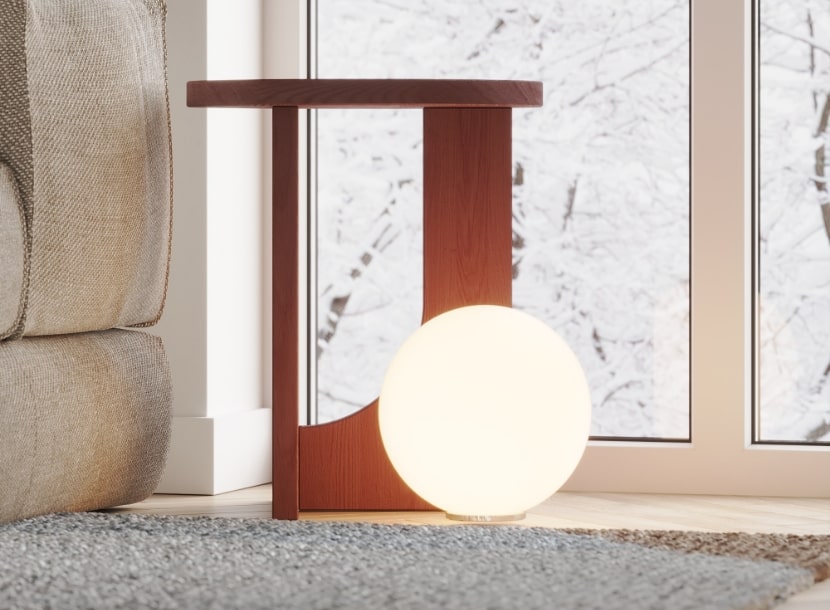
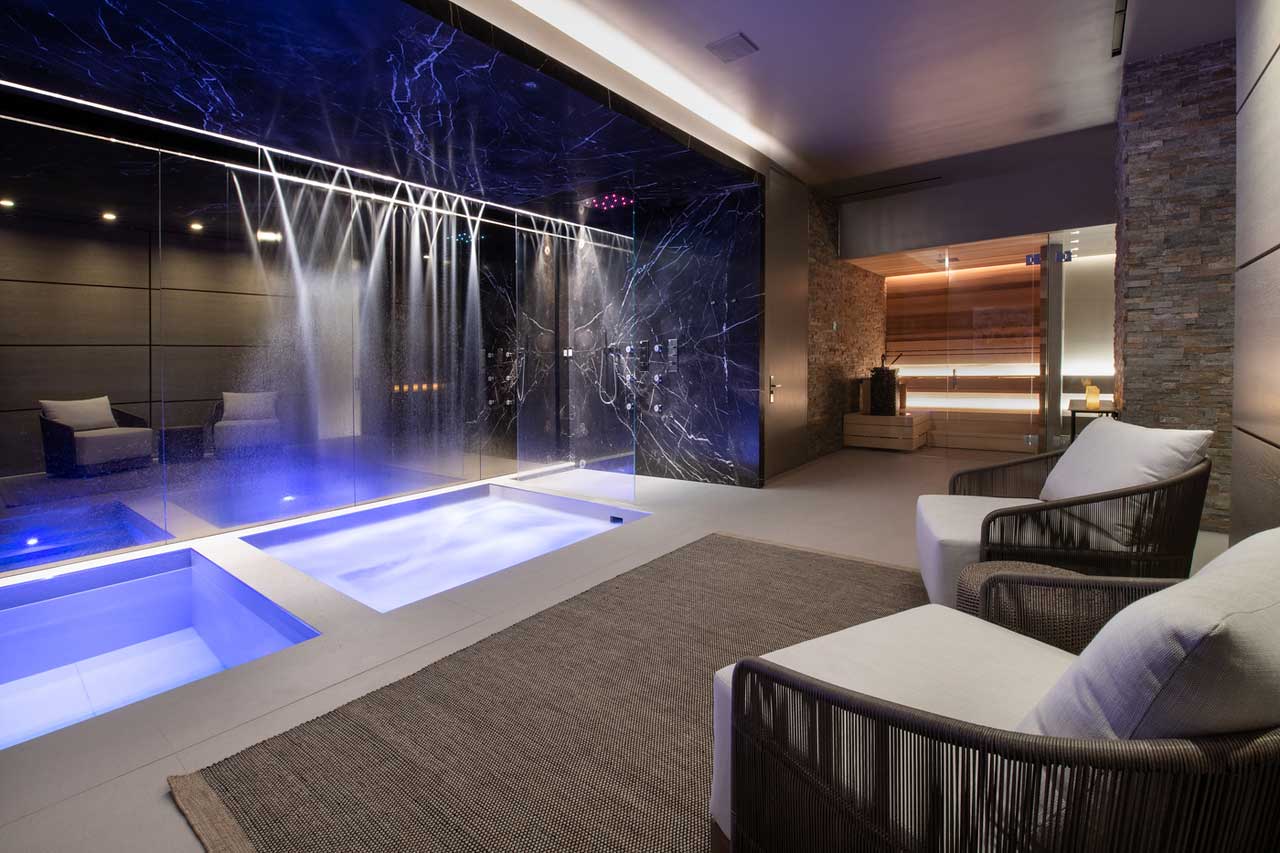
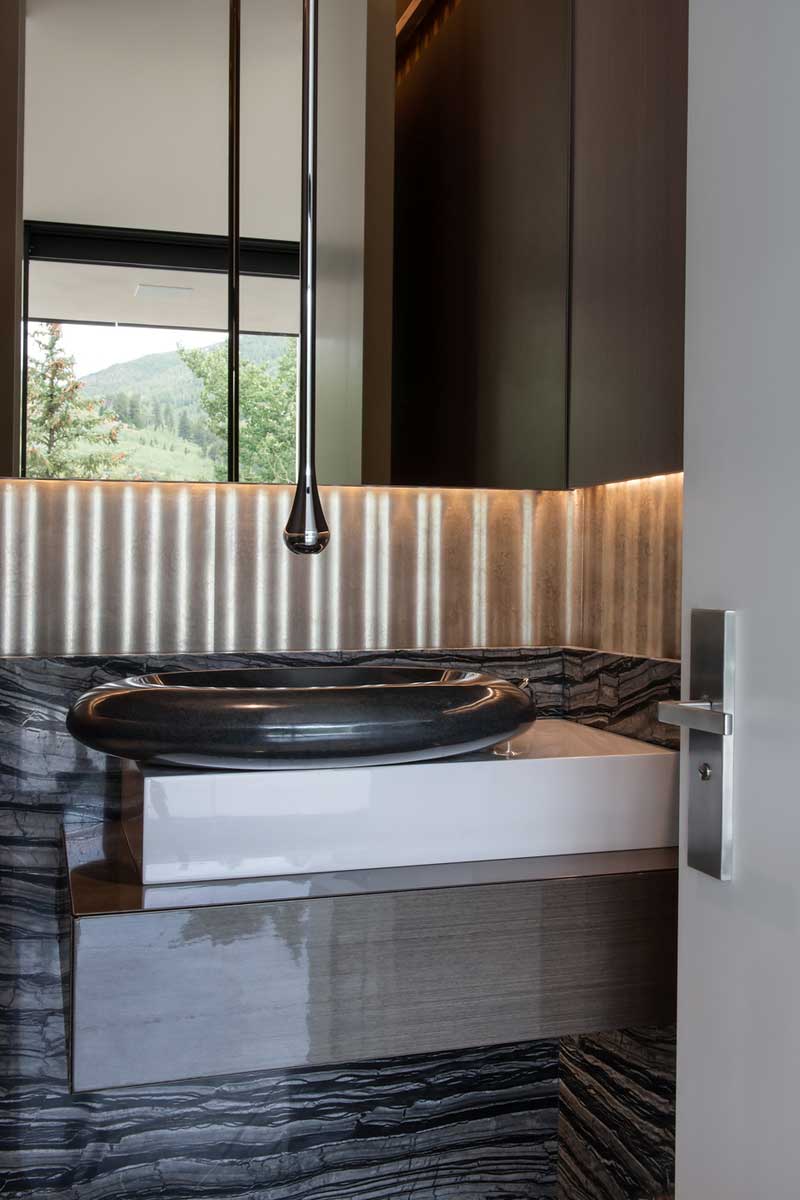
Natural materials are prized for their warmth and authenticity, which manufactured finishes cannot replicate. Many develop an attractive patina over time, making them a smart choice for sustainable design without sacrificing luxury. Materials driving this trend include:
- Solid hardwood
- Natural stone
- Limewash finishes
- Linen upholstery
- Wool textiles
This depth withstands daily use without the need for frequent refinishing or replacement. It also establishes a strong foundation for the rest of the home’s design.
2. Authentic Artisan Craftsmanship
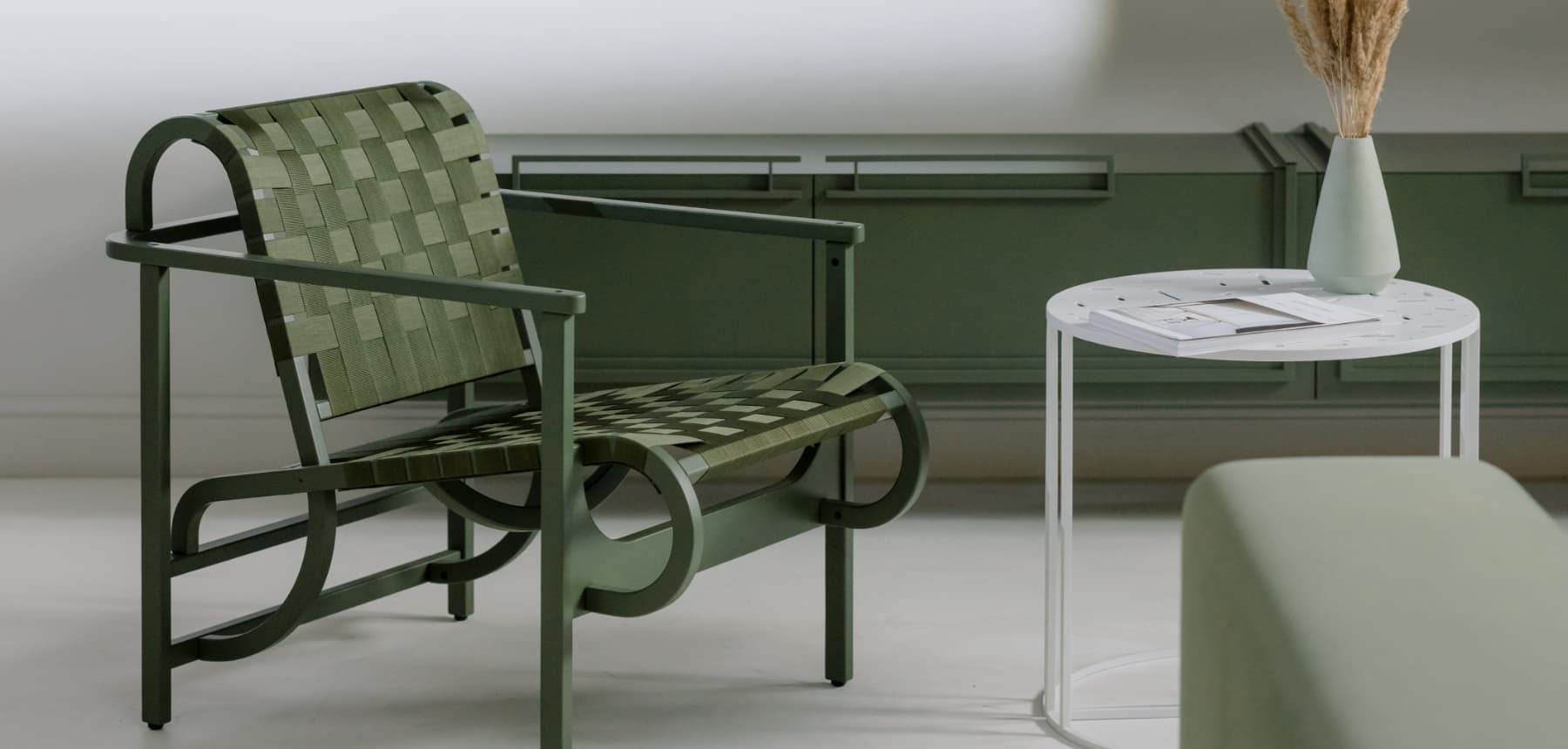
Artisan craftsmanship brings originality that factory-made furnishings cannot replicate. Rather than filling a room with accessories, this trend favors a few handcrafted focal points that introduce exotic cultural influences without overwhelming the space.
Each handcrafted piece adds a layer of texture and individuality that mass production can’t match. Featured pieces include:
- Hand-carved wood furniture
- Handmade ceramic pieces
- Woven natural textiles
- Custom metalwork
- Sculptural lighting
3. Flexible Spaces That Support Modern Living
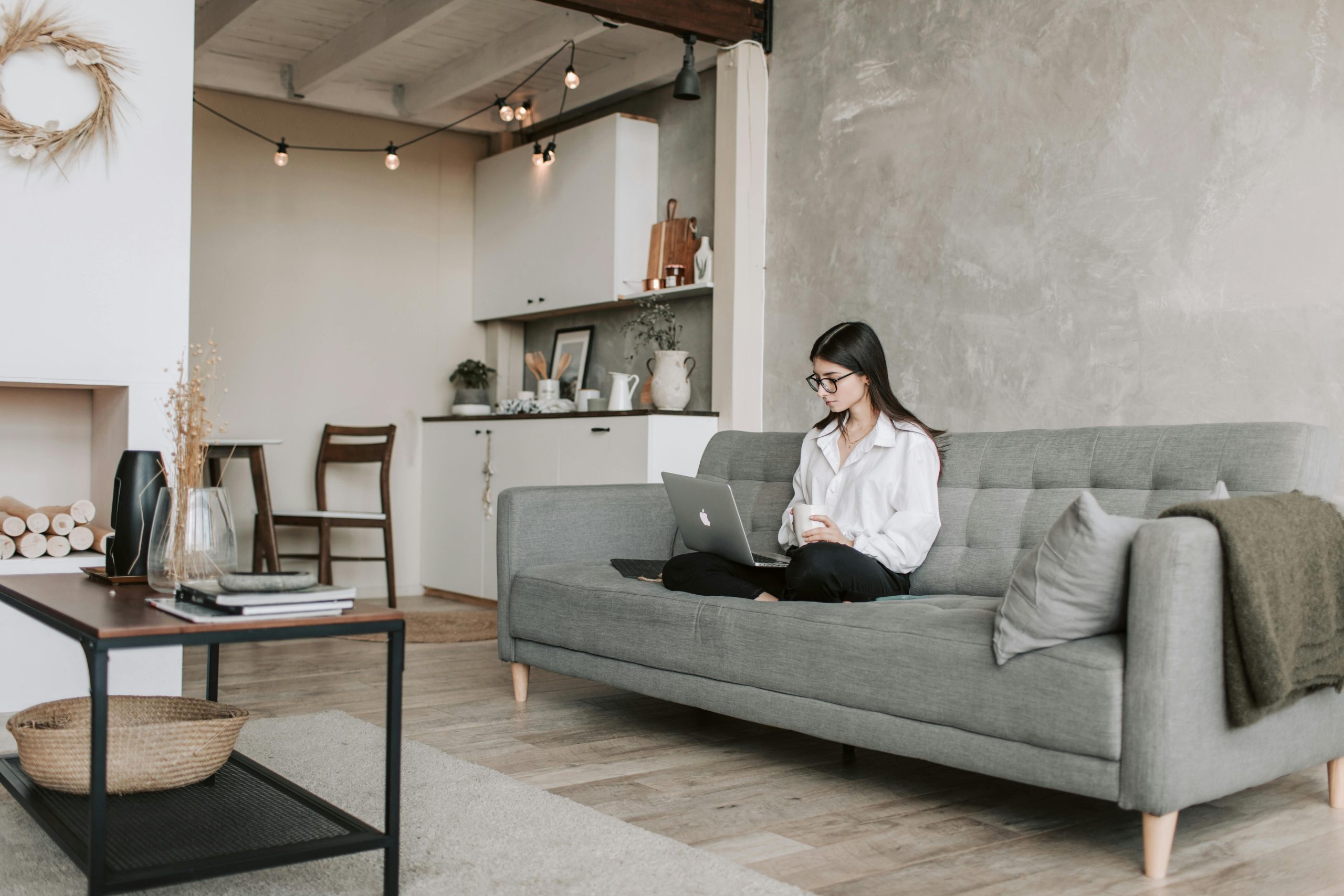
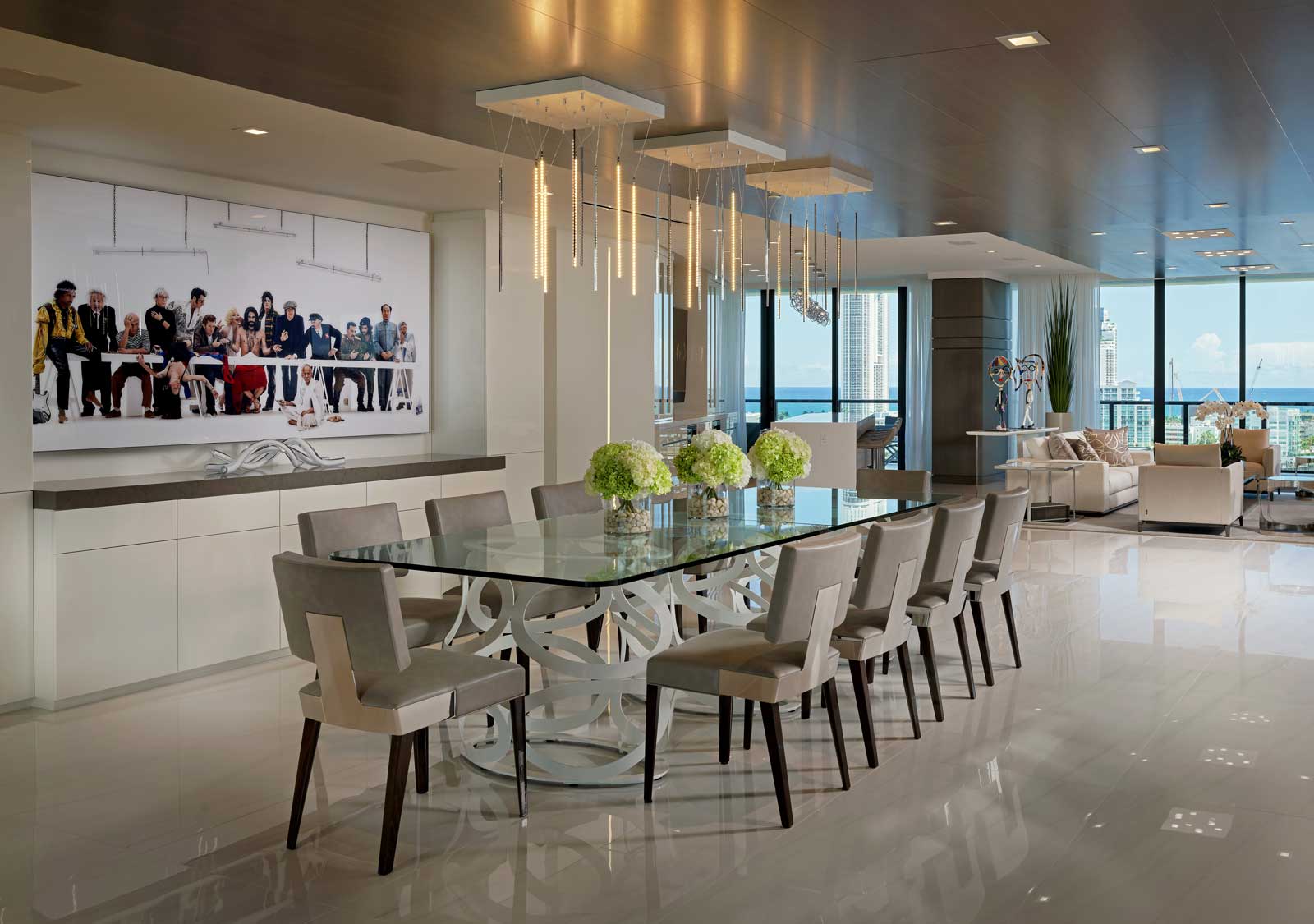
Luxury homes increasingly favor rooms built to serve more than one purpose. This trend, a hallmark of urban living styles, lets a home adapt as needs change through smart space planning. Common examples include:
- Home offices
- Wellness rooms
- Convertible guest suites
- Reading areas
- Entertainment spaces
Each room retains a clear purpose while staying adaptable to new uses over time. Furniture arrangement plays a key role, supporting movement and everyday use rather than dictating a single function.
4. Texture Over Excess Decoration
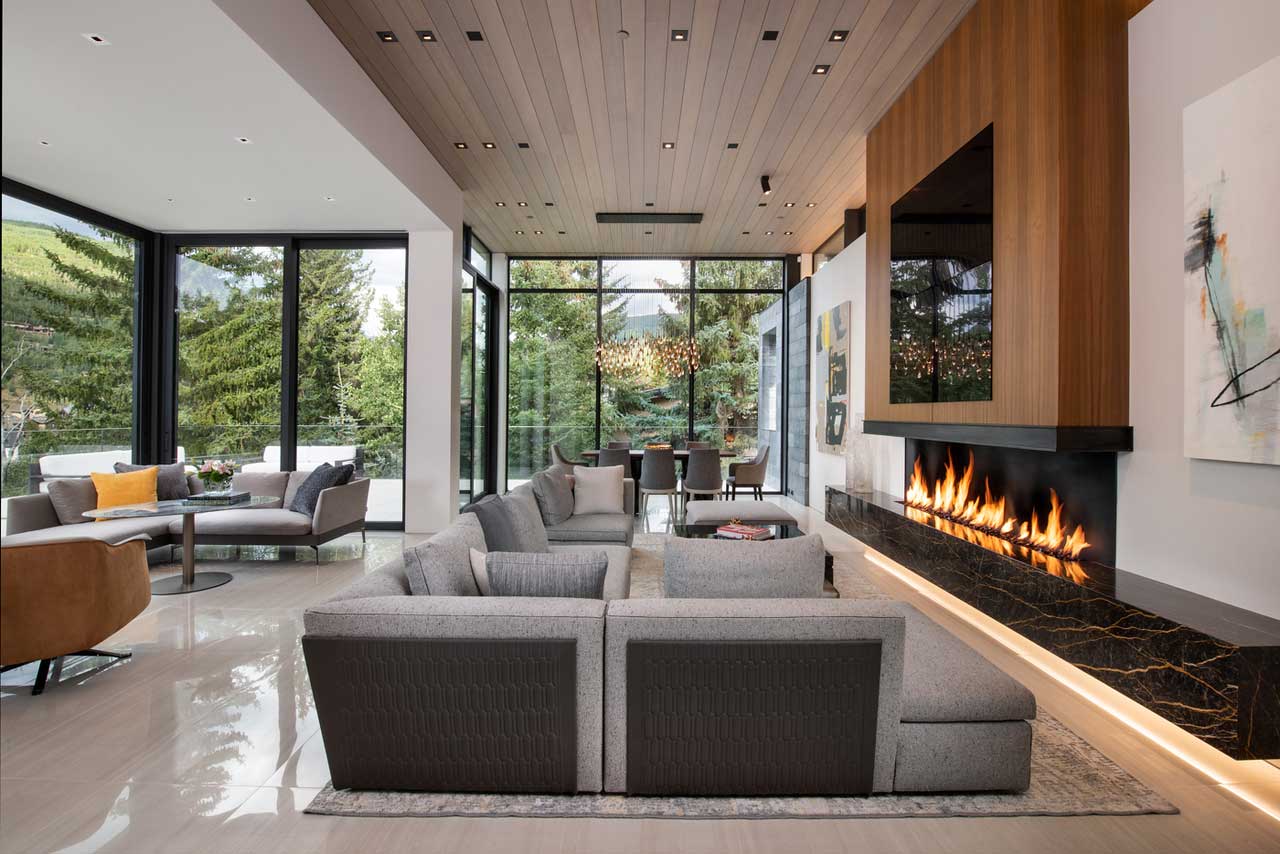
This trend favors layered materials over an abundance of decorative objects to create visual interest. Texture adds contrast and dimension without crowding a room, keeping modern home decor clean while still feeling warm. It typically shows up through:
- Textured wall finishes
- Natural woven fabrics
- Stone surfaces
- Sculptural lighting
- Mixed material accents
When every material serves a purpose, a room reads as refined instead of overdone. This layering also draws attention to the quality of furnishings and architectural details already in place.
5. Vintage Character With Contemporary Design
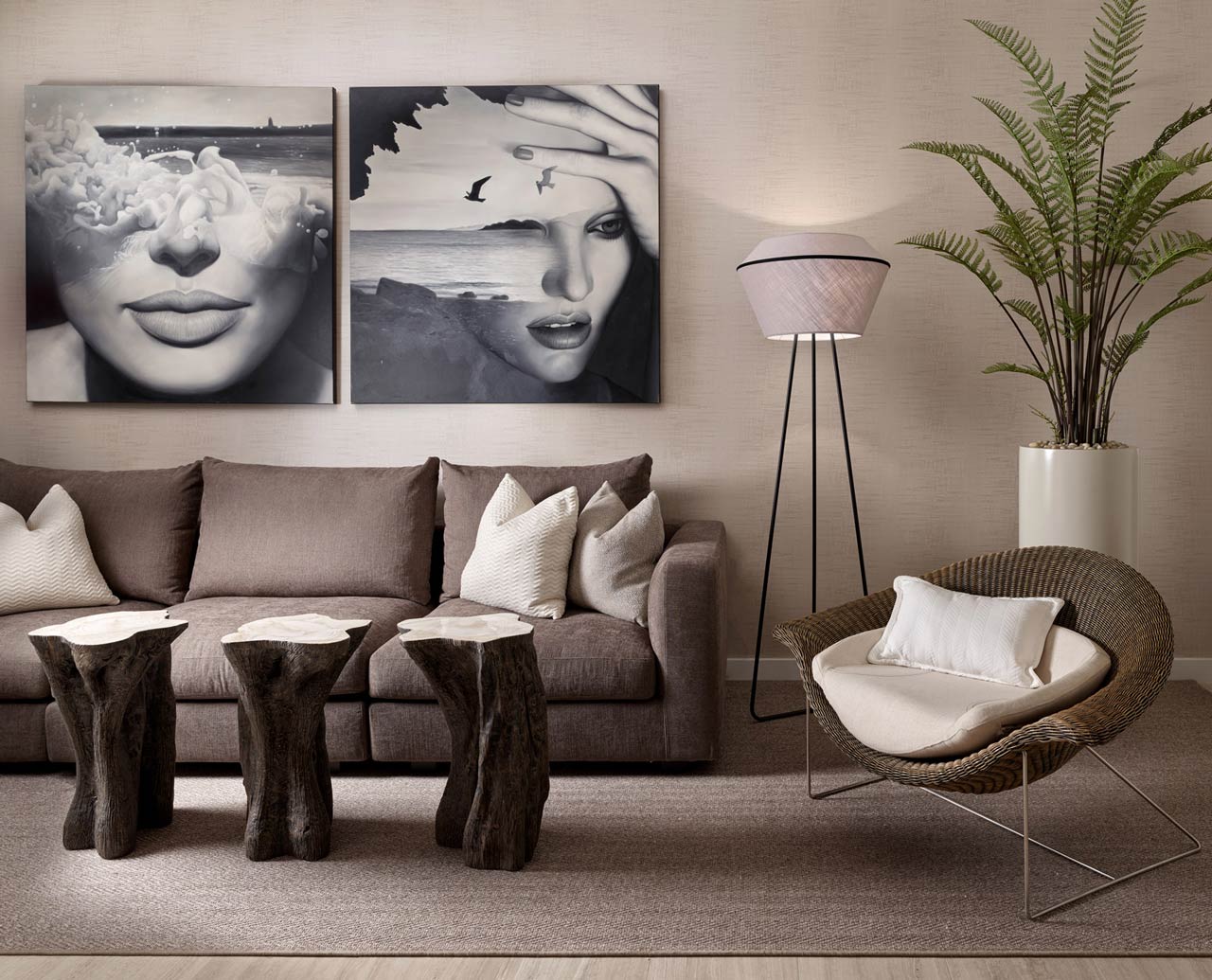
This trend blends a few distinctive vintage pieces into contemporary rooms rather than recreating an entire period. The result lets vintage interior ideas enhance a space instead of dating it.
Balance is what makes this trend work, since too many period pieces can tip a room into pastiche. Its common elements include:
- Antique lighting
- Restored wood furniture
- Vintage artwork
- Decorative mirrors
- Statement accent pieces
6. Indoor-Outdoor Living Without Boundaries
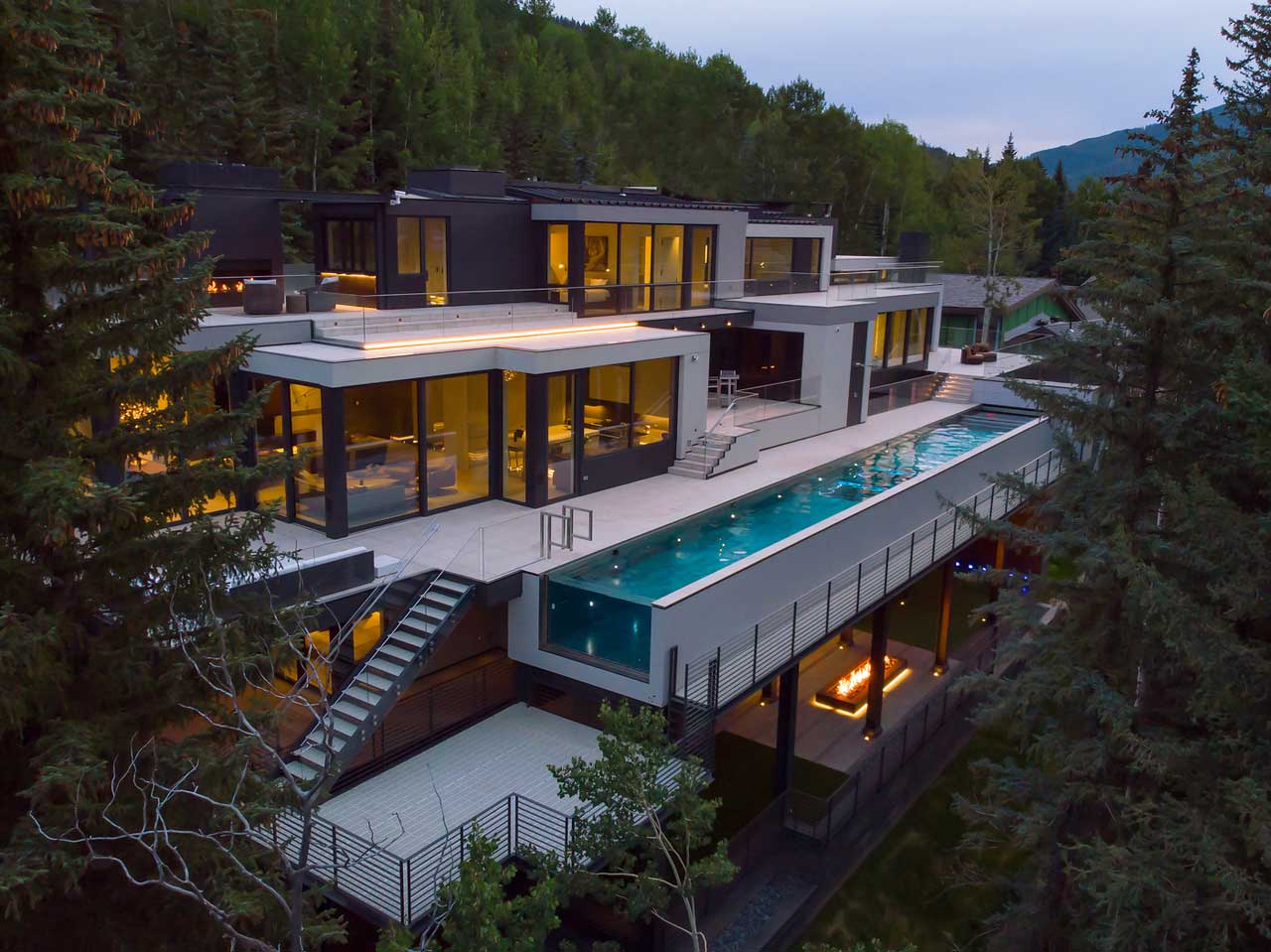
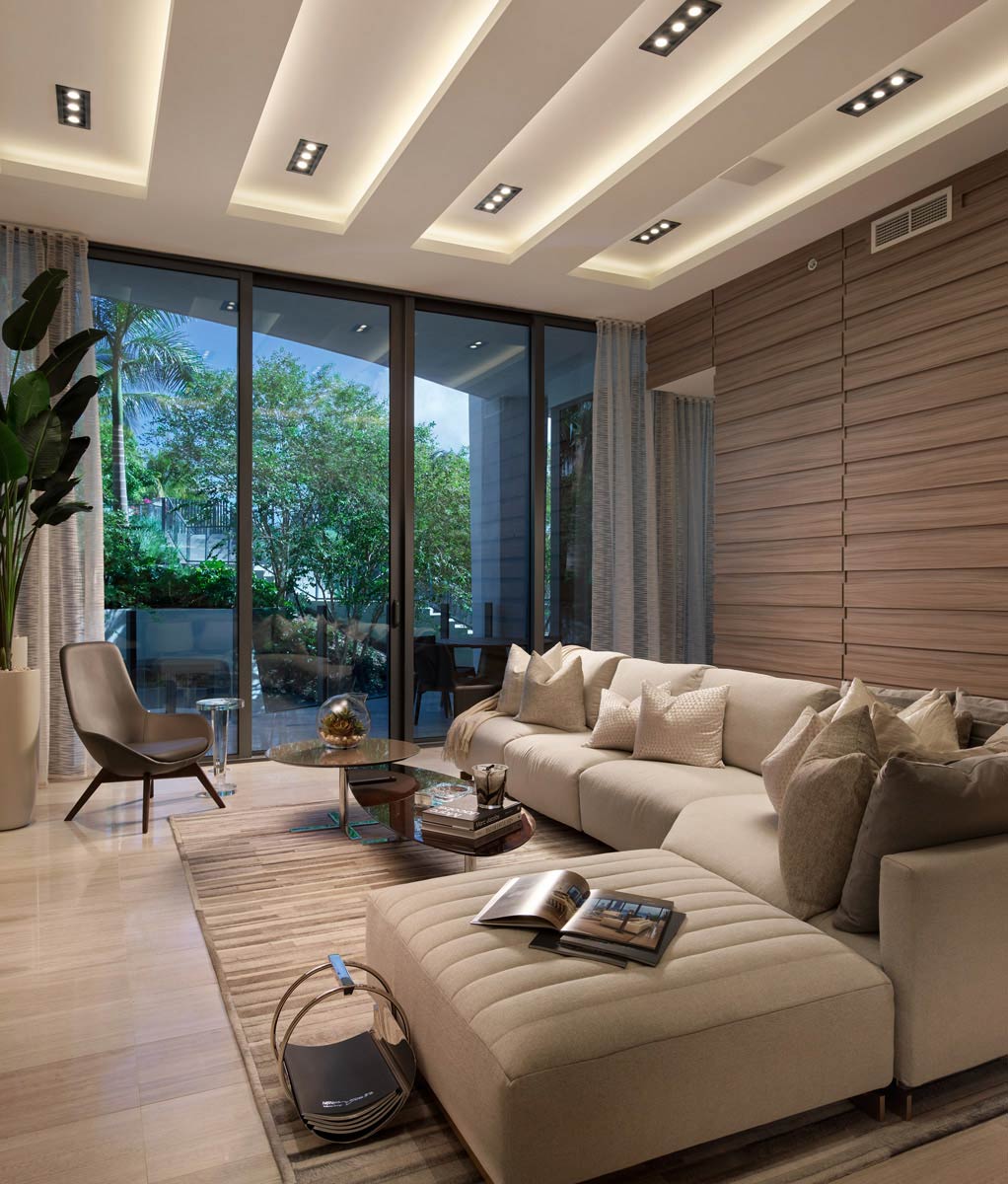
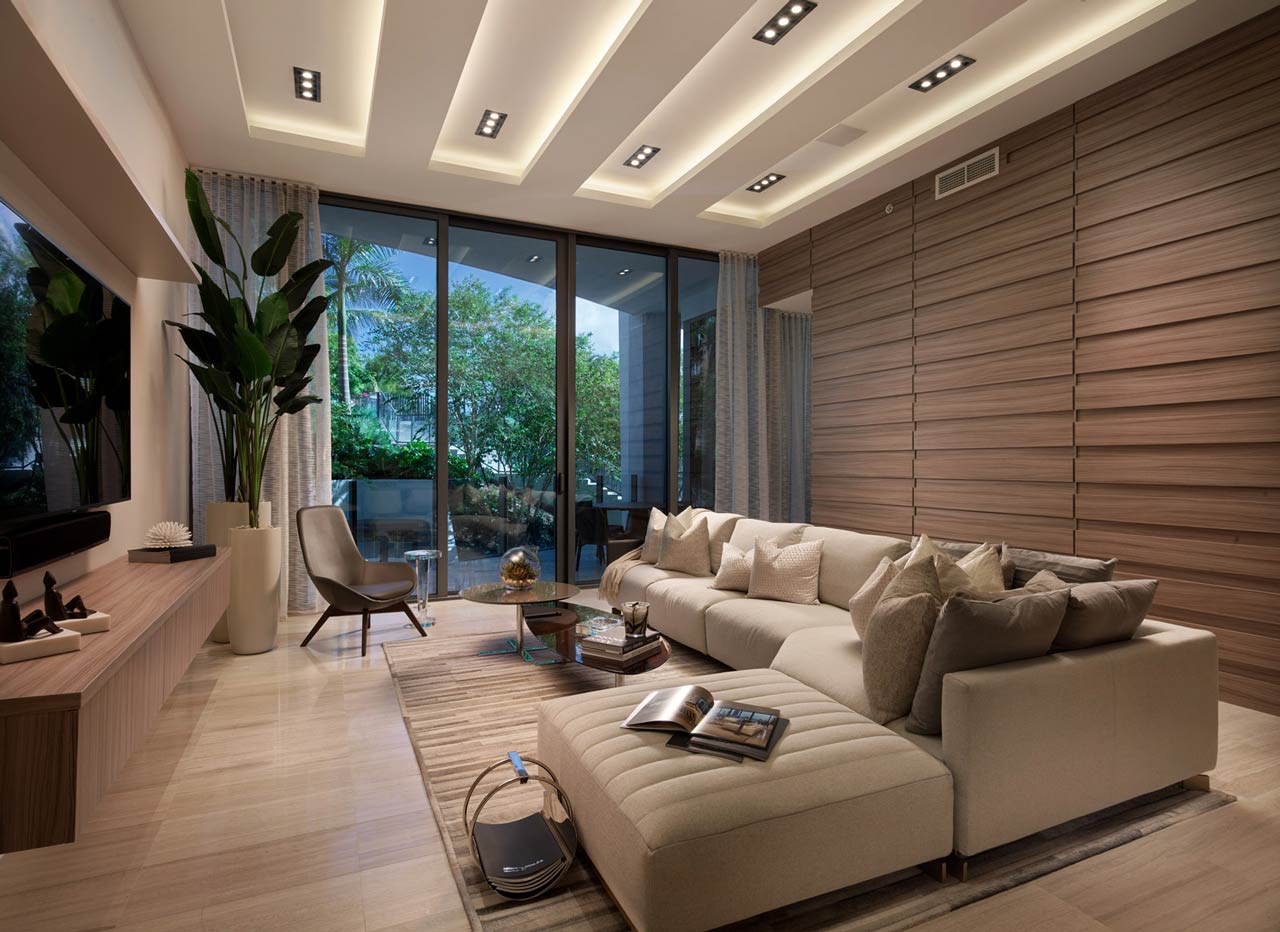
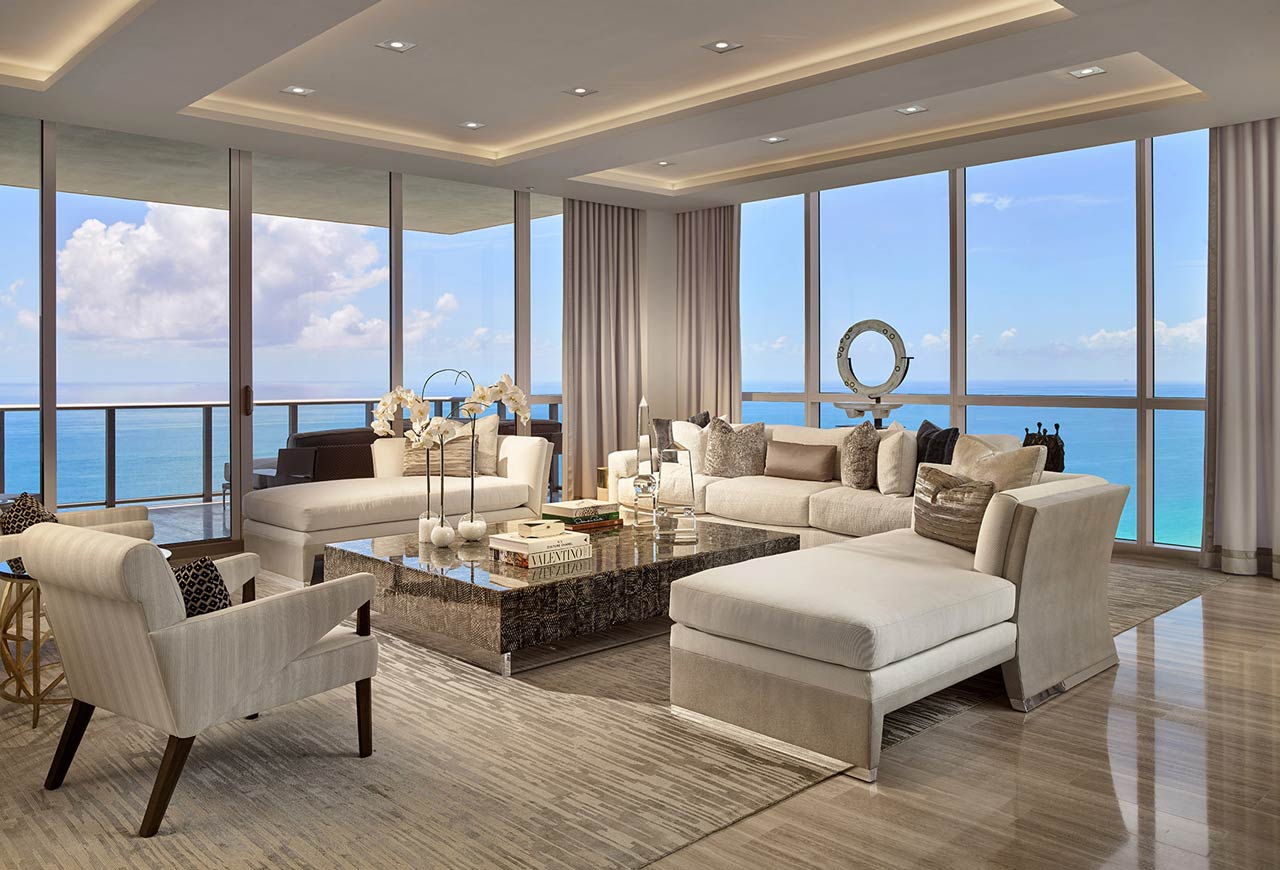
Luxury homes increasingly treat outdoor areas as an extension of the interior. This trend uses seamless transitions to add usable space and strengthen a home’s connection to natural light, particularly valuable in warm climates. It relies on:
- Large glass doors
- Continuous flooring
- Covered outdoor lounges
- Outdoor kitchens
- Coordinated furnishings
Visual continuity lets indoor and outdoor spaces complement each other rather than compete. The result is a home that feels larger and better suited for everyday living and entertaining.
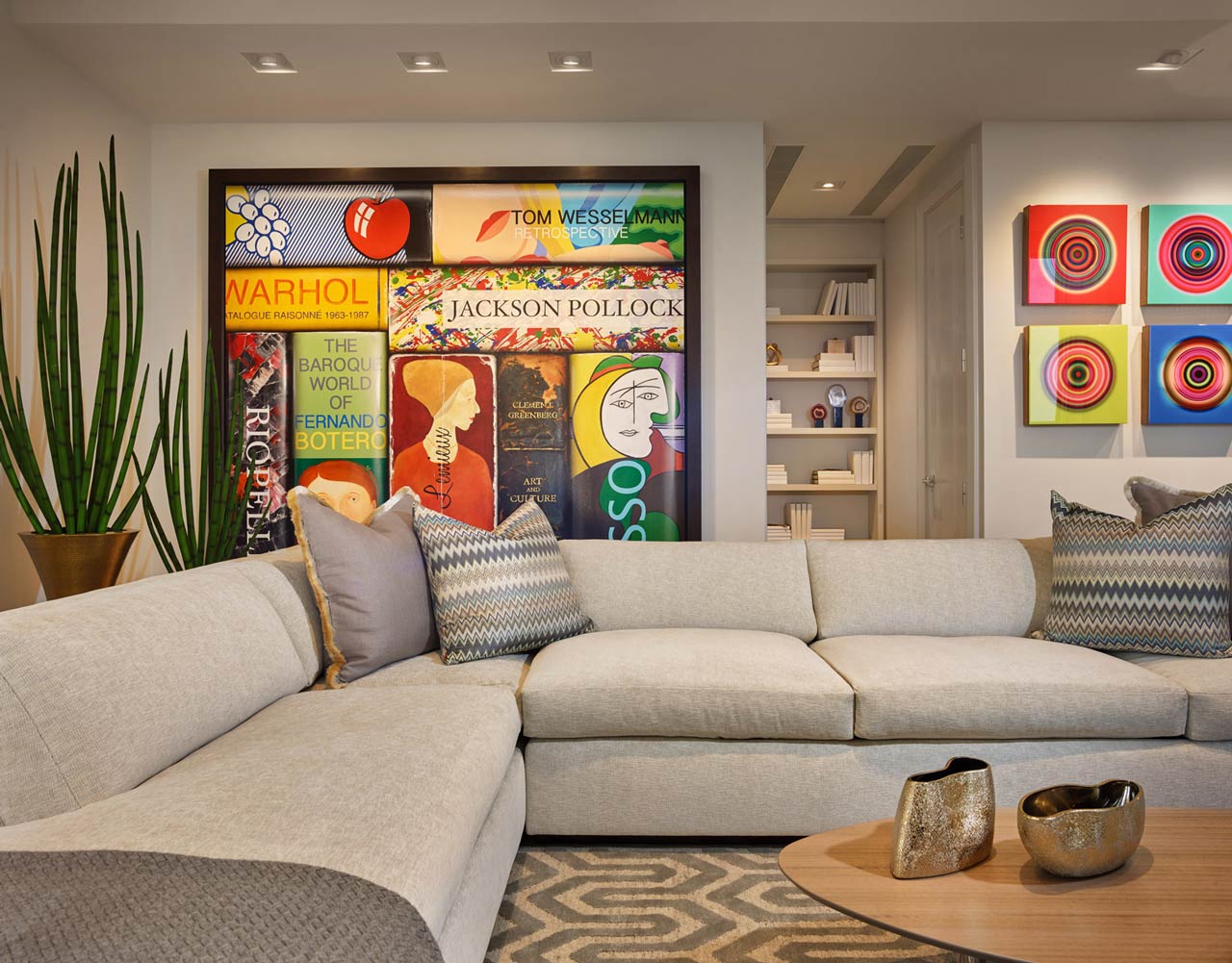
7. Meaningful Collections That Reflect Personal Identity
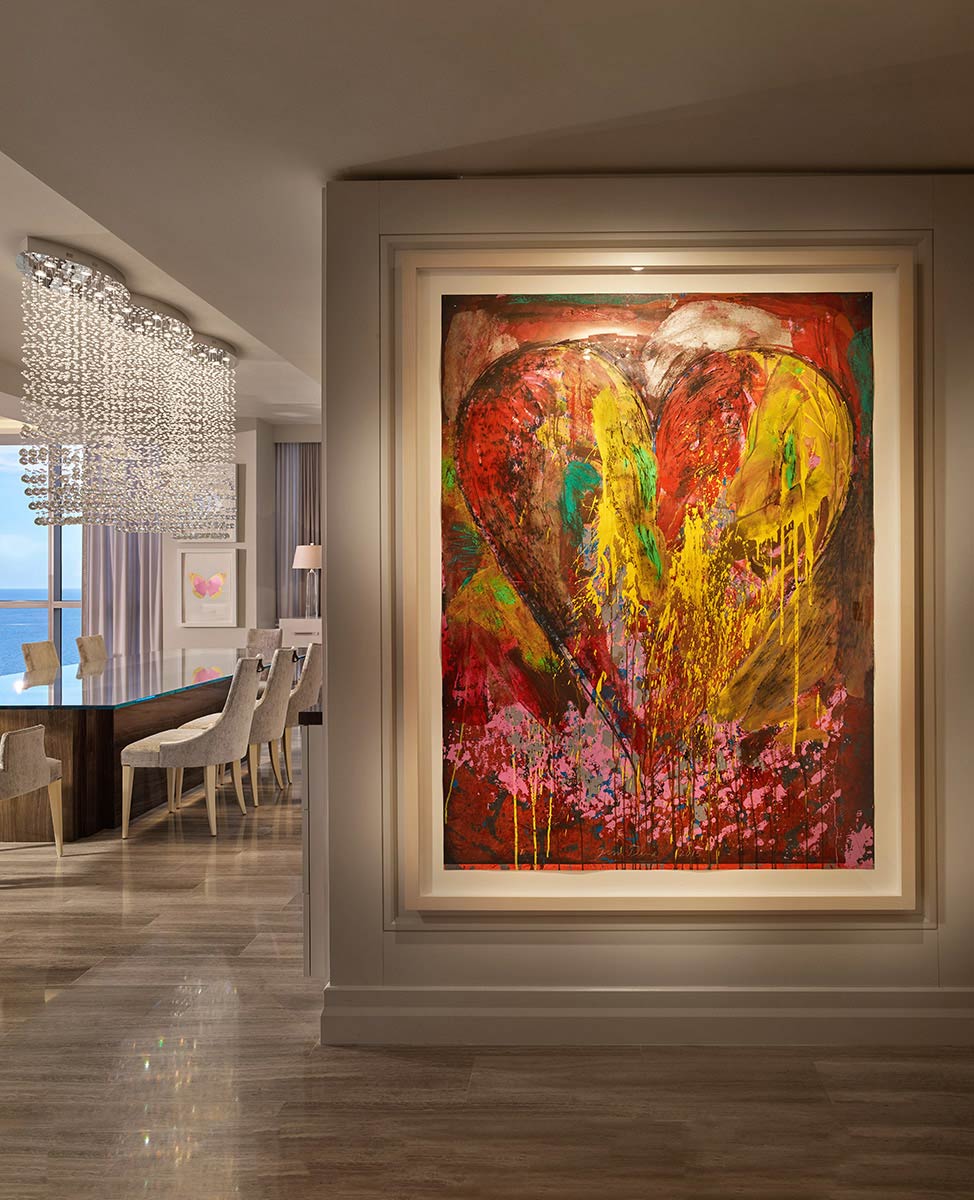
This trend favors a personal story over displaying expensive décor for its own sake. Carefully chosen collections add interest while reflecting an owner’s experiences, with quality taking priority over quantity. Featured collections often include:
- Original artwork
- Travel souvenirs
- Sculptural objects
- Rare books
- Family heirlooms
Giving each collection enough room to breathe lets its craftsmanship and meaning stand out. Overcrowding a display has the opposite effect, burying the very pieces meant to draw attention.
Frequently Asked Questions
How Much Does It Cost to Incorporate Global Design Elements Into a Luxury Home?
Costs vary widely depending on the material and sourcing method. Hand-cut tile, artisan furniture, and custom textiles typically carry a premium over mass-produced alternatives, driven by import duties, freight, and skilled labor. Working with a designer who has established supplier relationships often reduces markup compared to sourcing independently through retail importers.
Can You Mix Multiple Global Trends in One Home Without It Looking Disjointed?
Yes, as long as one material story leads each zone. Pairing zellige tile with heavy vintage furniture in the same room, for example, can compete for attention rather than complement it. A connective palette of neutrals and consistent metal finishes across rooms helps distinct trends coexist without clashing.
Do HOA or Condo Rules Affect Material Choices in South Florida?
Yes. Many high-rise and community associations in Miami, Fort Lauderdale, and Boca Raton restrict exterior-visible materials, including balcony finishes and window treatments. Checking association guidelines before finalizing a material selection avoids costly rework later.
Bring Global Interior Design Trends Into Your Home Today
Global interior design trends give you a proven way to build a home that feels distinctive and enduring. The right materials and craftsmanship turn any space into one that holds its value for years. Working with the right designer ensures every choice lasts.
Since 1984 at Interiors by Steven G., we’ve grown into South Florida’s most prominent full-service design firm, completing over 6,096 projects. For more than 40 years, CEO Steven Gurowitz and a team of 85-plus professionals have delivered space planning, custom furnishings, and full project management for clients across Miami-Dade, Fort Lauderdale, and Boca Raton.
Contact us today to transform your home with timeless global design and expert craftsmanship.