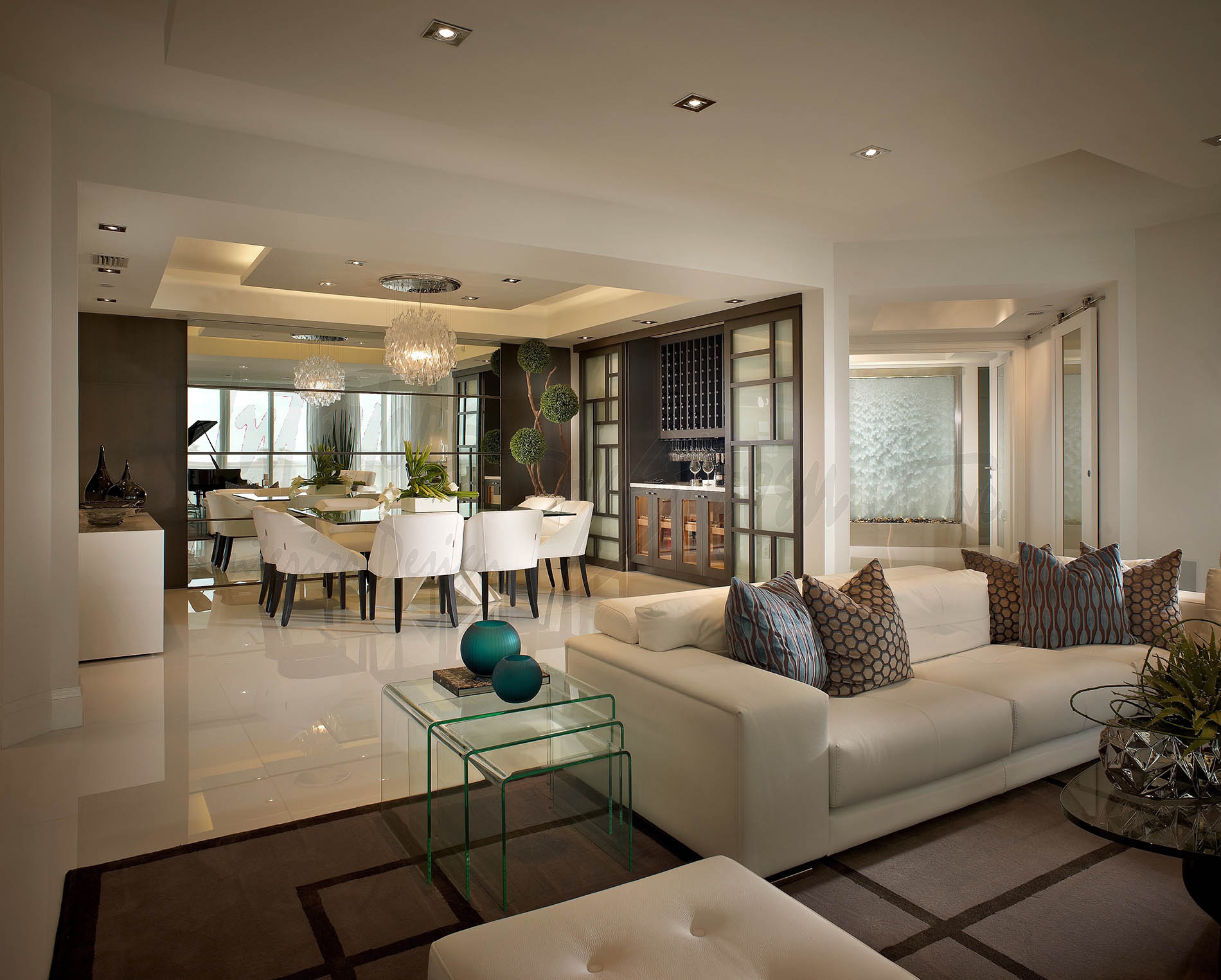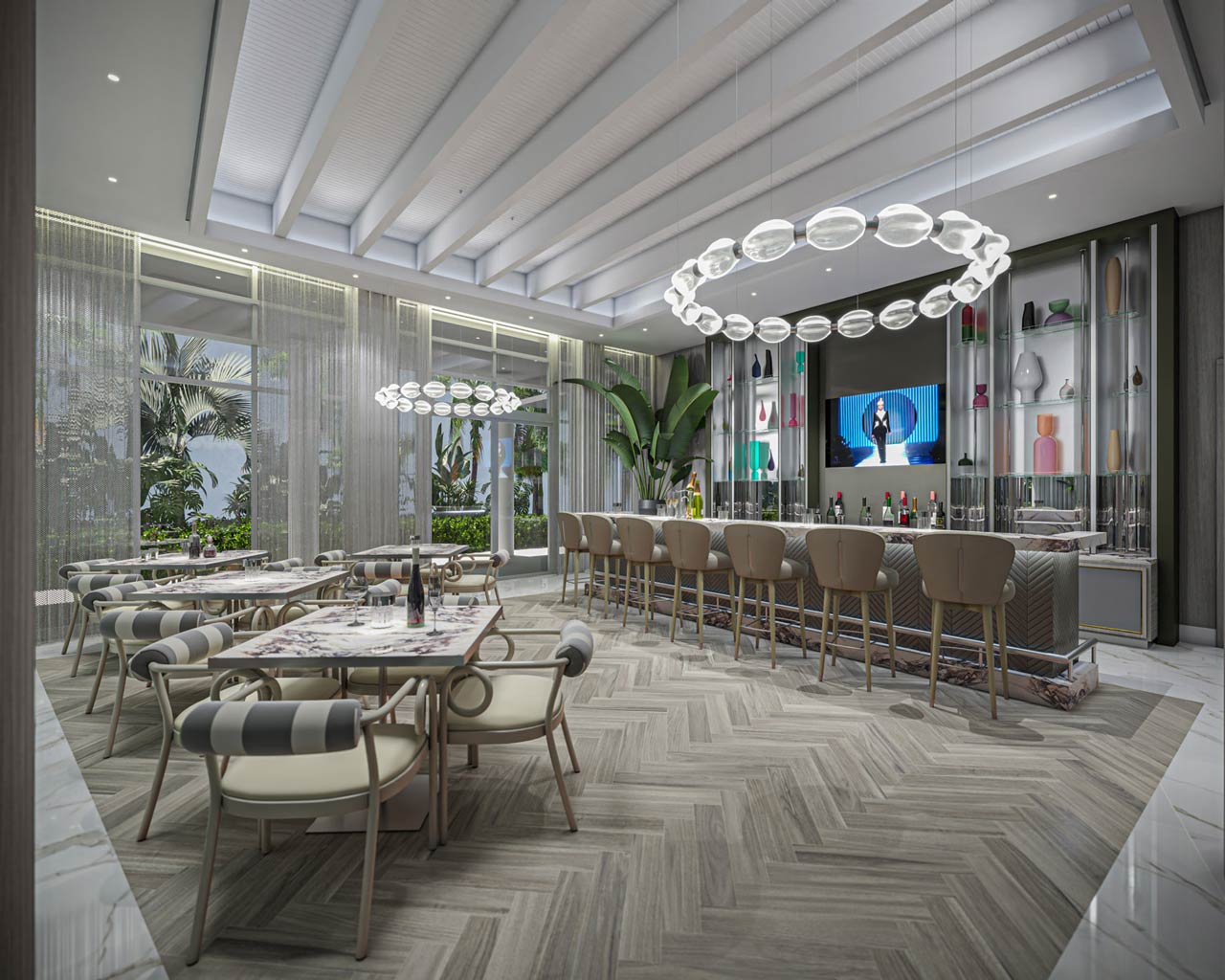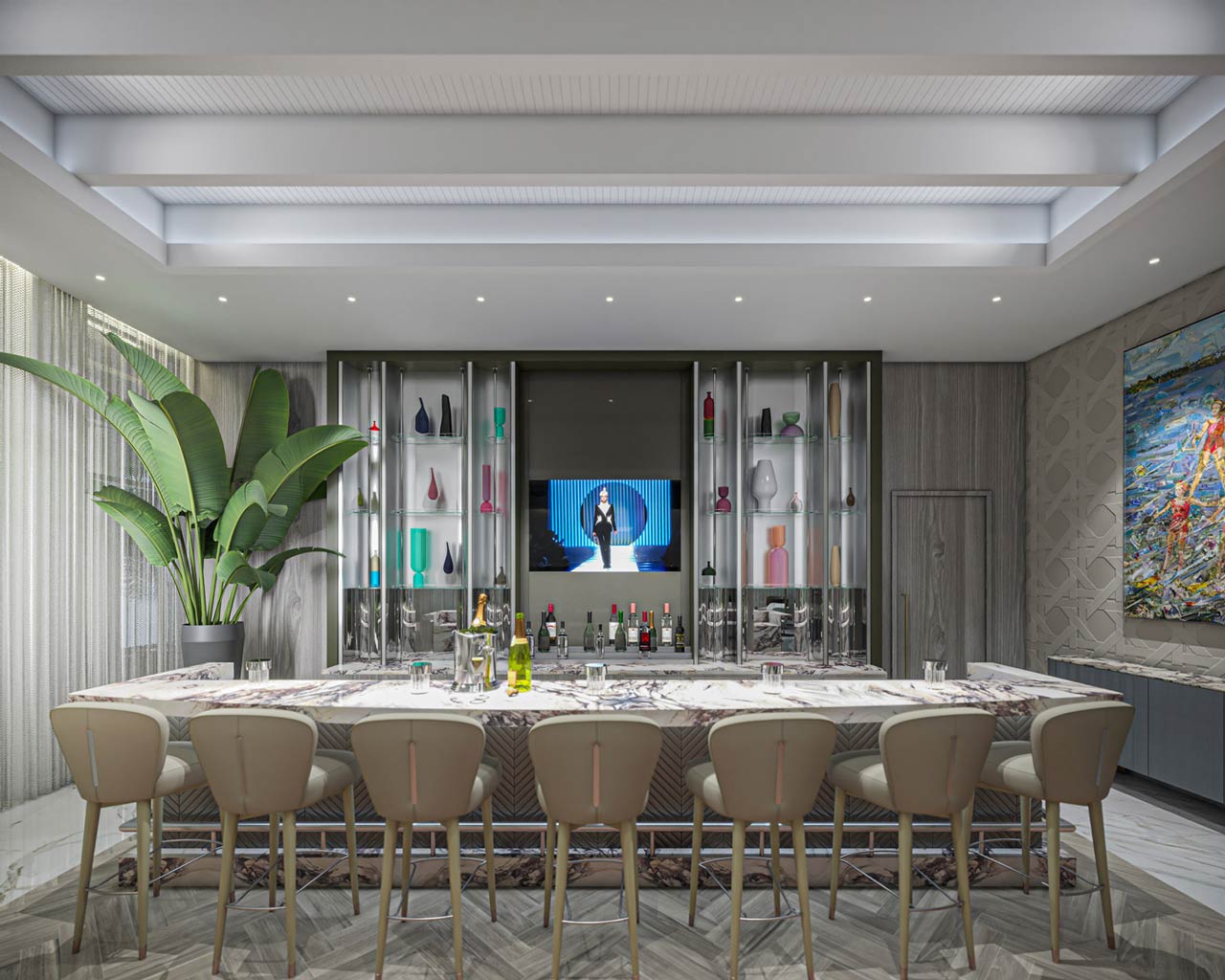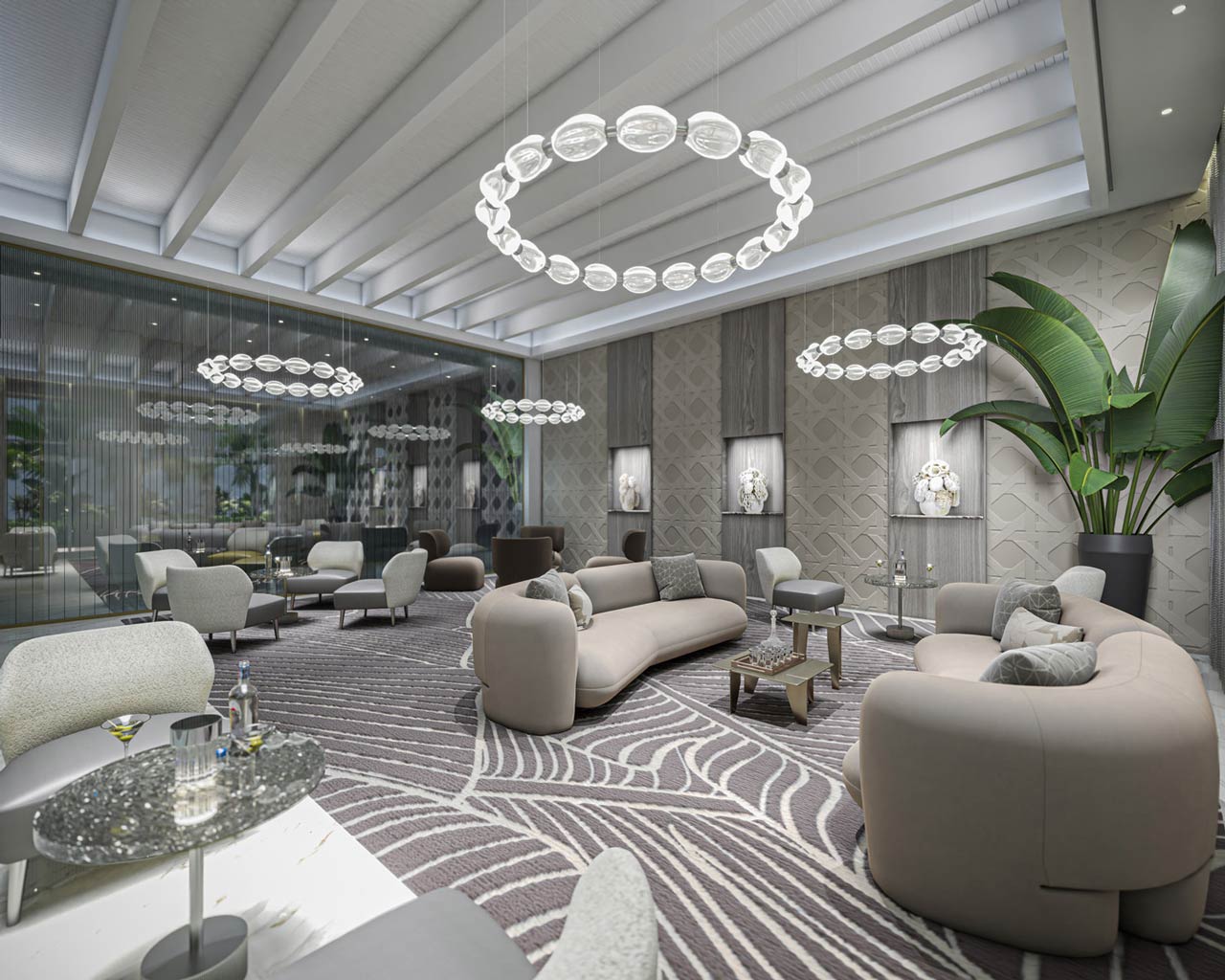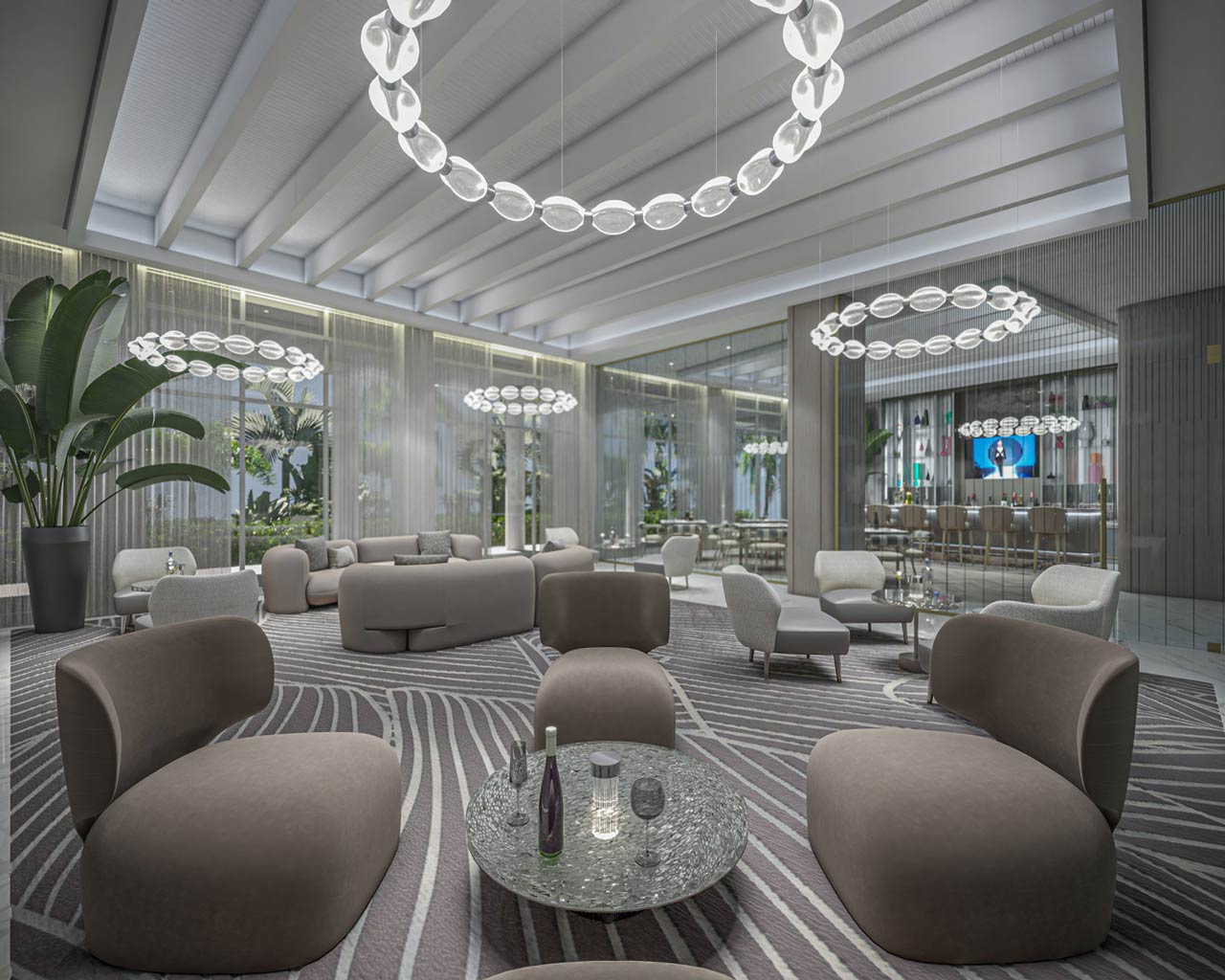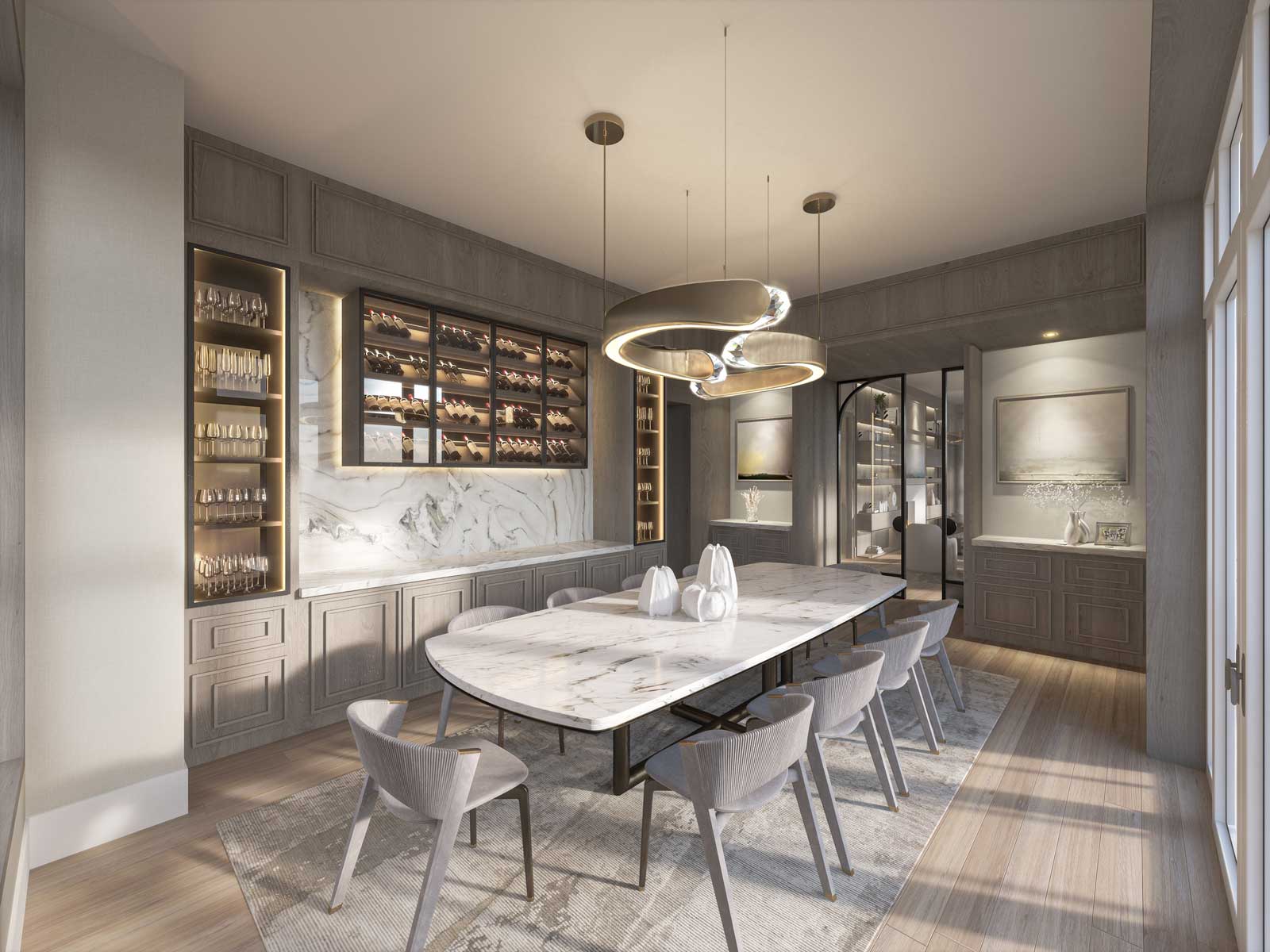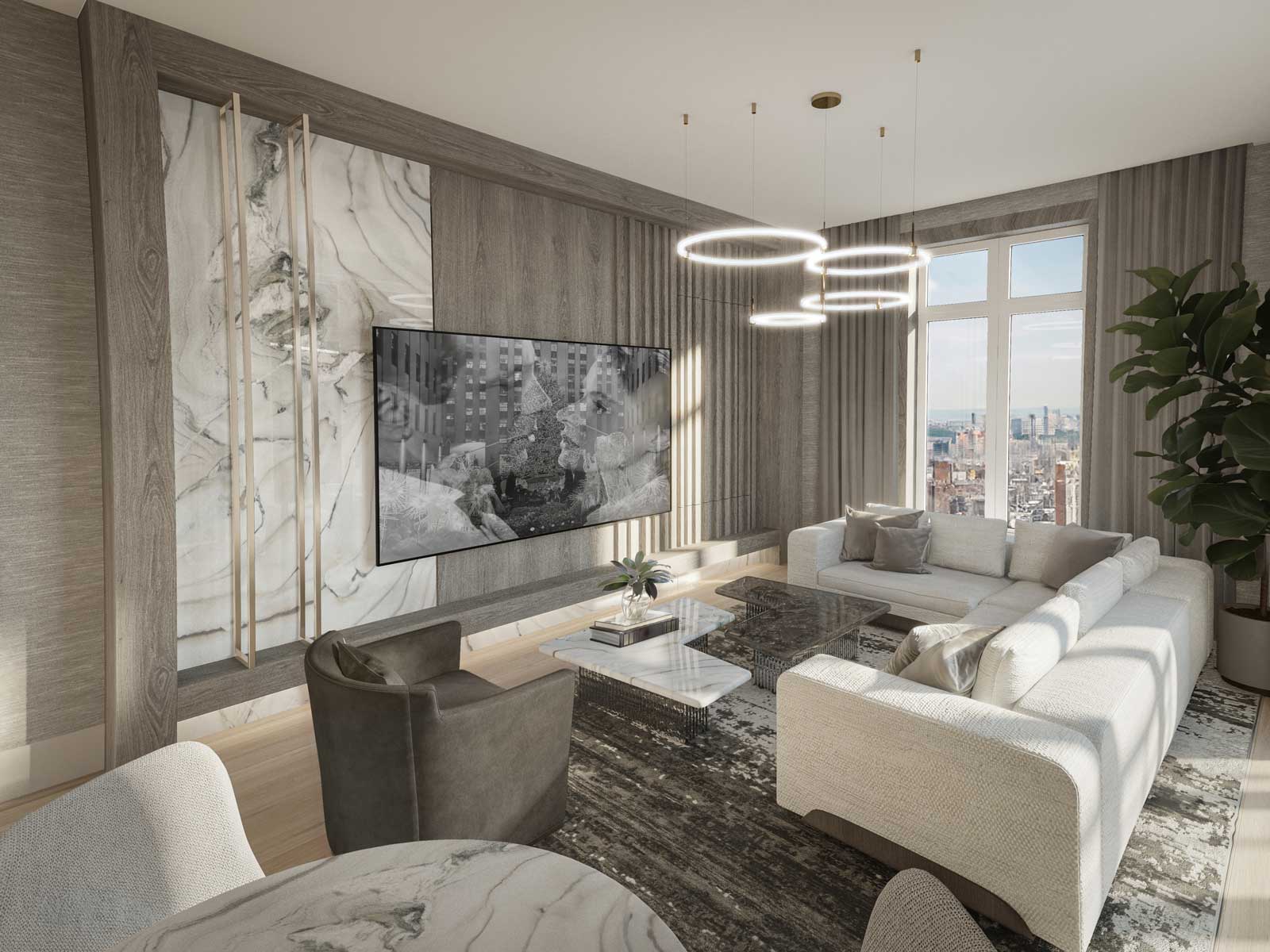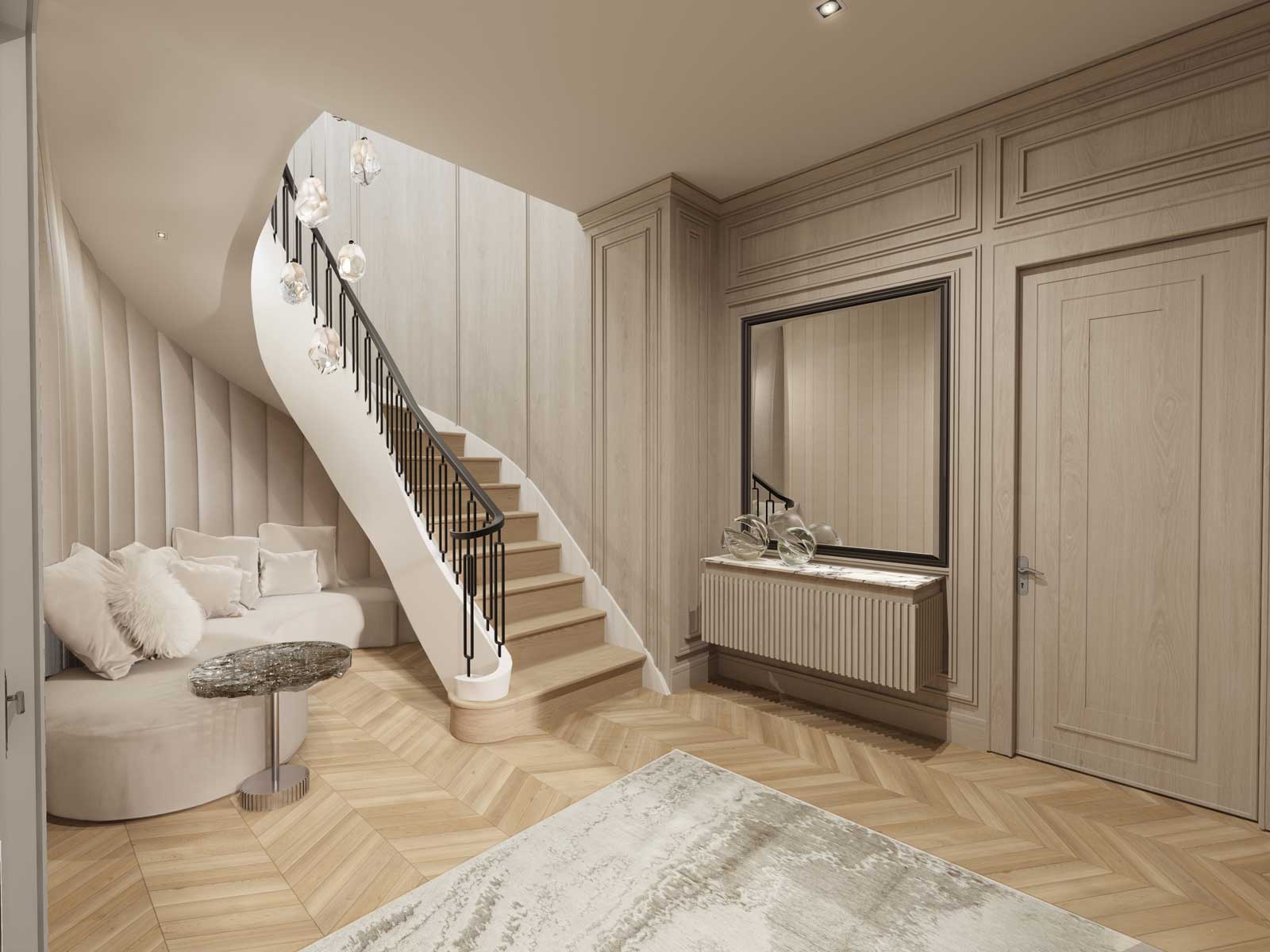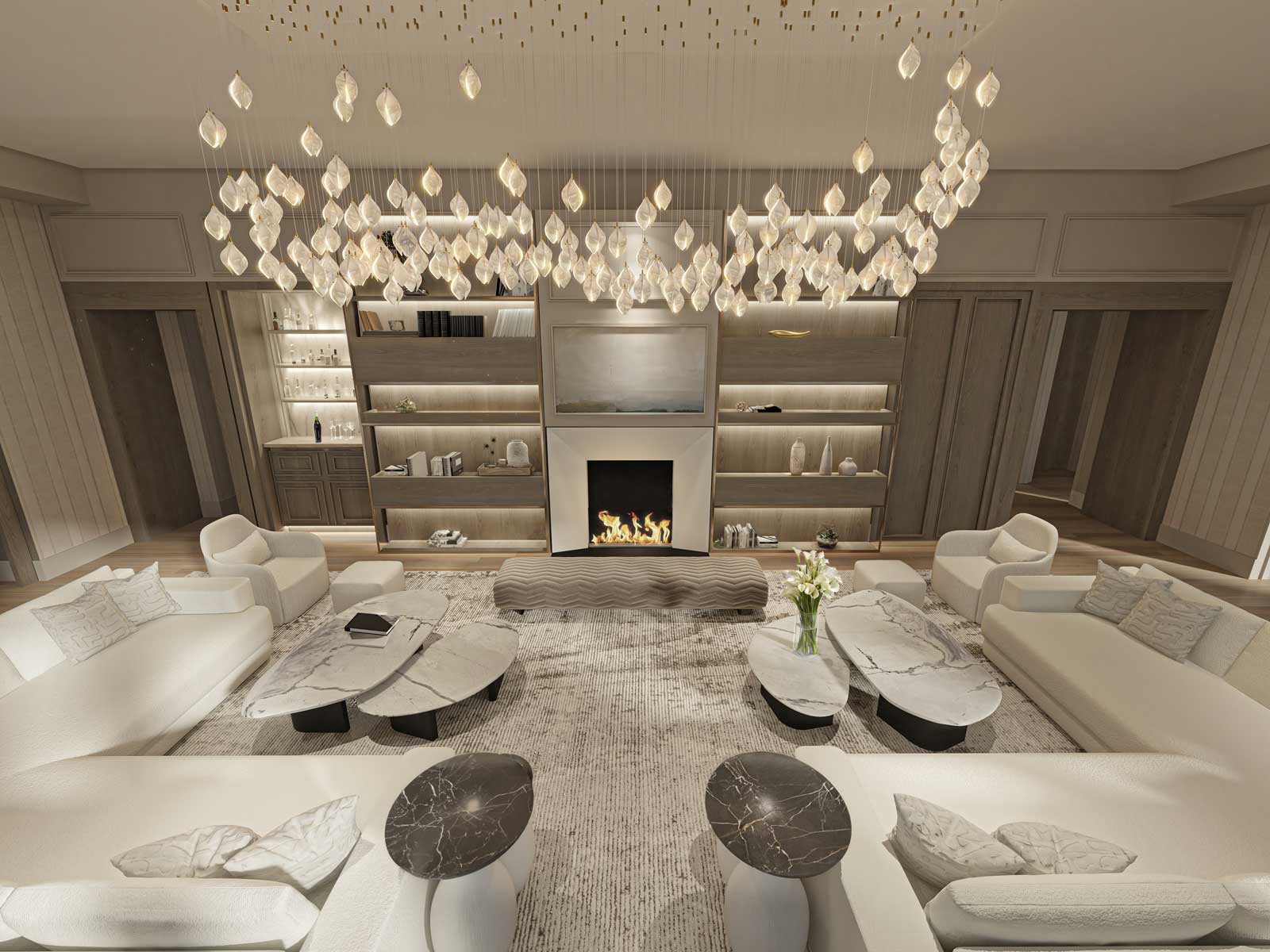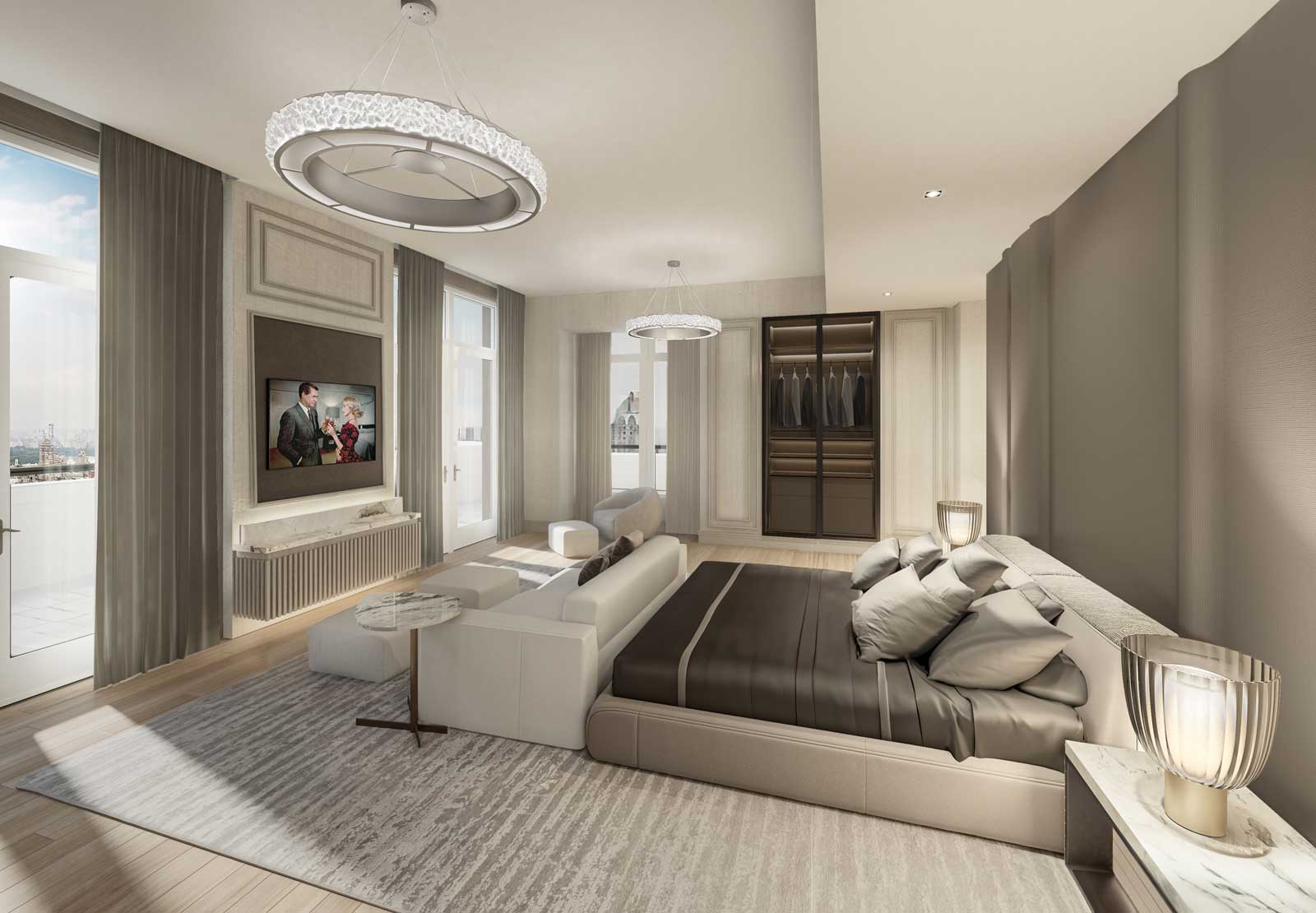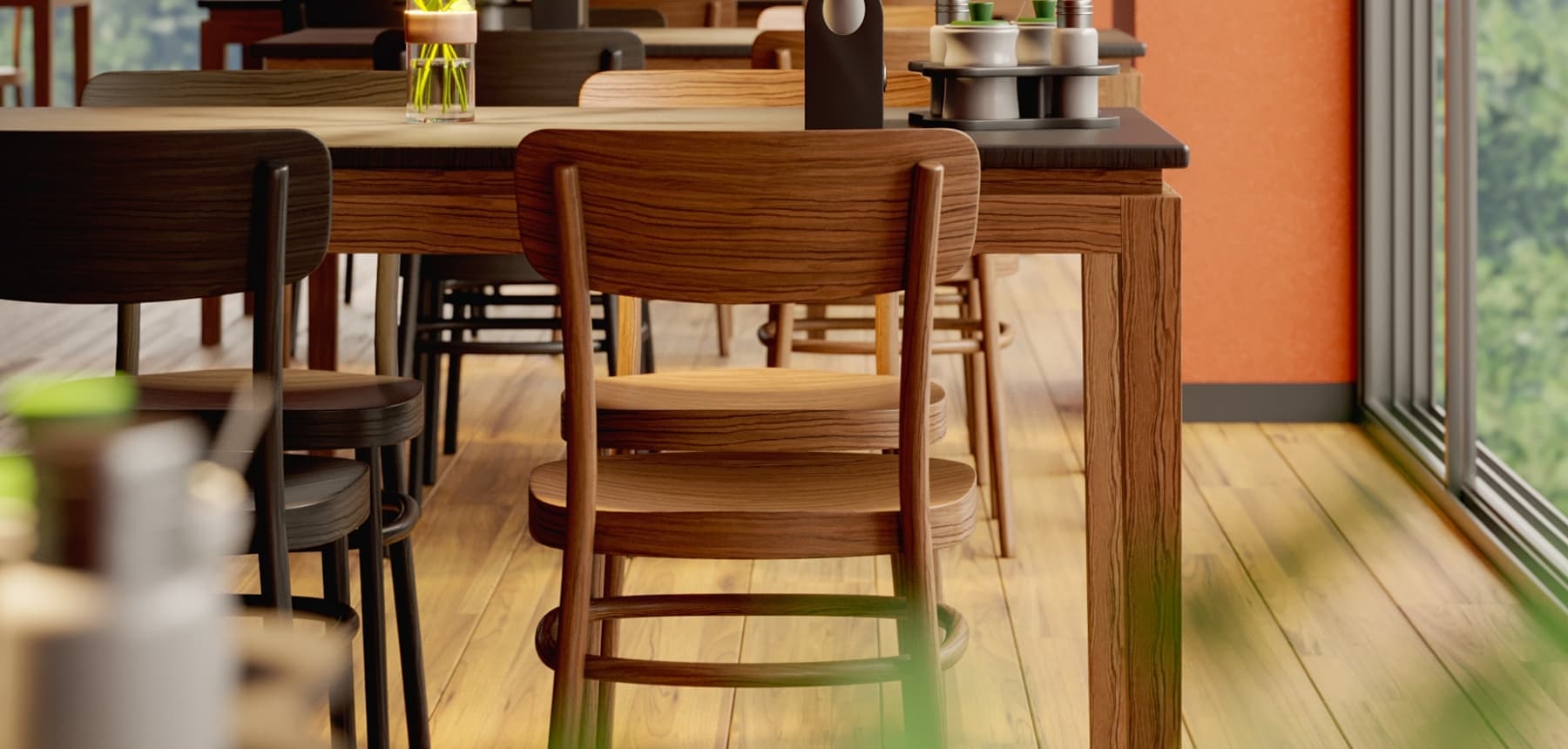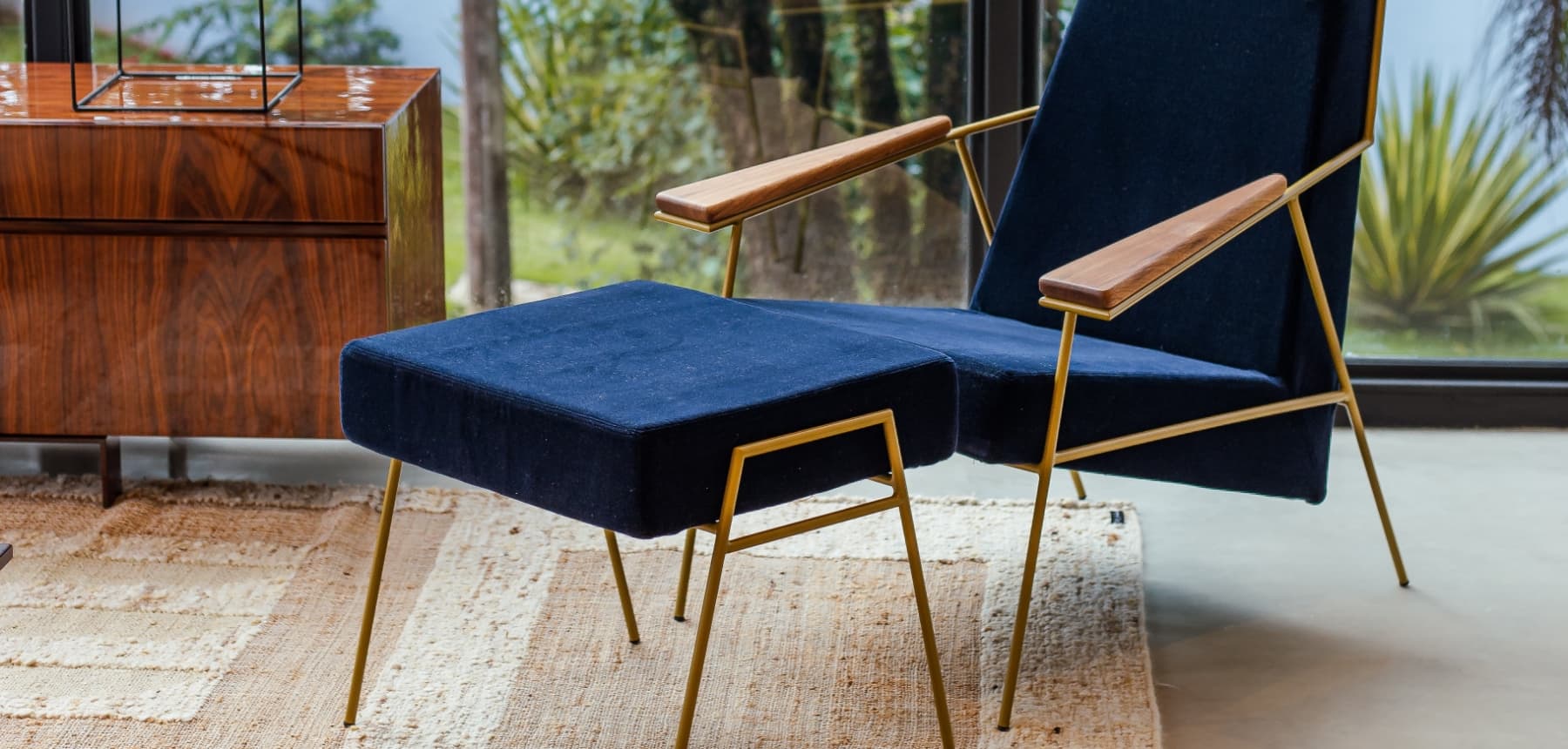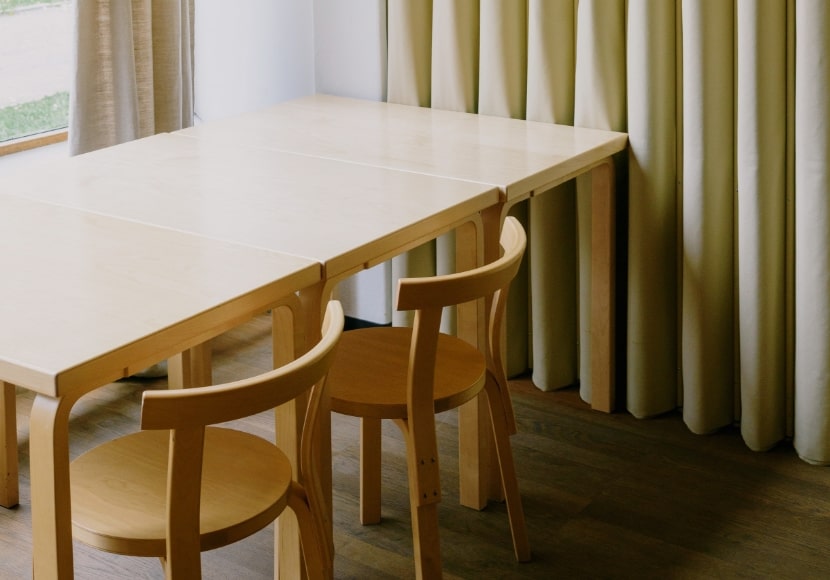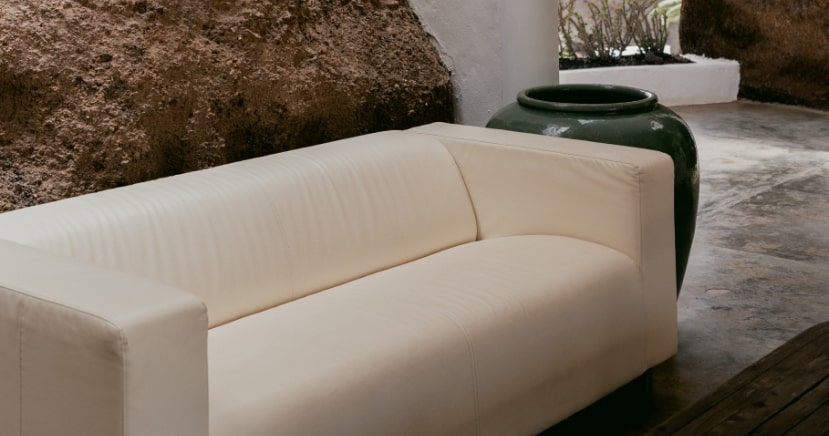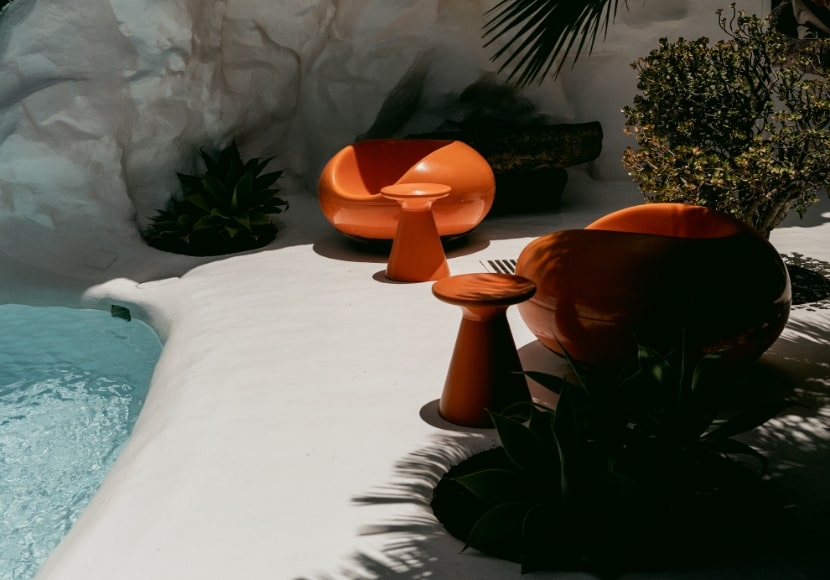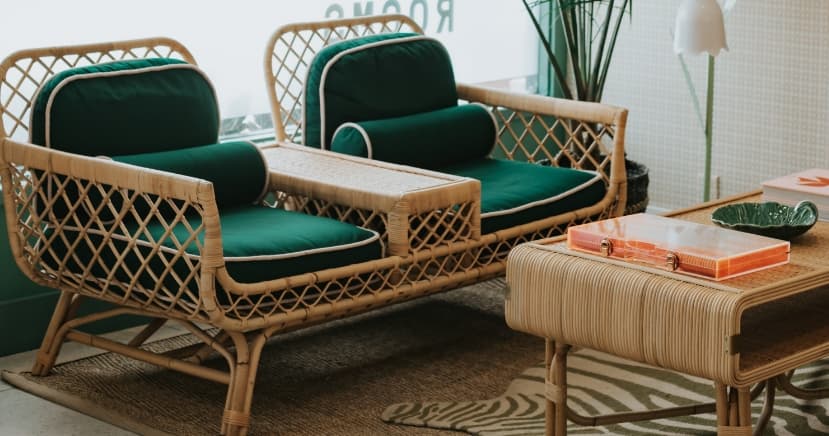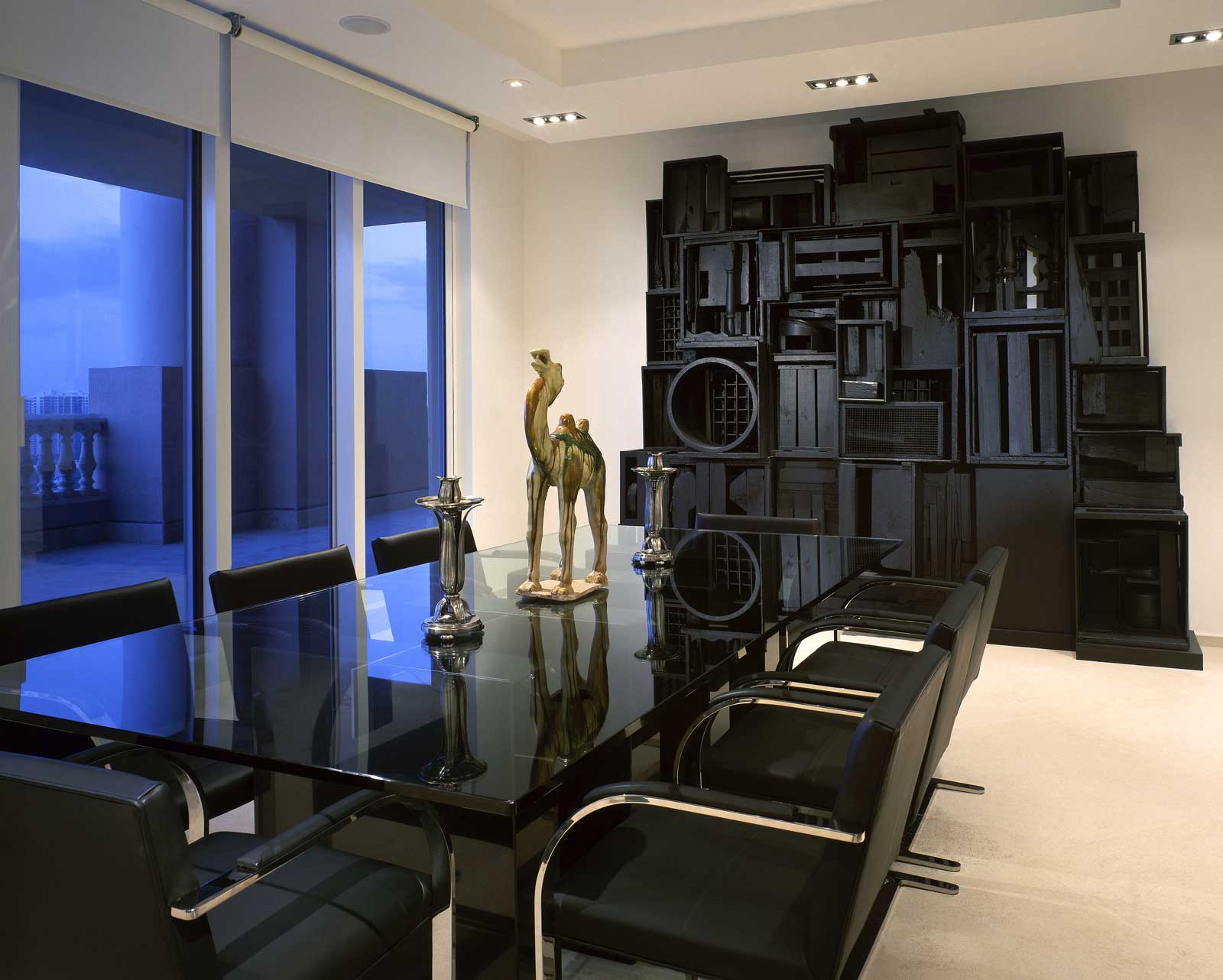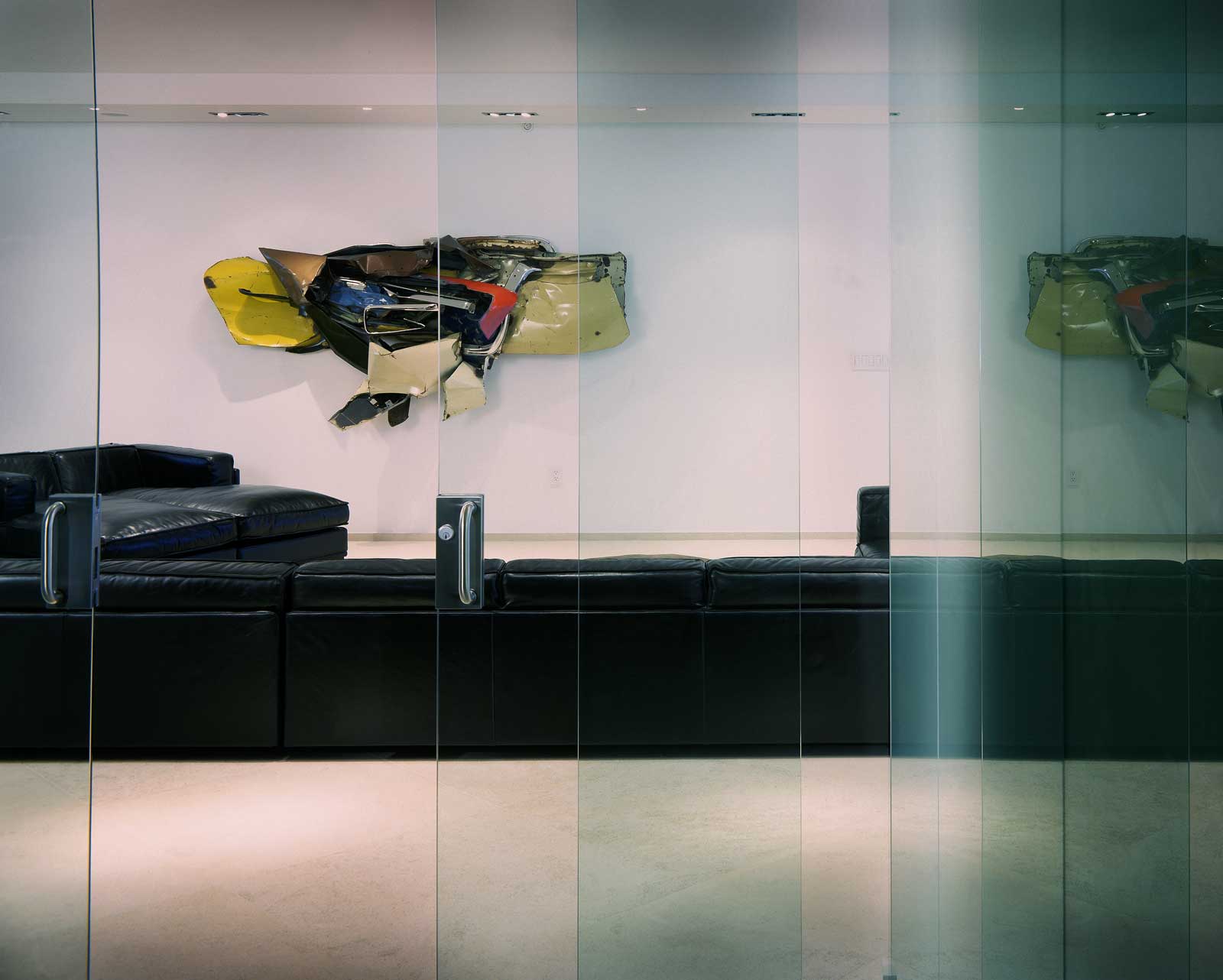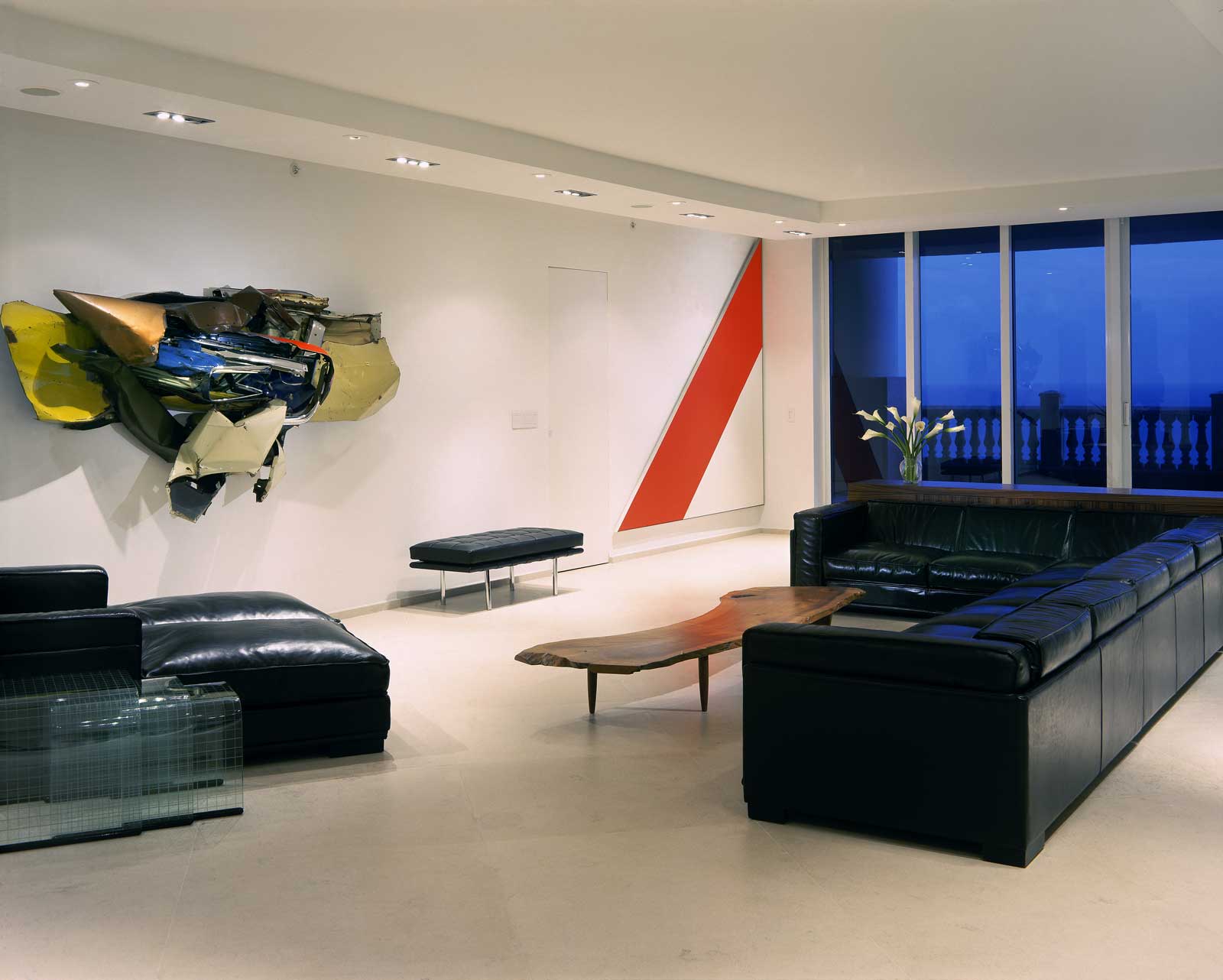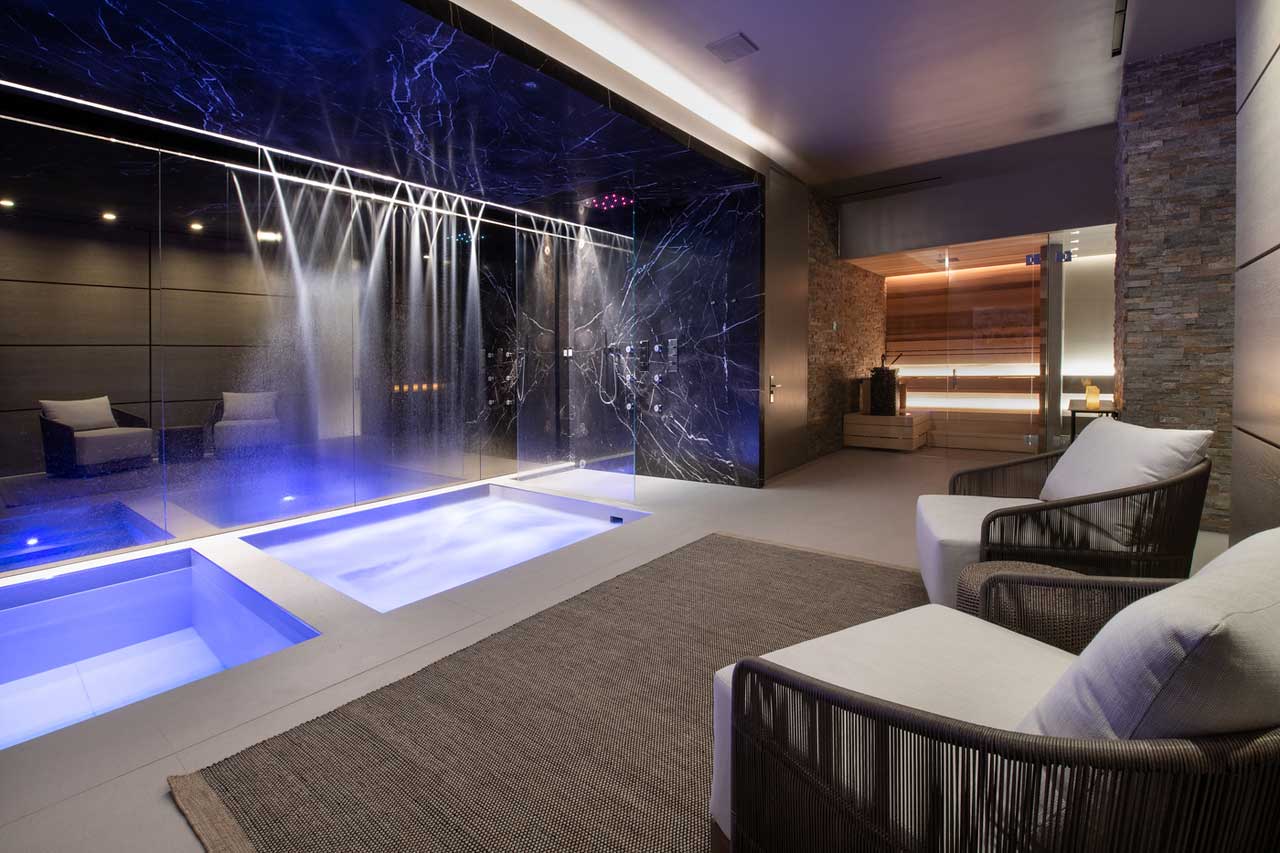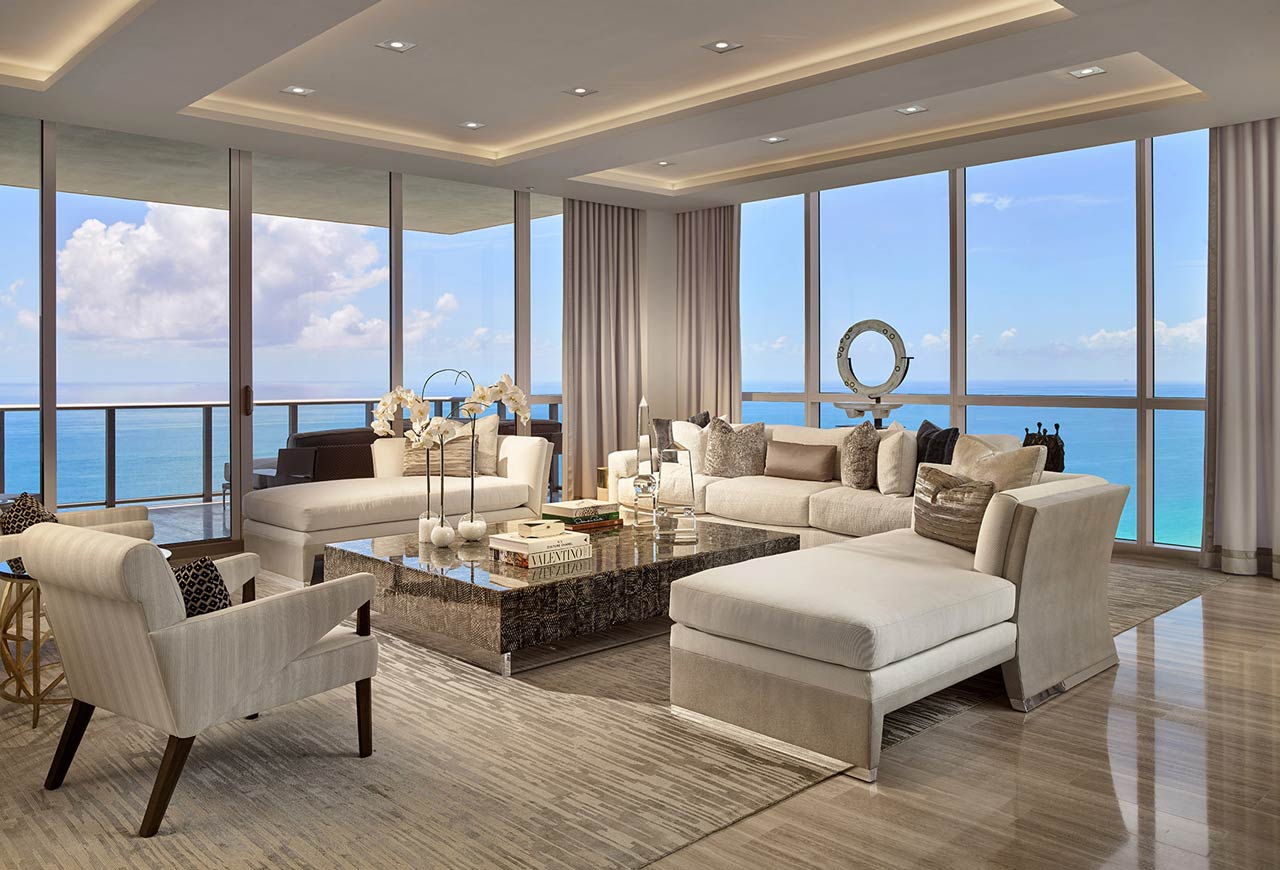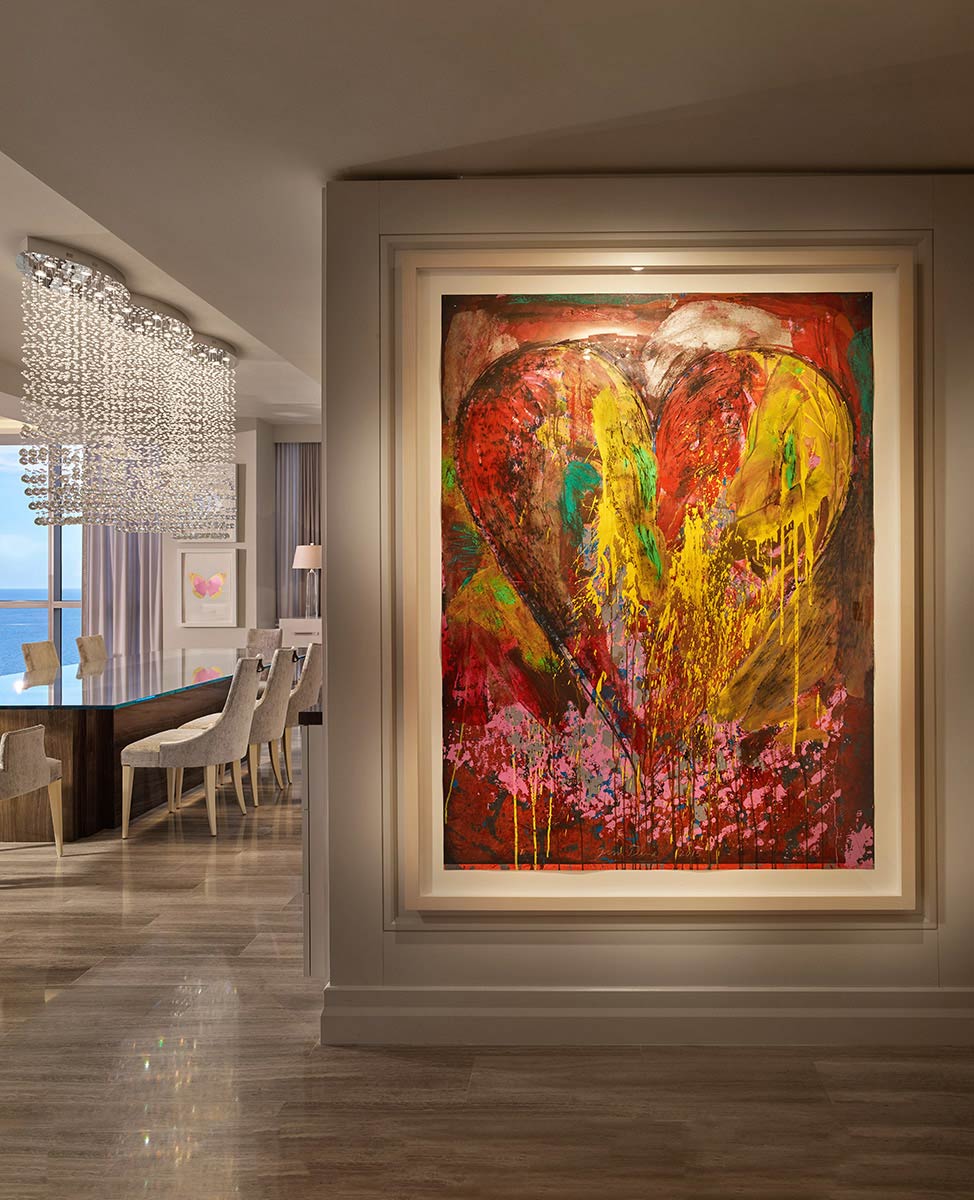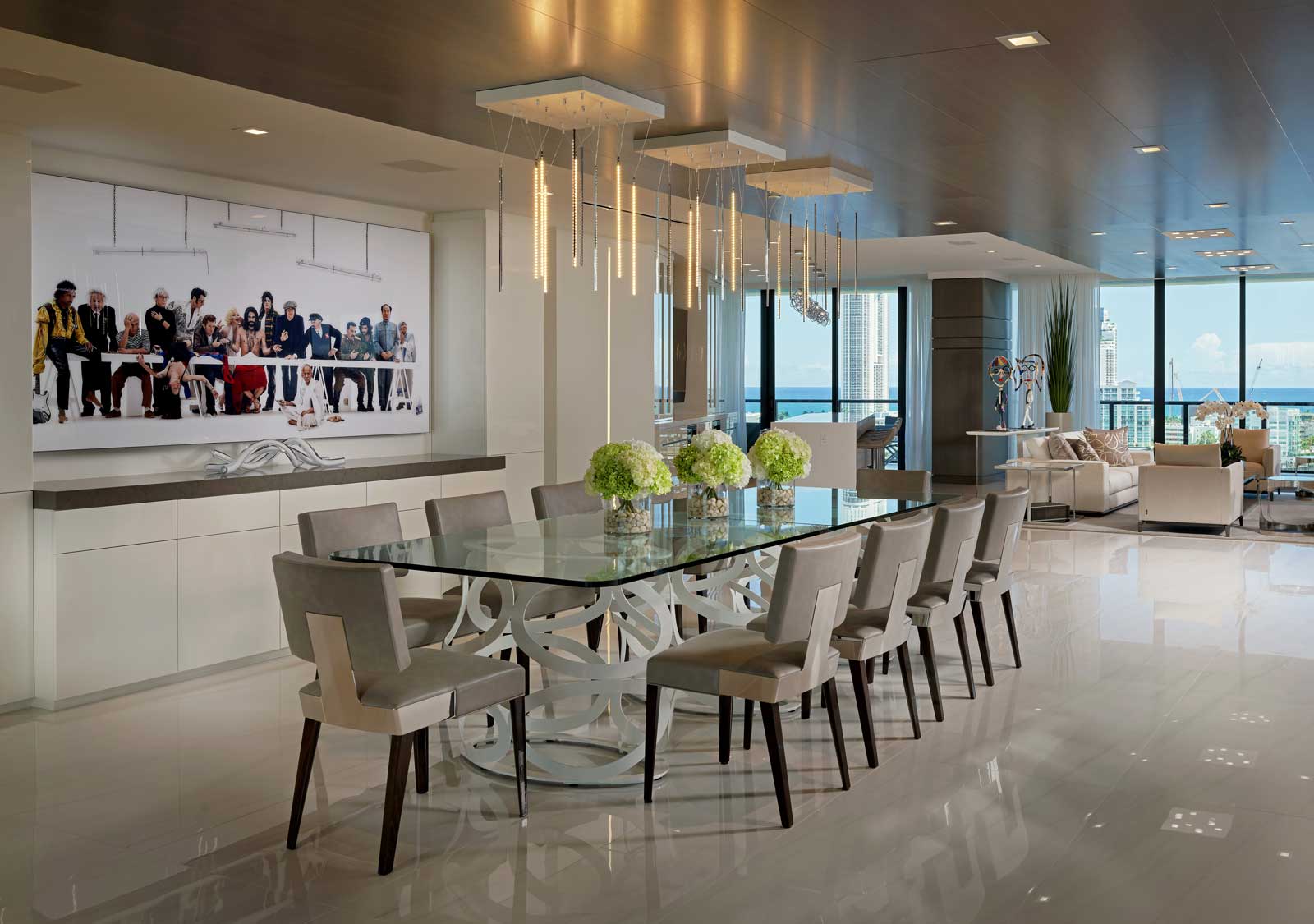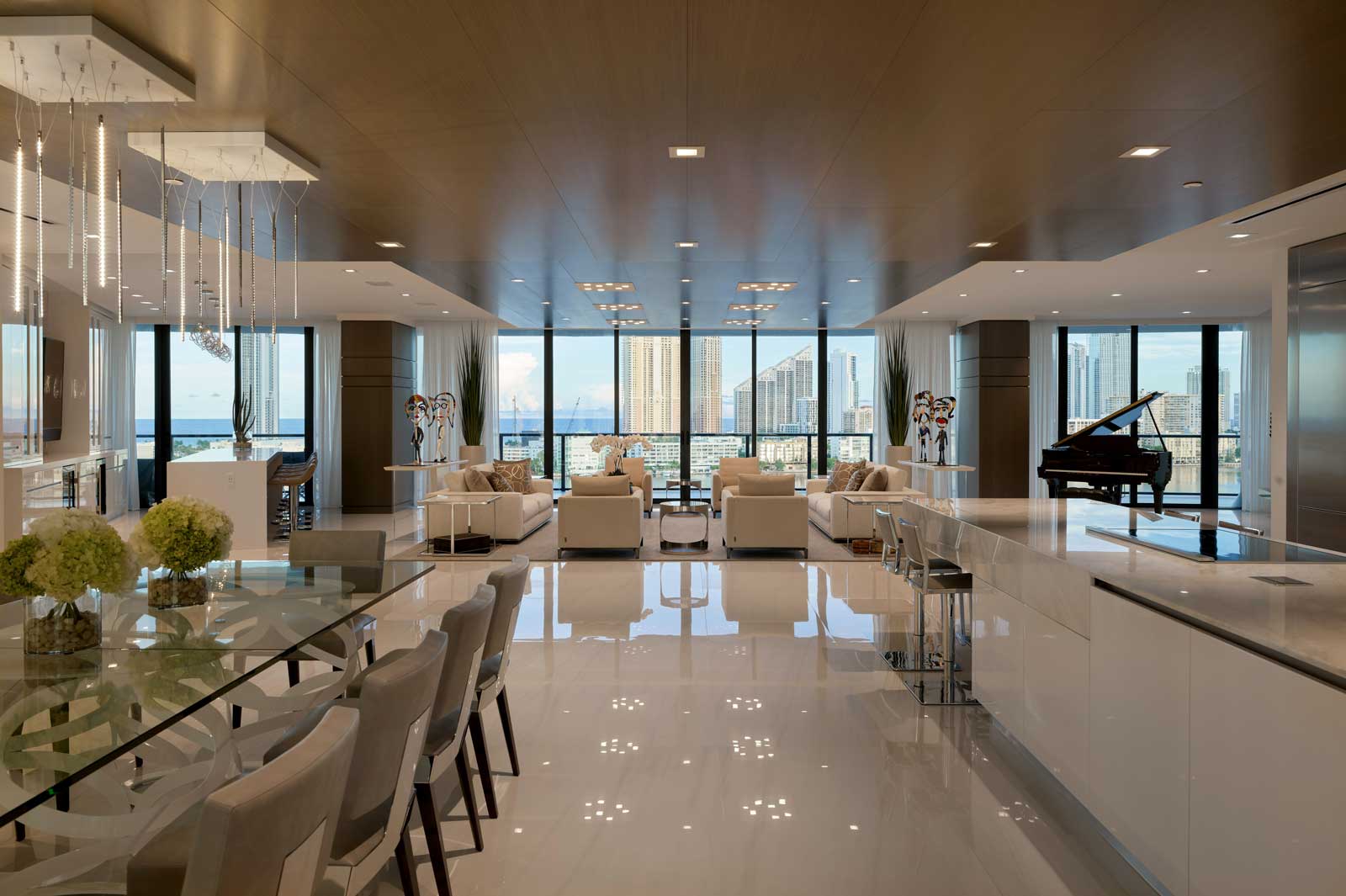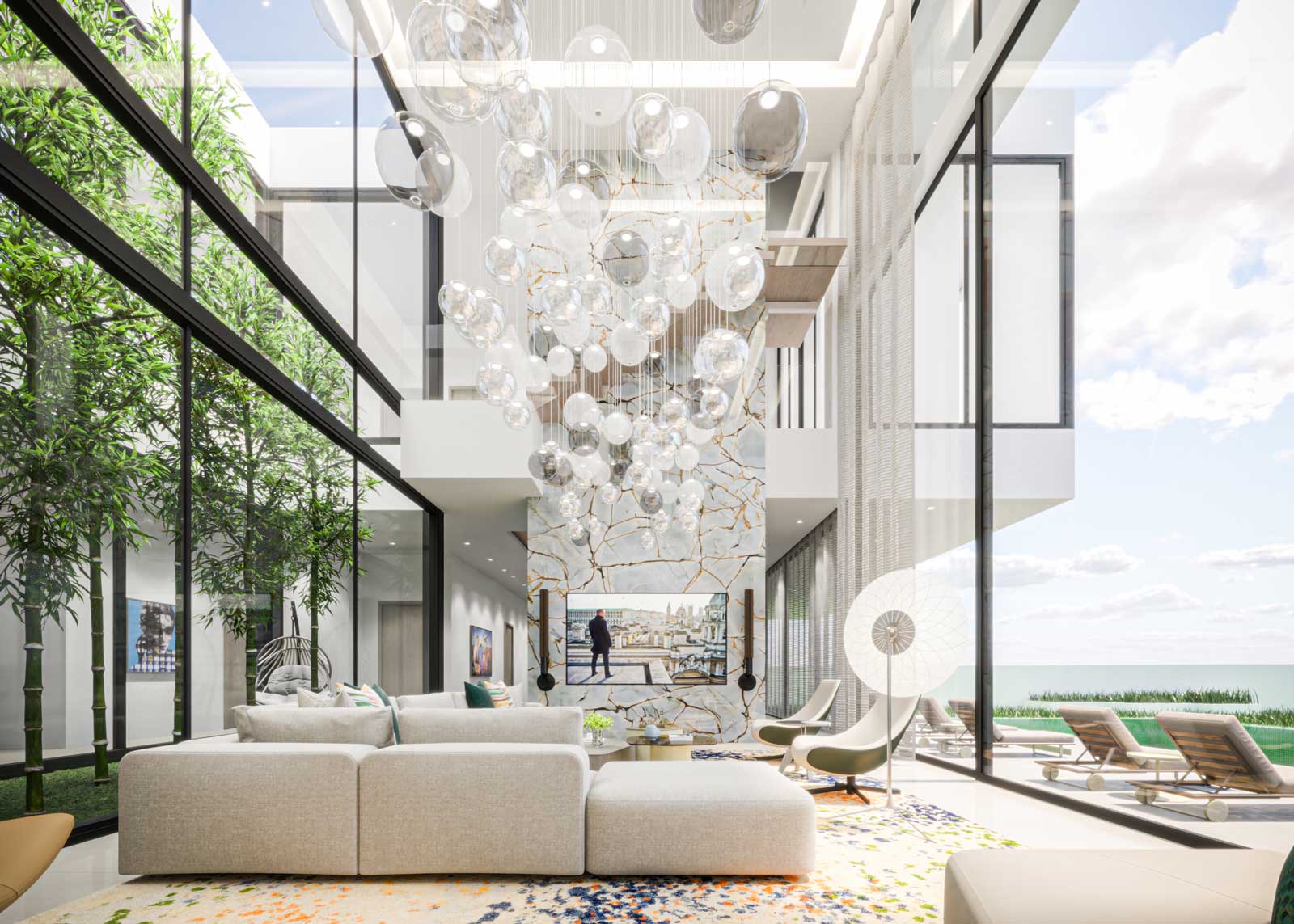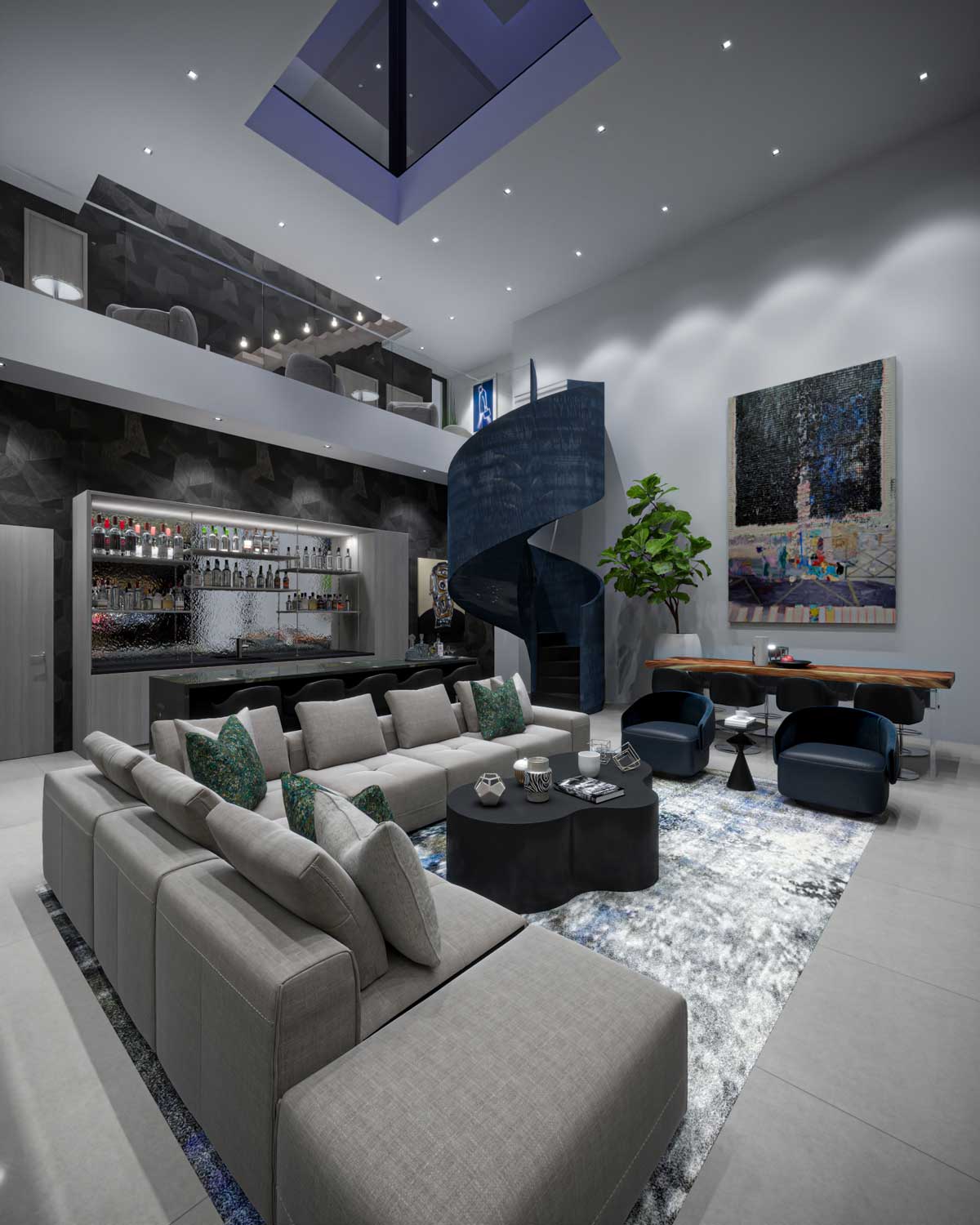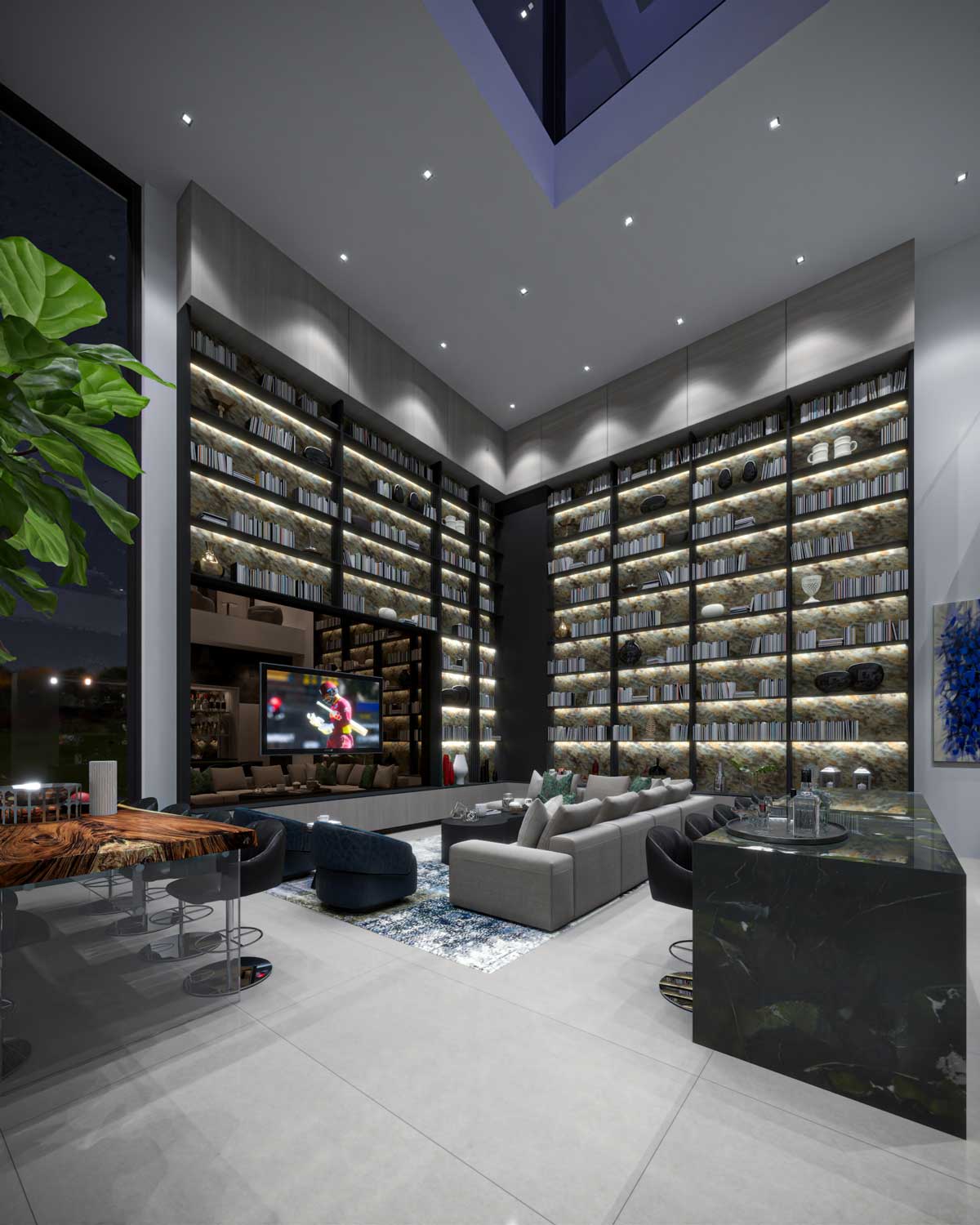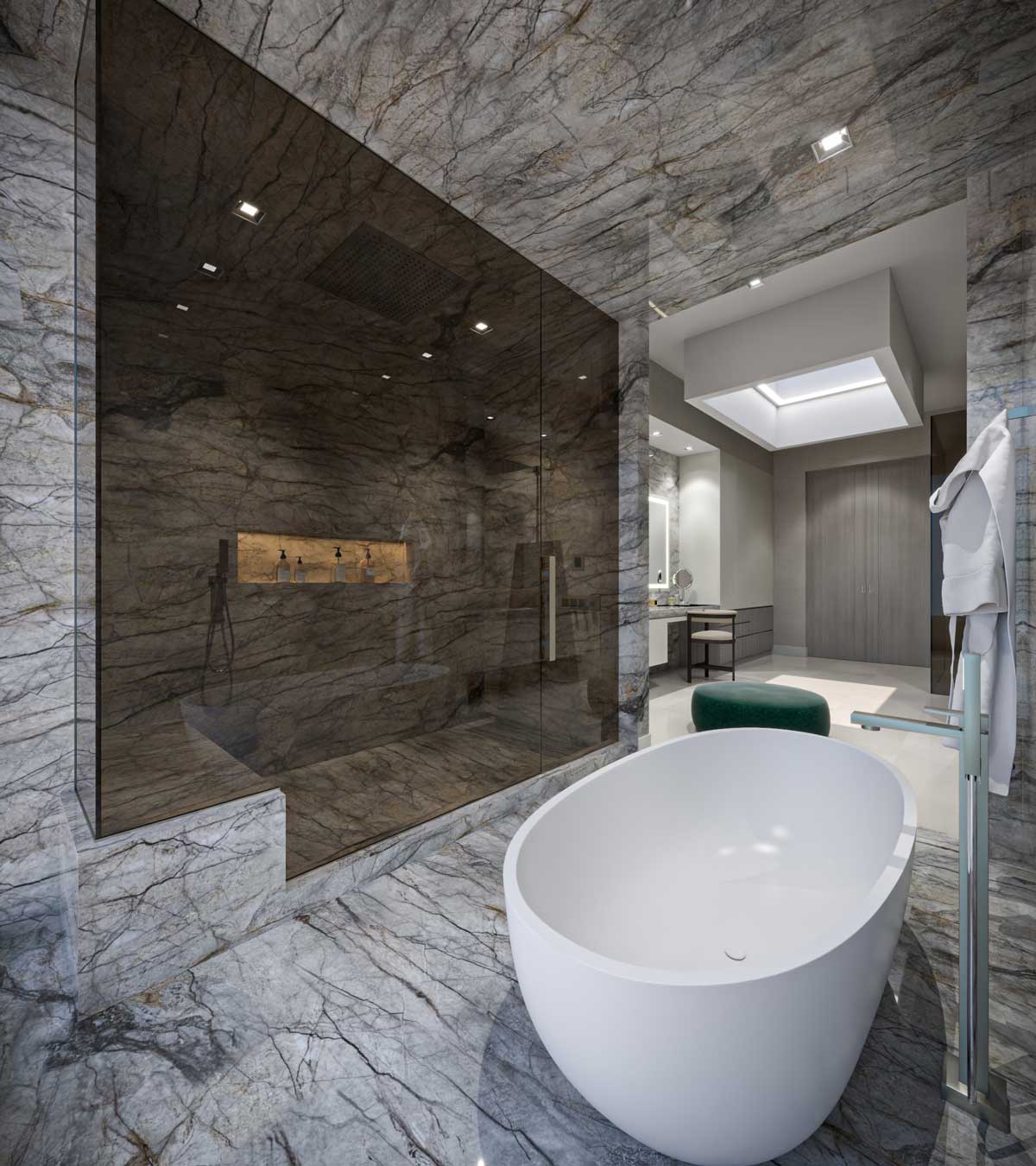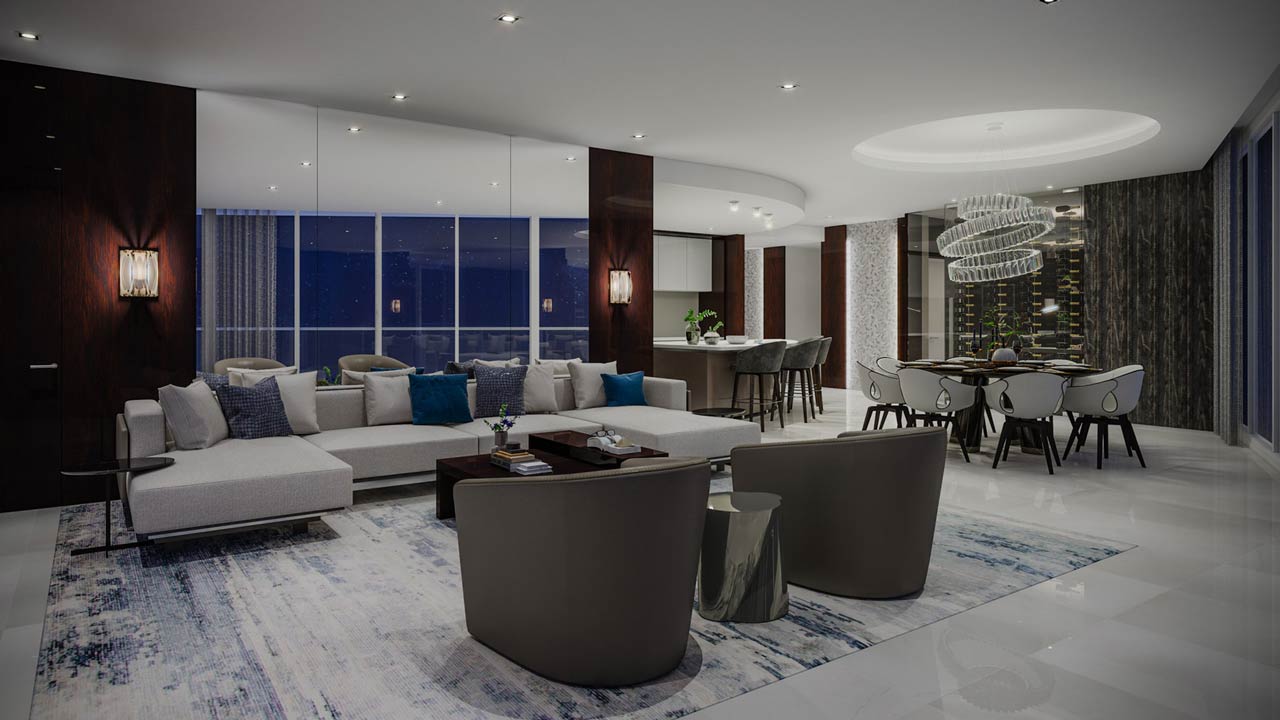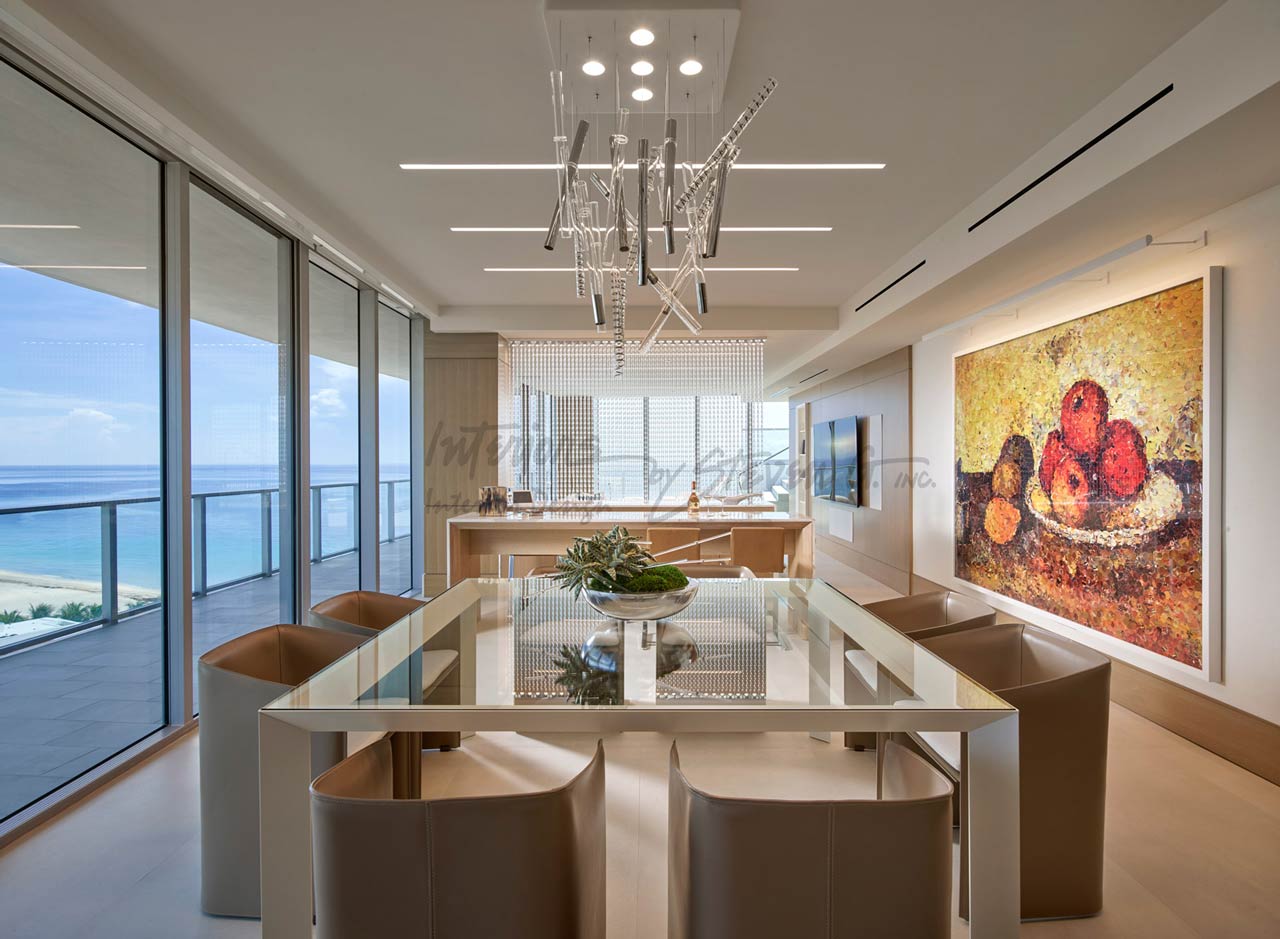




The restaurant industry thrives on creating memorable experiences that extend far beyond the food served. While exceptional cuisine remains paramount, the physical environment plays an equally crucial role in determining a restaurant’s success. Today’s diners seek establishments that offer not just great meals, but immersive experiences that engage all their senses. This demand has elevated restaurant design from a secondary consideration to a primary business strategy.
The Foundation of Strategic Restaurant Design
Modern restaurant design requires a delicate balance between aesthetic appeal and operational efficiency. Successful establishments understand that every design element must serve dual purposes: enhancing the guest experience while supporting staff productivity. This dual-purpose approach ensures that beautiful spaces don’t compromise functionality, and efficient layouts don’t sacrifice ambiance.
The most successful restaurant designs begin with understanding the target demographic and dining experience goals. Whether creating an intimate fine dining atmosphere or a bustling casual eatery, every design decision should align with the intended customer journey and brand identity.
Creating Memorable First Impressions
Entrance Design and Flow
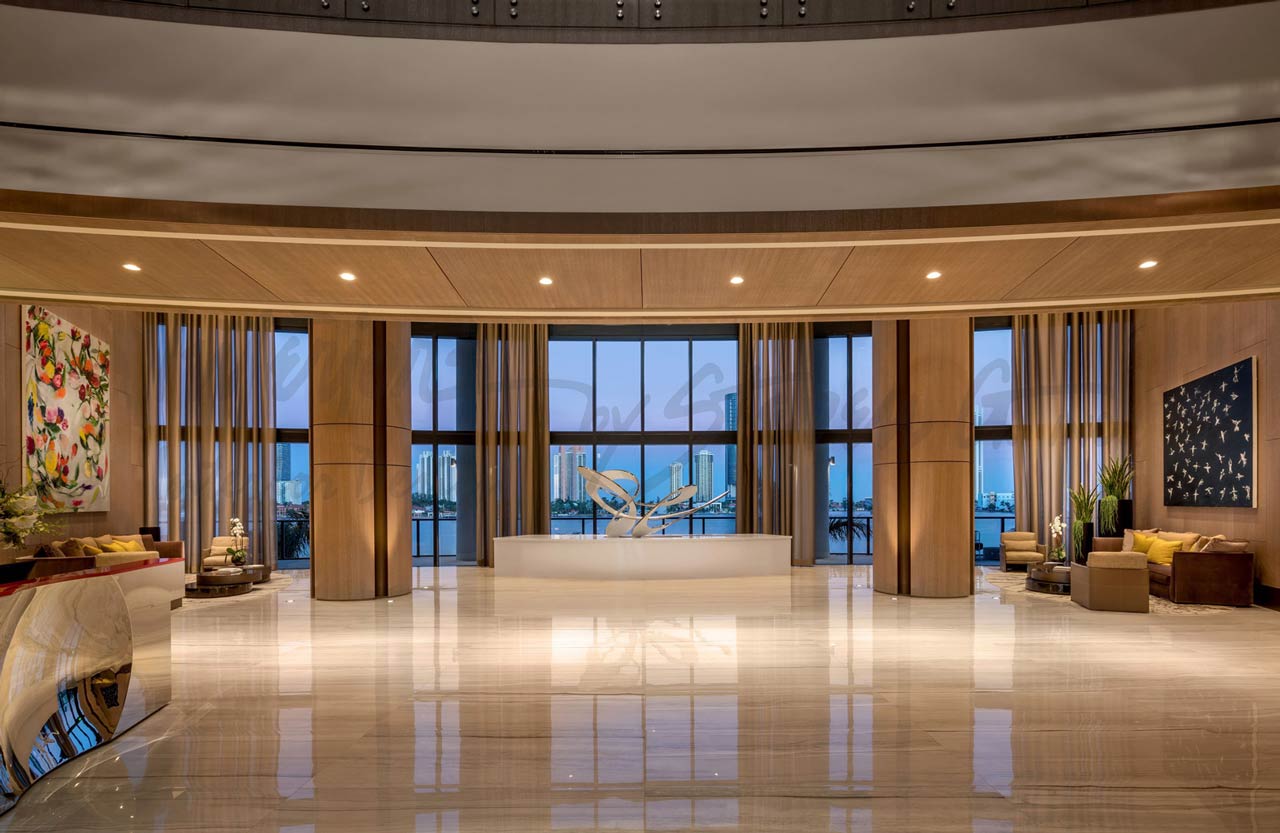
The entrance serves as the critical transition point between the outside world and the restaurant experience. Effective entrance design considers both practical needs and emotional impact. Clear sightlines into the dining space create anticipation, while thoughtful lighting and material choices establish the restaurant’s personality from the first step inside.
Reception areas must accommodate varying party sizes and wait times without creating congestion. Strategic placement of host stations, waiting areas, and display elements ensures smooth traffic flow while showcasing the restaurant’s character through carefully curated design details.
Lighting as an Atmospheric Tool
Lighting design significantly influences dining behavior and comfort levels. Layered lighting schemes that combine ambient, task, and accent lighting create depth and visual interest while serving practical purposes. Dimmable systems allow for atmospheric adjustments throughout different service periods, transforming spaces from bright and energetic during lunch to warm and intimate for dinner service.
Natural light integration, where possible, connects diners to the outside environment and reduces energy costs. However, controlling natural light through strategic window treatments ensures consistent ambiance regardless of weather or time of day.
Optimizing Layout for Service Excellence
Kitchen and Service Area Efficiency
Back-of-house design directly impacts food quality, service speed, and staff satisfaction. Efficient kitchen layouts follow established workflow principles, minimizing unnecessary movement while ensuring food safety compliance. Strategic placement of prep areas, cooking stations, and service windows creates seamless communication between kitchen and front-of-house staff.
Service stations strategically positioned throughout dining areas reduce server travel time and improve response to guest needs. These areas must blend seamlessly with the overall design while providing easy access to necessary supplies and equipment.
Dining Room Configuration
Table placement requires careful consideration of guest privacy, service accessibility, and overall capacity optimization. Varied seating options accommodate different party sizes and preferences, from intimate two-tops to communal tables that encourage social interaction. Traffic patterns between tables must allow comfortable movement for both guests and staff without compromising the dining experience.
Acoustic planning prevents sound-related issues that can detract from conversation and overall comfort. Strategic use of sound-absorbing materials, ceiling treatments, and spatial design minimizes noise while maintaining the desired energy level.
Material Selection and Durability Considerations
High-Performance Surfaces
Restaurant environments demand materials that withstand constant use while maintaining their appearance. Flooring selections must balance aesthetic appeal with slip resistance, easy maintenance, and durability. Similarly, wall treatments need to resist stains, moisture, and frequent cleaning while contributing to the overall design vision.
Counter and table surfaces face particularly demanding conditions, requiring materials that resist heat, scratches, and chemical damage from cleaning products. Investment in quality materials reduces long-term maintenance costs and ensures a consistent appearance over time.
Sustainable Design Practices
Environmentally conscious material choices appeal to increasingly eco-aware consumers while often providing superior performance and longevity. Sustainable materials, energy-efficient systems, and waste reduction strategies demonstrate corporate responsibility while potentially reducing operational costs.
Local sourcing of materials and furnishings can reduce environmental impact while supporting community businesses and creating unique design elements that reflect regional character.
Technology Integration in Modern Restaurant Design
Smart Systems and Automation
Contemporary restaurant design seamlessly integrates technology to enhance both guest experience and operational efficiency. Digital ordering systems, automated climate control, and smart lighting systems provide convenience while reducing labor costs. However, technology integration must feel natural rather than intrusive, maintaining the human connection essential to hospitality.
Point-of-sale systems, kitchen display screens, and communication devices require thoughtful placement that supports workflow without disrupting design aesthetics. Cable management and equipment housing must be planned during initial design phases to avoid unsightly retrofitting.
Future-Proofing Design Investments
Rapid technological advancement necessitates flexible design approaches that can adapt to future innovations. Infrastructure planning should accommodate potential upgrades without requiring major renovations. This forward-thinking approach protects design investments while ensuring establishments can embrace beneficial technological developments.
Professional Interior Design Services: The Strategic Advantage
Comprehensive Design Expertise
Professional interior design services bring specialized knowledge that encompasses both creative vision and technical expertise. Experienced designers understand complex building codes, accessibility requirements, and health department regulations that significantly impact restaurant operations. This expertise prevents costly mistakes and ensures compliance with all applicable standards.
Design professionals also bring valuable vendor relationships and project management skills that streamline the design and construction process. Their industry connections often provide access to specialized products and competitive pricing unavailable to individual restaurant owners.
Customized Solutions for Unique Challenges
Every restaurant presents unique design challenges based on location, concept, budget, and operational requirements. Professional designers excel at creating customized solutions that maximize potential while working within constraints. Their experience with similar projects provides valuable insights into what works effectively in real-world restaurant environments.
Design professionals also provide objective perspectives that help restaurant owners make informed decisions about space allocation, material selection, and feature prioritization. This guidance proves invaluable when balancing aesthetic desires with practical necessities and budget limitations.
Return on Design Investment
Strategic restaurant design represents a significant investment that pays dividends through increased customer attraction, improved operational efficiency, and enhanced staff satisfaction. Well-designed spaces command higher check averages, encourage longer stays, and generate positive word-of-mouth marketing that drives repeat business.
Efficient layouts reduce labor costs through improved workflow, while durable material selections minimize maintenance expenses. Energy-efficient systems and smart technology integration provide ongoing operational savings that accumulate over time.
Designing for Long-Term Success
Successful restaurant design requires balancing multiple competing priorities while maintaining a clear vision of the intended dining experience. The most effective approaches combine aesthetic excellence with operational efficiency, creating spaces that delight guests while supporting staff productivity and business profitability.
Professional interior design services provide the expertise, resources, and objective perspective necessary to navigate complex design challenges successfully. Investment in quality design pays long-term dividends through improved customer satisfaction, operational efficiency, and competitive advantage in an increasingly crowded marketplace.
The restaurants that thrive in today’s competitive landscape understand that exceptional design is not a luxury but a necessity. By creating environments that seamlessly blend style and function, these establishments set themselves apart and build lasting relationships with their communities.
Contact our team of restaurant design specialists today to schedule a consultation and discover how strategic design solutions can elevate your dining establishment. Let us help you create a space that delights guests, supports your staff, and drives lasting business success.