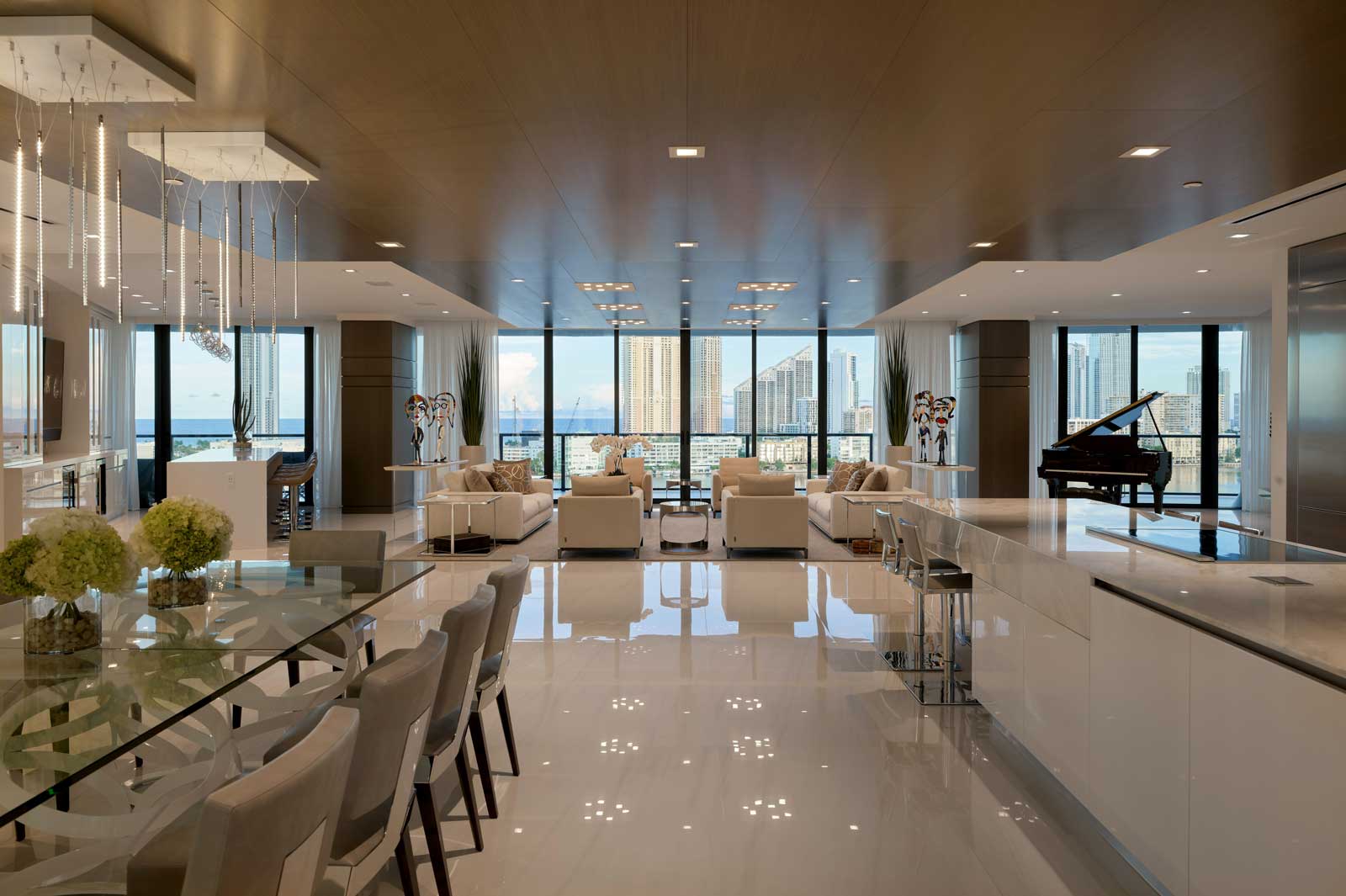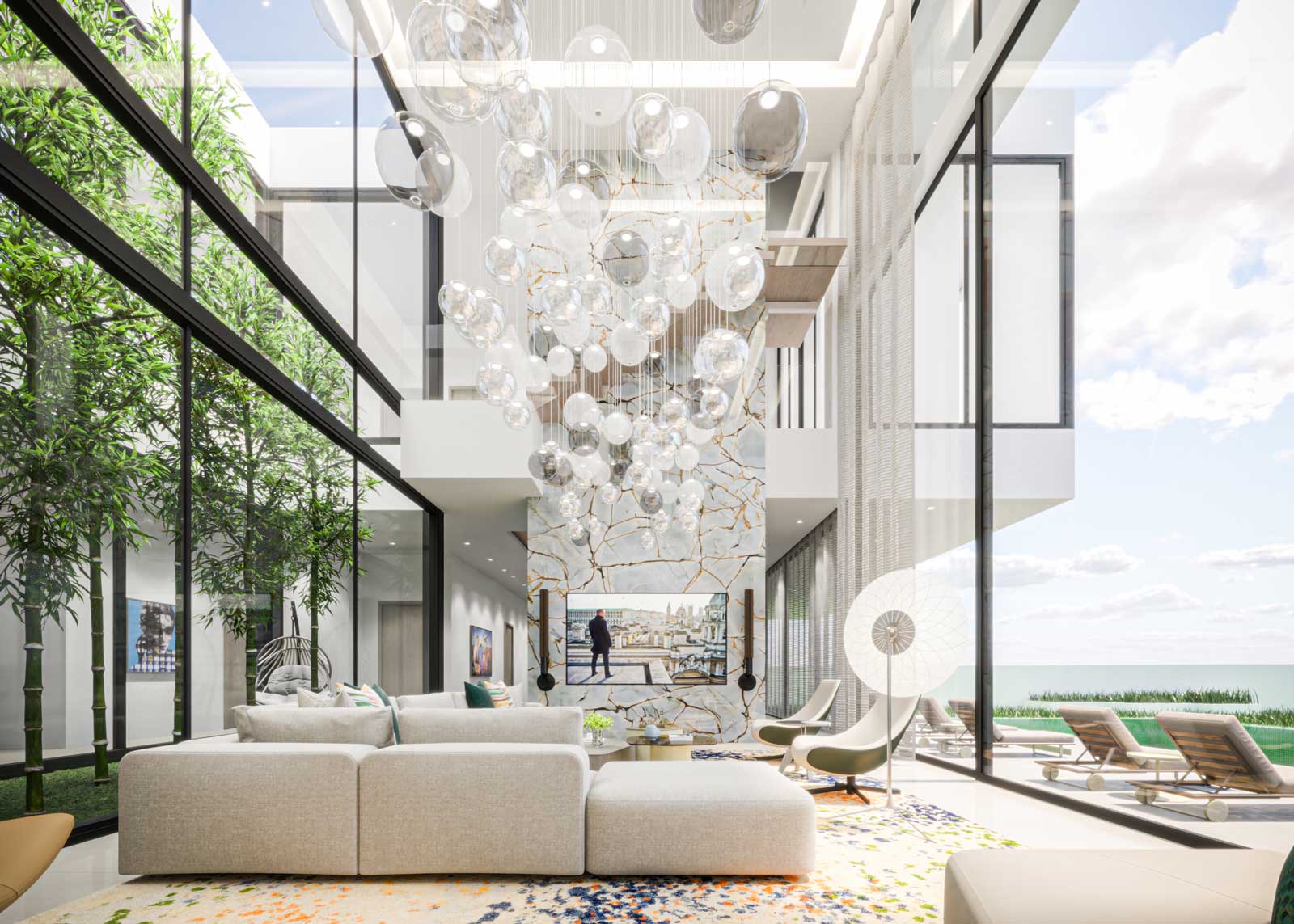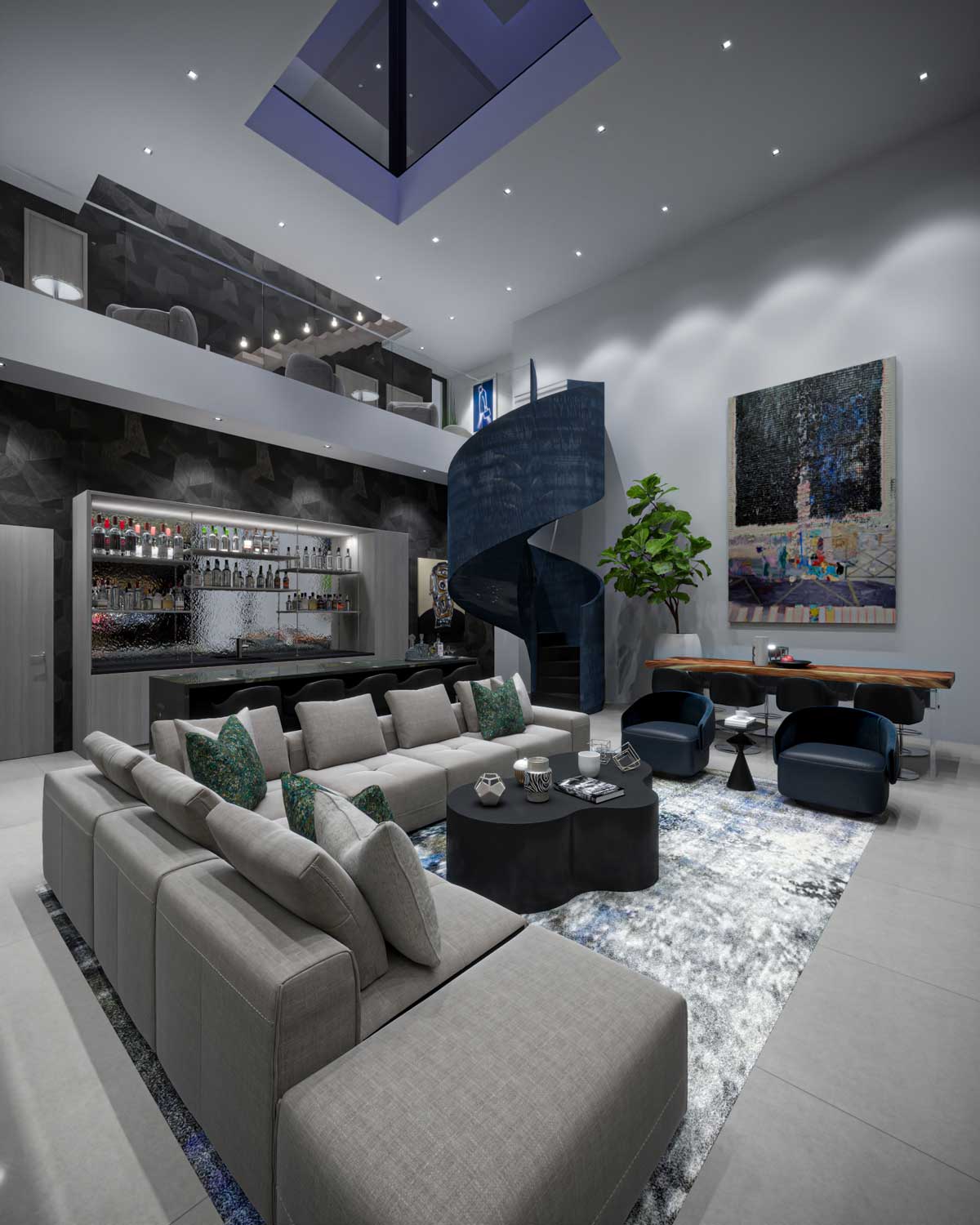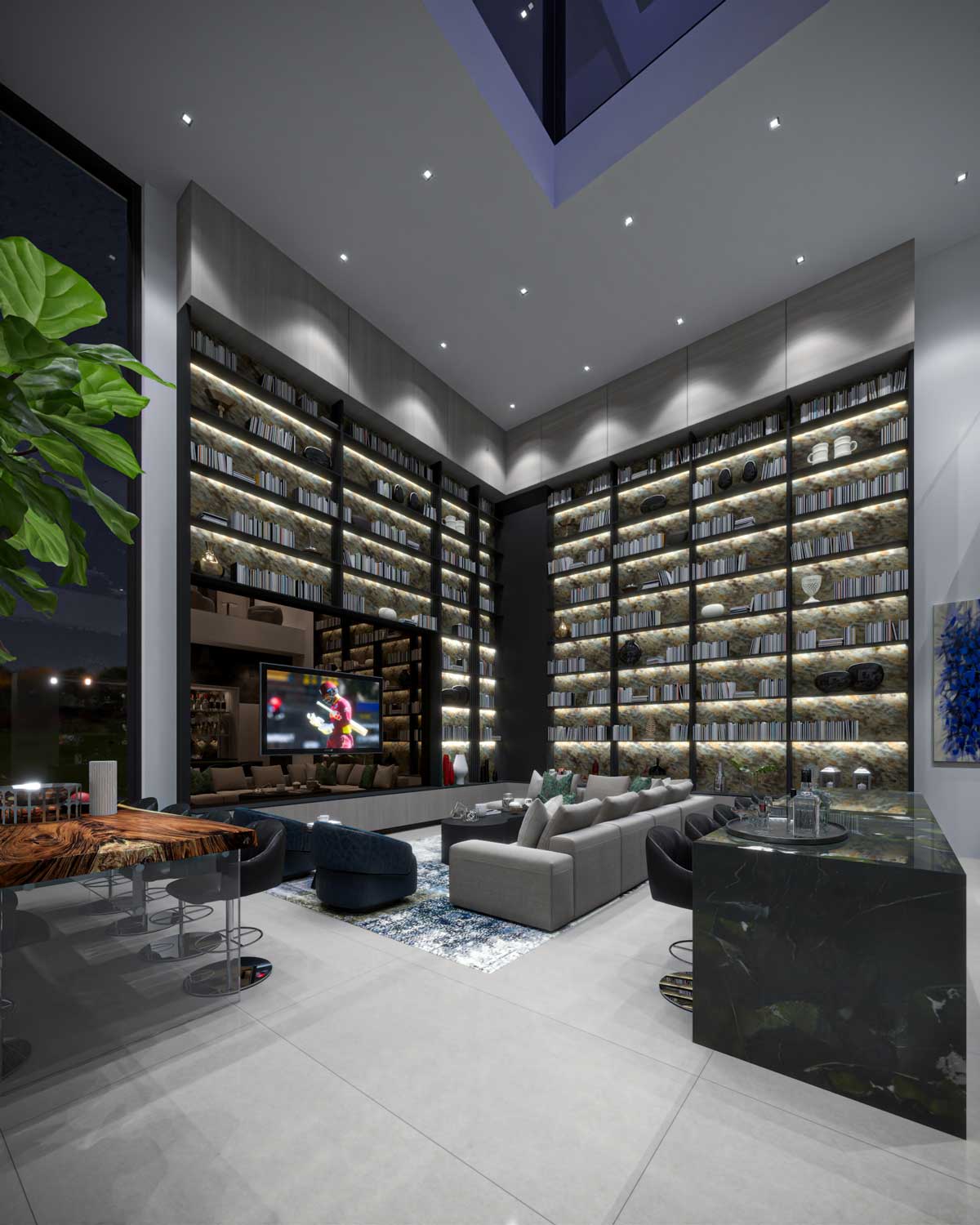




Have you ever wondered why some businesses feel instantly inviting while others leave visitors unsure where to look? The secret often isn’t just in the products or services offered—it’s in the space itself. A thoughtfully designed interior can guide customers, create memorable experiences, and even influence purchasing decisions without them realizing it. But what makes a commercial space truly engaging, and how can design turn a simple storefront or office into a place people want to return to? Keep reading to discover how professional interior design transforms ordinary spaces into environments that attract customers, reflect brand identity, and encourage engagement. By the end, it will be clear how the right design can become one of the most powerful tools for business success.
Reflecting Brand Identity Through Design
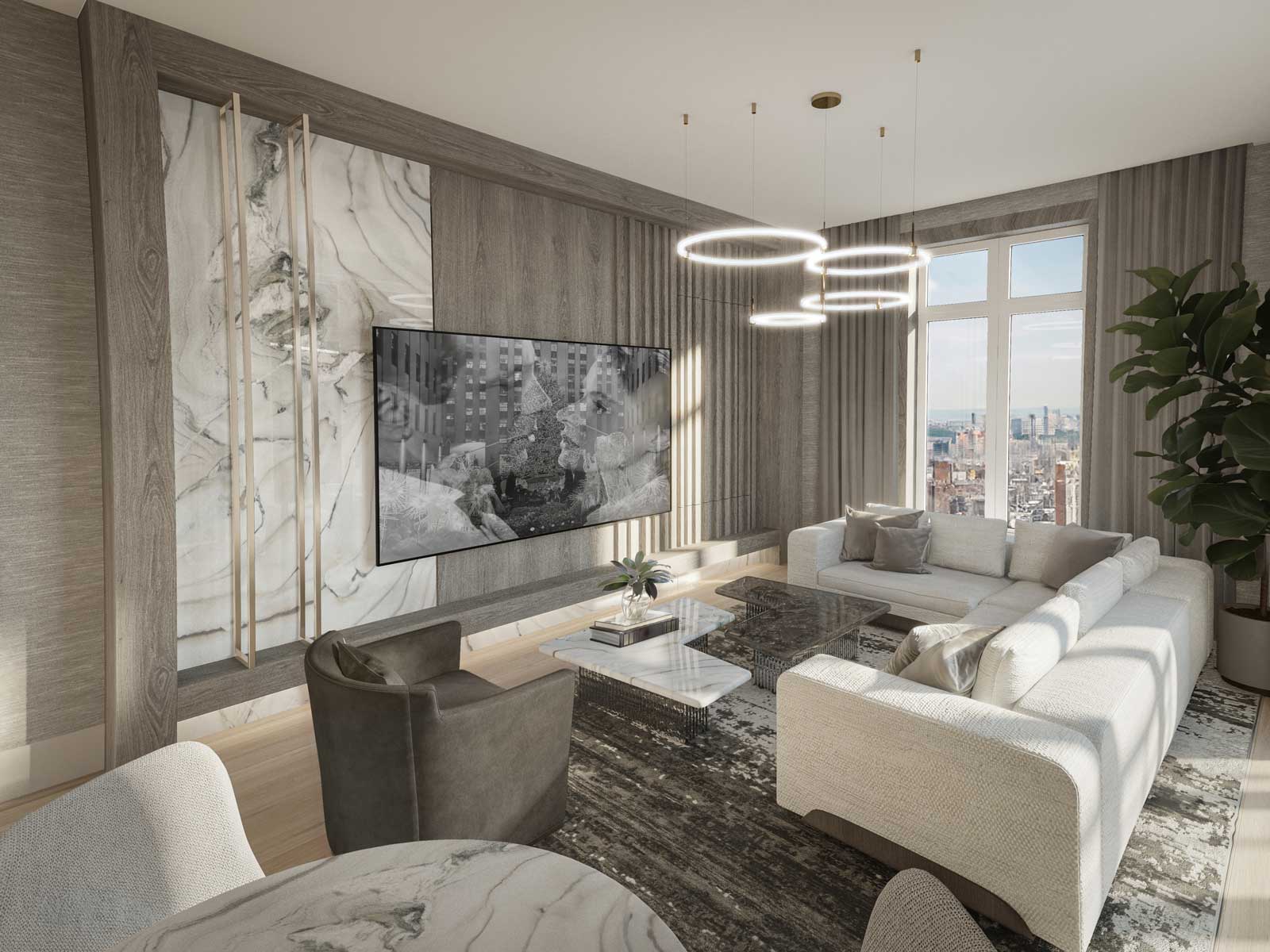
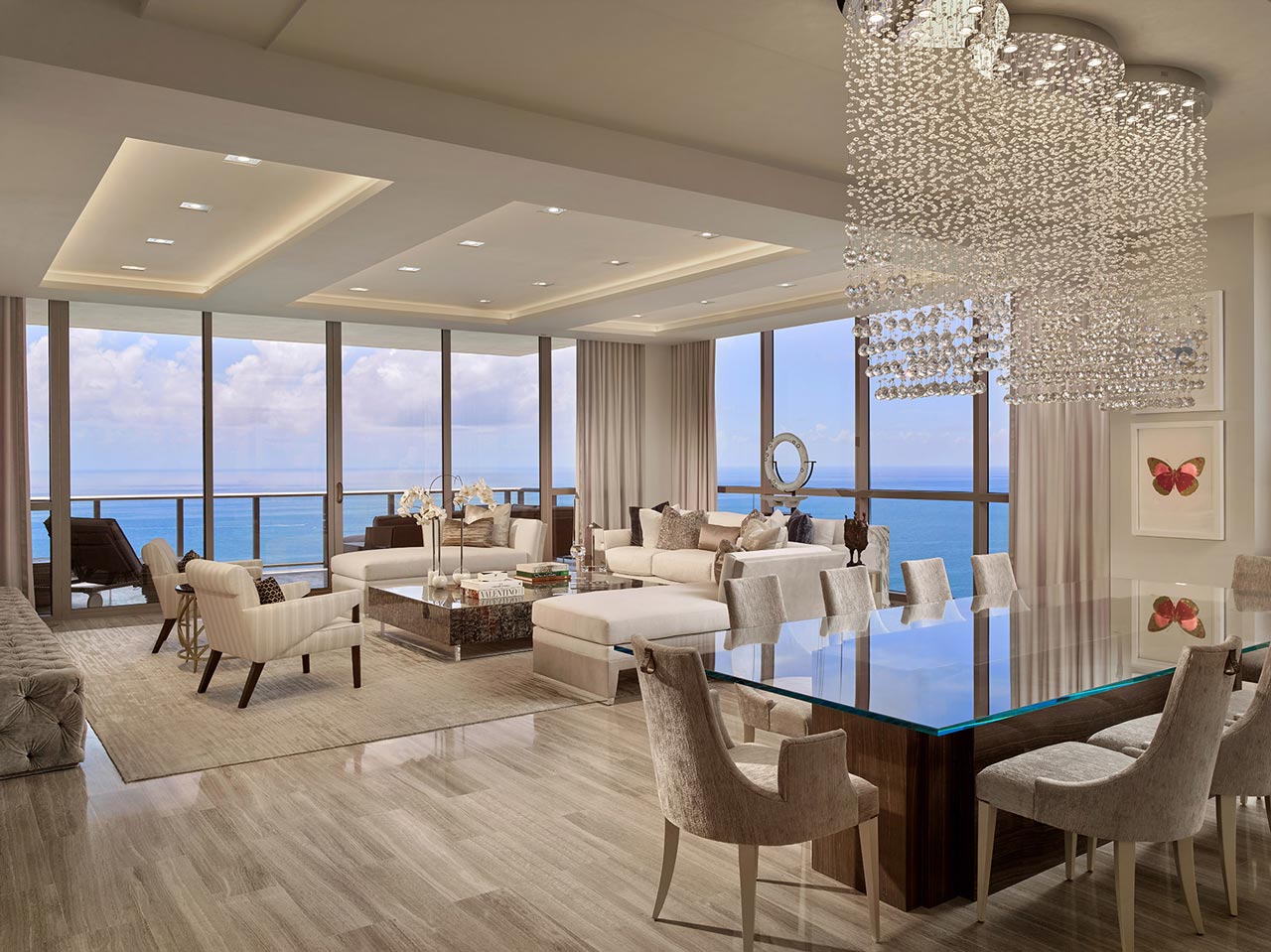
Every commercial space communicates something about the business before a customer even speaks to staff. Professional designers ensure that colors, materials, textures, and finishes align with the brand’s personality. For instance, a high-end boutique might use muted tones, clean lines, and premium materials to convey sophistication, while a family-focused café could feature warm colors, comfortable seating, and playful decorations.
Layout, furniture style, and even lighting choices reinforce this brand identity. Consistency across all visual and spatial elements builds trust and recognition, making customers feel confident in their choice to engage with the business. Thoughtful brand-driven design also differentiates a company in competitive markets. When a space authentically reflects its brand, it becomes a memorable experience rather than just a location.
Planning Functional and Engaging Layouts
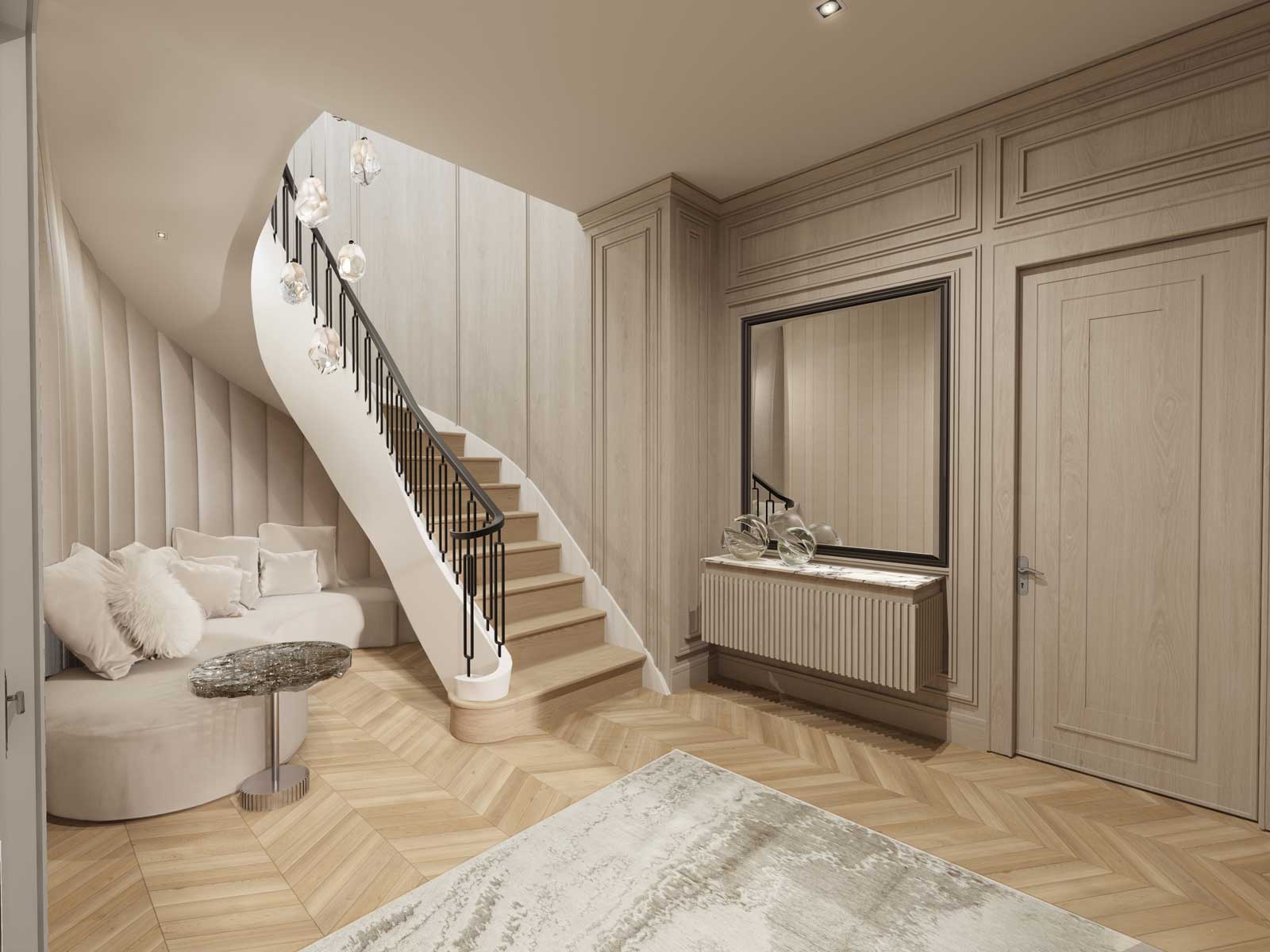
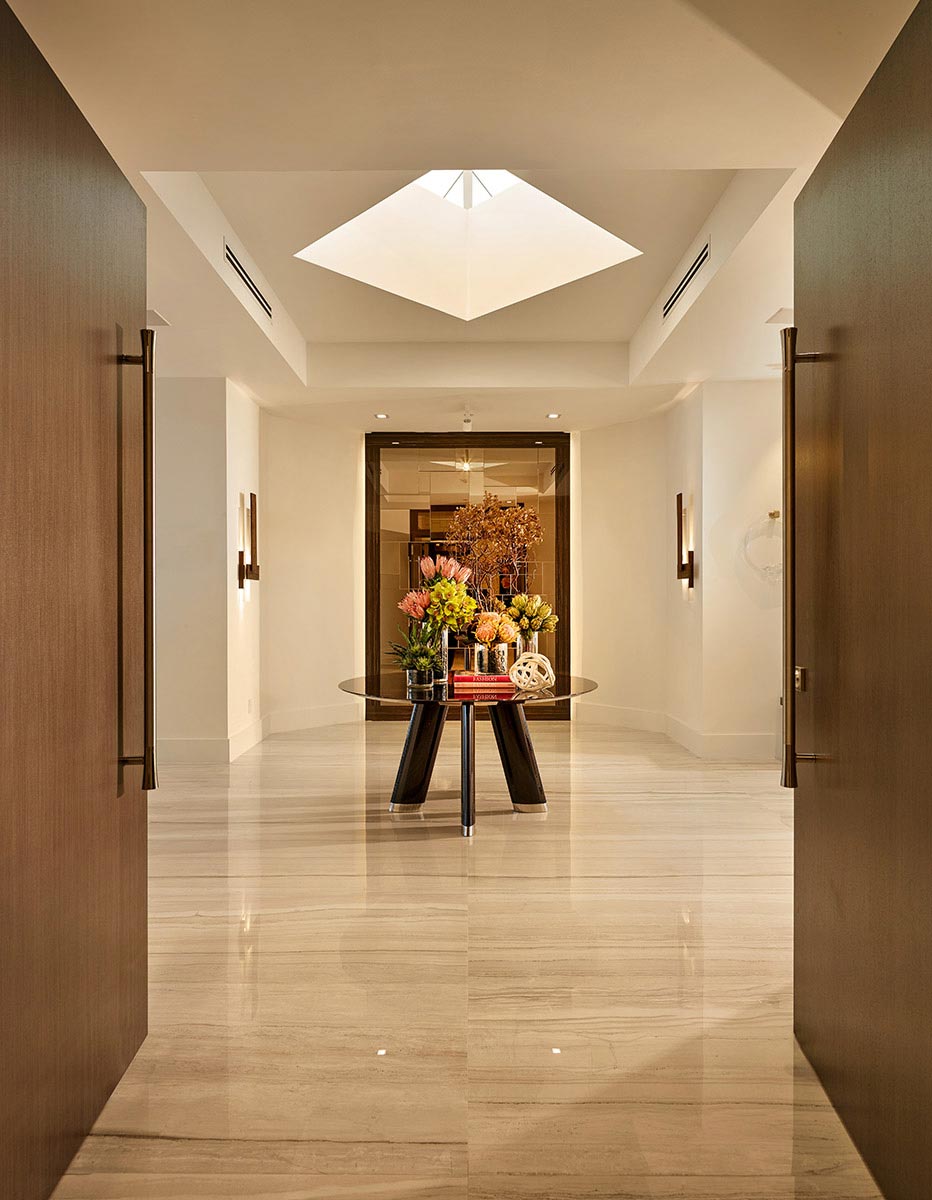
Beyond shaping brand identity, a functional layout serves a purpose far greater than mere convenience—it is a strategic tool for guiding customer behavior. Open pathways, clear sightlines, and carefully positioned focal points naturally encourage visitors to explore the space and discover products they might otherwise overlook. For instance, placing popular or high-margin items at eye level along natural traffic routes not only increases visibility but also boosts sales potential.
A commercial interior designer also takes staff workflows into account, reducing bottlenecks and improving operational efficiency behind the scenes. Furniture, displays, and seating are thoughtfully arranged to strike the perfect balance between comfort and engagement, allowing customers to navigate intuitively and enjoyably. Subtle cues like lighting and signage help direct attention without overwhelming the senses, creating a seamless and inviting journey. Ultimately, a well-planned layout does more than organize a space—it enhances the overall experience, supporting both business objectives and visitor satisfaction.
Using Color and Lighting to Influence Mood
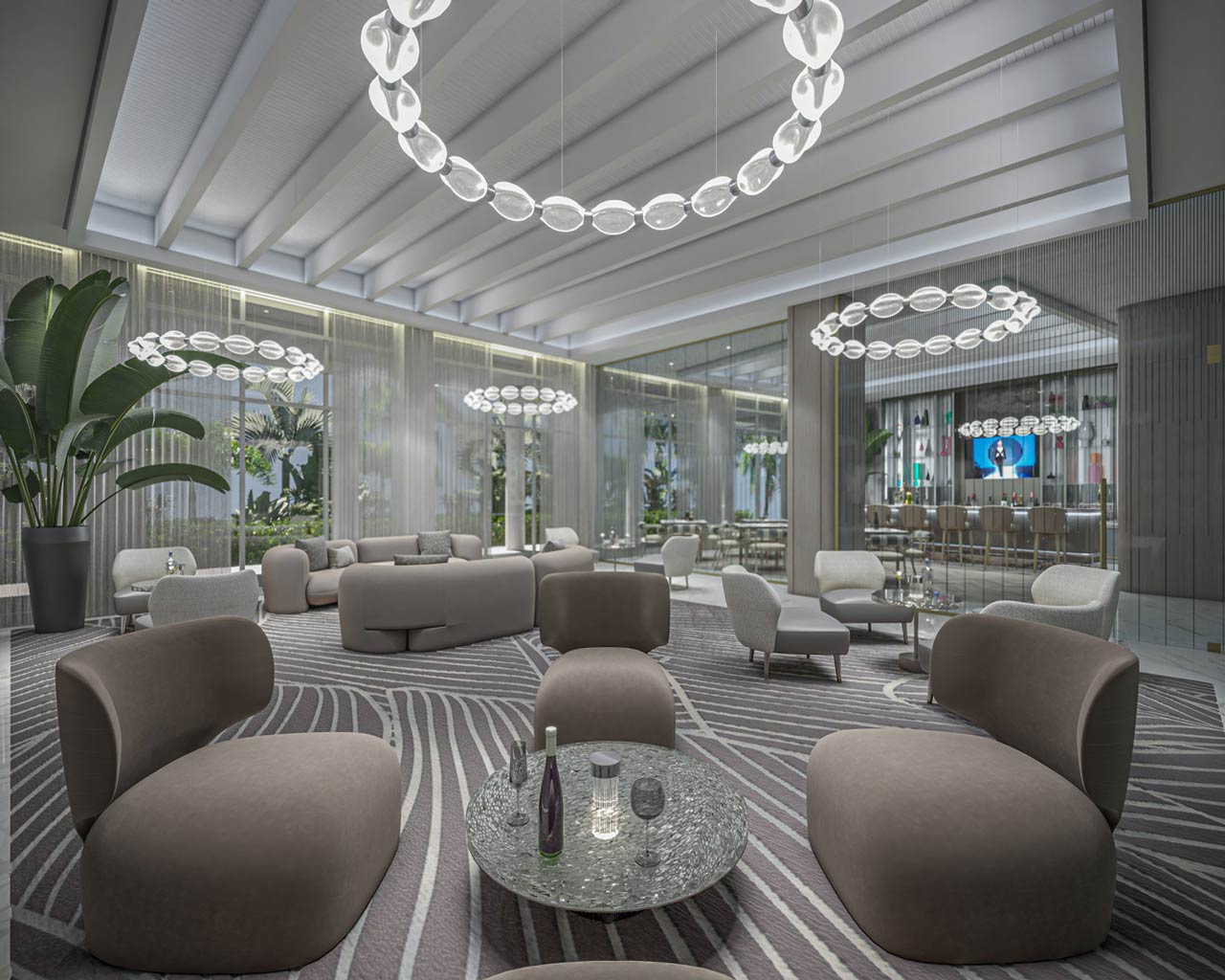
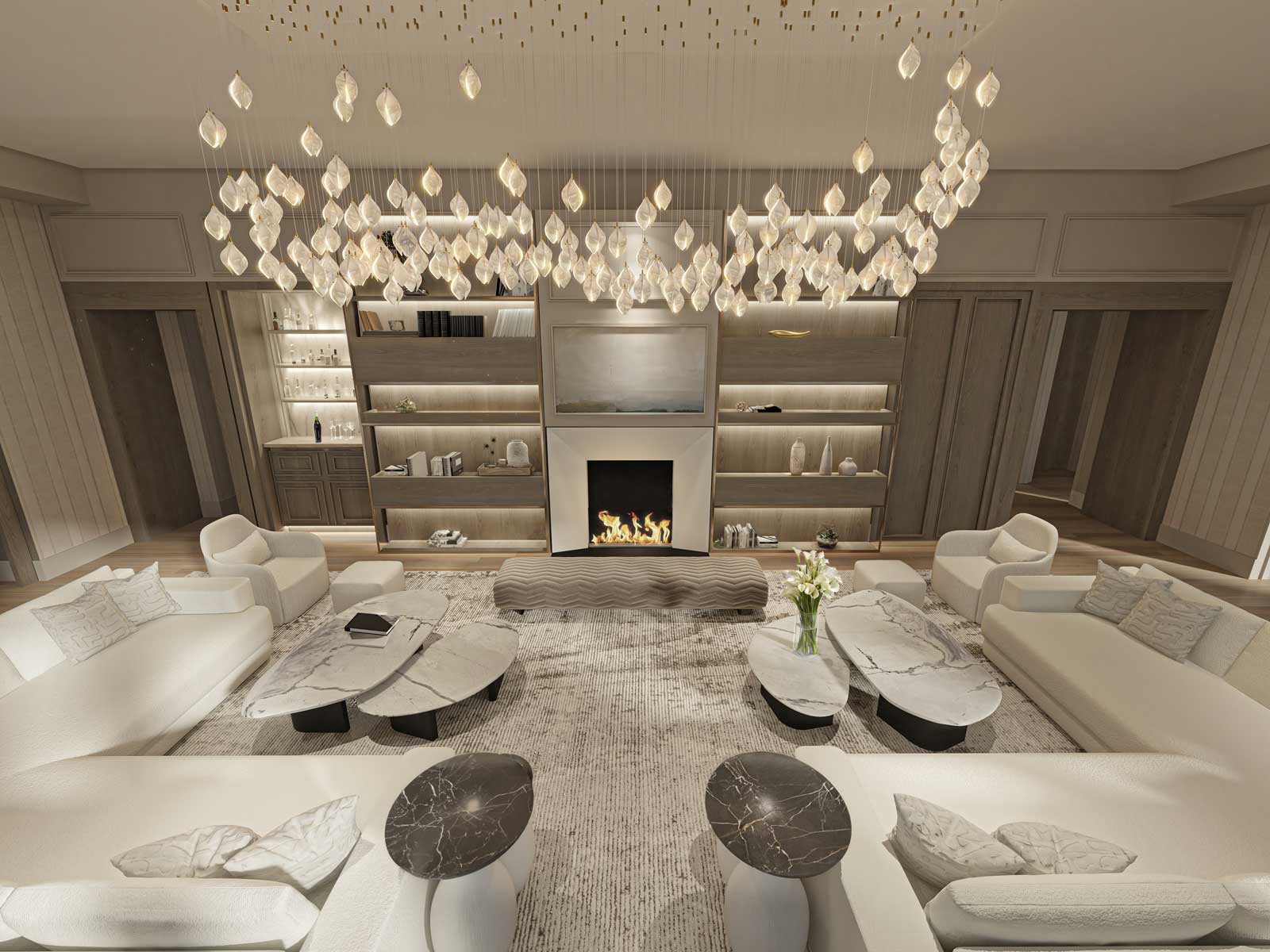
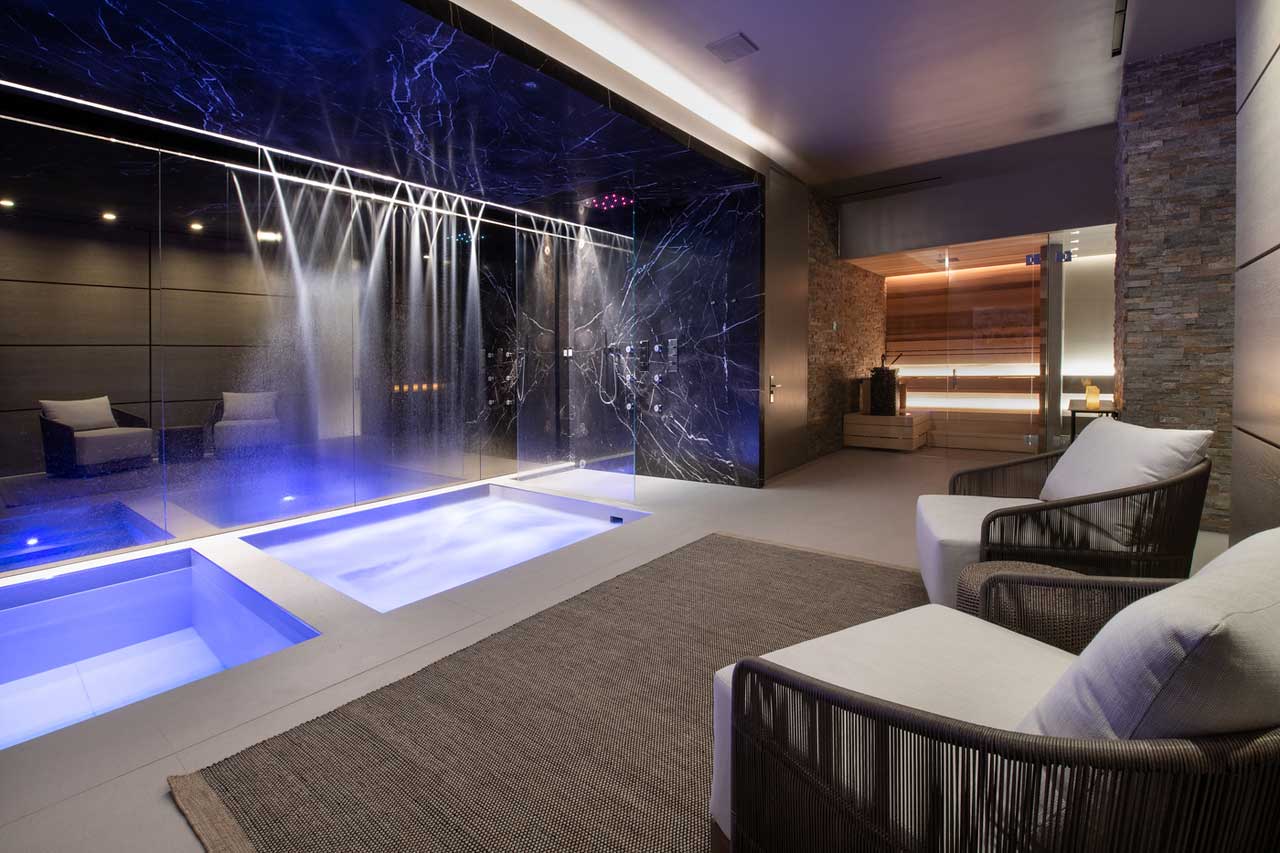
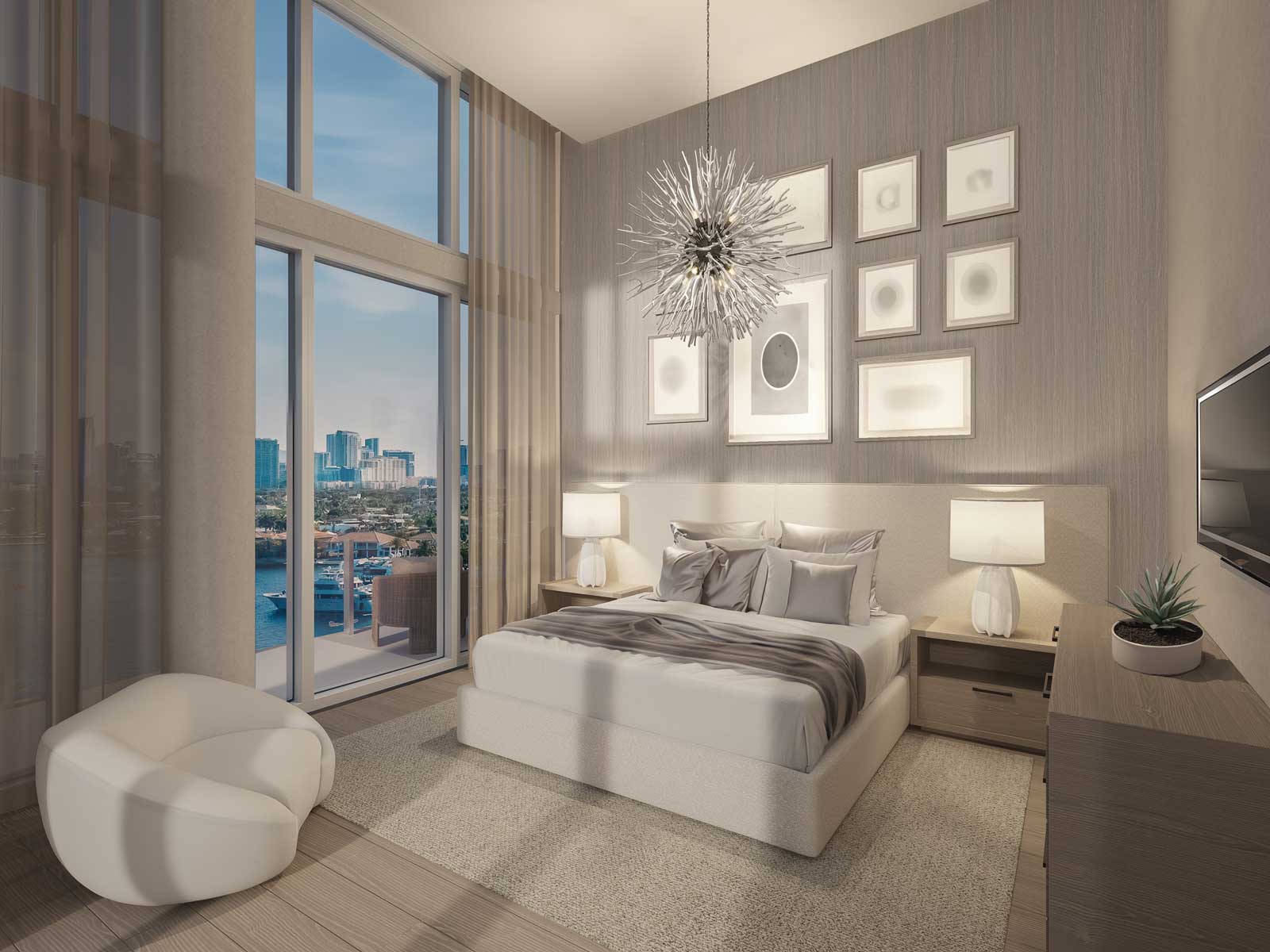
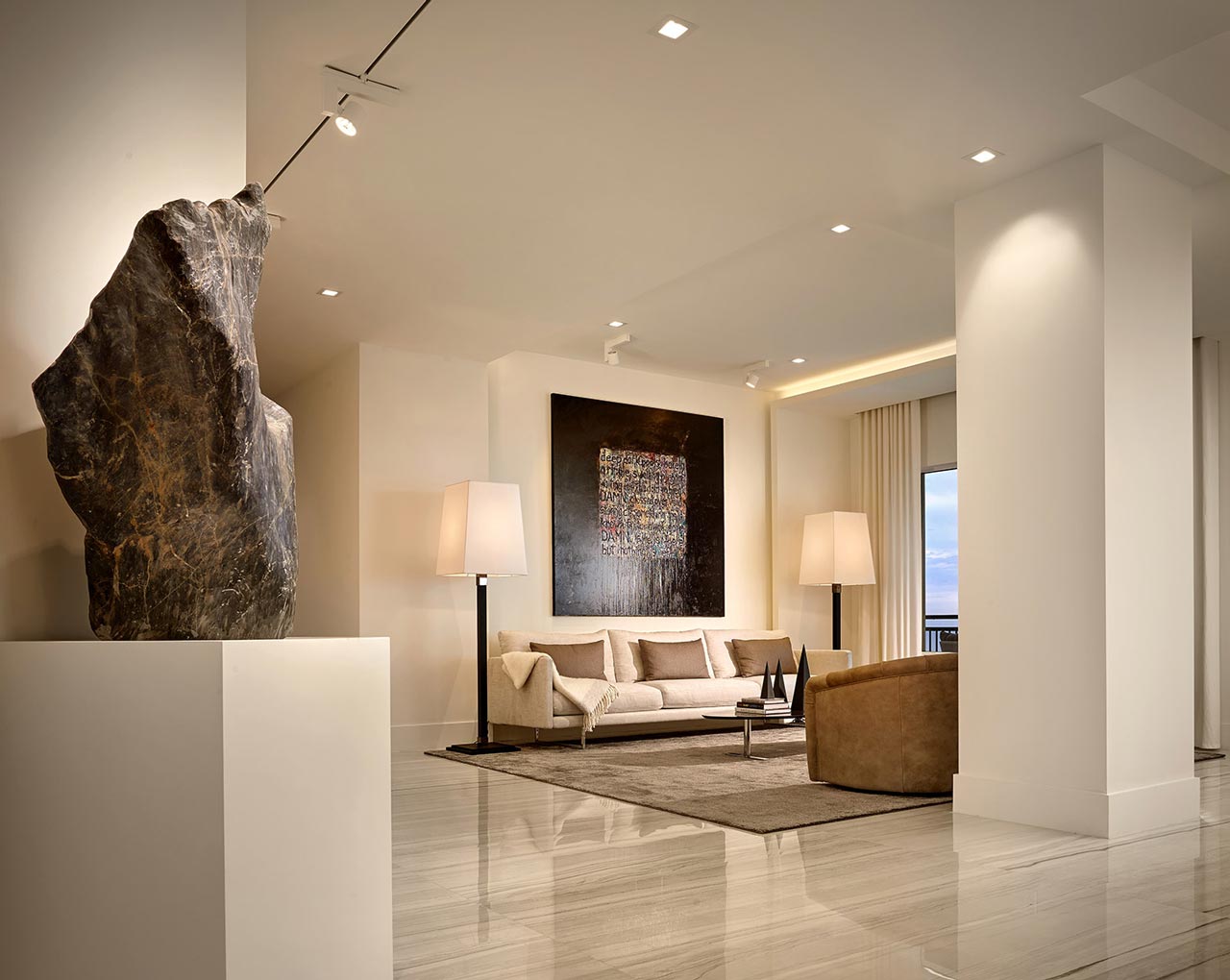
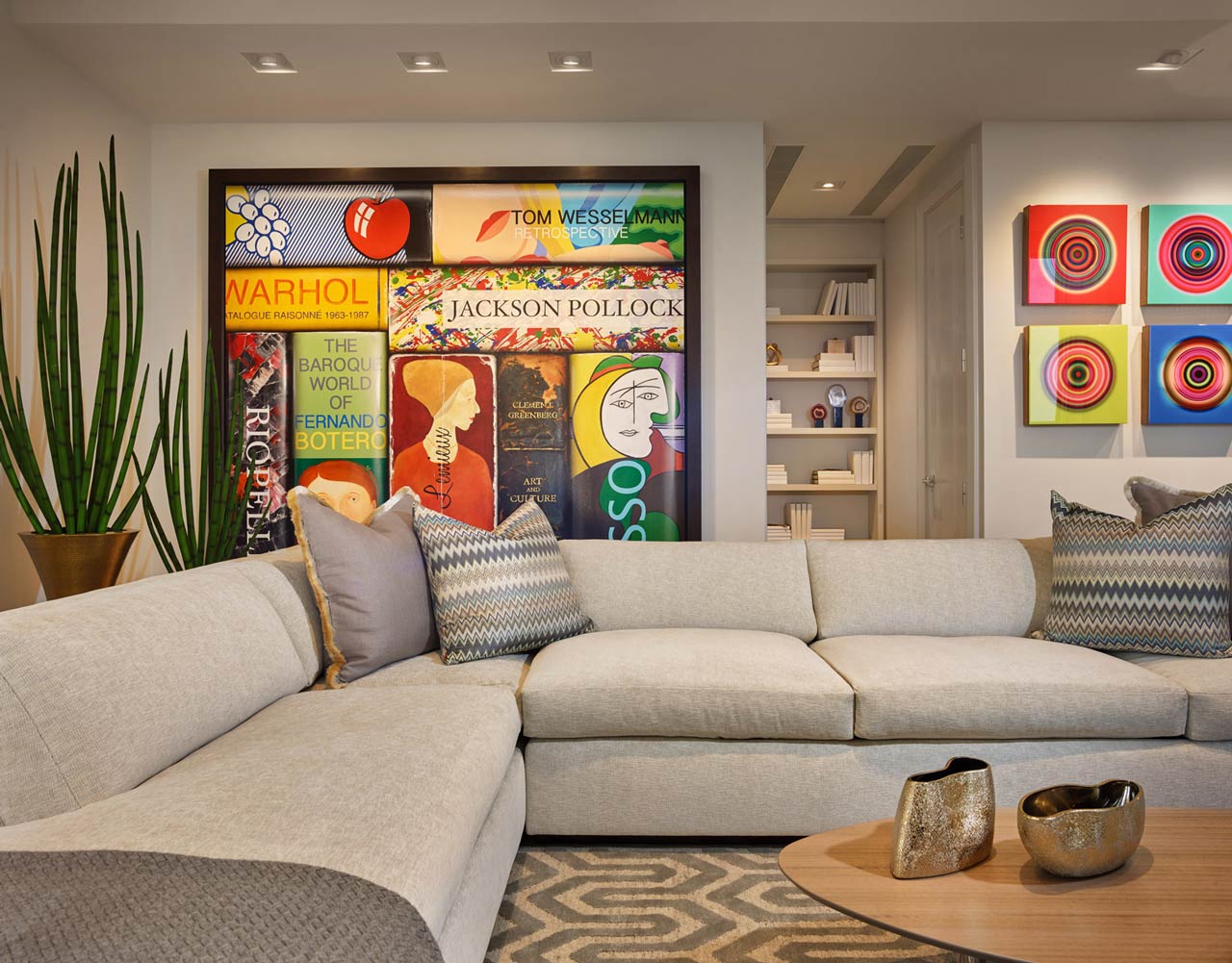
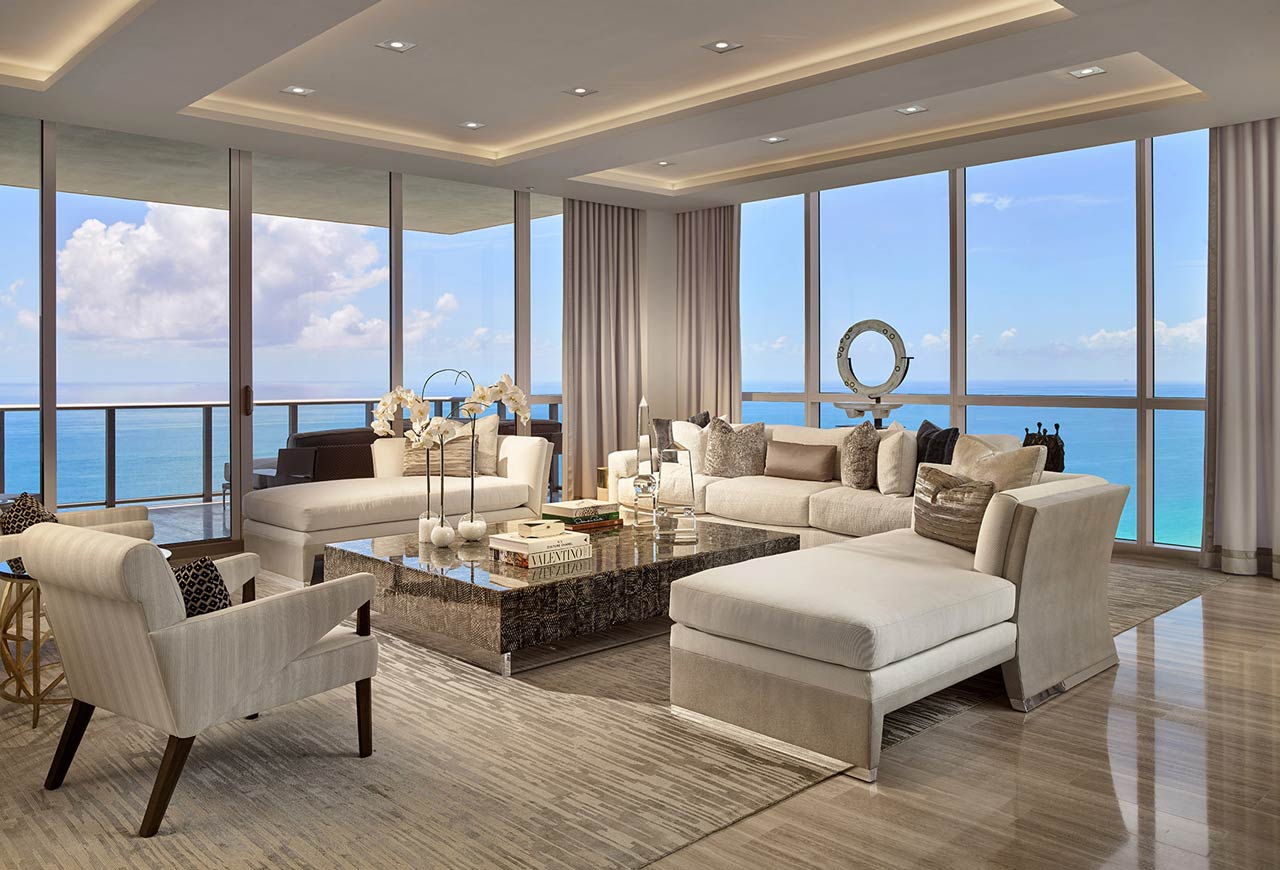
A space’s mood can be as influential as its layout, shaping how visitors feel the moment they step inside. Color and lighting are powerful tools that guide perception and create emotional connections with a brand. Warm tones combined with soft, layered lighting create inviting, comfortable environments that encourage lingering, while bright lights and bold accents energize visitors and highlight key products or features.
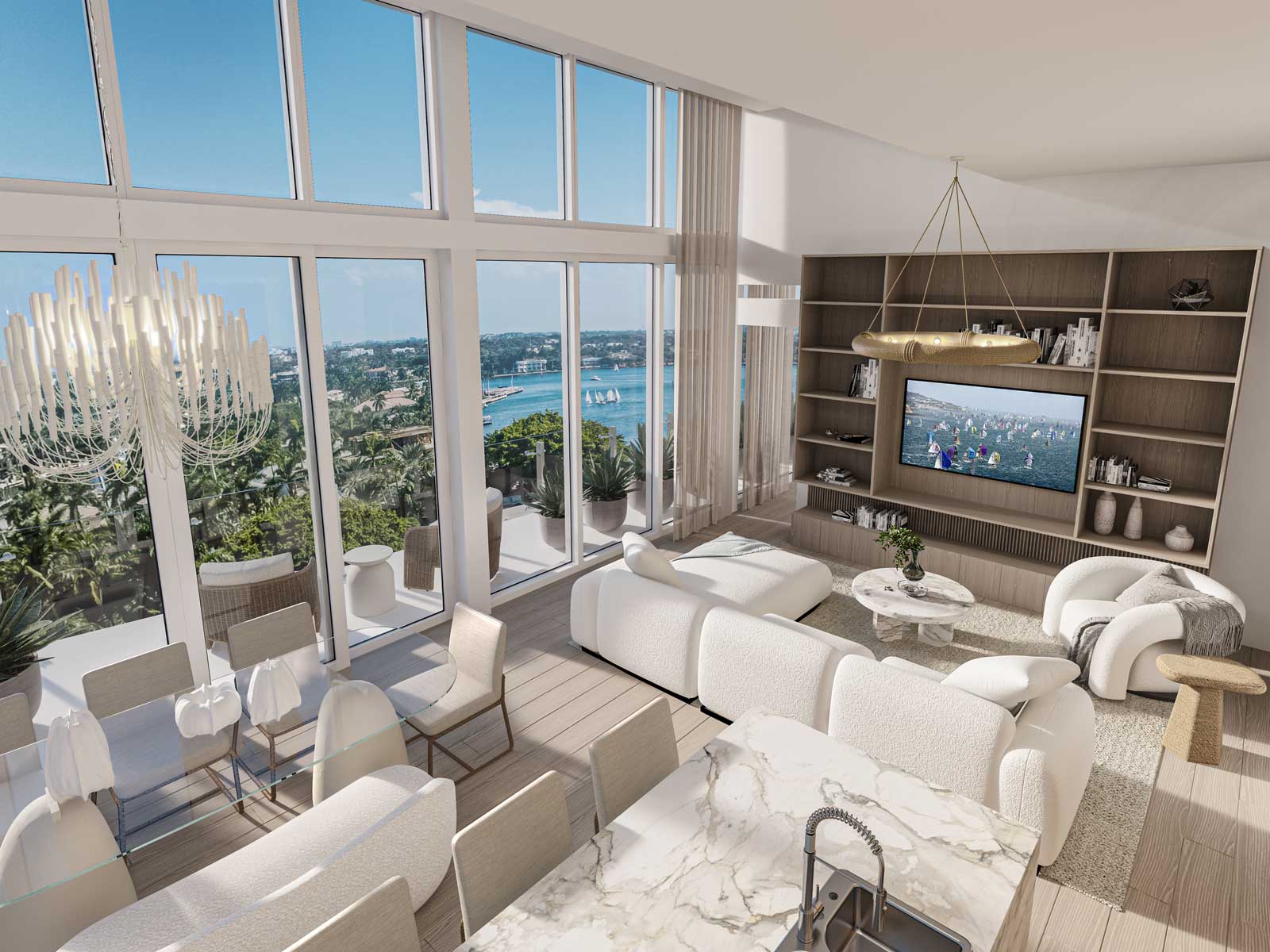
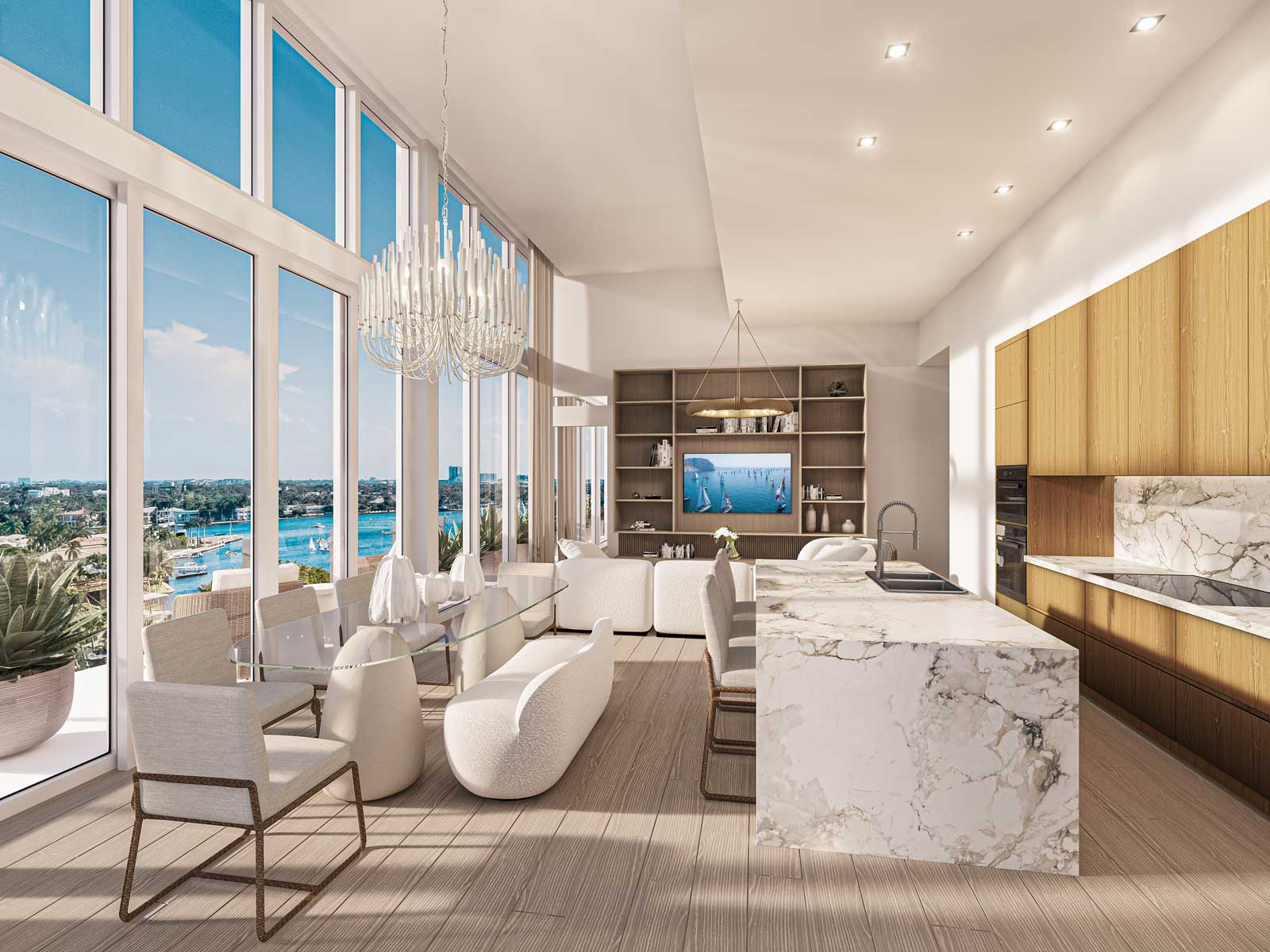
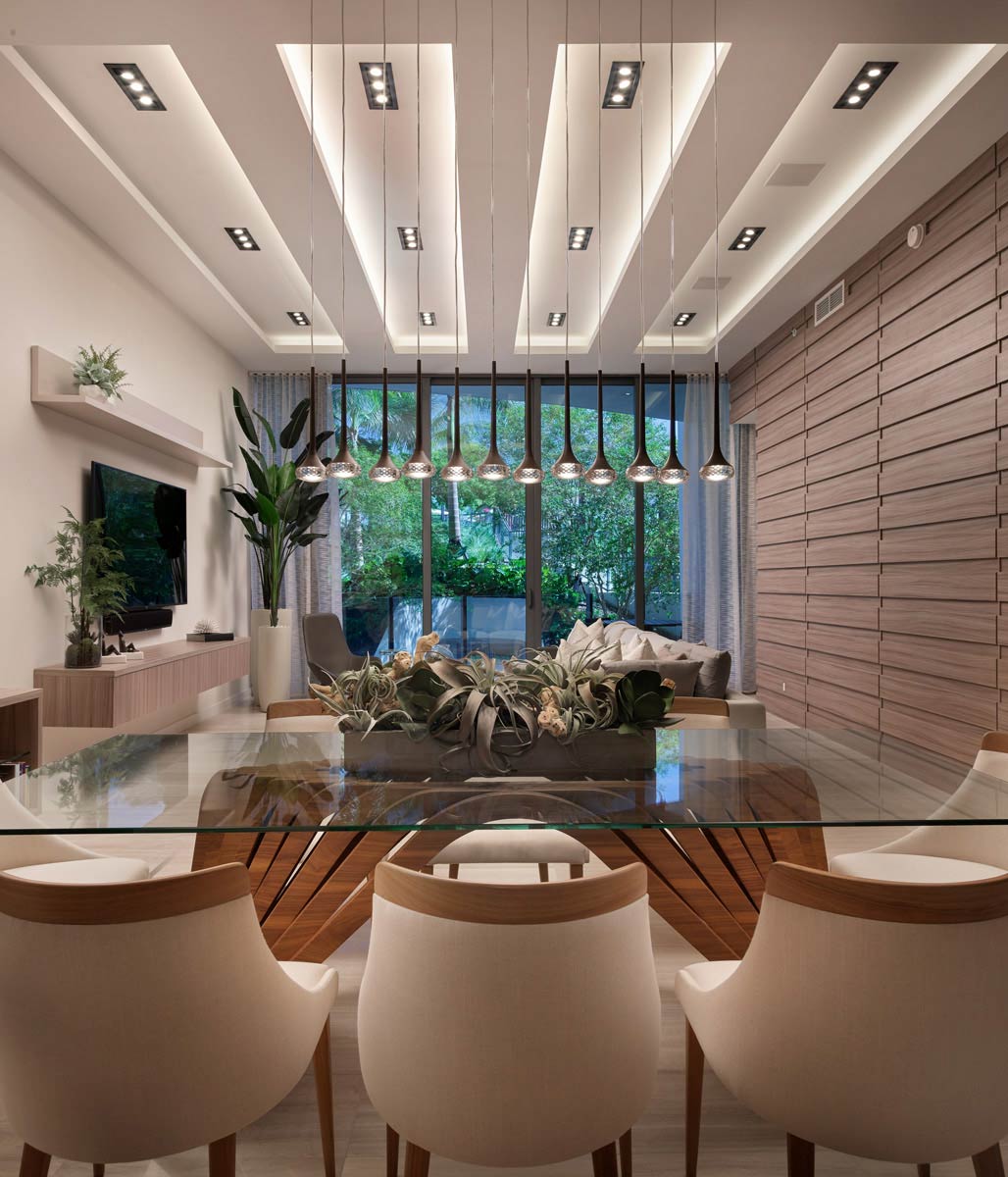
Accent lighting draws attention to displays or architectural details, and natural light brings openness and a sense of vitality. Designers select colors with intention, aligning them with the brand’s personality while evoking the desired emotional response. Even subtle choices such as dimmable fixtures or walls painted in signature accent hues can direct attention and influence engagement. When thoughtfully combined, lighting and color do more than enhance aesthetics; they shape experiences, reinforce branding, and create spaces that feel both intentional and welcoming.
Selecting Furniture and Fixtures That Support the Brand
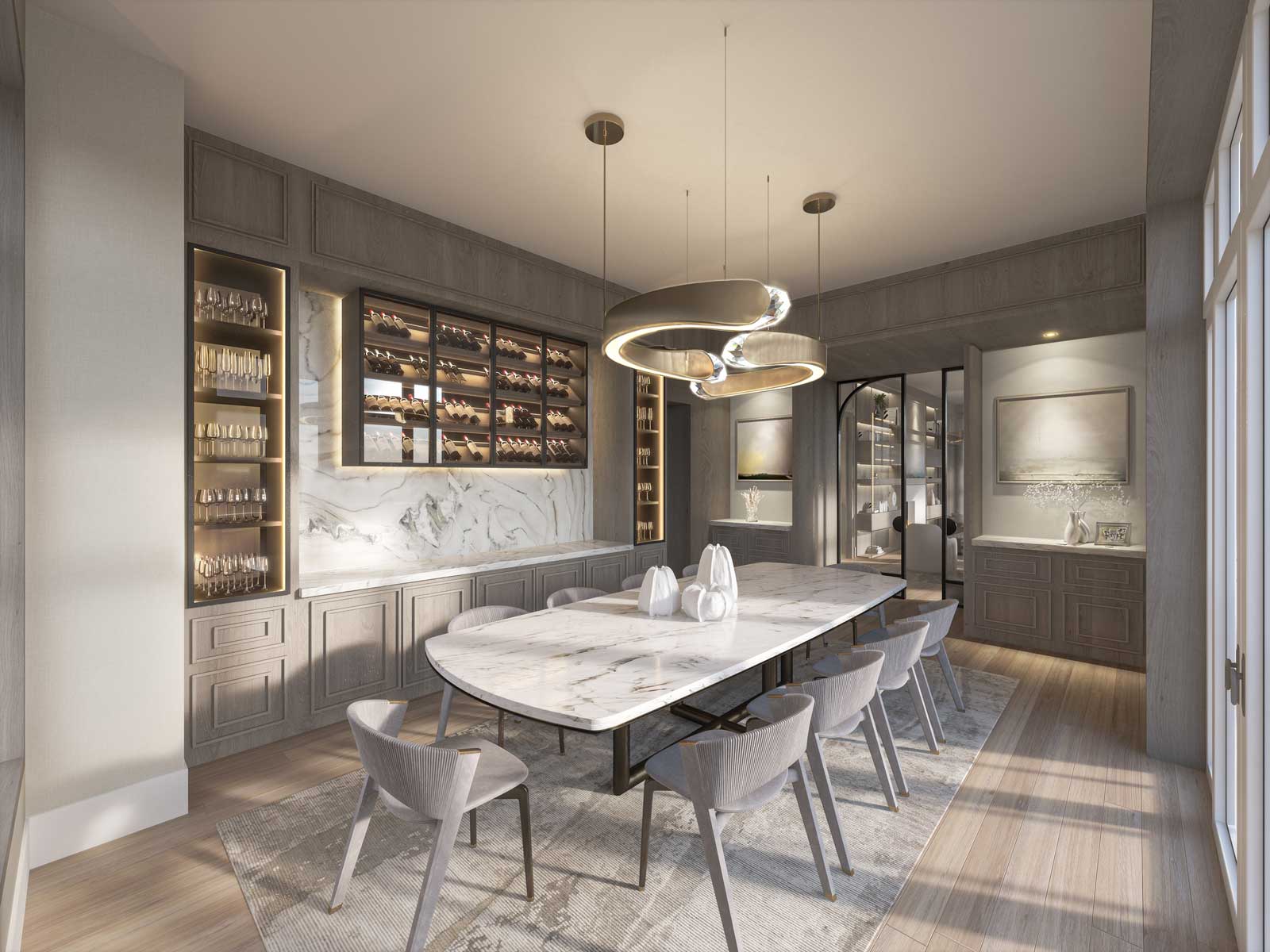
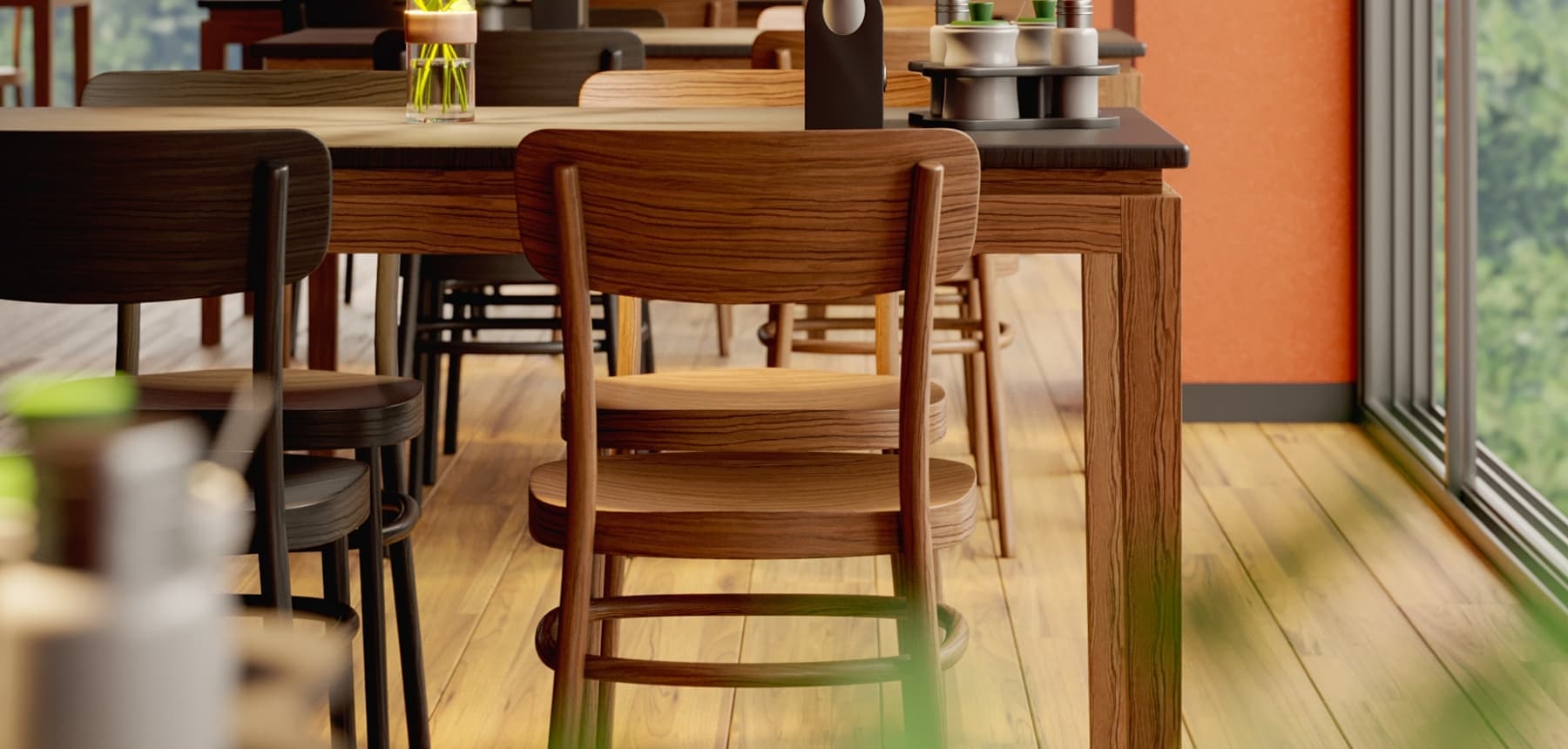
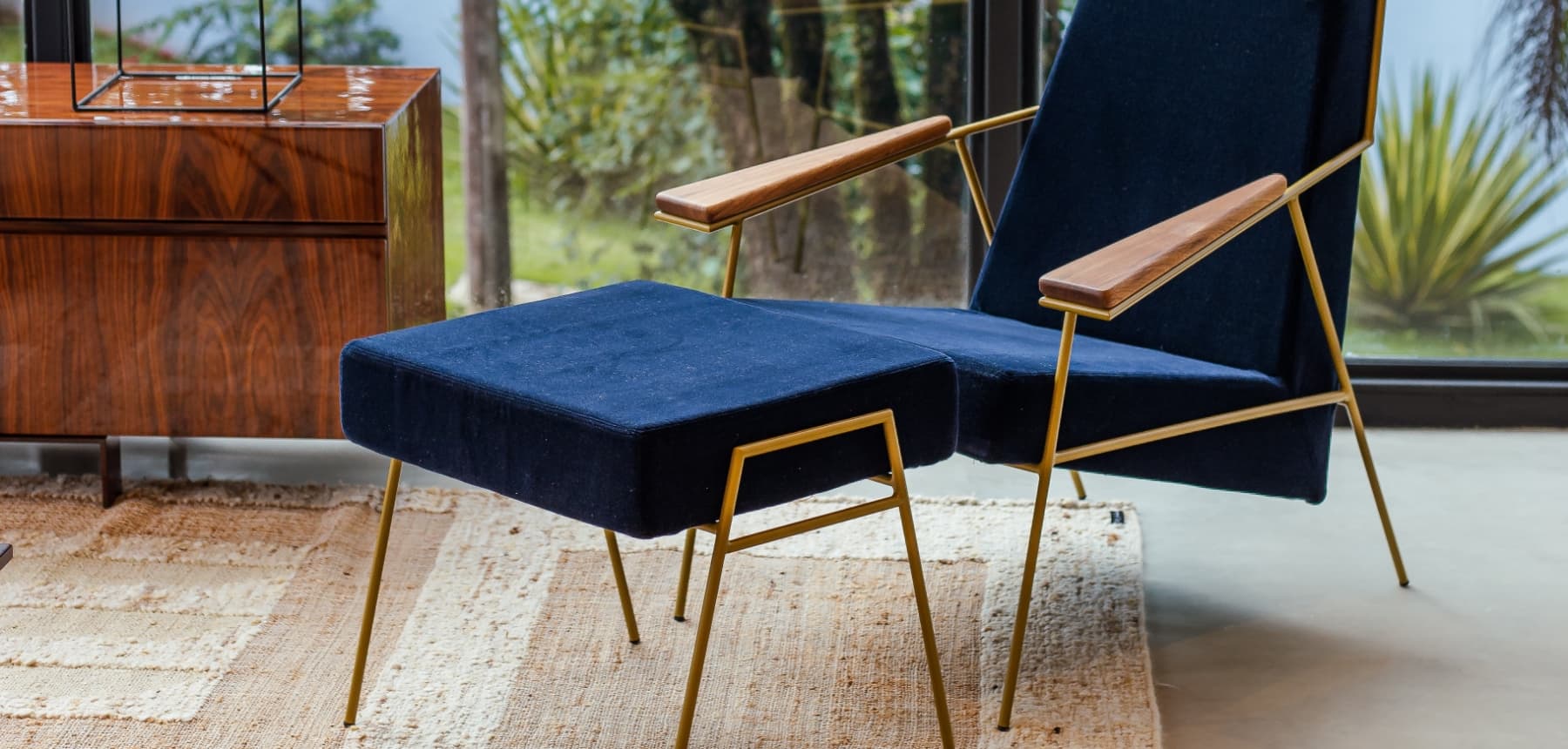
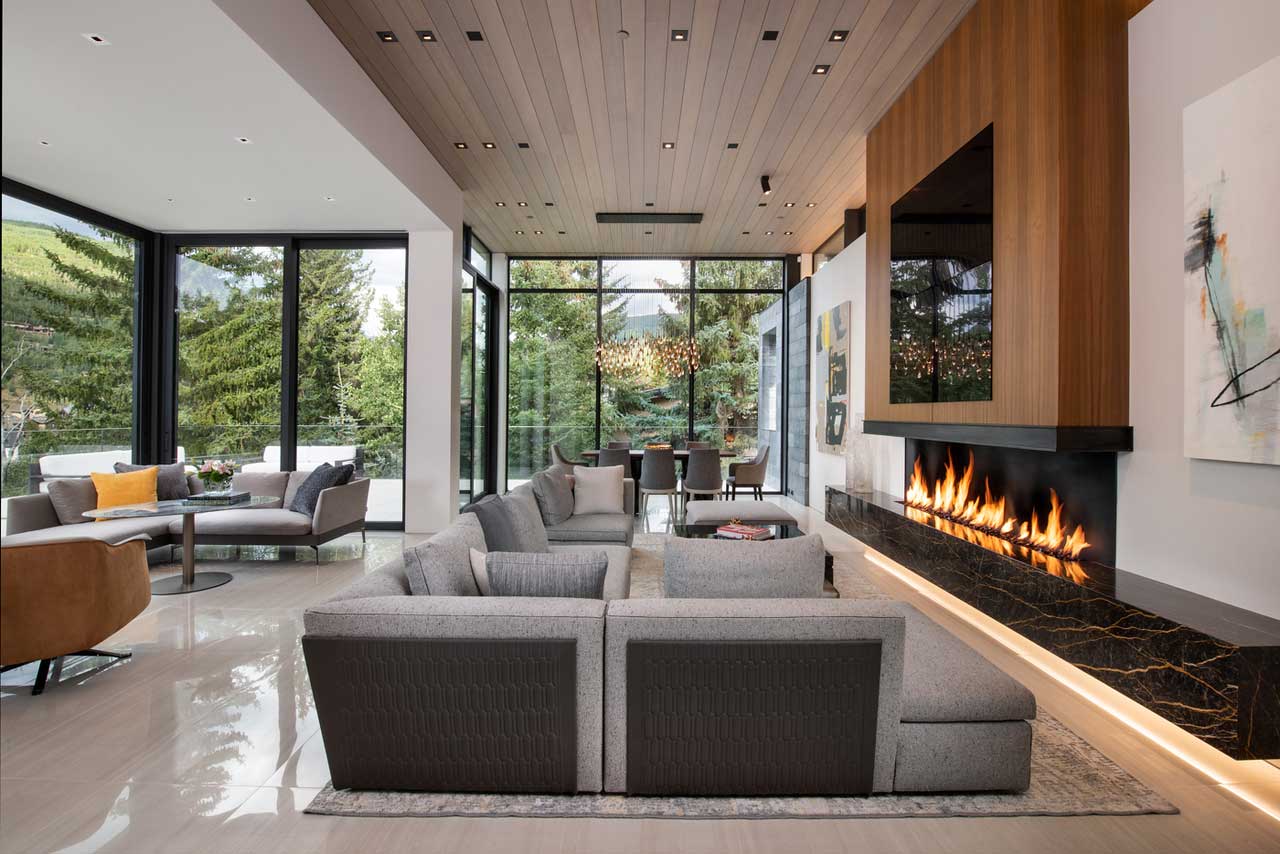
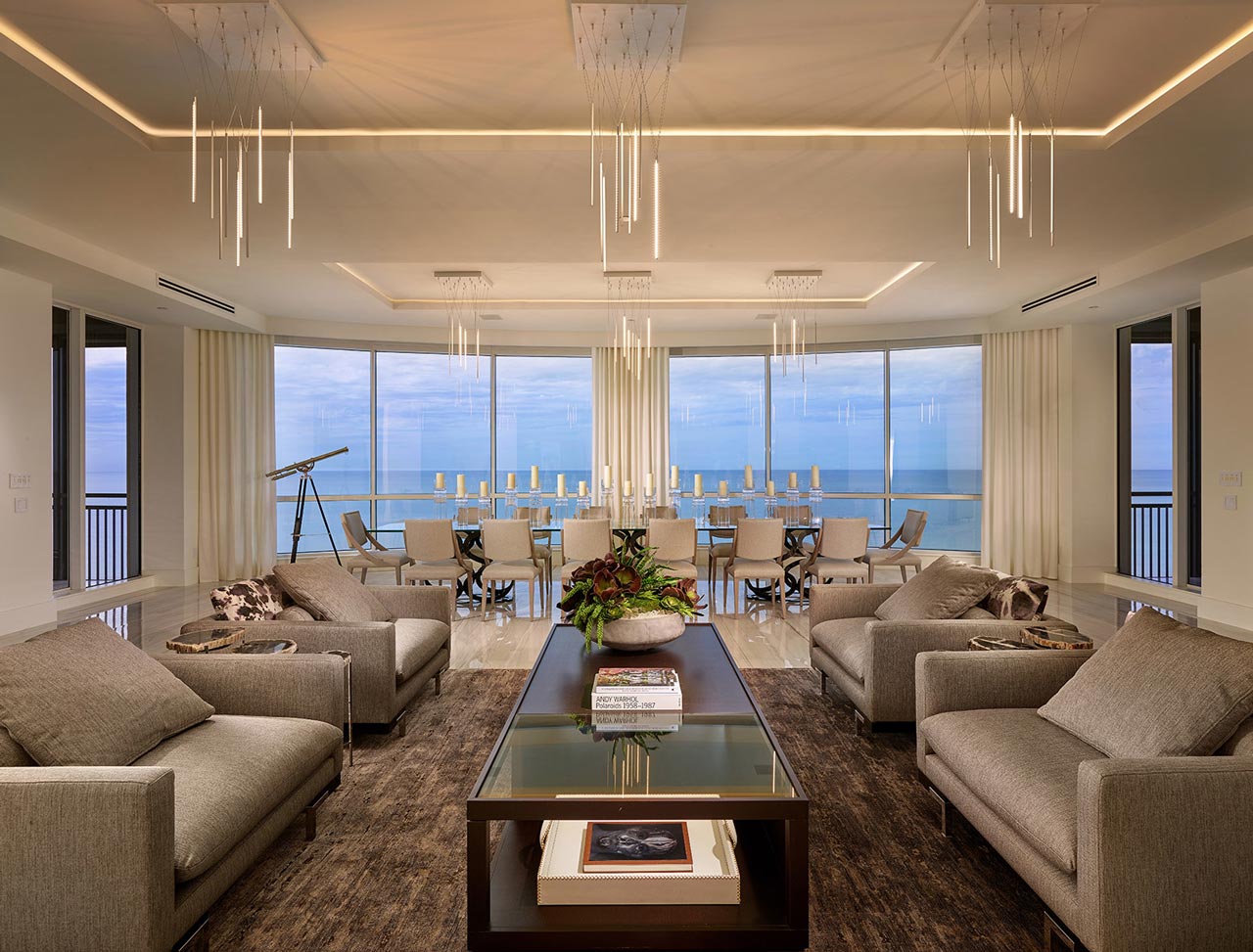
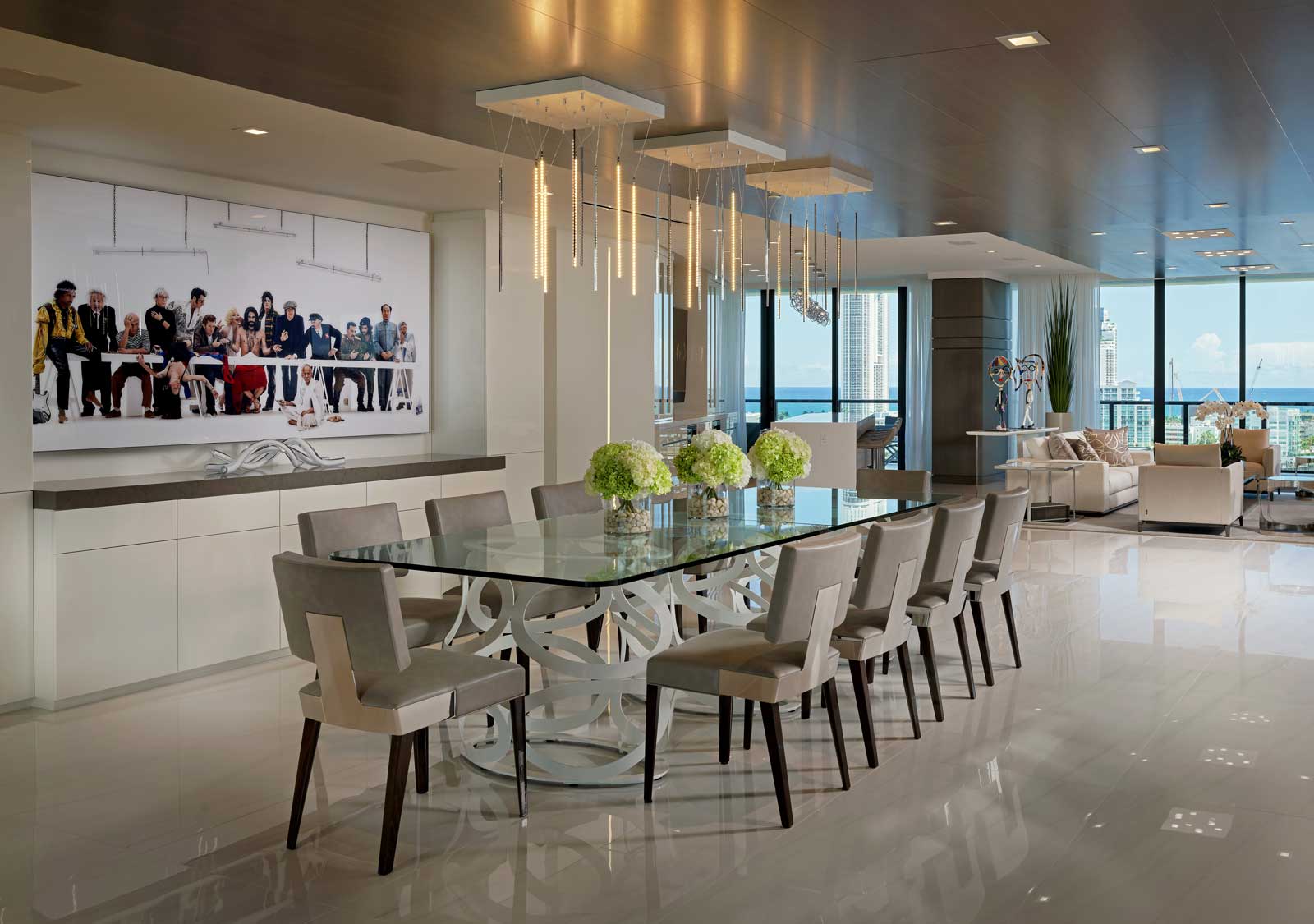
Furniture and fixtures are far more than functional necessities—they communicate the style, values, and quality of a brand. Every chair, counter, or display unit plays a role in telling a story, balancing comfort, durability, and visual appeal. Designers carefully select pieces that reflect the brand identity and stand up to the demands of high-traffic environments. Layouts of shelving, counters, and seating are strategically arranged to maximize visibility, improve circulation, and enhance the overall customer experience.
Materials, finishes, and textures add depth and character, while small details like cushions, handles, or fabric choices tie the design together cohesively. Thoughtful furniture planning improves staff workflow, customer comfort, and engagement simultaneously. When done right, furniture becomes more than functional—it transforms into a key element of the brand experience that reinforces identity and creates a lasting impression.
Integrating Visual and Sensory Elements
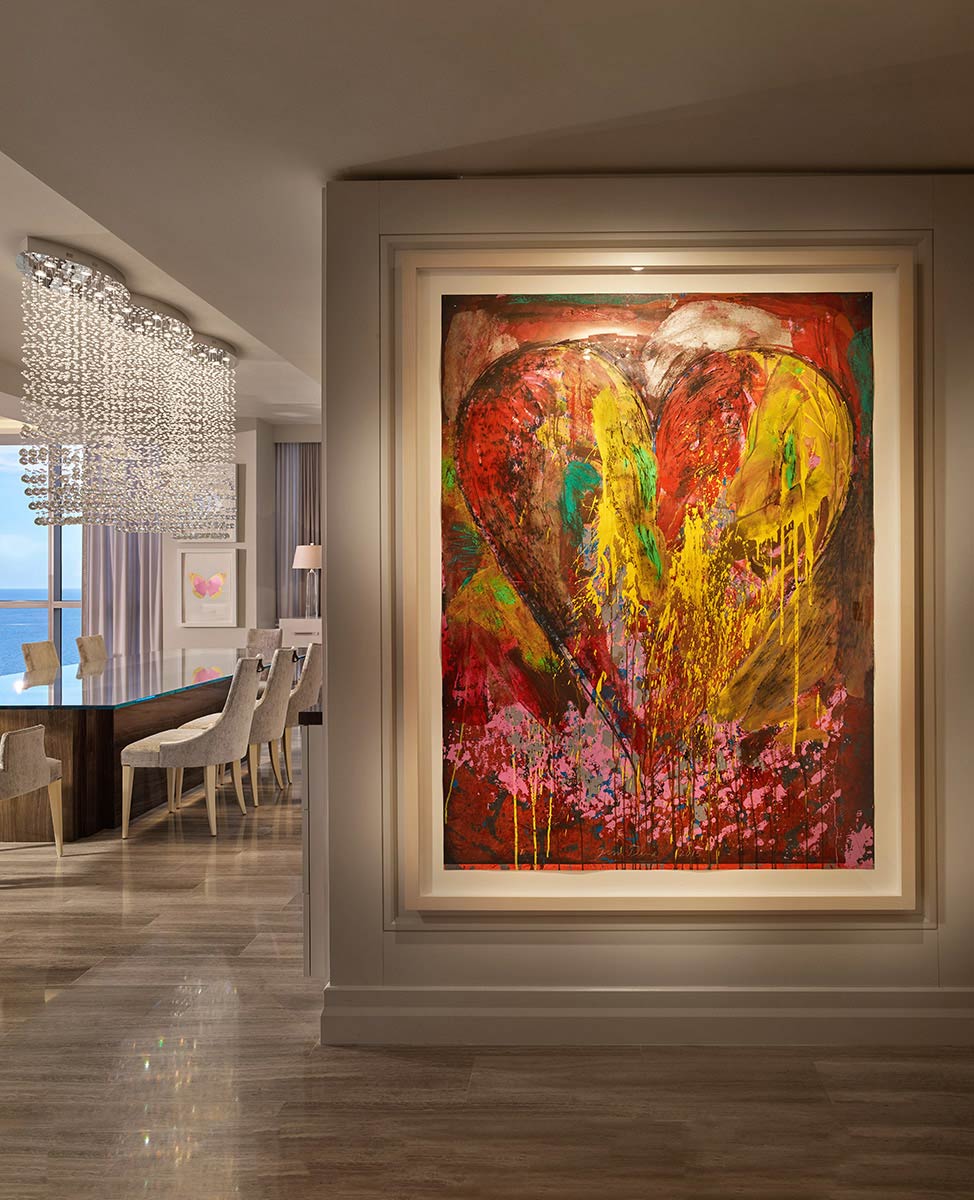
It’s often the small, layered details that make a space unforgettable. Visual elements, such as branded signage, artwork, and themed displays, tell a story and provide focal points for visitors to engage with. Seasonal or rotating displays keep the environment dynamic, encouraging return visits and sustained interest. Beyond what’s visible, sensory cues like background music, subtle scents, or tactile materials influence mood, dwell time, and overall perception.
Professional designers intentionally integrate these elements to enhance the atmosphere without overwhelming it, creating a balanced and immersive experience. Every detail, from murals to accent lighting, works together to form a cohesive, multi-sensory environment. By engaging multiple senses, a business can create meaningful connections with customers, leaving lasting impressions that encourage loyalty. When used thoughtfully, visual and sensory design elevates a space from functional to remarkable.
Designing for Flexibility and Growth
A commercial space must grow and adapt alongside the business it serves. Flexible design solutions like modular furniture, movable displays, and adaptable layouts allow interiors to evolve with seasonal campaigns, product launches, or special events. Designers plan ahead, ensuring that changes can be made without compromising aesthetics, functionality, or brand consistency. Even small updates, like swapping lighting accents or refreshing finishes, can rejuvenate a space and keep it feeling modern.
Flexible design also allows businesses to respond quickly to customer feedback or market trends, avoiding costly renovations. By building adaptability into the core of the interior, spaces maintain long-term relevance and value. A thoughtfully designed, flexible interior continues to attract and engage visitors, supporting business goals while staying dynamic and visually appealing over time.
Turning Your Interior Into a Customer Magnet
Every element of a commercial interior—from the layout and lighting to color choices, furniture, and sensory details—plays a vital role in shaping customer experience and reinforcing a brand’s identity. Thoughtful design transforms ordinary spaces into environments that feel welcoming, functional, and memorable, encouraging visitors to stay longer and return again. Flexibility and adaptability ensure that the space continues to serve the business as it grows, keeping it fresh and relevant over time.
Investing in professional interior design is not just about aesthetics; it’s about creating a strategic, customer-focused environment that supports business goals. For businesses ready to elevate their space, interior designers provide the expertise to craft interiors that engage every sense and make a lasting impression. The right design can turn a storefront, office, or café into a destination that draws people in, delights them, and strengthens loyalty.
Take the first step today—contact our team of professional interior designers and create a commercial space that truly captivates customers from the moment they walk in.
Frequently Asked Questions
How can commercial interior design help a business stand out from competitors?
A well-designed interior sets a business apart by creating a memorable first impression and a unique environment that reflects the brand’s personality. Thoughtful layout, lighting, color, and décor can make the space feel distinctive, inviting, and professional, encouraging customers to return.
What role does lighting play in shaping customer experience?
Lighting impacts mood, perception, and engagement in a commercial space. Designers use a mix of ambient, accent, and task lighting to highlight key areas, create atmosphere, and guide customers through the environment naturally. The right lighting makes the space feel welcoming while reinforcing brand identity.
How do interior designers ensure spaces remain functional and beautiful over time?
Professional designers plan for both aesthetics and long-term usability. By selecting durable materials, flexible layouts, and adaptable furniture, spaces can accommodate changing business needs without compromising style or function. Regular updates to finishes, décor, or focal points can keep the interior fresh and engaging.
Can sensory elements like color, texture, or scent influence customer behavior?
Yes, sensory elements play a significant role in how visitors perceive a space. Colors and textures can evoke emotion, while subtle scents or ambient sounds create comfort and engagement. These design touches make the space more memorable, enhancing dwell time and customer satisfaction.
Why is every small detail in interior design important for business success?
From furniture placement to decorative accents, every design choice contributes to the overall impression of a space. Thoughtful details guide customers, reinforce the brand, and create a cohesive, welcoming environment. Even minor elements can influence how visitors feel and interact, making them more likely to engage with the business and return.