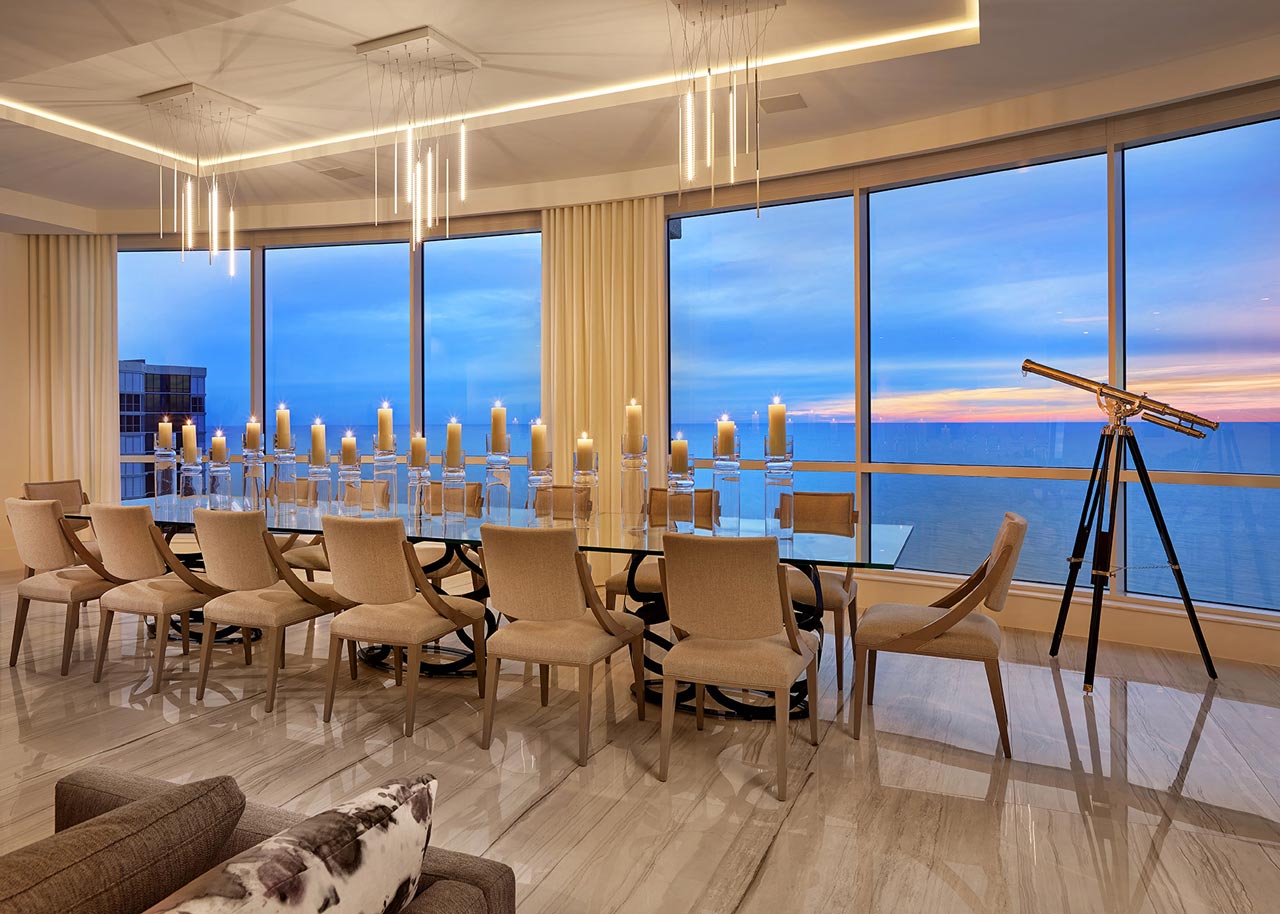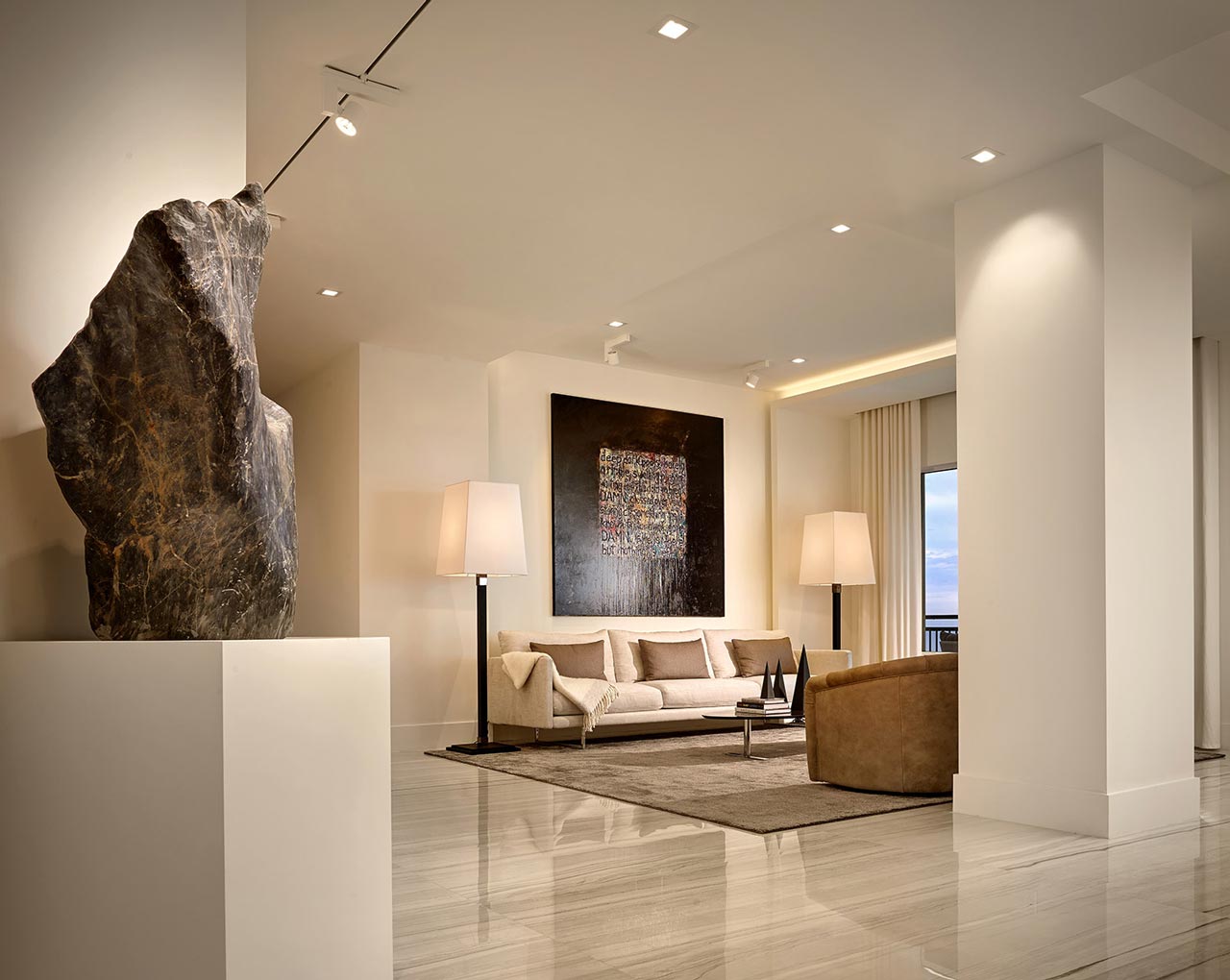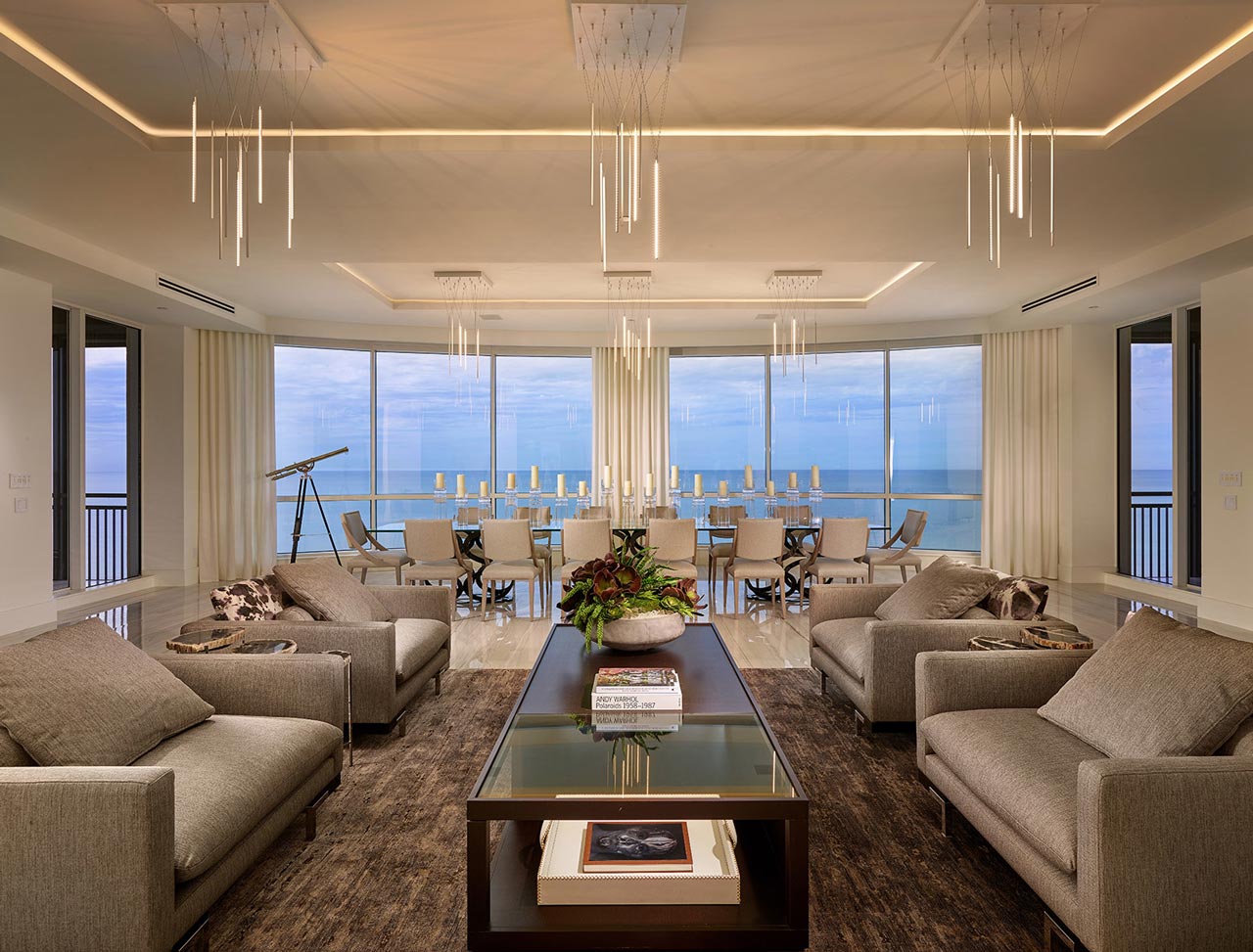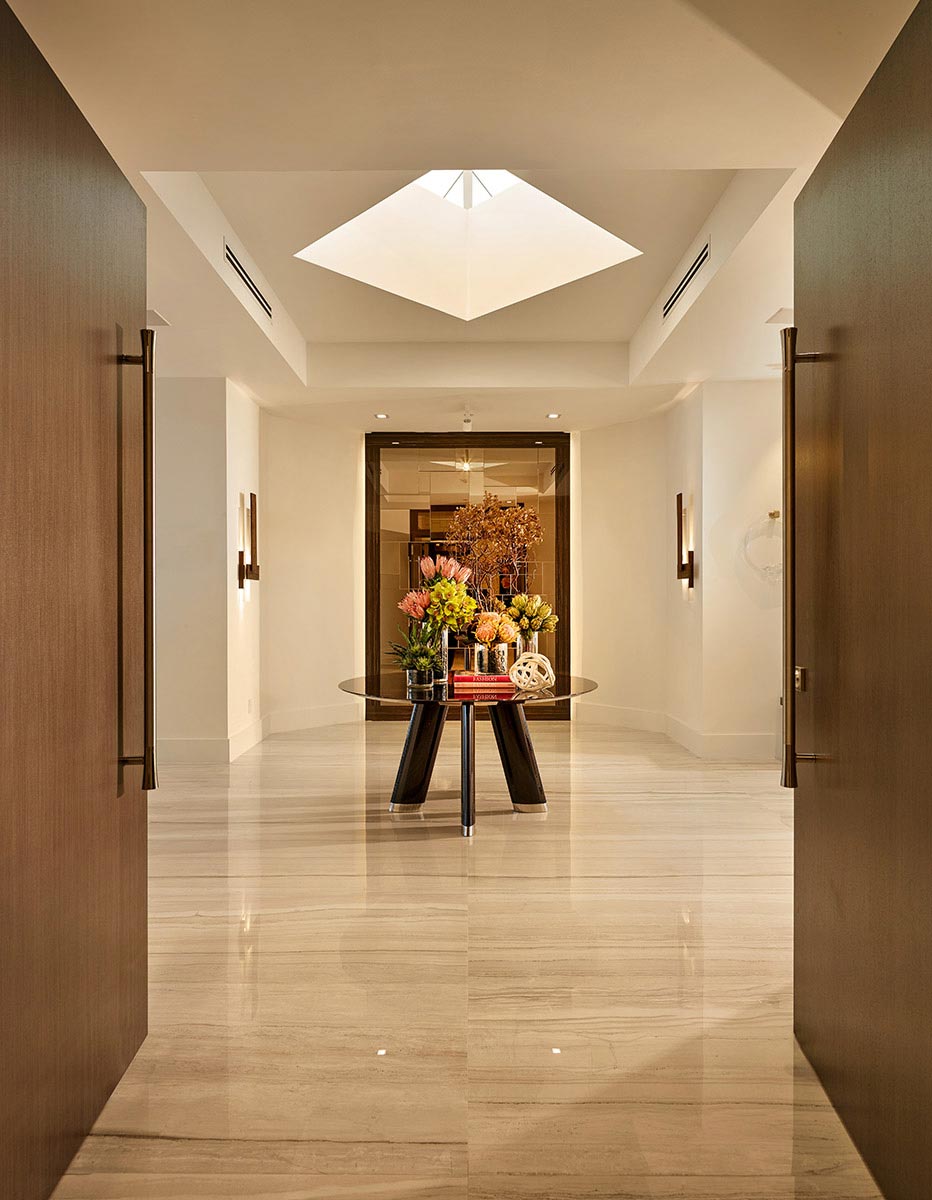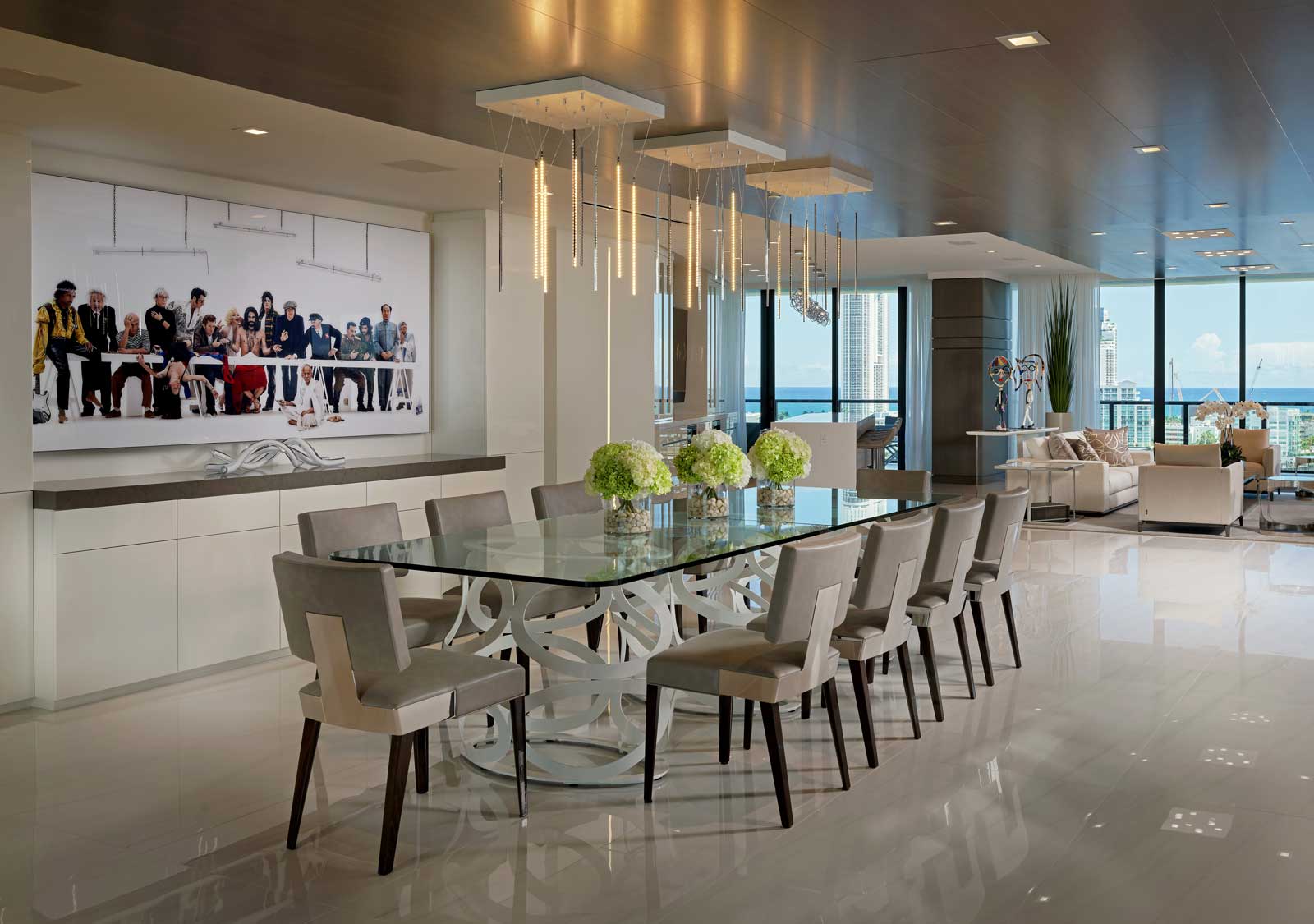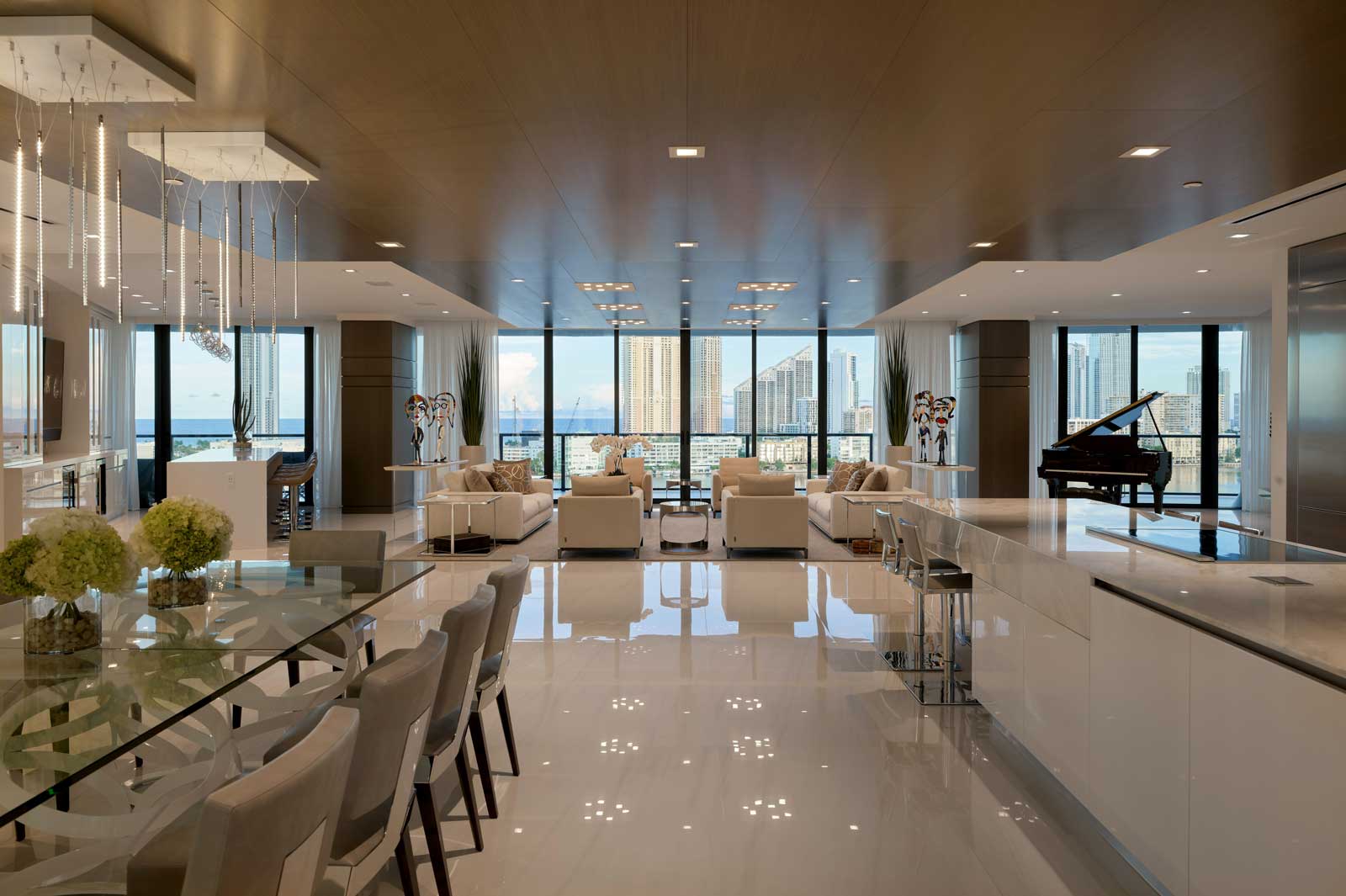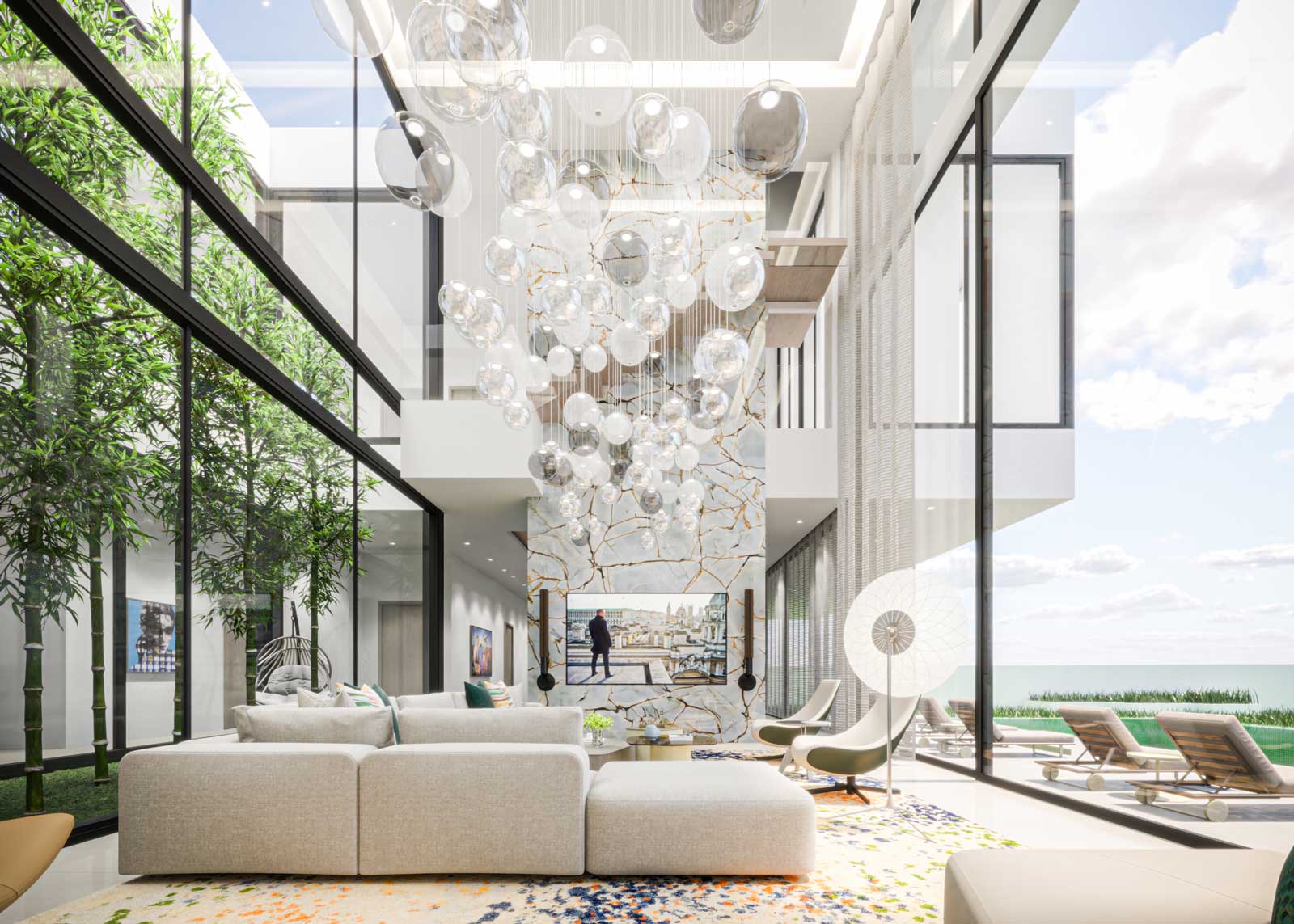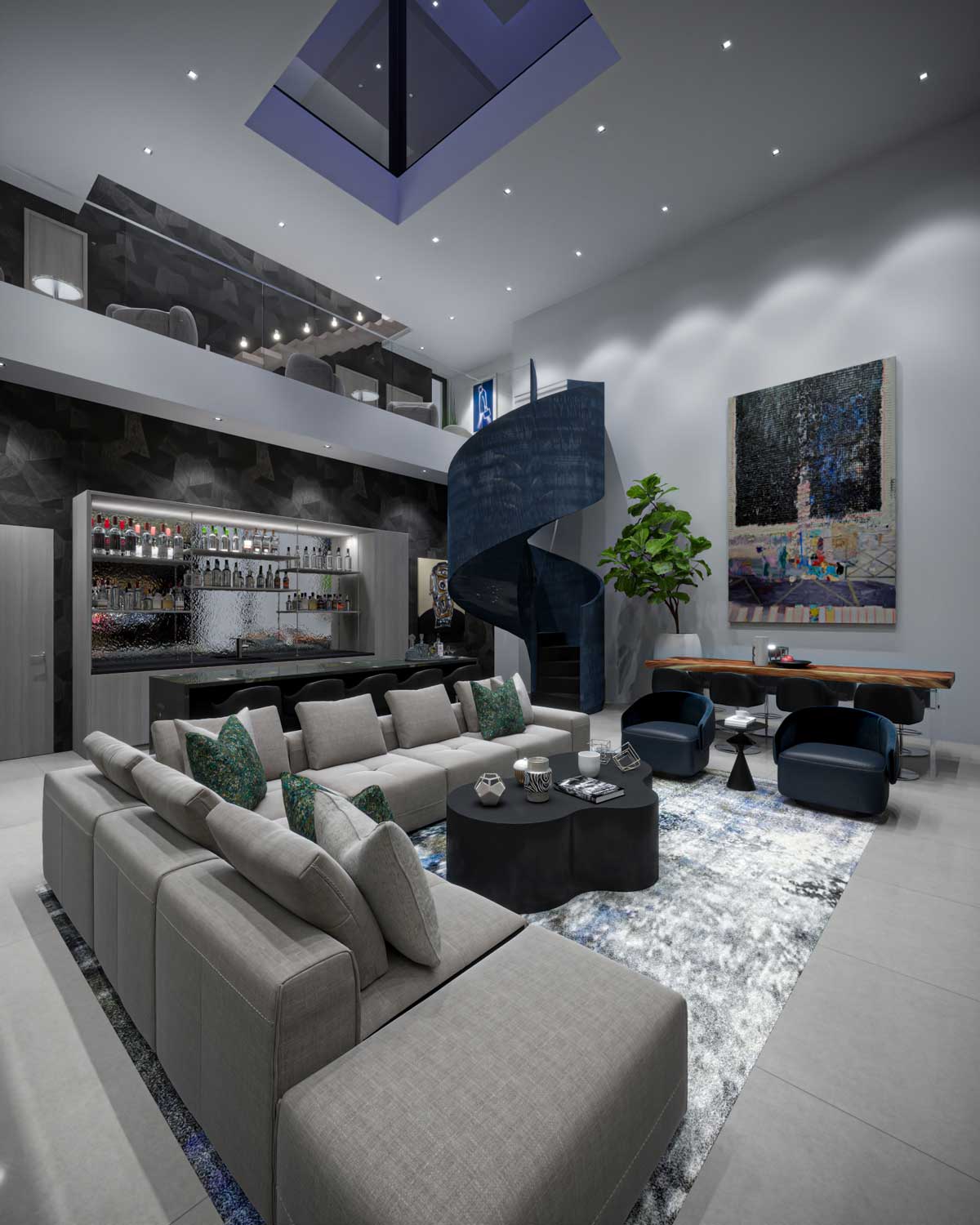




The way people work has changed in ways that few could have predicted even a decade ago. Open floor plans became the symbol of a progressive, team-forward culture, and for good reason. They encouraged spontaneous conversation, broke down hierarchical barriers, and made workplaces feel more alive and connected. But as organizations settled into these environments, a new conversation emerged: what about the moments when people simply need to think? The modern workspace is no longer just a question of how to bring people together. It has become an equally important question of how to give them the space to work deeply, privately, and with full concentration. Striking that balance is one of the most meaningful design challenges of our time, and the spaces that get it right tend to foster both stronger teams and stronger individuals.
Recognizing the Value of Collaborative Space
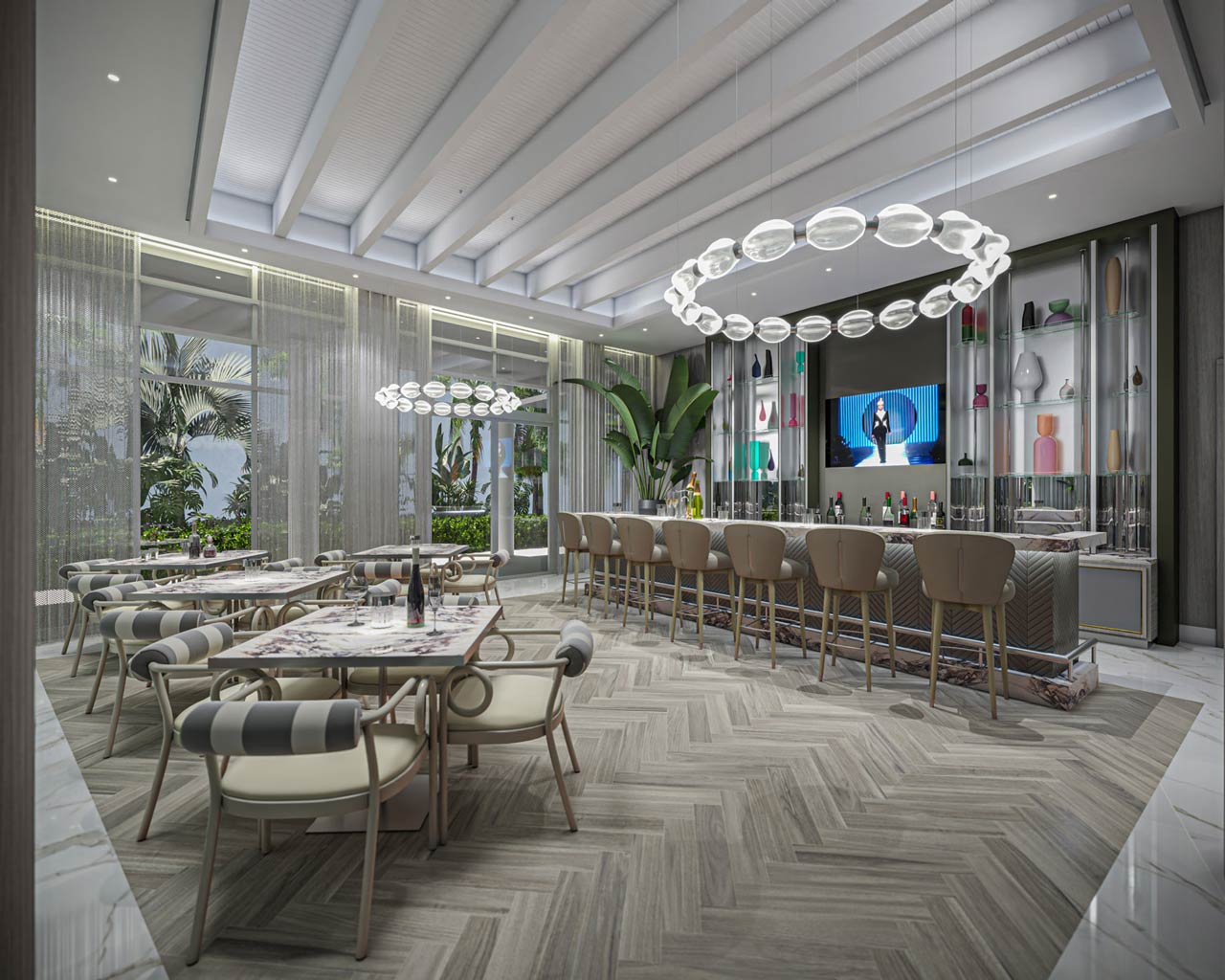
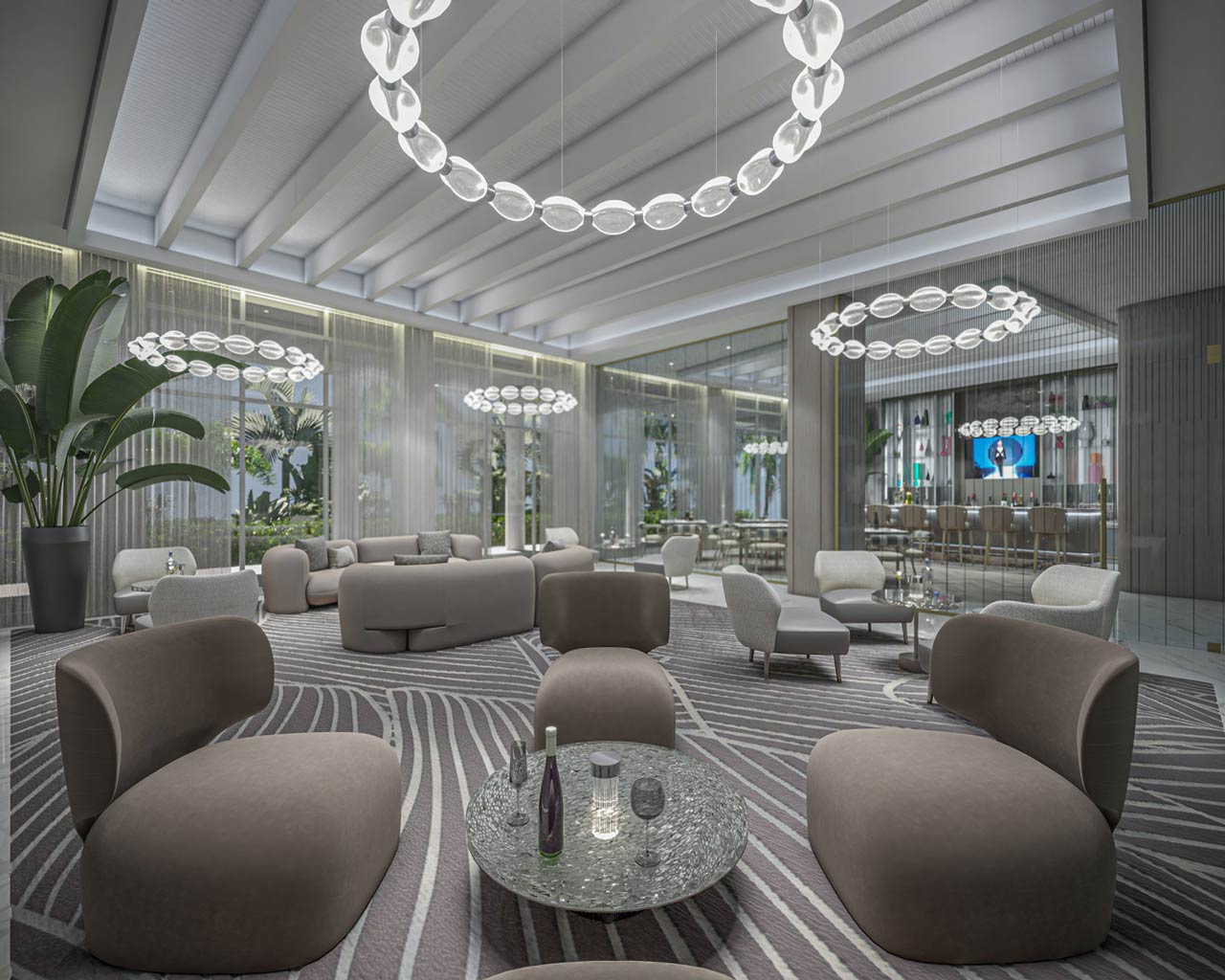
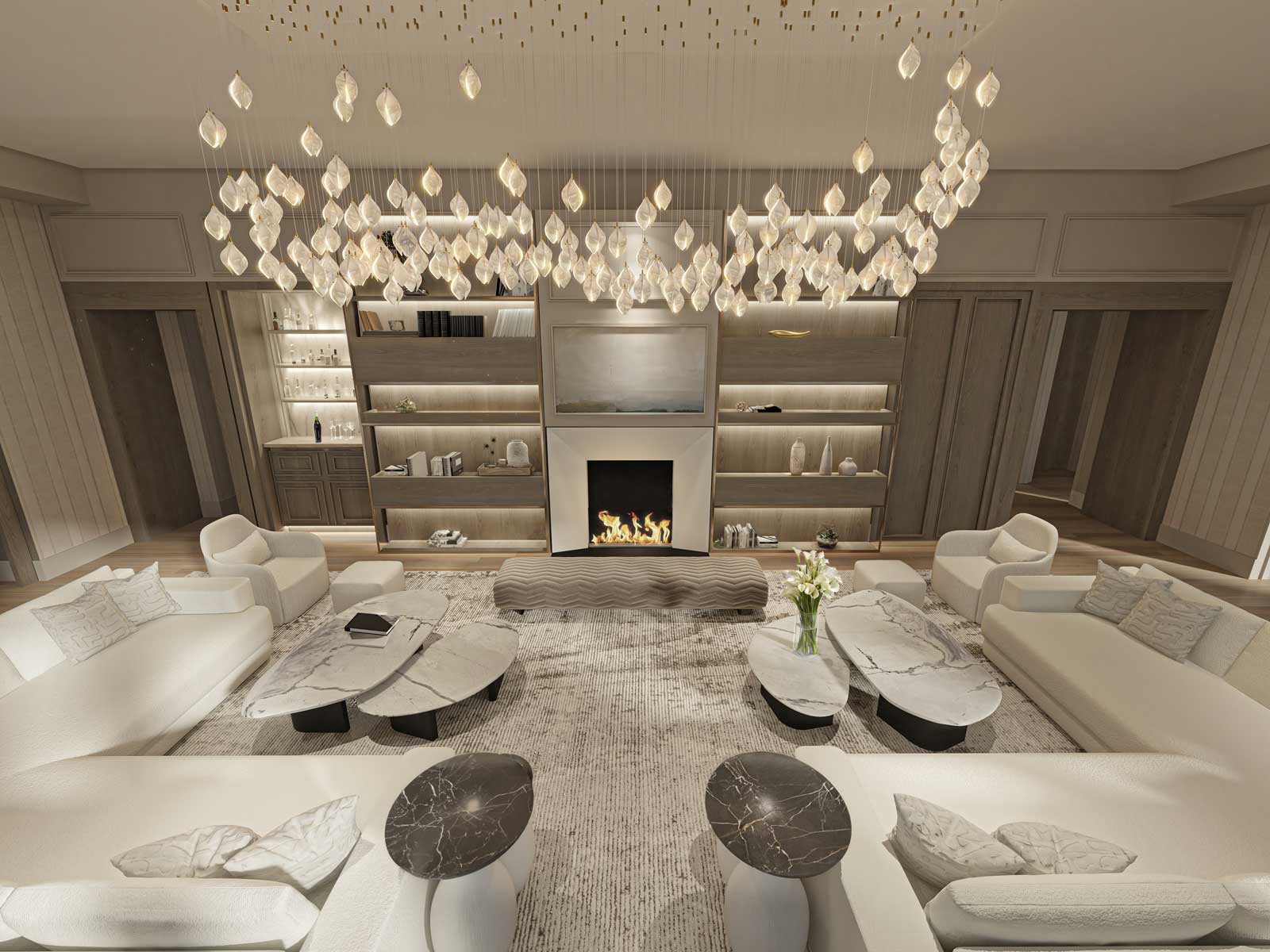
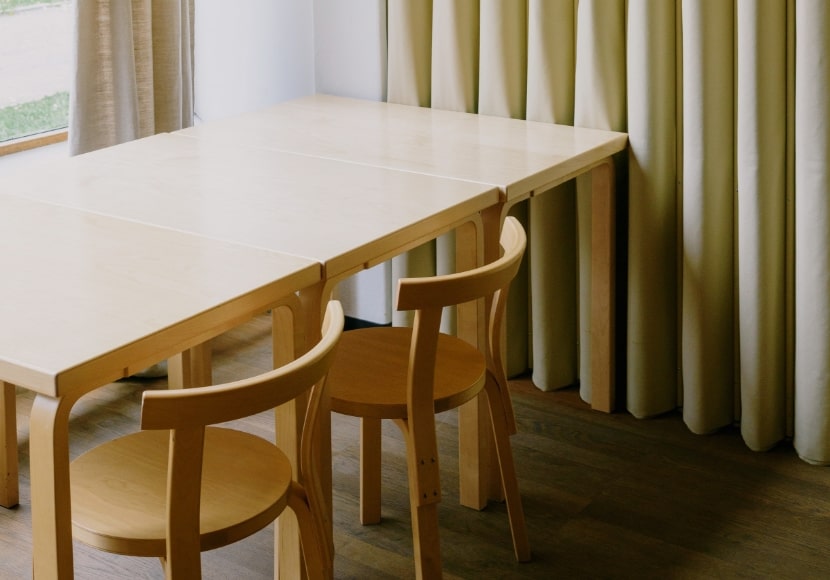
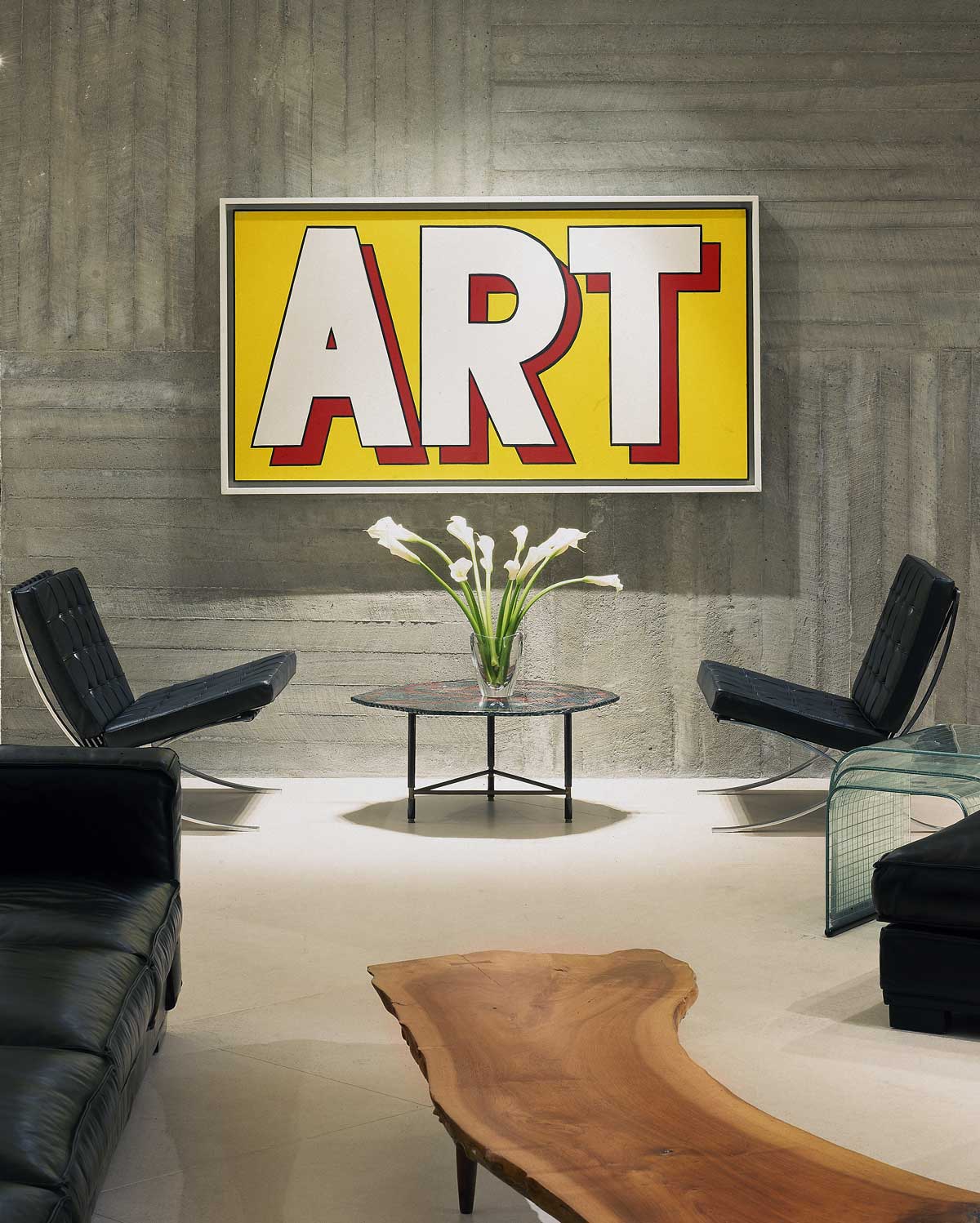
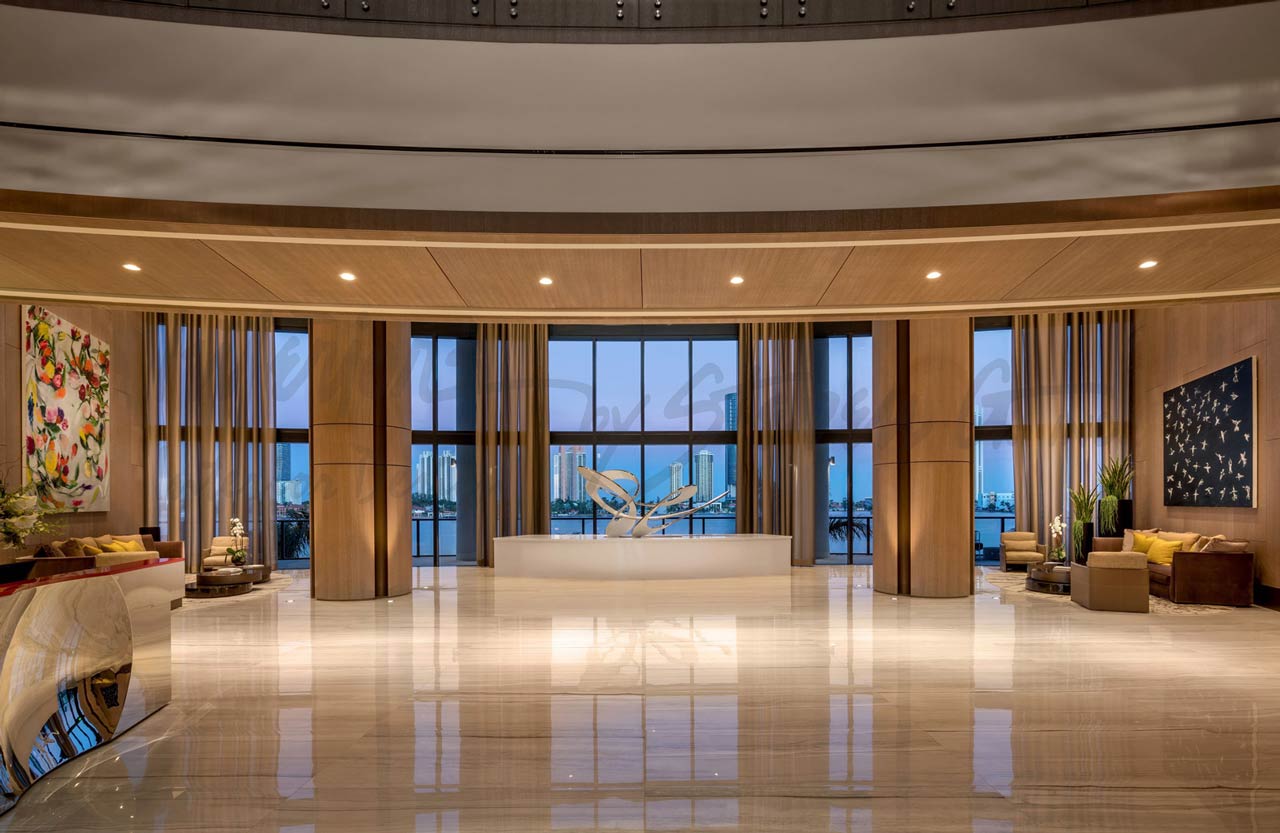
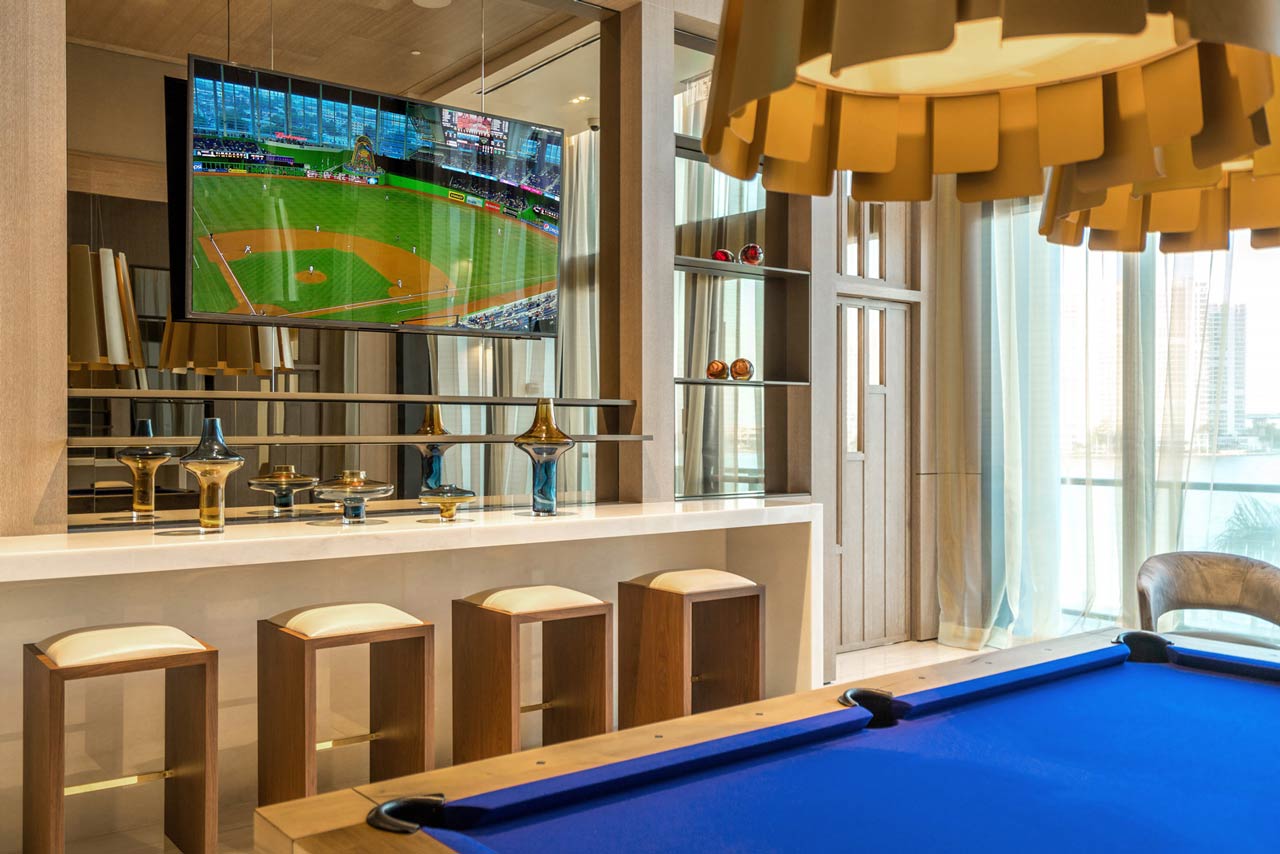
There is something genuinely energizing about a workspace designed for connection. When people can move freely, gather naturally, and exchange ideas without barriers, creativity tends to follow. Shared tables, open lounges, and communal areas signal to employees that their interactions matter and that the organization values collective thinking. These spaces are not just aesthetic choices. They shape culture, influence how teams relate to one another, and can make a workplace feel welcoming from the very first impression. When designed thoughtfully, collaborative spaces become the social heart of an organization, the place where ideas are born, and relationships are strengthened.
Recognizing the Value of Private Space
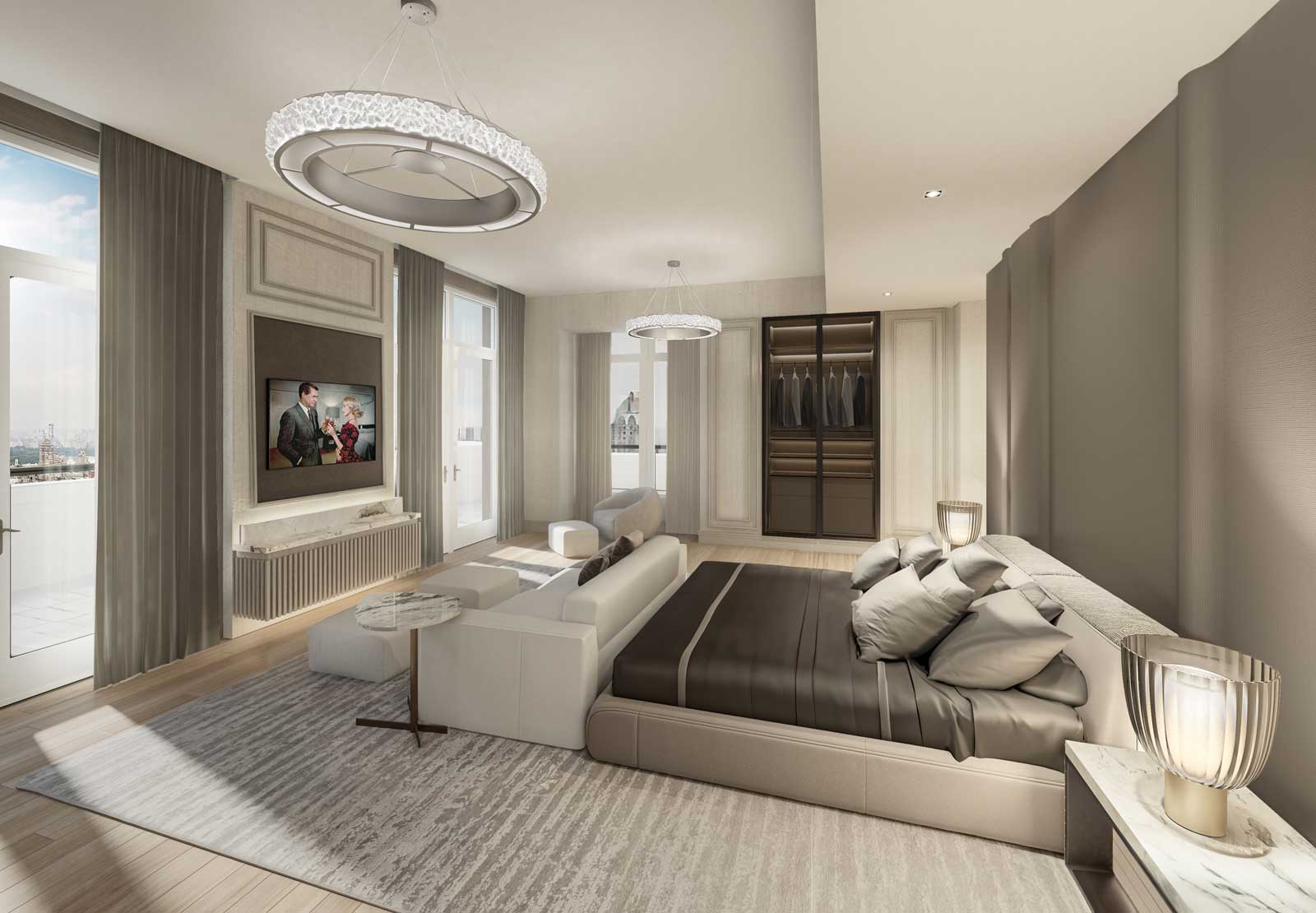
At the same time, focused work has its own set of requirements that open environments simply cannot always meet. Writing, analyzing, creating, and problem-solving often demand a level of quiet that a bustling open floor cannot provide. Employees who lack access to private or semi-private spaces may find themselves heading to coffee shops, arriving early, or staying late just to get uninterrupted work done. This is not a reflection of poor character or antisocial tendencies. It is a reflection of how different kinds of work require different kinds of environments. Thoughtful workspace design acknowledges both realities equally and makes room for each of them without compromise.
Creating Zones That Serve Different Work Modes
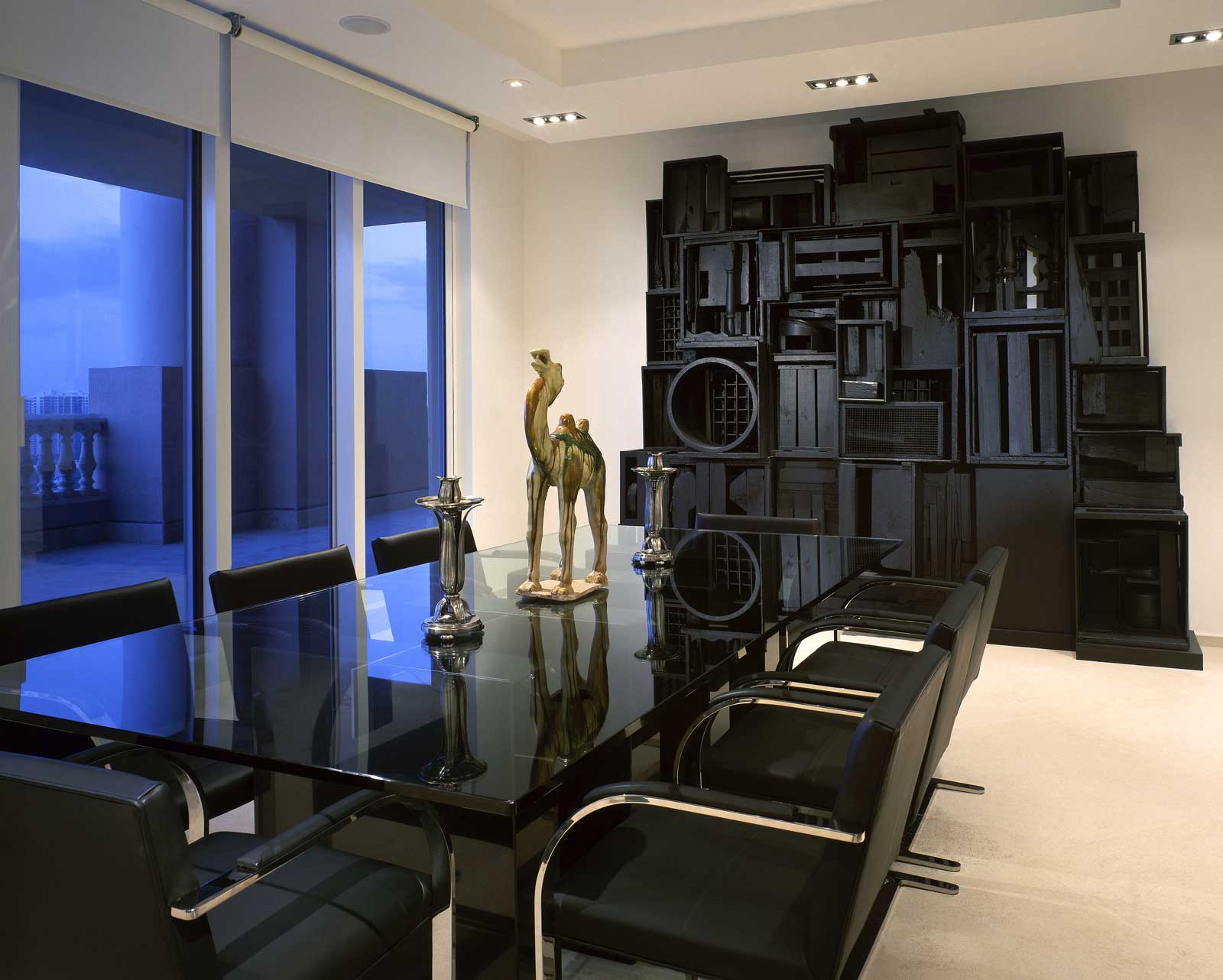
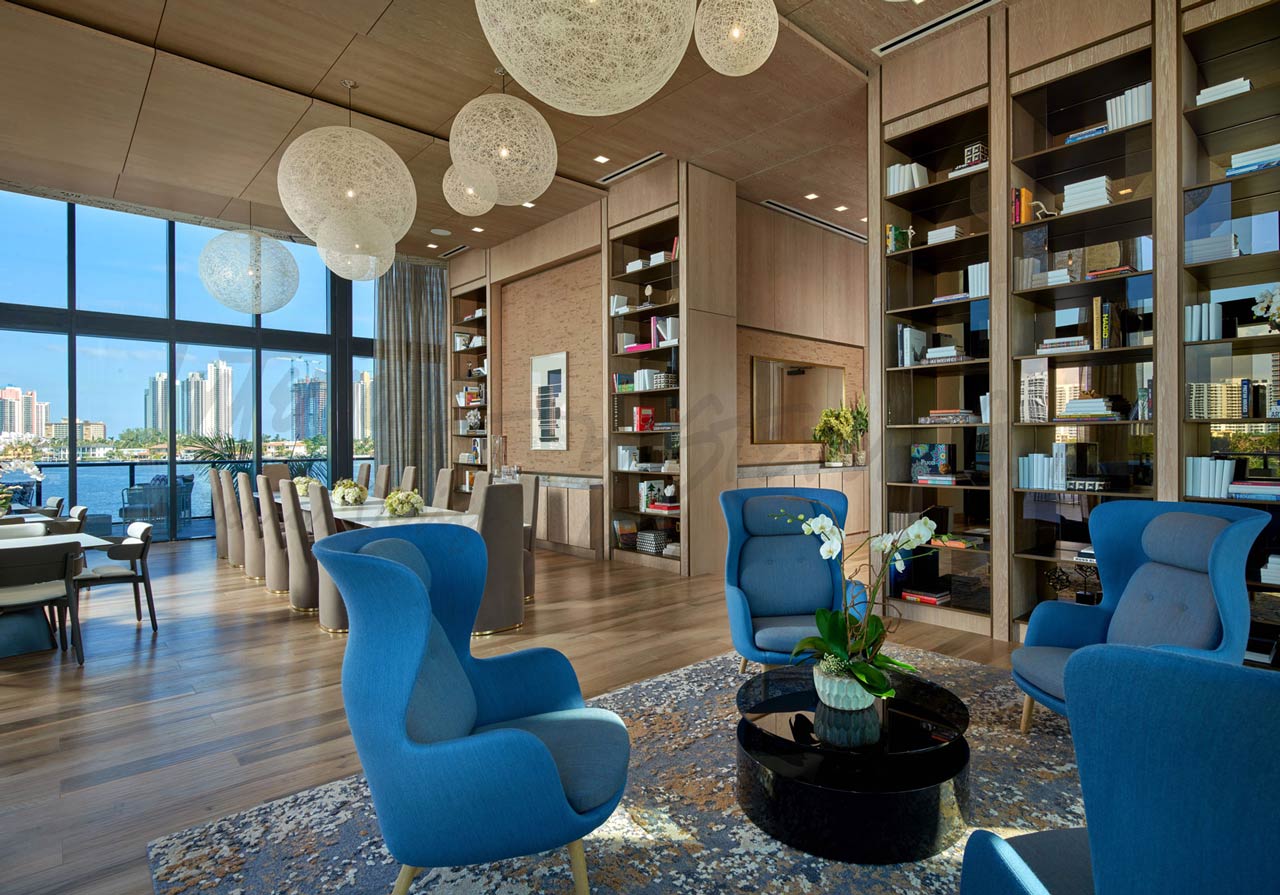
One of the most effective approaches in contemporary workspace design is the concept of zoning. Rather than dedicating an entire floor to one style of working, well-designed offices create distinct areas that serve distinct purposes. A lively central hub might anchor the space, surrounded by quieter pods, focus rooms, phone booths, or enclosed meeting areas. This approach gives employees genuine agency over how and where they work at any given moment. It also reduces the friction that often builds when collaboration and concentration are forced to coexist in the same undivided space. The result is an environment that feels responsive to human needs rather than rigidly tied to a single design philosophy.
Choosing Materials and Furnishings With Intention
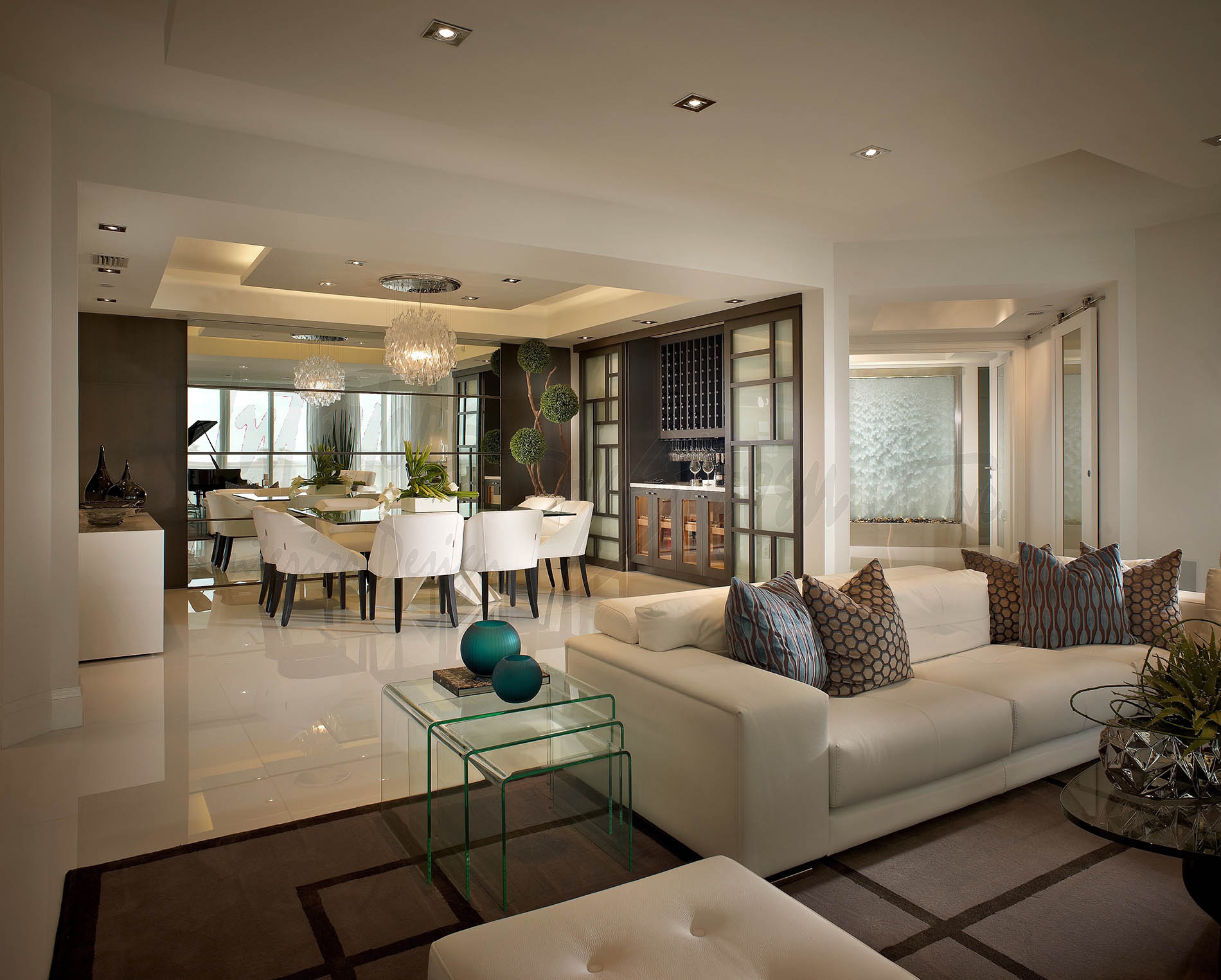
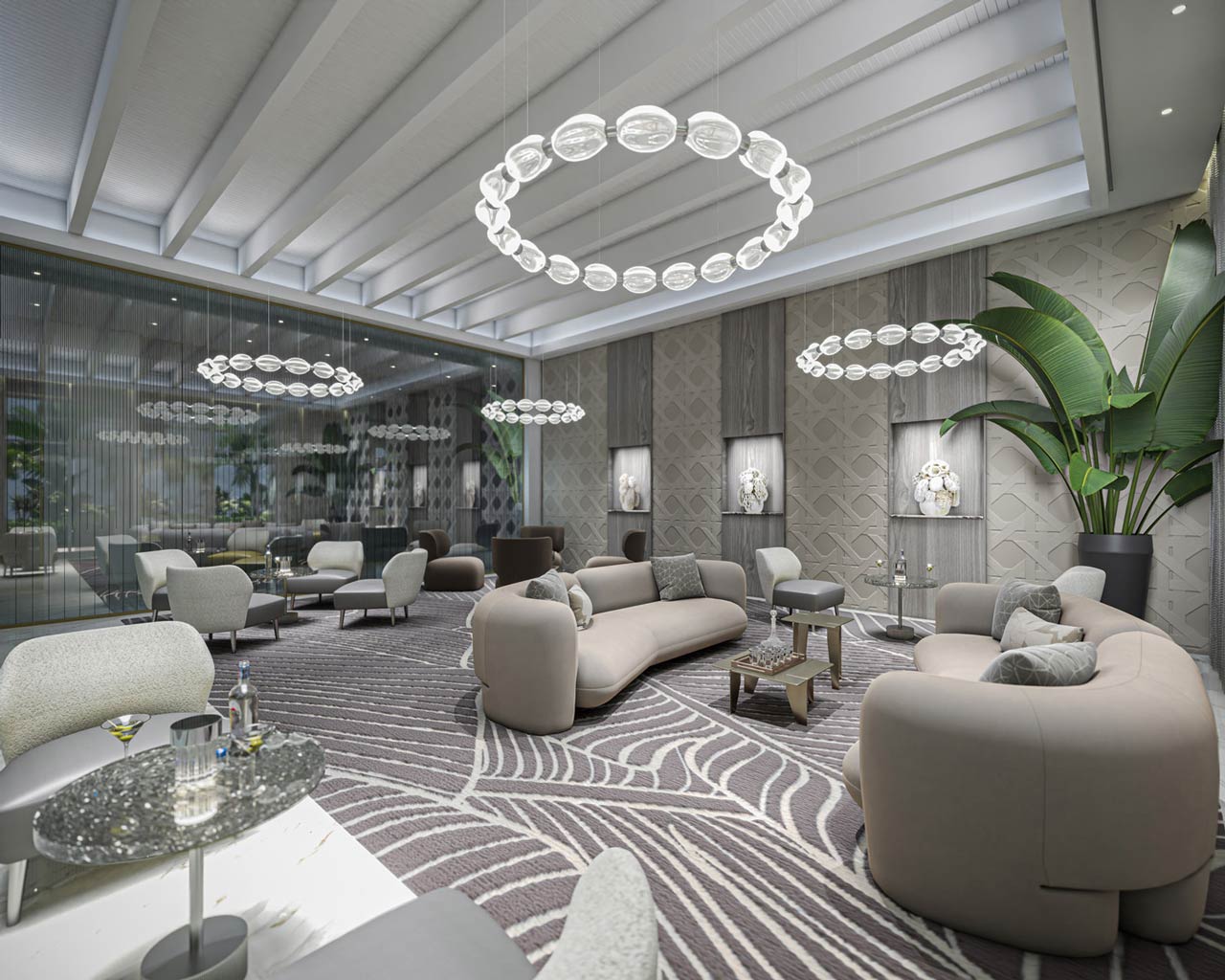
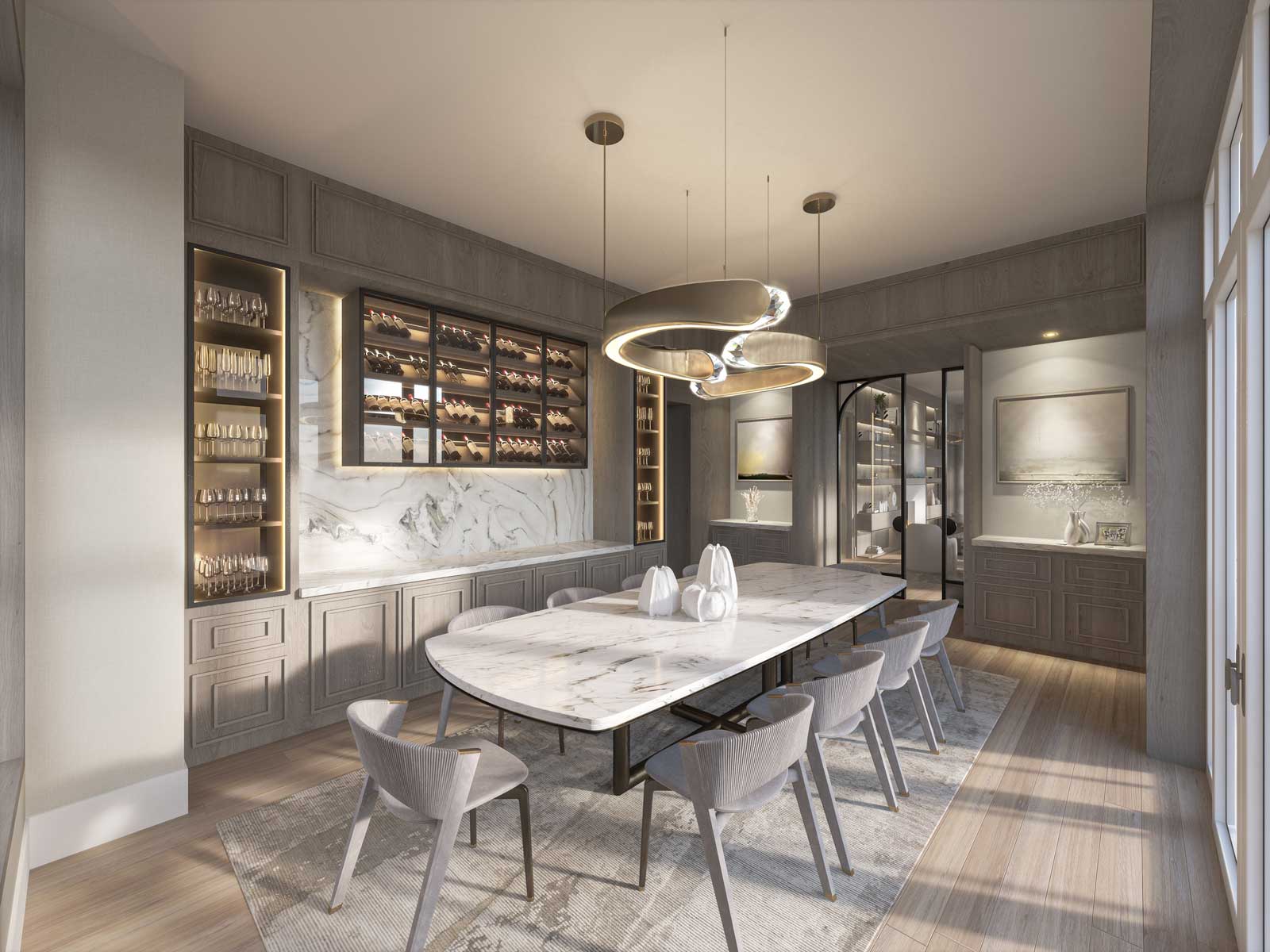
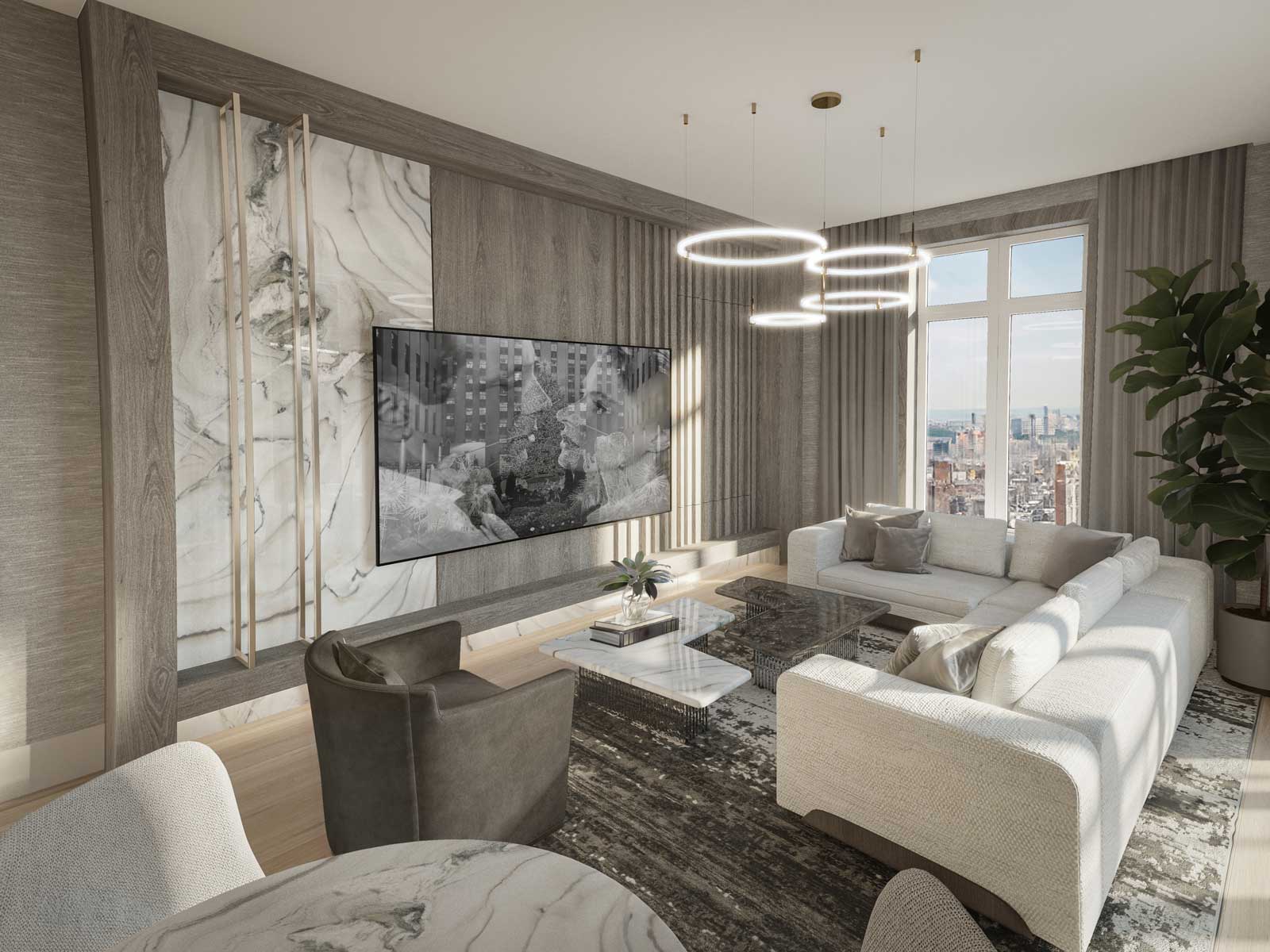
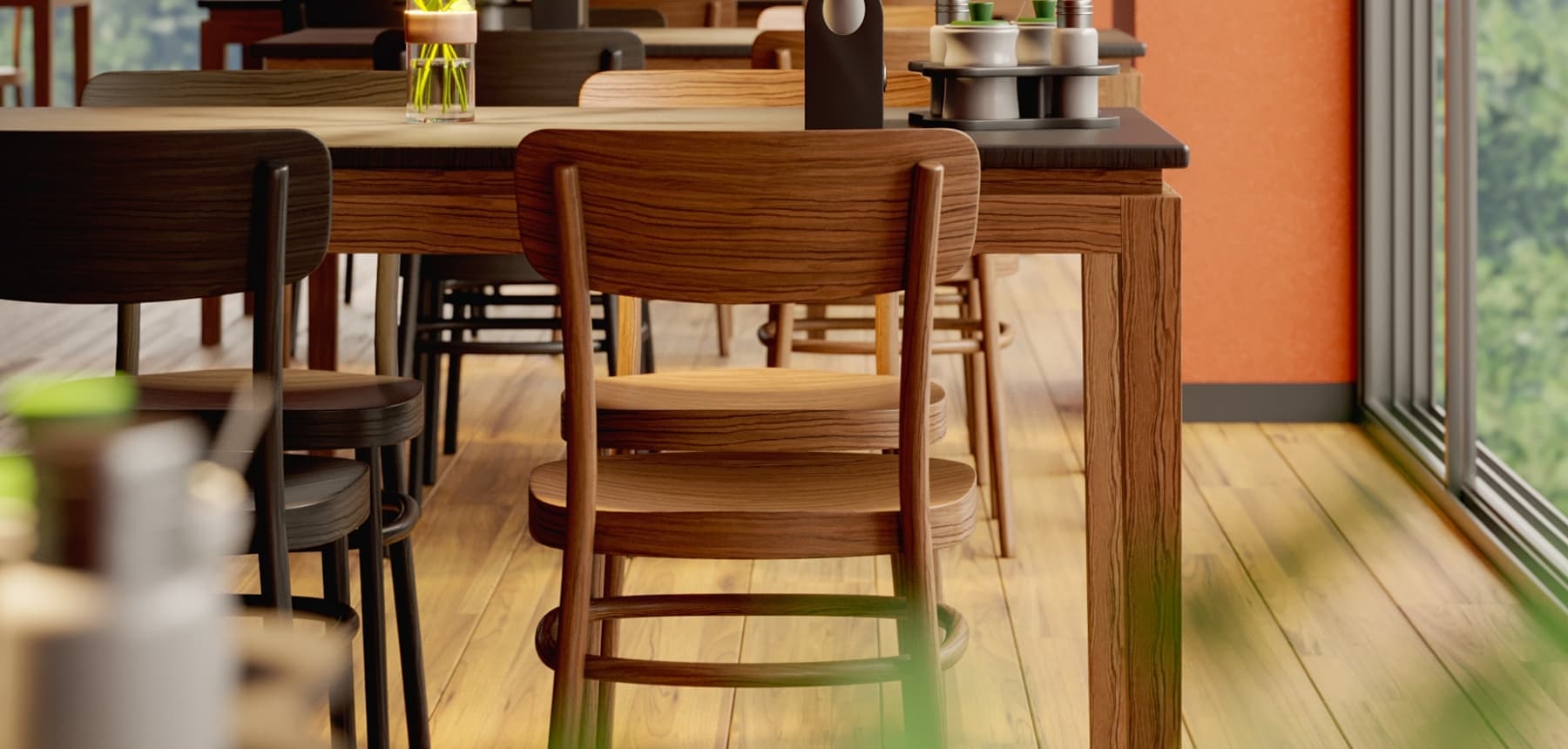
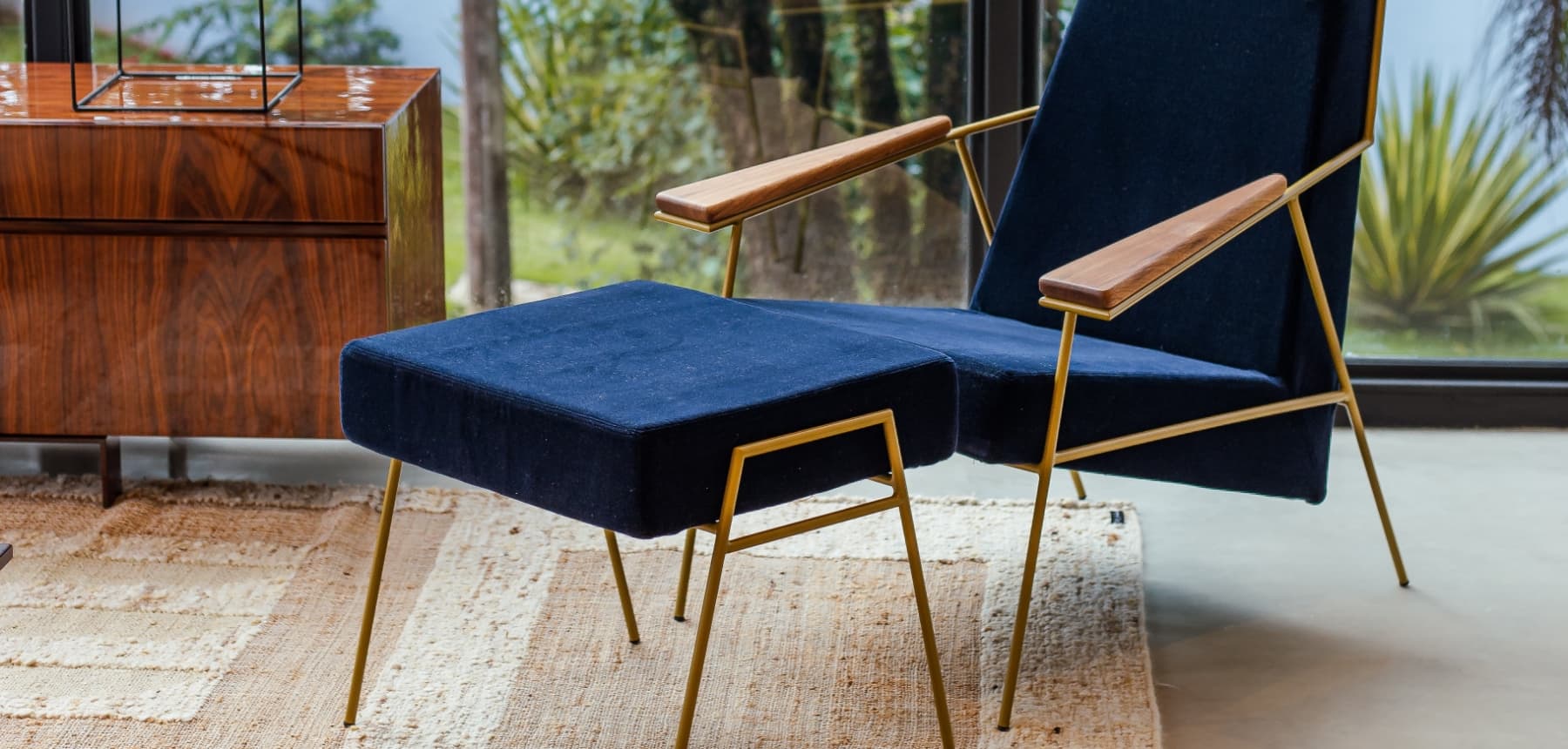
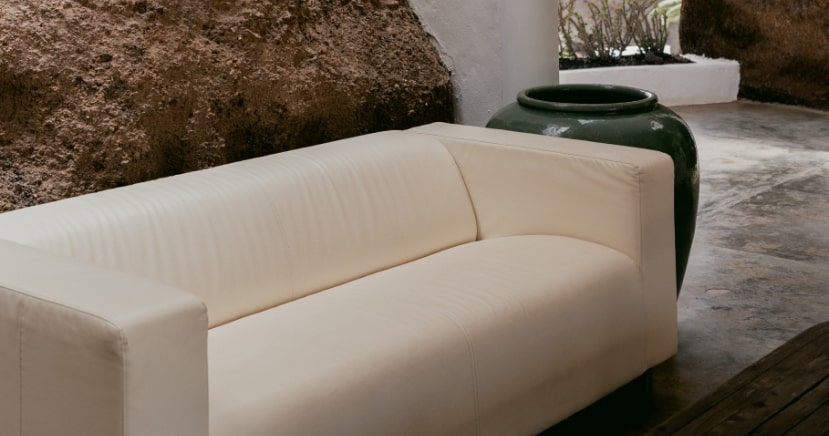
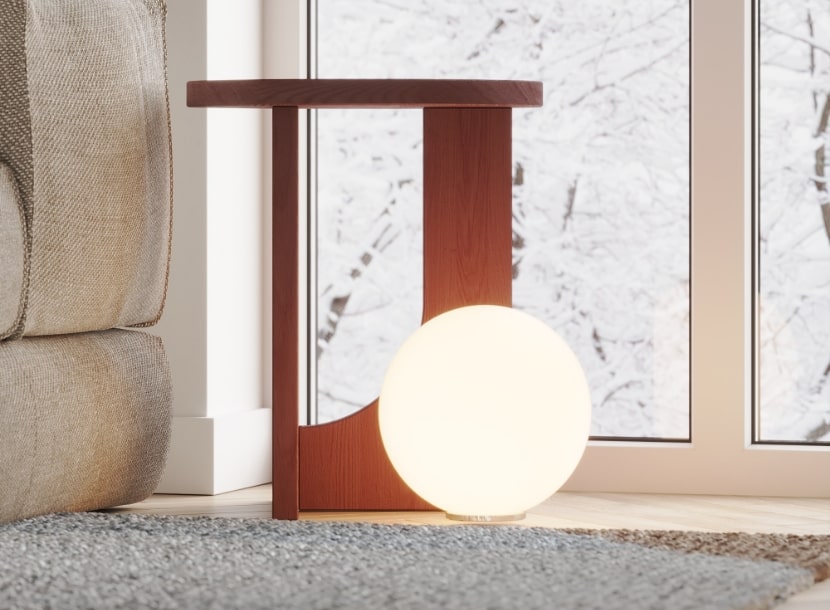
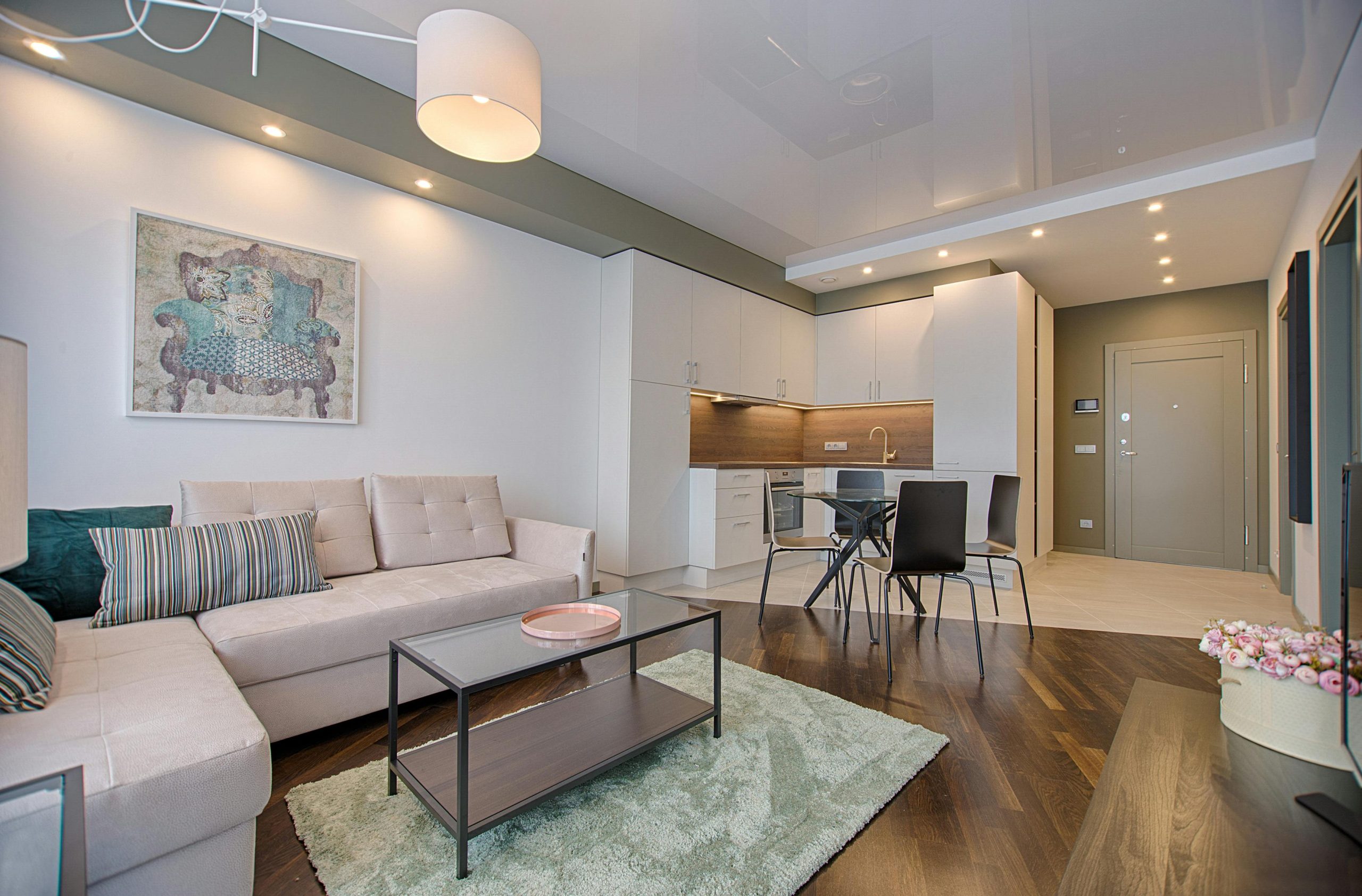
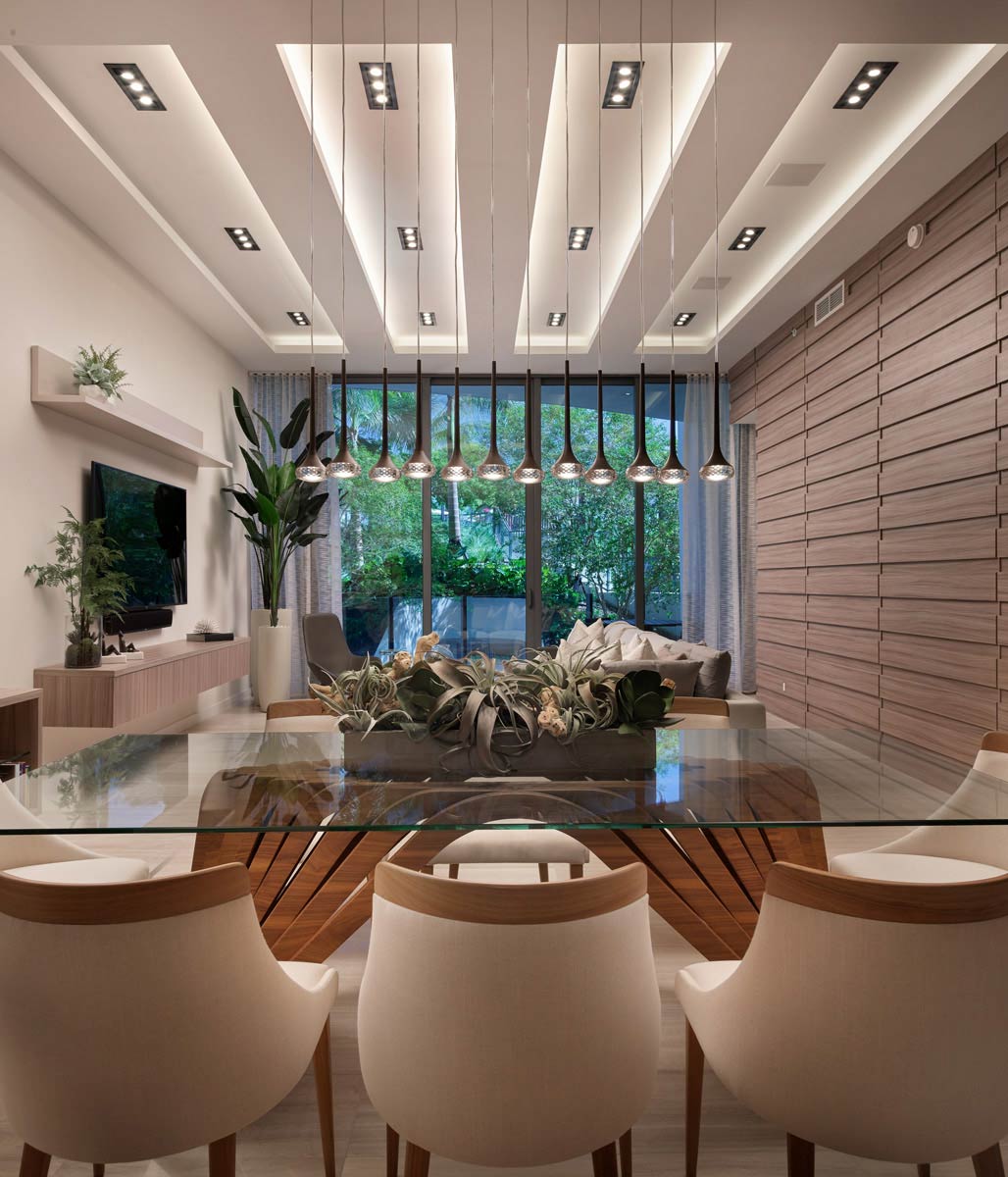
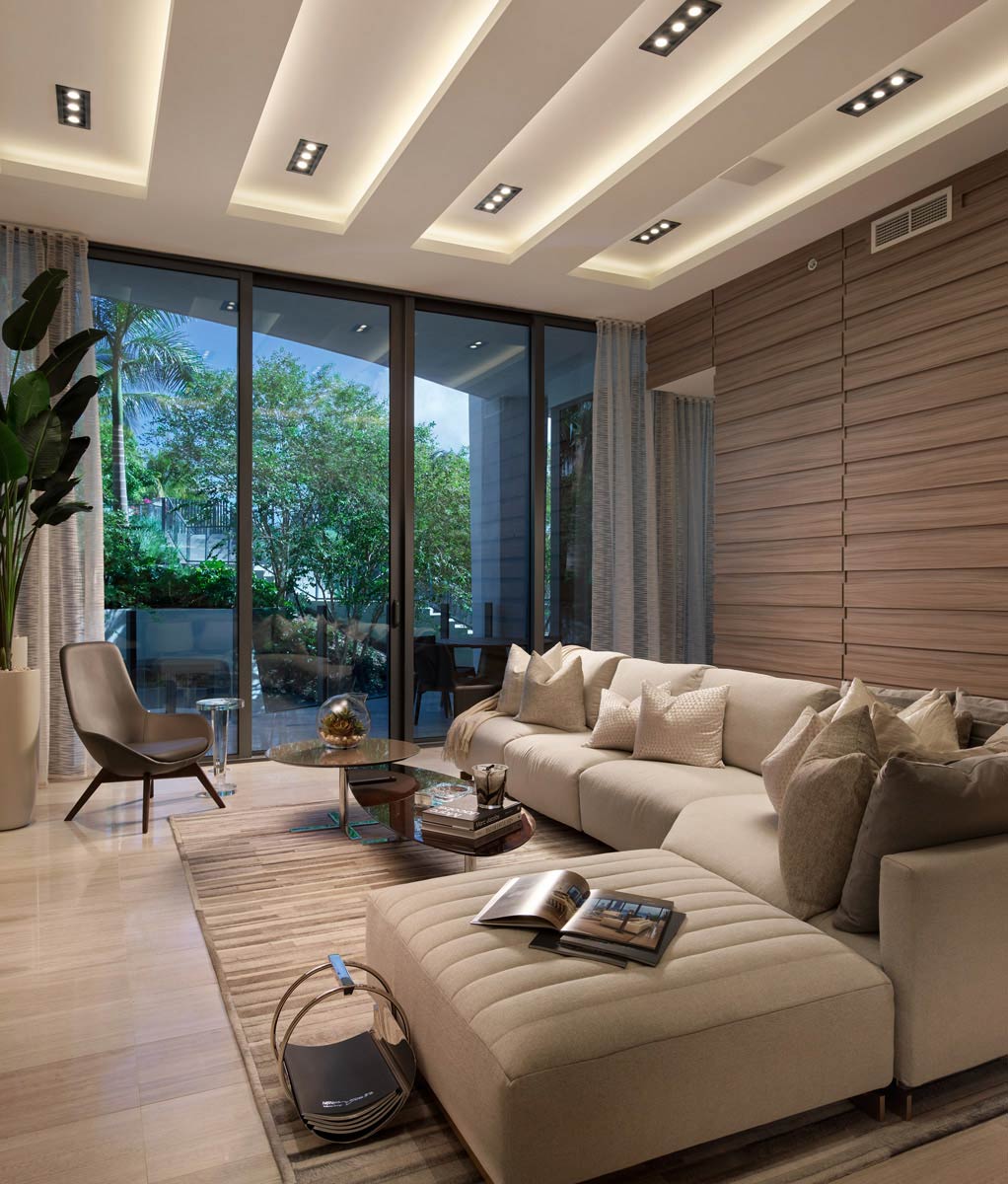
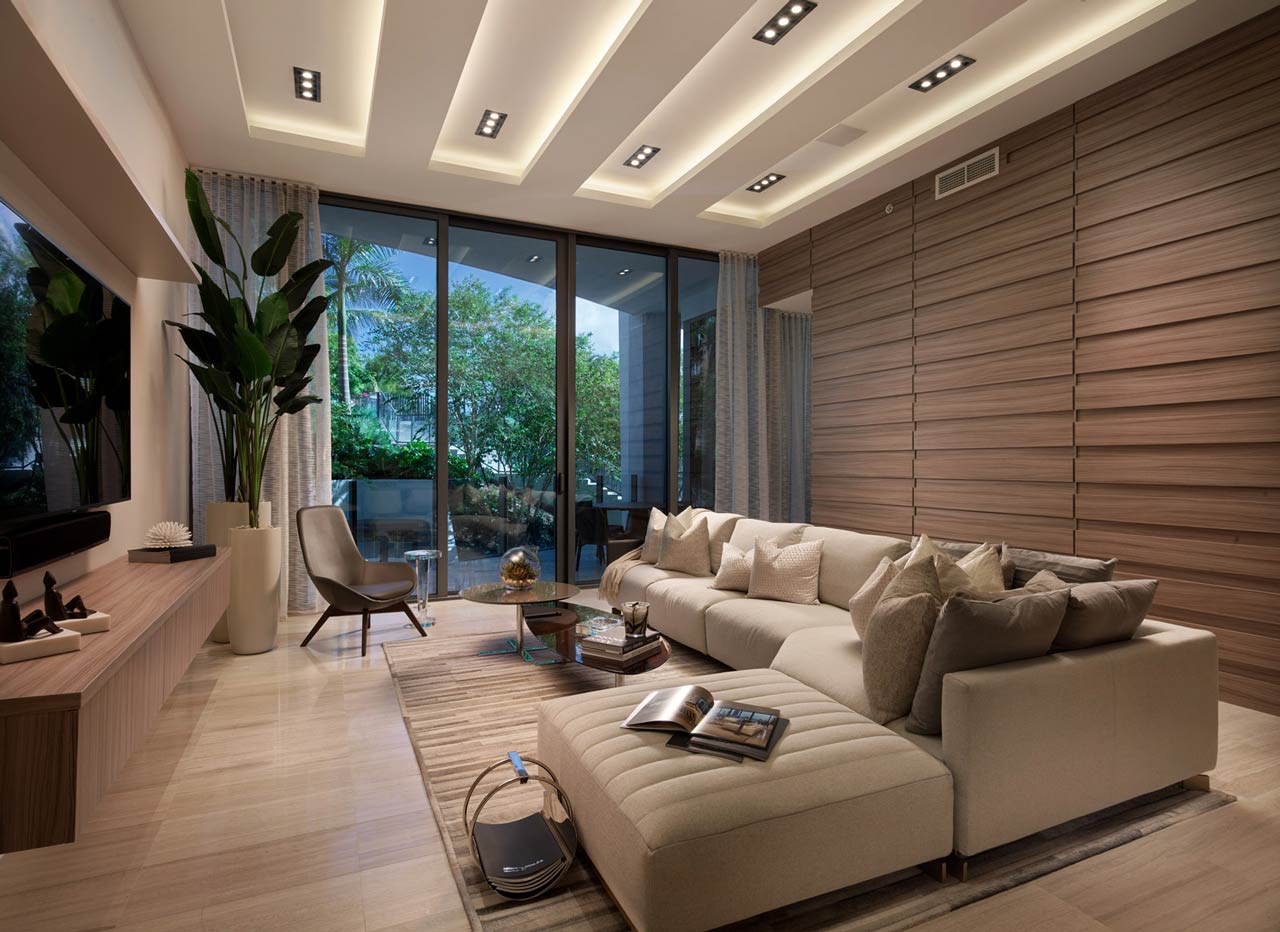
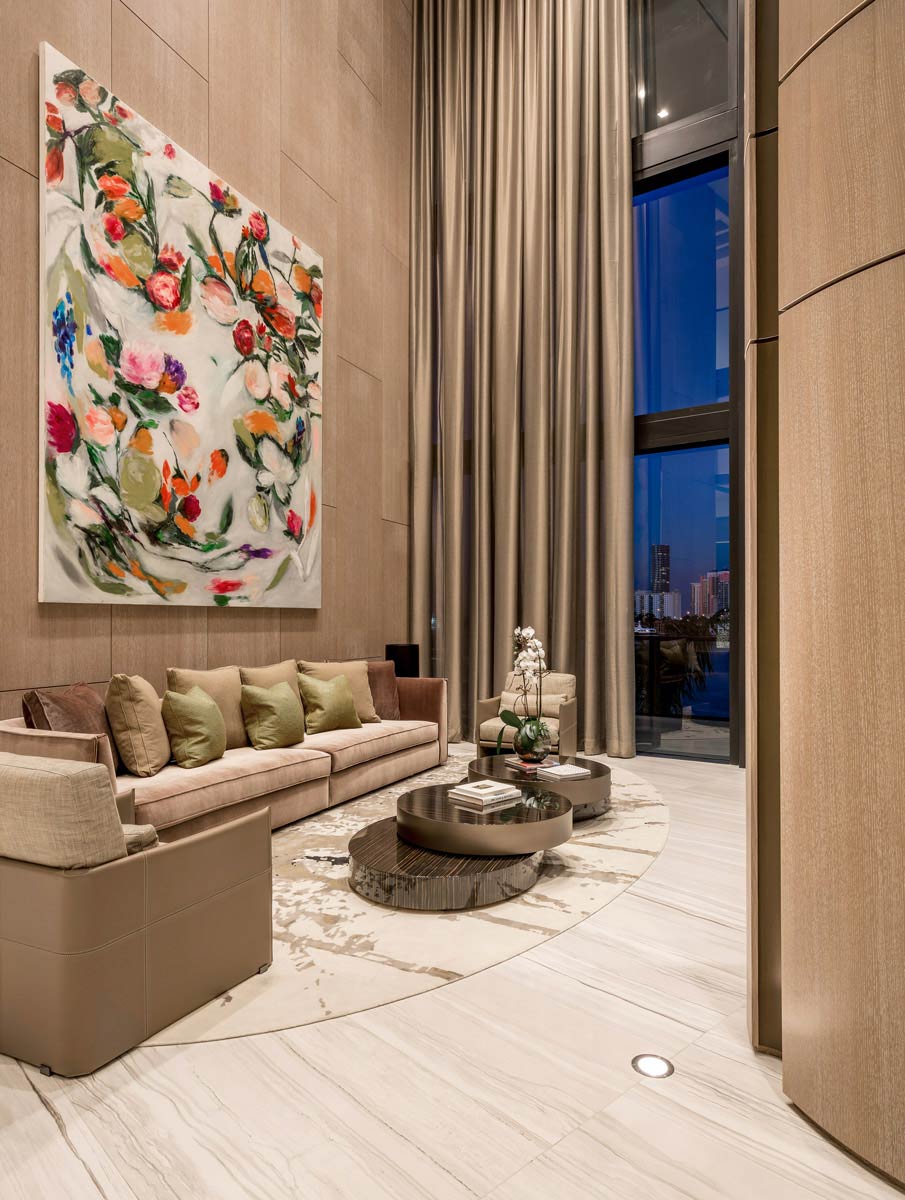
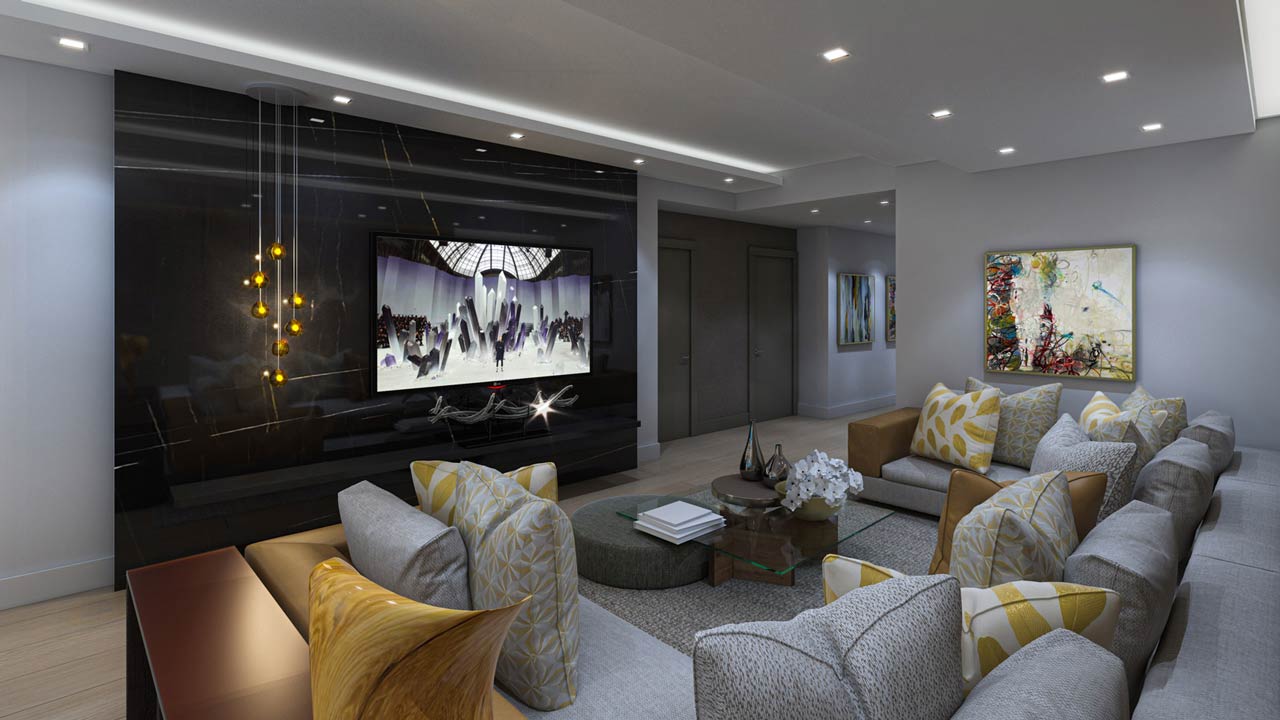
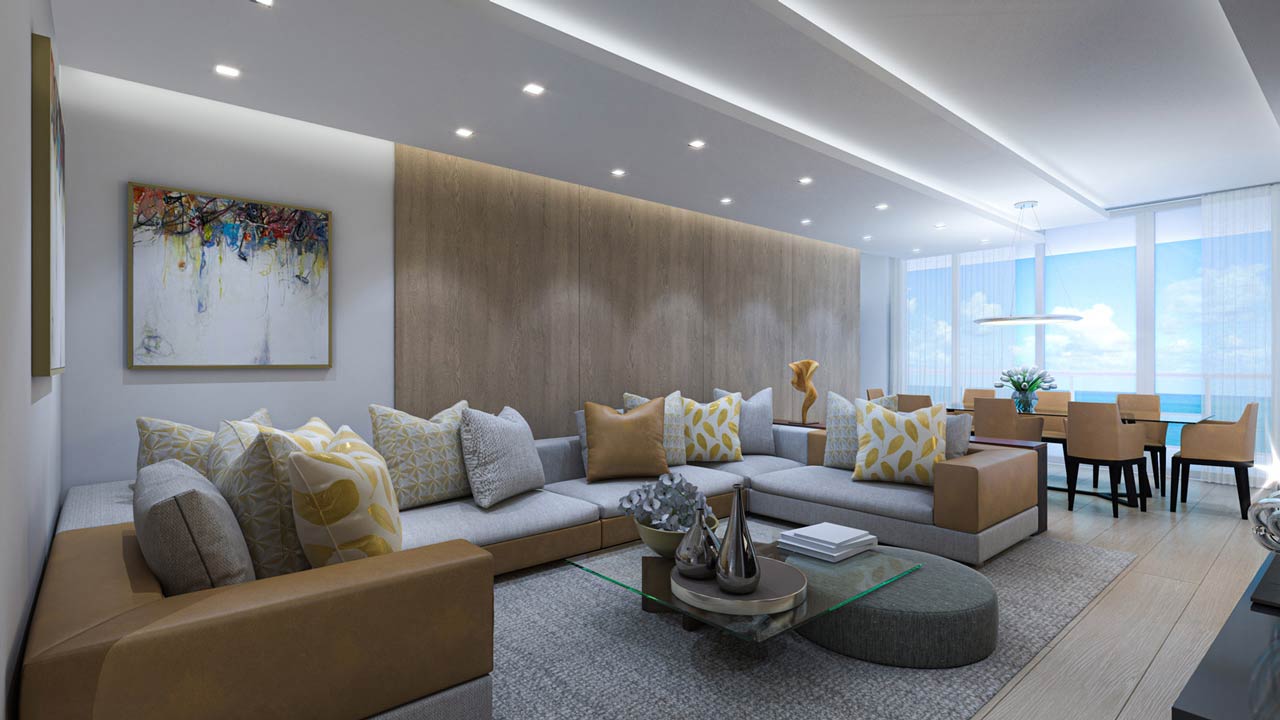
The physical elements of a space have a profound effect on how it feels and functions. Acoustic panels, soft furnishings, layered lighting, and thoughtful material choices can transform a single large room into a collection of distinct experiences. A lounge corner with plush seating and warm lighting communicates rest and informal conversation. A row of focused work desks with task lighting and sound-absorbing surrounds communicates concentration. These signals are absorbed intuitively by the people who inhabit the space, guiding behavior without a single written rule. Engaging a firm with deep expertise in commercial interior design ensures that every material and furnishing choice is working toward that larger goal of balance, beauty, and function.
Reflecting Company Culture Through Thoughtful Design
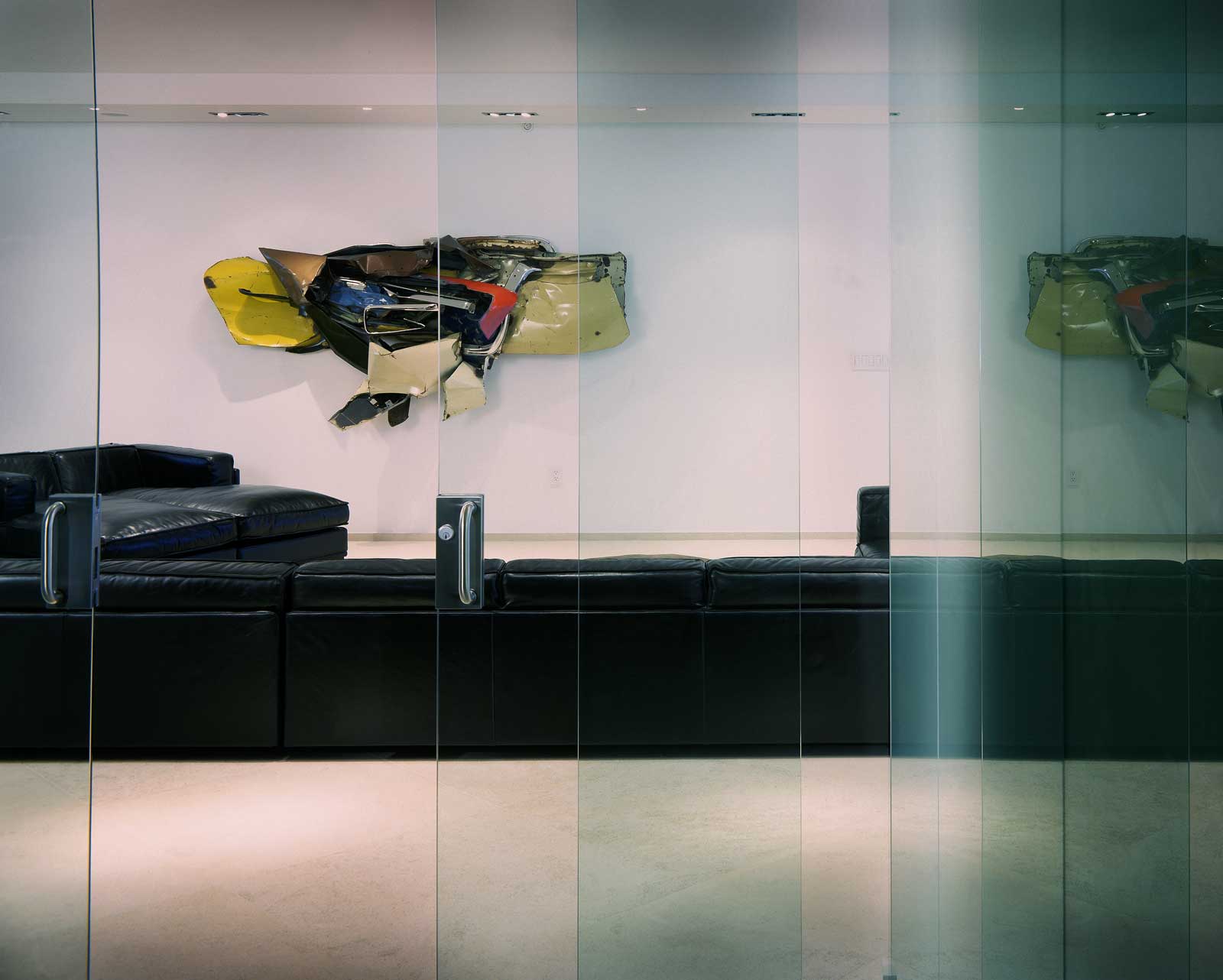
The best workspaces are not just functional. They are expressive. They communicate something true about the organization that calls them home. A workspace that genuinely values both its people and its work will find ways to make that visible in the design itself. Comfortable spaces that invite people to linger signal that human connection is valued. Private areas that offer real enclosure and a quiet signal that deep work is respected. When both exist within a single, cohesive environment, the message is clear: this is a place where people are seen as whole human beings with a full range of needs.
Design has the power to do what policies and guidelines often cannot. It can shape behavior naturally, reduce friction silently, and create a sense of belonging that employees carry with them long after they leave the building for the day. Organizations that invest in that kind of intentional environment tend to notice the difference not just in productivity, but in how people feel about coming to work.
A workspace that balances openness with privacy is one of the most meaningful gifts an organization can offer its people, and our team is here to help you design exactly that. Reach out today to start a conversation about transforming your space into an environment where every kind of work can truly thrive.
Frequently Asked Questions
Can a small office still achieve a meaningful balance between collaboration and private space?
Yes. Balance is about proportion and intention, not square footage. Even compact offices can incorporate quiet corners, semi-enclosed seating, and flexible furniture arrangements that create a sense of variety and purpose within a limited footprint.
How does lighting contribute to the feeling of collaboration versus privacy?
Lighting plays a significant role in how a space feels and how people behave within it. Brighter, more uniform lighting tends to energize and signal activity, while warmer, more directional lighting encourages focus and a sense of enclosure. Layering both within a single workspace gives people intuitive cues about how each area is intended to be used.
Is it possible to redesign an existing workspace without a complete overhaul?
Absolutely. Many meaningful improvements come from strategic additions rather than full renovations. Acoustic treatments, modular furniture, thoughtful partitions, and carefully placed lighting upgrades can significantly shift how a space feels and functions without requiring a ground-up redesign.
How do we know if our current workspace is working for our team?
The clearest indicators are behavioral. If employees consistently seek out alternative locations to focus, avoid certain areas of the office, or express difficulty concentrating, those are signals worth taking seriously. A space that is truly working tends to be one that people use intuitively and return to willingly.