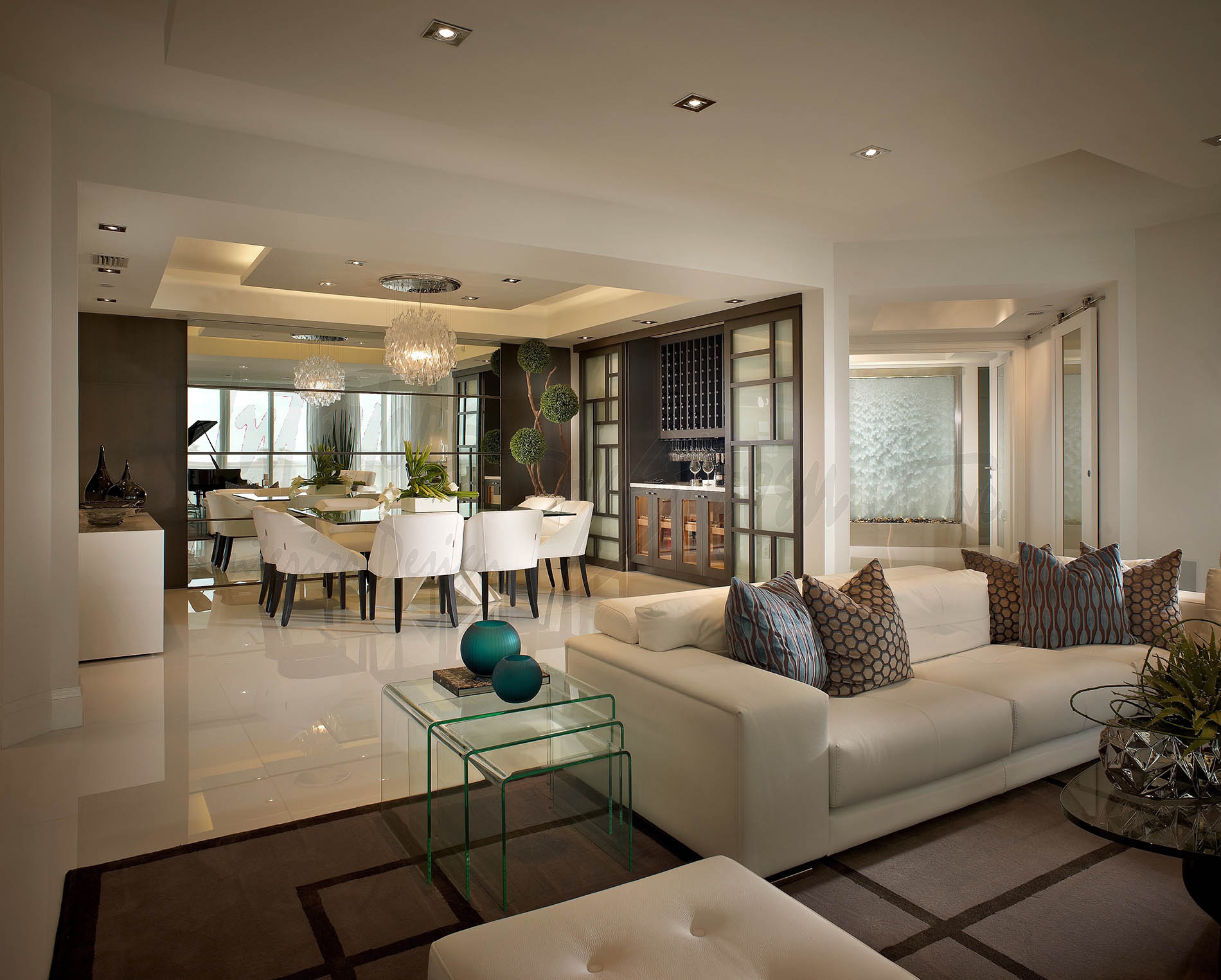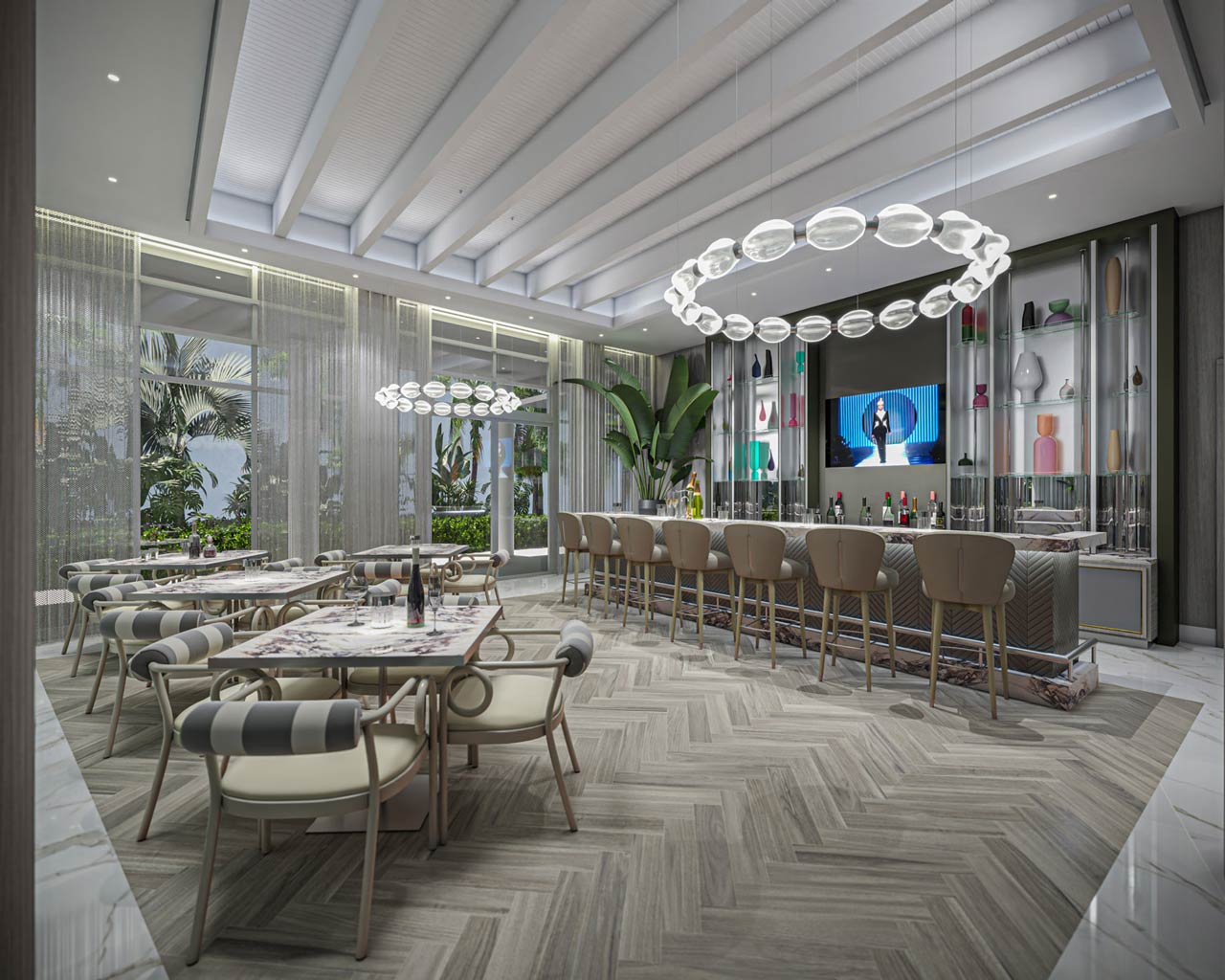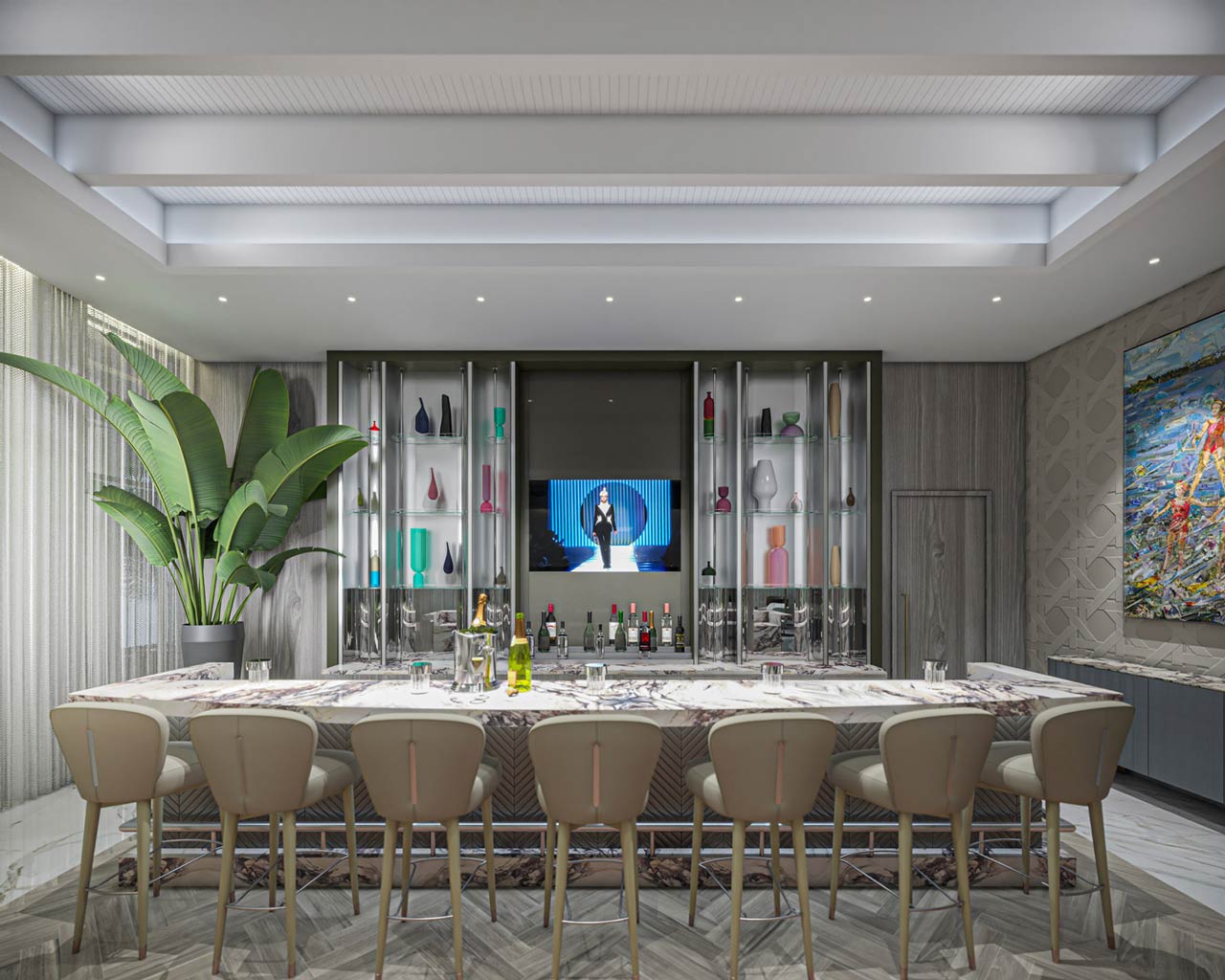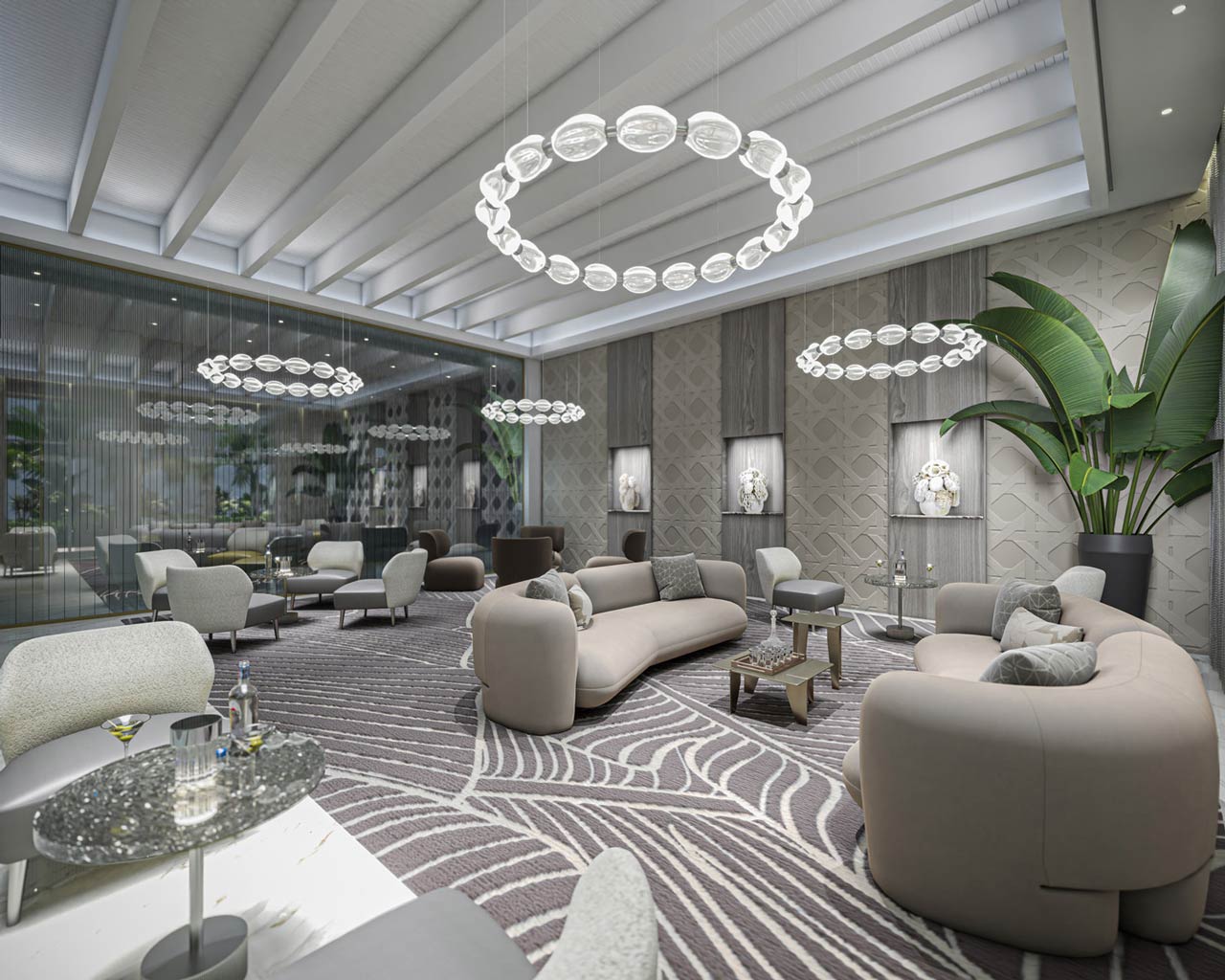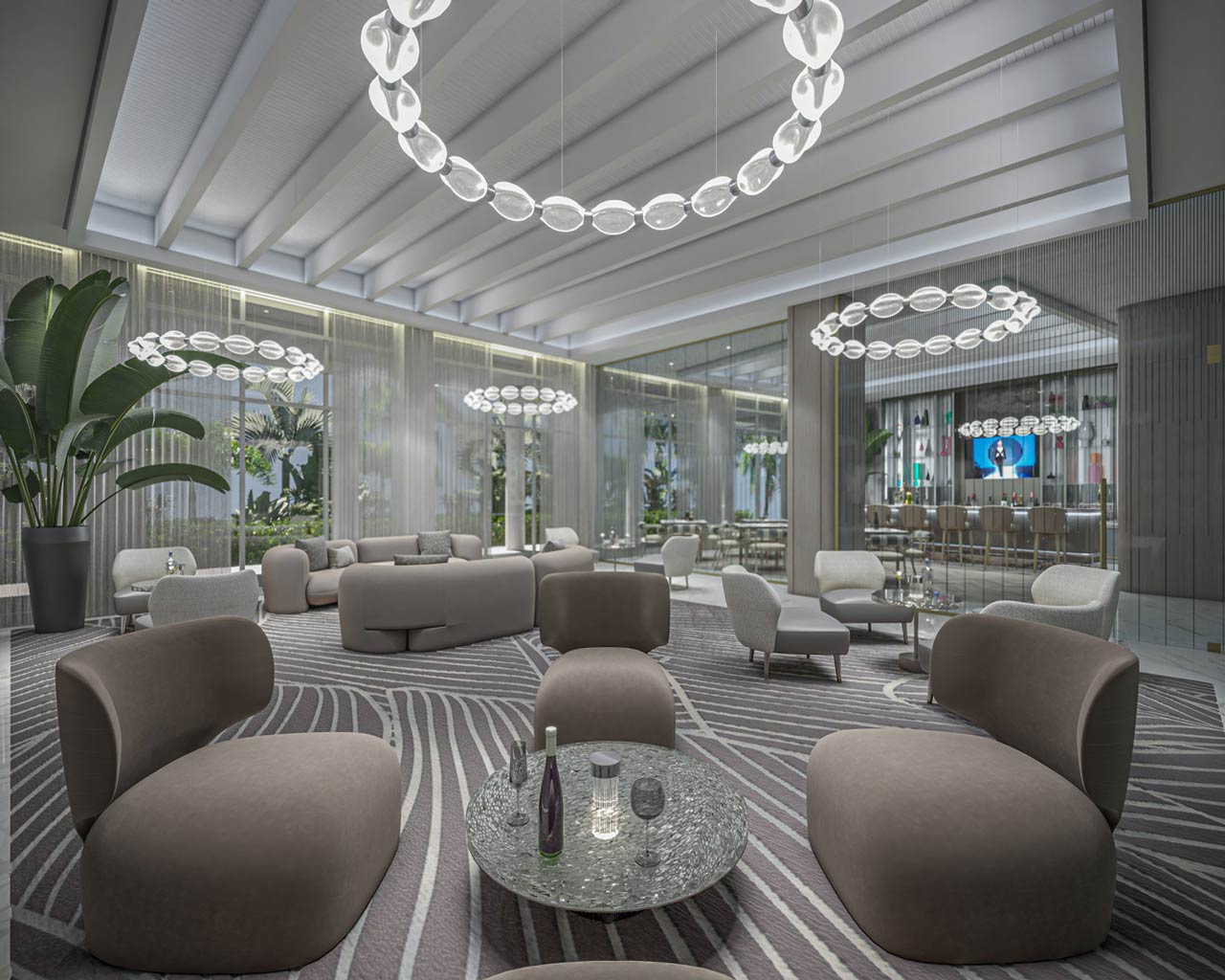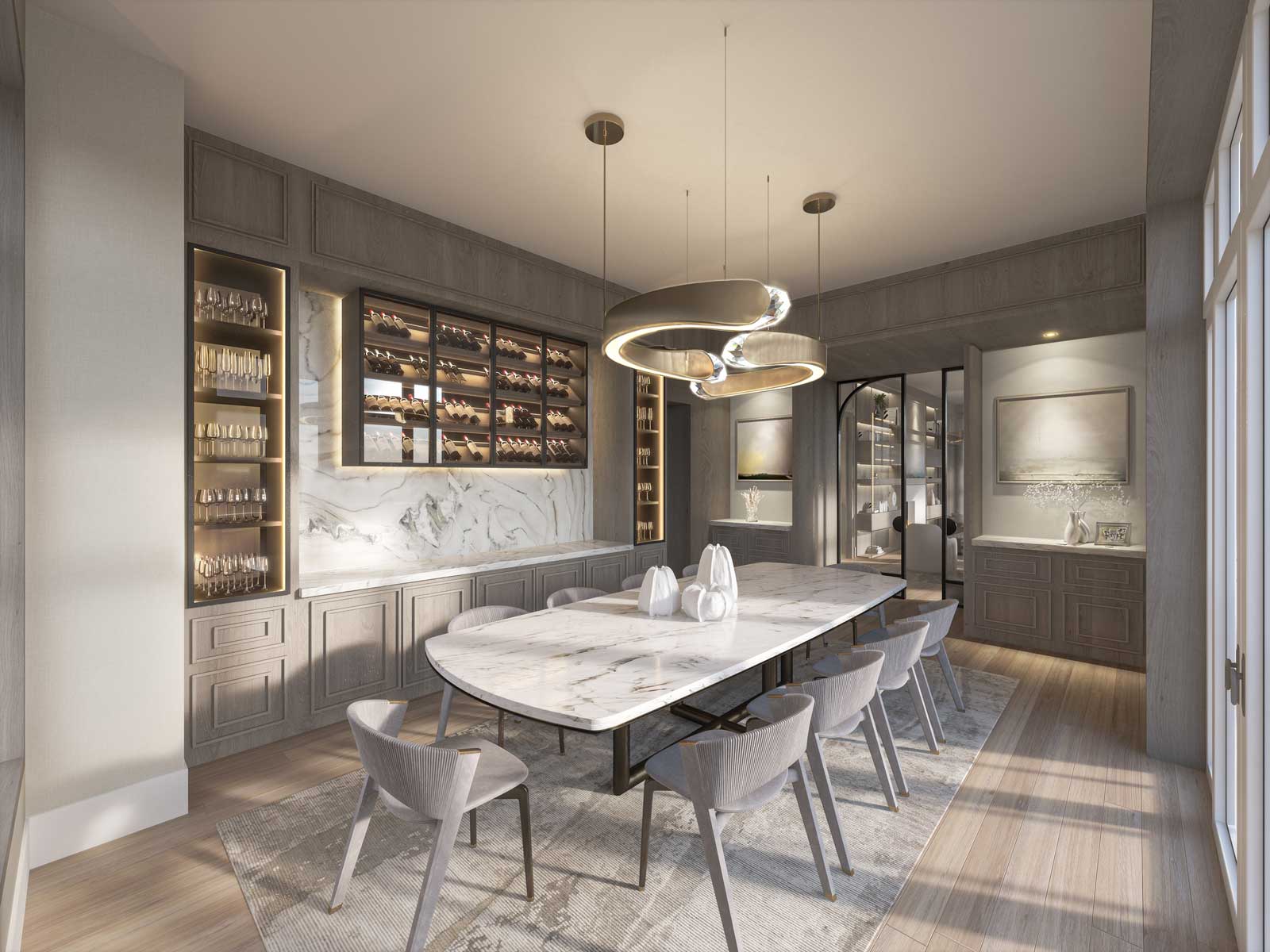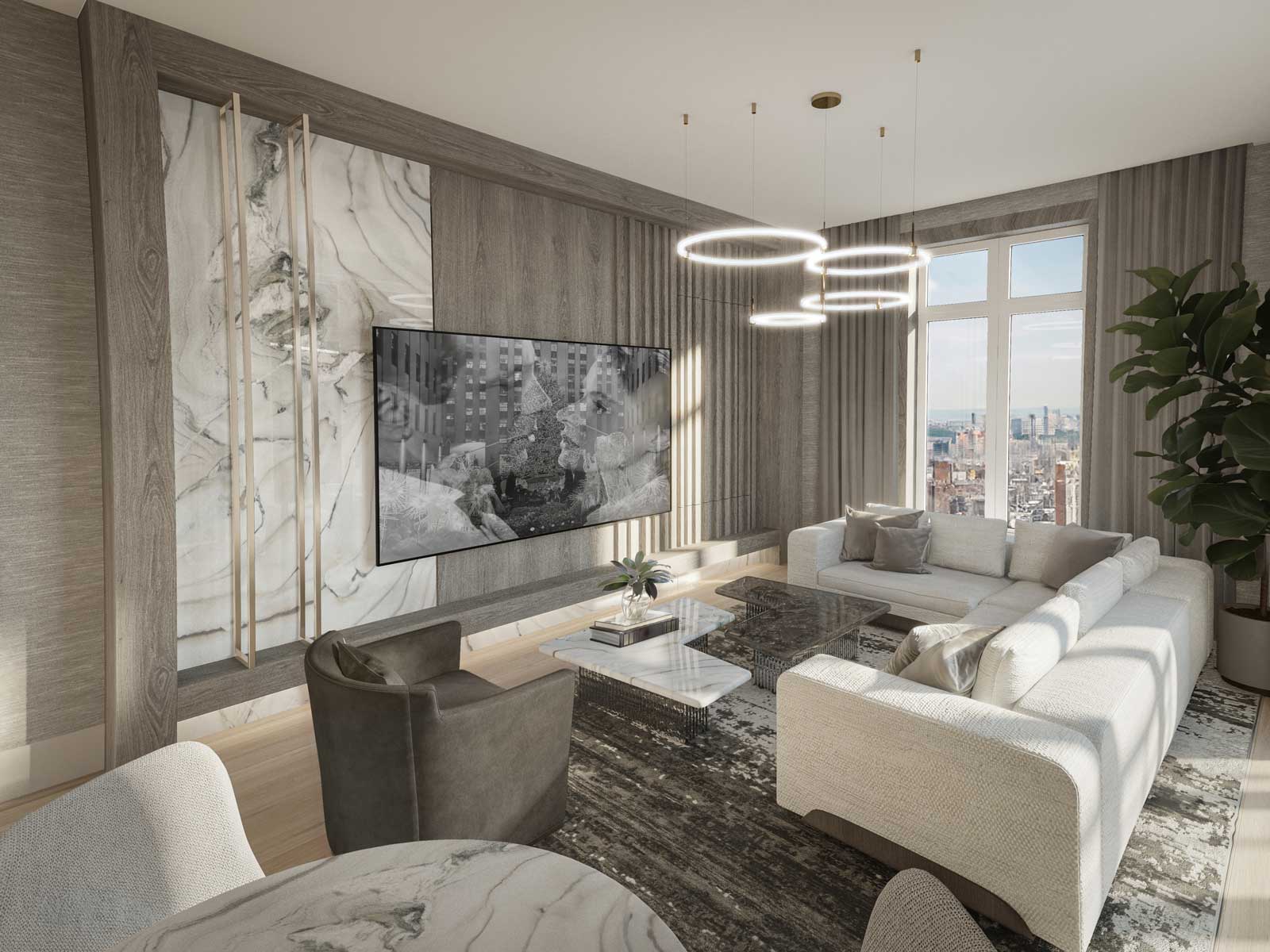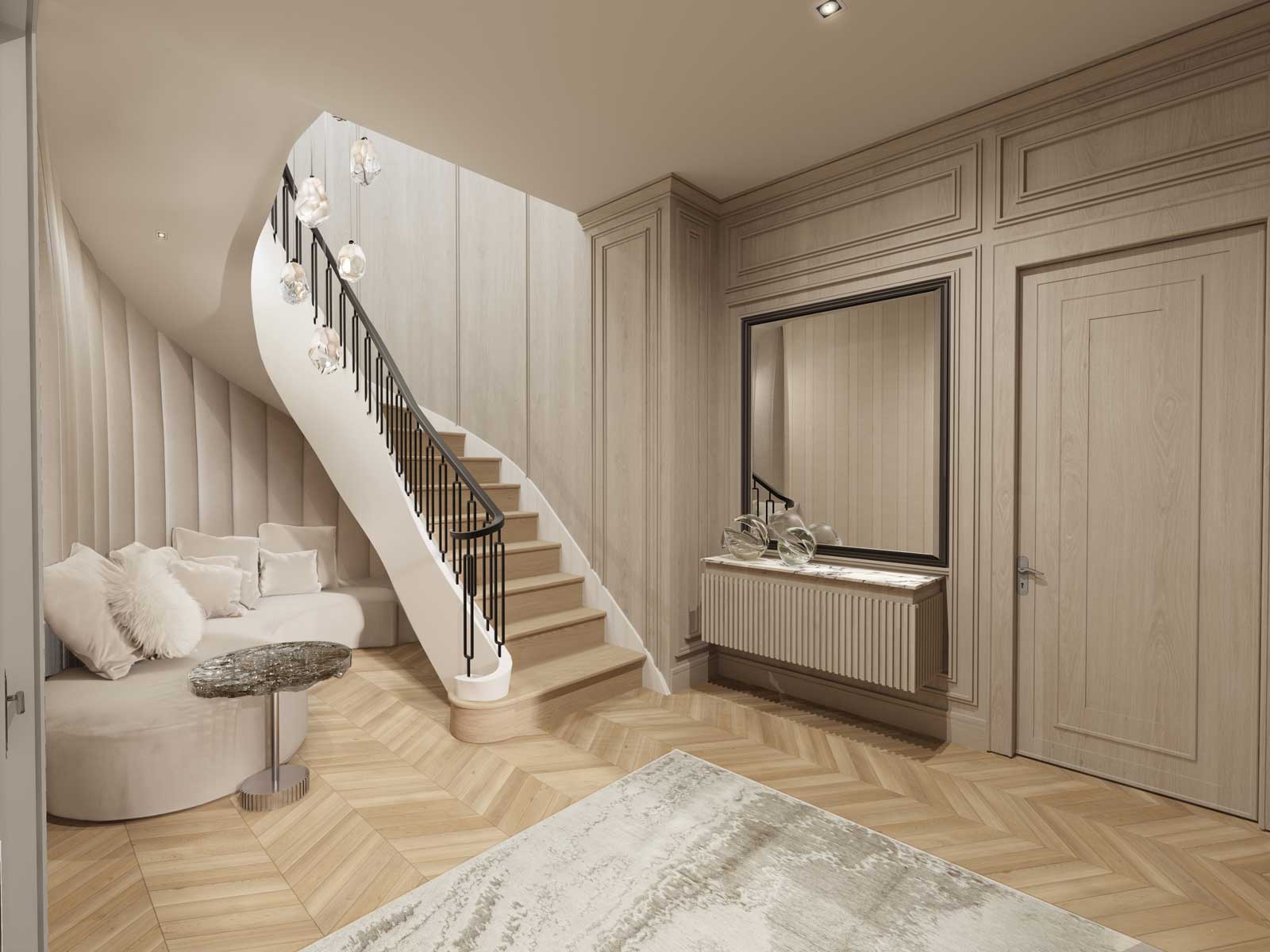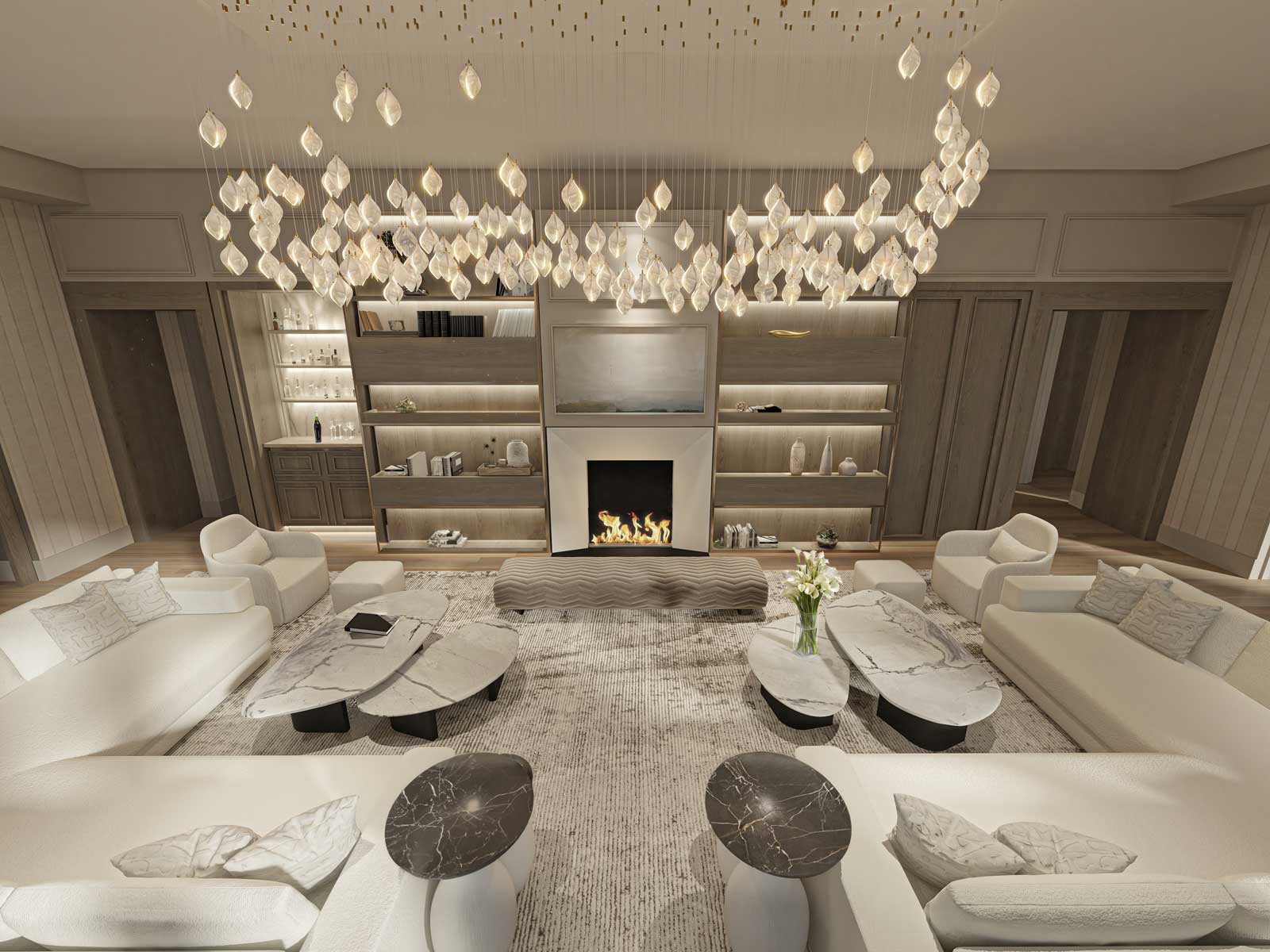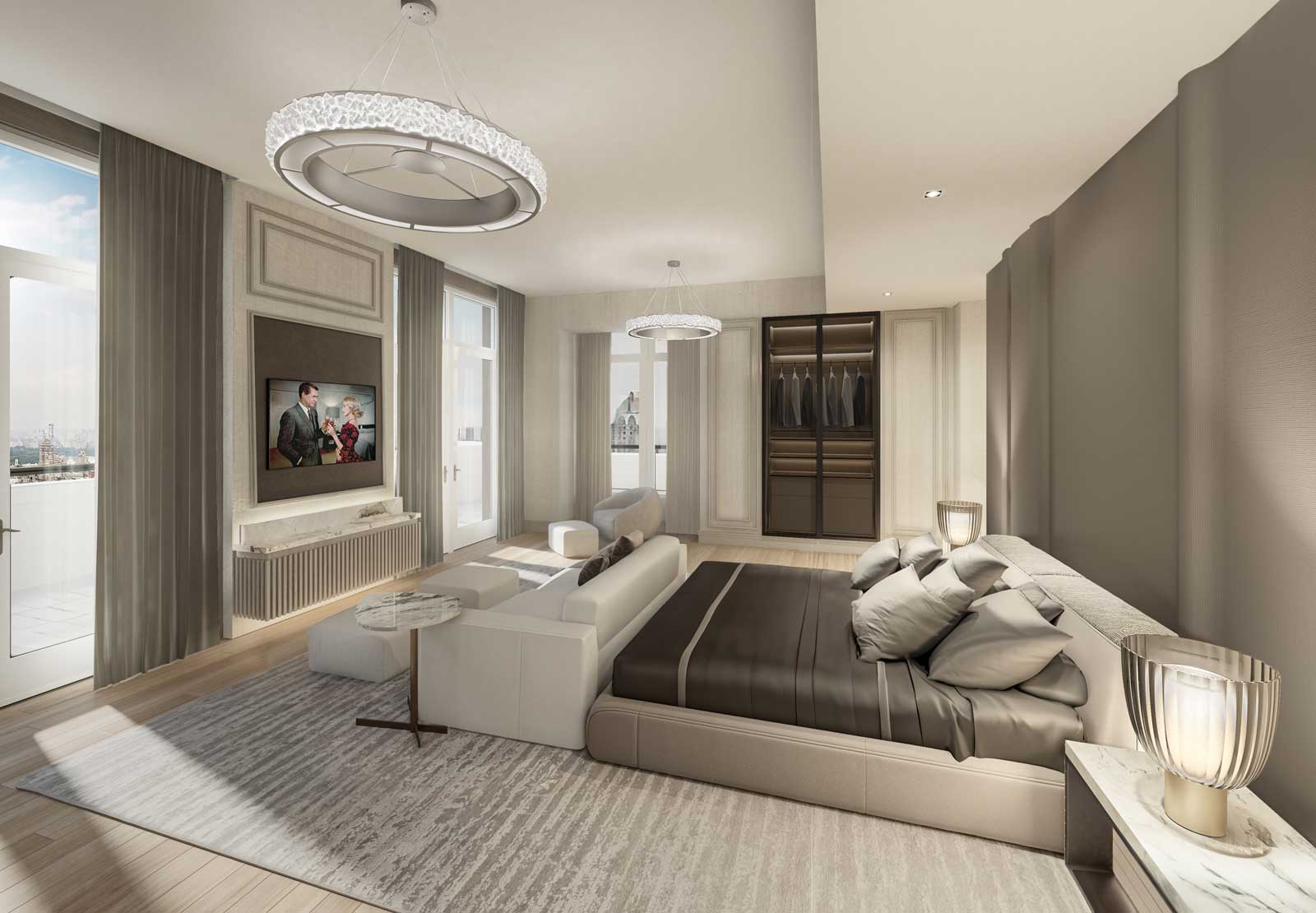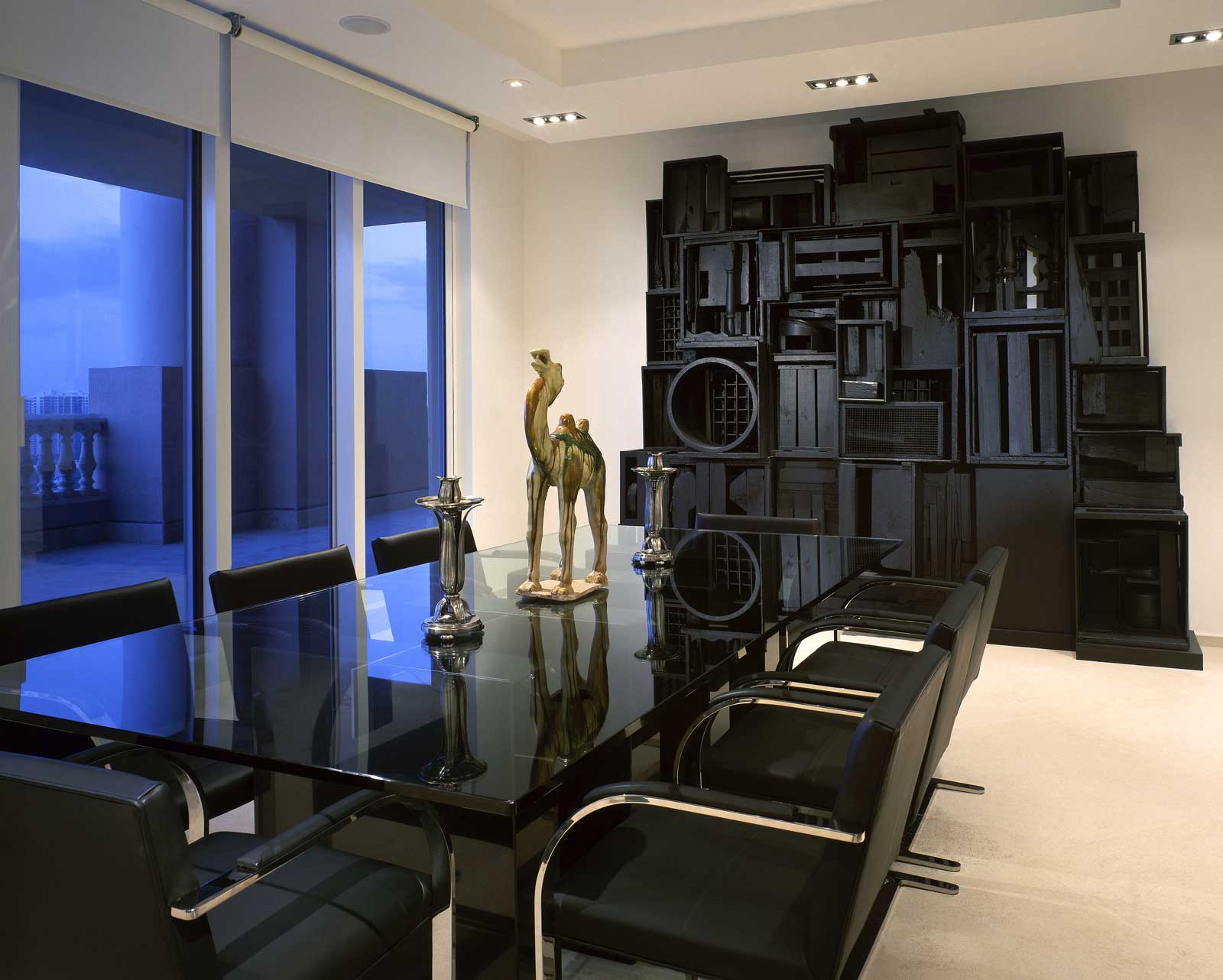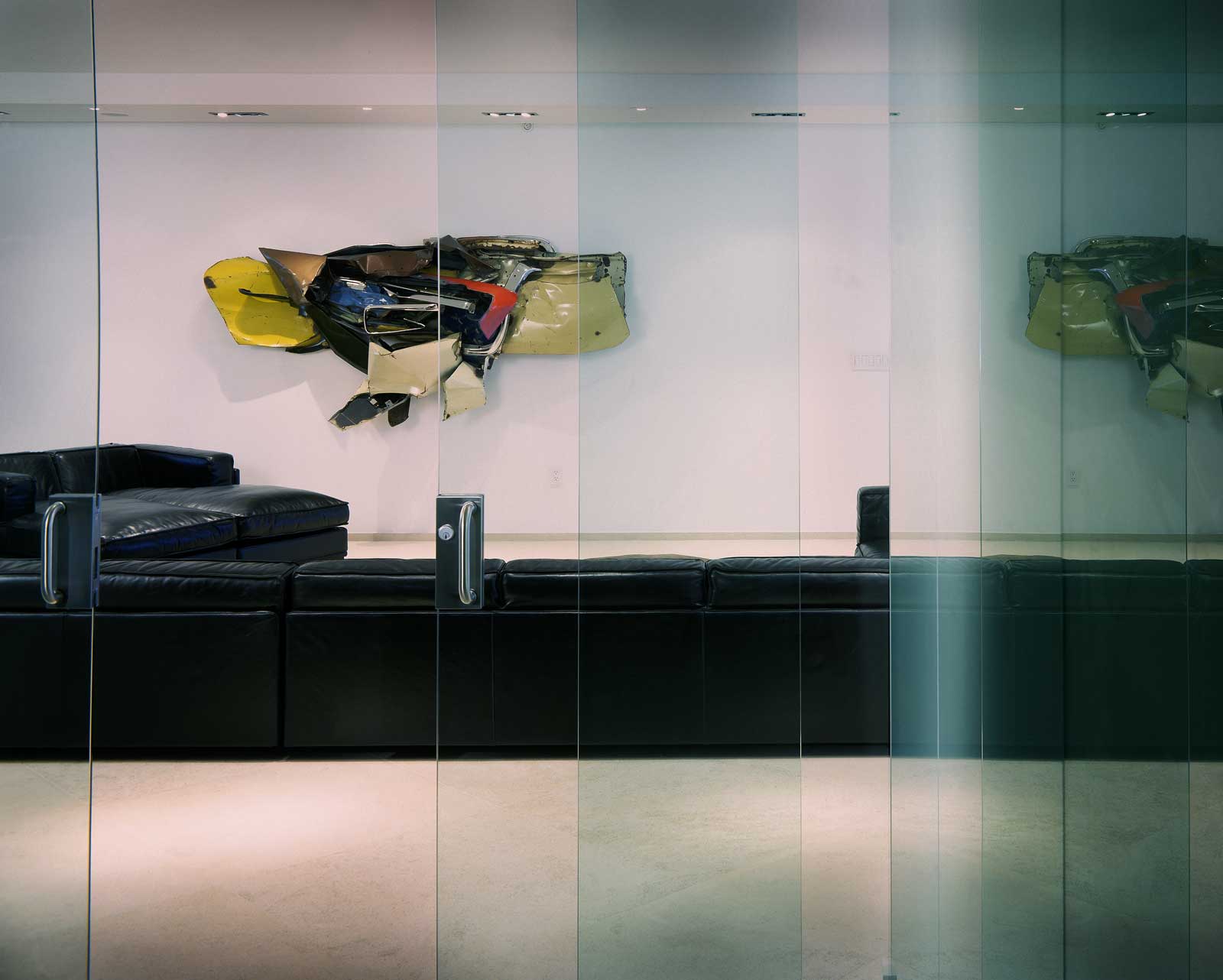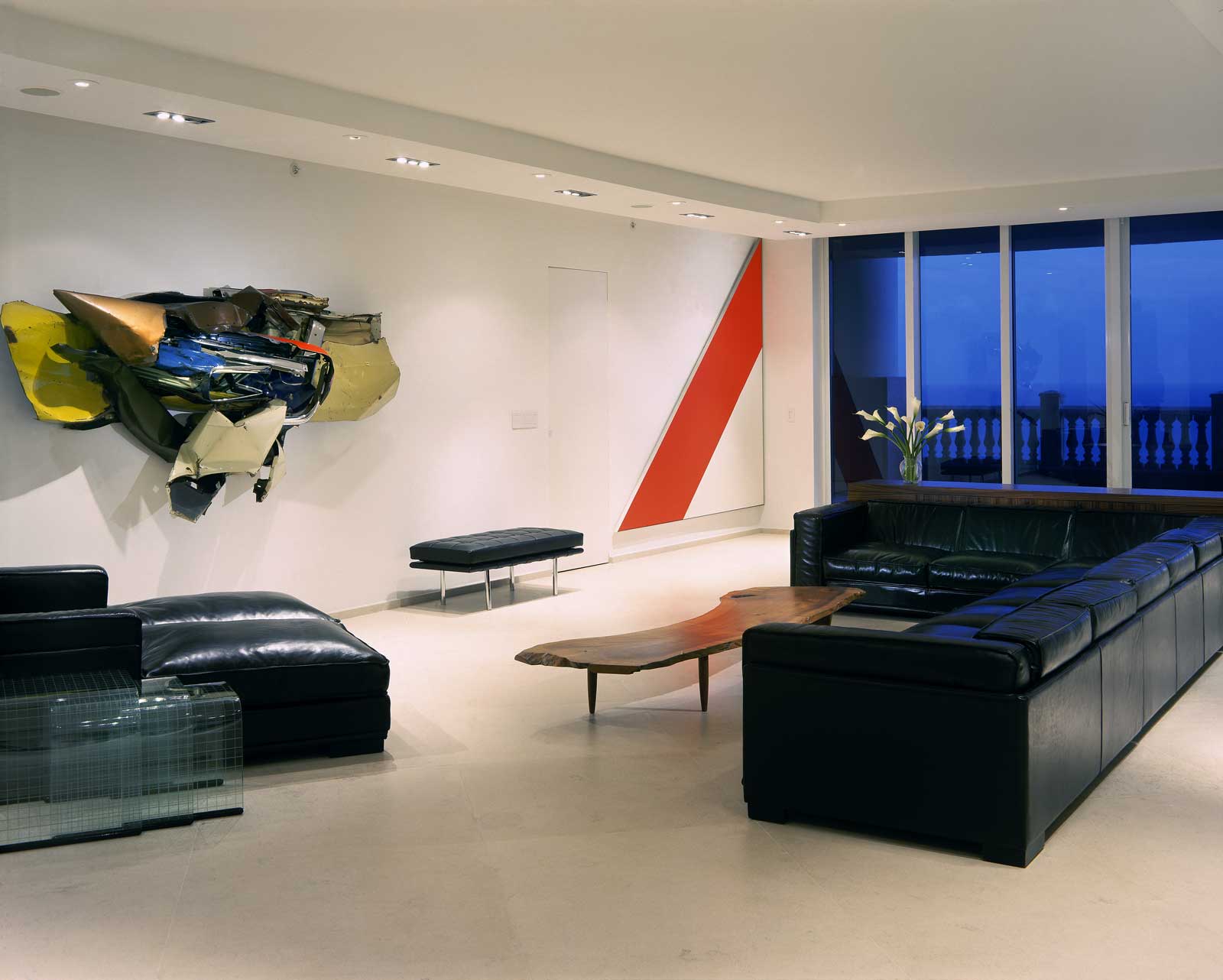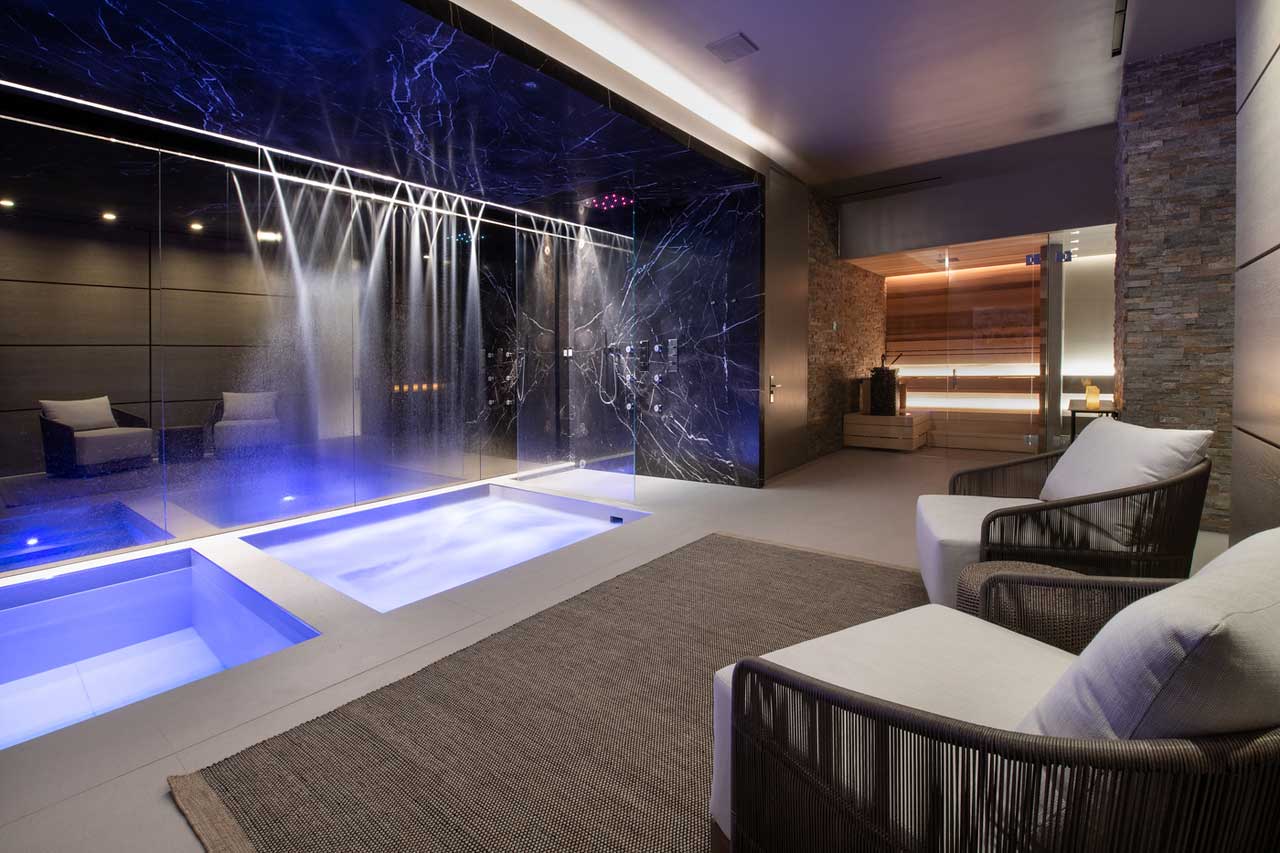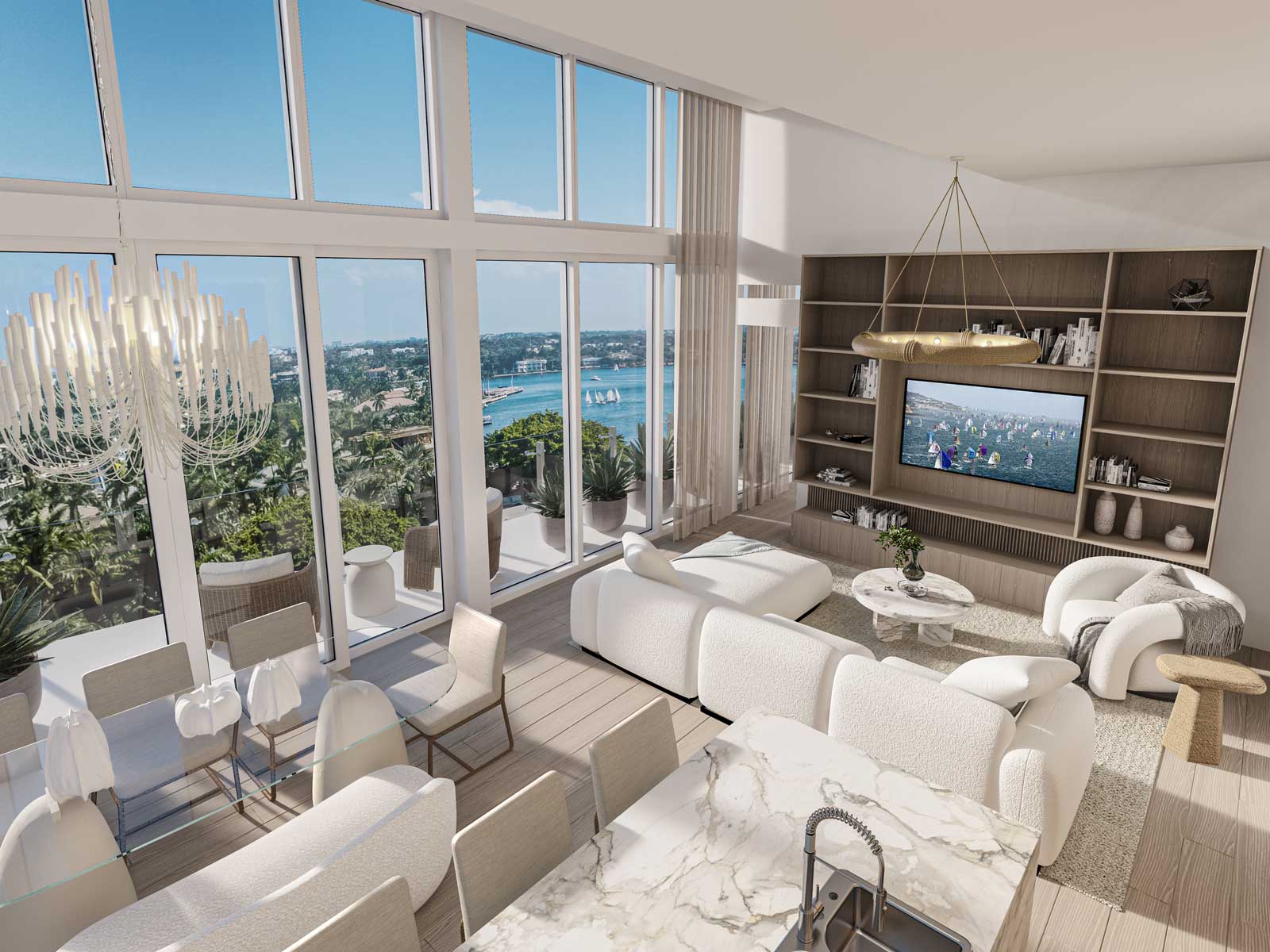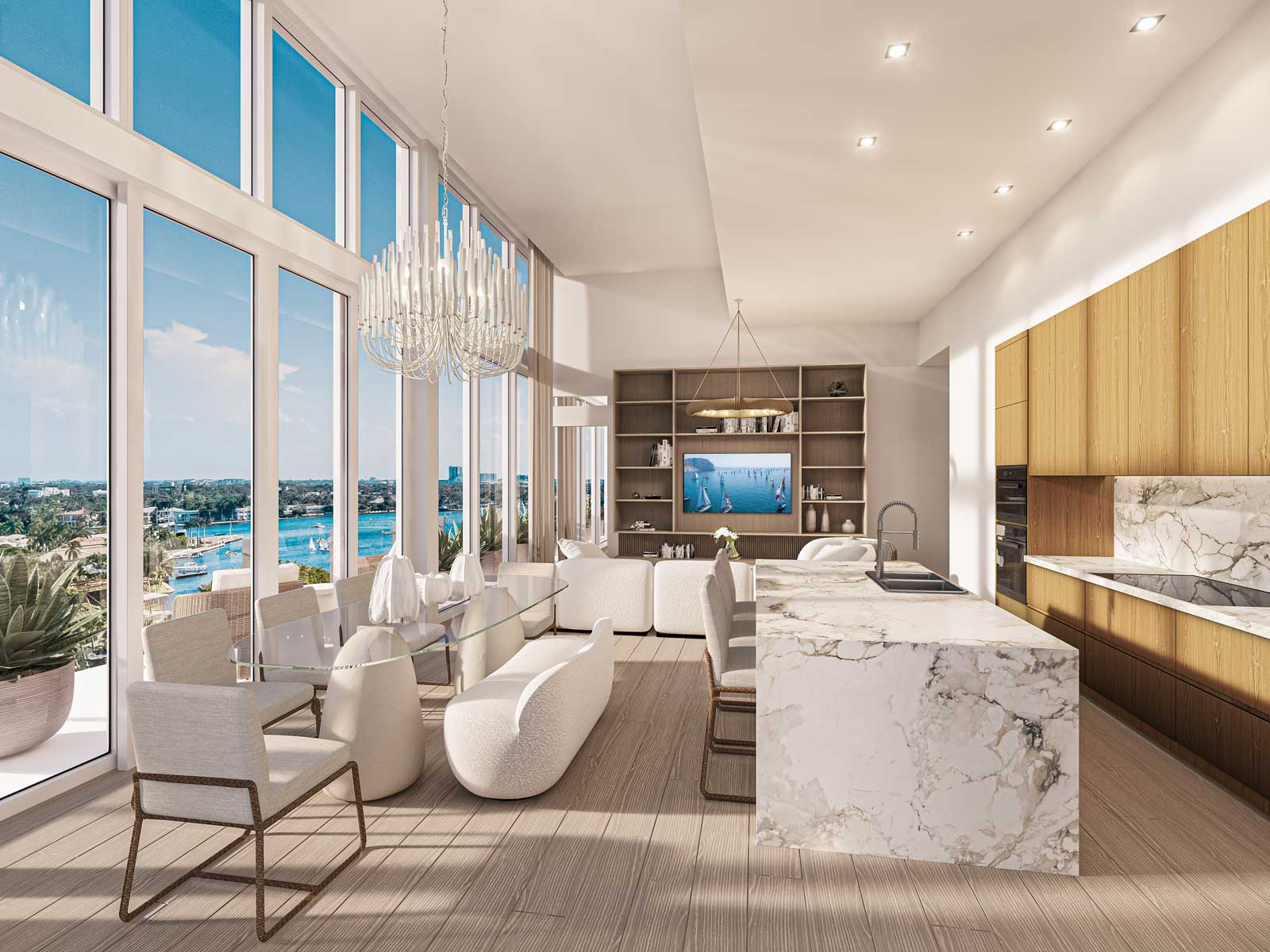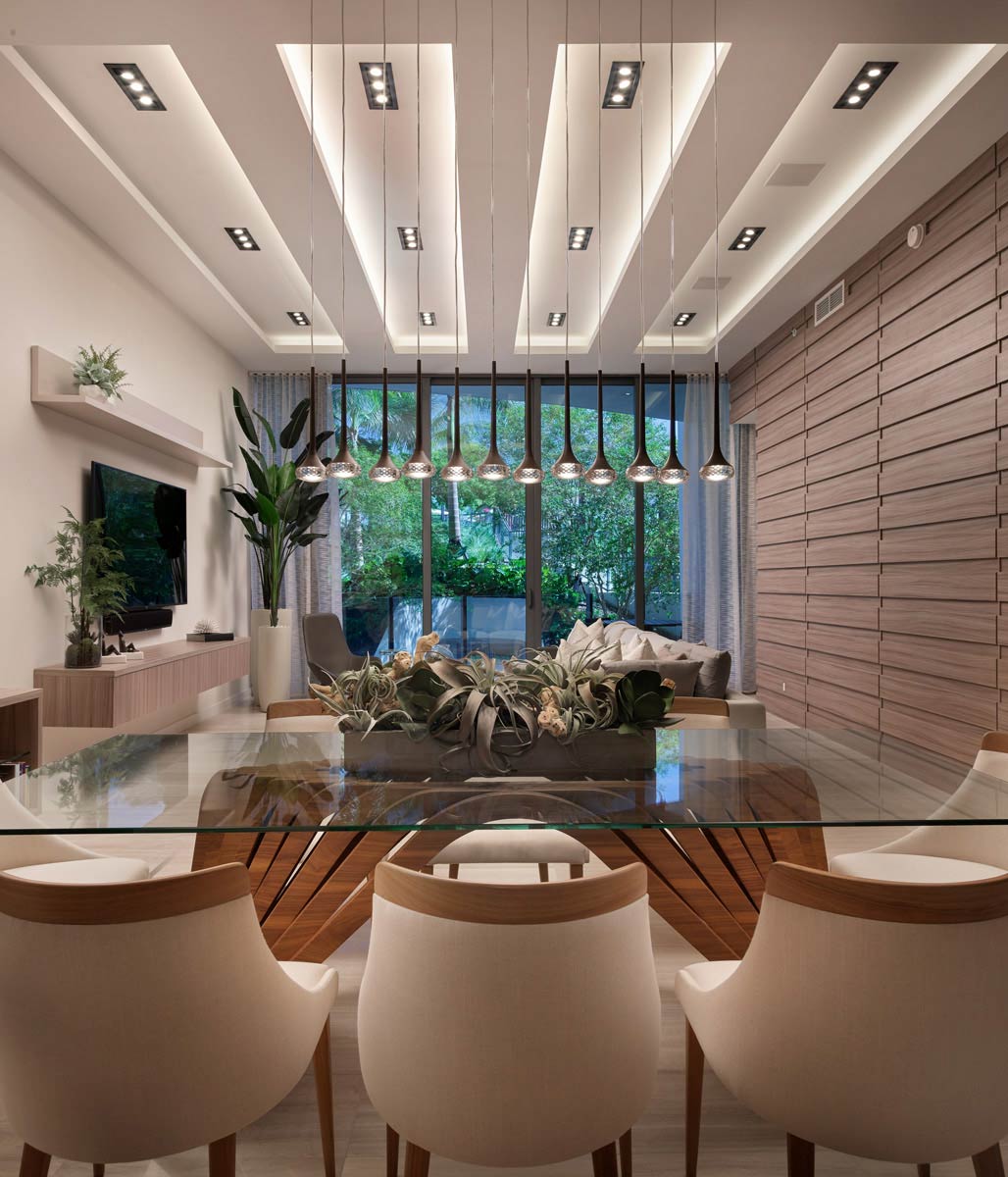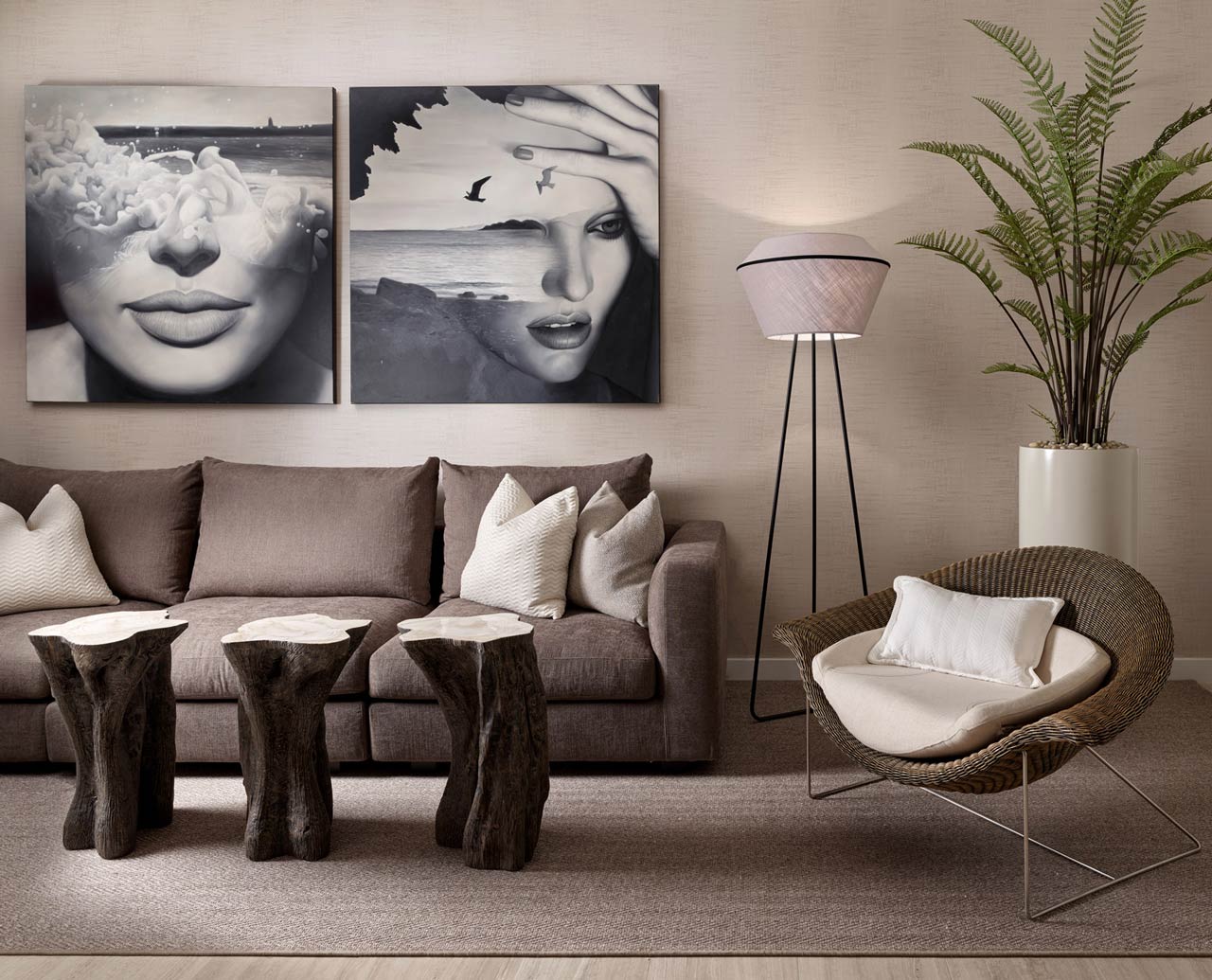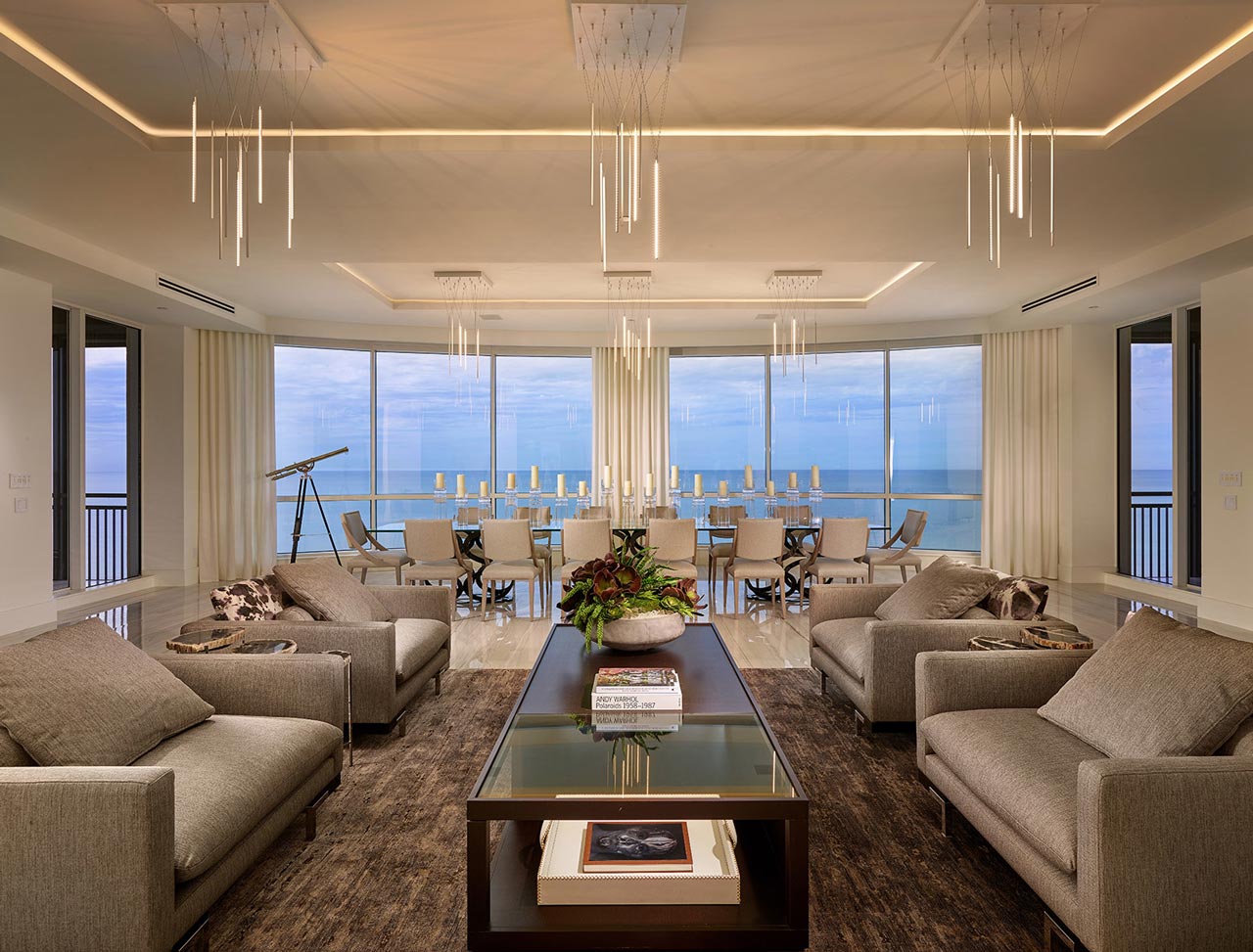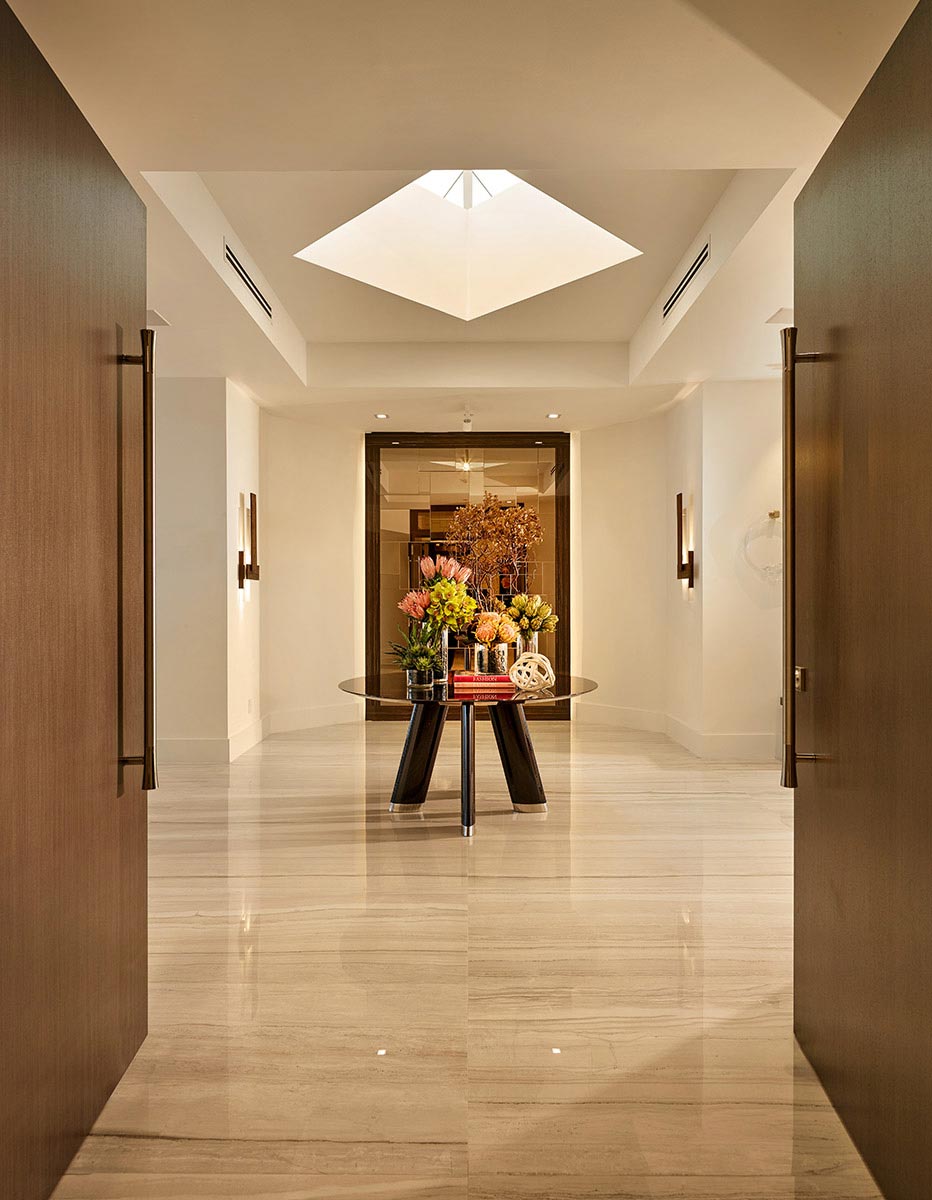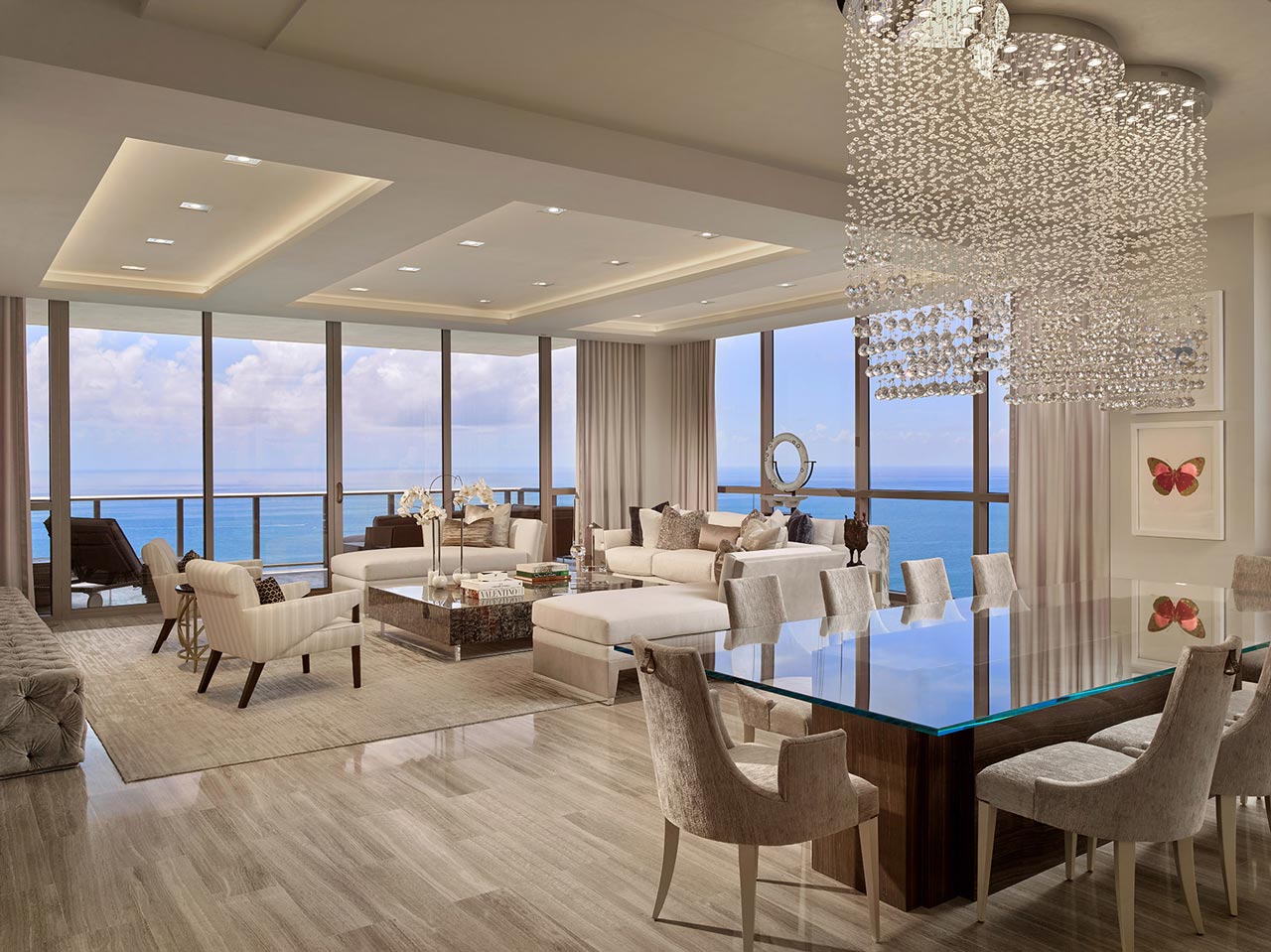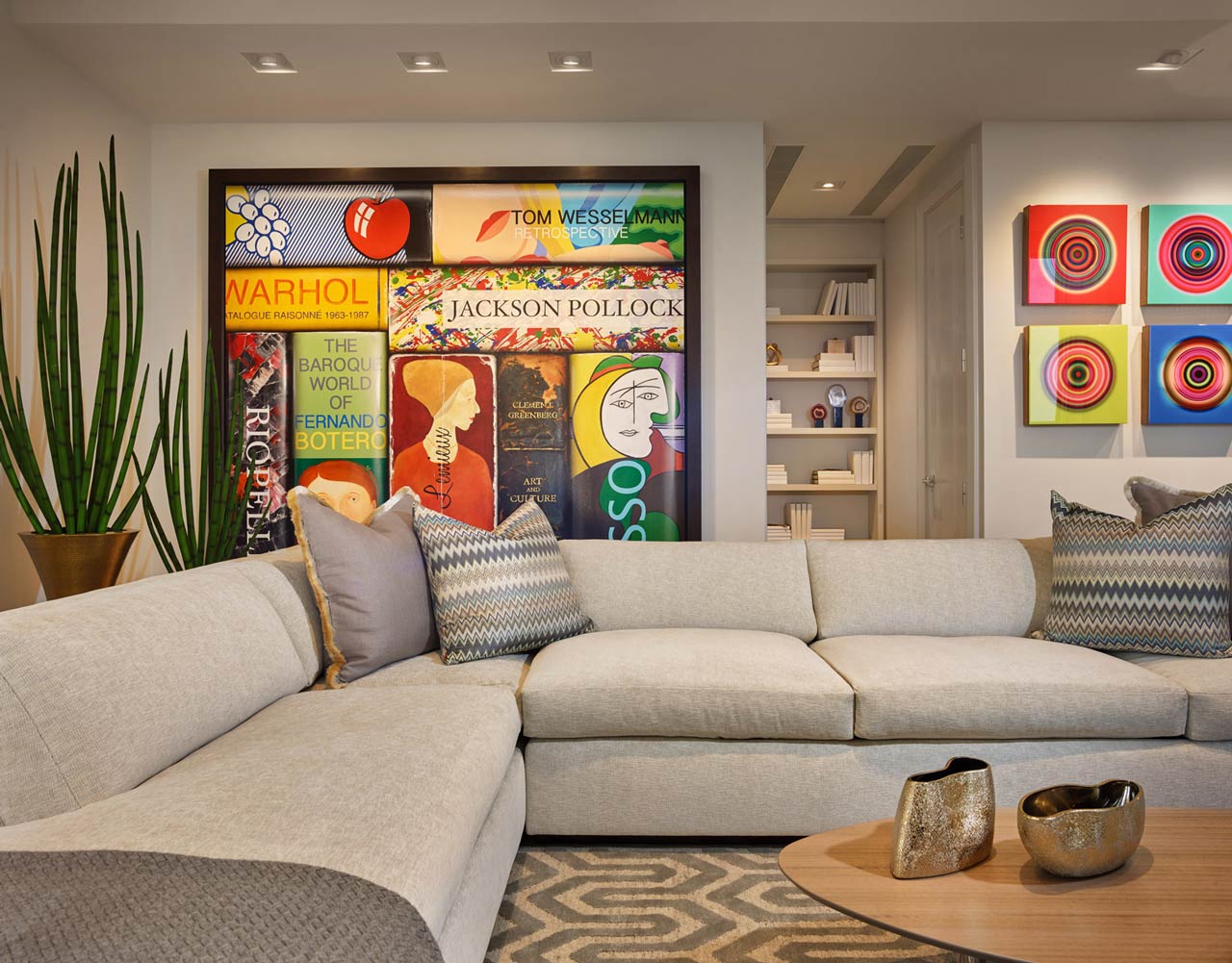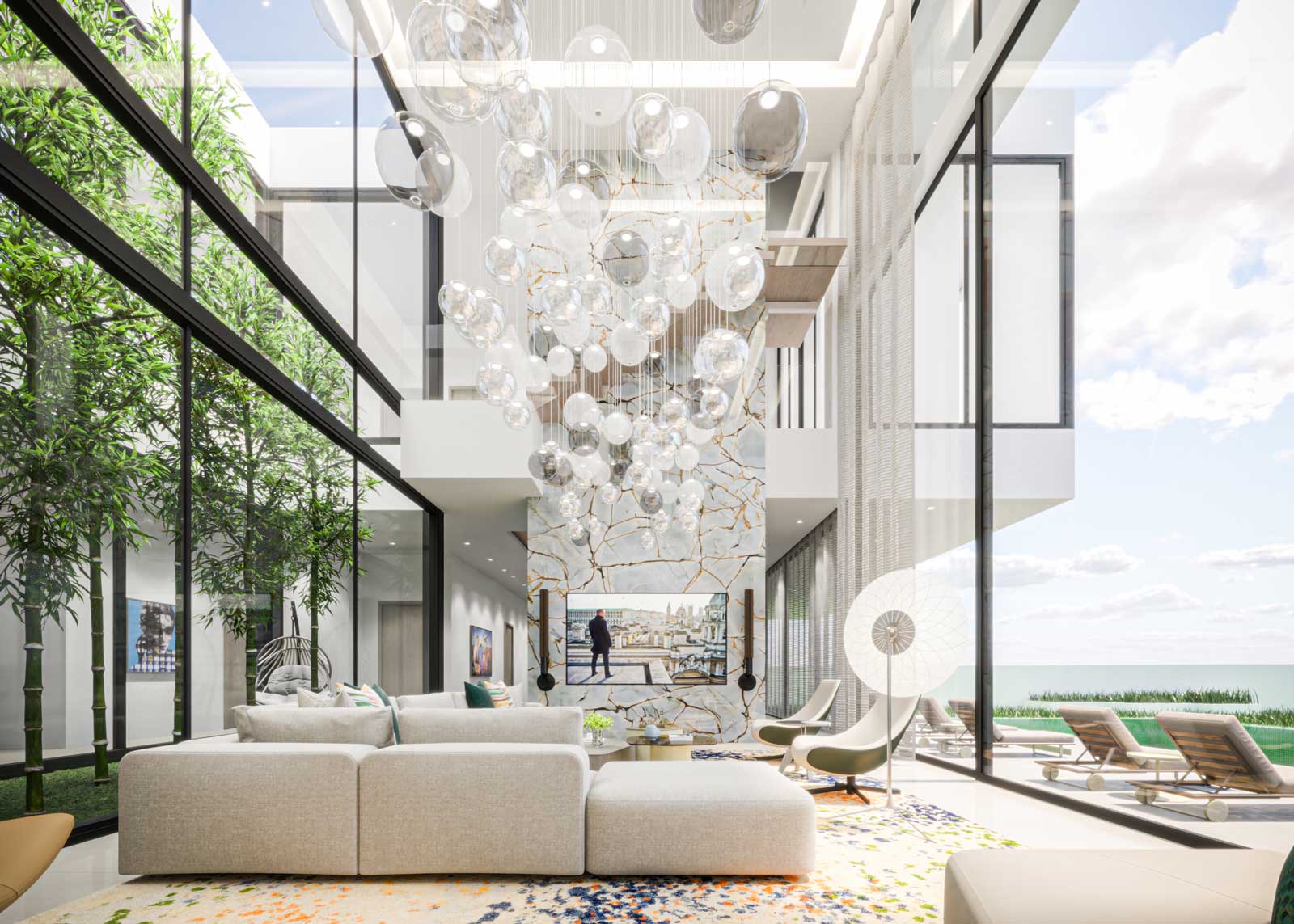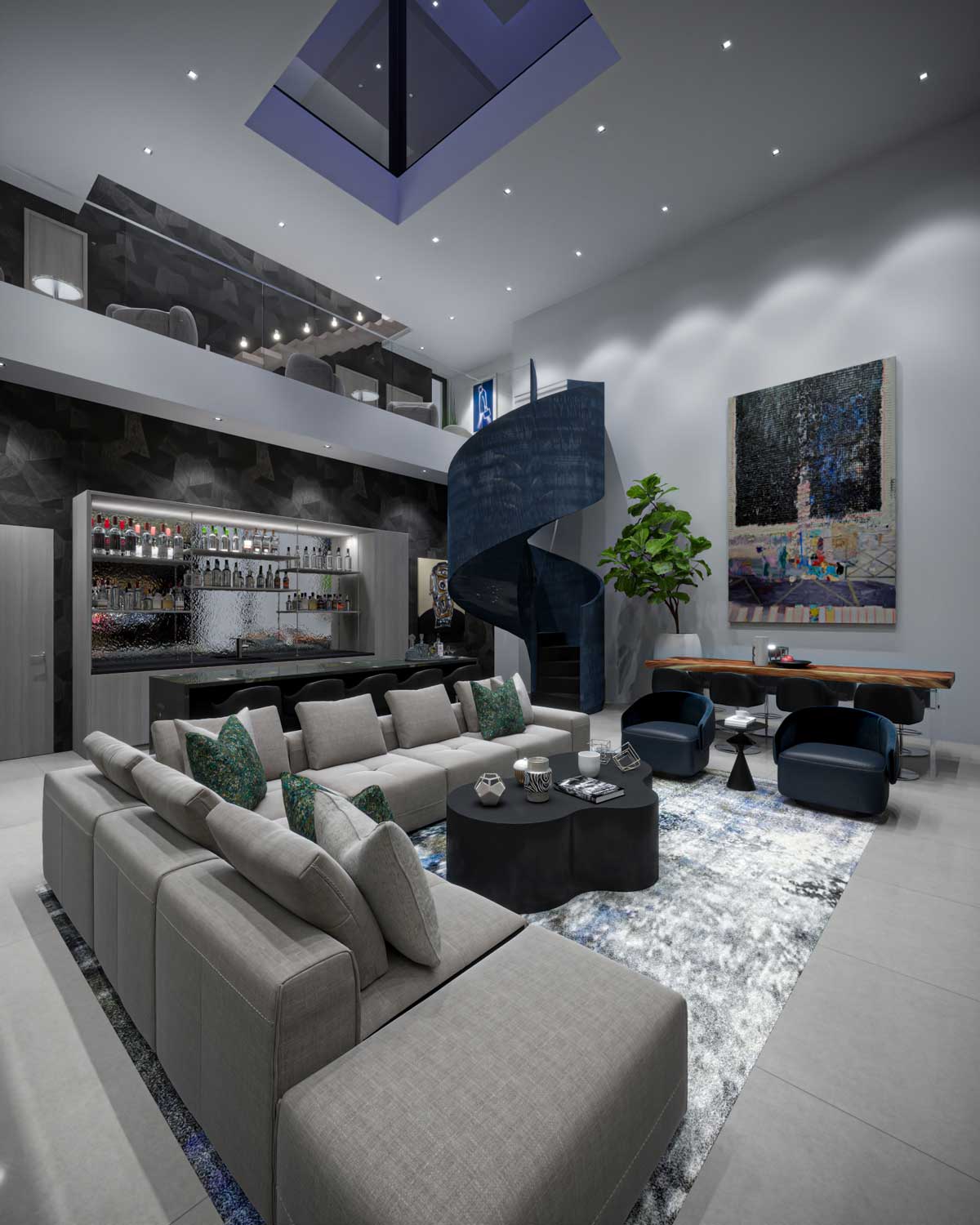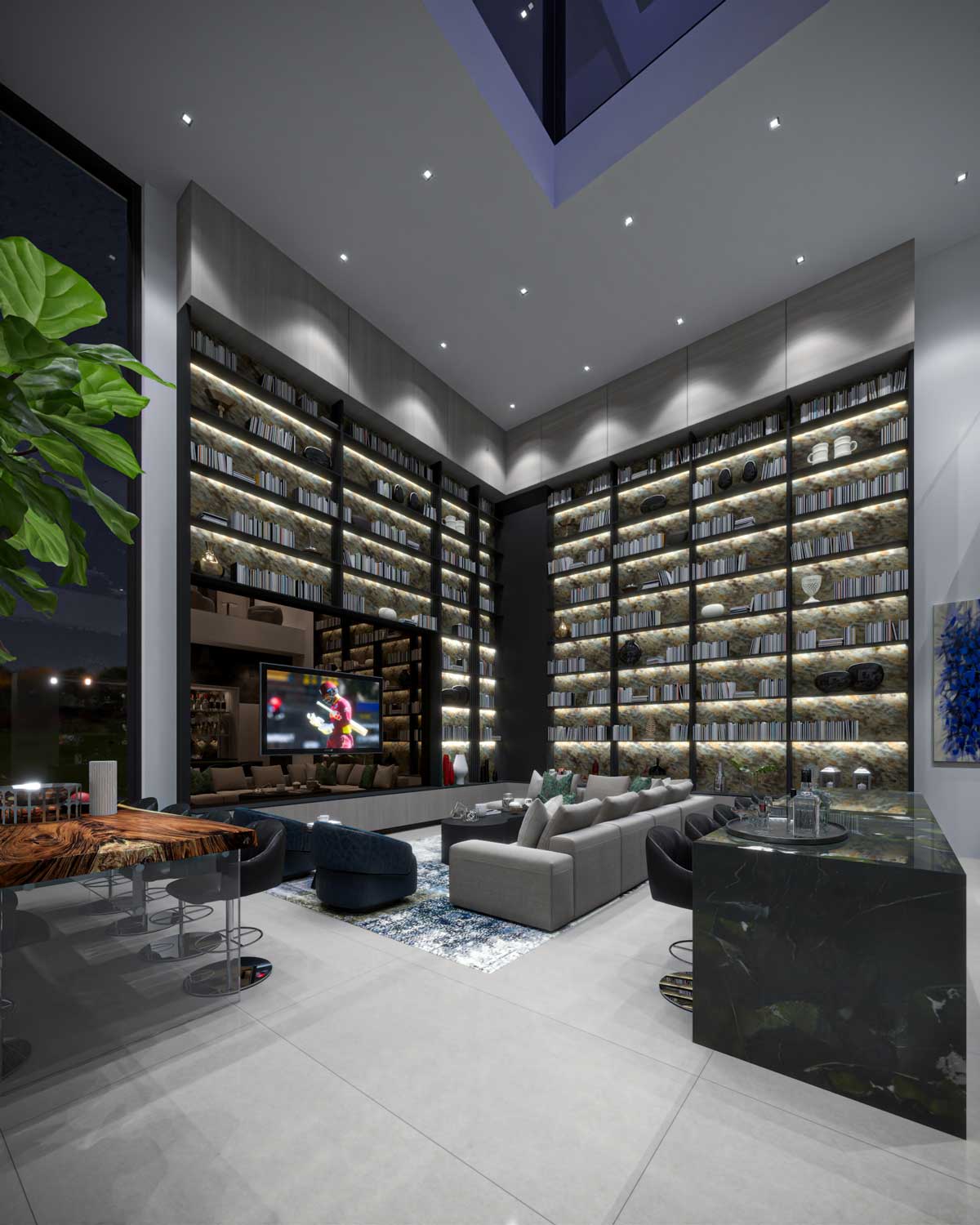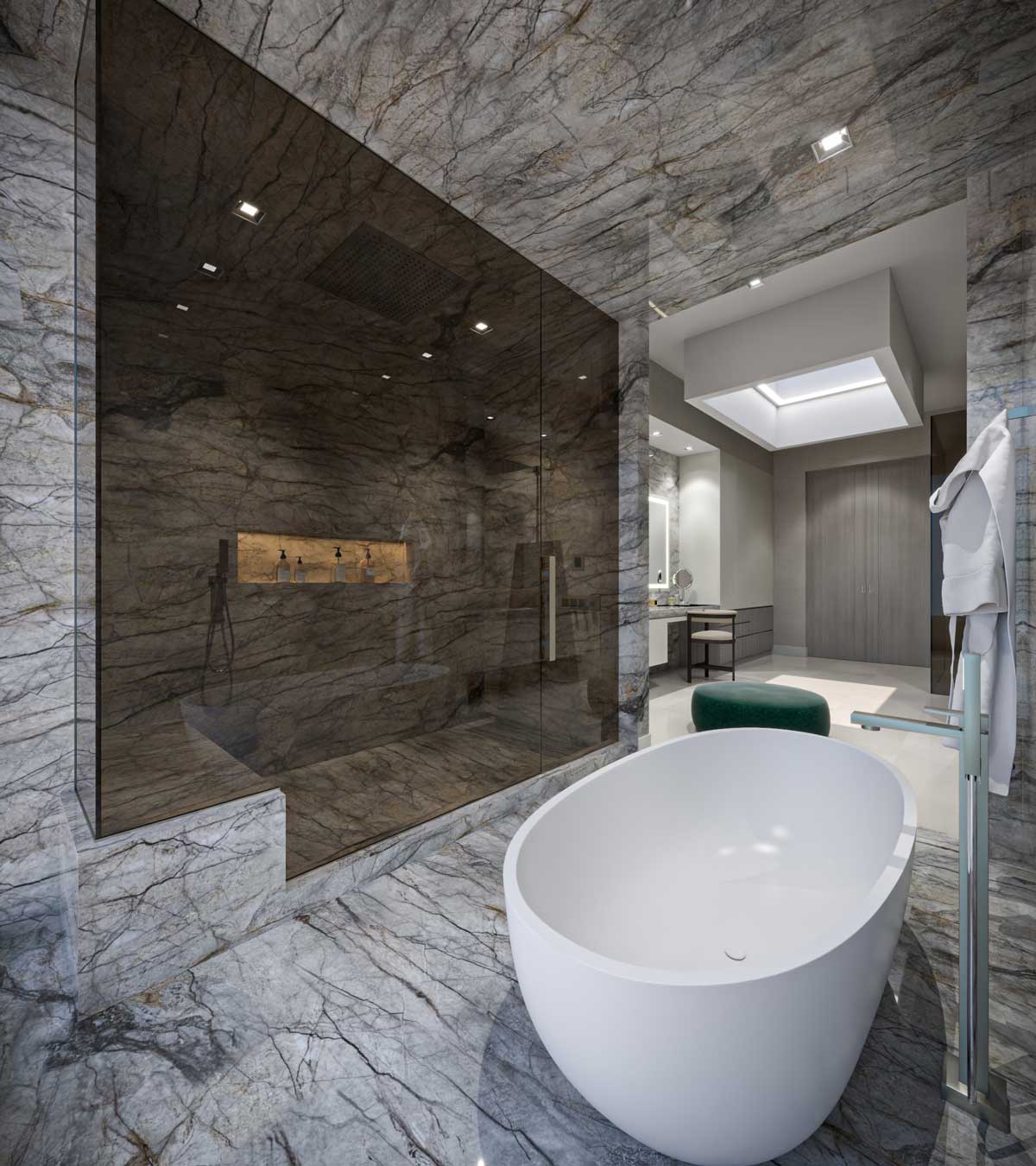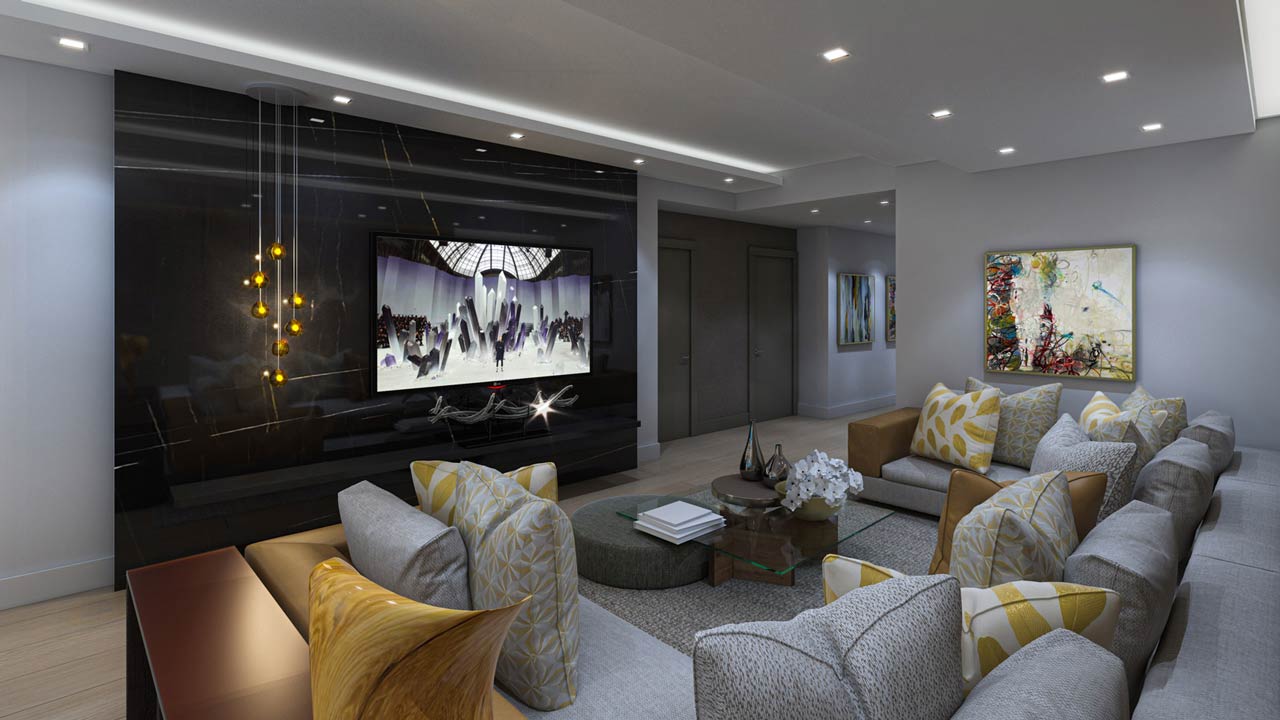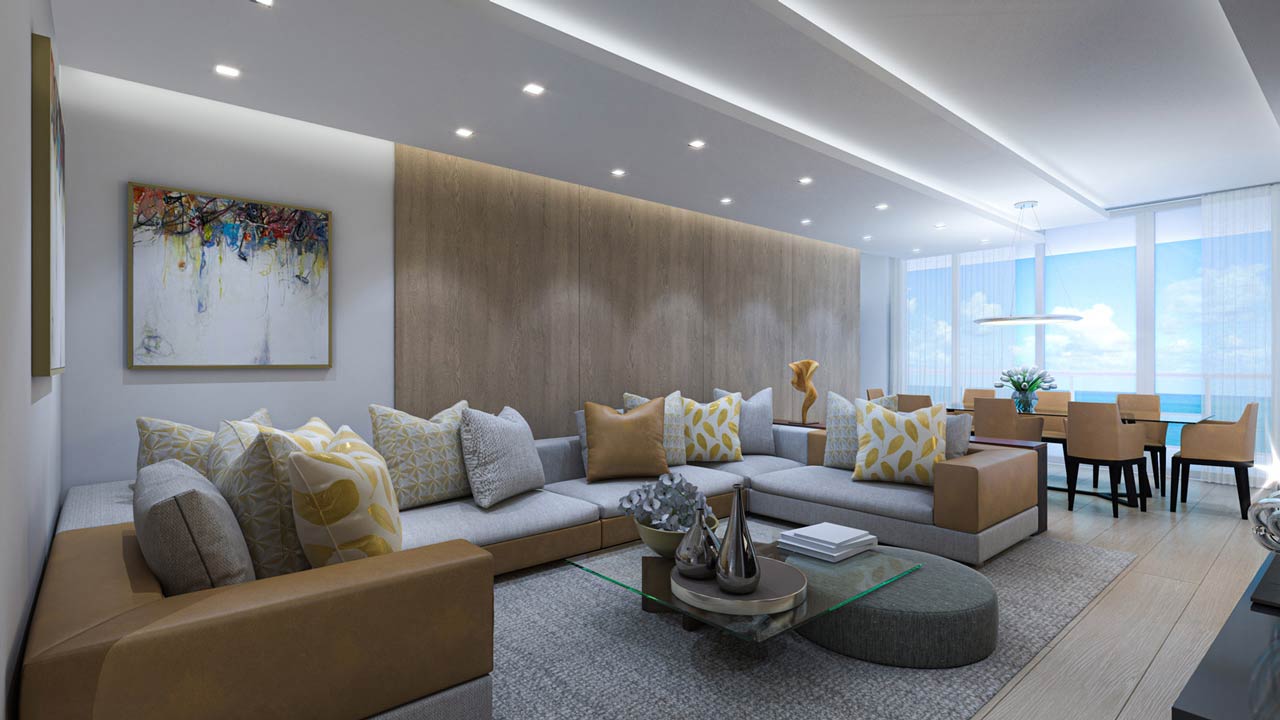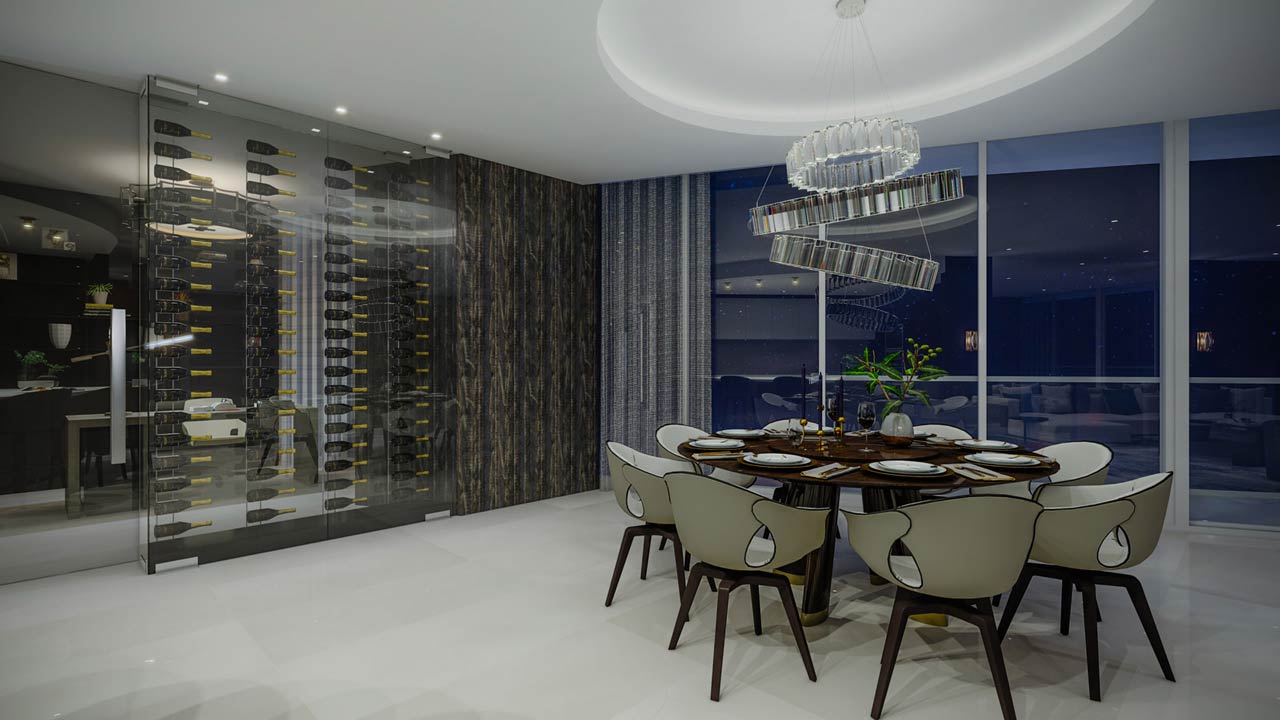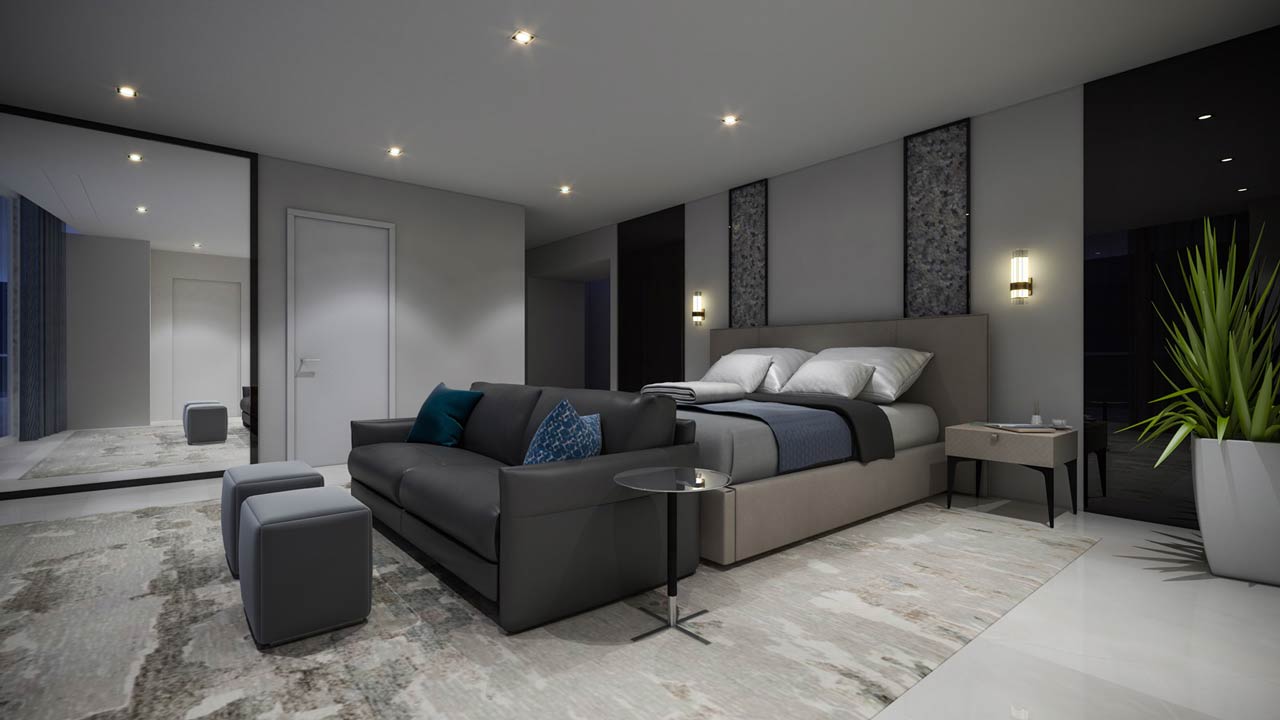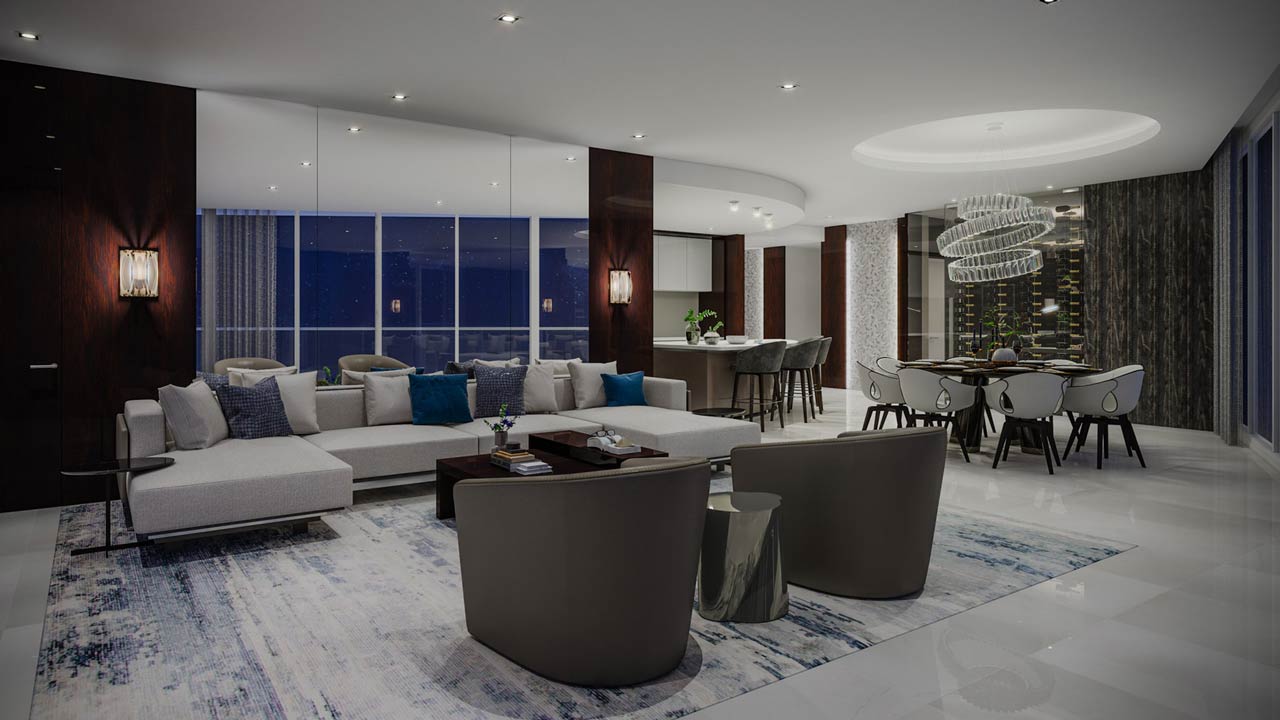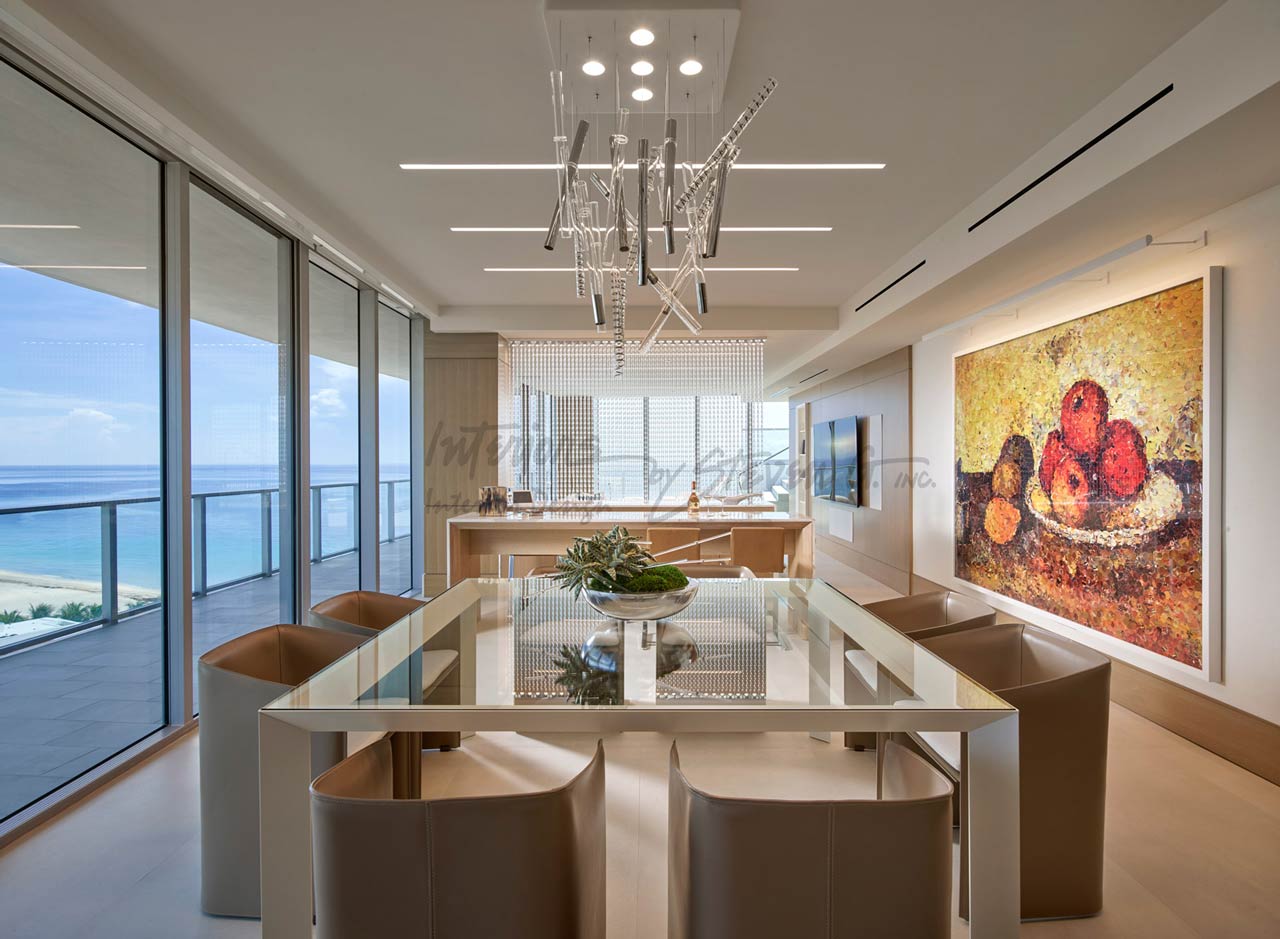




Walking into a well-designed commercial space feels different. There’s an immediate sense that everything has been thoughtfully considered, from the way light filters through the windows to how the furniture arrangement guides movement through the room. The best commercial interiors don’t just look impressive; they tell a story about who a company is and how they work. They create environments where function and brand identity merge so seamlessly that visitors and employees alike feel they’re experiencing something authentic and purposeful.
Creating these kinds of spaces requires more than selecting attractive finishes and furniture. It demands a deep understanding of how design elements can communicate values, support daily operations, and create memorable experiences. When done well, commercial interior design becomes a powerful tool that extends far beyond aesthetics, shaping how people perceive and interact with a business.
Understanding the Relationship Between Brand and Space
Every company has a personality, whether they’ve formally defined it or not. Some businesses exude innovation and creativity, while others project stability and tradition. The physical environment where a company operates should reflect these qualities in tangible ways. This doesn’t mean plastering logos on every wall or sticking rigidly to corporate color schemes. Instead, it’s about capturing the essence of what makes a brand unique and translating that into spatial experiences.
A tech startup might embrace open layouts and flexible workspaces that encourage collaboration and spontaneous conversations. A law firm might choose more structured environments with private offices and rich materials that convey professionalism and discretion. Neither approach is inherently better; they simply serve different brand narratives and functional requirements.
Creating Authentic Connections
The key to successful brand-aligned design lies in authenticity. Spaces that feel forced or overly styled often create a disconnect rather than a connection. When designers take time to understand not just what a company does but how they do it and why it matters, the resulting spaces feel genuine. Employees recognize their workplace culture reflected in their surroundings, and clients sense they’re engaging with an organization that knows itself.
This authenticity emerges through countless small decisions. The choice between collaborative tables and individual desks, the use of natural materials versus industrial finishes, and the balance between privacy and transparency, all of these elements combine to create an atmosphere that either reinforces or contradicts a brand’s identity.
Balancing Form and Function
Beautiful spaces that don’t work well for their intended purpose ultimately fail, no matter how impressive they look in photographs. The challenge in commercial design is finding that sweet spot where aesthetic appeal enhances rather than compromises functionality. This requires thinking carefully about how spaces will actually be used throughout the workday.
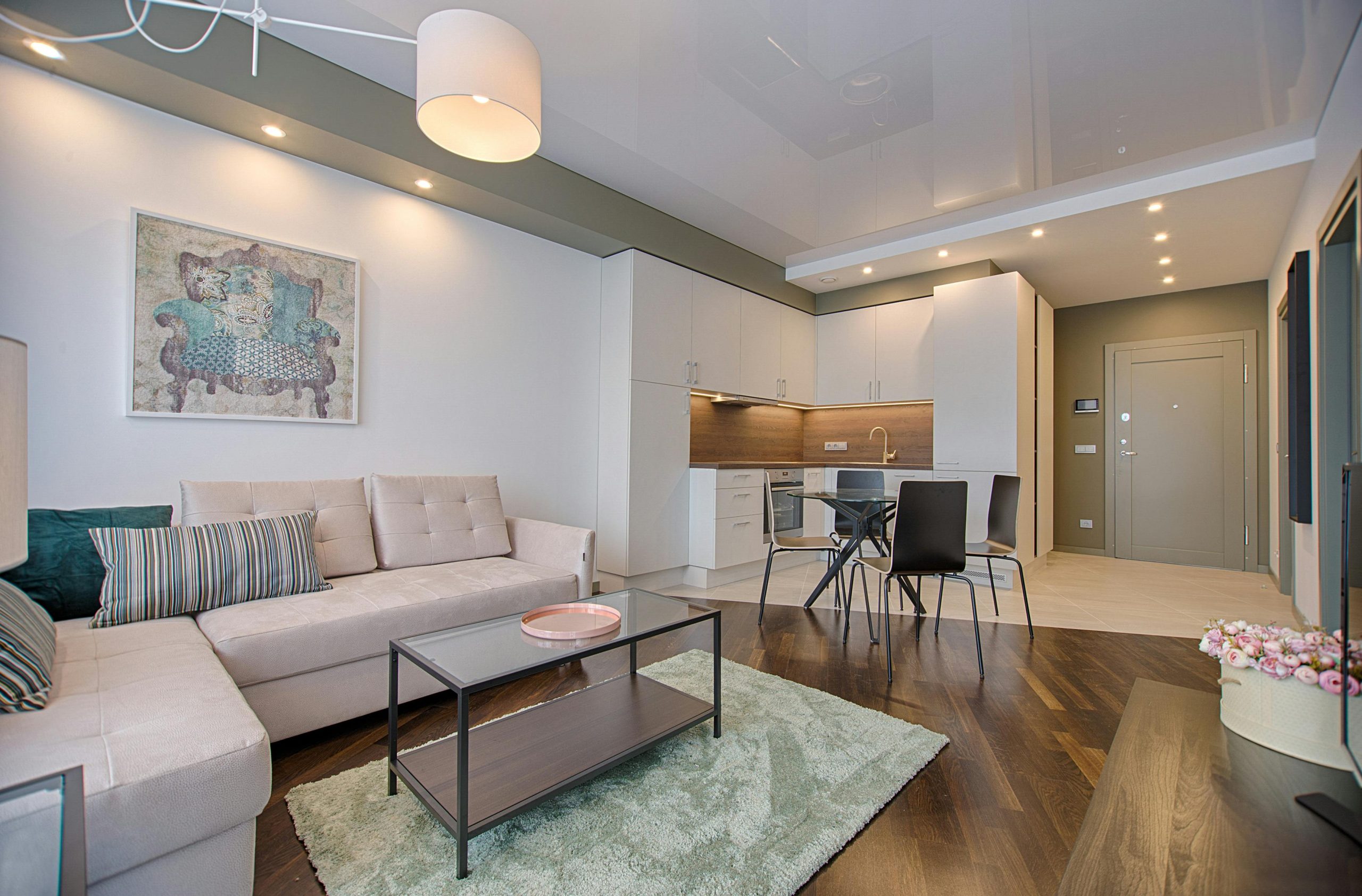
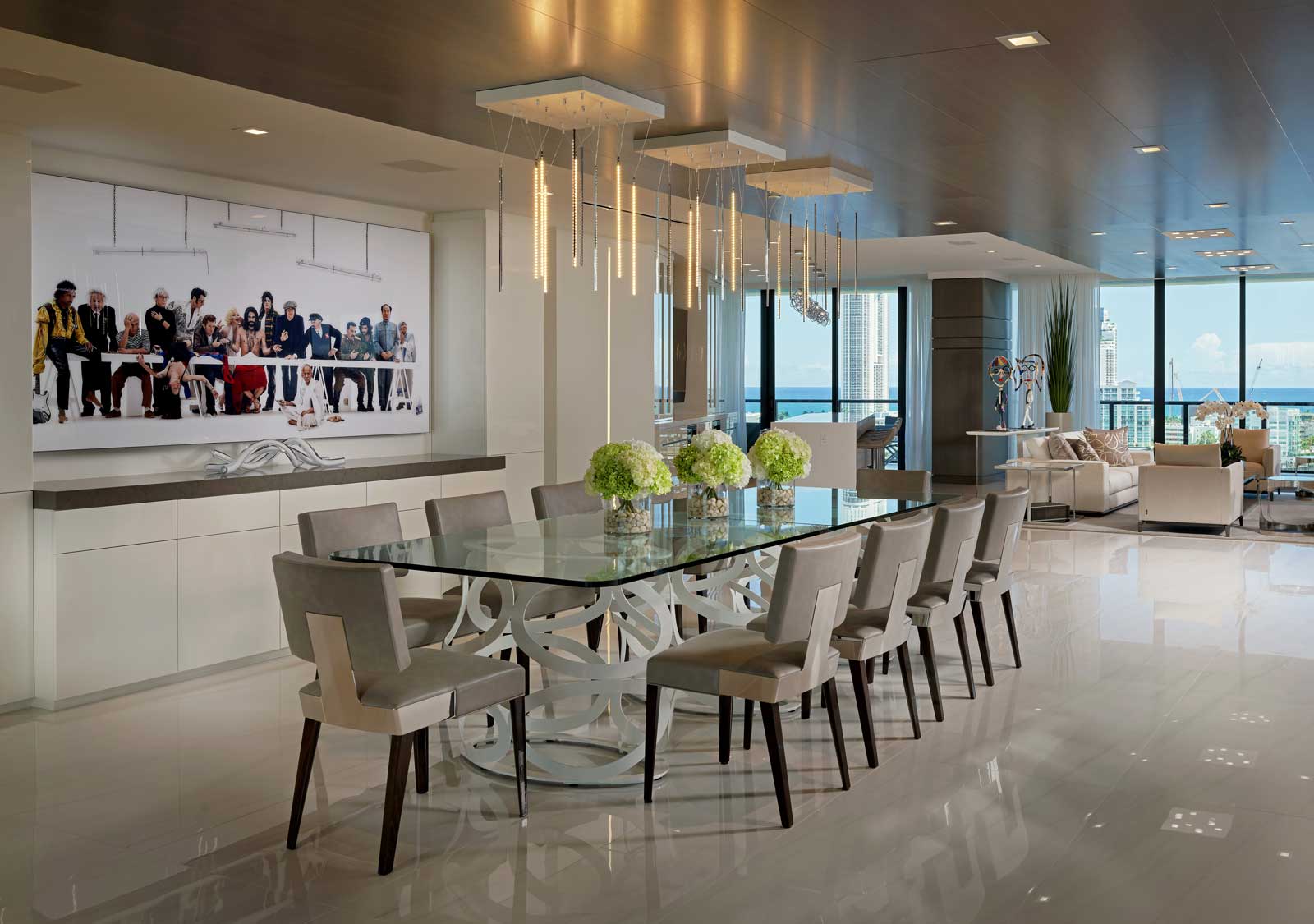
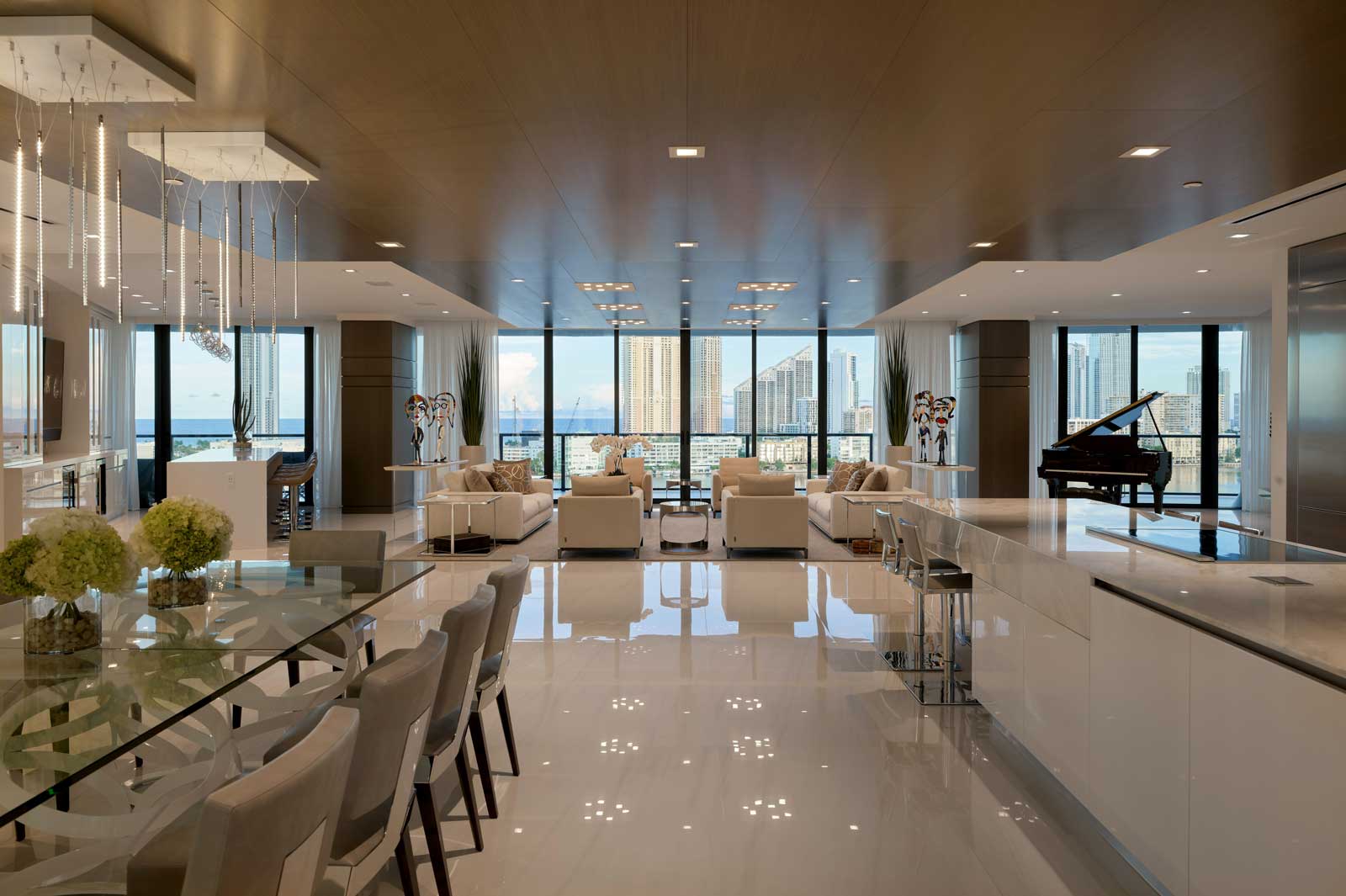
Consider the flow of movement through a space. Employees need clear paths to frequently accessed areas without constantly navigating obstacles or interrupting colleagues. Meeting spaces should offer appropriate levels of privacy and technology support. Break areas need to provide genuine respite without being so isolated that they feel disconnected from the workplace.
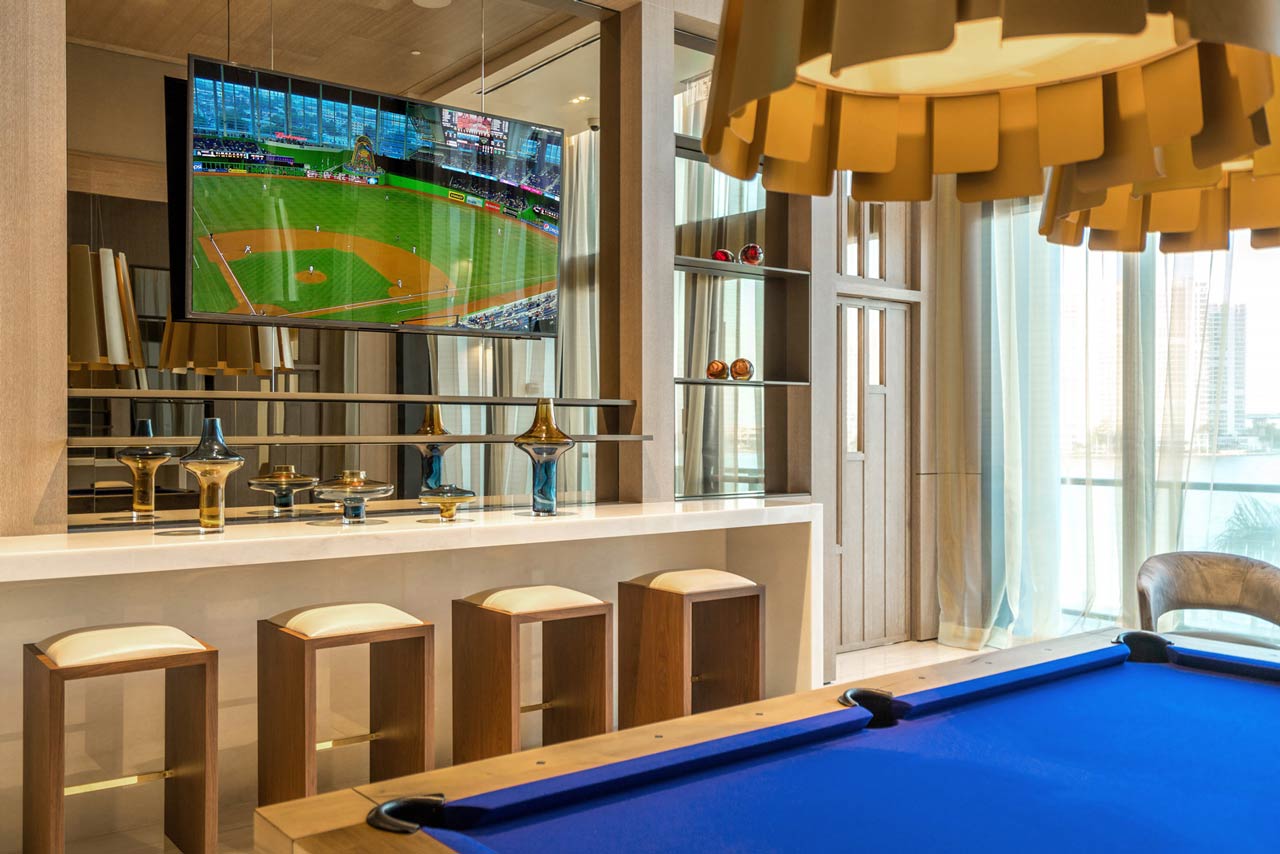
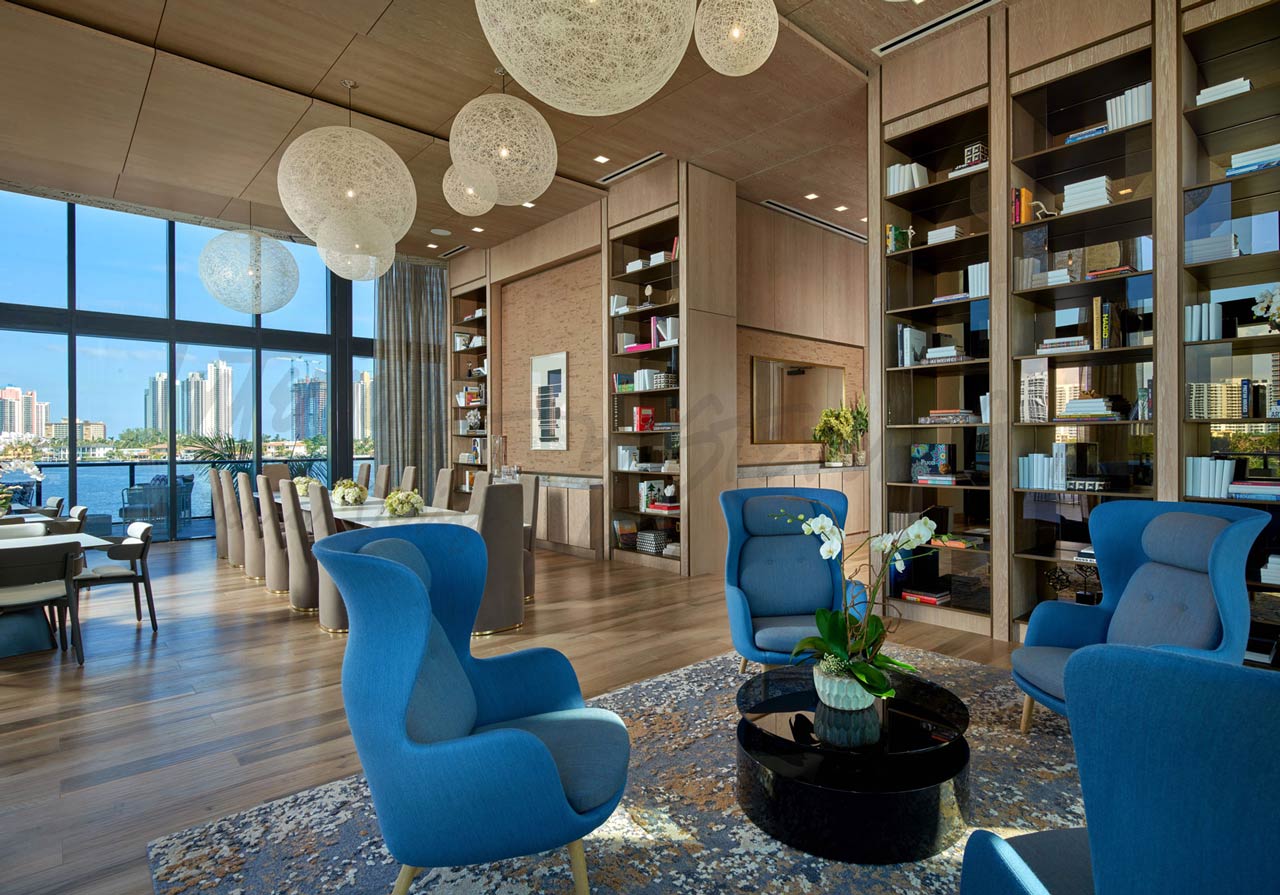
Modern workplaces accommodate various activities throughout the day. People need places for focused individual work, spaces for collaborative projects, areas for informal conversations, and spots for brief phone calls. Successful commercial interiors recognize this diversity of needs and provide appropriate settings for each mode of work.
This doesn’t necessarily mean creating distinct rooms for every possible activity. Thoughtful design can build flexibility into spaces, allowing them to adapt to different uses throughout the day. The goal is to support productivity and comfort while maintaining a cohesive design vision that reinforces brand identity.
Material and Color as Brand Language
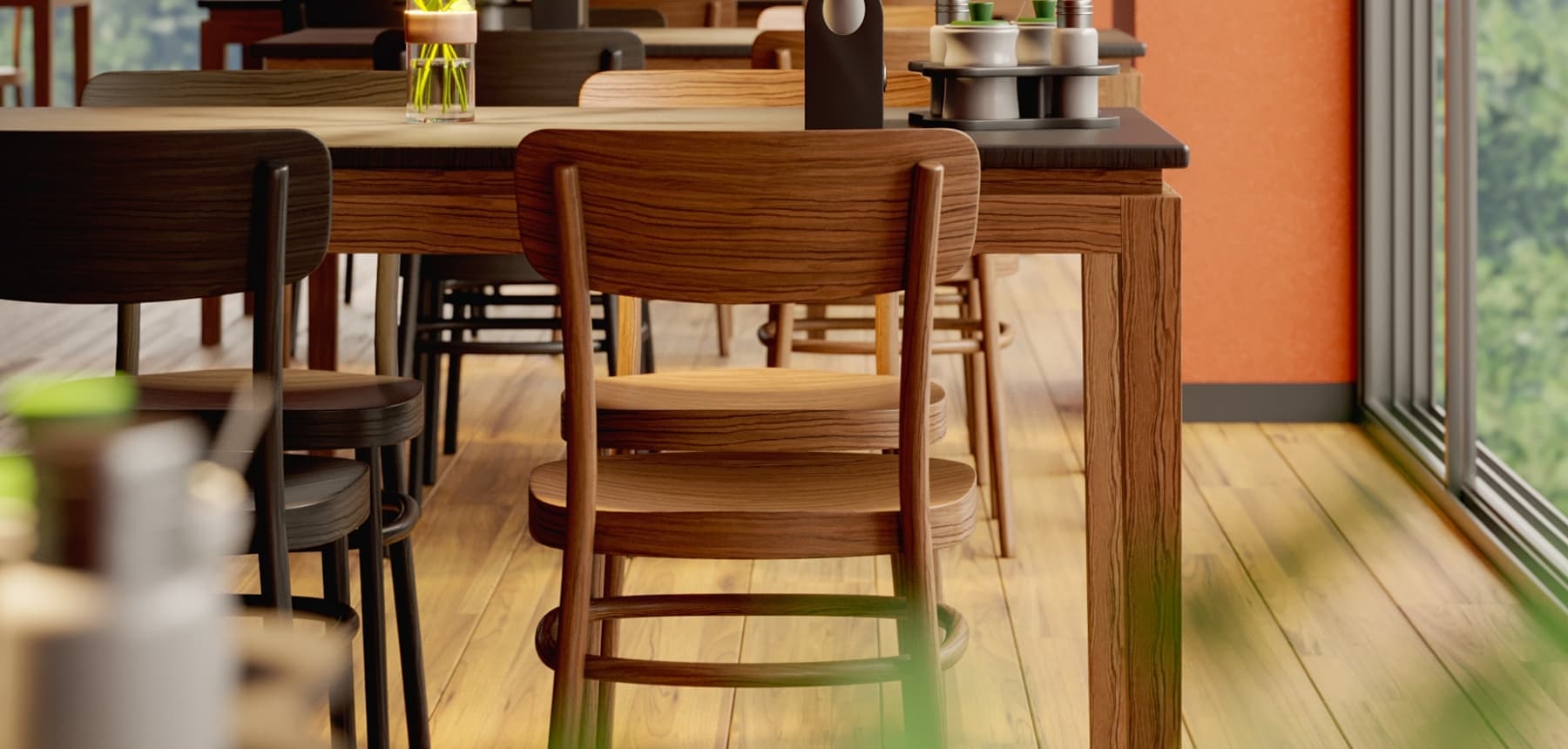
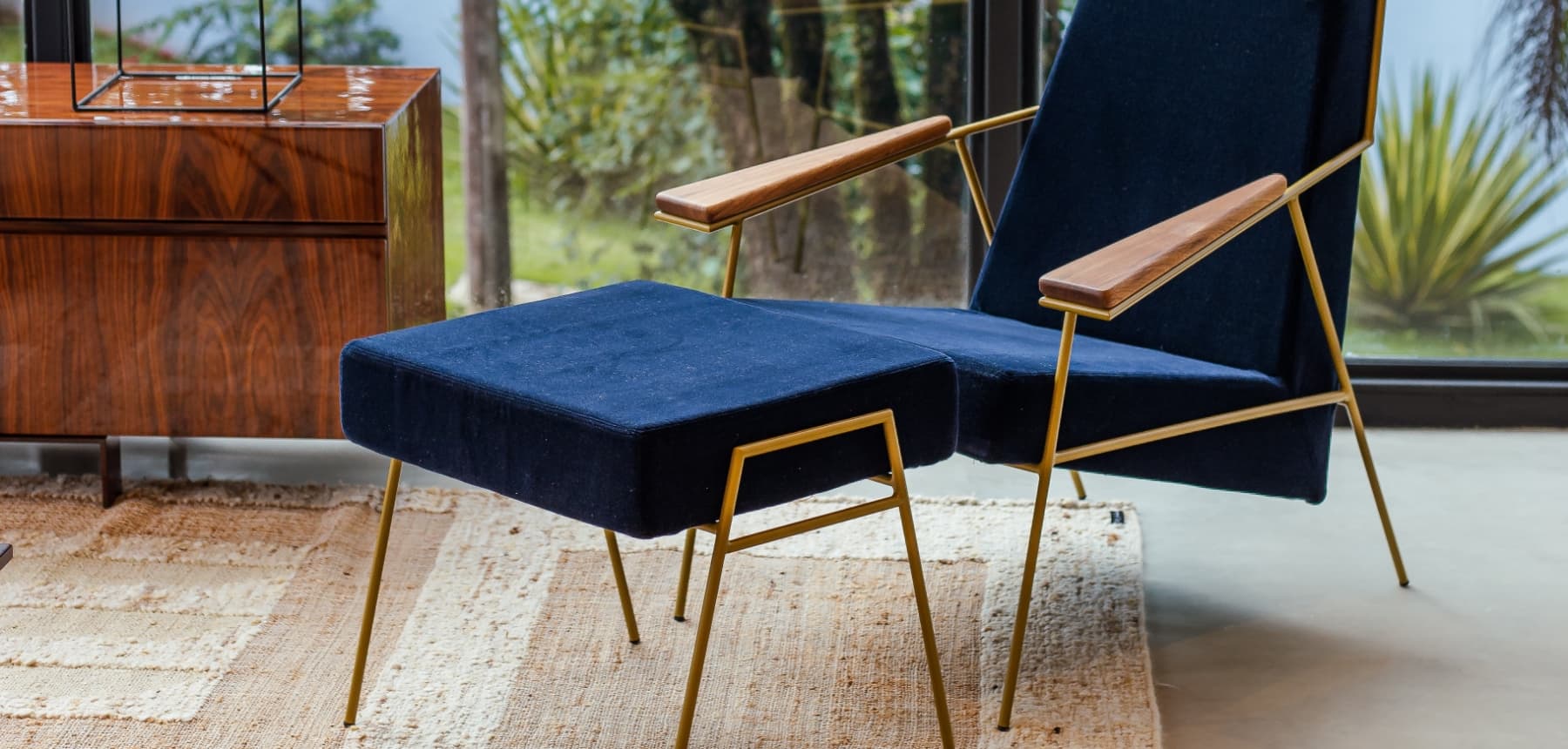
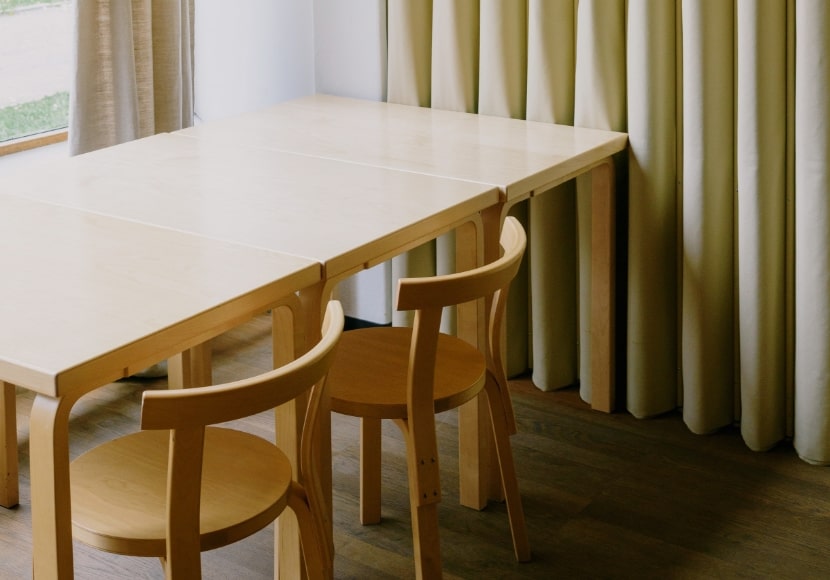
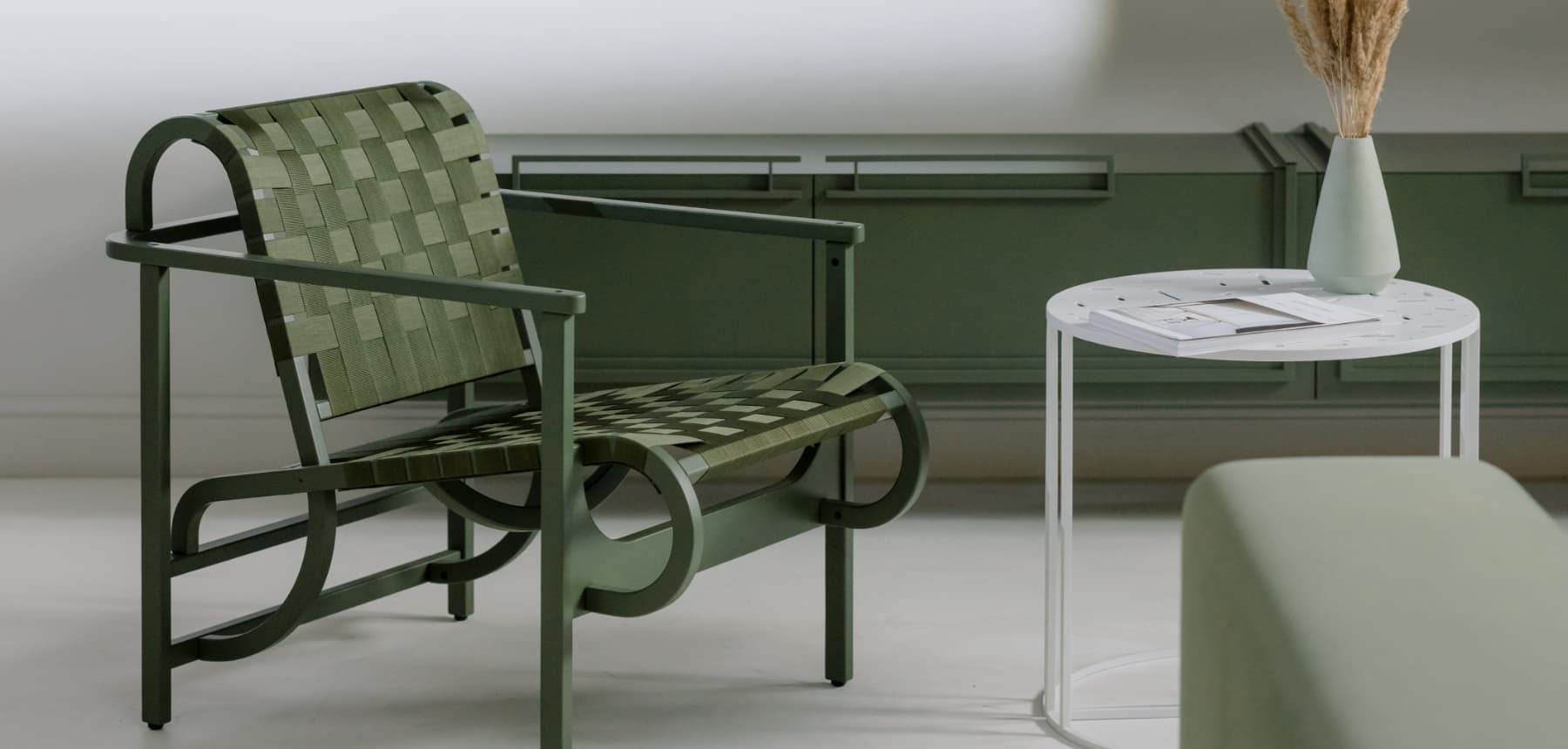
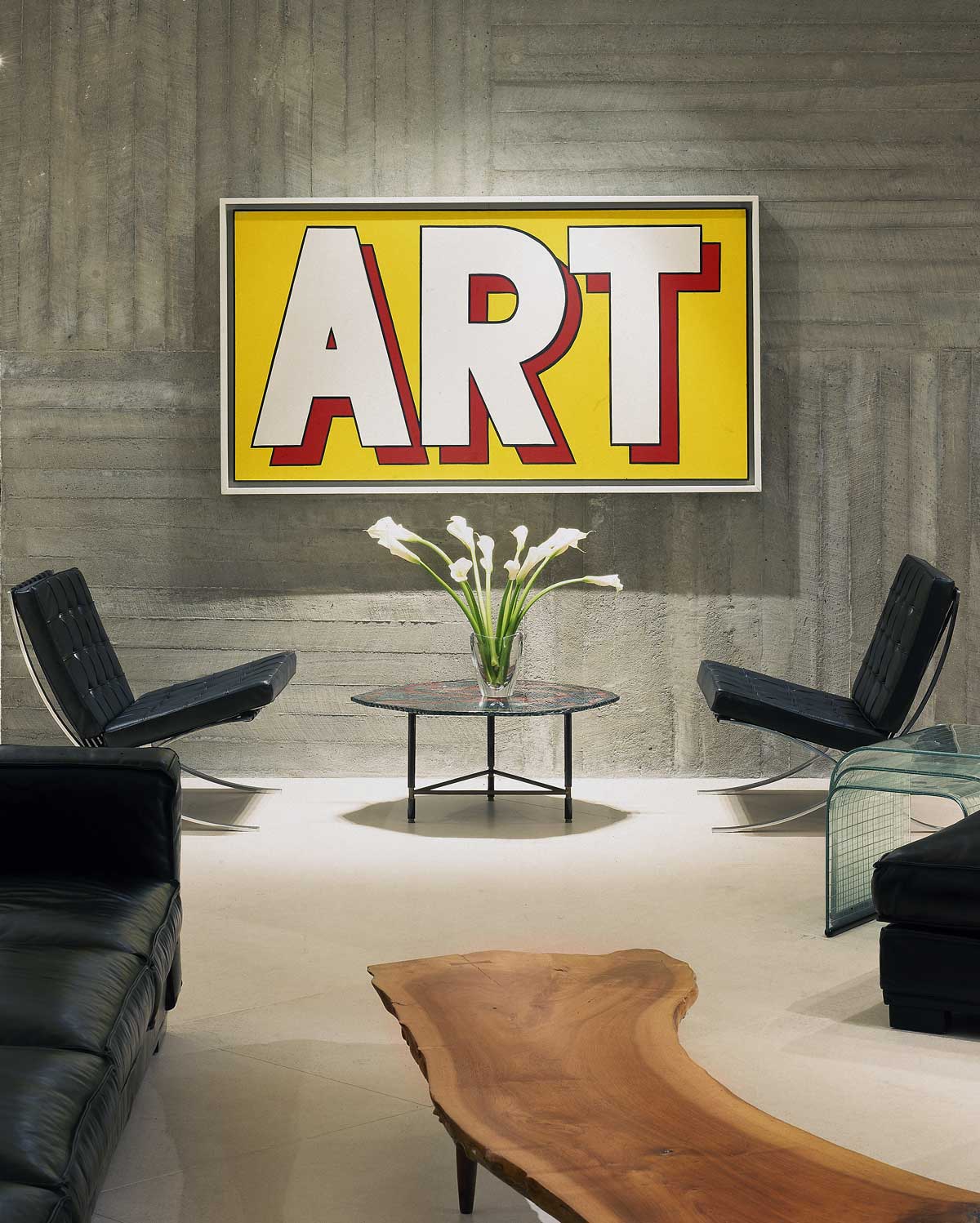
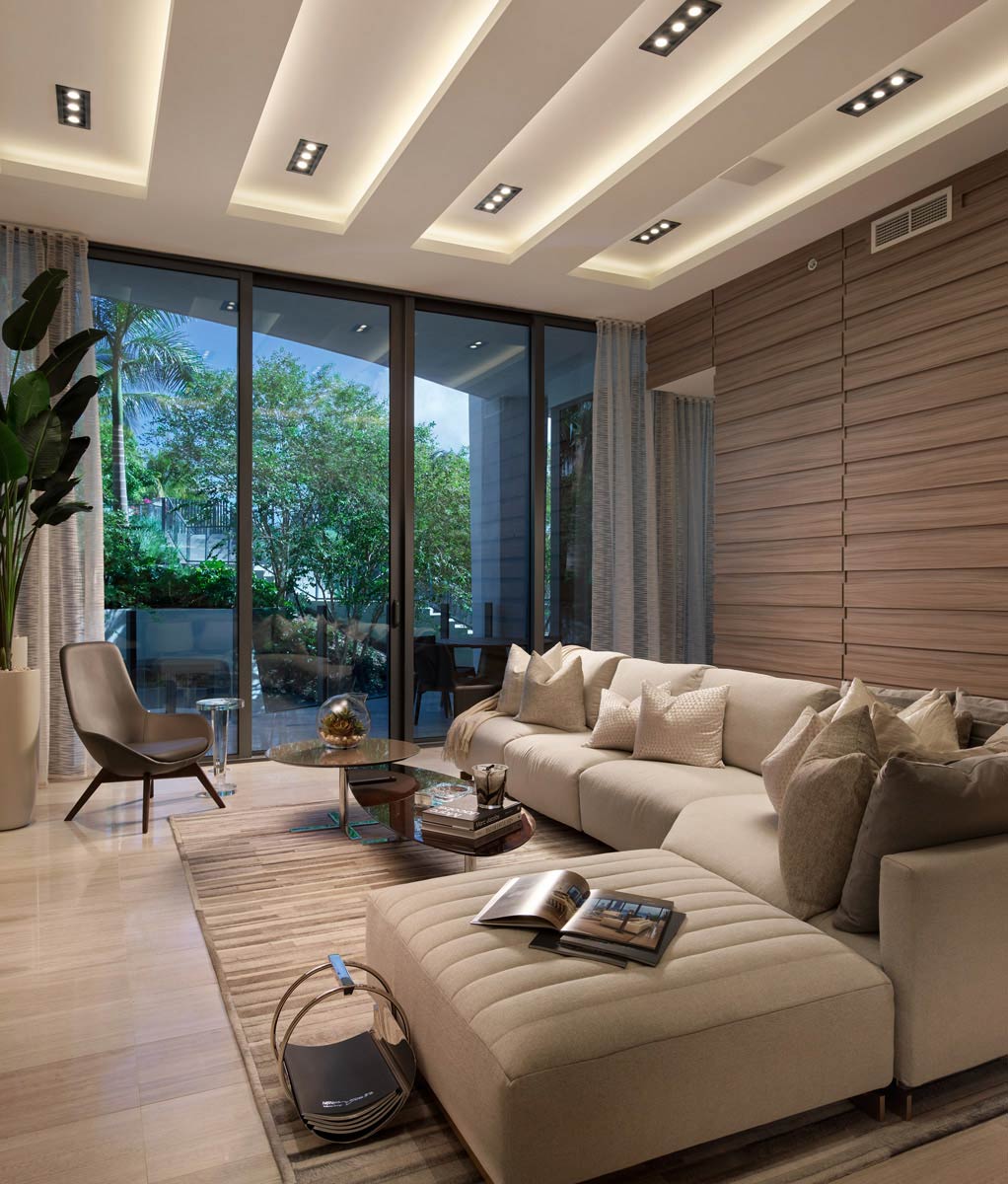
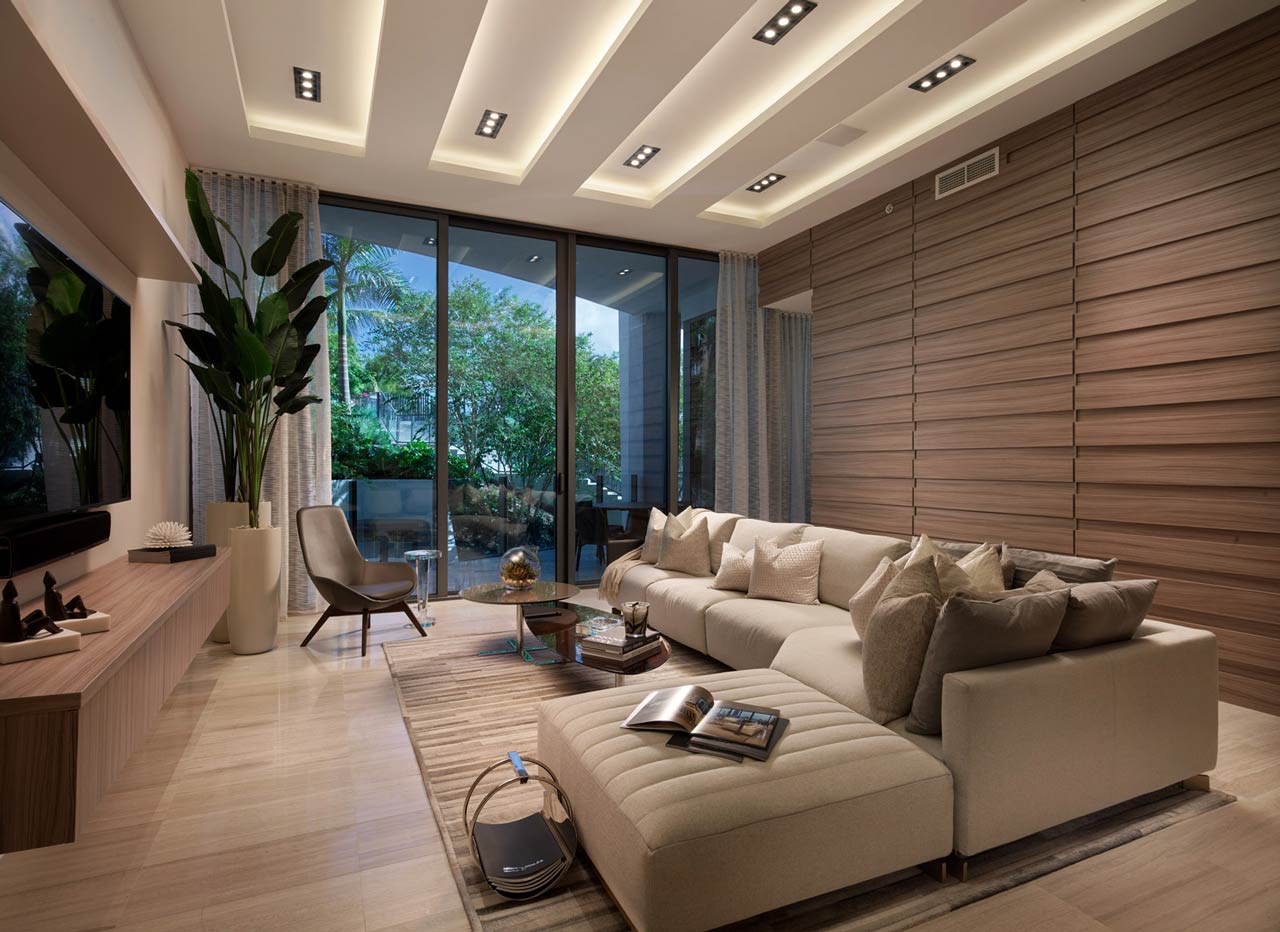
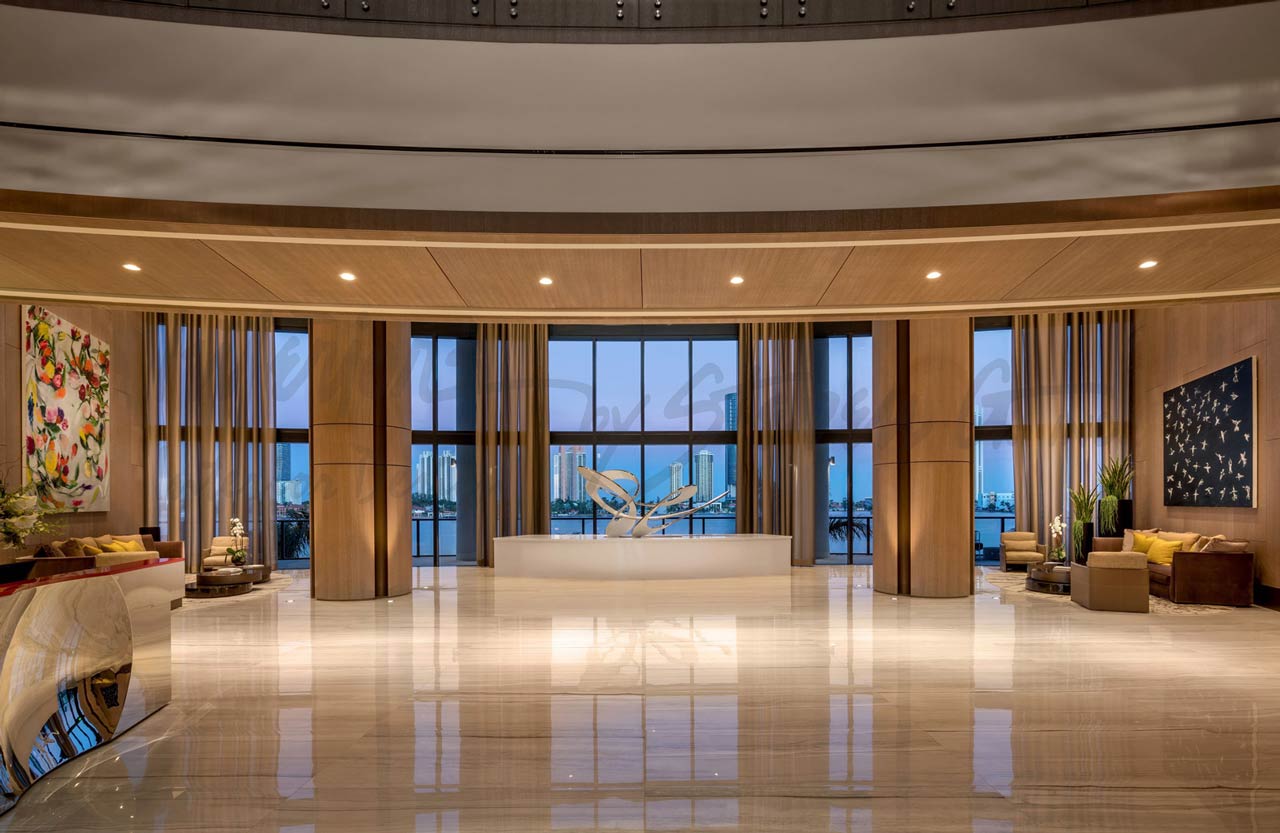
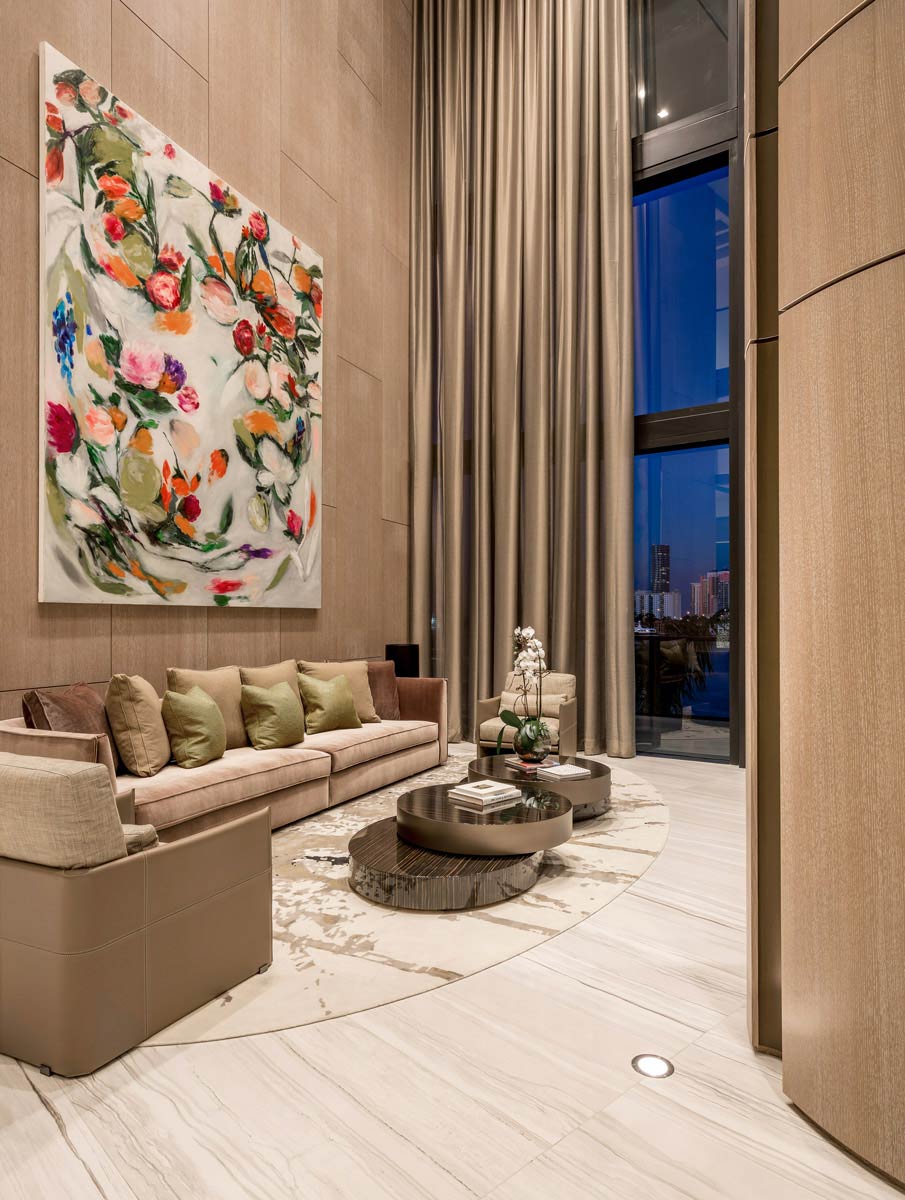
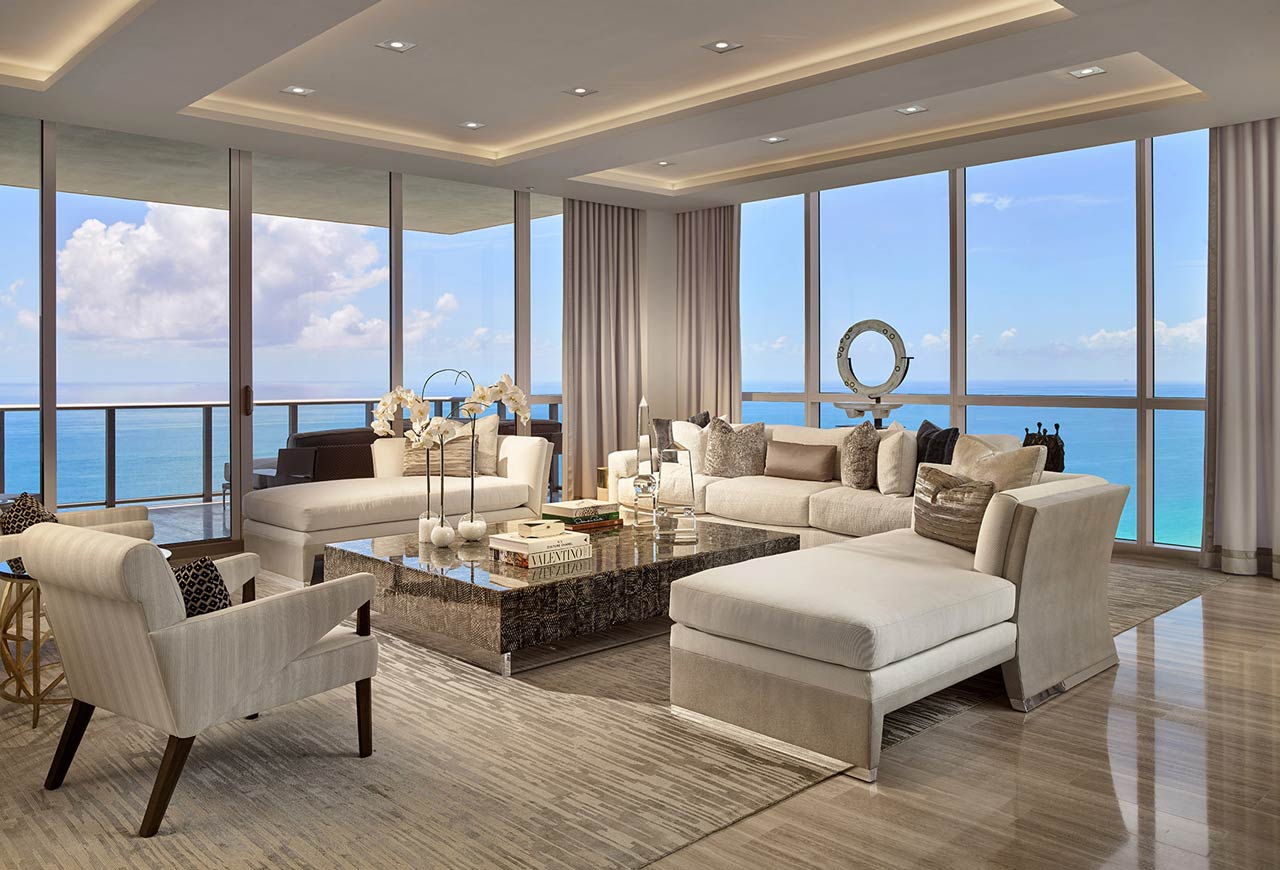
The materials and colors chosen for commercial spaces speak volumes before anyone says a word. Warm woods and soft textiles create different impressions than concrete and steel. Natural light filtered through sheer curtains sets a different tone than dramatic accent lighting. These choices become part of how a brand communicates its values and personality.
Successful material palettes often draw inspiration from both brand identity and functional requirements. A company emphasizing sustainability might incorporate reclaimed materials and emphasize natural textures. An organization focused on innovation might embrace cutting-edge materials and unexpected combinations. The key is ensuring these choices feel intentional rather than arbitrary.
Timeless Appeal With Individual Character
While trends come and go, the most successful commercial interiors balance contemporary sensibilities with lasting appeal. This means creating refined environments that won’t feel dated as years pass, while still incorporating distinctive elements that give spaces individual character. The result is surroundings that feel both current and enduring, reflecting brands that value quality and longevity.
This approach to timeless design doesn’t mean playing it safe or avoiding personality. Rather, it means grounding design decisions in solid principles while allowing room for elements that bring warmth and individuality to spaces. The goal is to create environments that age gracefully while continuing to serve their functional purpose effectively.
The Human Element in Commercial Design
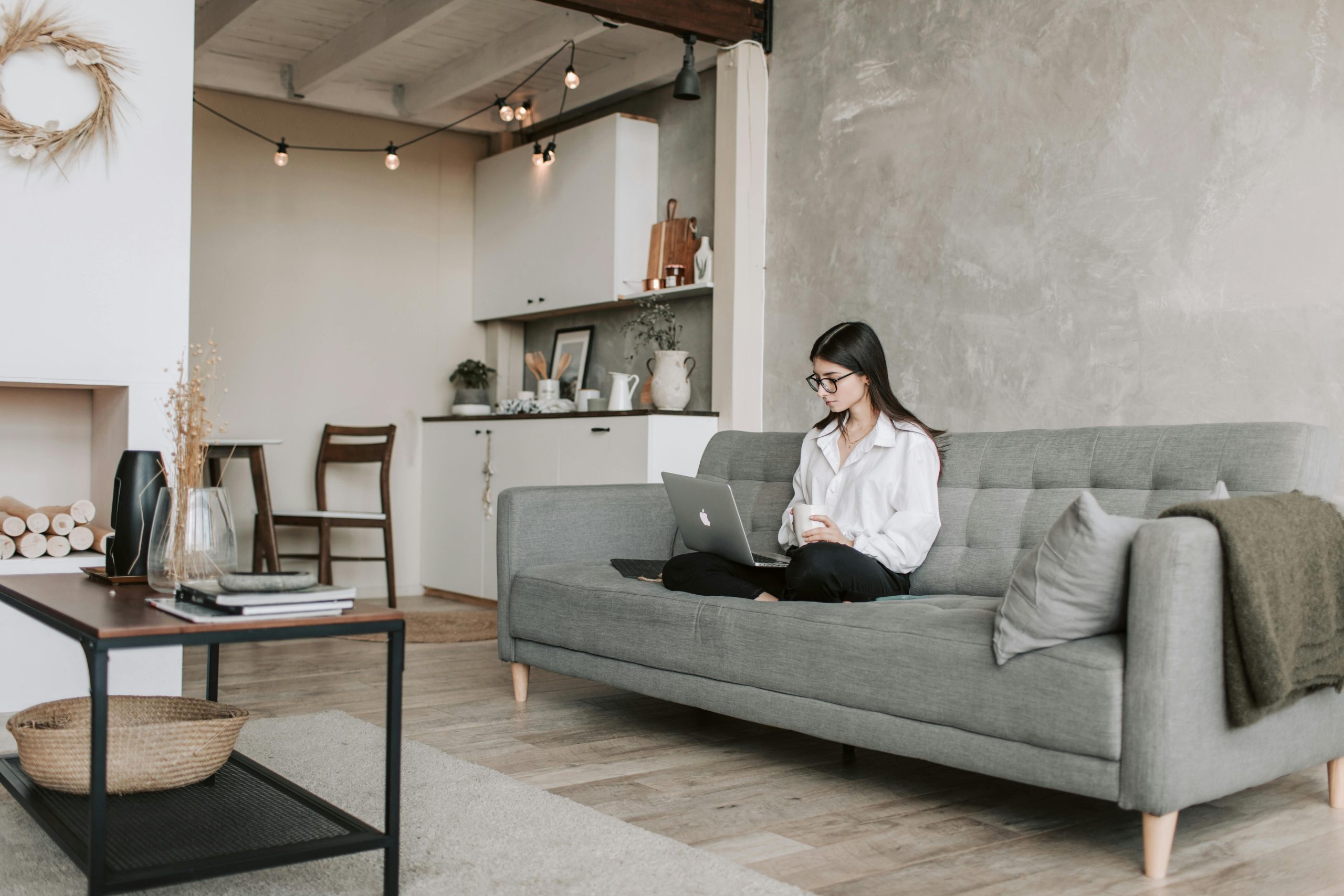
Behind every commercial space are people who will spend significant portions of their lives within those walls. The best commercial interiors acknowledge this reality by creating environments that support wellbeing alongside productivity. This means considering factors like access to natural light, air quality, acoustic comfort, and spaces that allow for both collaboration and solitude.
When employees feel comfortable and supported by their physical environment, it shows in how they work and interact with clients. When clients visit spaces that feel thoughtfully designed and well-maintained, it reinforces their perception of the company’s professionalism and attention to detail. These human factors shouldn’t be afterthoughts; they’re central to creating commercial interiors that truly succeed.
Bringing Vision to Reality
The journey from initial concept to completed commercial interior involves numerous decisions and tradeoffs. Having partners who understand both the aesthetic vision and practical realities helps navigate this process smoothly. The goal is always to create spaces that look exceptional while functioning flawlessly for their intended purpose.
This process works best when built on clear communication and mutual understanding. When designers take time to learn about a business’s unique needs and aspirations, they can create solutions that truly serve both brand identity and functional requirements. The result is commercial interiors that feel custom-crafted rather than generic, spaces that become genuine assets to the organizations that occupy them.
If you’re considering how your commercial space could better reflect your brand while serving your functional needs, our team would welcome the opportunity to explore possibilities with you. Reach out to get started.
Frequently Asked Questions
How long does it typically take to complete a commercial interior design project?
Project timelines vary considerably based on space size, scope of work, and complexity of requirements. Factors like permitting, custom fabrication, and coordination with other trades all influence scheduling. Most projects benefit from beginning conversations well in advance of desired completion dates.
Can existing furniture and fixtures be incorporated into new designs?
Absolutely. Many successful projects blend existing pieces that still serve their purpose well with new elements that refresh the overall aesthetic. This approach can be both economically practical and environmentally responsible while achieving design goals.
What should we prepare before meeting with a design team?
Gathering information about how spaces are currently used, what’s working well and what isn’t, and any specific brand guidelines or preferences provides helpful context. Photos of spaces you admire, even from different industries, can also help communicate aesthetic preferences.
How do you ensure the design will still feel current years from now?
Focusing on quality materials, classic proportions, and thoughtful craftsmanship creates foundations that endure. Incorporating distinctive elements through items that can evolve allows spaces to remain fresh while maintaining their core design integrity.