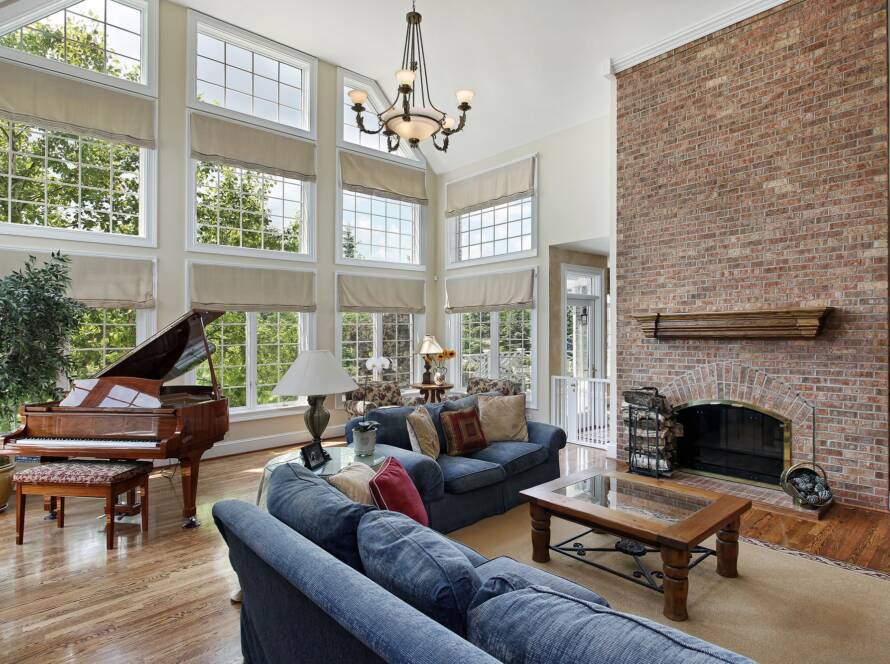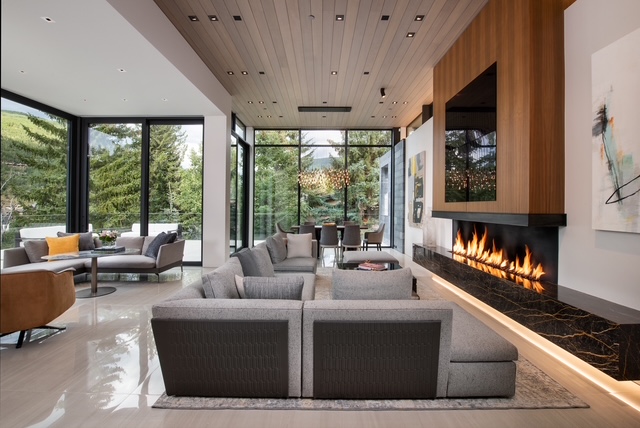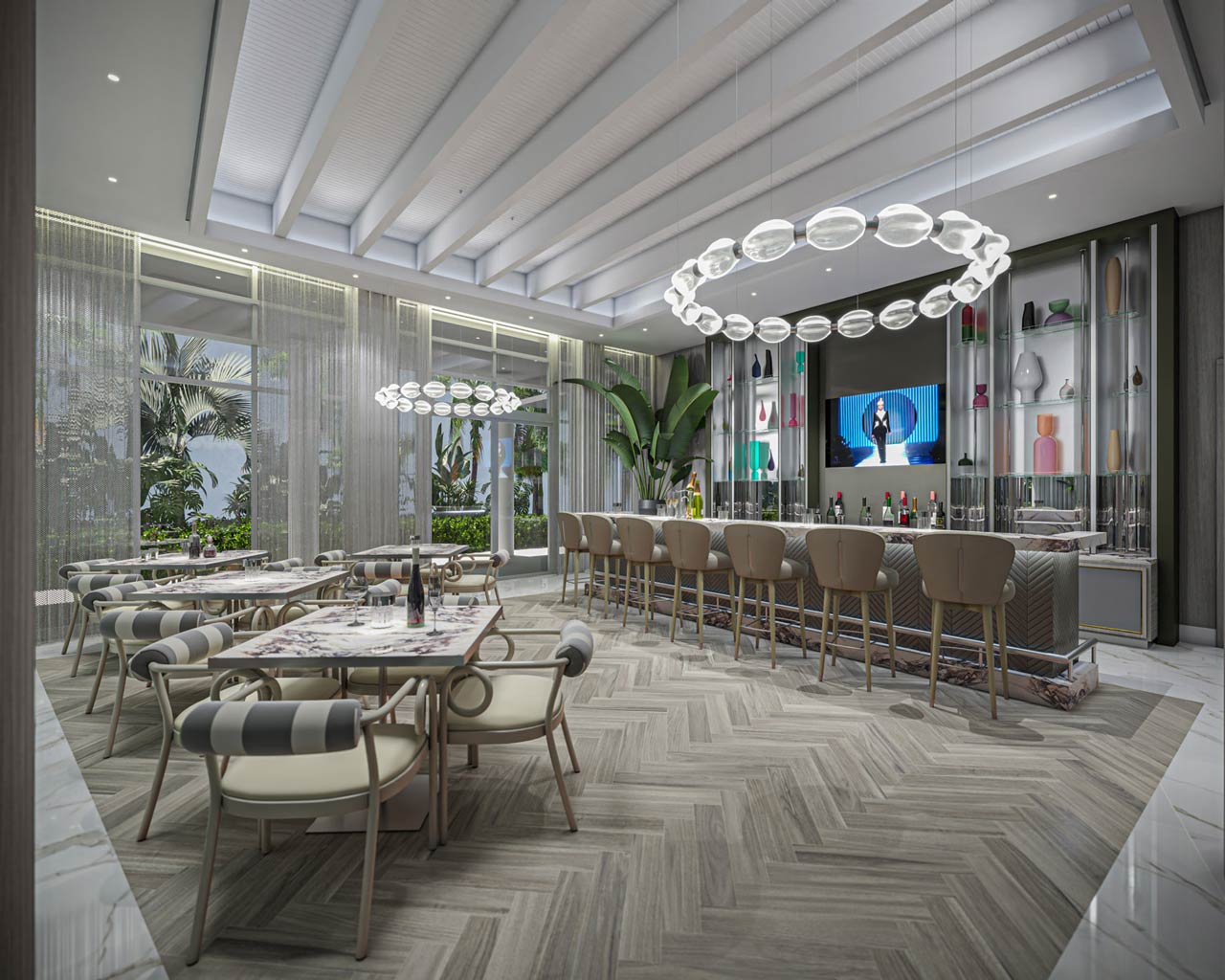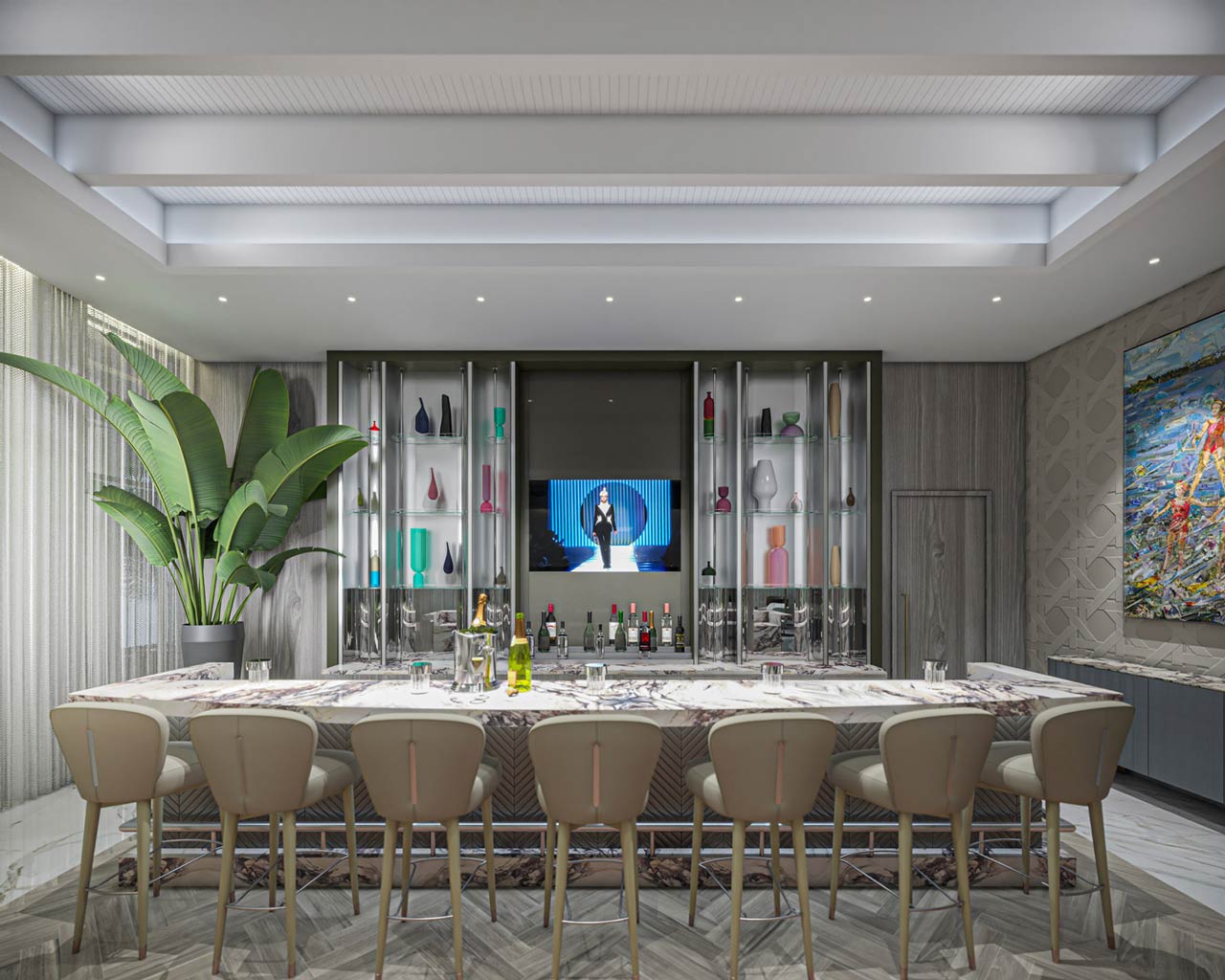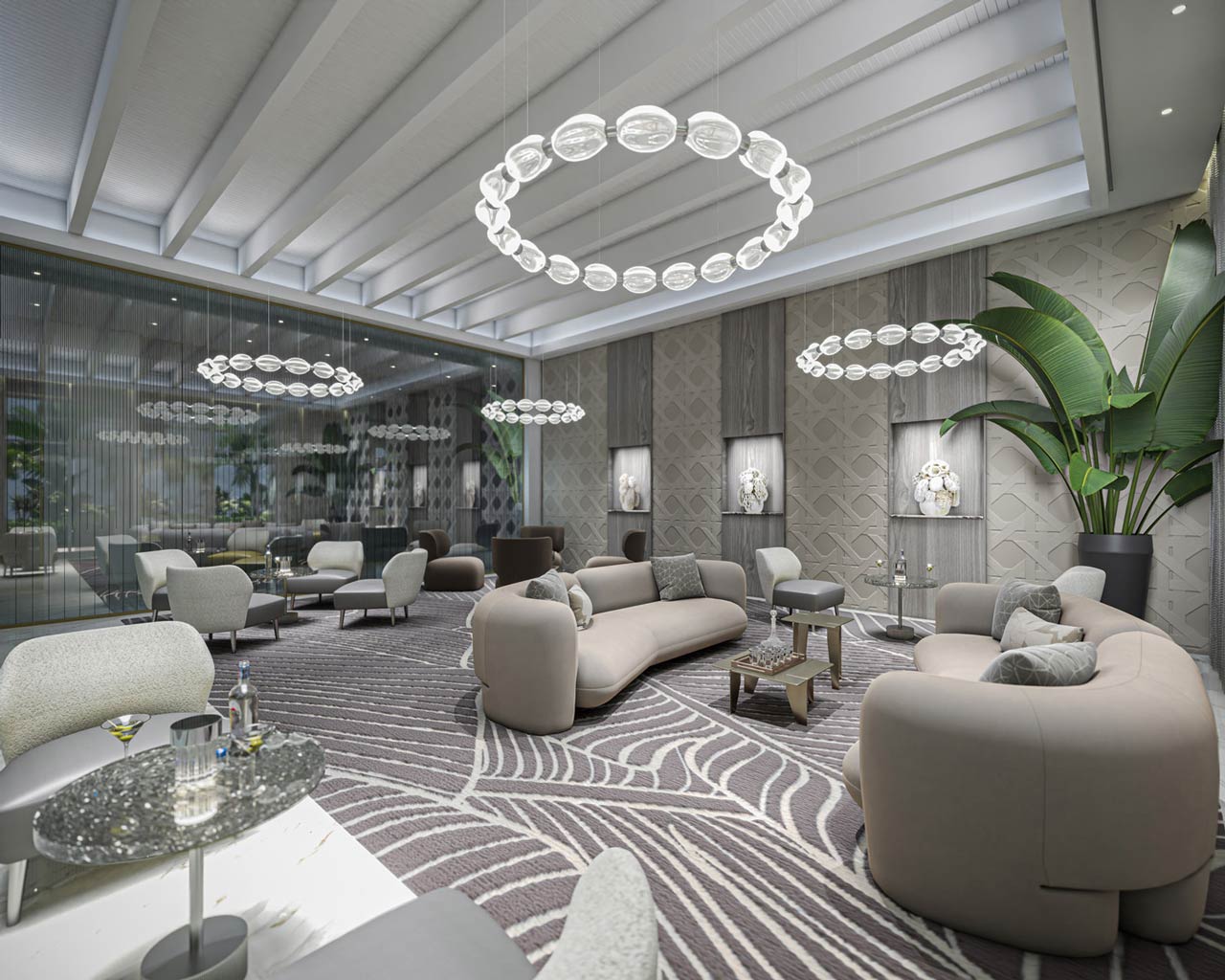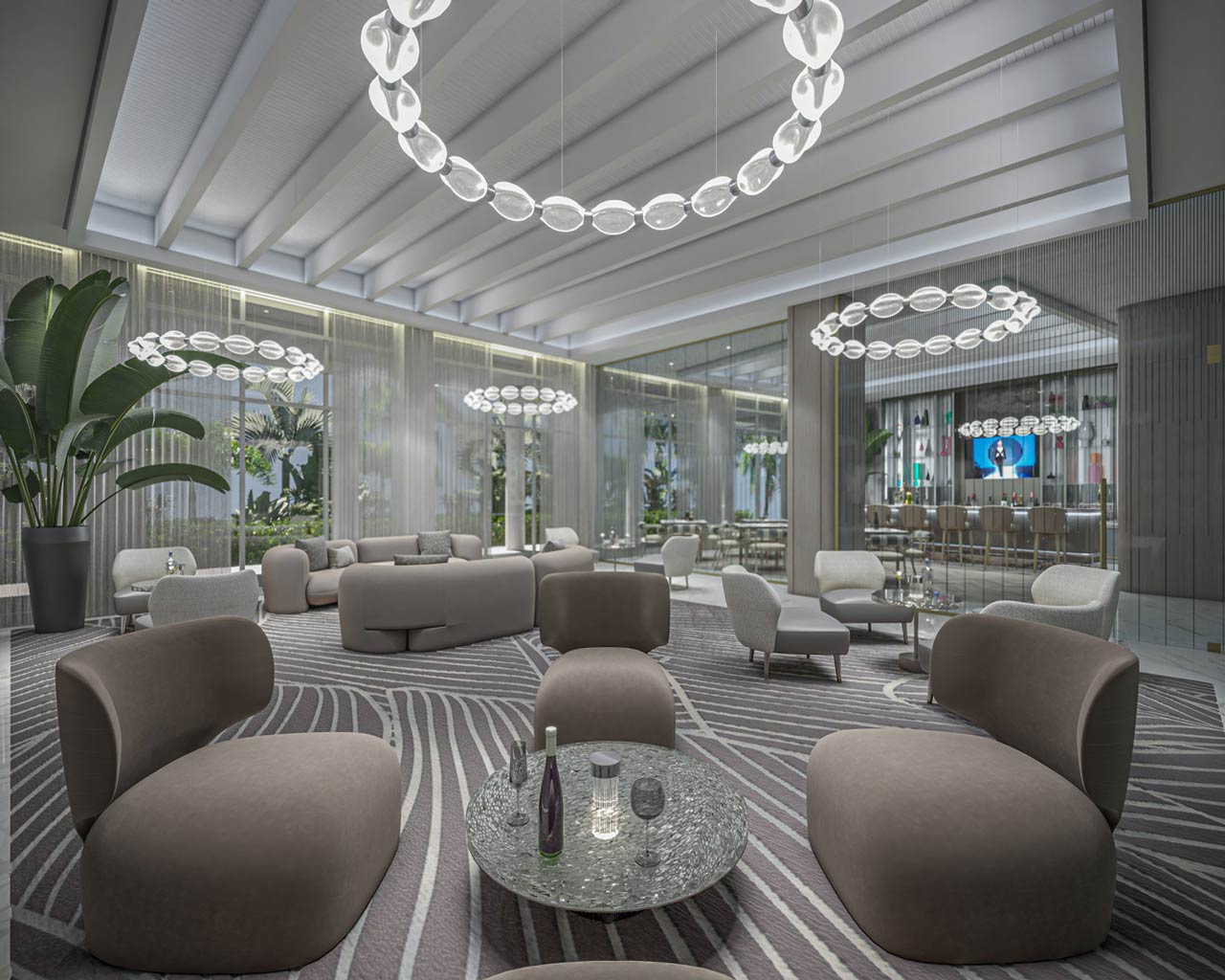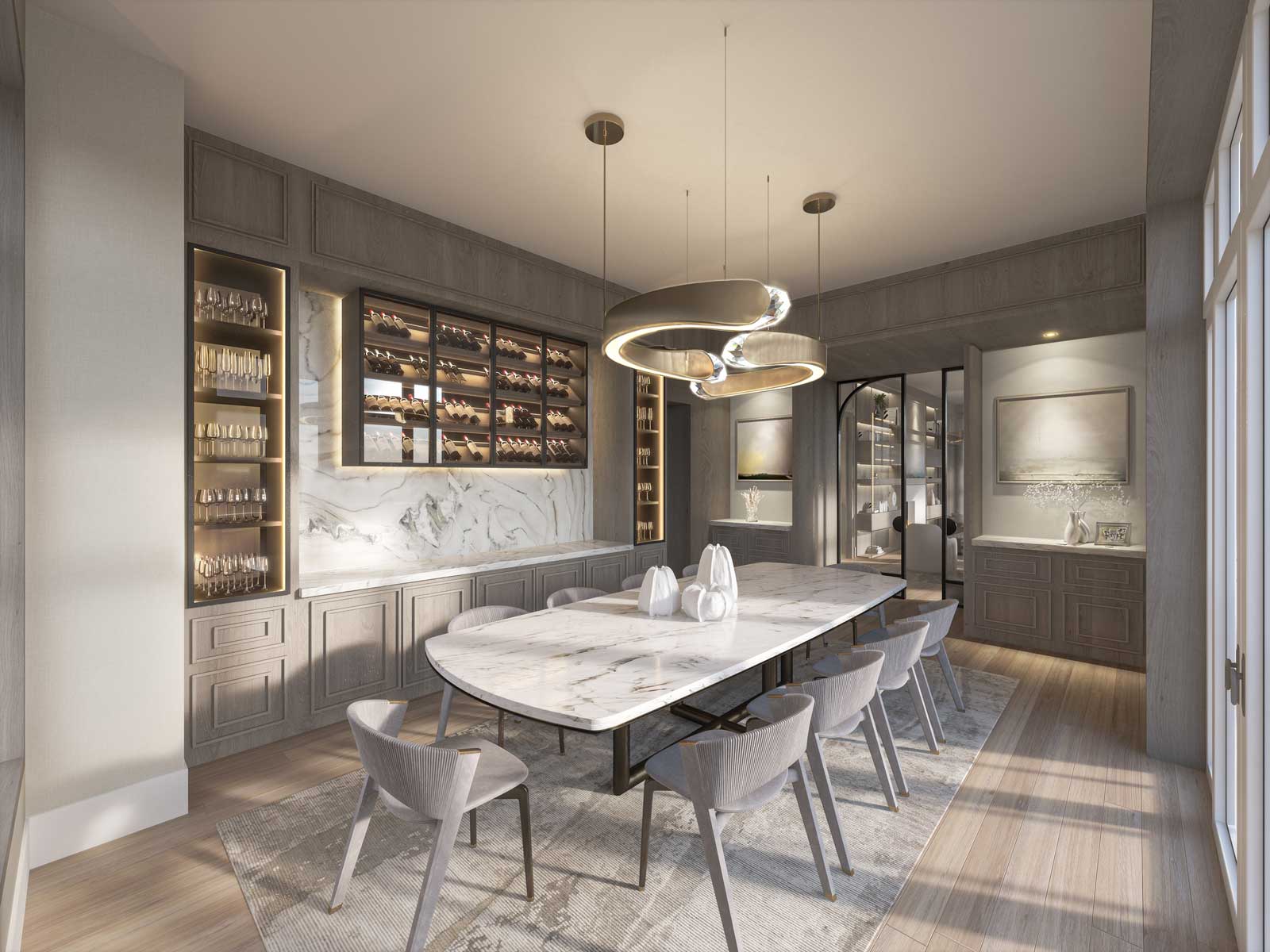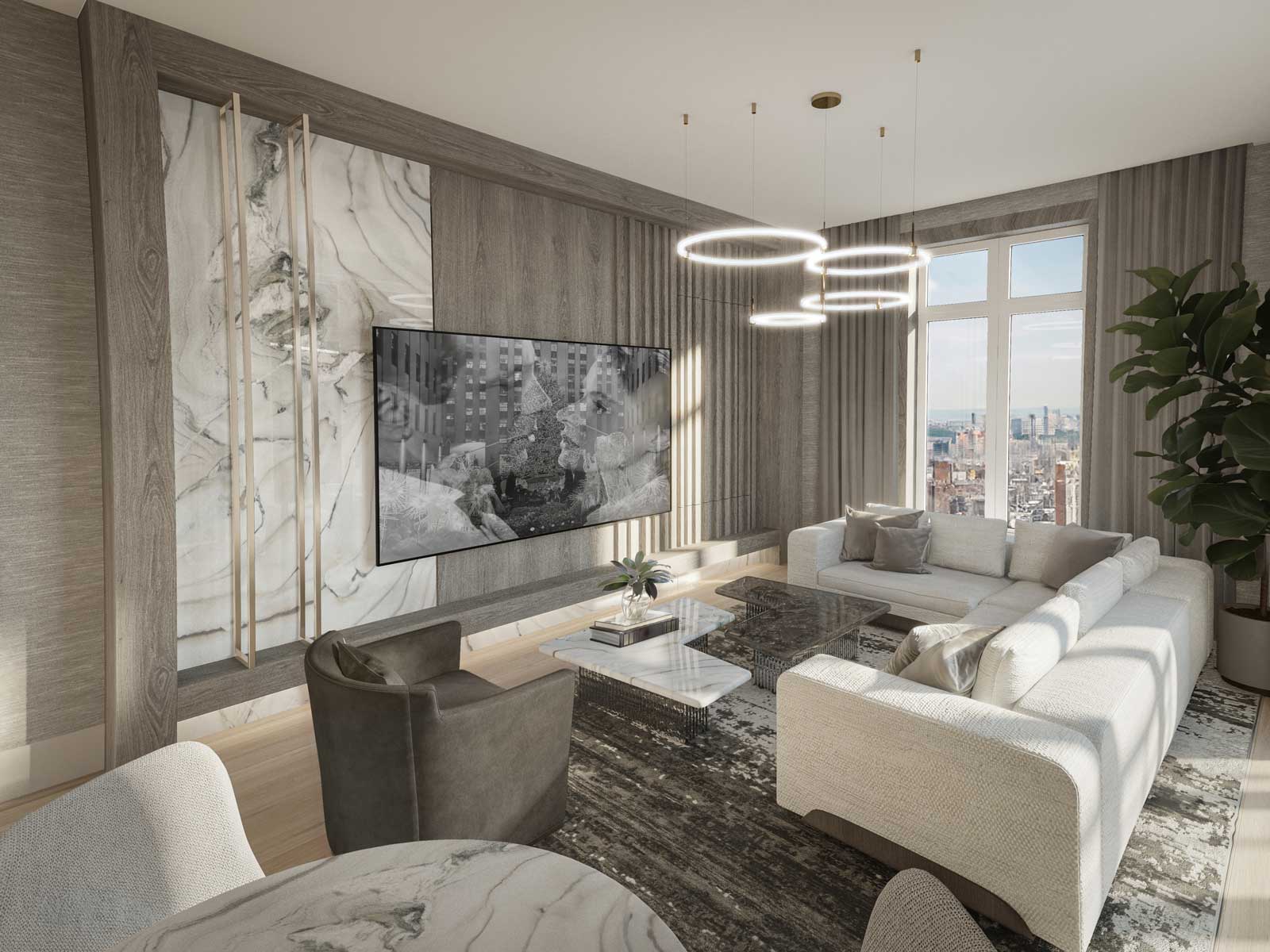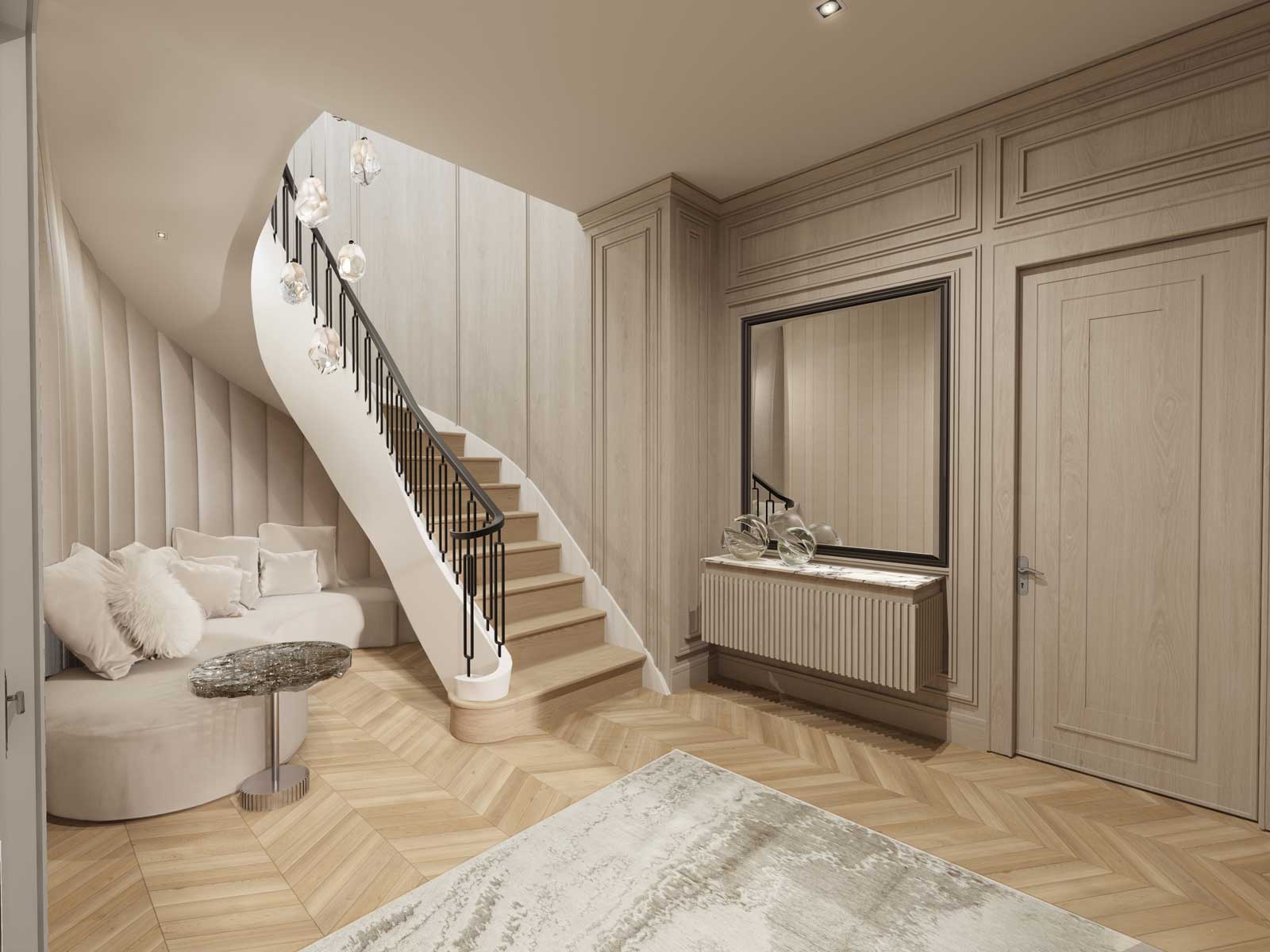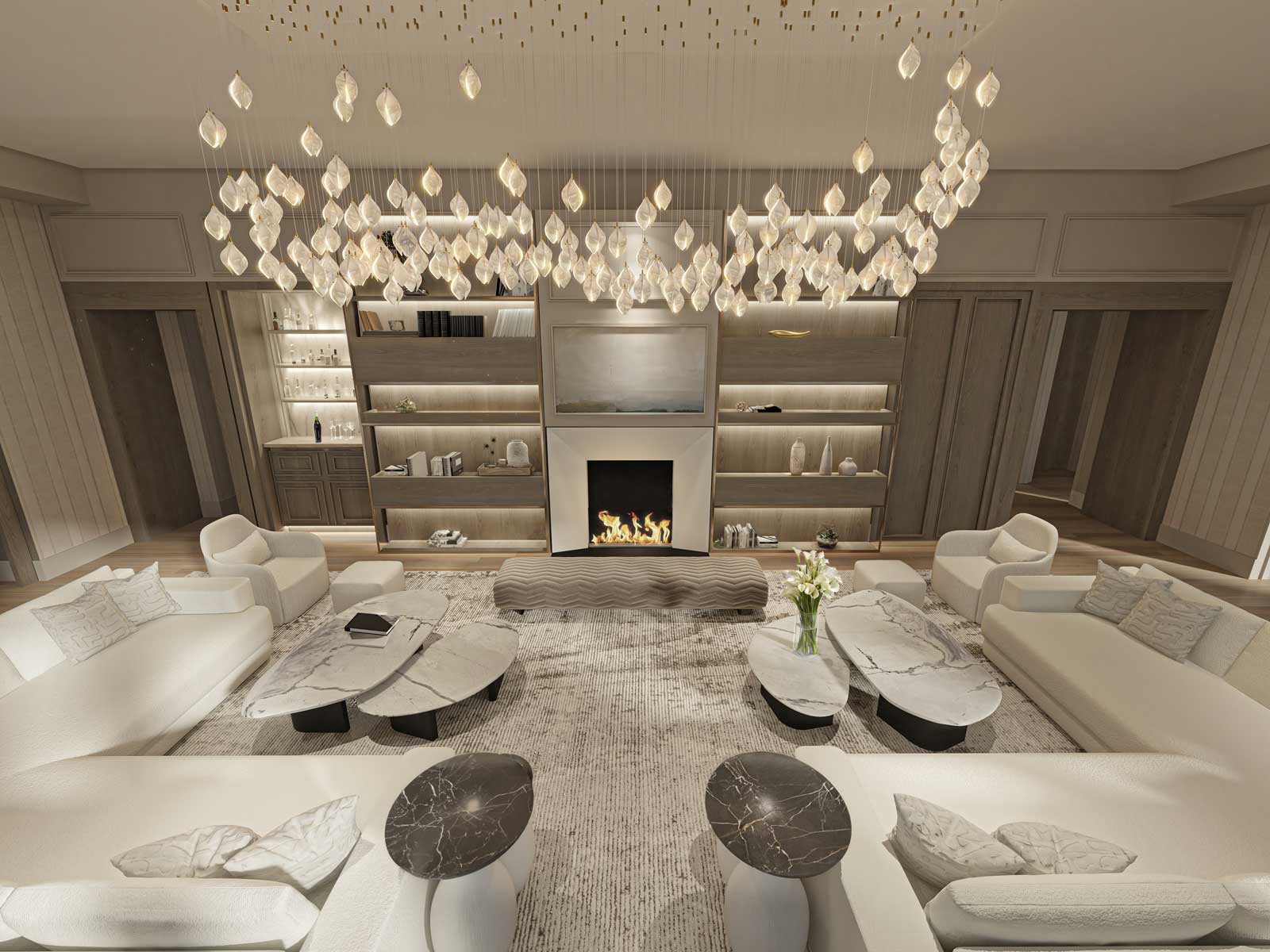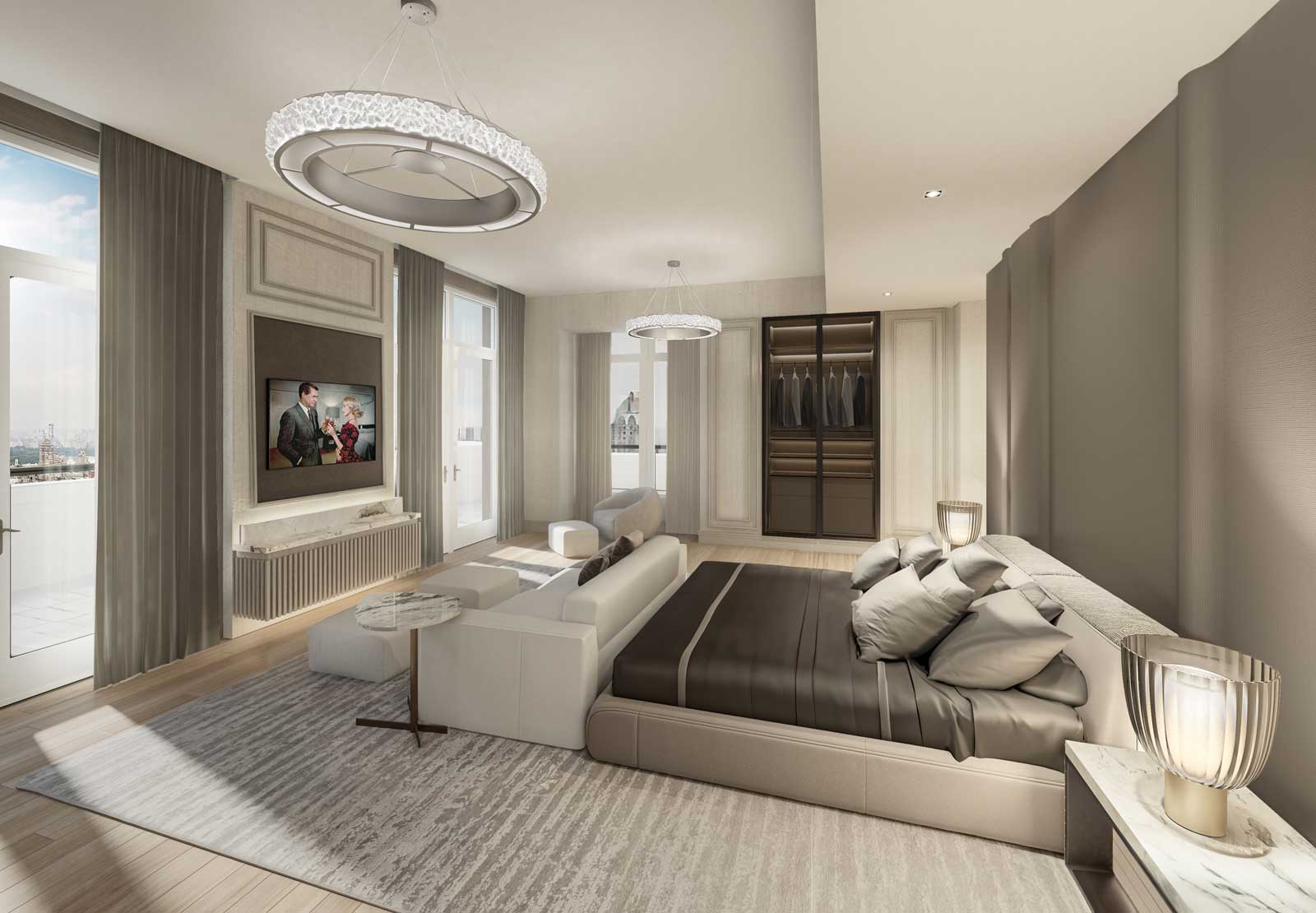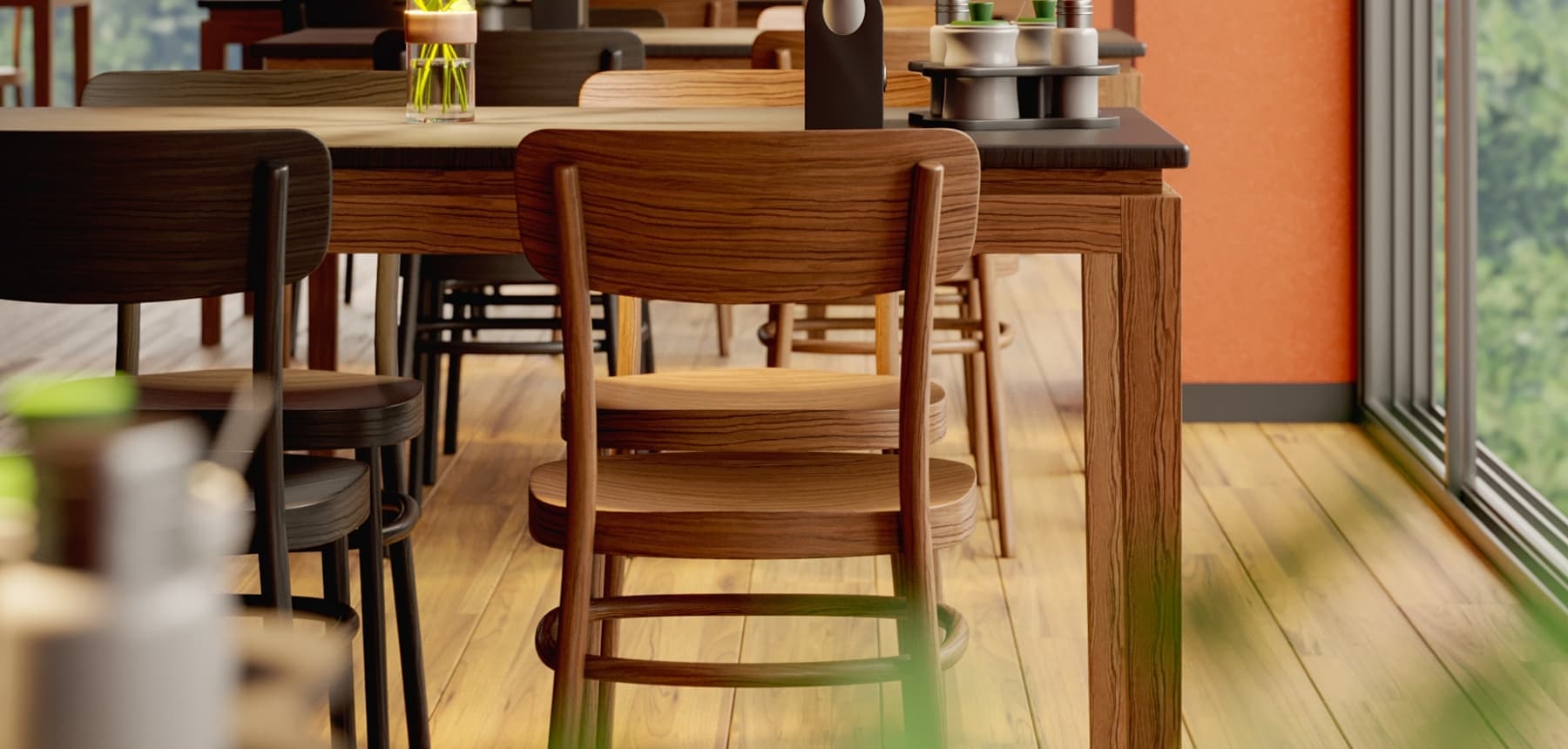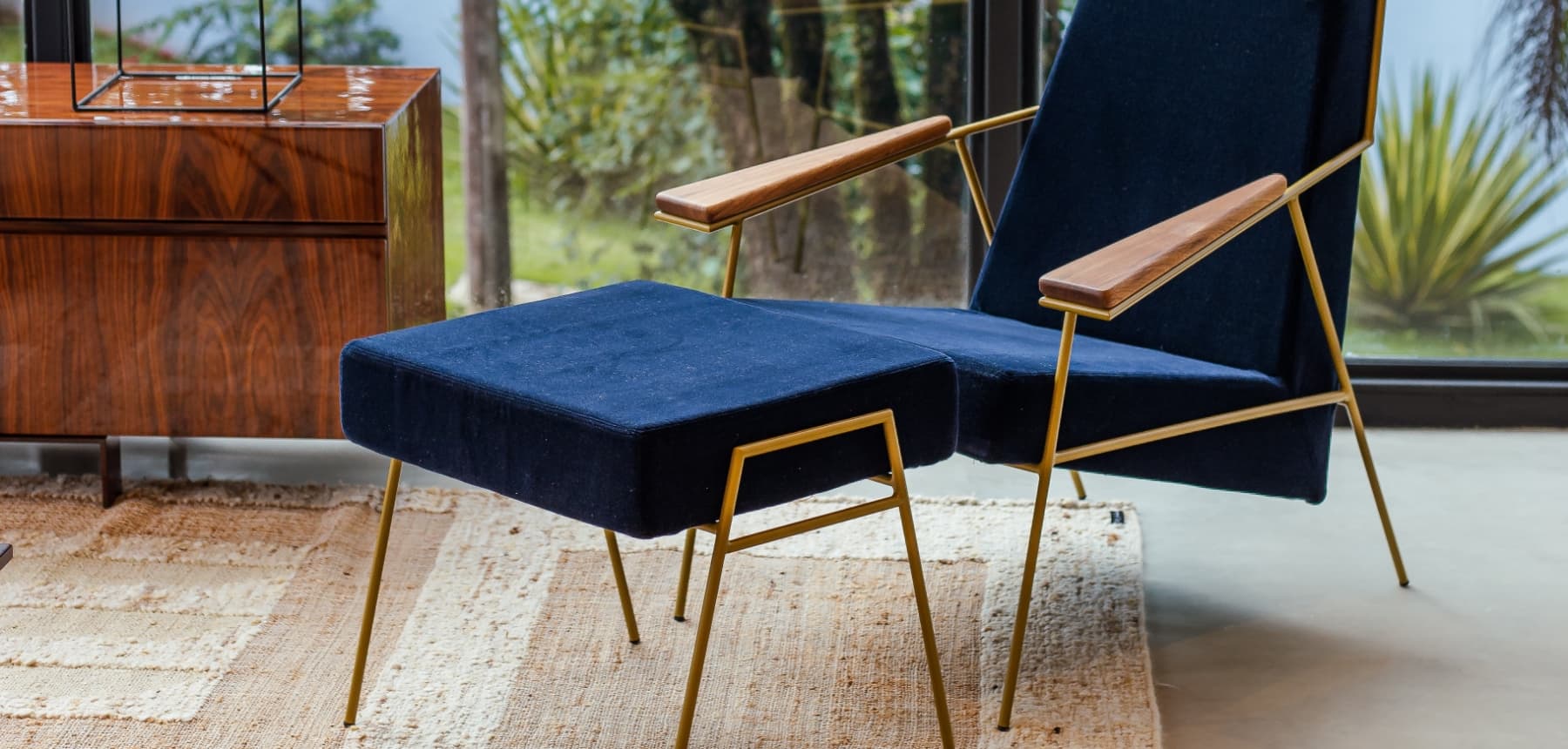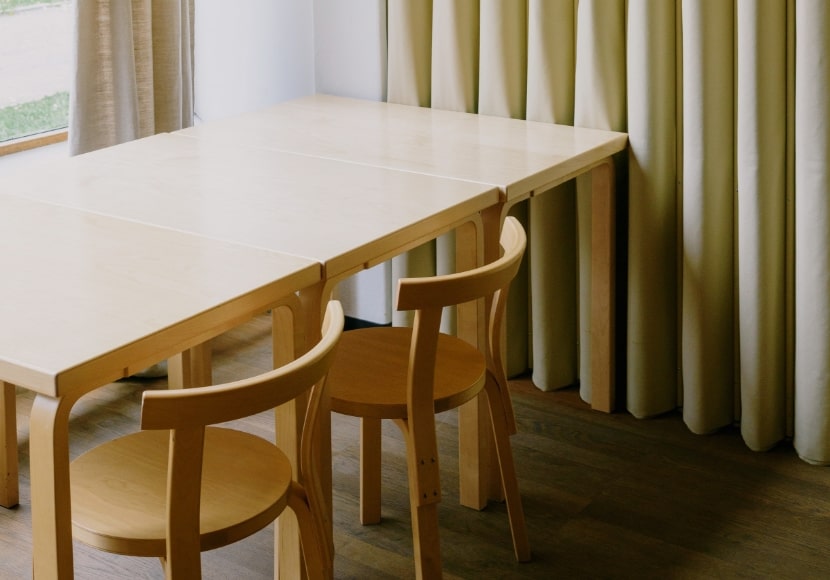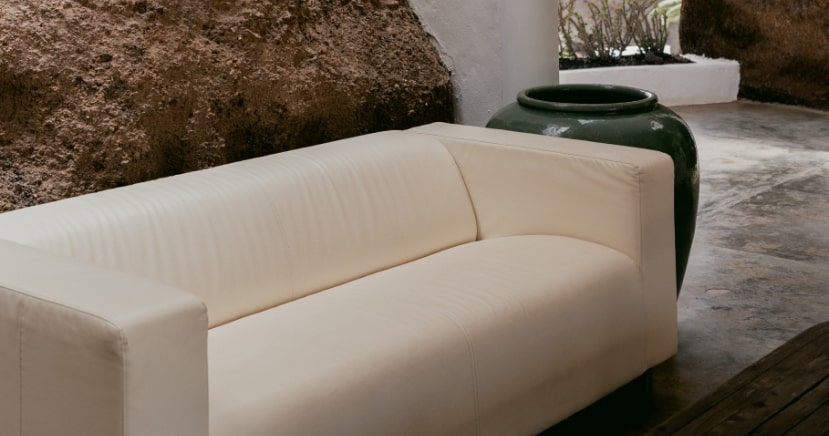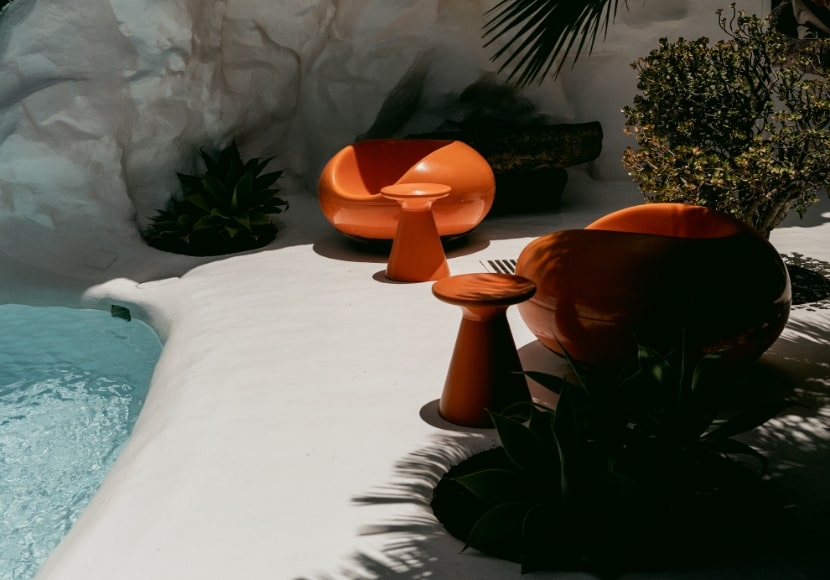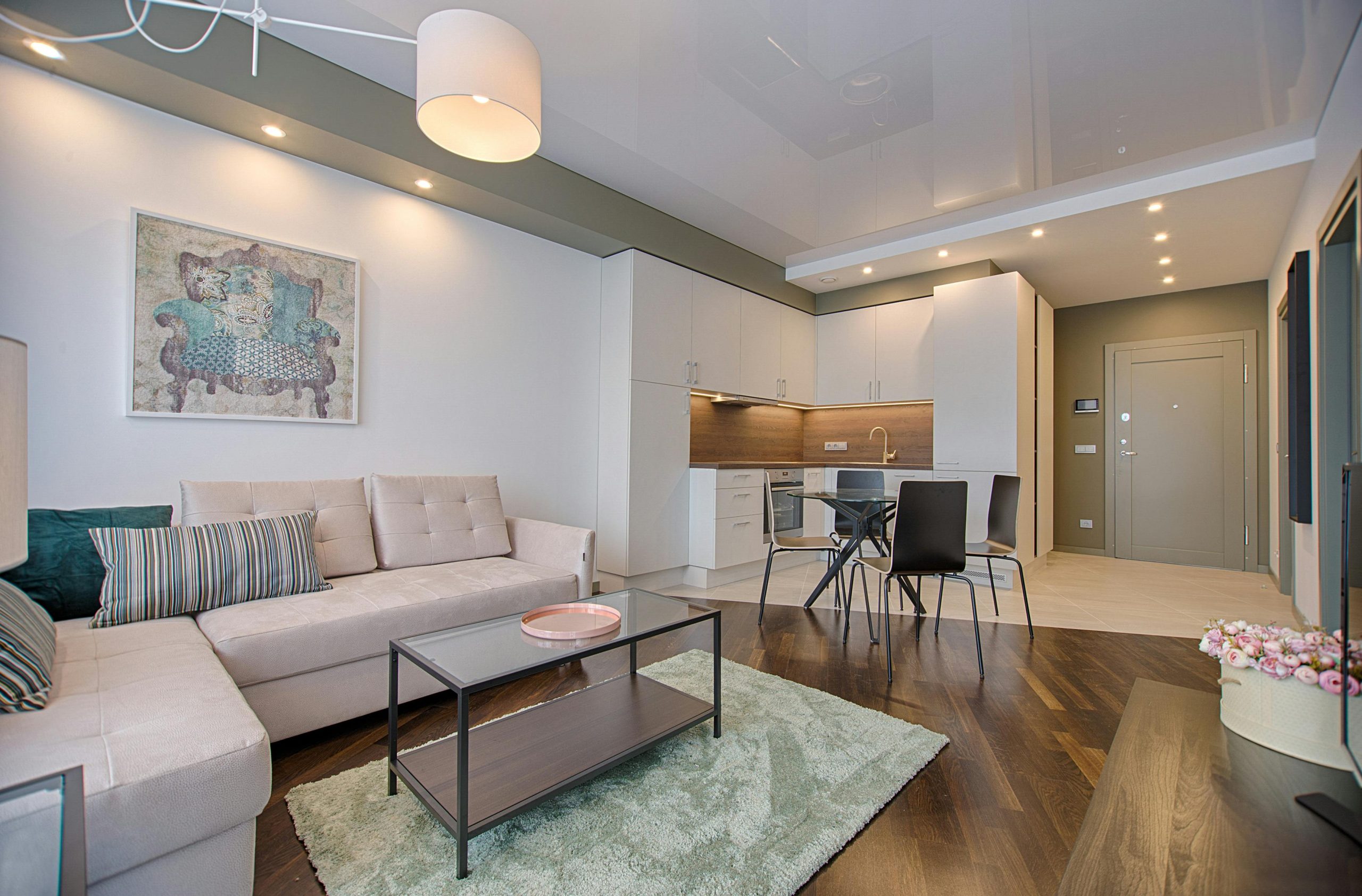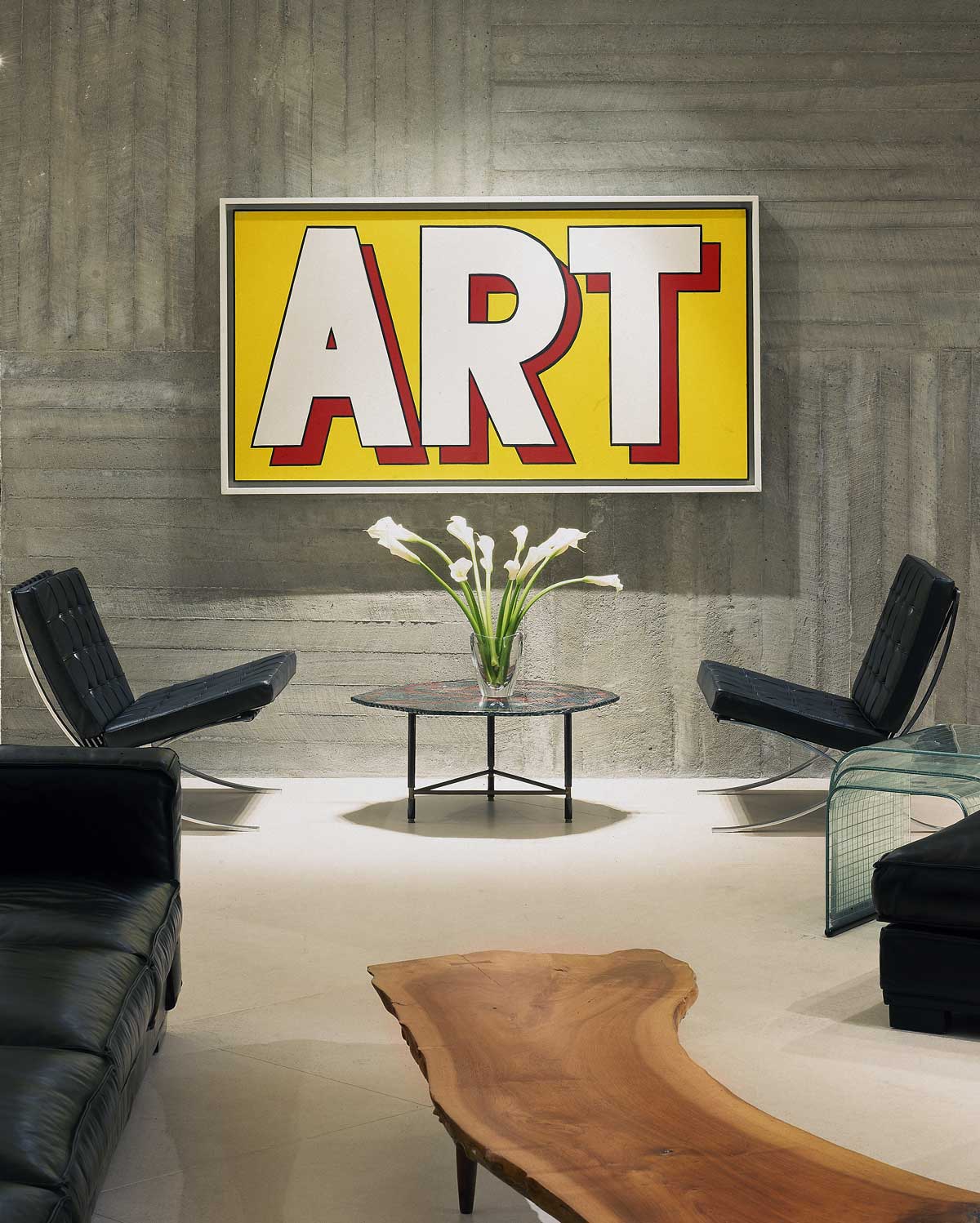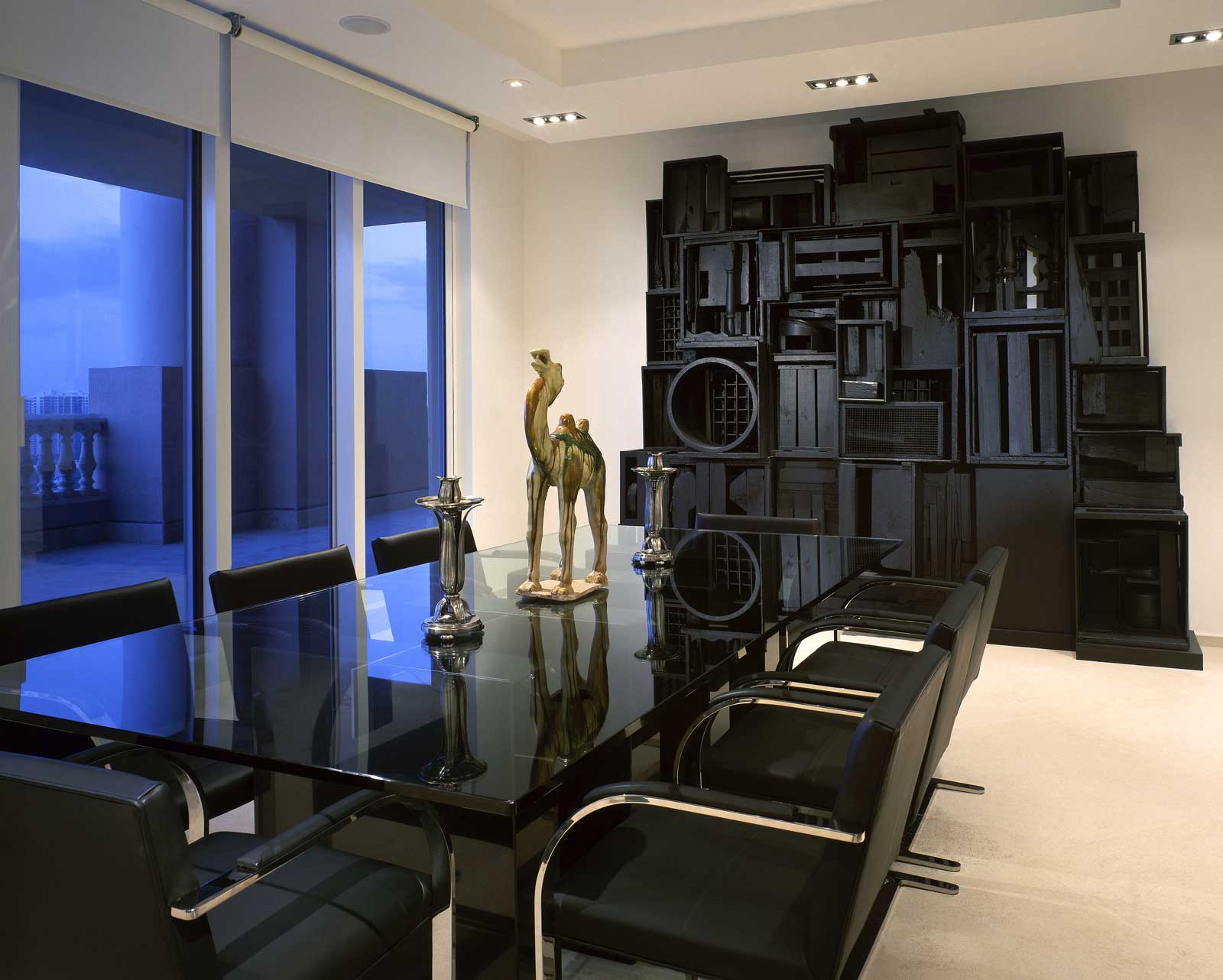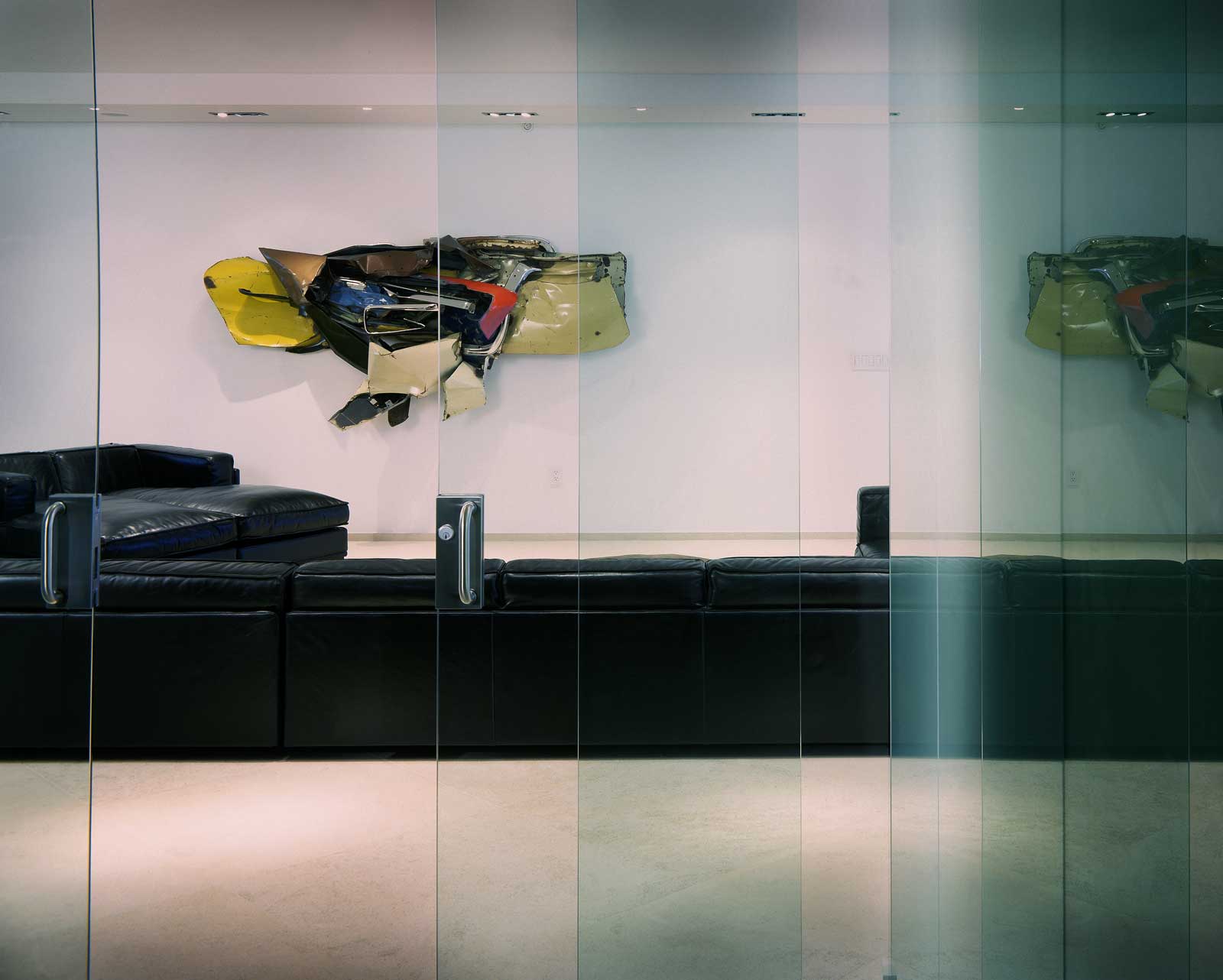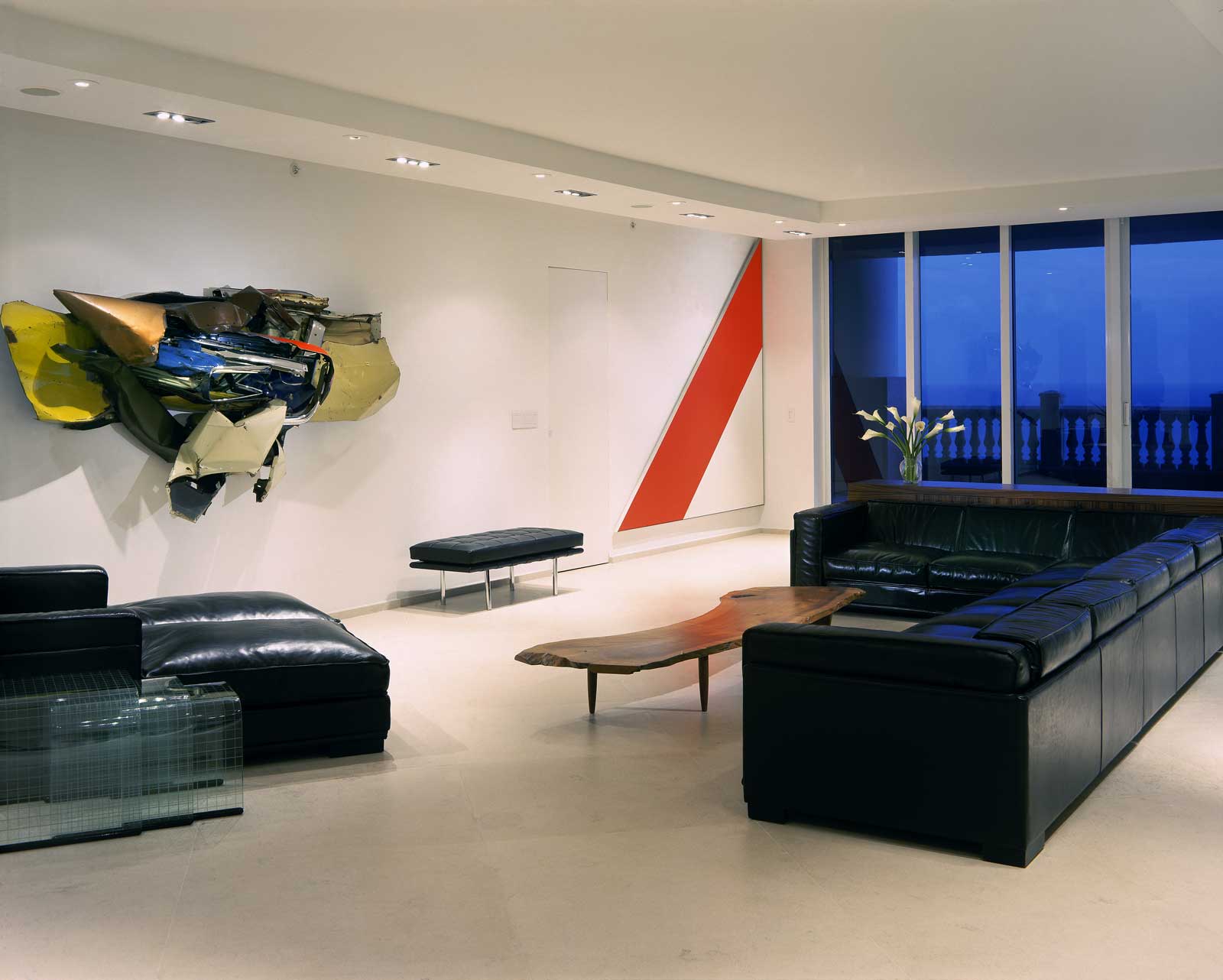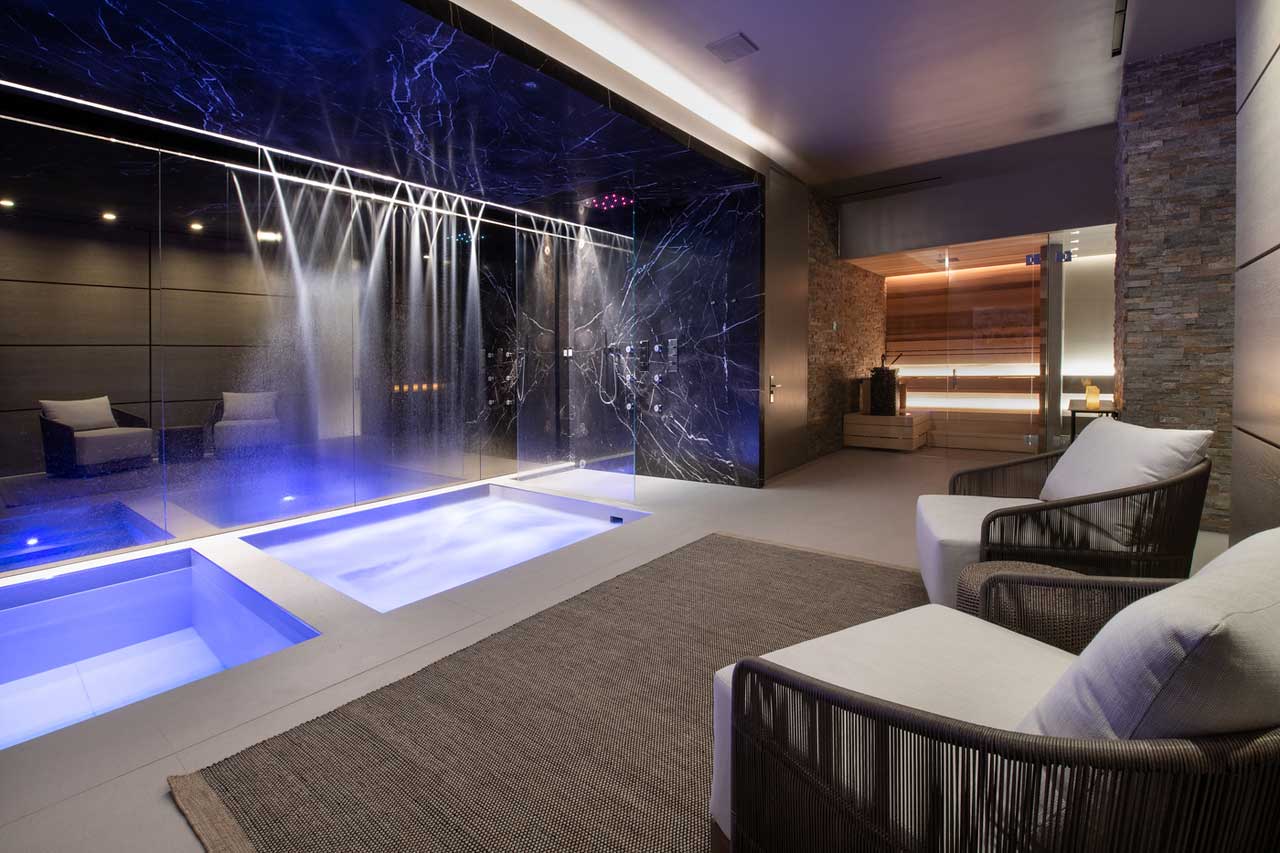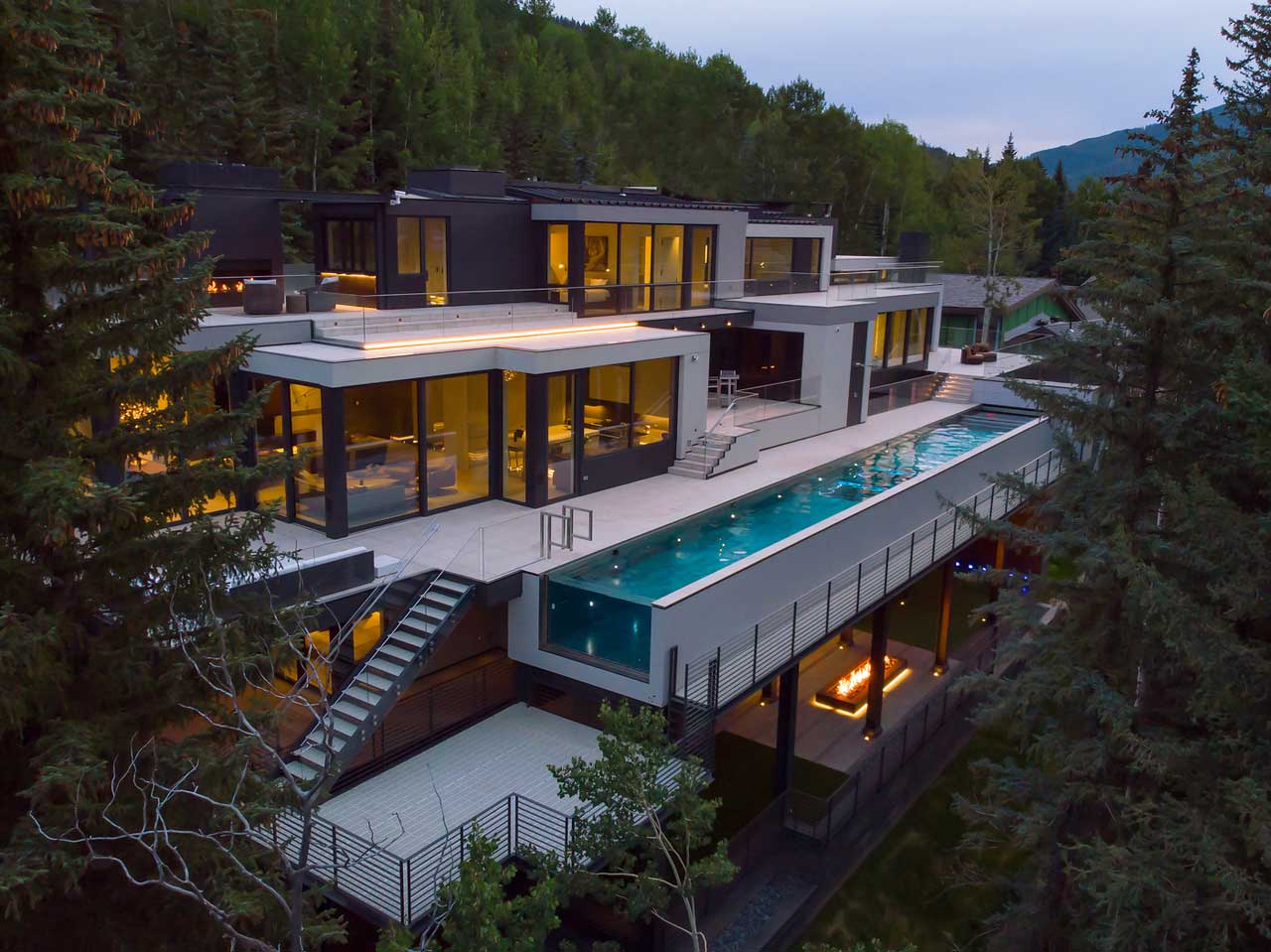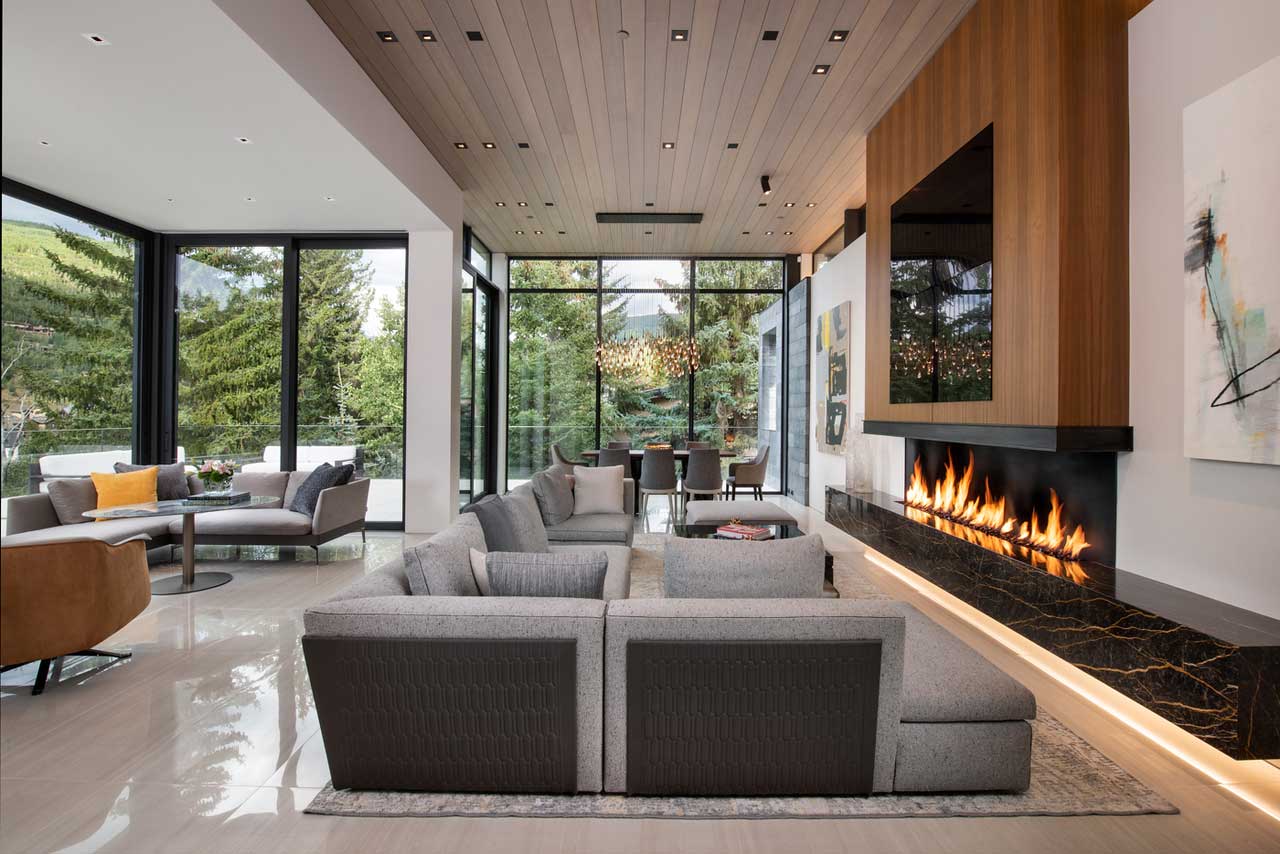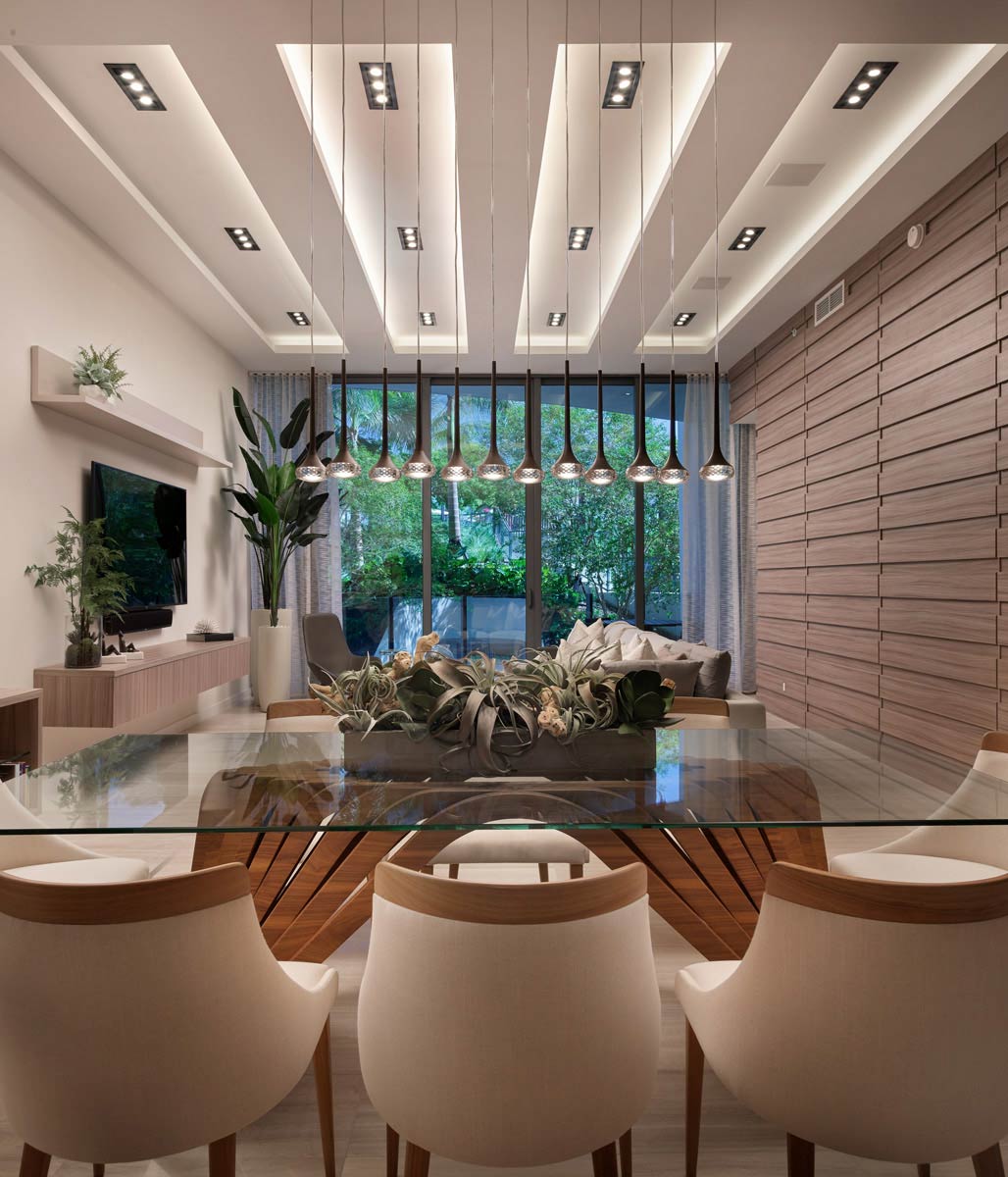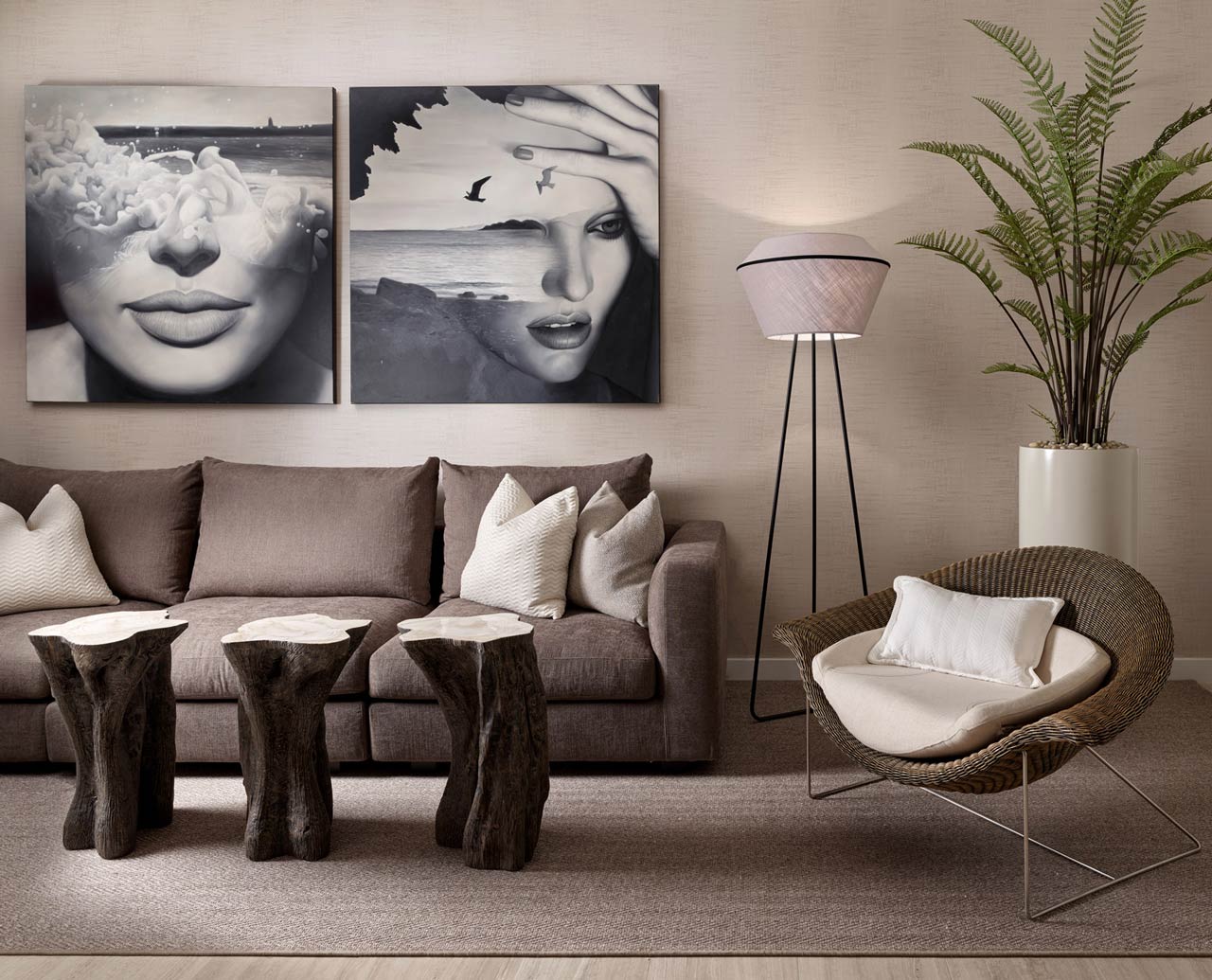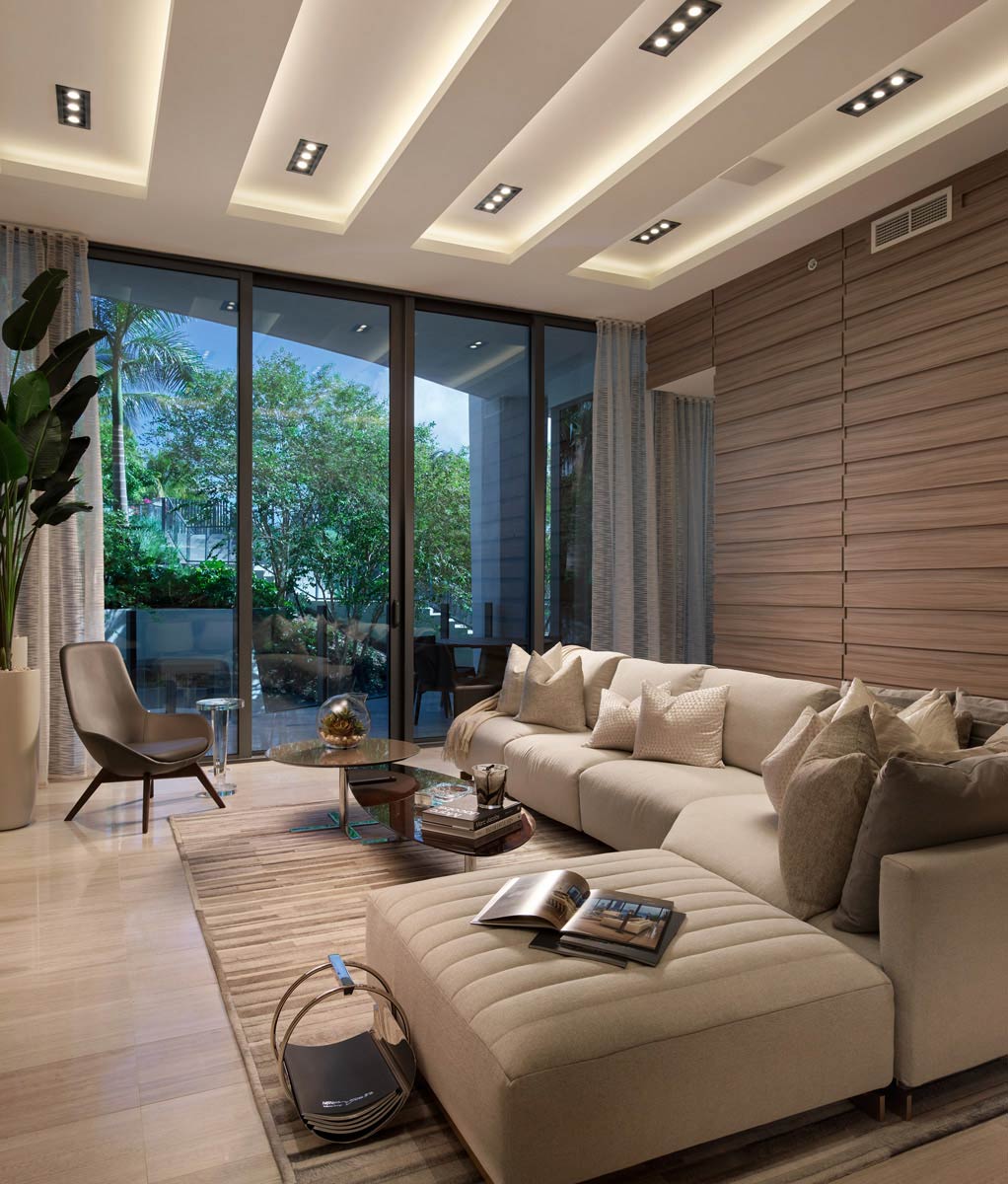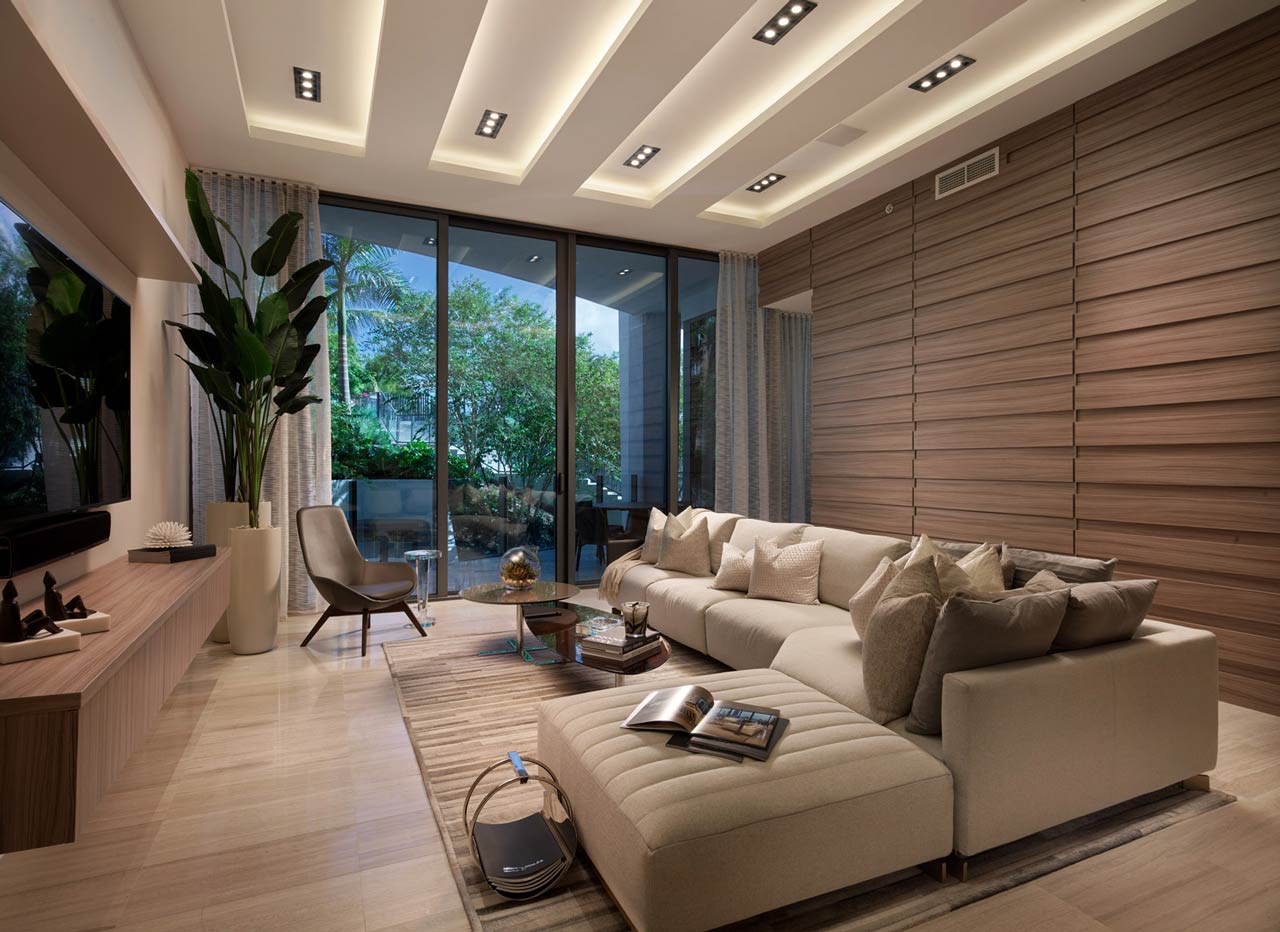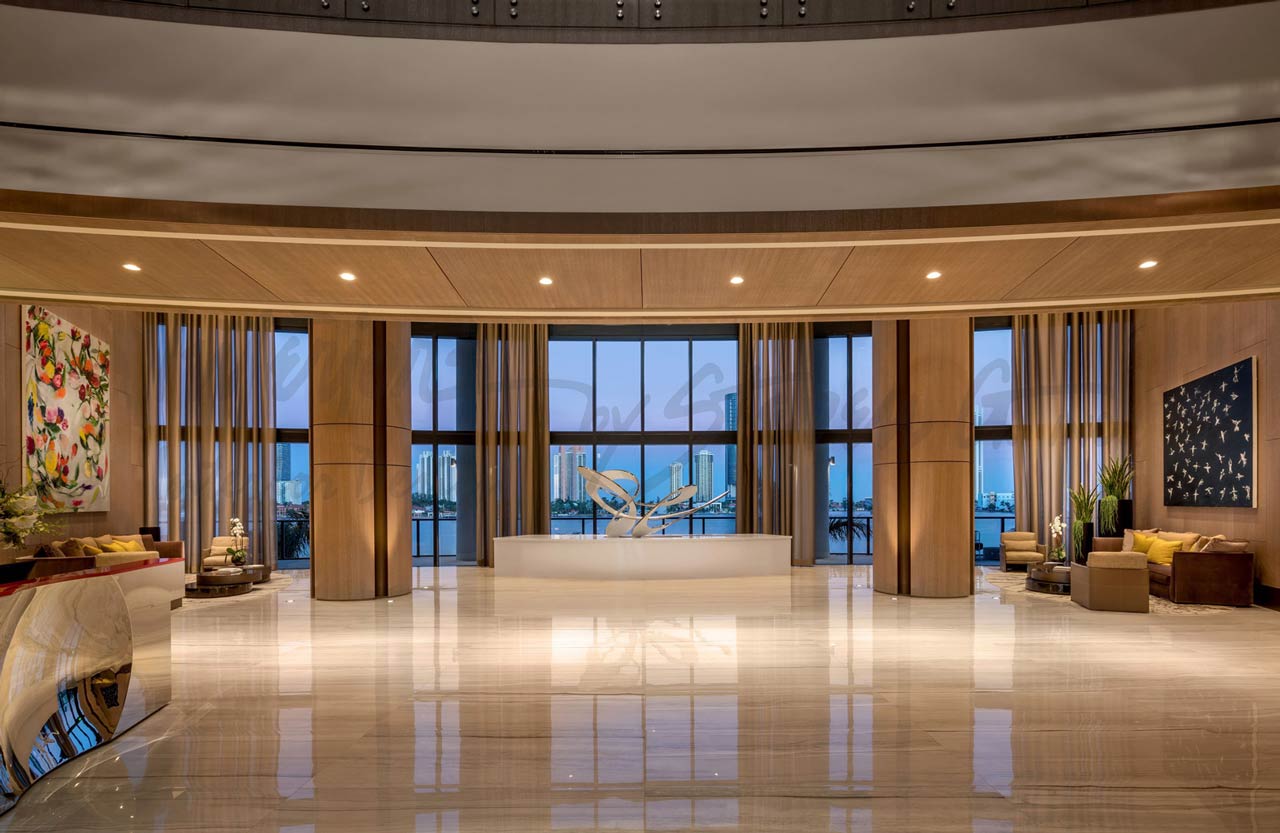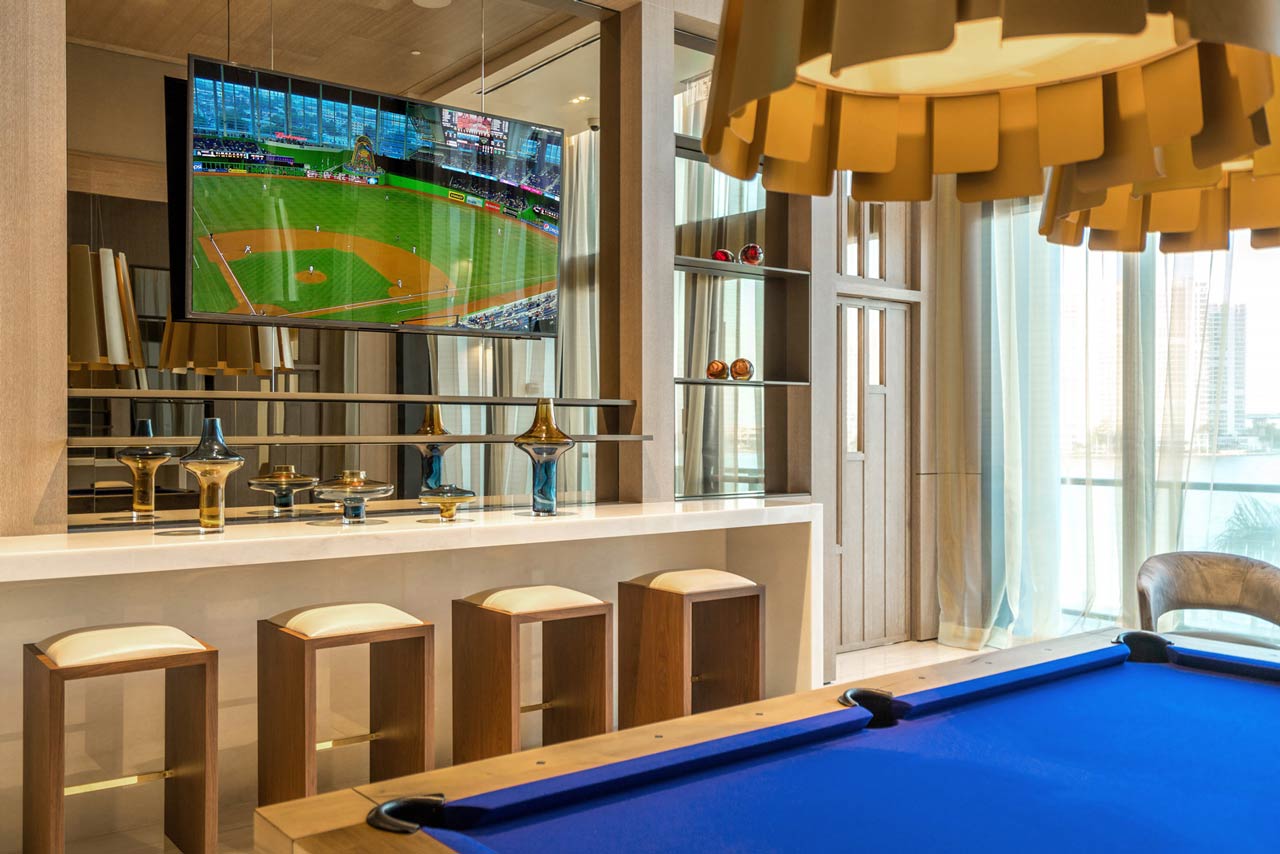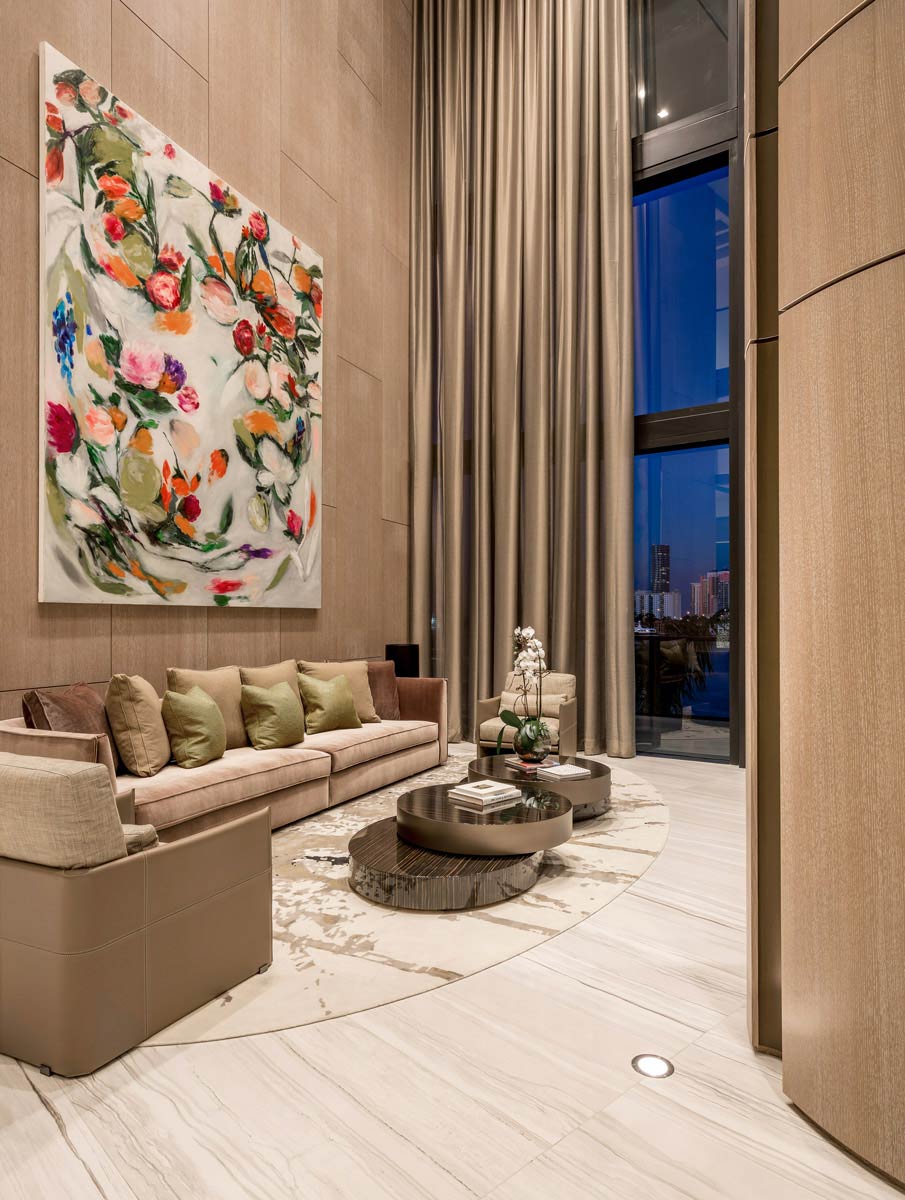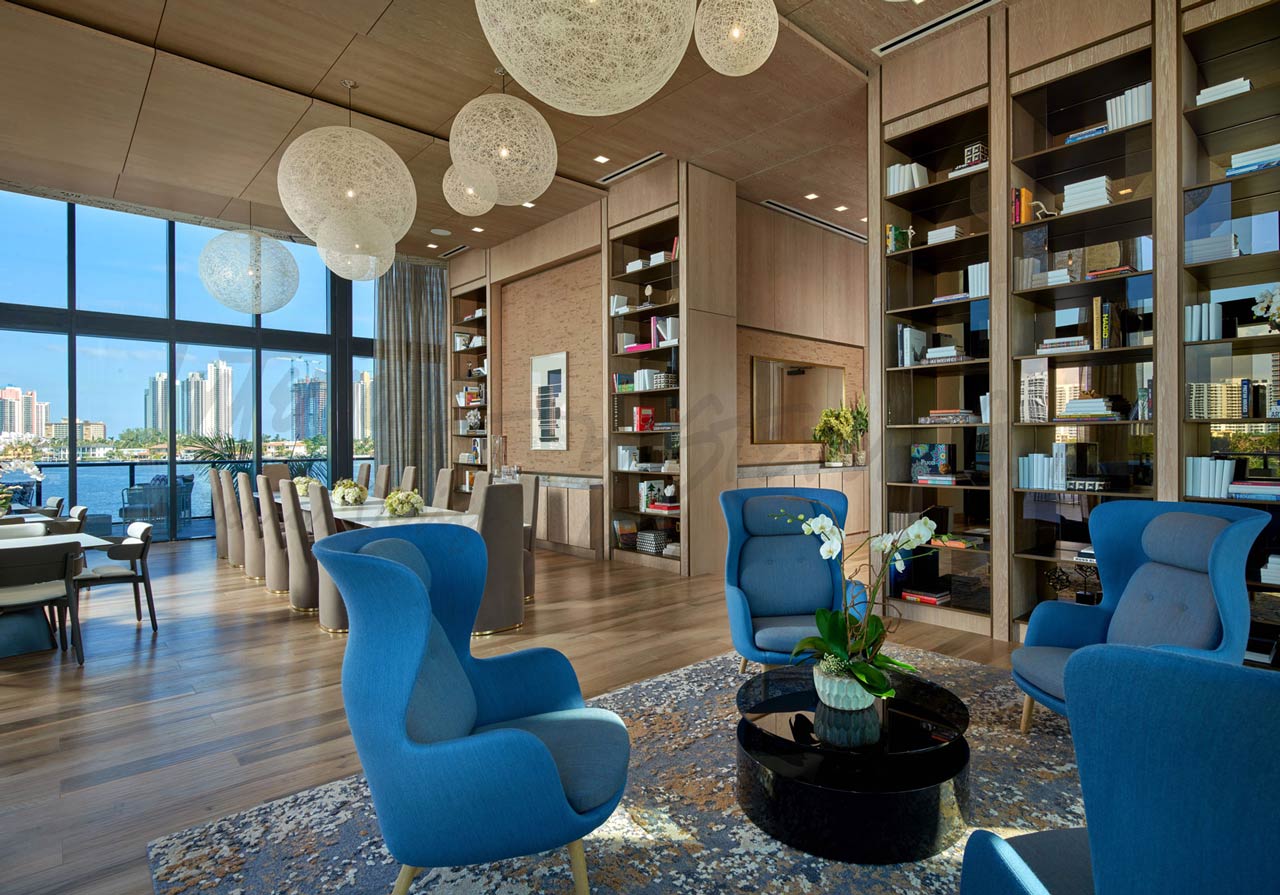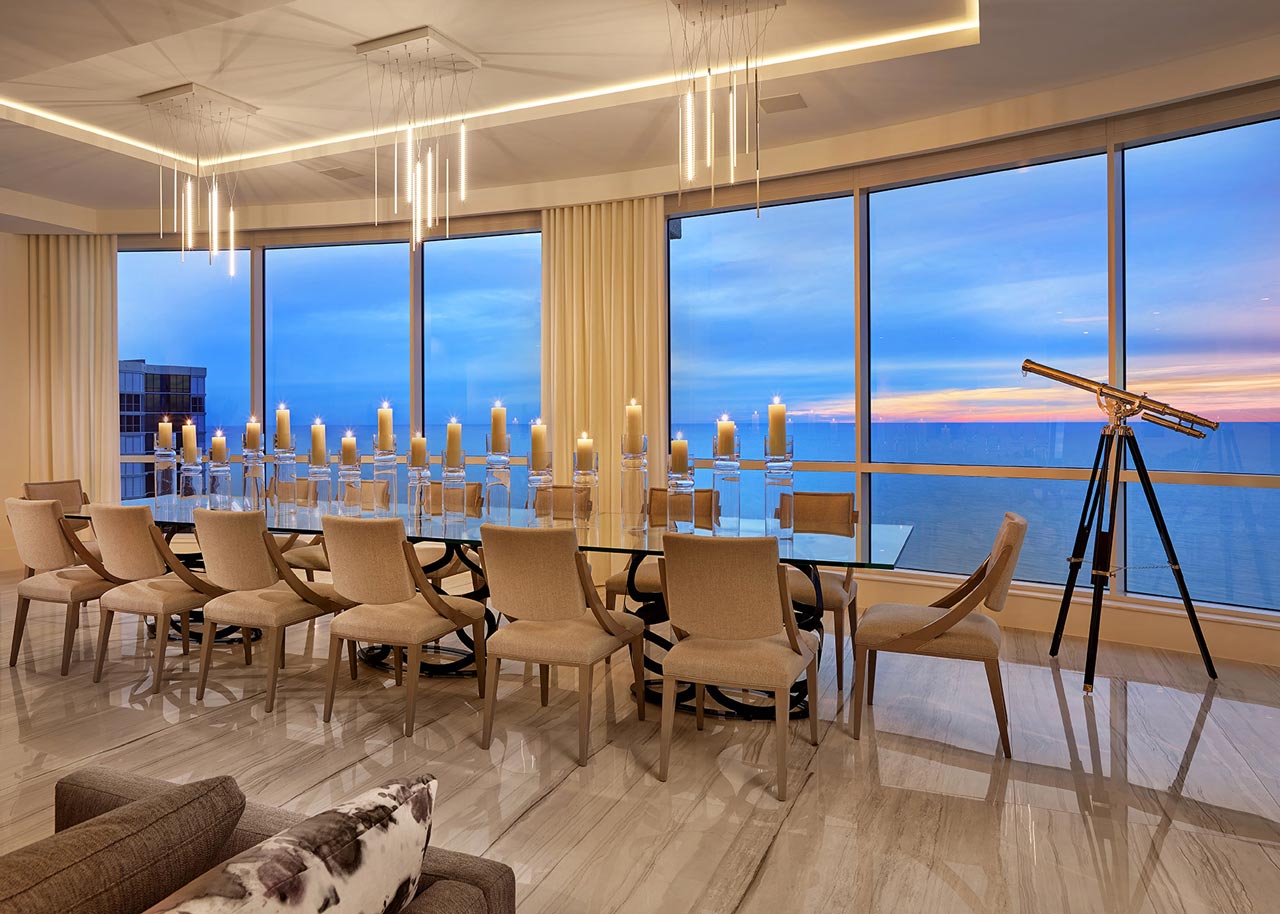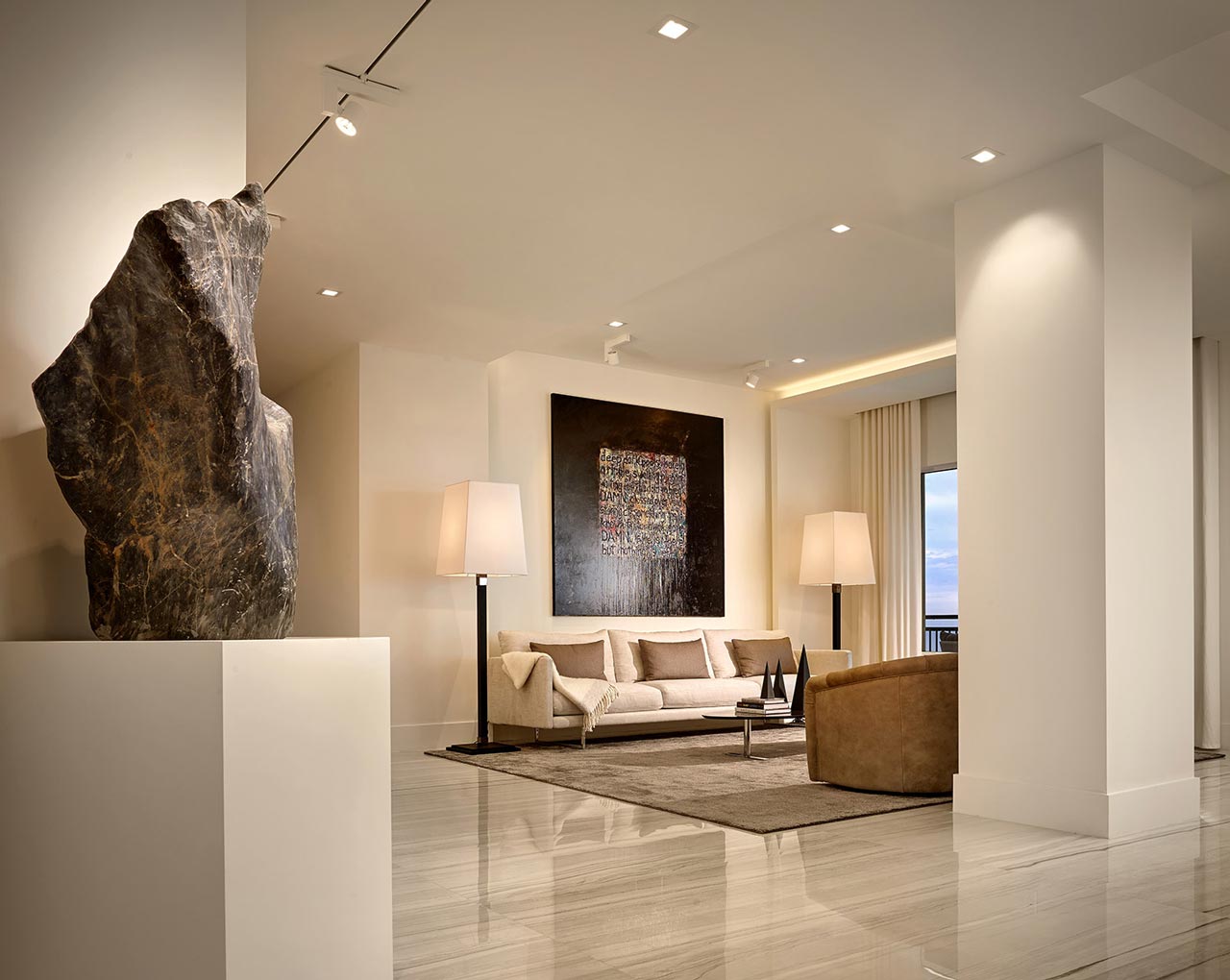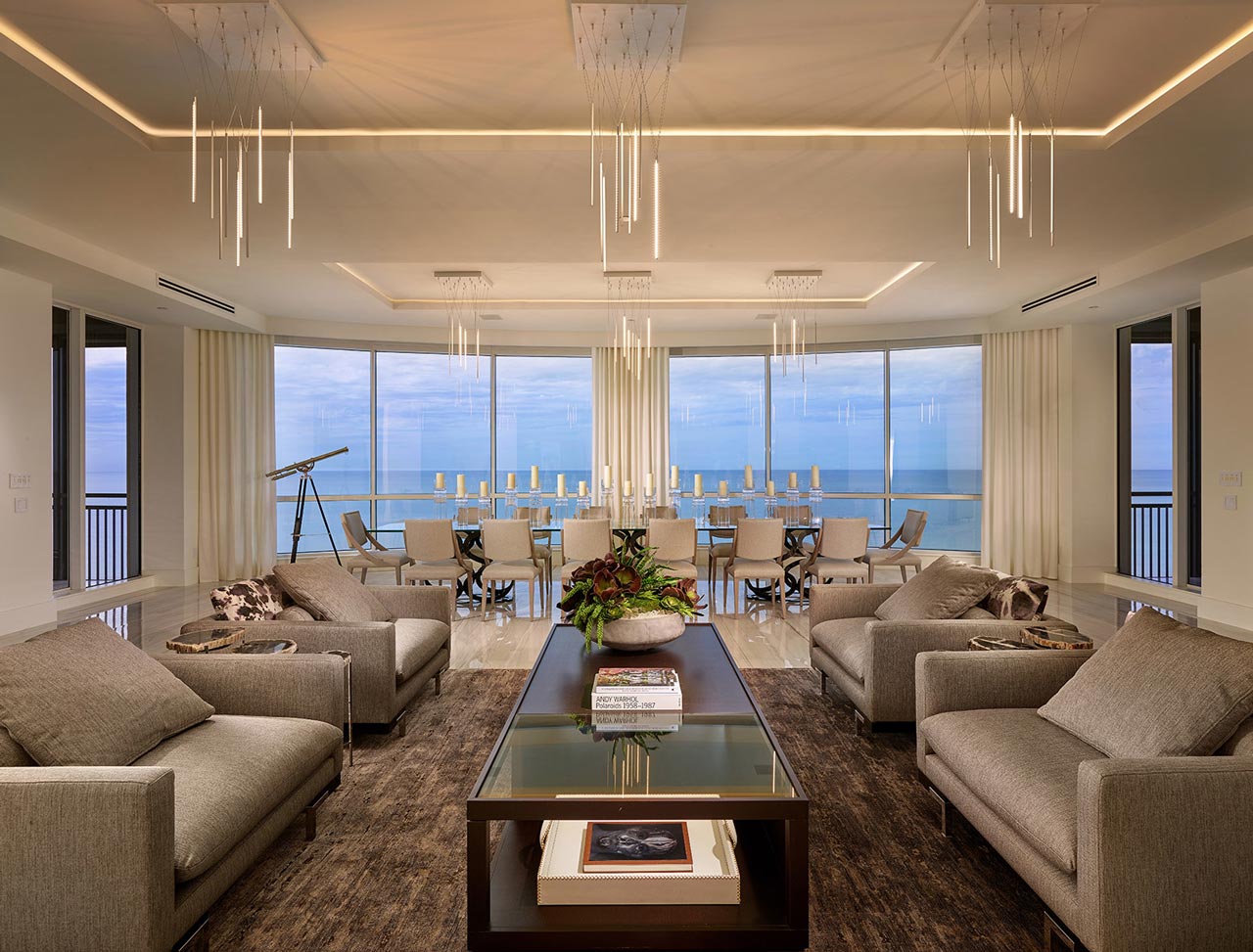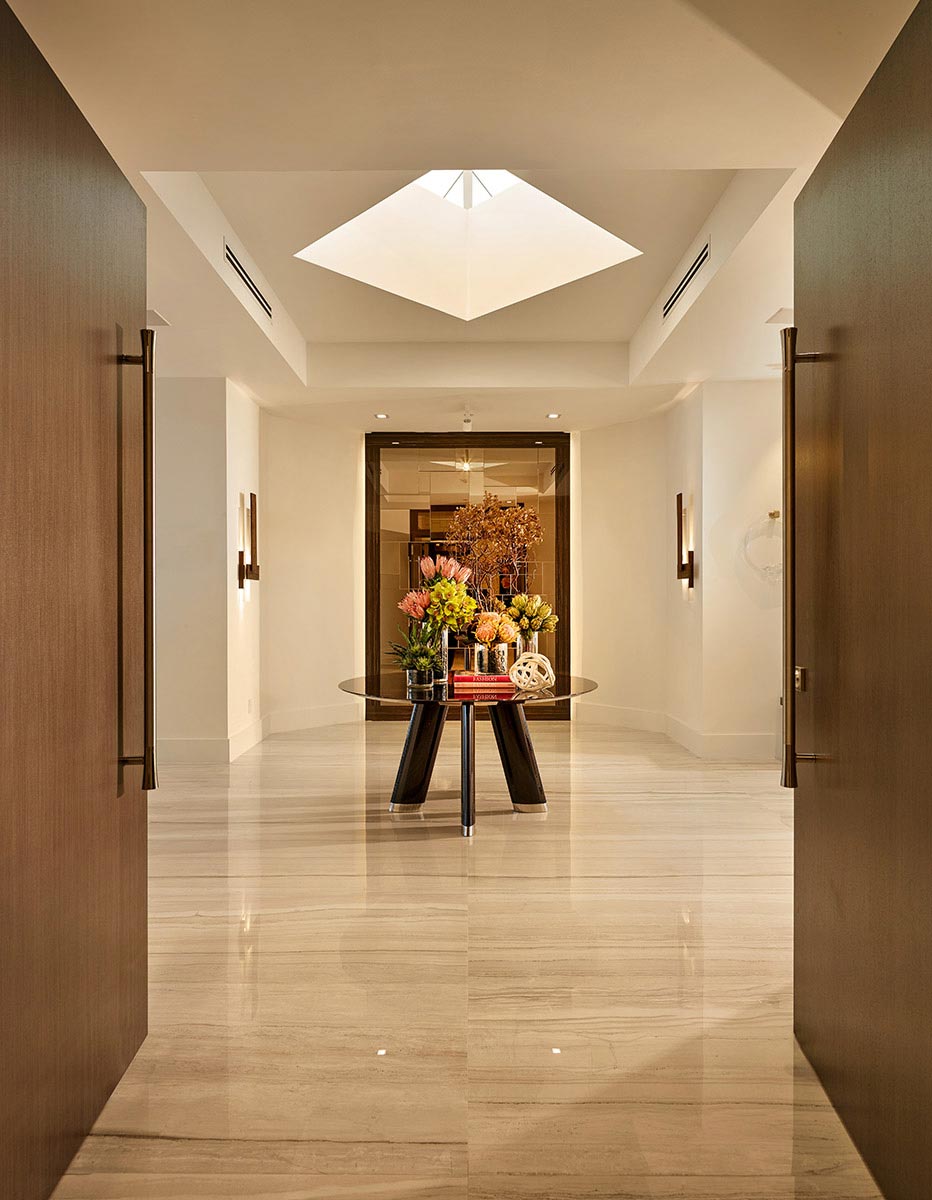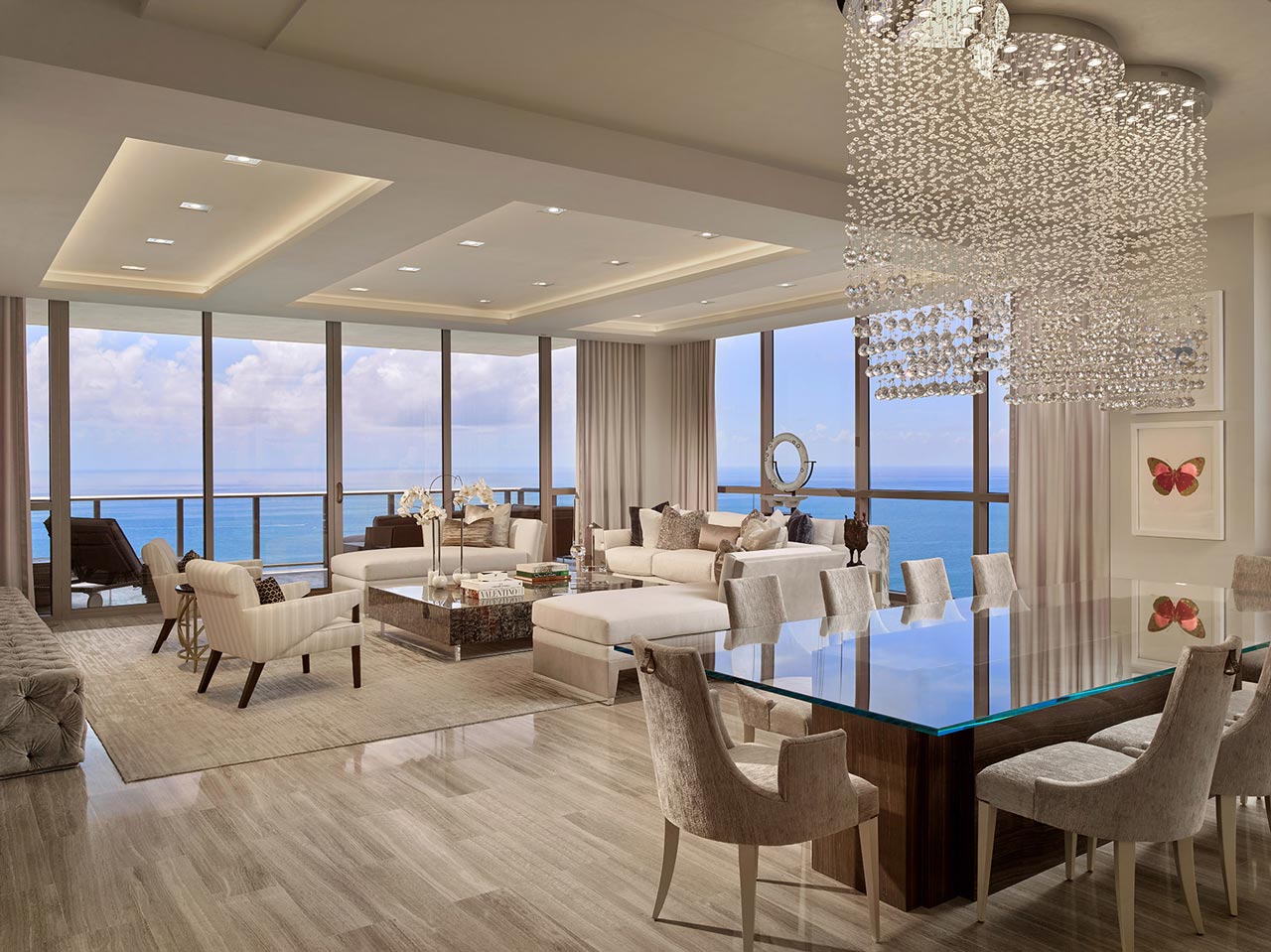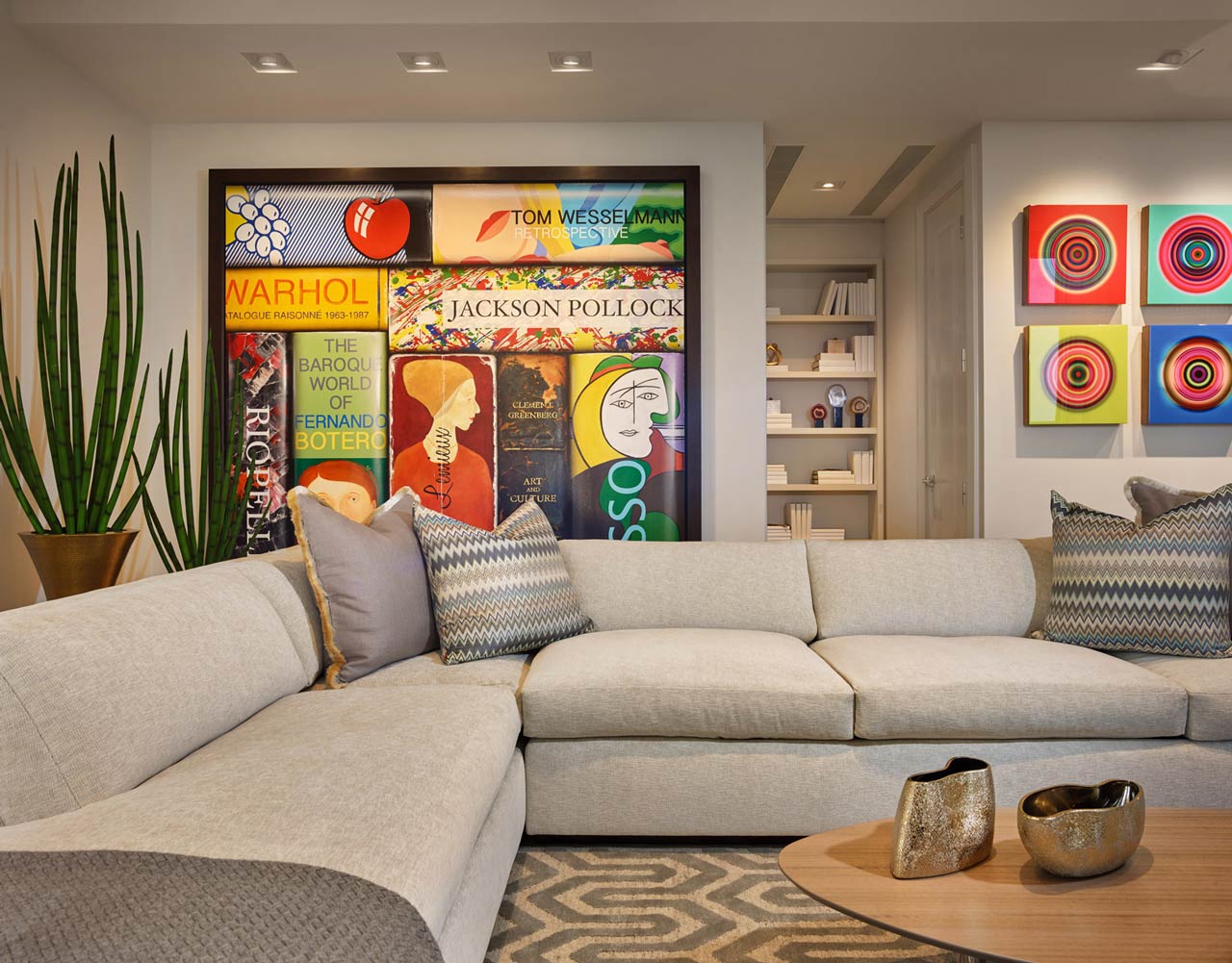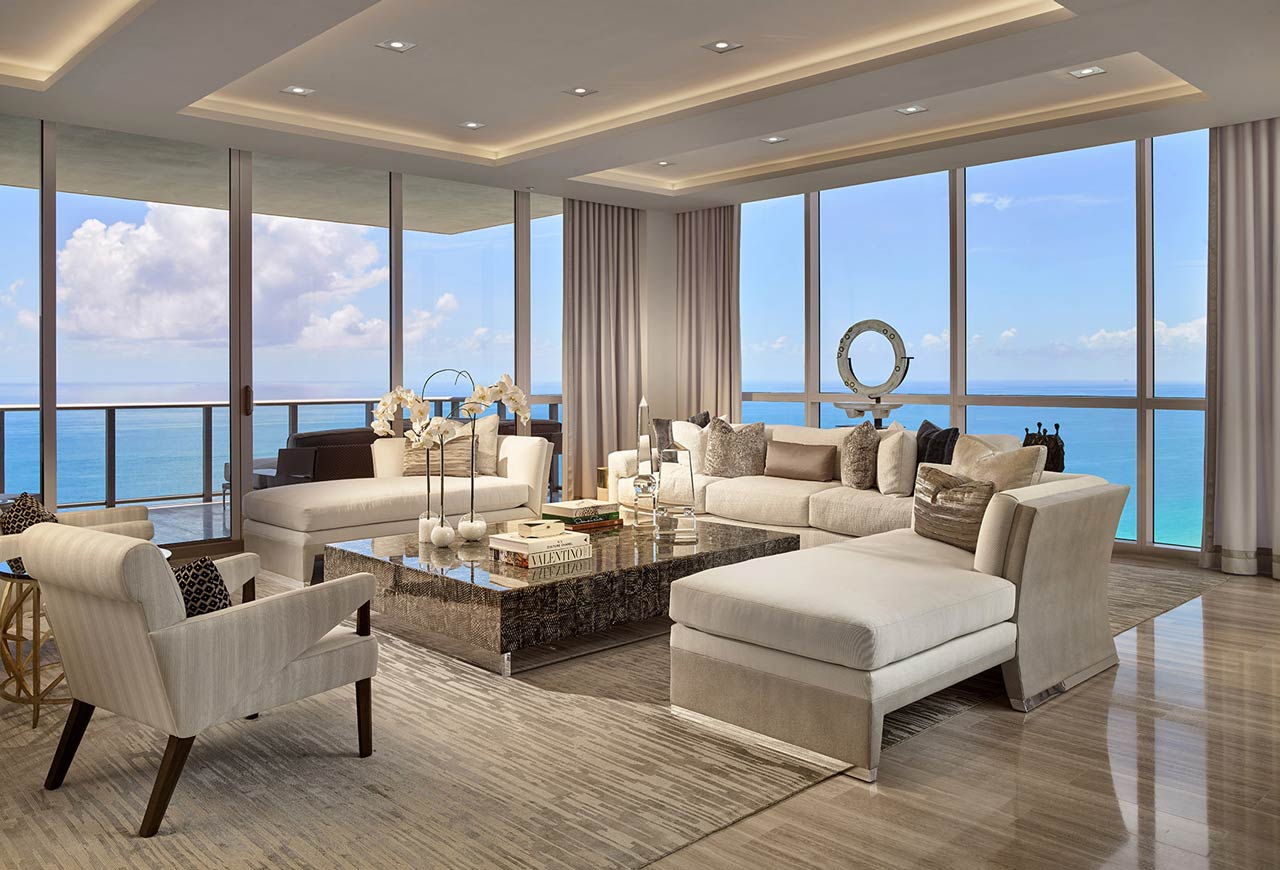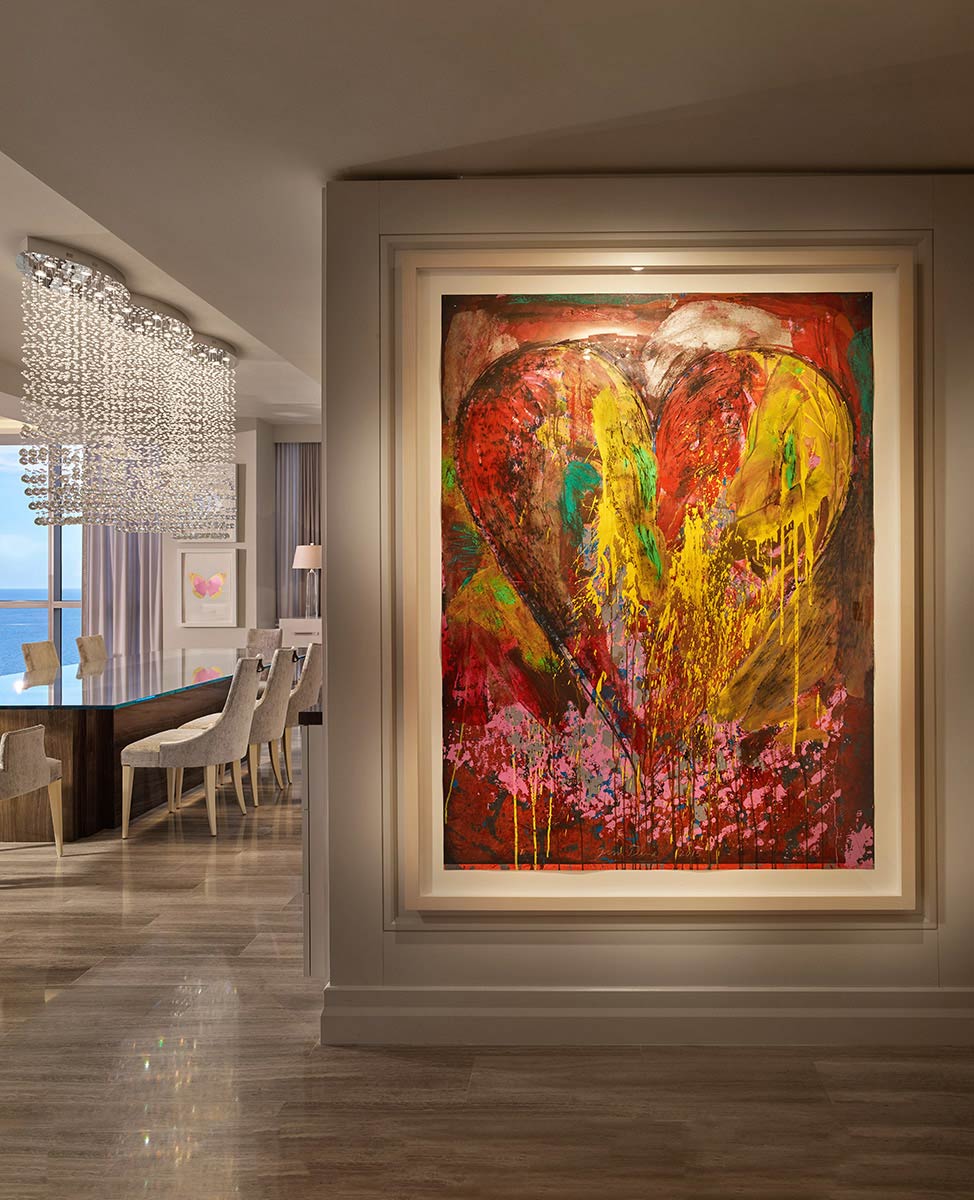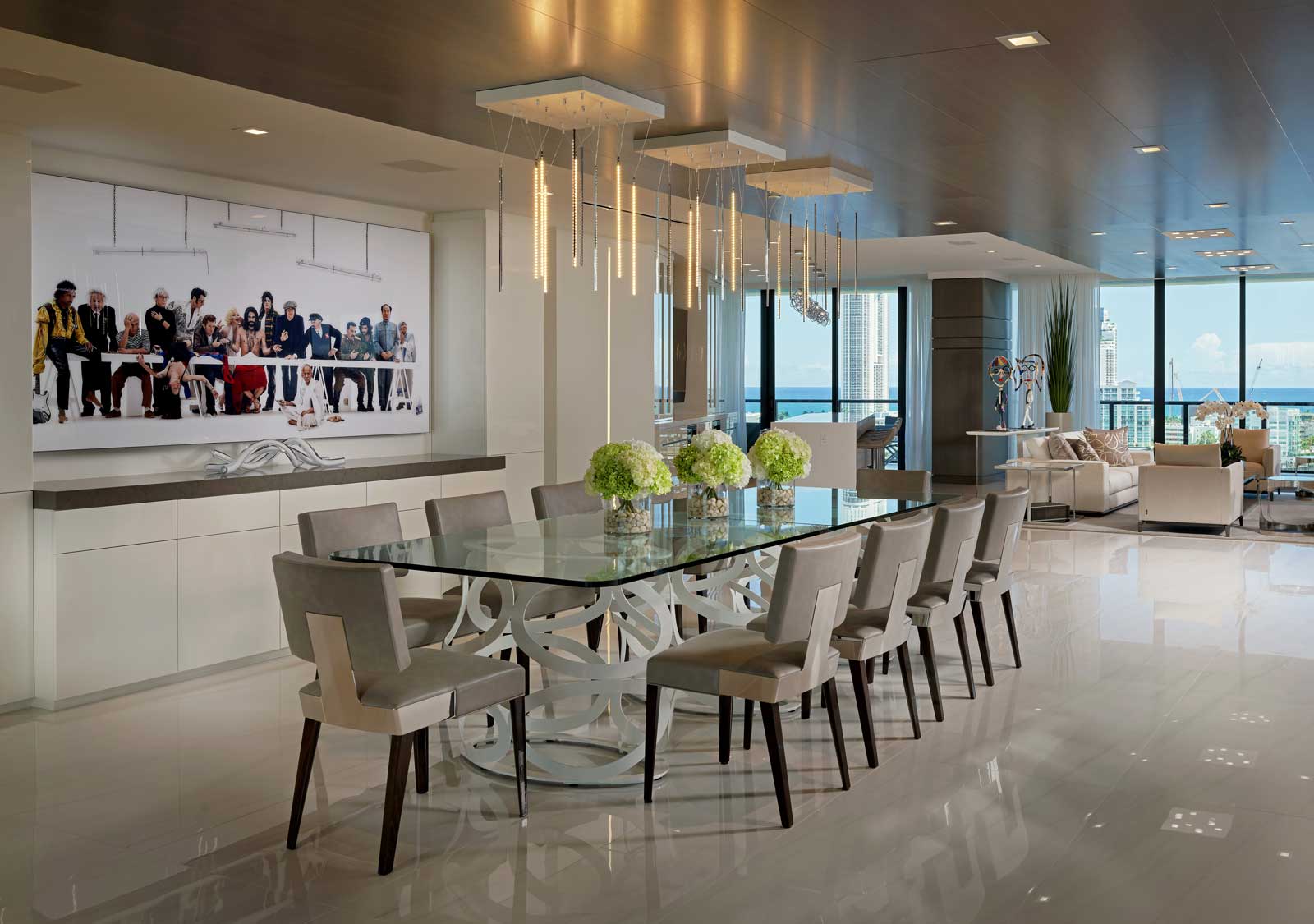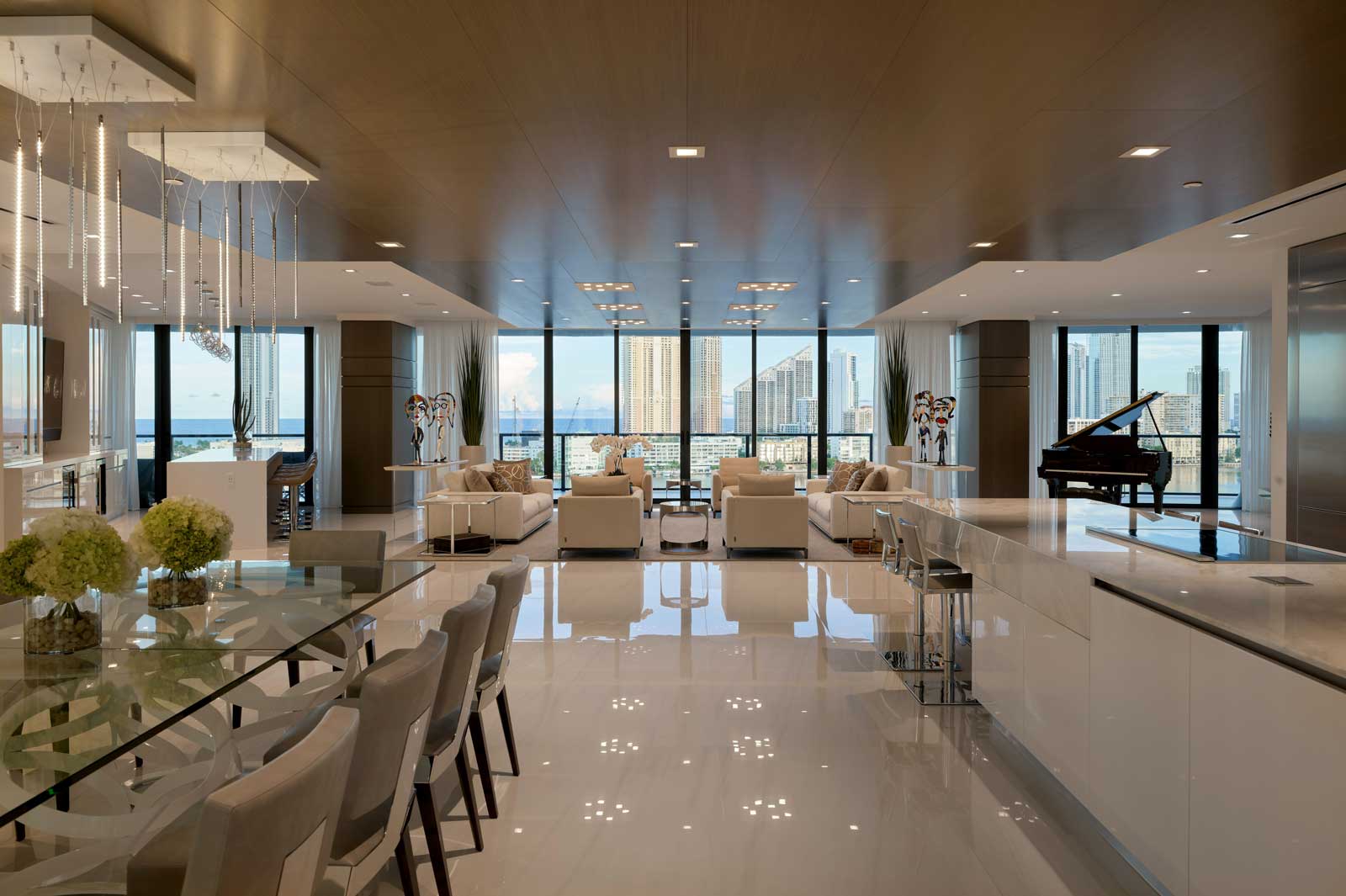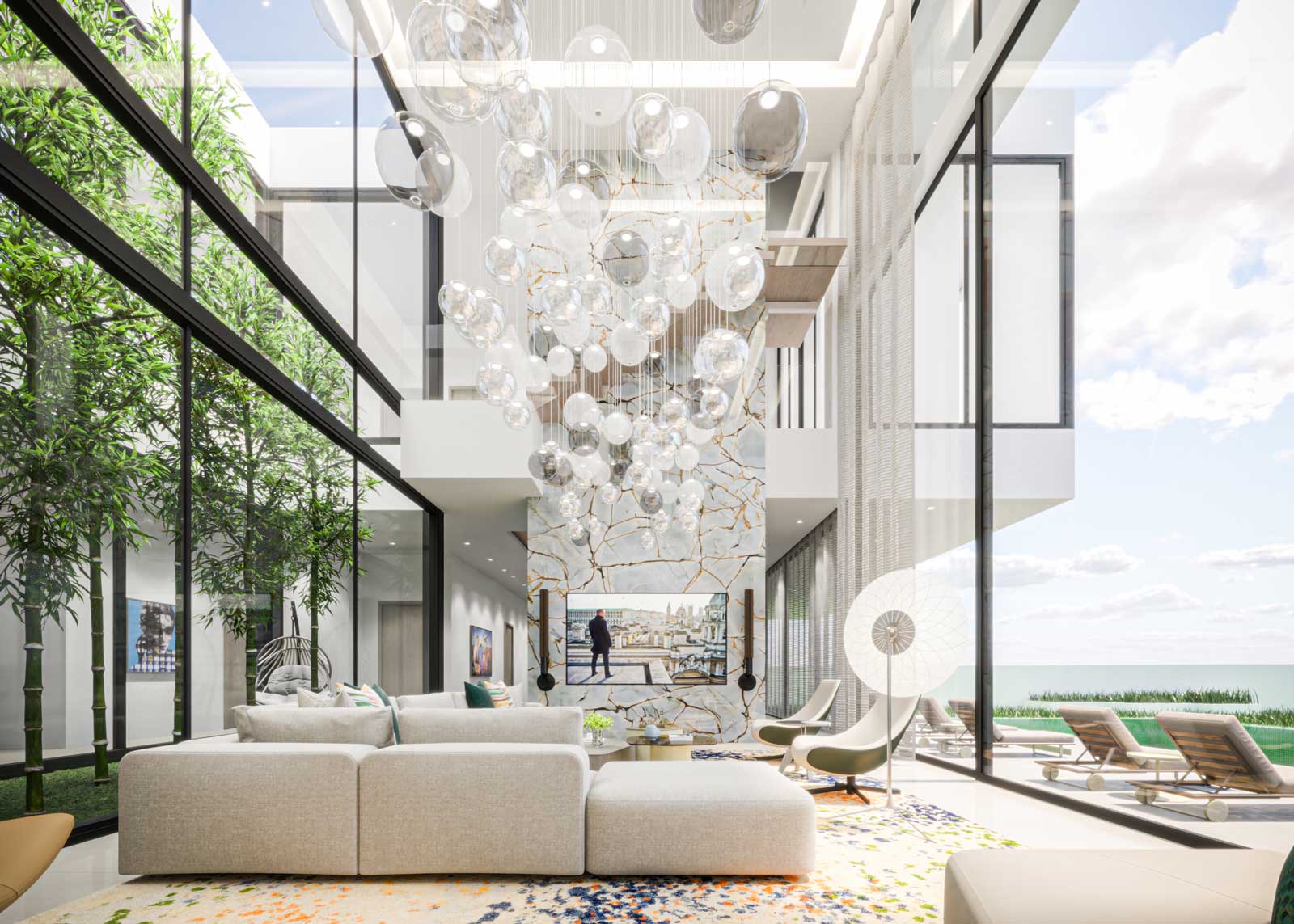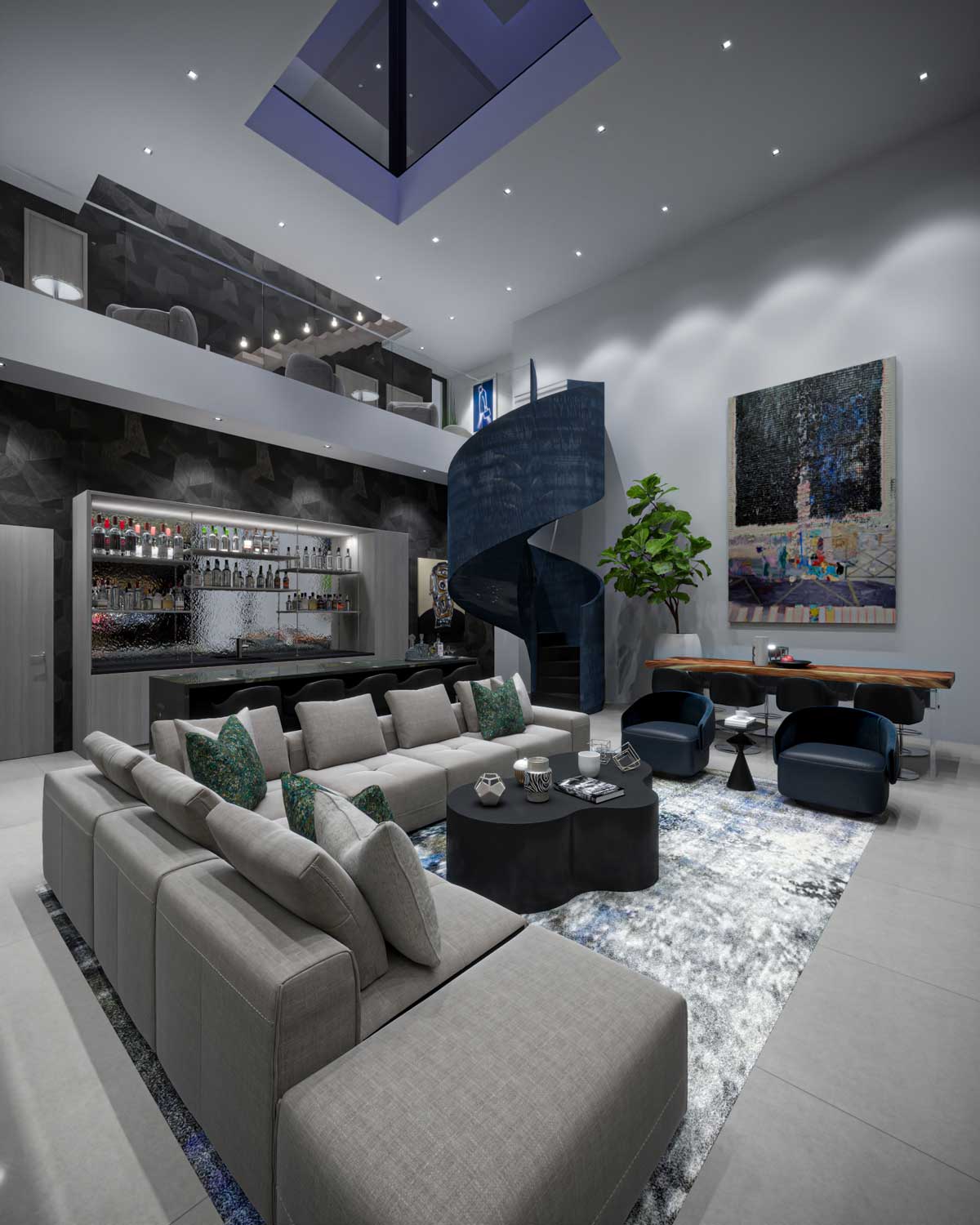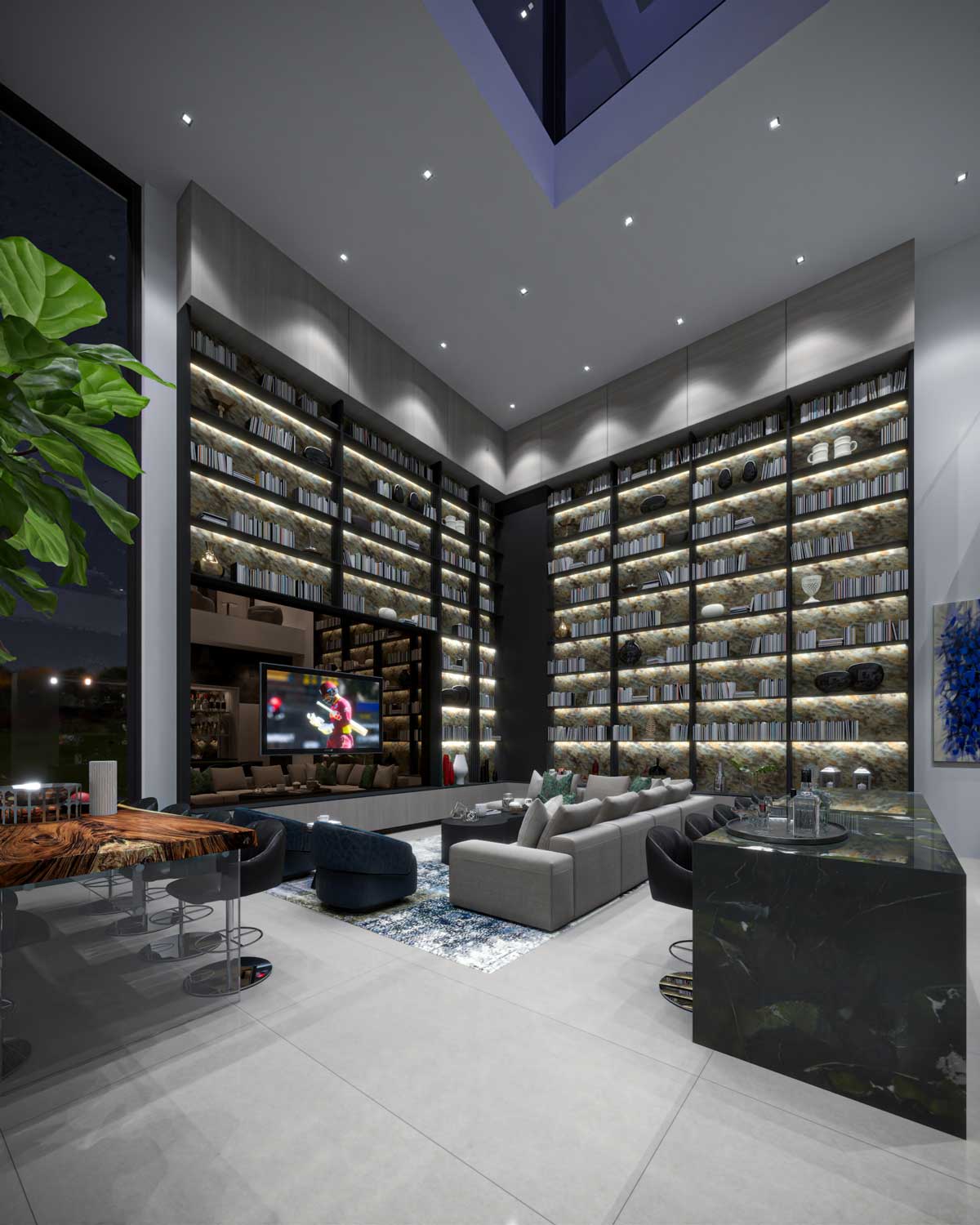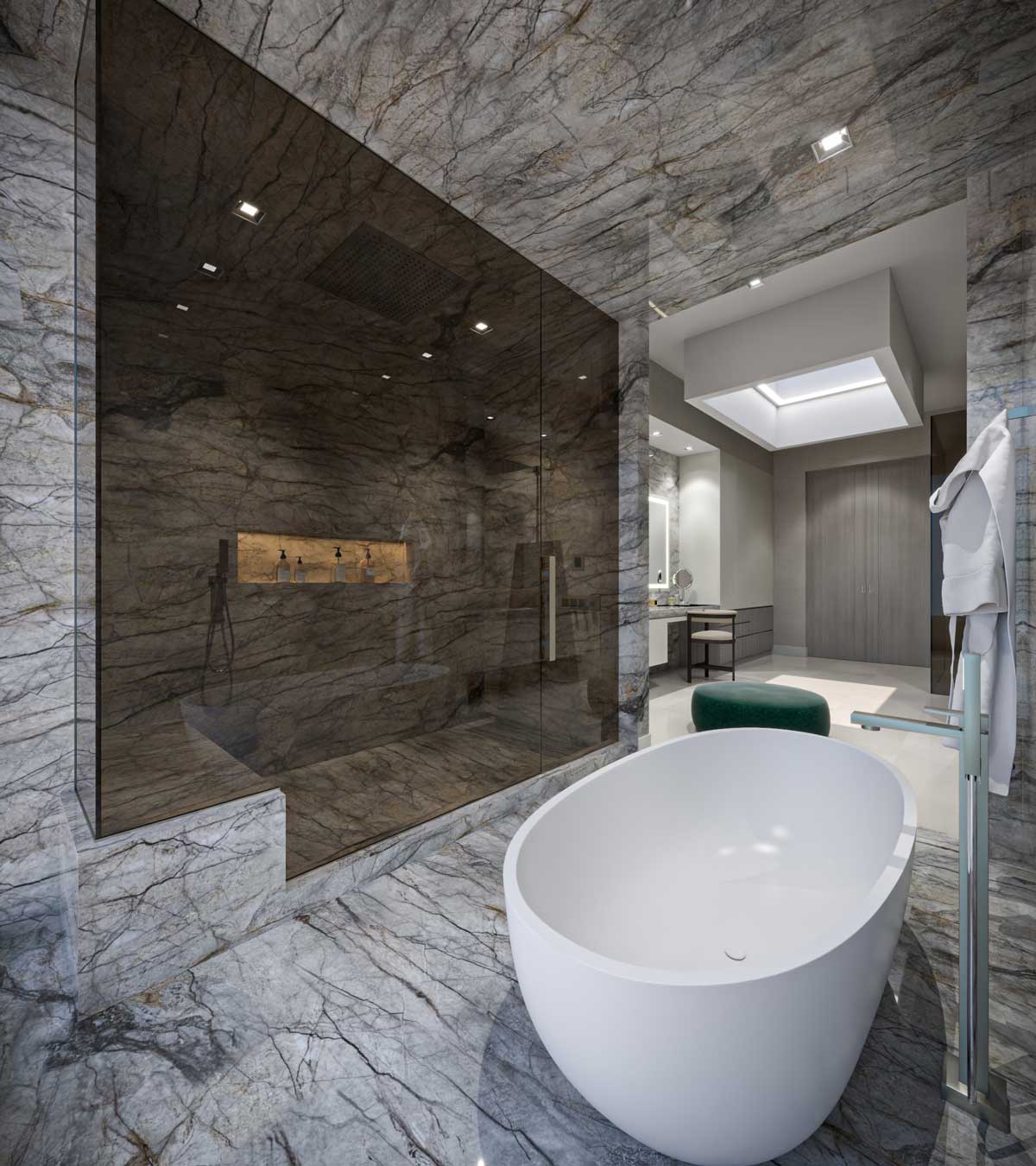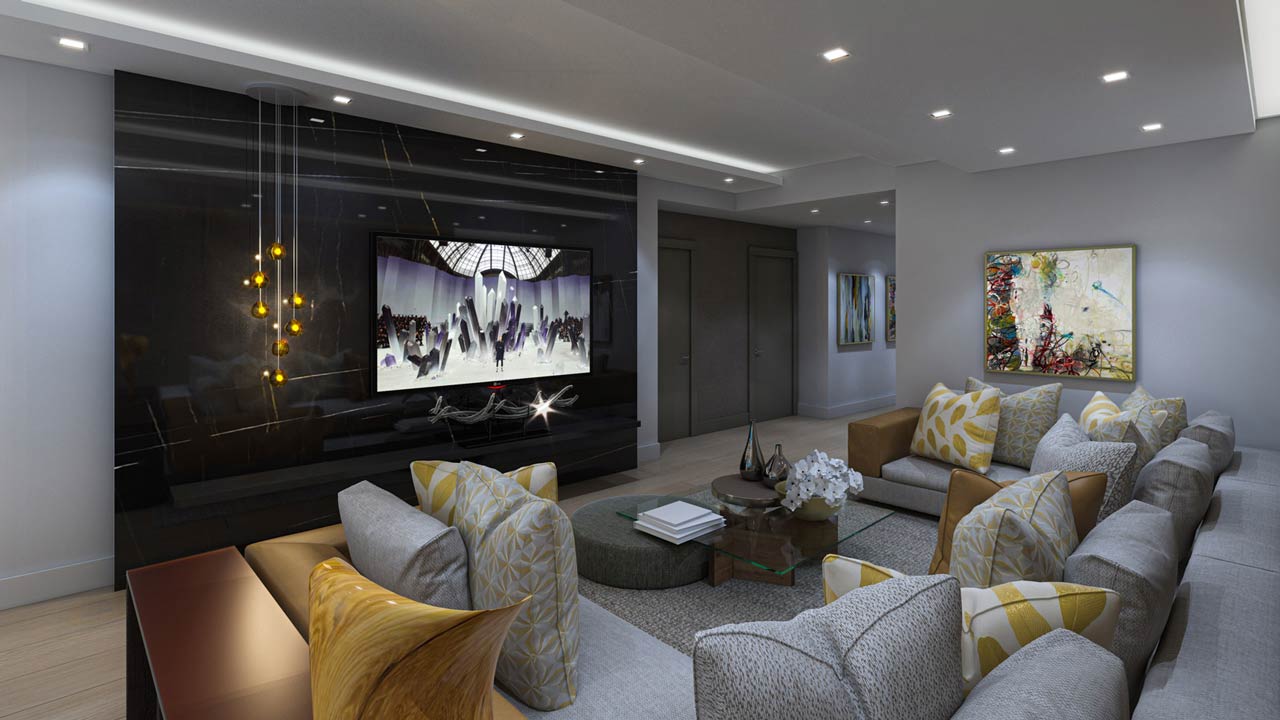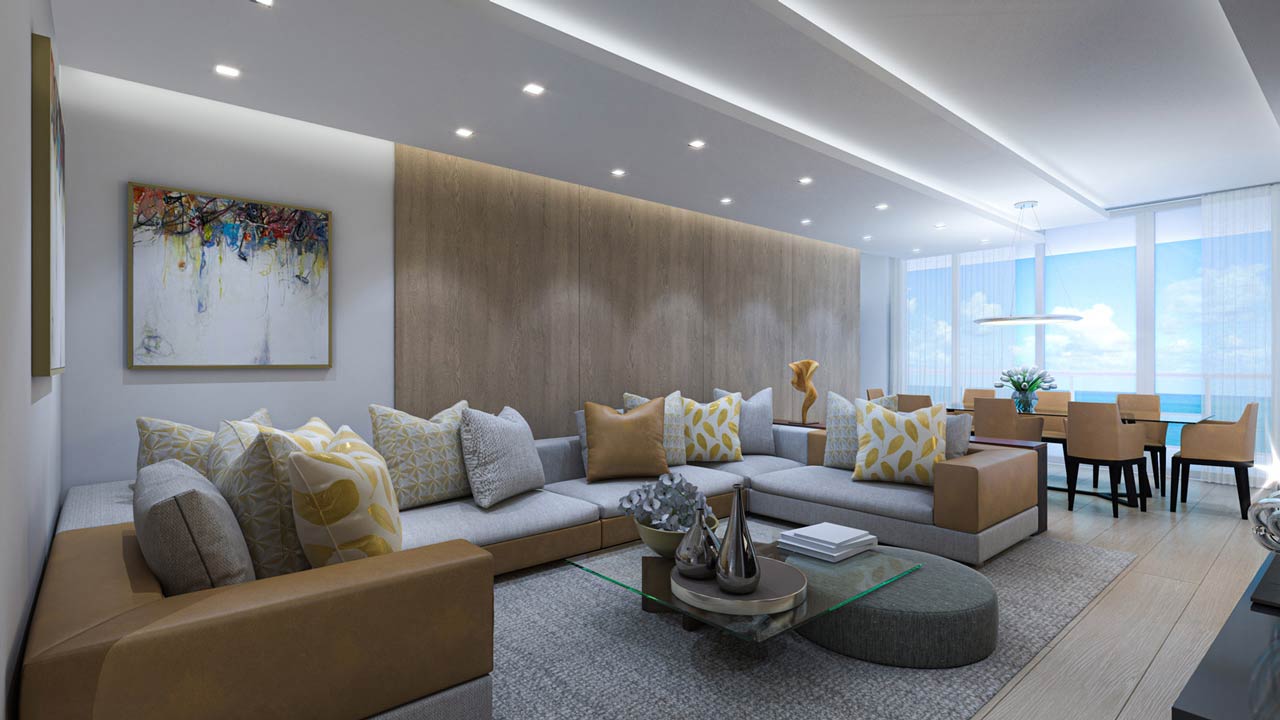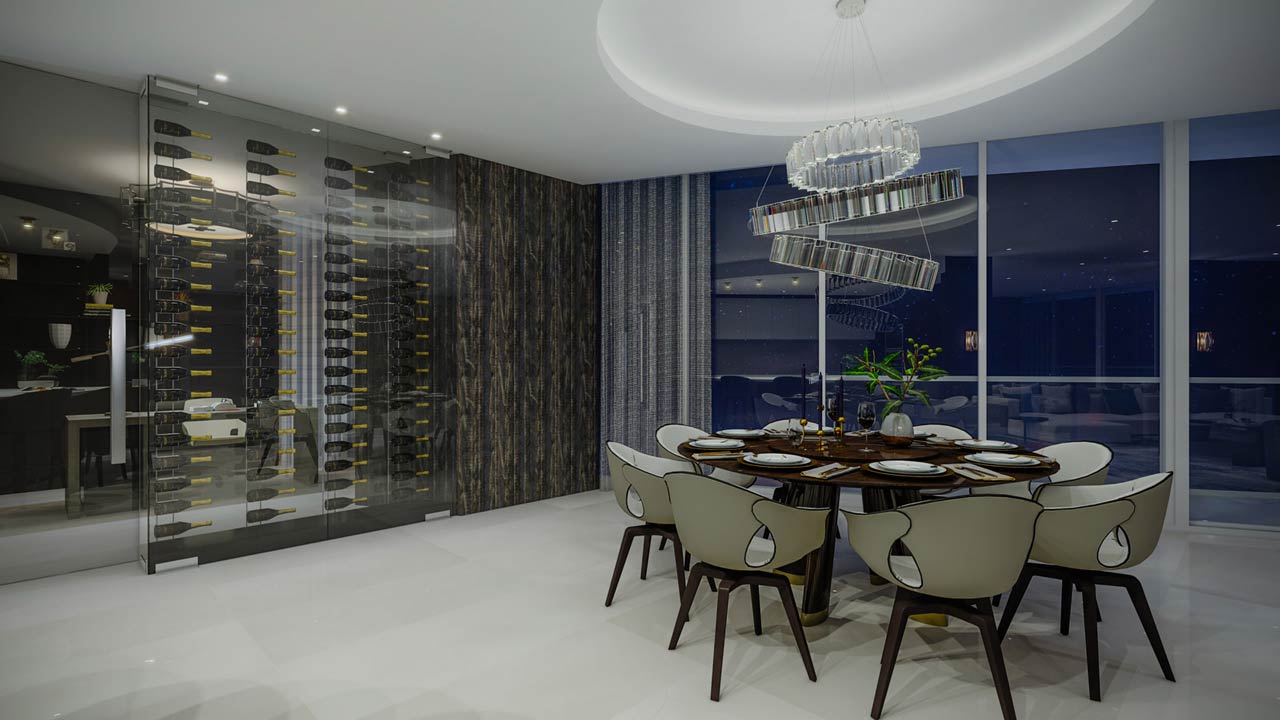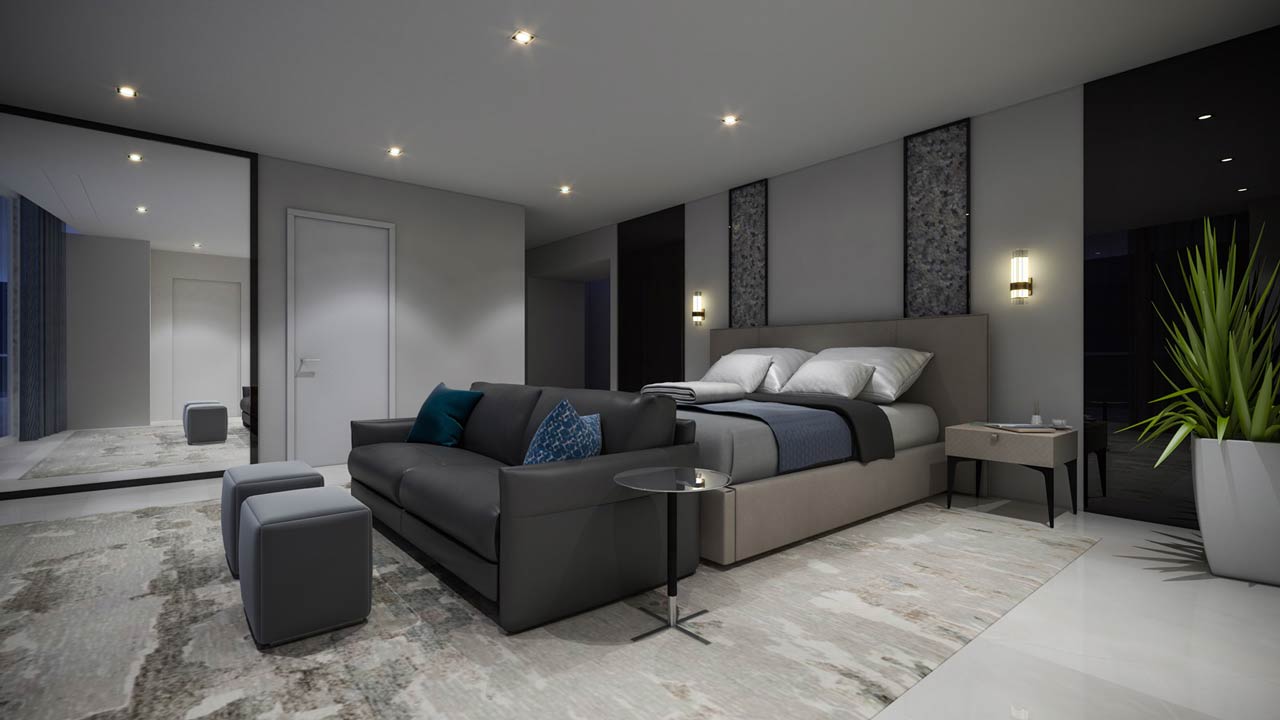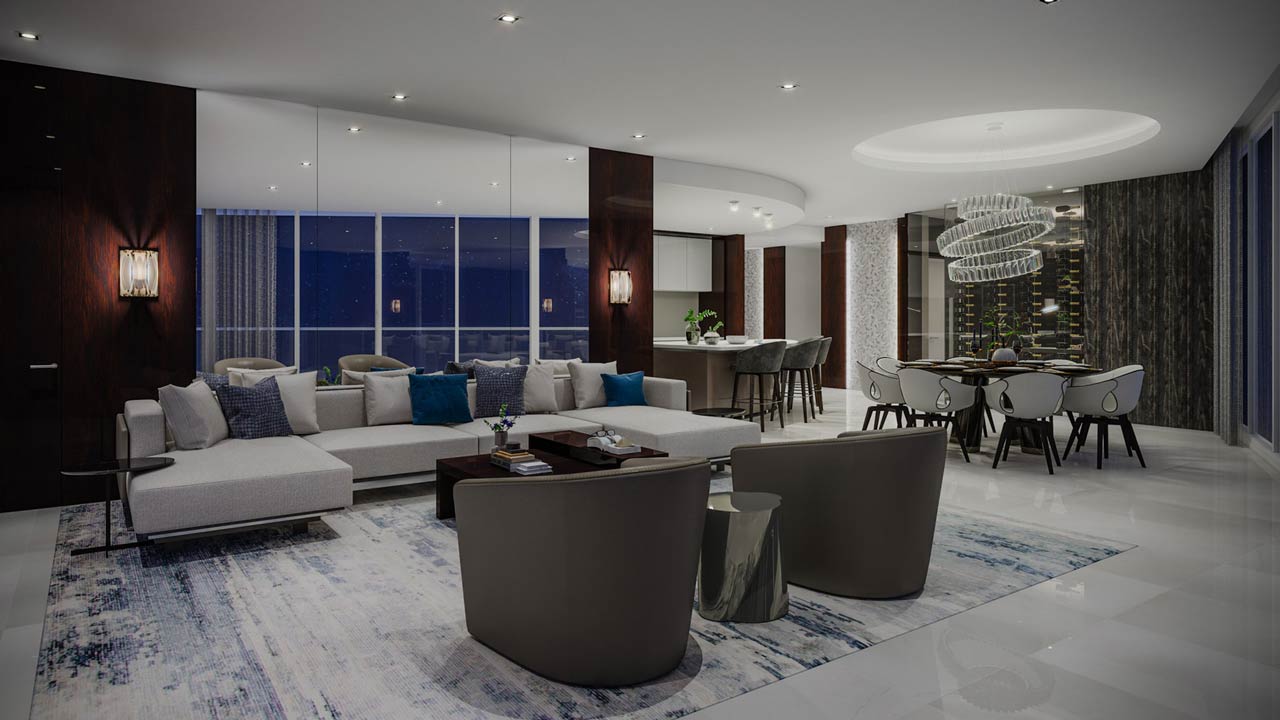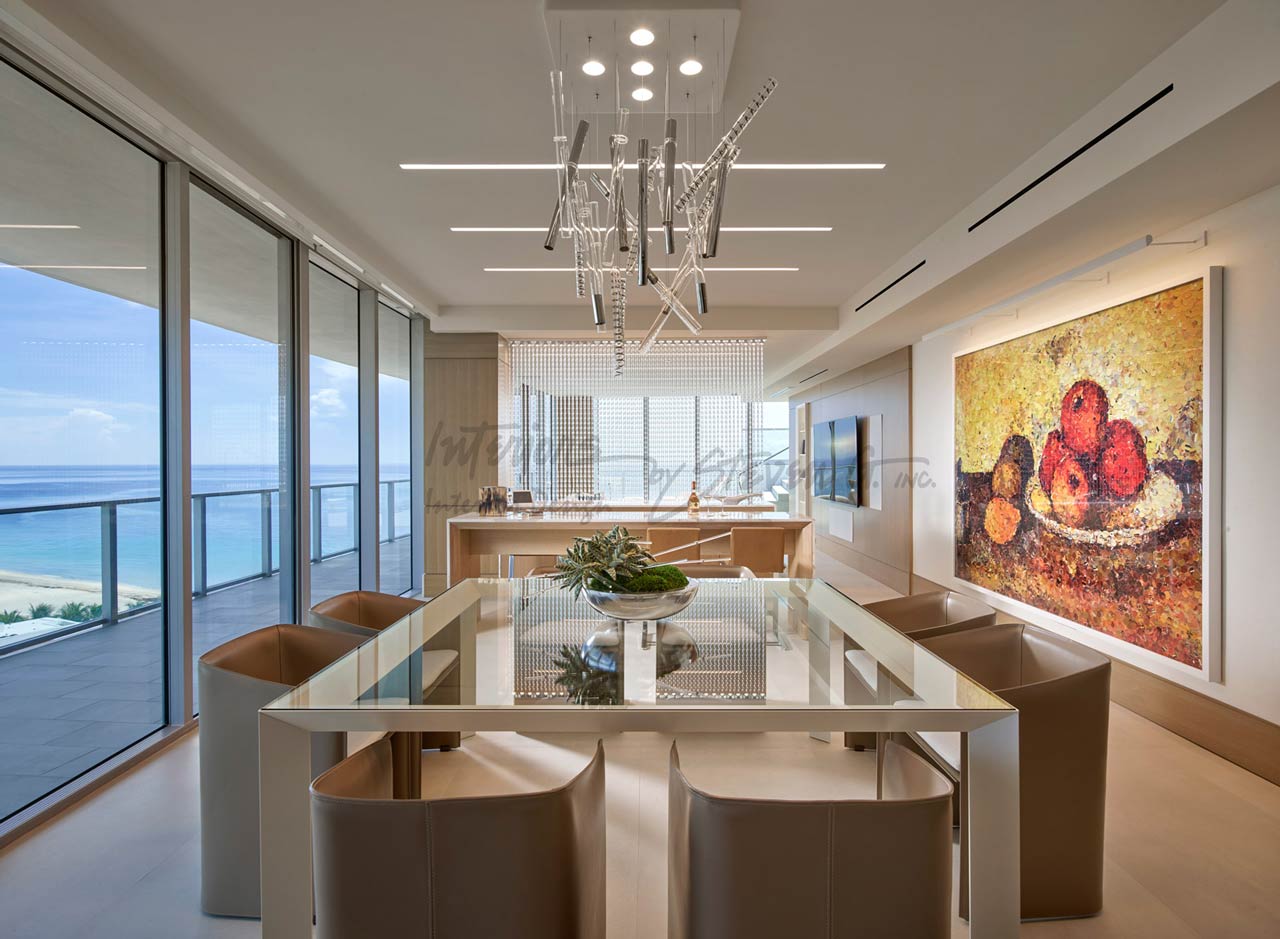


When you walk into a hotel lobby, restaurant, or resort, something intangible happens within the first few moments. Before you consciously register the colors, textures, or lighting, your body and mind have already begun forming an impression. This immediate, almost instinctive response is the result of thoughtful hospitality design—a discipline that goes far beyond aesthetics to shape how guests feel, move, and connect with a space.
Great hospitality design doesn’t announce itself loudly. Instead, it works quietly in the background, orchestrating experiences that feel effortless and natural. It’s the reason you feel instantly relaxed in one hotel room and energized in another. It’s why certain restaurants make conversation flow easily while others encourage quiet contemplation. Understanding how design influences these experiences reveals the profound relationship between physical spaces and human emotion.
The Foundation of Memorable Spaces
Every successful hospitality environment begins with a deep understanding of who will use the space and what they need from it. A boutique hotel catering to business travelers requires a different design approach than a beachfront resort welcoming families. The distinction isn’t simply about style preferences—it’s about anticipating behaviors, routines, and expectations.
When designers take time to truly understand the guest journey, they can create spaces that feel intuitive rather than confusing. Pathways become clear without excessive signage. Seating areas appear exactly where people naturally want to pause. Lighting adjusts to support different activities throughout the day. This level of consideration transforms a functional space into one that feels genuinely welcoming.
The most effective designs also honor the local context and culture of their surroundings. Spaces that incorporate regional materials, craftsmanship, or design traditions create a sense of place that guests can’t experience anywhere else. This authenticity enriches the overall experience and creates lasting memories that extend far beyond the stay itself.
Creating Emotional Connections Through Design
Hospitality spaces succeed when they make people feel something. The emotional resonance of a well-designed environment can turn a simple overnight stay into a cherished memory. This connection happens through careful attention to sensory experiences—how surfaces feel to the touch, how sound travels through a room, how natural light shifts throughout the day.
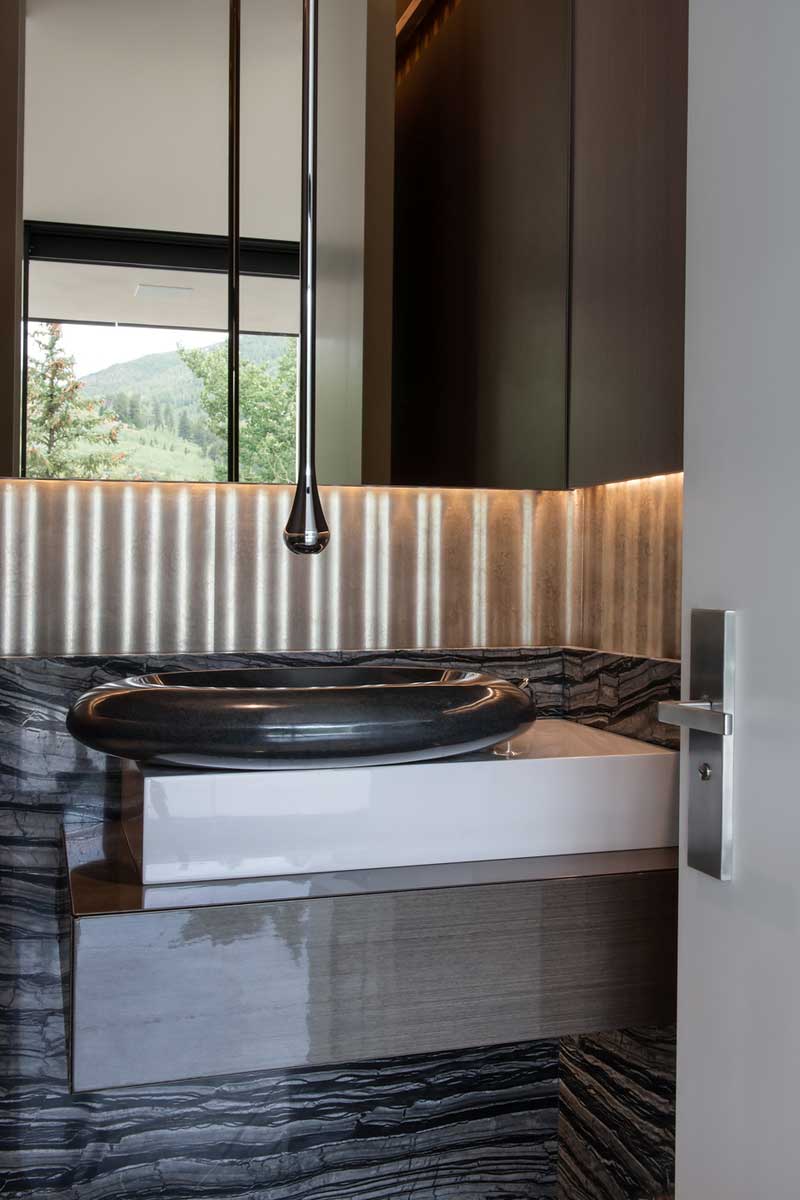
Texture plays a particularly powerful role in creating comfort and luxury. The interplay between smooth and rough, soft and firm, warm and cool gives spaces depth and interest. When guests can interact with various materials and finishes, they engage more fully with their environment. This tactile dimension adds richness that purely visual design cannot achieve alone.
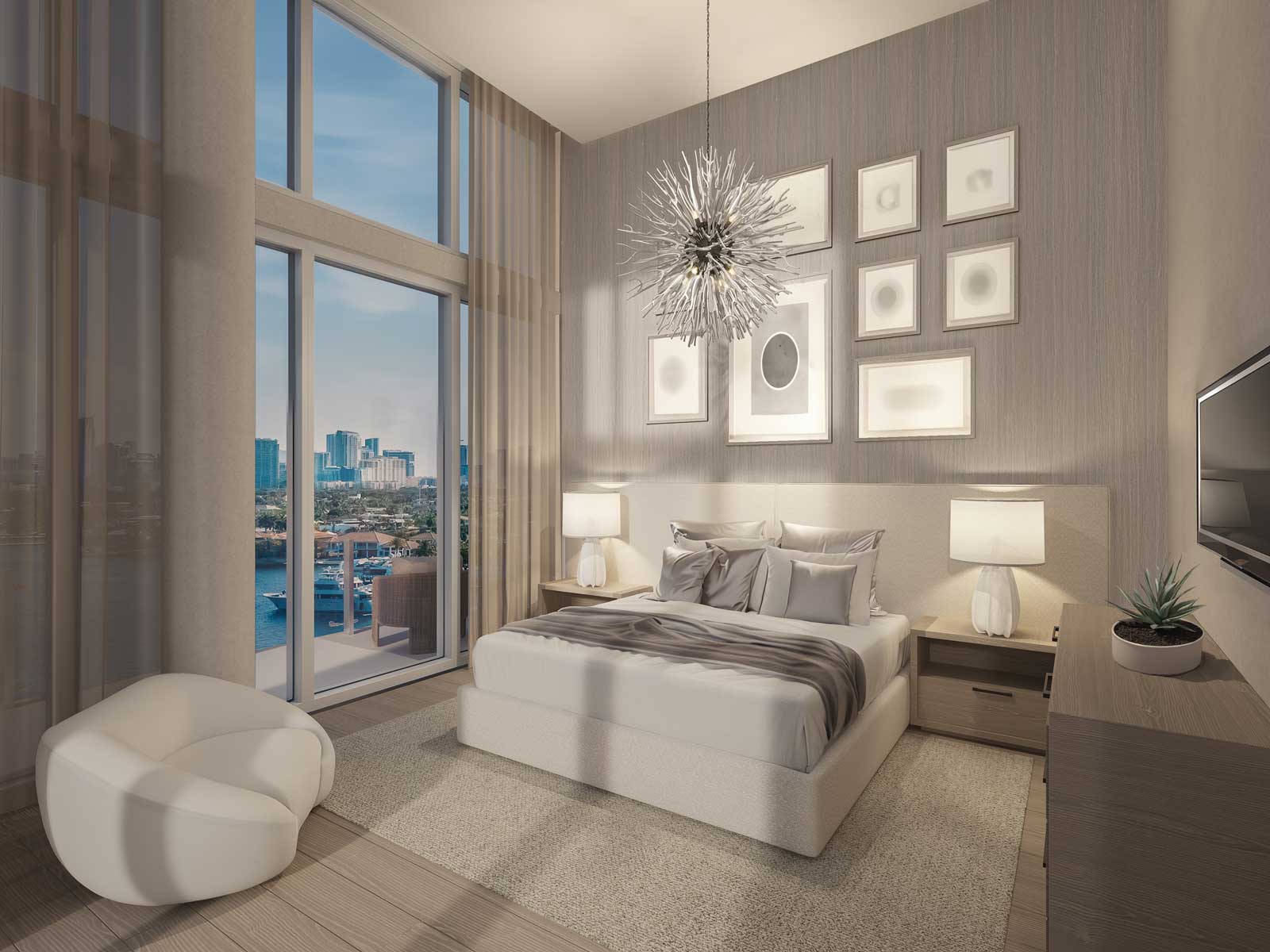
Color choices also profoundly influence mood and behavior. Warm tones can make large spaces feel intimate and inviting, while cooler palettes promote calm and clarity. The key lies not in following rigid color psychology rules but in understanding how different hues interact with lighting, architecture, and the overall purpose of each area. A commercial interior designer knows that color isn’t just decoration—it’s a tool for shaping experience.
The Balance Between Function and Beauty
One of the greatest challenges in hospitality design is creating spaces that look stunning while remaining highly functional. Guests don’t think about durability, maintenance, or operational efficiency, but these practical considerations directly impact their experience. Beautiful finishes that show wear quickly or seating that looks elegant but feels uncomfortable ultimately fail the people they’re meant to serve.
Smart design solves problems before guests even know they exist. Storage solutions disappear into walls. Technology integrates seamlessly without cluttering surfaces. Materials are chosen not only for their appearance but for their ability to withstand heavy use while maintaining their beauty. This behind-the-scenes thinking is what separates spaces that merely look good in photographs from those that truly work well for daily operations.
Flexibility represents another crucial aspect of functional design. Hospitality spaces often need to serve multiple purposes or accommodate different group sizes. Furniture that can be easily rearranged, lighting that adjusts to various activities, and acoustic considerations that support both intimate conversations and larger gatherings all contribute to versatile environments that adapt to changing needs.
The Role of Comprehensive Design Teams
Creating exceptional hospitality environments requires diverse expertise working in harmony. From initial space planning to final installation, every phase demands specialized knowledge and careful coordination. The most successful projects benefit from teams that include designers with different perspectives and technical specialists who understand the complexities of bringing concepts to life.
This collaborative approach ensures that creative vision and practical execution remain aligned throughout the entire process. When space planners, rendering specialists, and installation teams communicate effectively from the beginning, potential challenges get addressed early, and solutions become more innovative. The result is spaces that look exactly as intended while functioning flawlessly for both guests and staff.
Language and cultural fluency also matter when working on hospitality projects, particularly for properties that welcome international guests or have owners from different backgrounds. Design teams that can communicate across cultures bring valuable sensitivity to understanding diverse preferences and expectations, resulting in spaces with broader appeal and authenticity.
Bringing Vision to Reality
The journey from concept to completed space involves countless decisions and detailed coordination. Each choice about materials, finishes, furniture, and fixtures contributes to the overall experience. Successful implementation requires not just design expertise but also strong project management, quality control, and an understanding of how all elements work together as a unified whole.
Seeing a design come to life involves careful attention during every phase. Renderings help visualize concepts, but the true test comes when physical materials arrive, and installations begin. This is when design teams must ensure that the reality matches the vision, making adjustments as needed while staying true to the original intent. The final result should feel cohesive and intentional, with every detail supporting the larger experience.
Hospitality design that truly elevates guest experience goes beyond trends and decoration to create environments where people feel understood and valued. It requires balancing aesthetics with functionality, honoring context while innovating, and maintaining focus on human needs throughout the entire design process. When done thoughtfully, these spaces become more than just places to stay—they become destinations that guests remember and return to, drawn by the intangible quality of an environment designed with genuine care and expertise.
If you’re ready to create a hospitality space that delivers exceptional guest experiences, connect with our team to explore how thoughtful design can transform your vision into reality.
Frequently Asked Questions
What’s the typical timeline for completing a hospitality design project?
Project timelines vary considerably depending on the scope and scale of the work. Smaller renovations or single-space designs may progress more quickly, while comprehensive property designs or new construction projects require longer planning and execution phases. The complexity of custom elements, procurement lead times, and coordination with construction teams all influence the overall schedule.
How do design teams handle projects for properties in different locations?
Modern design teams utilize technology for virtual meetings, digital presentations, and remote project monitoring to serve clients regardless of location. However, site visits remain important for understanding the physical space, local context, and on-site conditions. Many firms maintain flexibility in how they communicate and coordinate based on client needs and project requirements.
Can hospitality design concepts be adapted for residential projects?
Many principles that create welcoming hospitality environments translate beautifully to residential spaces. The focus on comfort, functionality, quality materials, and cohesive aesthetics applies across different project types. However, residential design typically emphasizes personal expression and long-term livability in ways that differ from commercial hospitality spaces.
What should property owners prioritize when planning a redesign?
Understanding your guests and their needs should guide every design decision. Beyond that, considering operational requirements, budget parameters, and timeline expectations helps establish a realistic framework. Working with experienced designers early in the planning process ensures that priorities align with what’s achievable and that the design serves both immediate and long-term goals.
How important are sustainability considerations in hospitality design?
Environmental responsibility increasingly influences material selection, systems design, and operational planning. Beyond ethical considerations, sustainable choices often result in lower operating costs and appeal to environmentally conscious guests. The key is integrating these considerations naturally into the design rather than treating them as separate requirements.