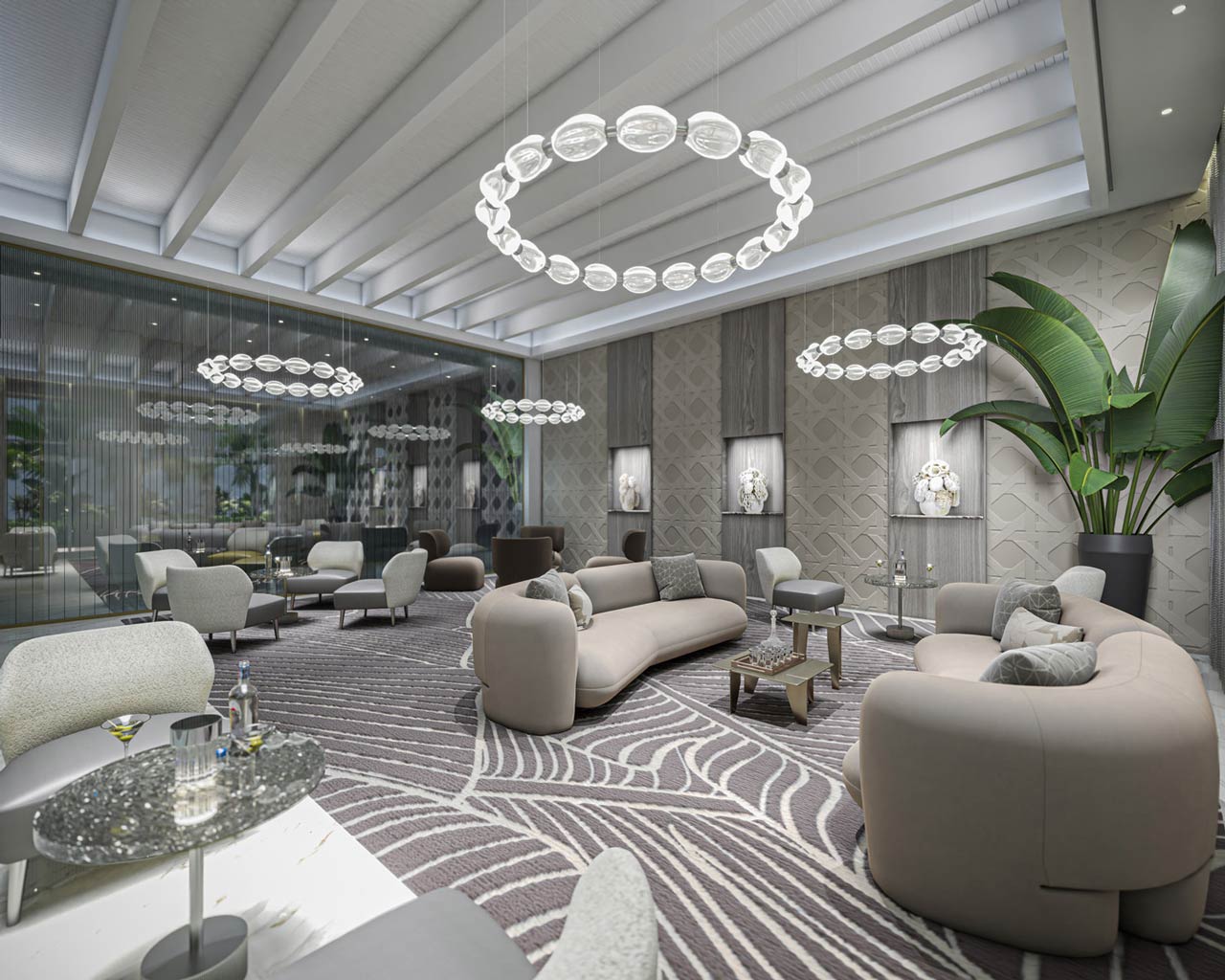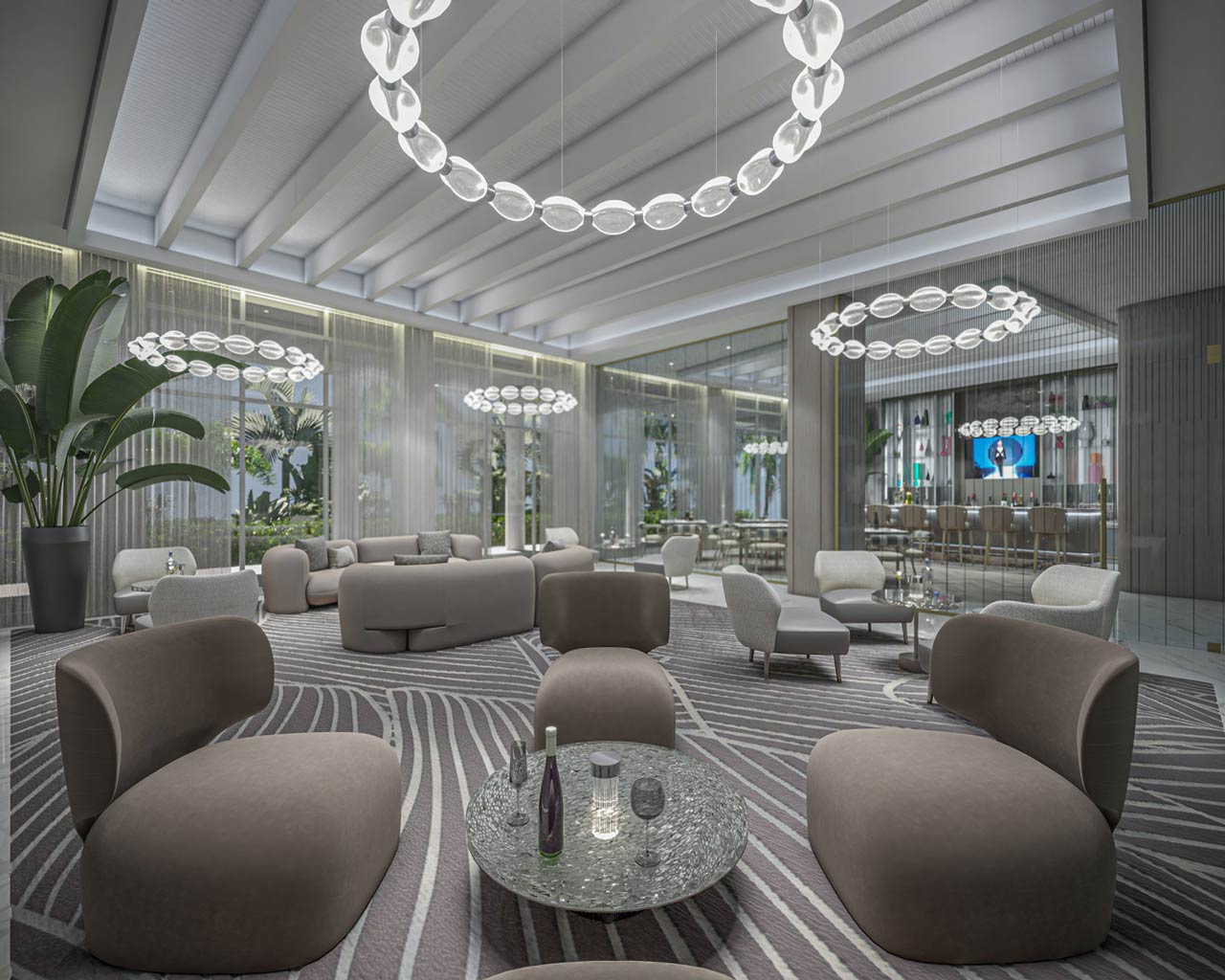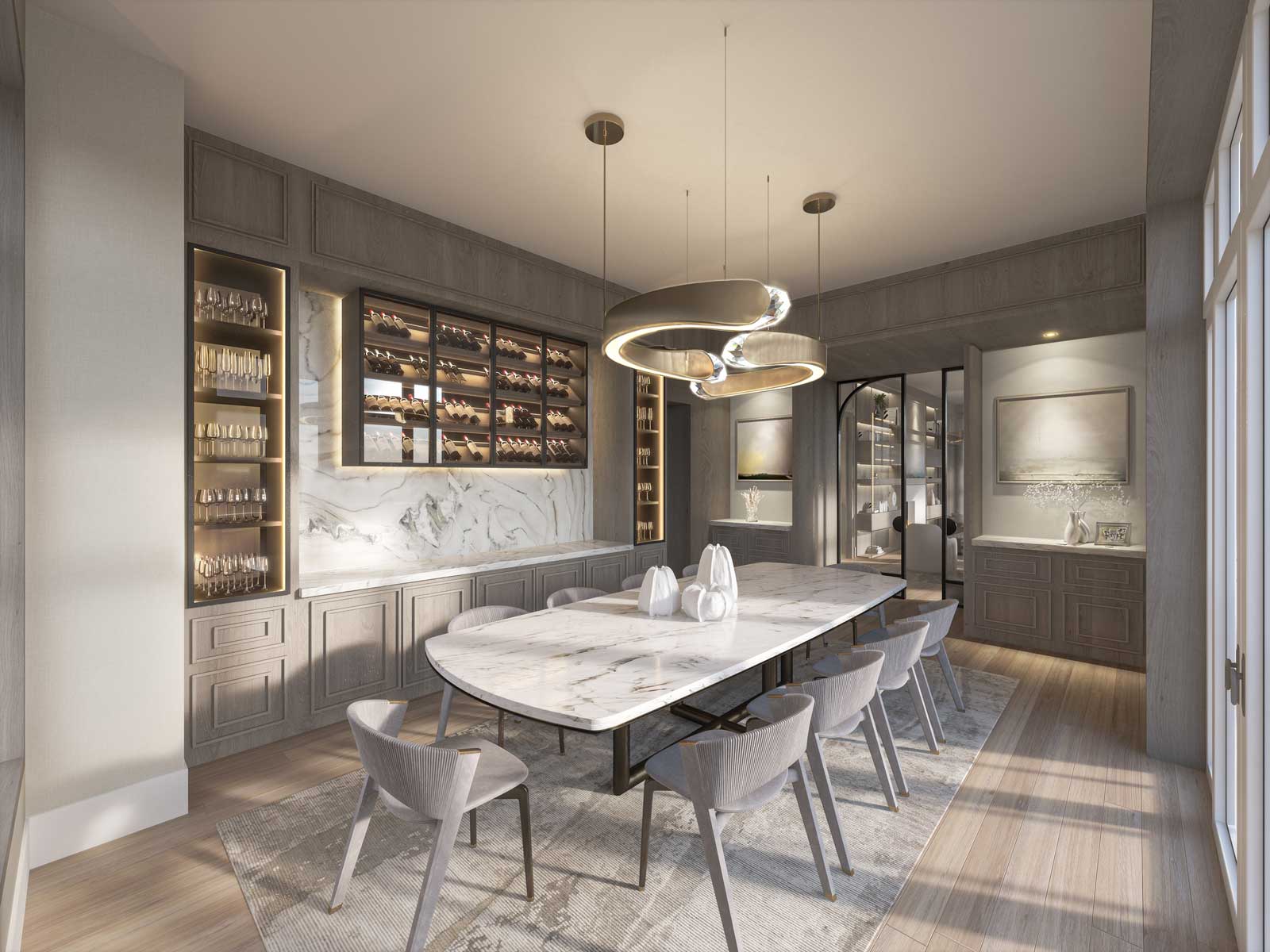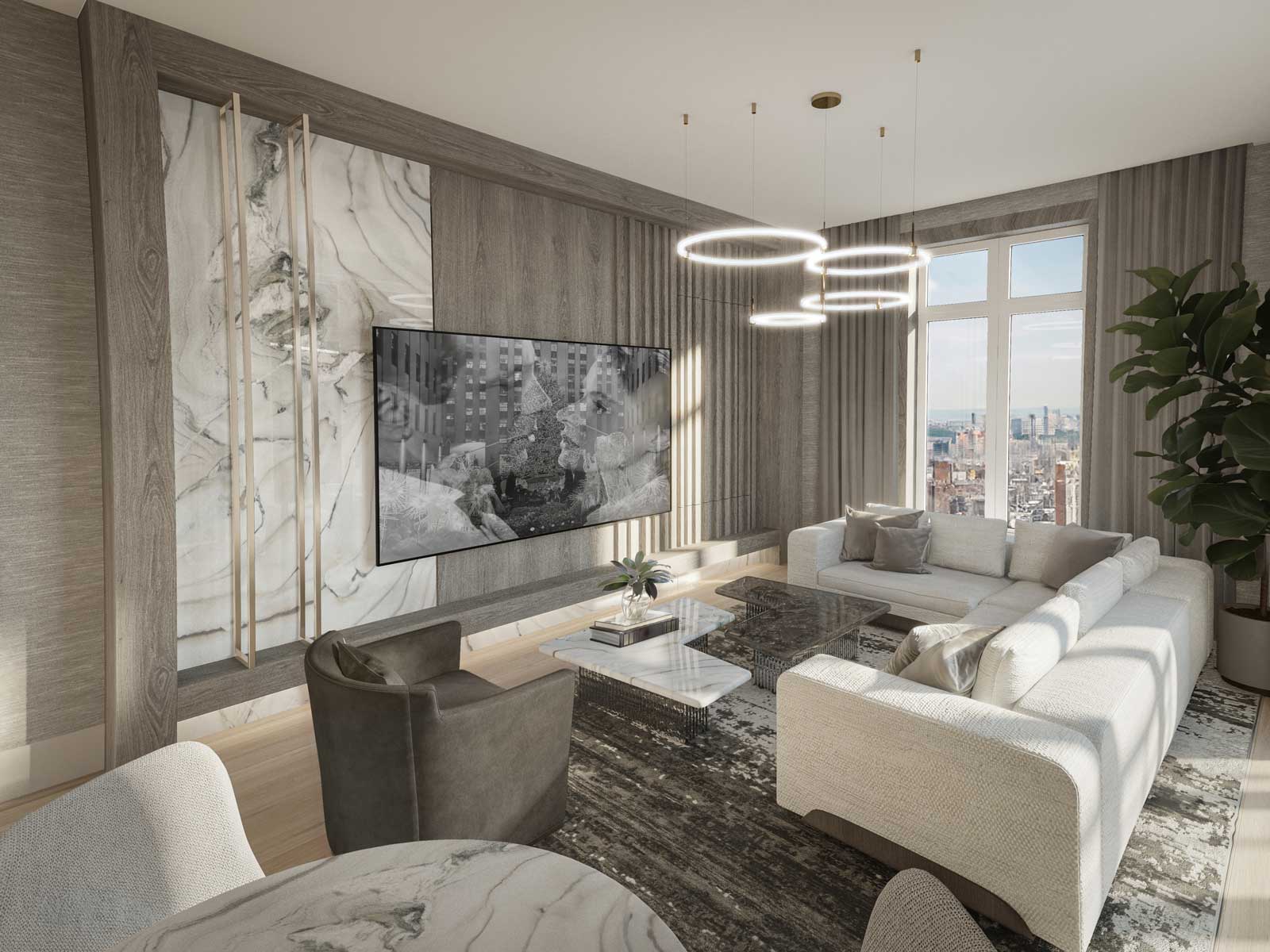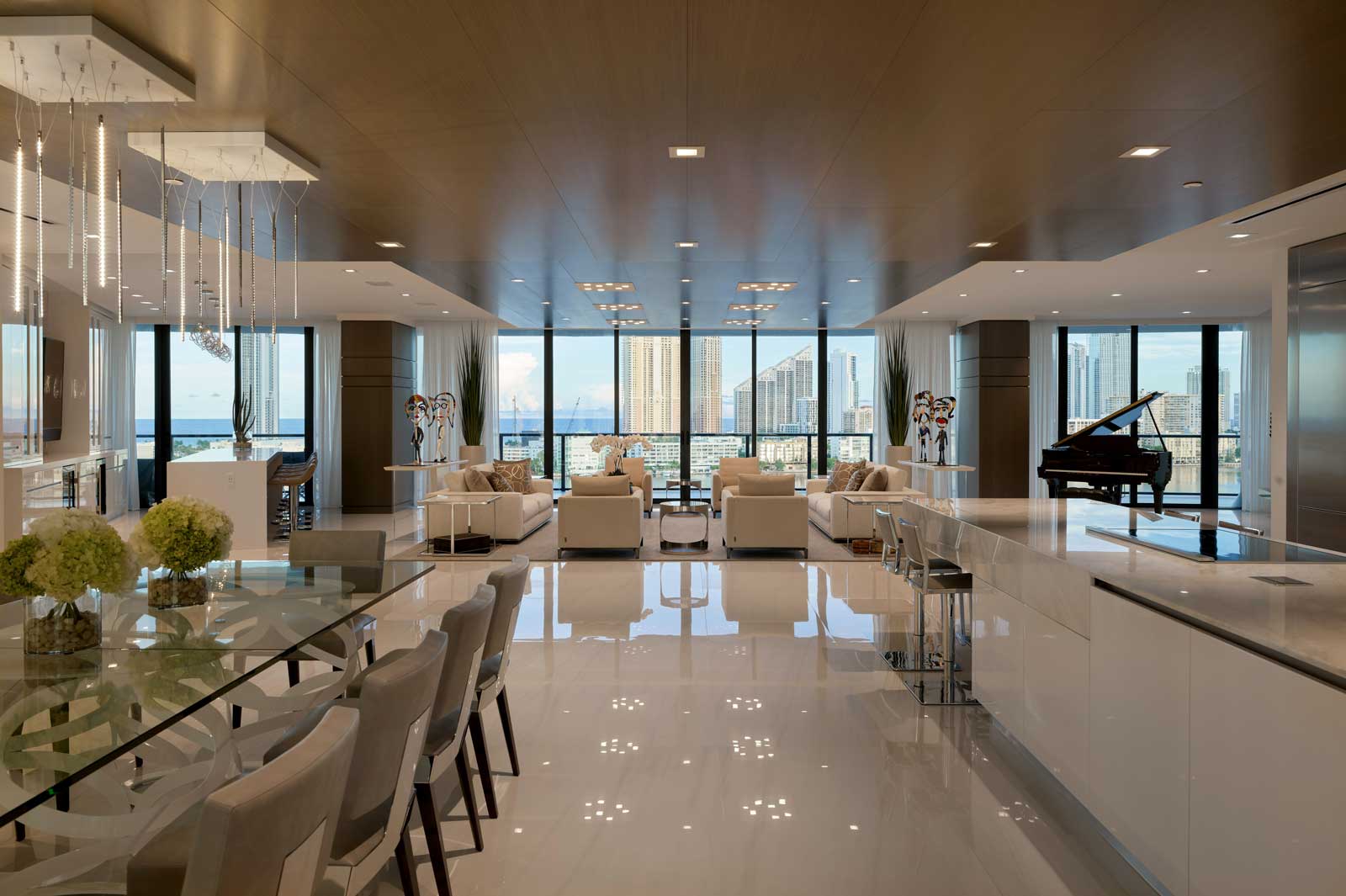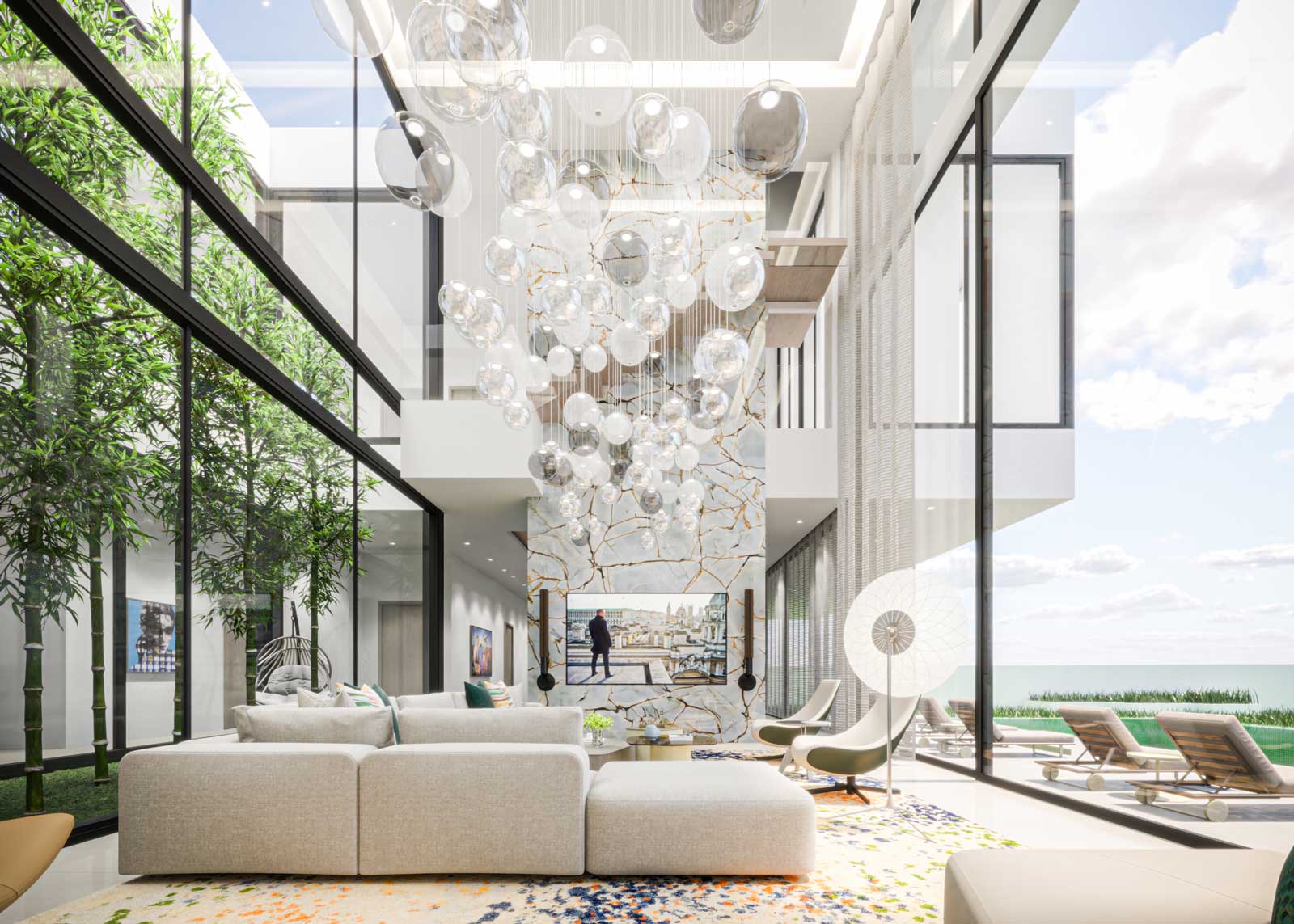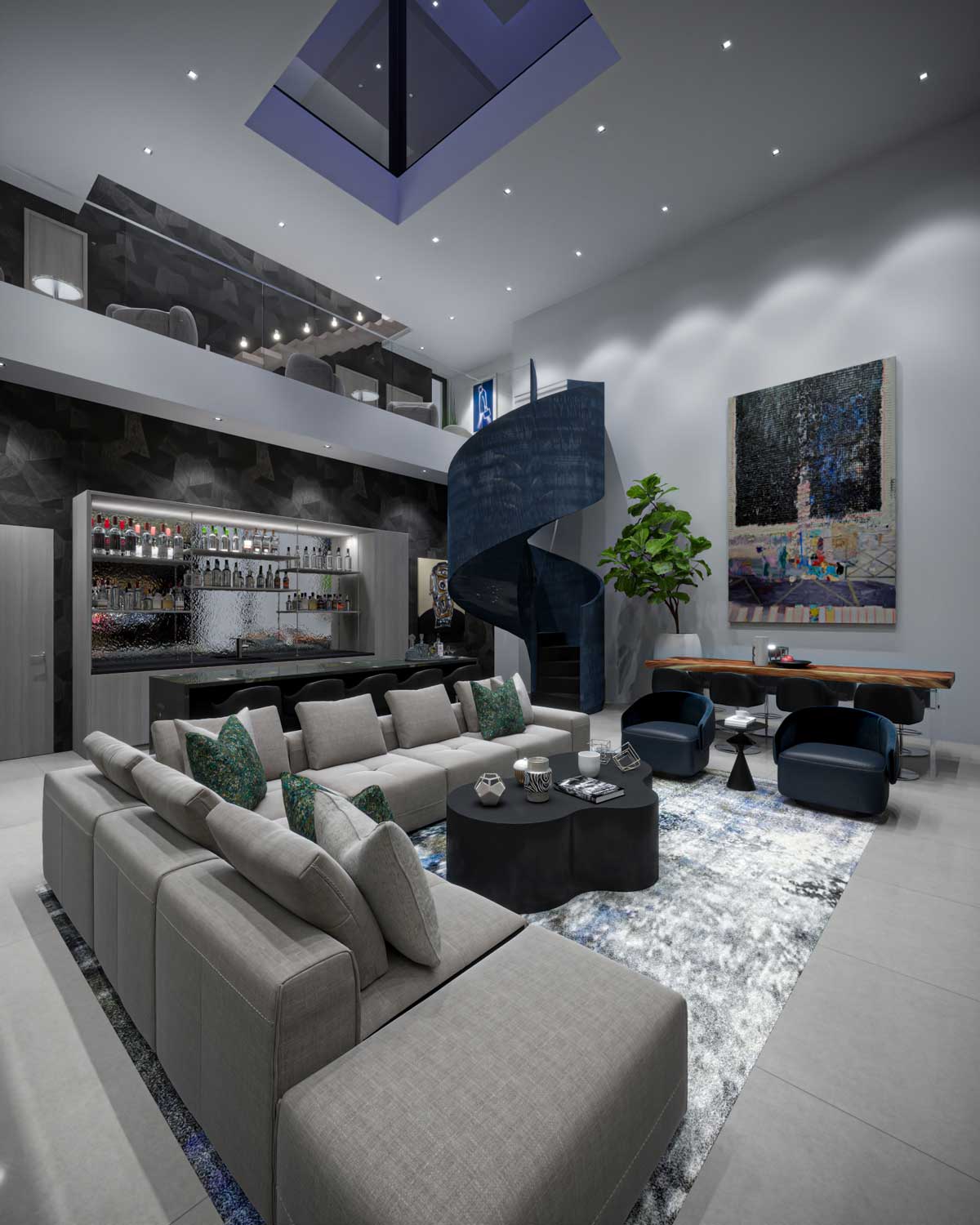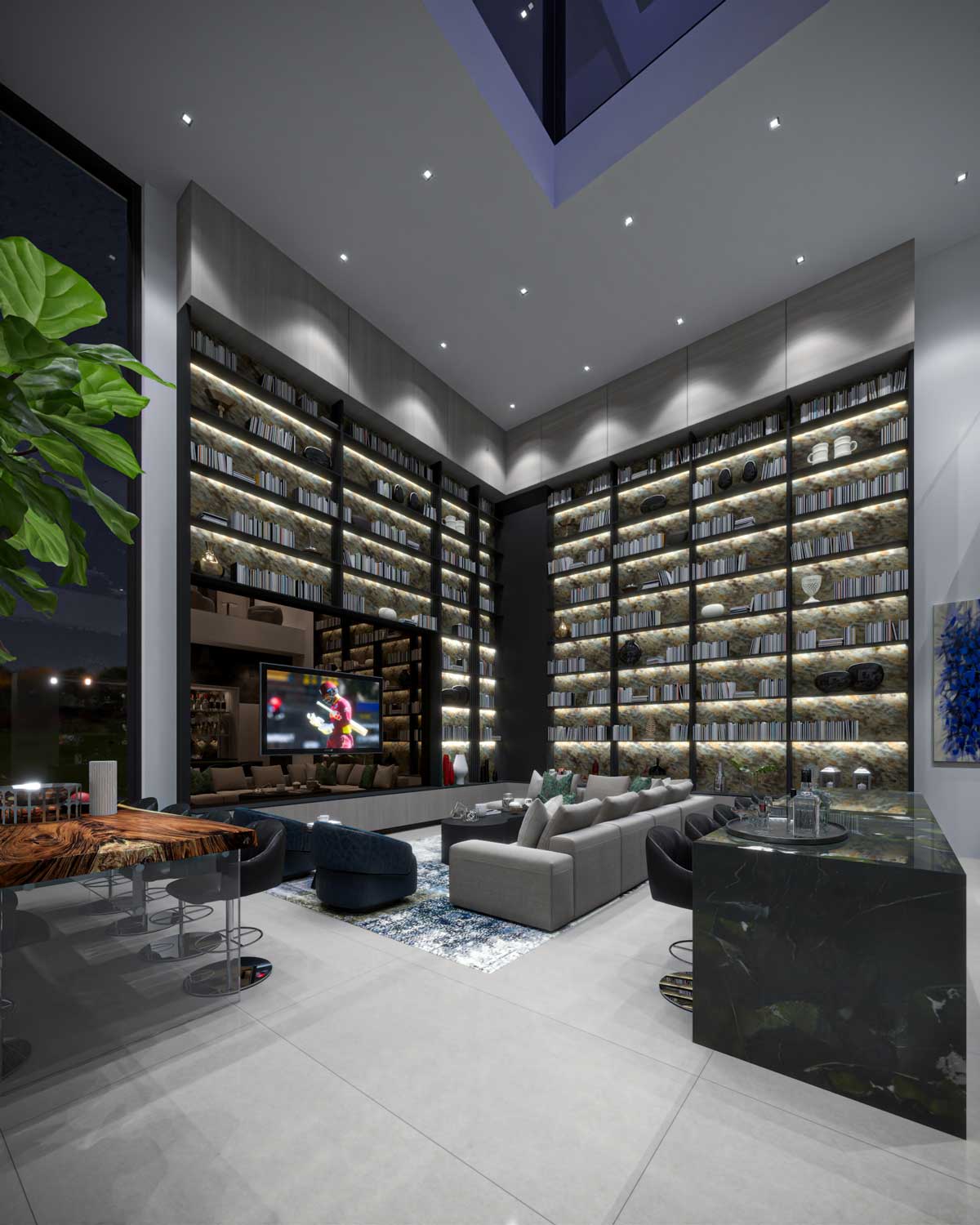




Creating a personal sanctuary that rivals the world’s most luxurious hotels is no longer reserved for the ultra-wealthy. With thoughtful planning and attention to detail, you can transform your home into a five-star retreat that provides daily rejuvenation and escape from the demands of modern life. This comprehensive guide will walk you through the essential elements of designing your own luxury haven.
Understanding the Five-Star Experience
What Makes a Space Truly Luxurious
The essence of luxury lies not in ostentation but in the seamless integration of comfort, functionality, and beauty. True five-star environments prioritize the guest experience above all else, anticipating needs before they arise and creating an atmosphere of effortless elegance. When designing your retreat, consider how each element contributes to a sense of calm, comfort, and indulgence.
Luxury spaces share common characteristics: exceptional attention to detail, superior materials, thoughtful lighting, and an intuitive flow between areas. They engage all the senses through carefully curated scents, textures, sounds, and visual harmony. Most importantly, they feel personal rather than generic, reflecting the tastes and lifestyle of those who inhabit them.
Defining Your Vision
Before making any design decisions, clarify what luxury means to you personally. Does your ideal retreat emphasize spa-like serenity, entertainment and socializing, creative inspiration, or athletic wellness? Perhaps you envision a library-studded sanctuary for intellectual pursuits or a nature-connected space with abundant natural light and organic materials.
Create a vision board that captures the mood, colors, textures, and atmospheres that resonate with you. Draw inspiration from your most memorable travel experiences, favorite hotels, or restaurants where you’ve felt completely at ease. This visual reference will guide your decisions and ensure coherence throughout your design process.
Crafting the Foundation
Selecting Your Retreat Space
Your five-star retreat might encompass your entire home or focus on specific zones. Many people choose to transform a master suite, create a dedicated wellness area, or reimagine outdoor spaces. Consider which areas of your home receive the most natural light, offer the greatest privacy, and provide the square footage needed for your vision.
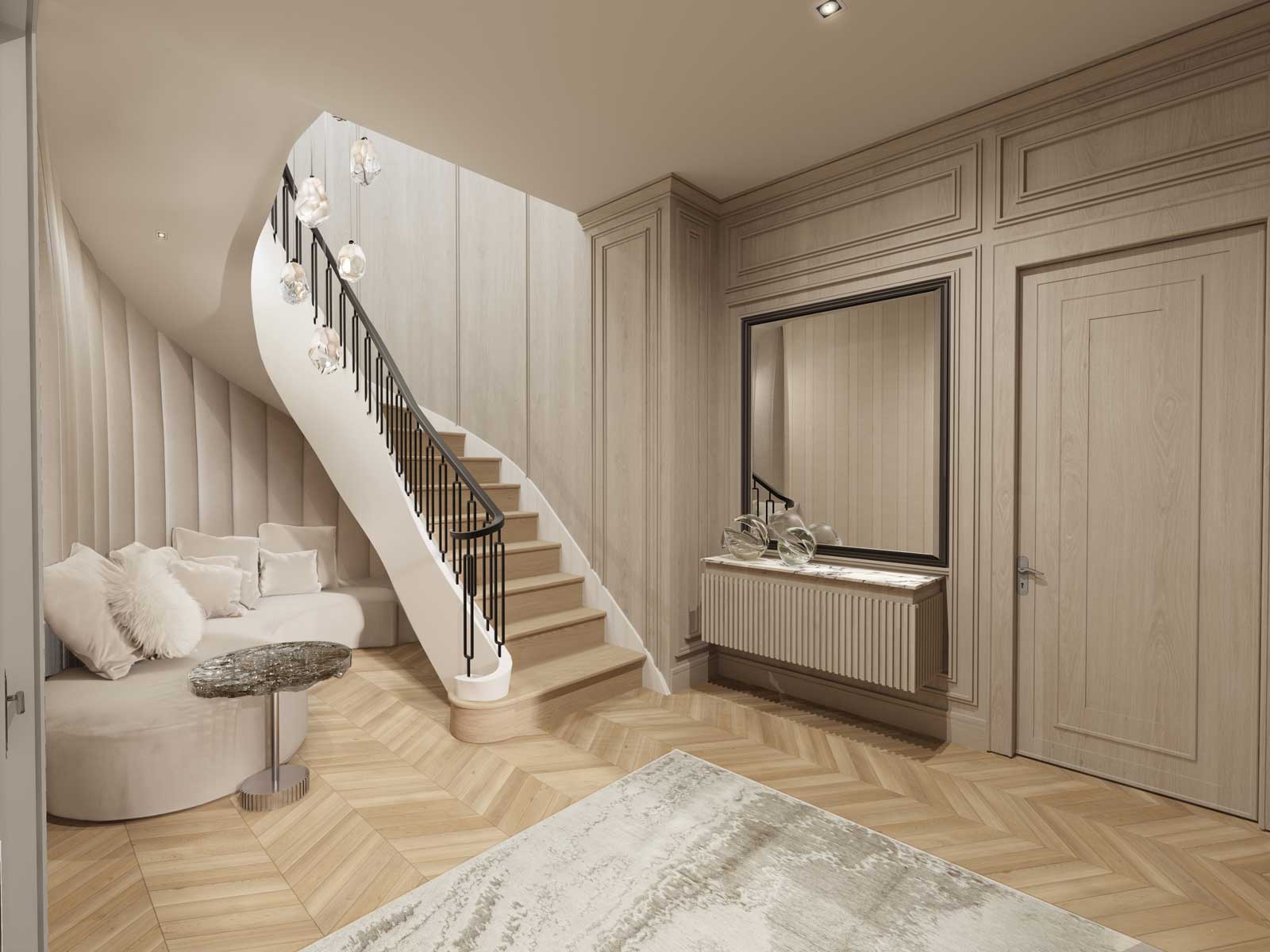
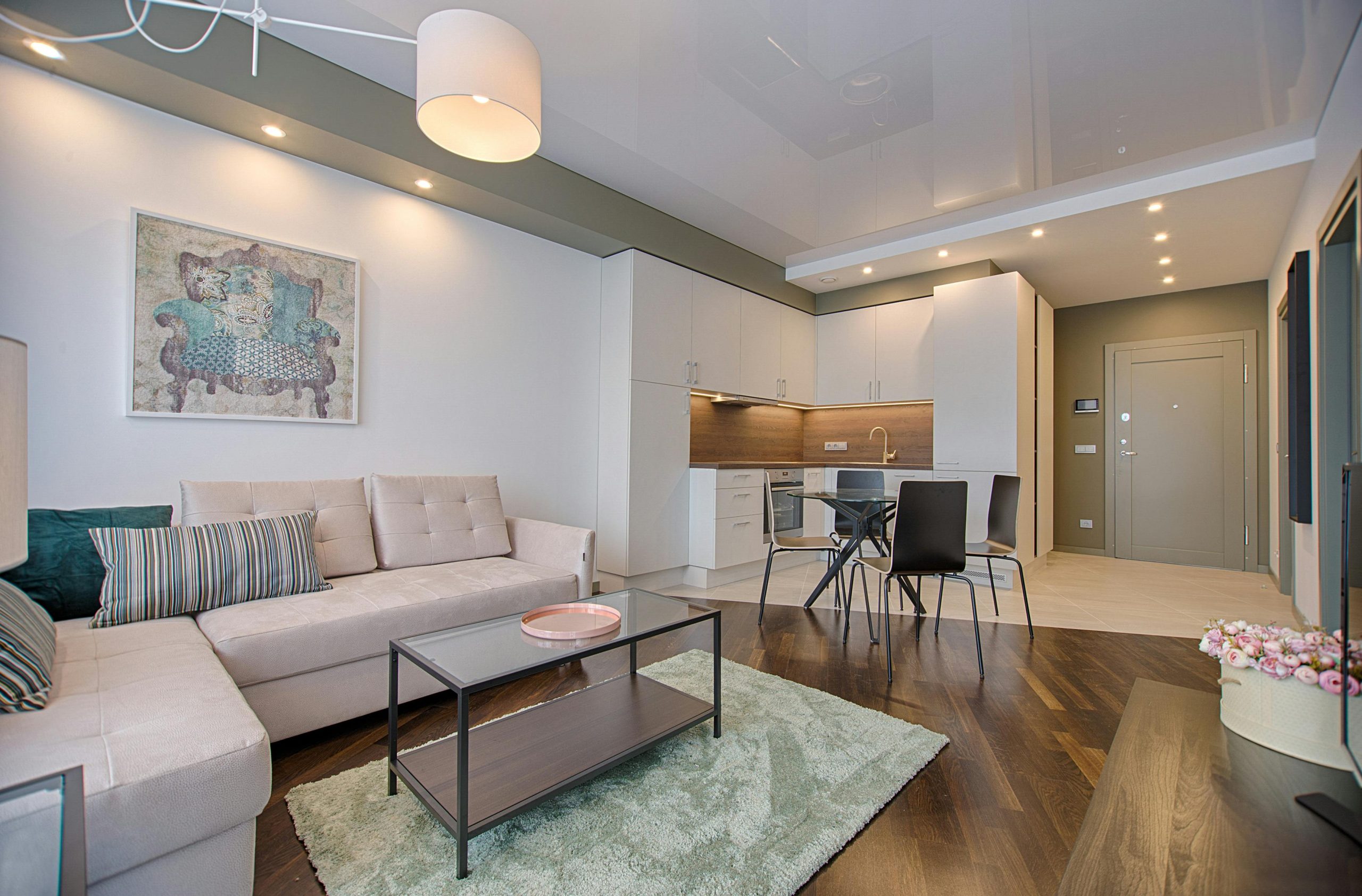
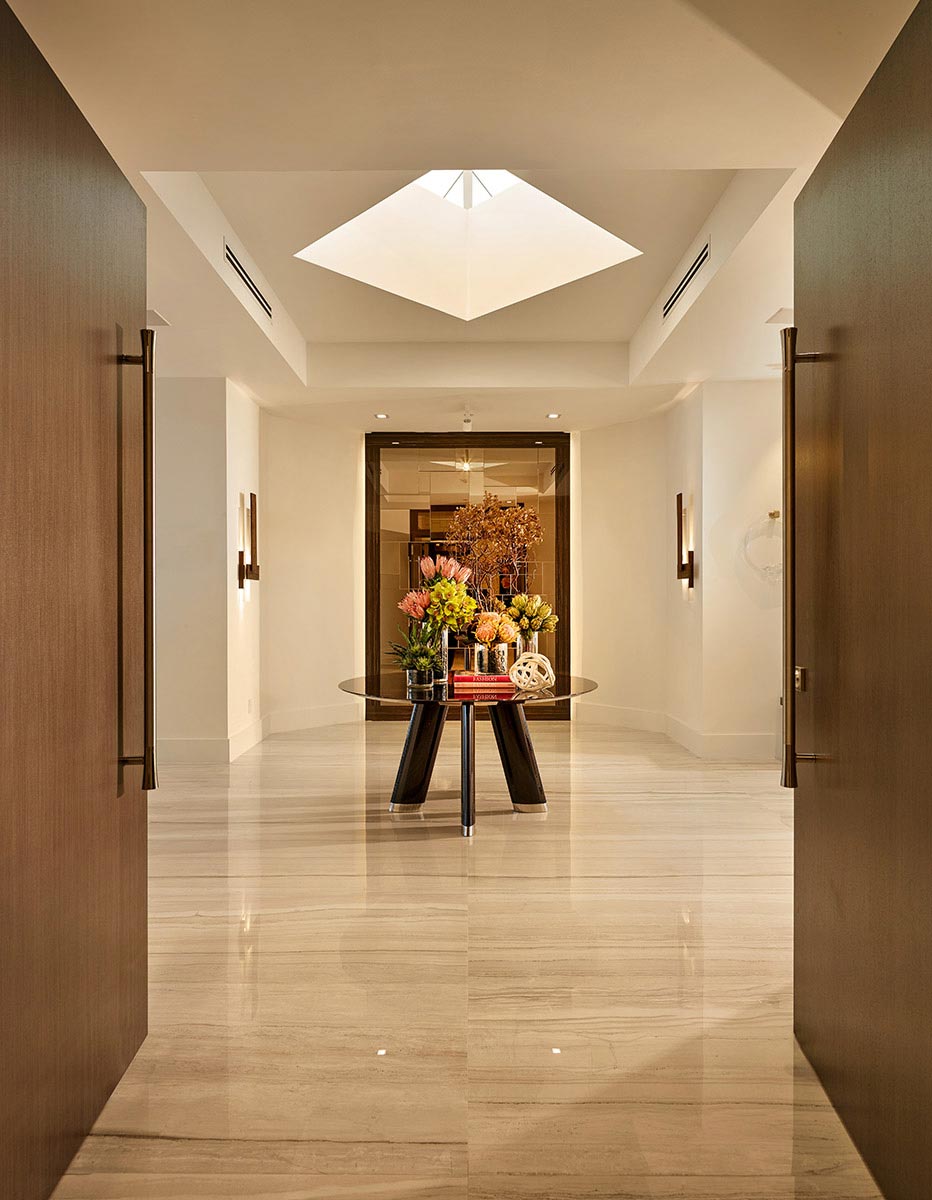
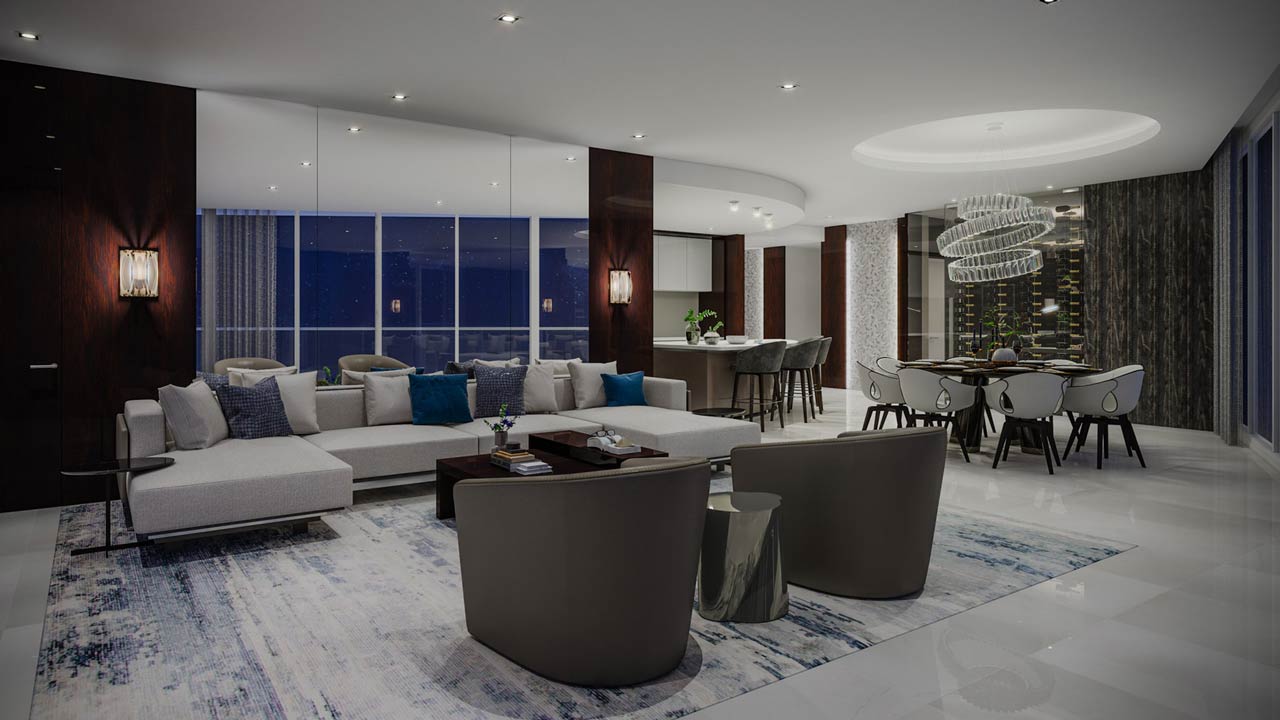
If your entire home will serve as your retreat, think about how different zones flow together while maintaining distinct purposes. Public spaces should feel welcoming and impressive, while private areas prioritize comfort and restoration. Transitional spaces like hallways and entryways deserve equal attention as they set the tone for what follows.
Architectural Considerations
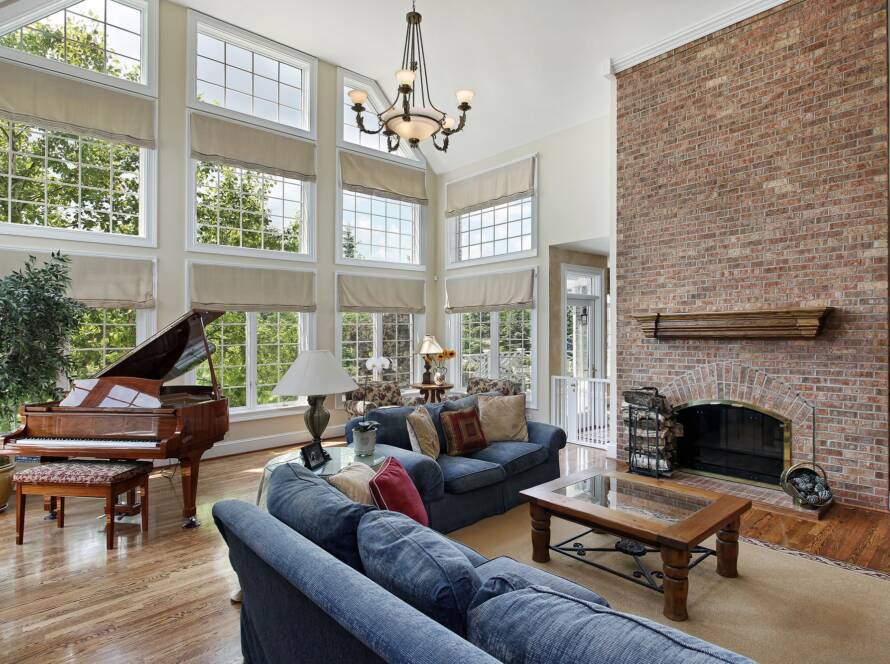
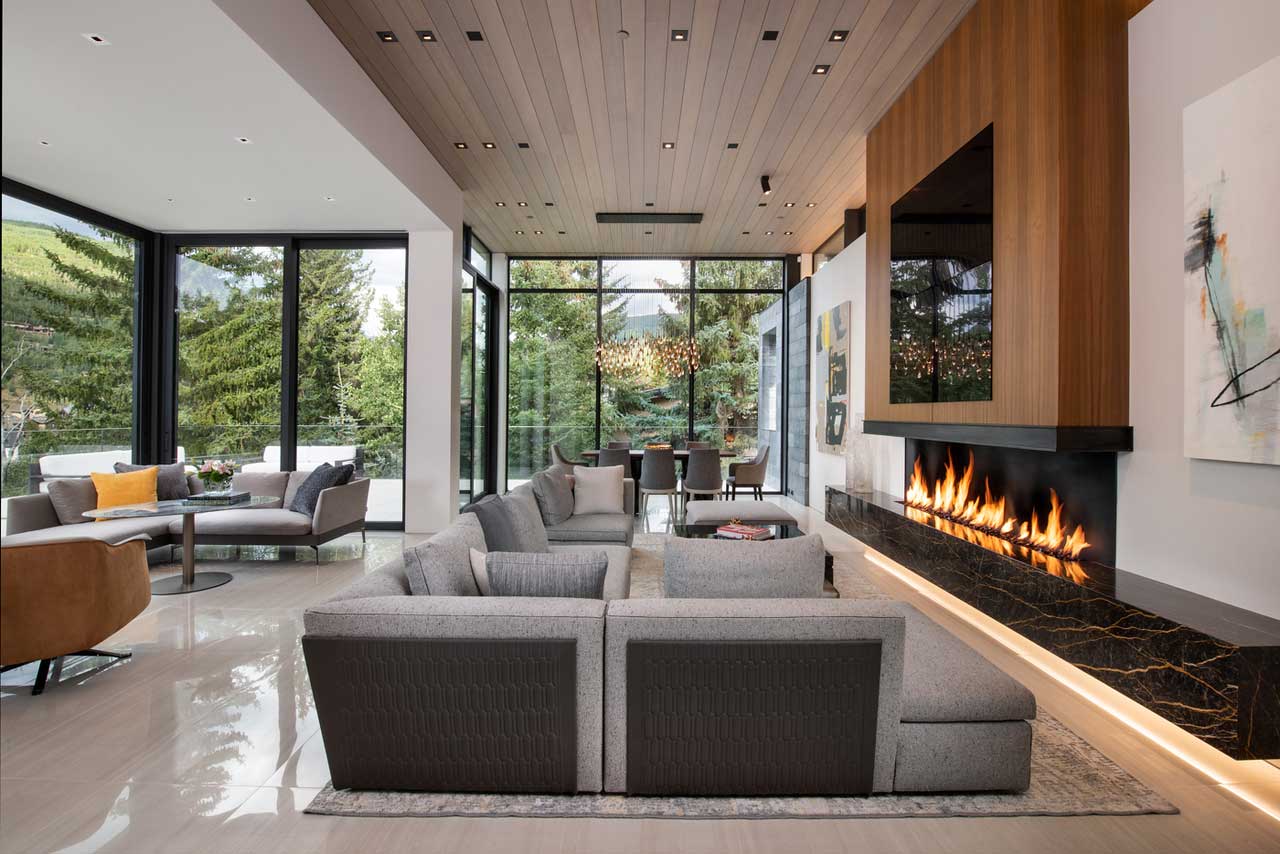
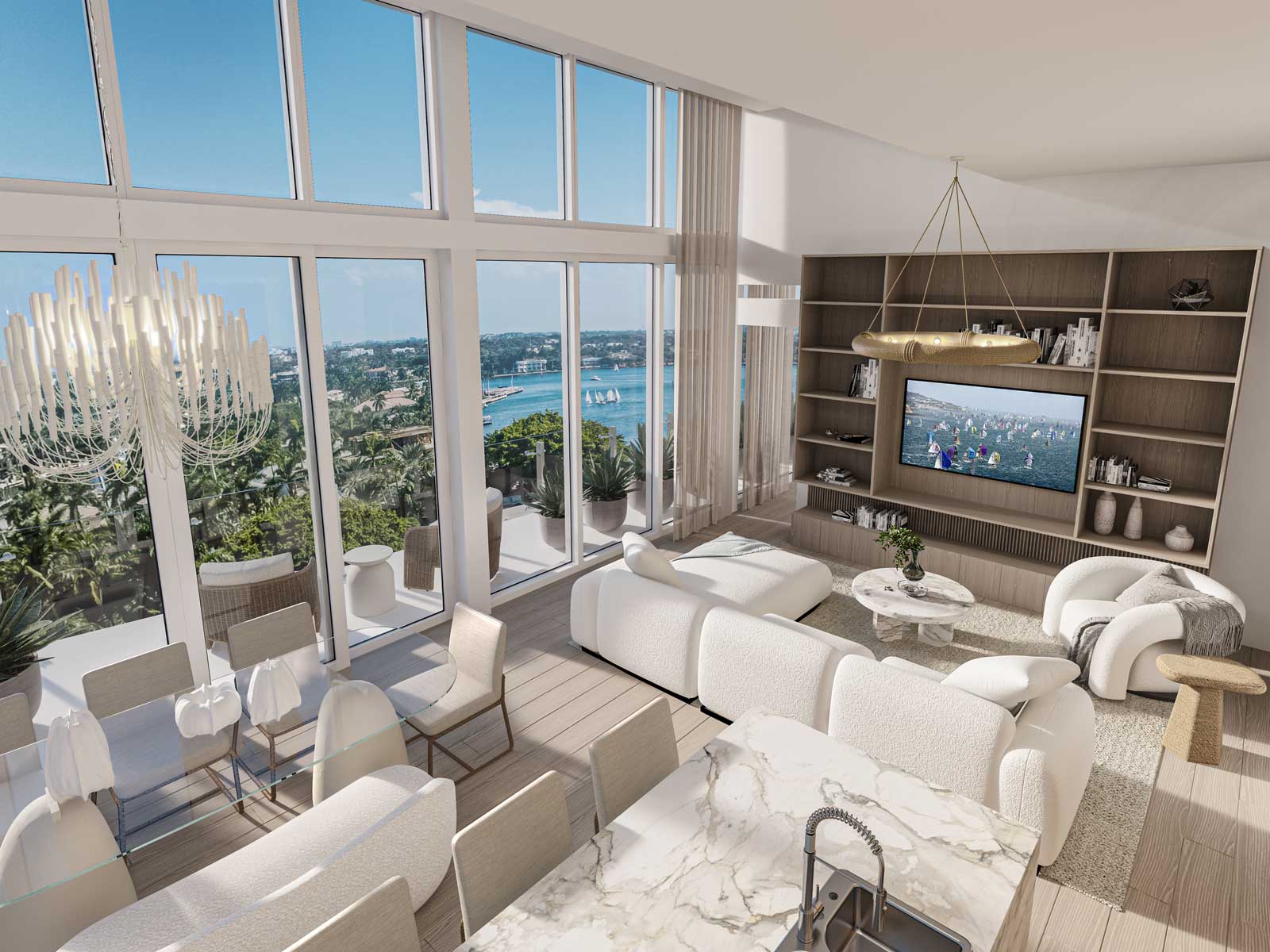
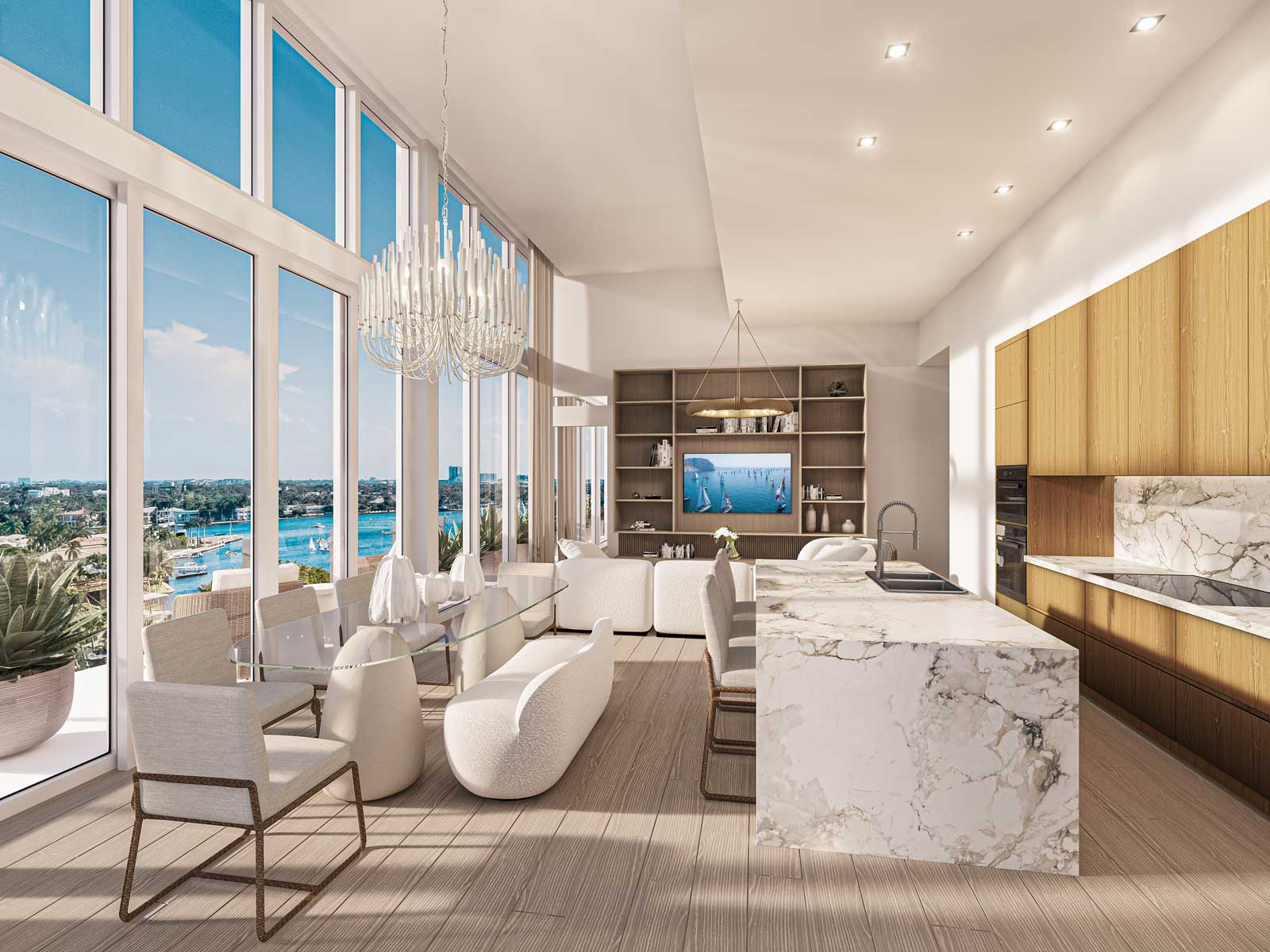
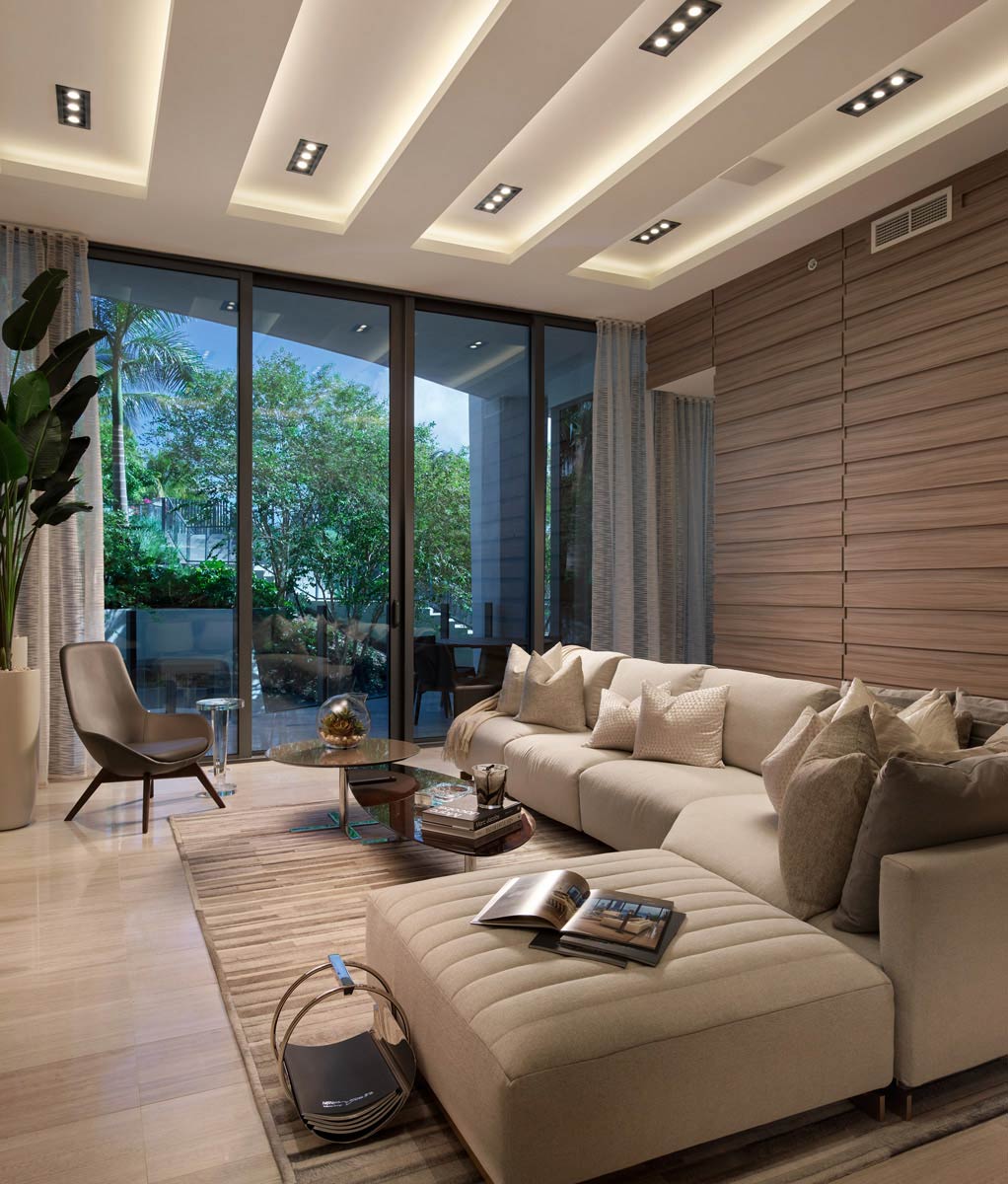
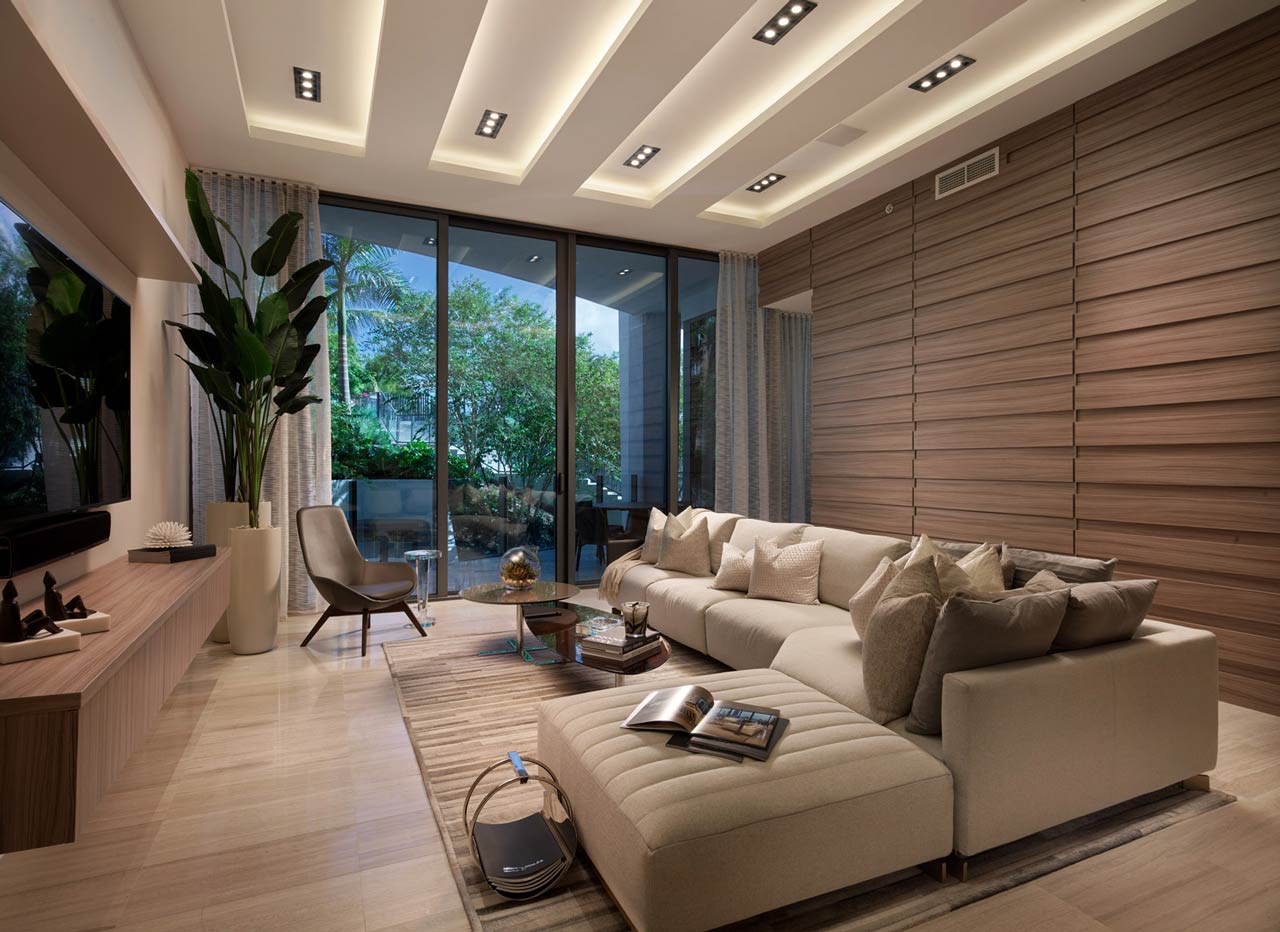
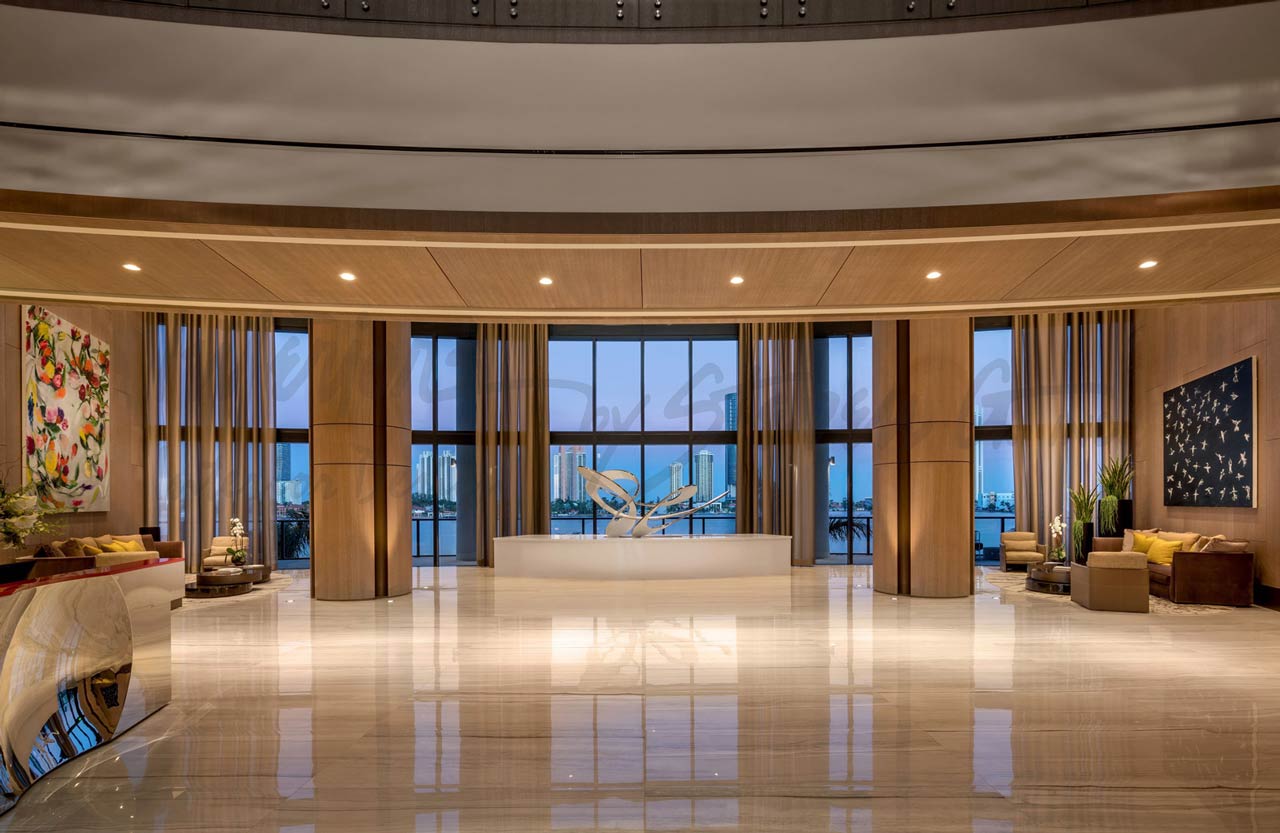
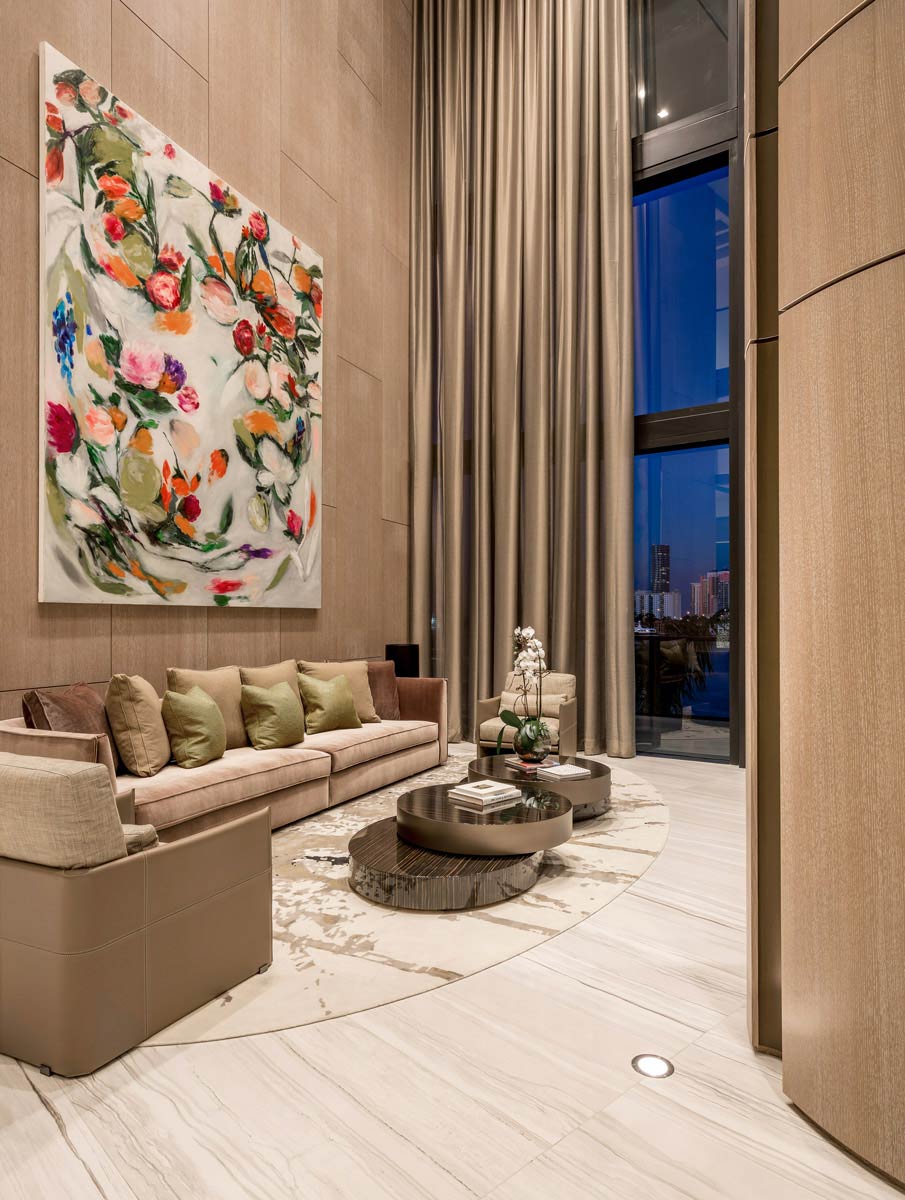
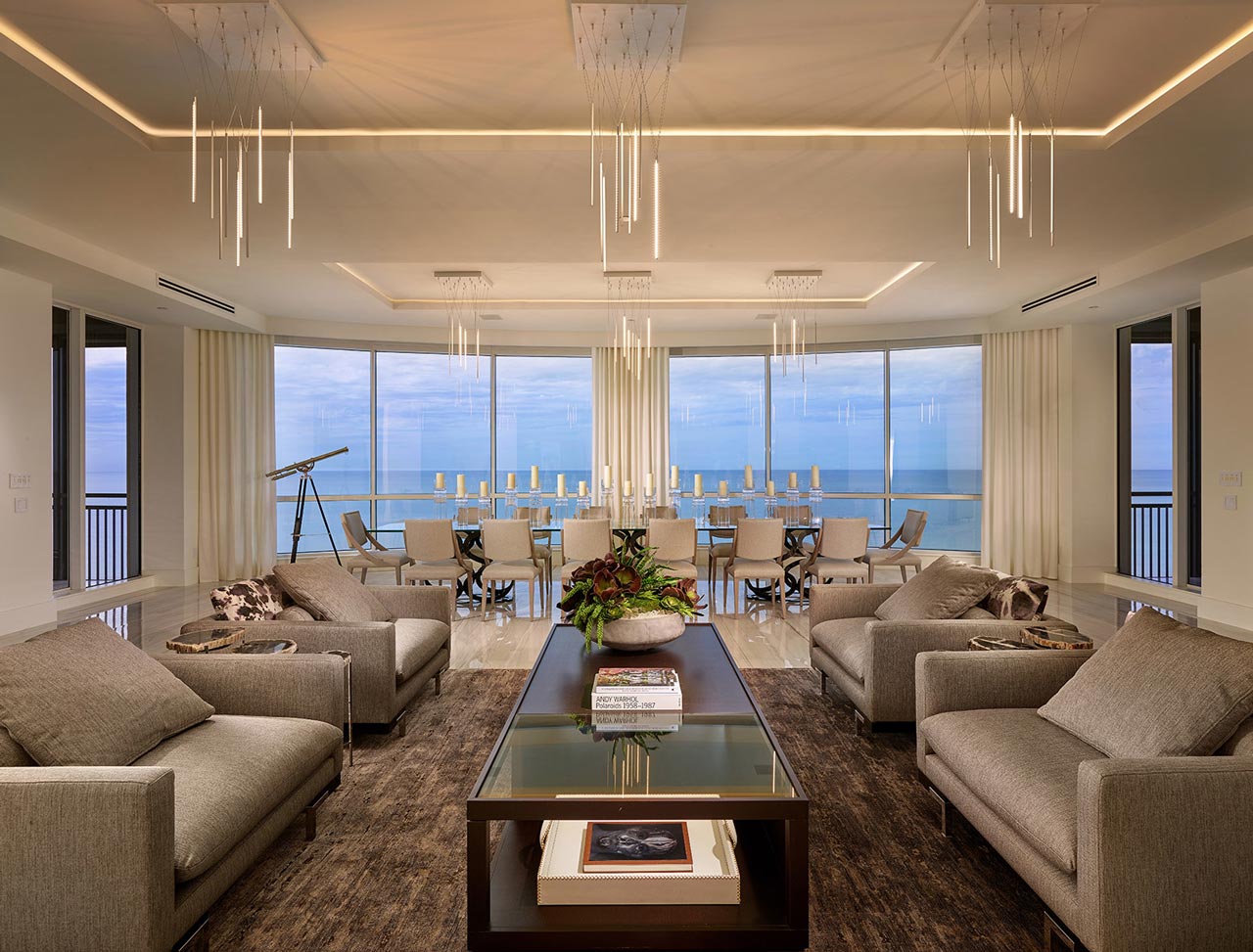
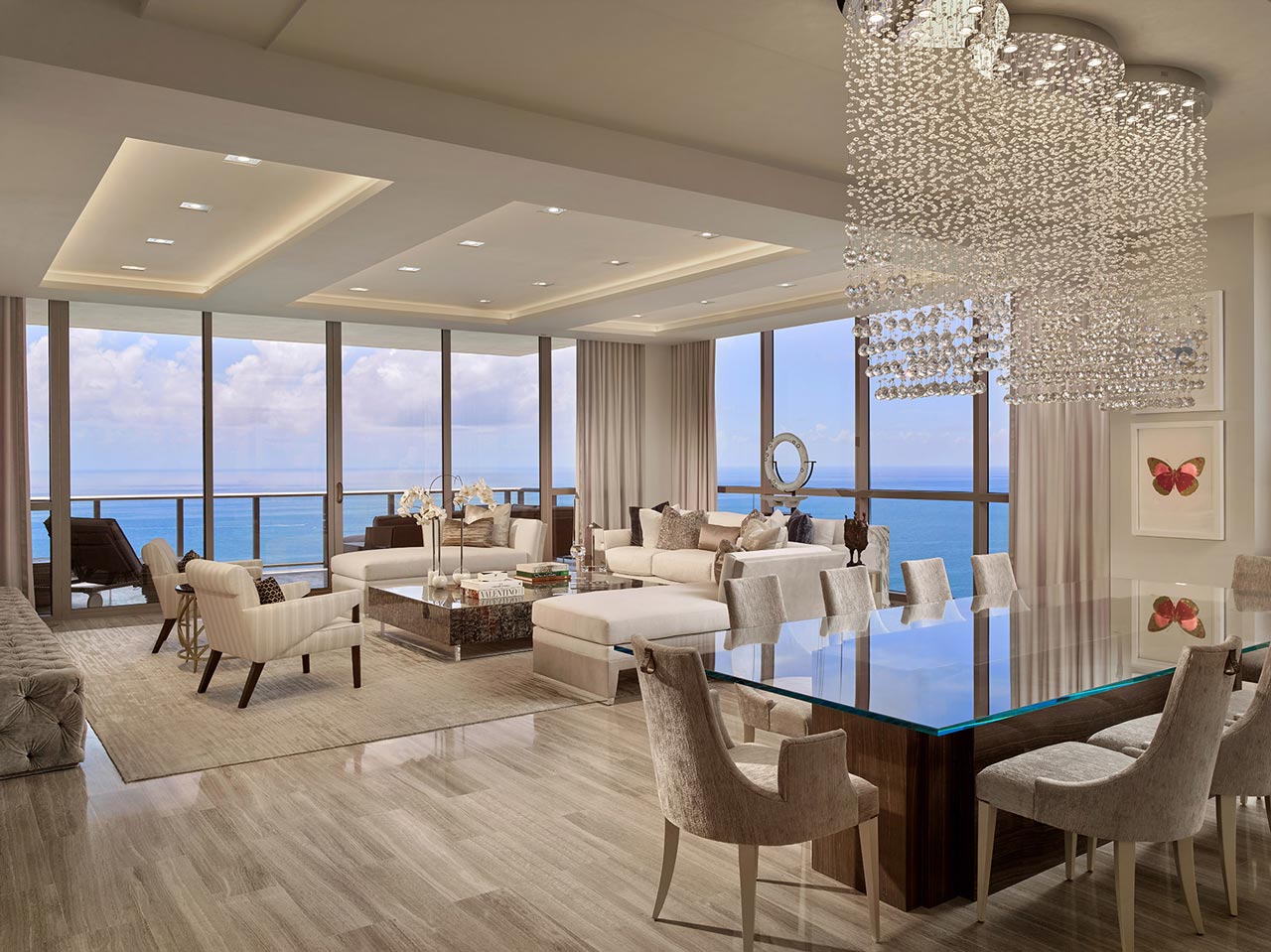
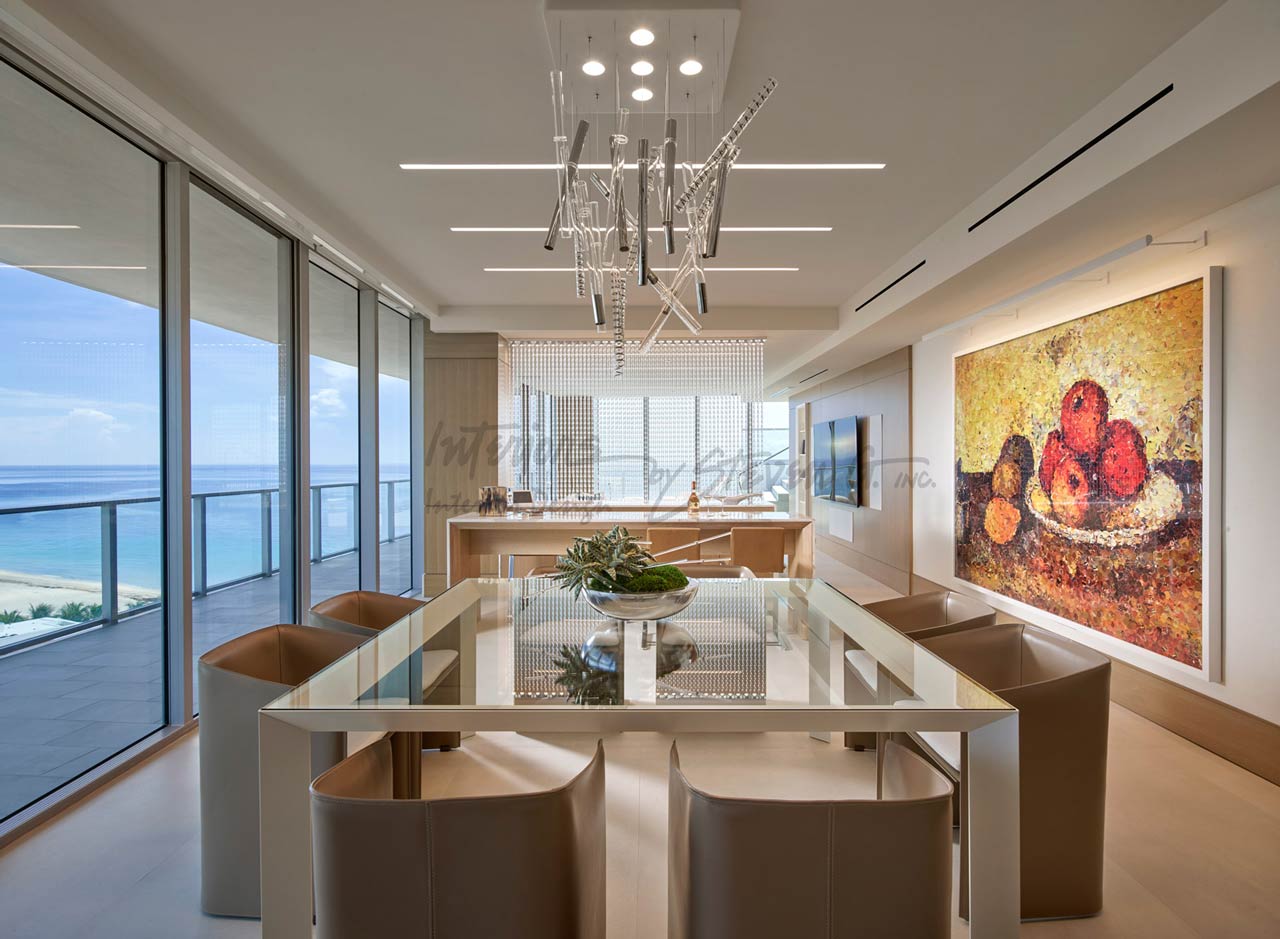
Structural elements significantly impact the luxury quotient of any space. High ceilings create a sense of grandeur and airiness, while large windows flood interiors with natural light. If your budget allows, consider architectural modifications such as removing walls to create open-concept living, adding skylights, or installing floor-to-ceiling windows.
Even without major renovations, you can enhance architectural appeal through crown molding, wainscoting, built-in shelving, or statement ceiling treatments. These details add depth and sophistication while demonstrating the level of care invested in your space.
Interior Design Elements That Define Luxury
Color Psychology and Palette Selection
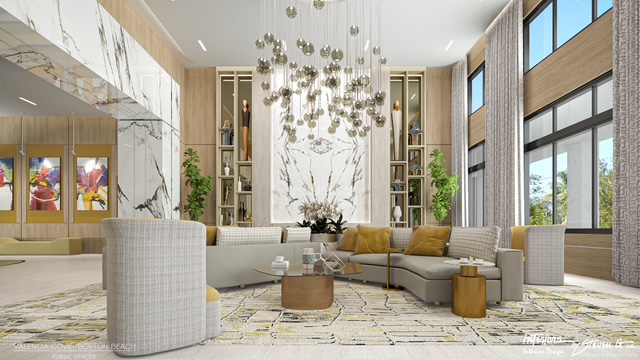
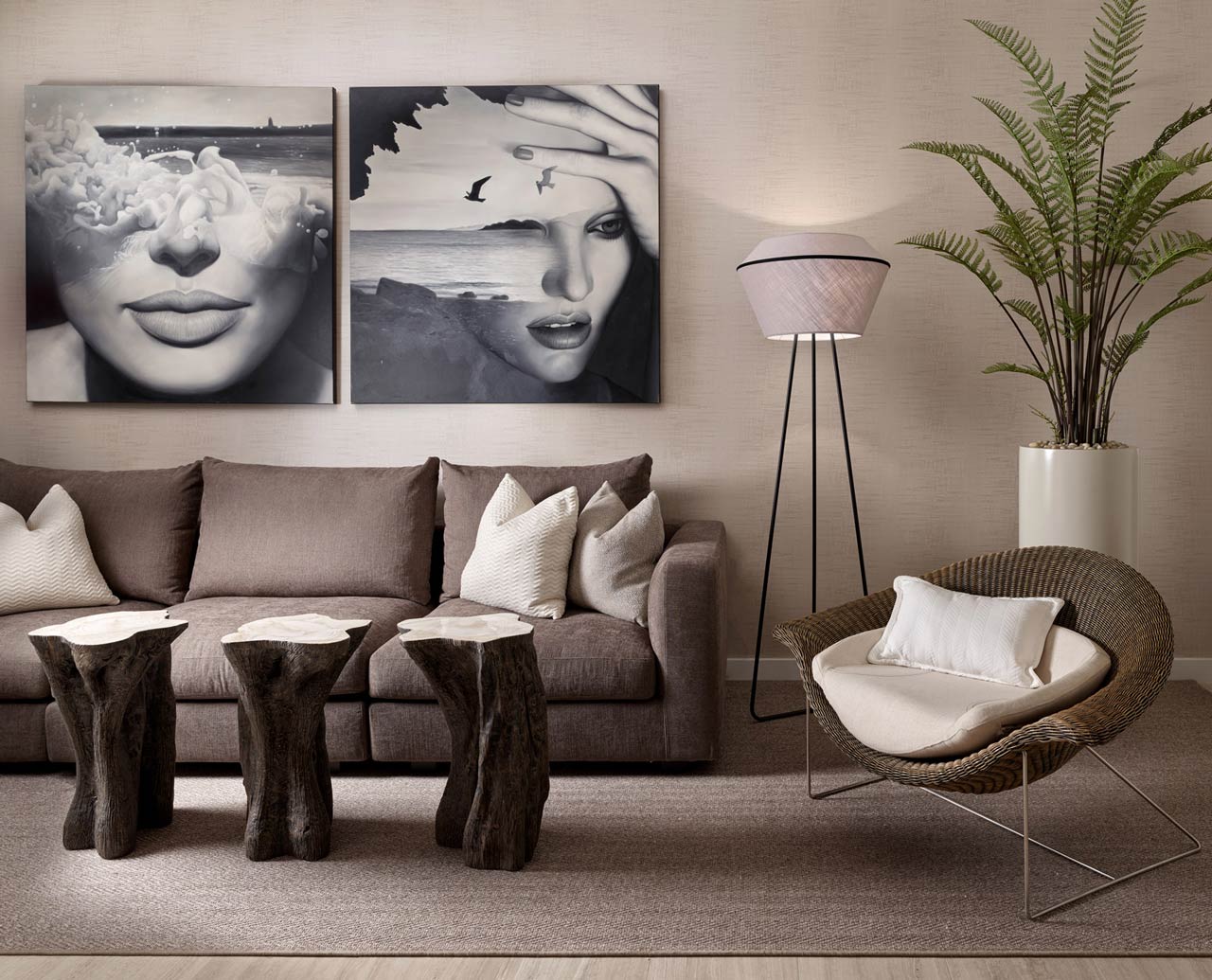
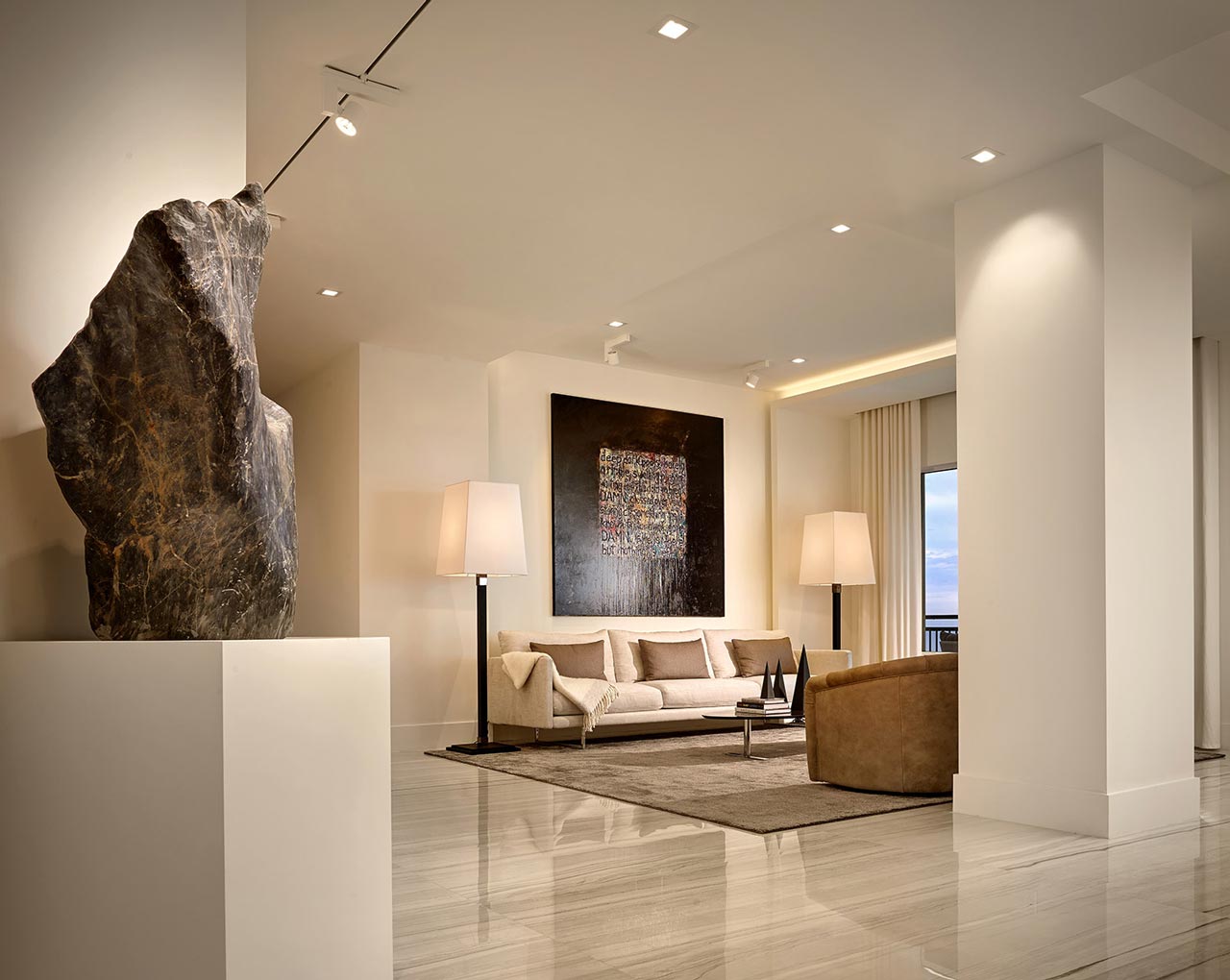
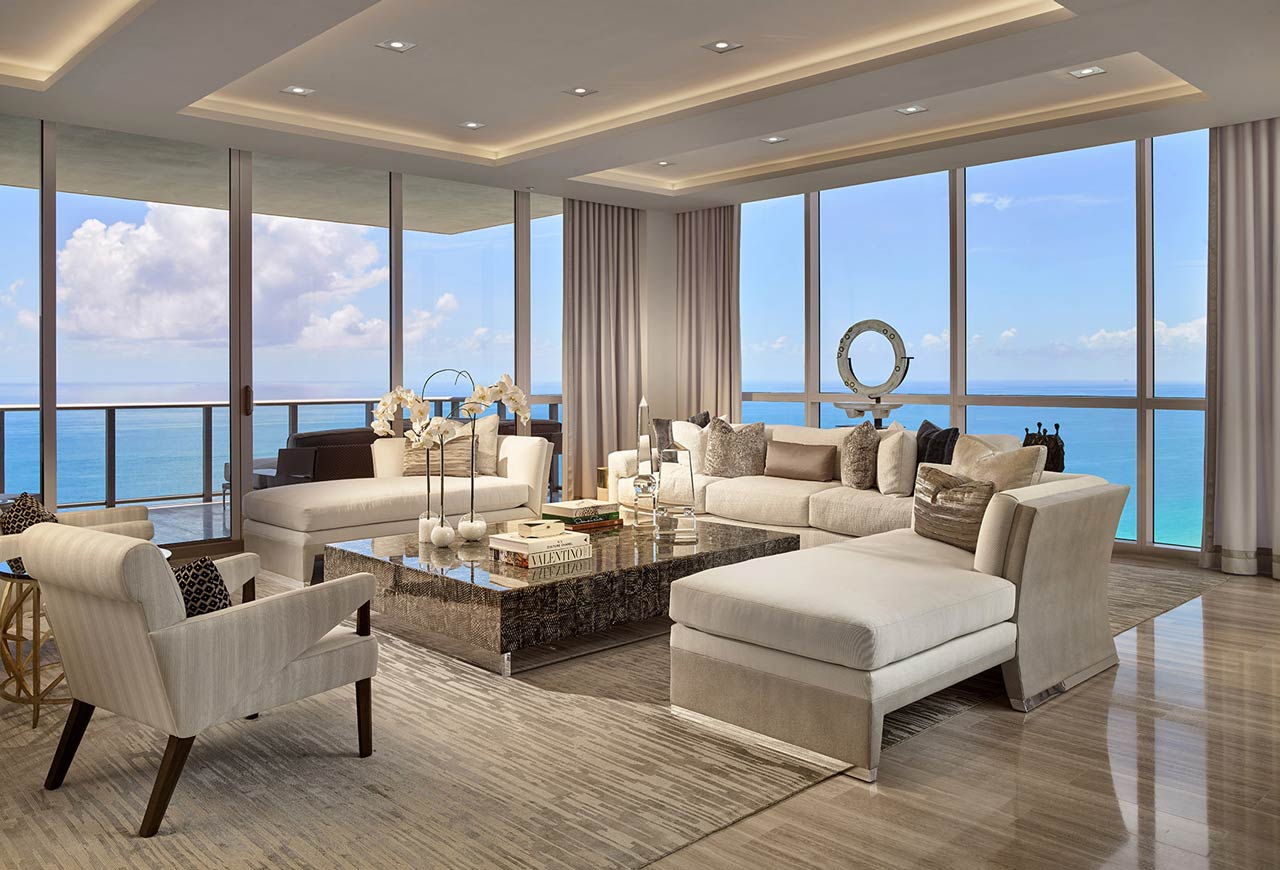
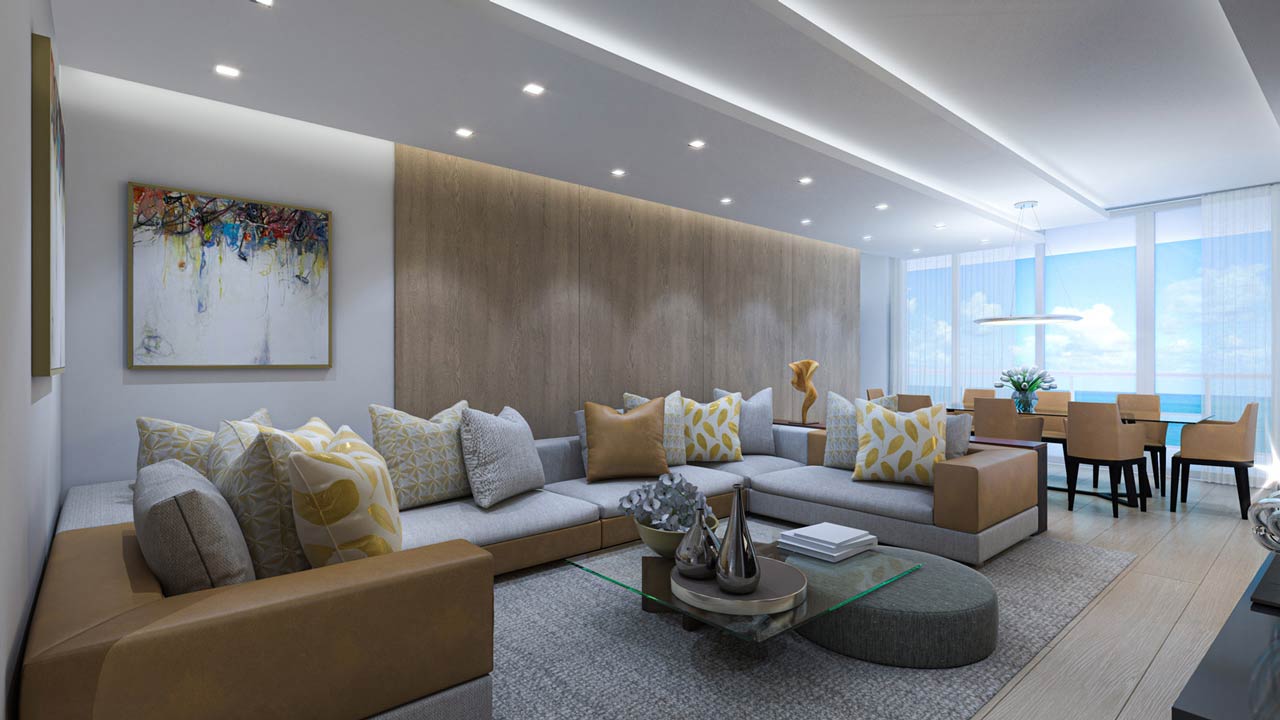
The colors you choose profoundly affect mood and perception. Five-star establishments typically favor sophisticated neutral palettes—warm grays, soft taupes, creamy whites, and rich beiges—that create a calming backdrop and make spaces feel larger. These neutrals also provide flexibility for accent colors and allow architectural features and furnishings to shine.
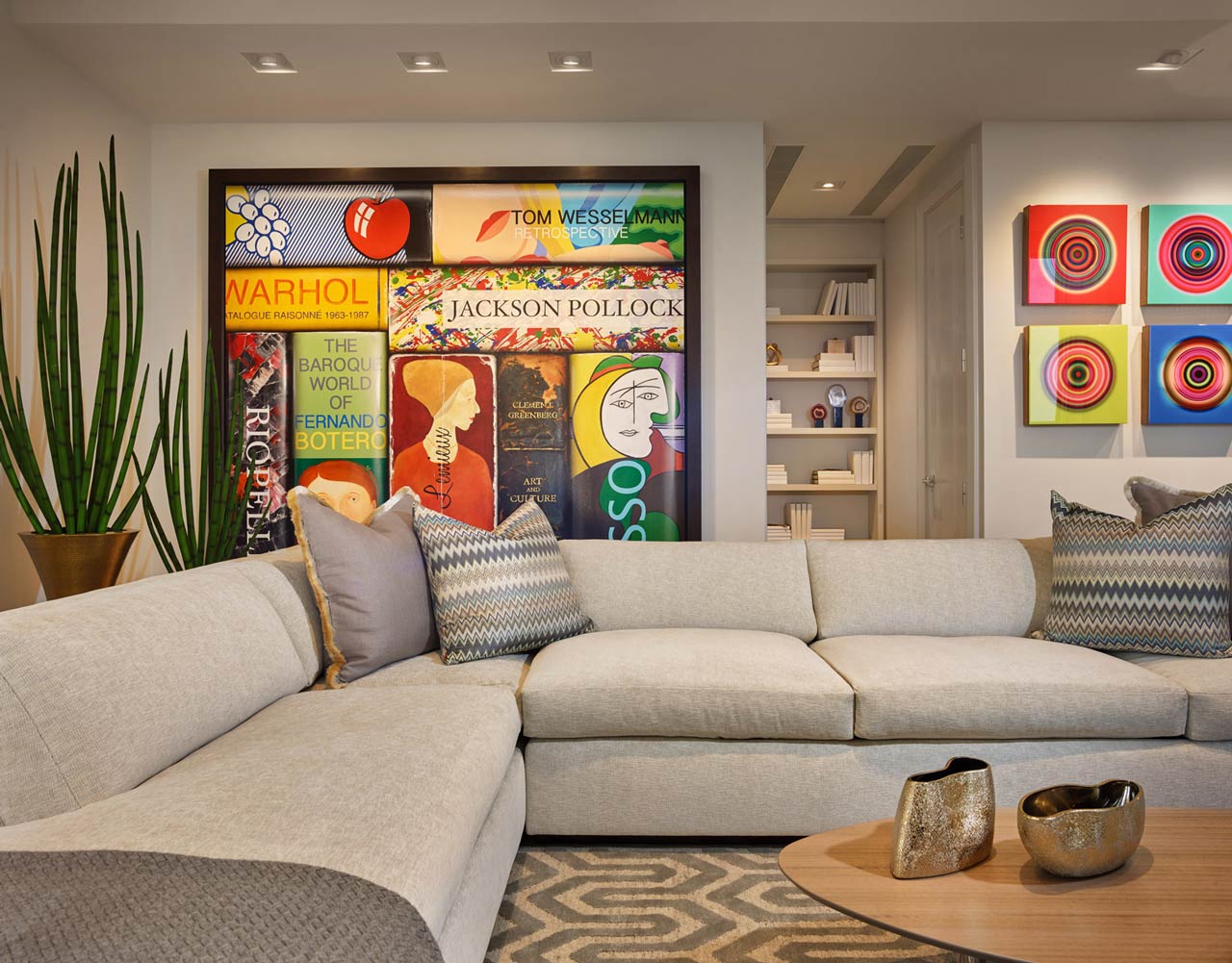
Layer your neutrals with varying shades and undertones to prevent monotony. A predominantly neutral scheme doesn’t mean colorless; instead, it means thoughtful restraint. Introduce deeper hues through carefully selected accent pieces, artwork, and textiles. Jewel tones like emerald, sapphire, and amethyst can add opulence when used sparingly.
Material Selection and Texture
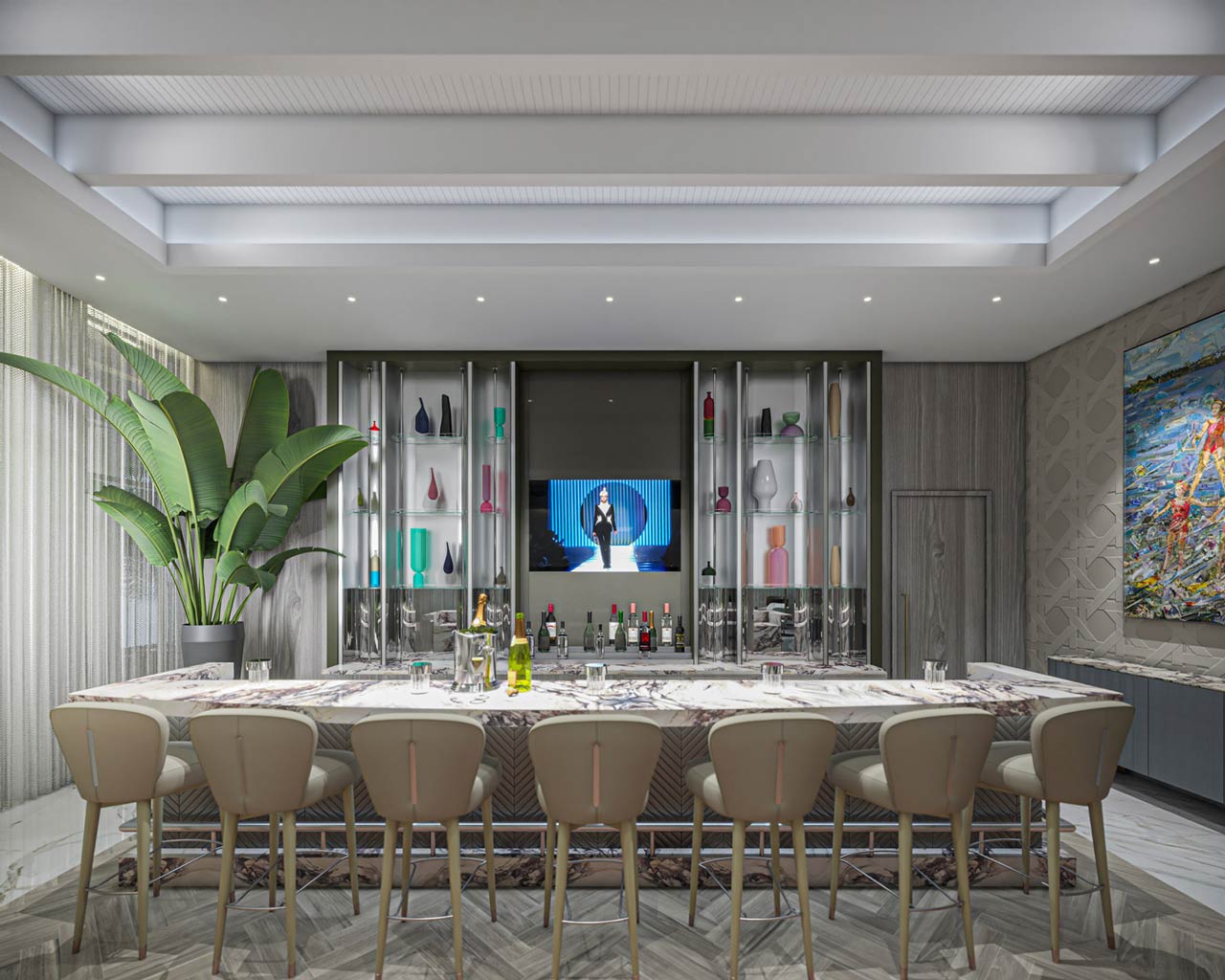
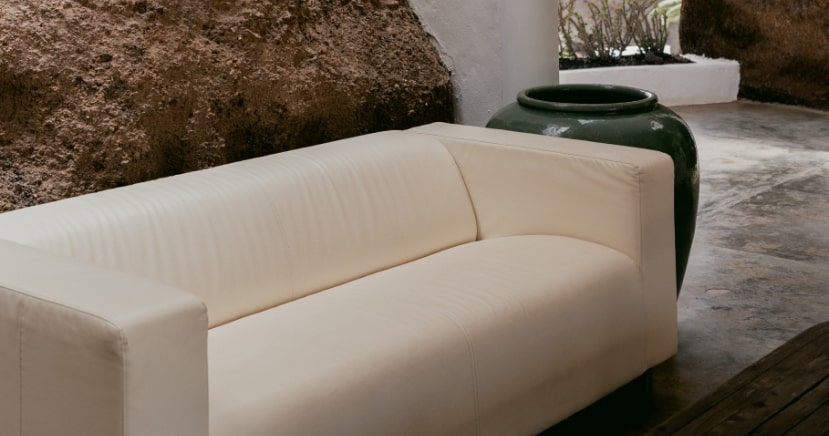
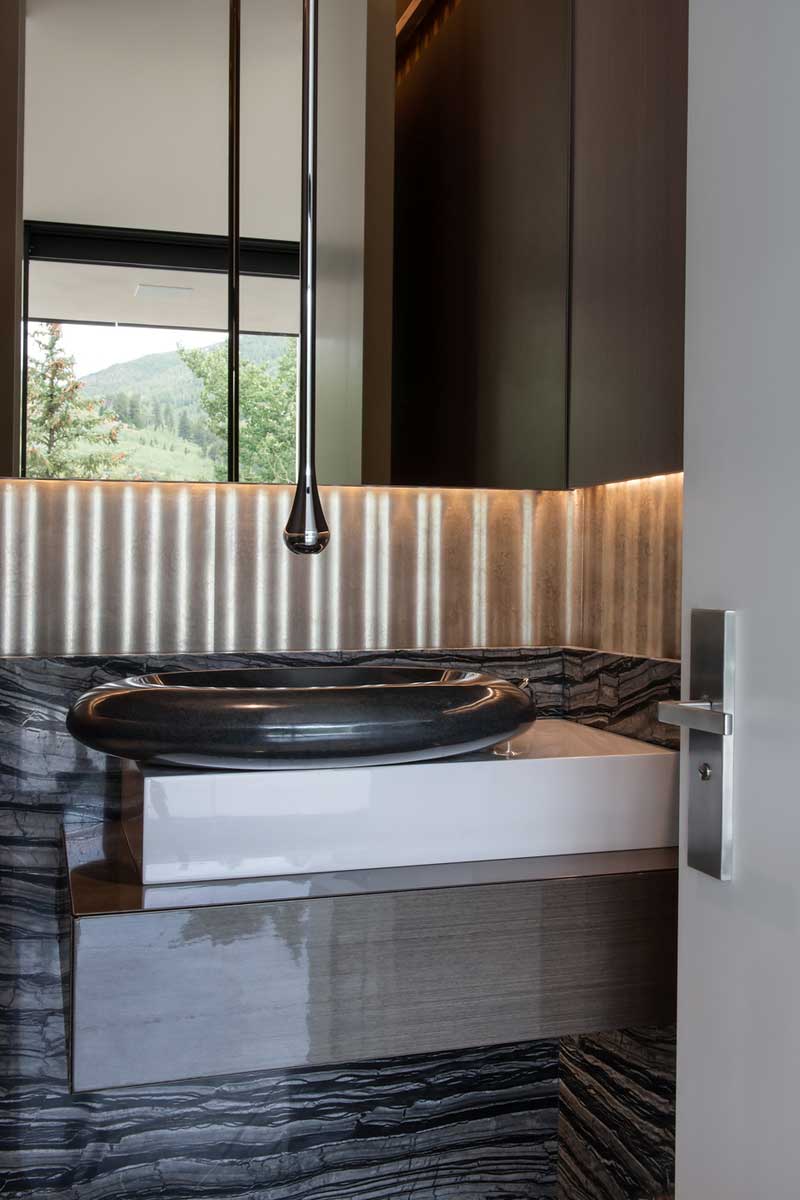
Luxury design relies heavily on the interplay of textures and the quality of materials. Natural materials like marble, granite, solid wood, linen, silk, and leather convey authenticity and permanence. These materials age gracefully, developing character over time rather than appearing worn.
Create visual interest by combining contrasting textures within a cohesive color story. Pair smooth surfaces with nubby fabrics, glossy finishes with matte ones, hard materials with soft textiles. This textural diversity makes spaces feel layered and collected rather than hastily assembled.
Invest in the materials that receive the most use or have the greatest visual impact. Quality flooring, countertops, and upholstery fabrics will maintain their beauty for years, making them worthwhile investments. Even if budget constraints require compromises, prioritize durability and timelessness over trendy but temporary choices.
Furniture as Functional Art
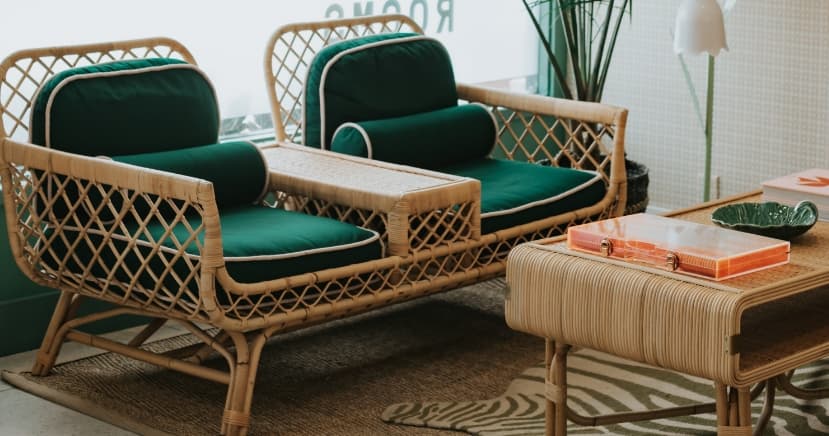
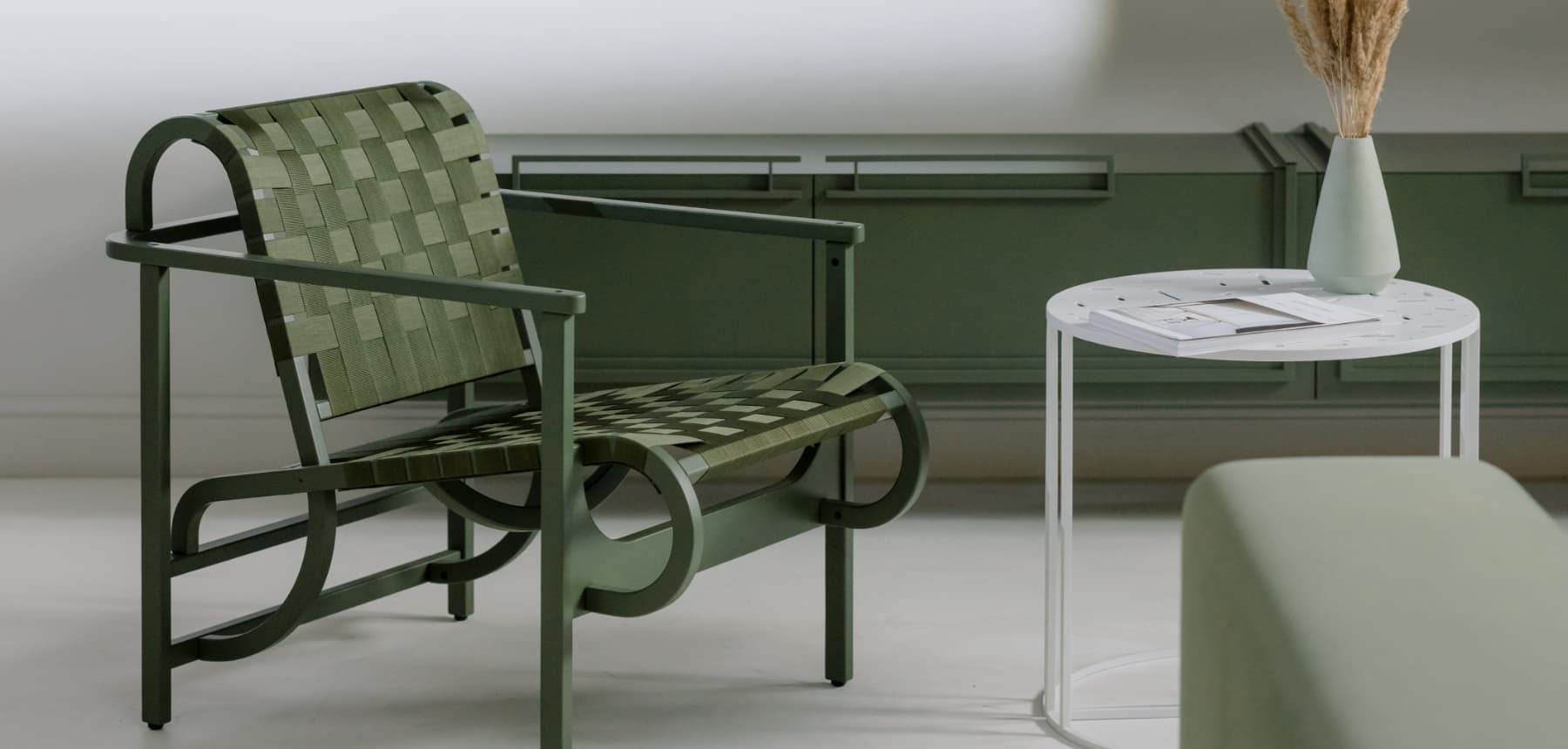
Select furniture pieces that balance aesthetics with supreme comfort. Every seat should invite lingering, every table should feel substantial and well-crafted. Scale matters enormously—furniture should fill the space appropriately without crowding or appearing lost.
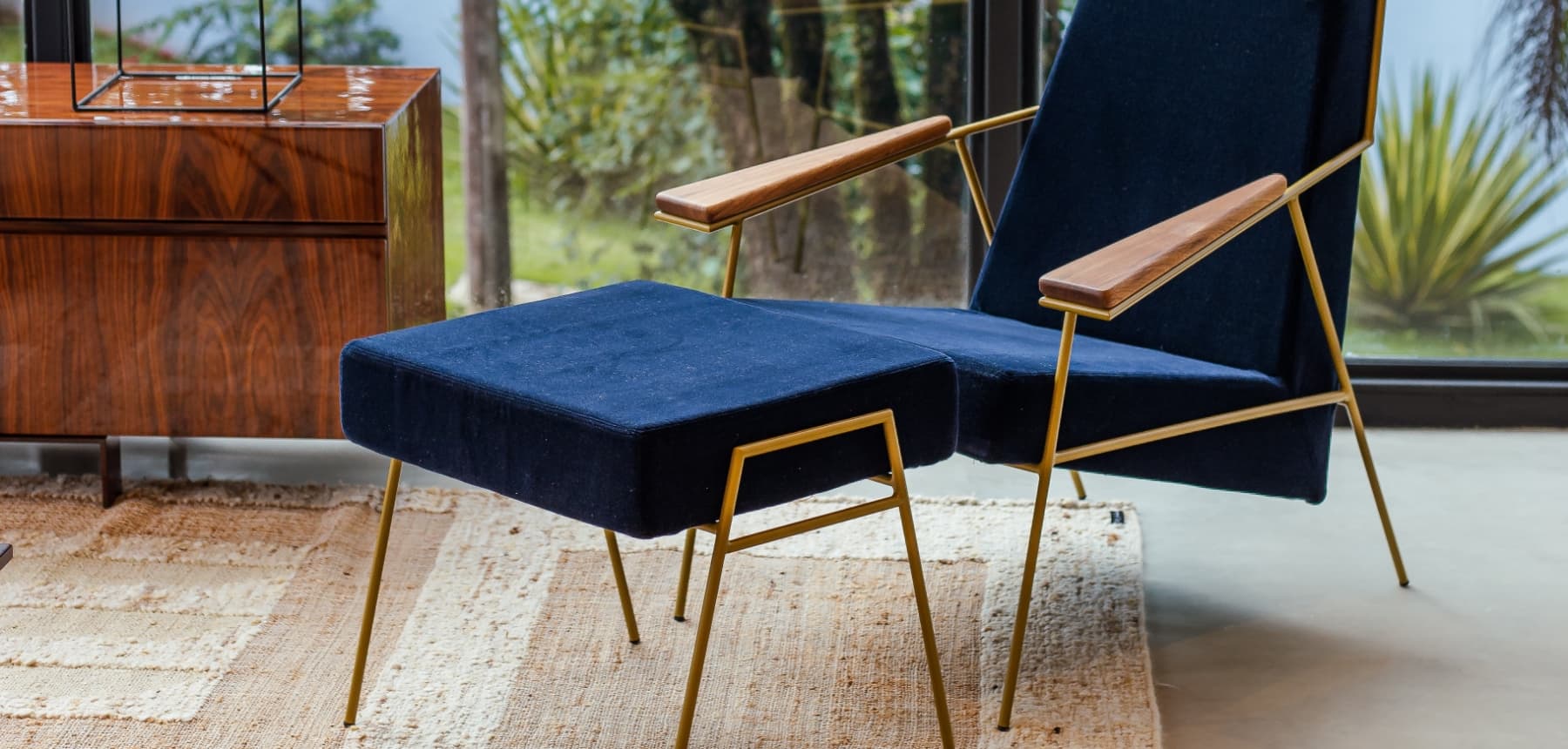
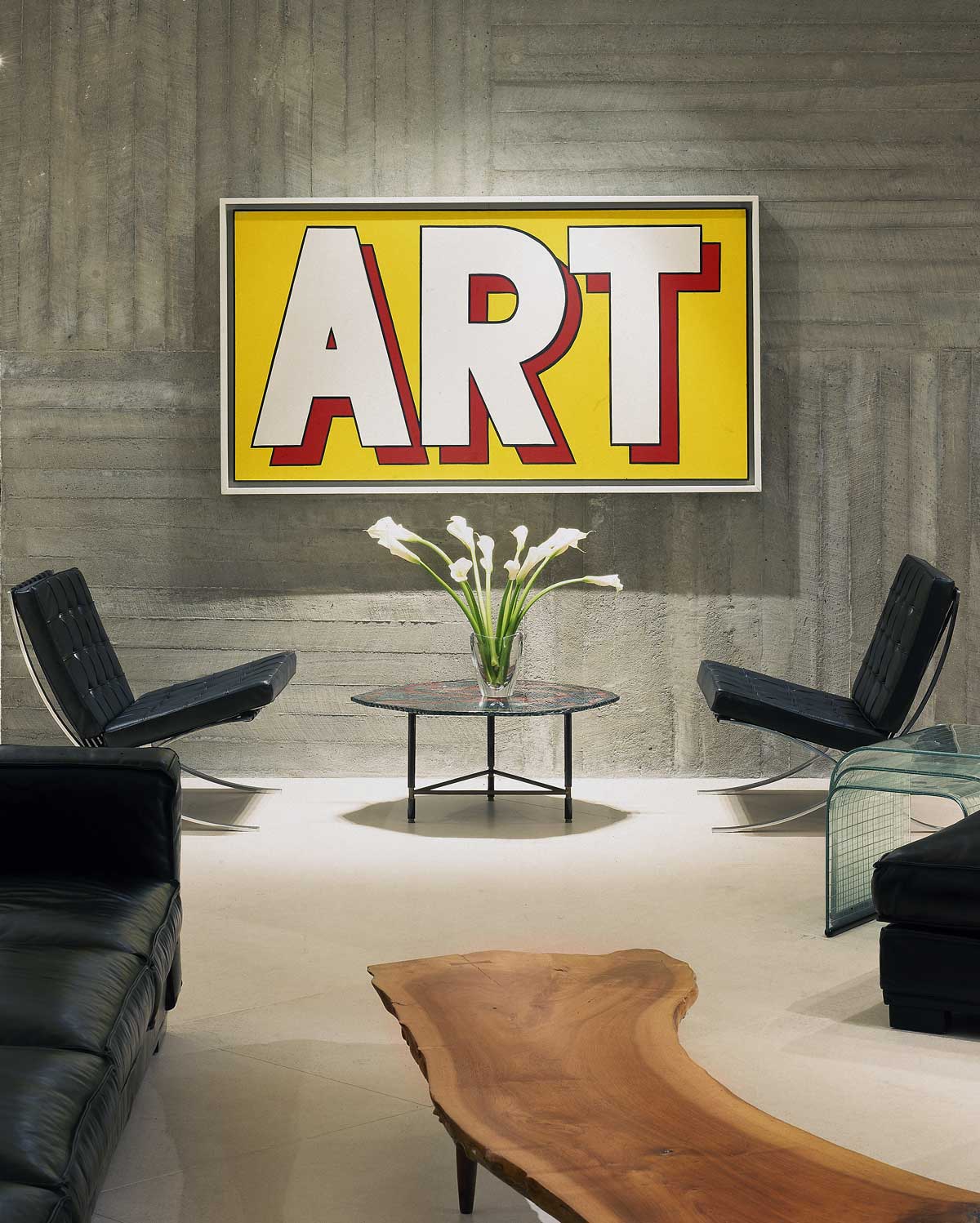
Look for classic silhouettes with excellent proportions rather than overly trendy designs. Timeless furniture styles like mid-century modern, traditional Chesterfield, or streamlined contemporary pieces remain relevant across decades. Upholstered pieces deserve particular attention; the difference between adequate and exceptional seating is immediately apparent to anyone who sits down.
Lighting Design
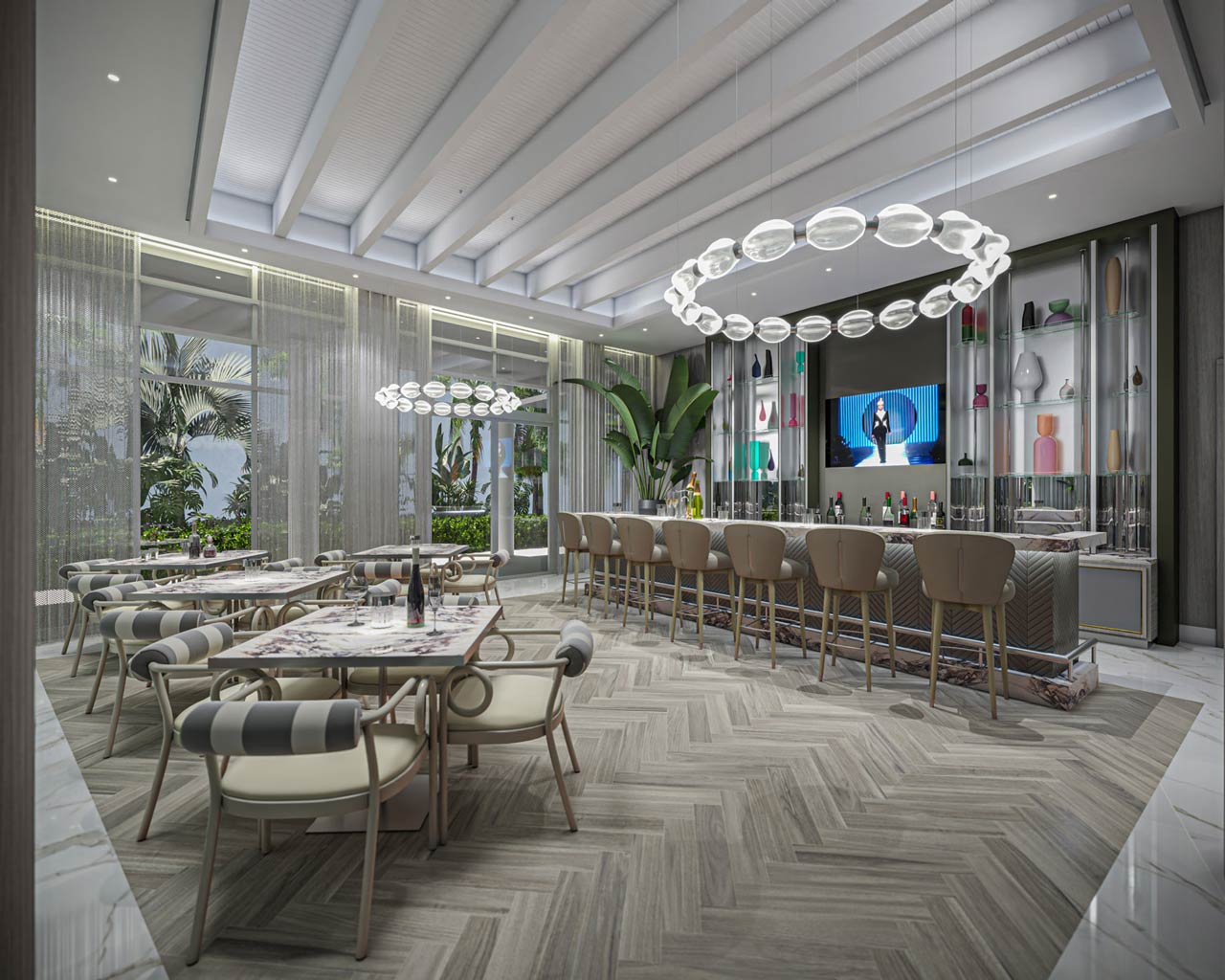
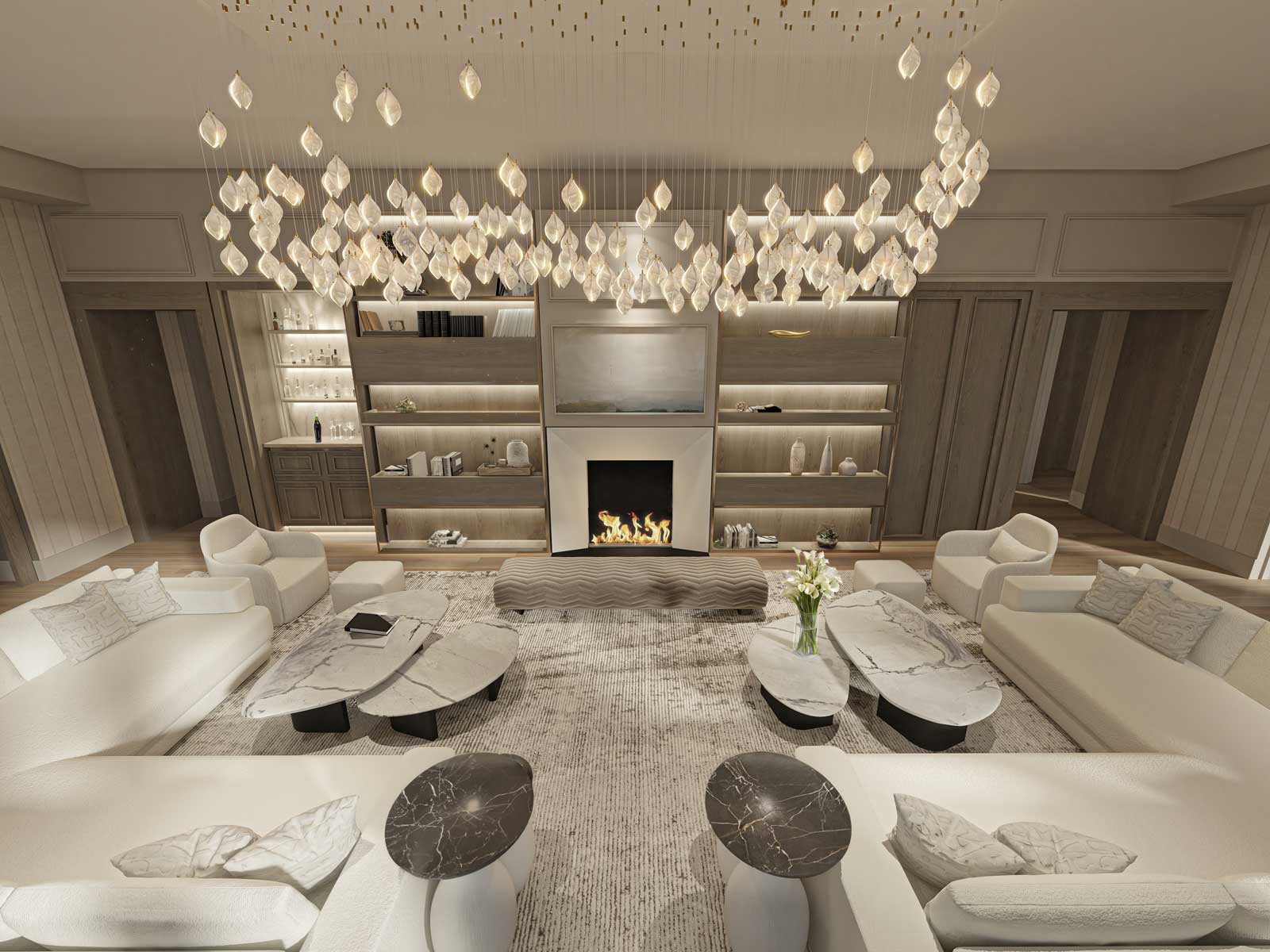
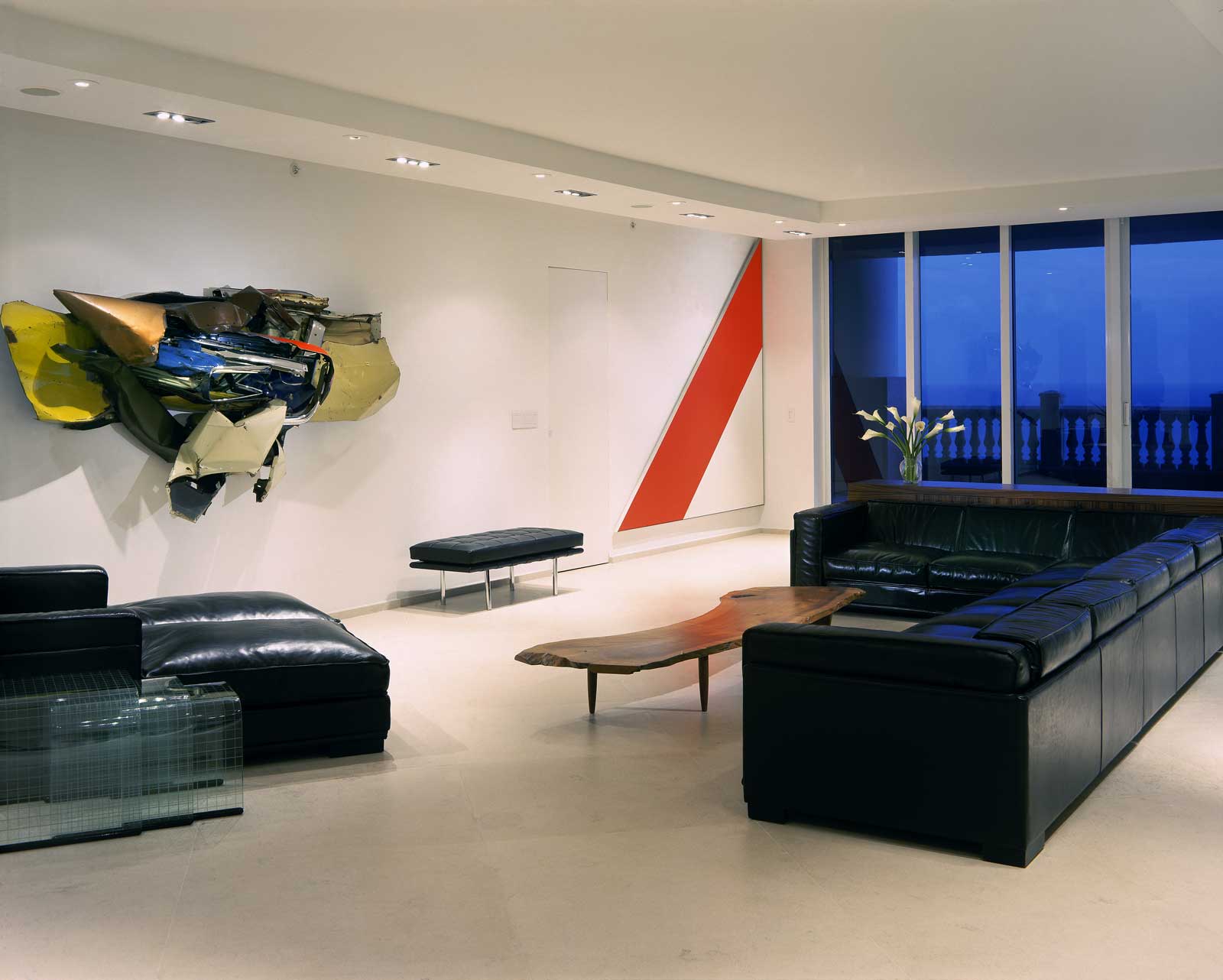
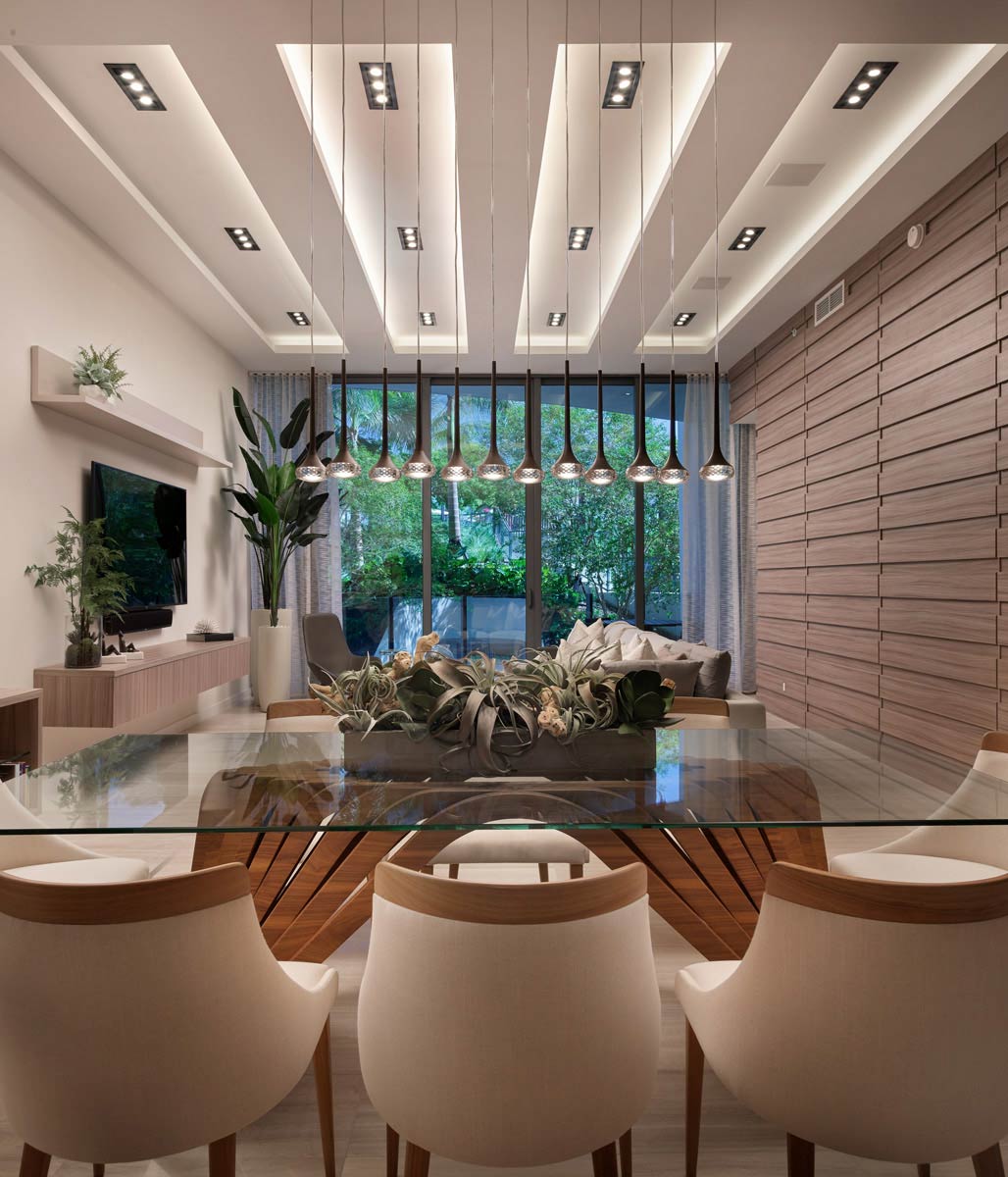
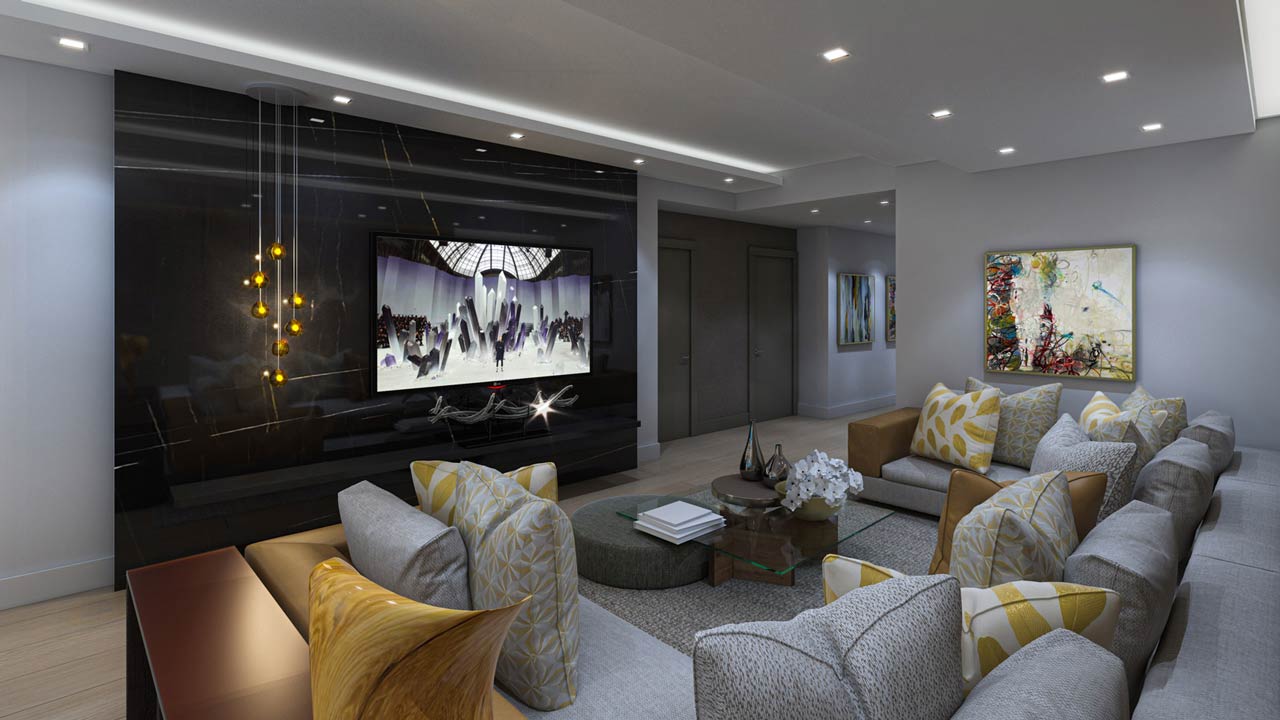
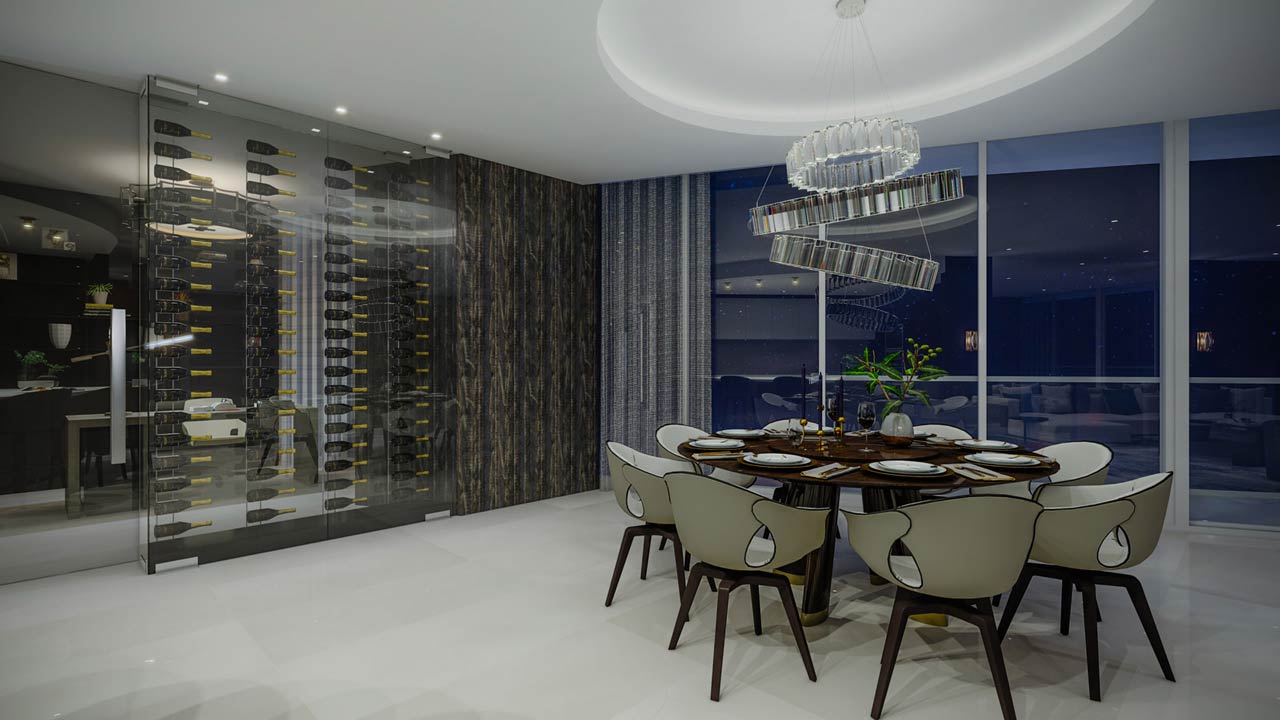
Perhaps no element impacts ambiance more dramatically than lighting. Five-star environments employ layered lighting schemes that include ambient, task, and accent lighting, all controlled through dimmers for maximum flexibility. Natural light should be maximized during daytime hours through unobstructed windows and reflective surfaces.
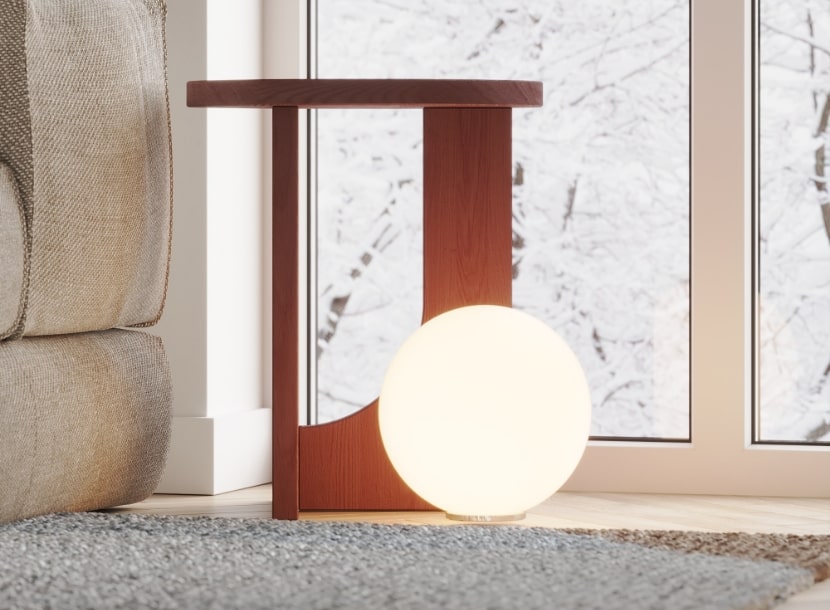
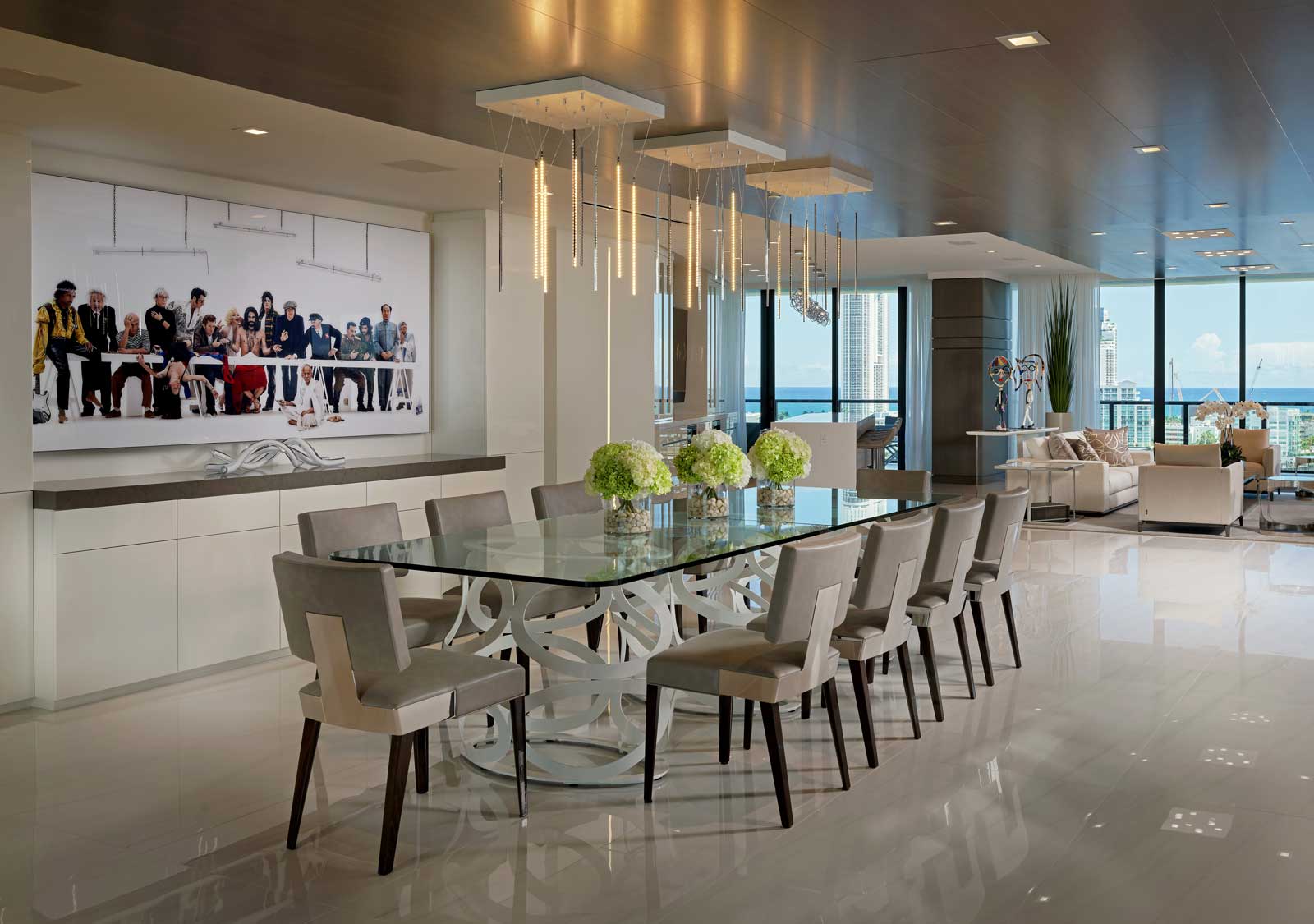
Install multiple light sources at varying heights throughout each room. Table lamps, floor lamps, sconces, pendant lights, and recessed lighting each serve different purposes and create dimensional illumination. Warm-toned bulbs typically feel more luxurious than cool white light, creating an inviting glow rather than harsh brightness.
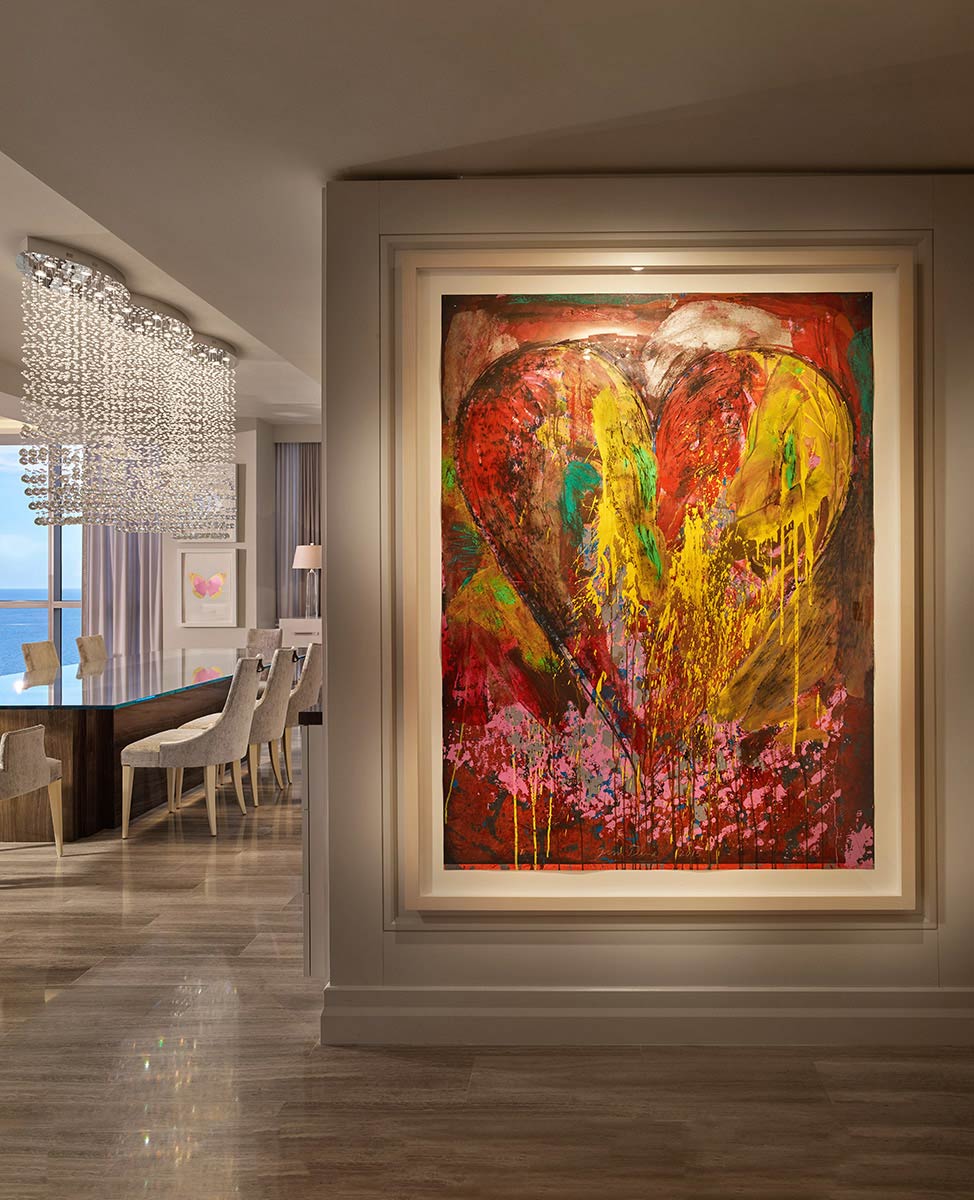
Consider the color rendering properties of your light sources. High-quality bulbs reproduce colors accurately, ensuring that your carefully selected palette appears as intended. Architectural lighting that highlights artwork, plants, or interesting architectural details adds drama and sophistication.
Window Treatments and Privacy
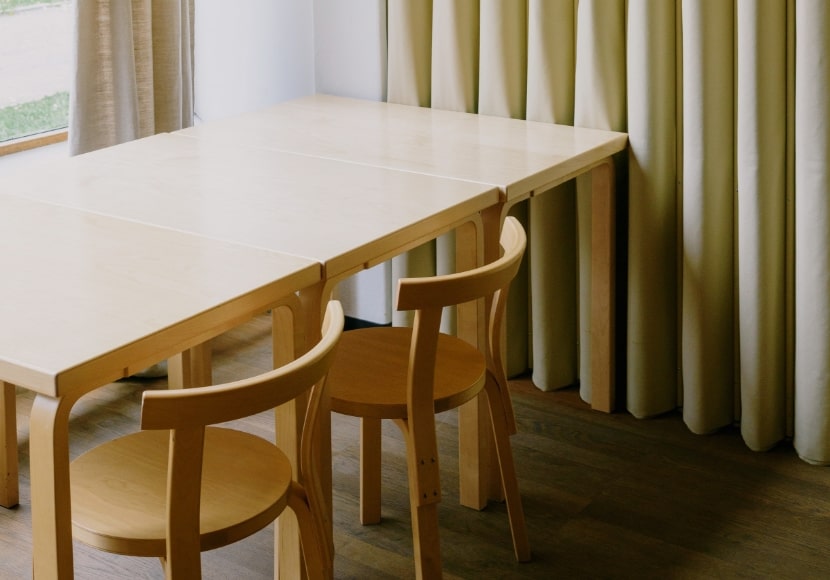
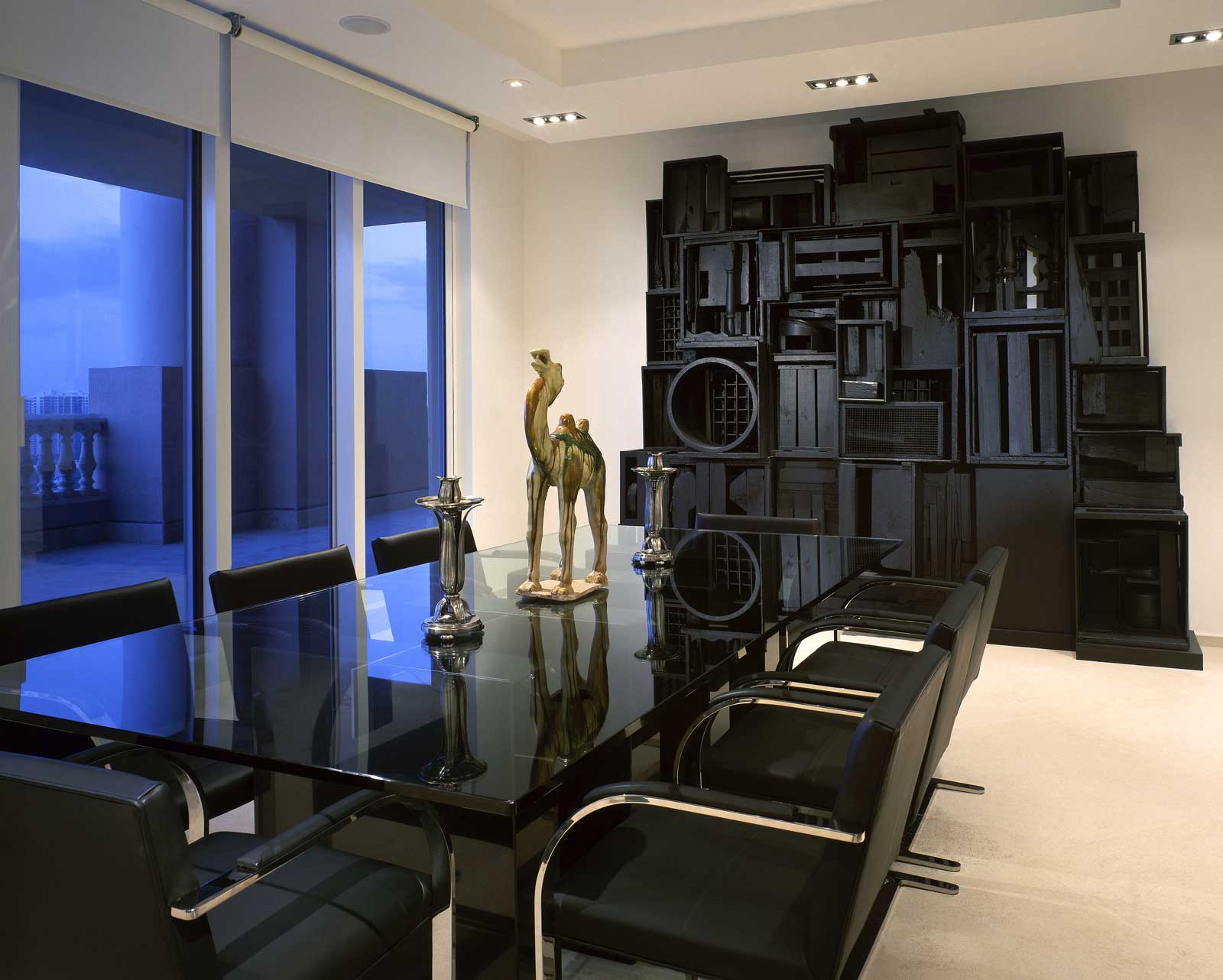
Luxurious window treatments provide light control, privacy, and acoustic softening while framing views beautifully. Floor-length draperies in quality fabrics create vertical lines that make rooms appear taller. Layer sheers beneath heavier curtains for versatility throughout the day.
For a contemporary look, consider motorized shades that disappear at the touch of a button, providing clean lines when open and complete privacy when closed. Whatever style you choose, ensure treatments are custom-fitted rather than standard sizes, as this precision immediately elevates the appearance of any room.
The Sensory Experience
Scent and Air Quality
Luxury hotels understand that signature scents create lasting impressions and emotional responses. Develop your own olfactory identity through high-quality candles, diffusers, or fresh flowers. Avoid overwhelming artificial fragrances in favor of subtle natural scents like lavender, eucalyptus, cedar, or citrus.
Prioritize air quality through proper ventilation, air purification systems, and humidity control. Fresh, clean air contributes enormously to the feeling of well-being and luxury. Incorporate living plants that naturally filter air while adding life and beauty to your spaces.
Sound Design
Consider the acoustic environment throughout your retreat. Soft surfaces like rugs, upholstered furniture, and curtains absorb sound and prevent echoes, creating a quiet sanctuary. Install quality sound systems for music throughout your space, ensuring speakers are discreetly integrated rather than visually intrusive.
White noise machines, water features, or subtle background music can mask urban noise and create a cocoon of tranquility. In bedrooms, prioritize silence through soundproofing measures if external noise poses challenges.
Creating Specialized Zones
The Spa-Inspired Bathroom
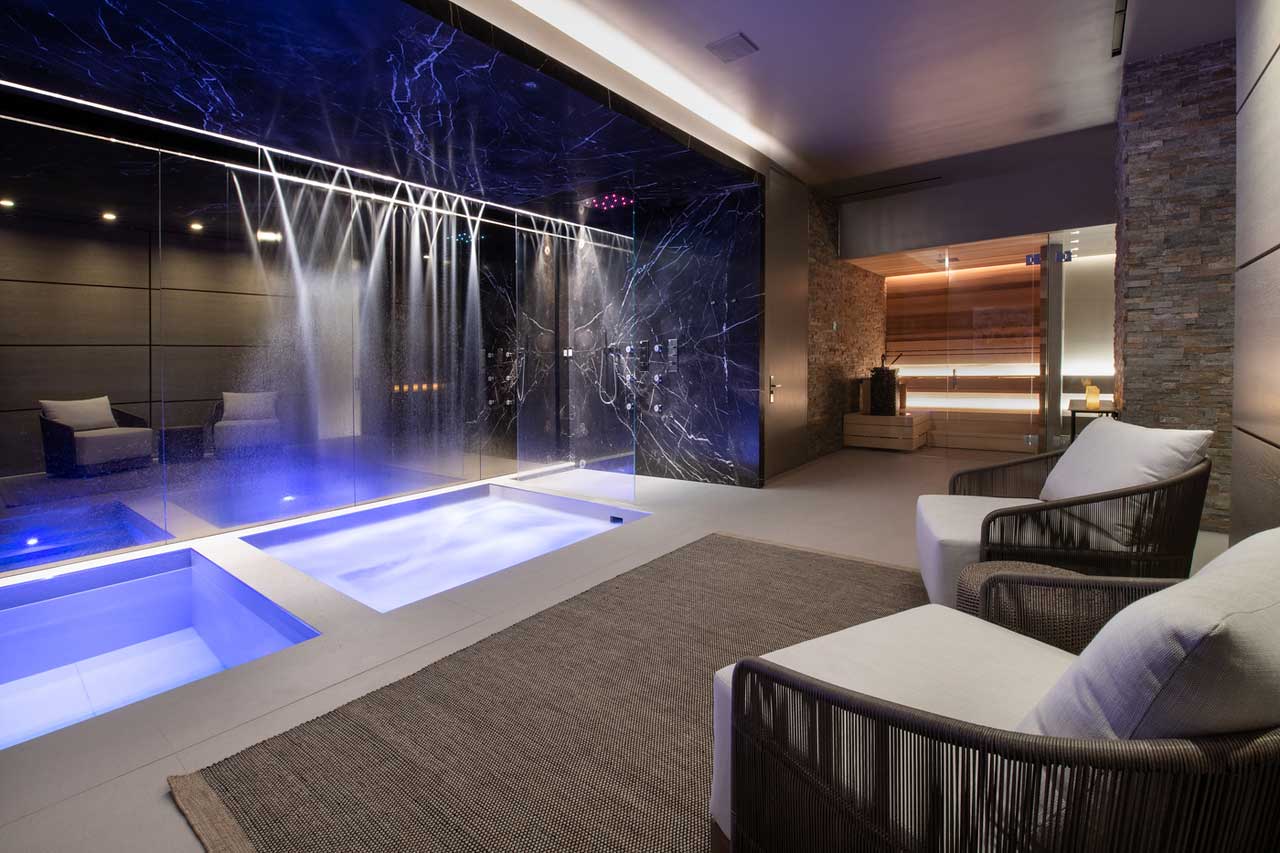
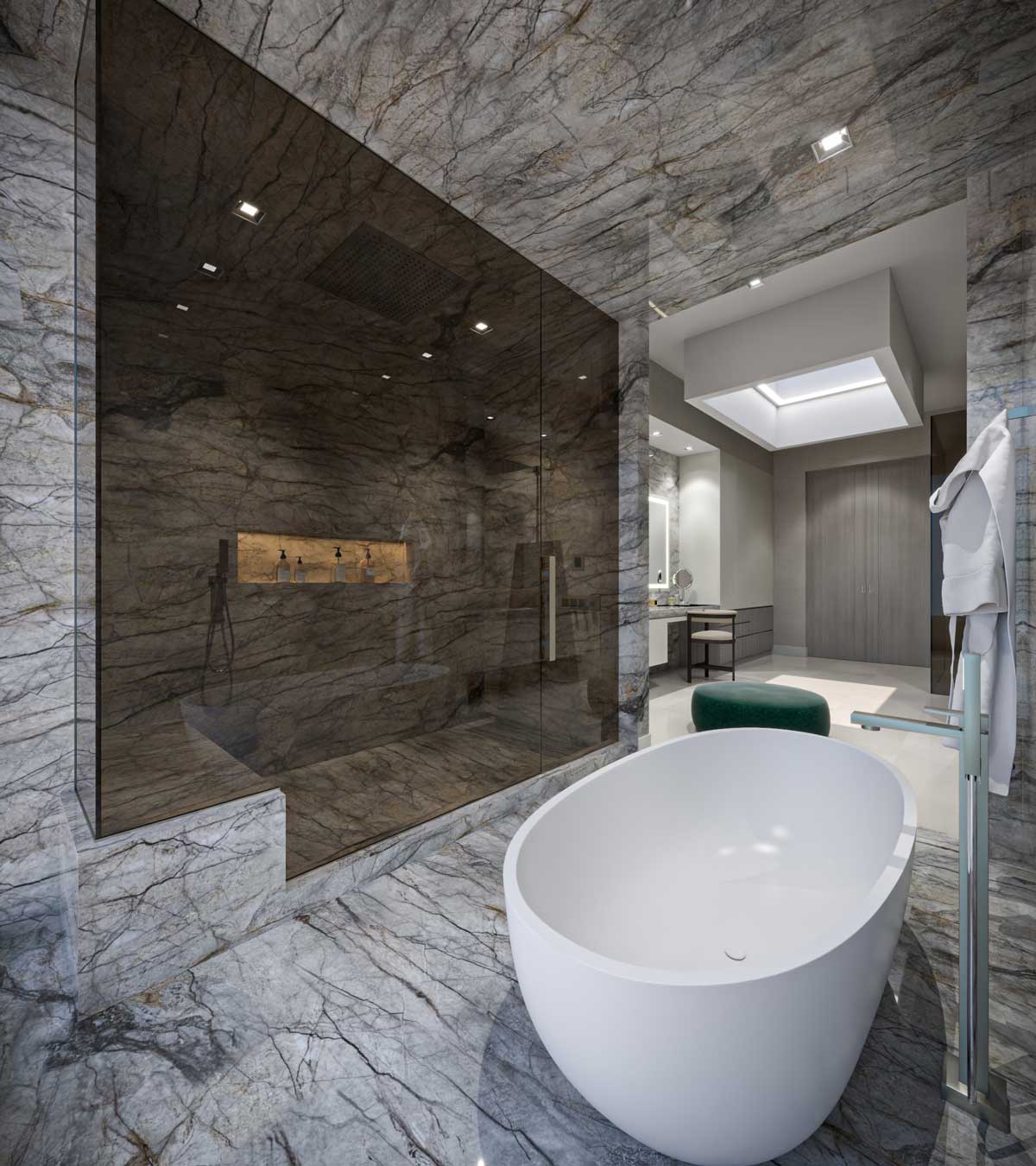
Transform your bathroom into a personal spa through heated floors, a spacious walk-in shower with multiple showerheads, a soaking tub positioned to maximize views or privacy, and ample storage to maintain clean countertops. Install dimmer switches and consider chromotherapy lighting for evening baths.
Select ultra-plush towels, a comfortable robe, and slippers that remain in your bathroom exclusively. Display luxury bath products in attractive containers and keep surfaces clutter-free through hidden storage solutions. A small stool or bench provides a place to sit while applying lotions or simply relaxing in the steam after a shower.
The Bedroom Sanctuary
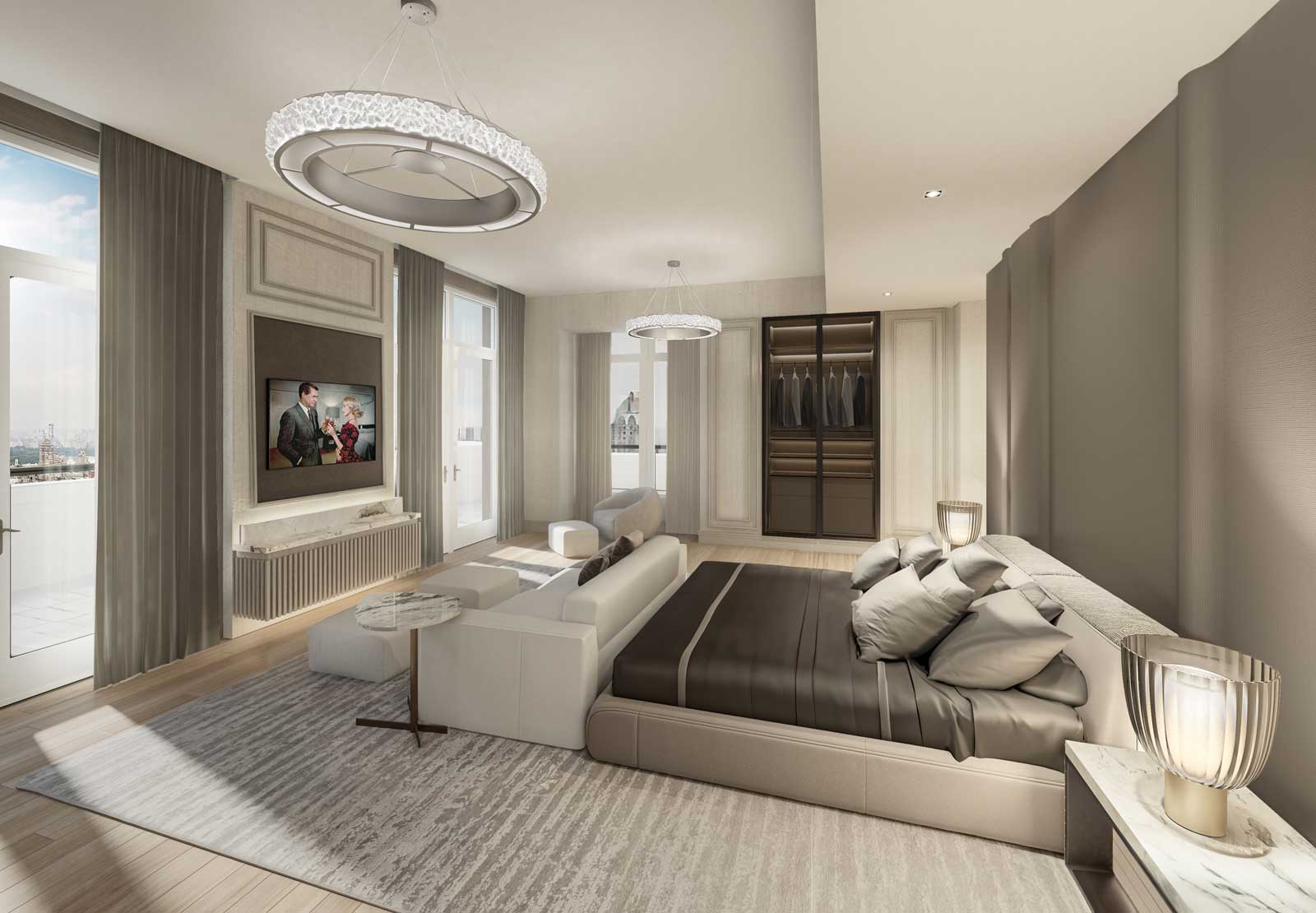
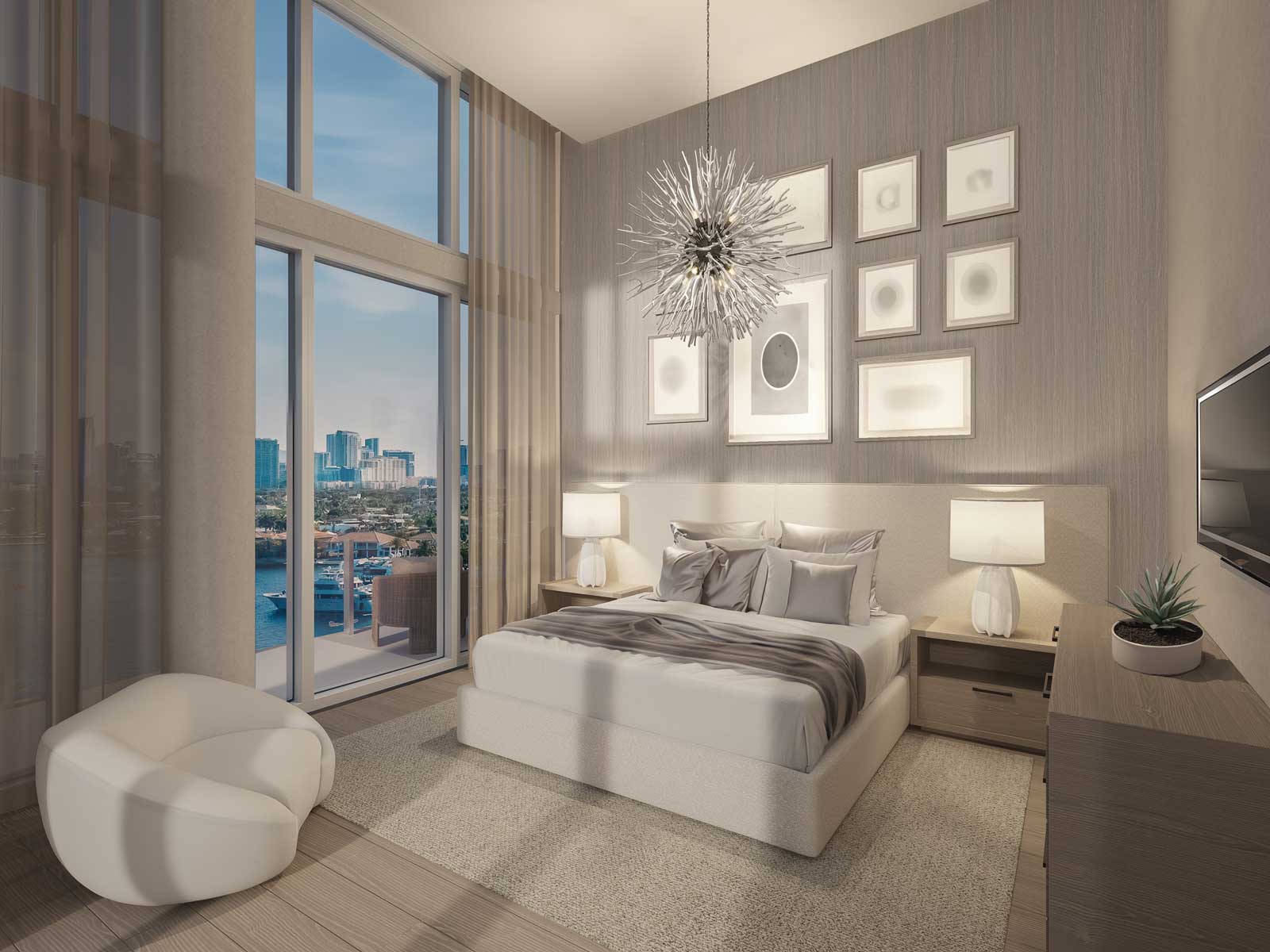
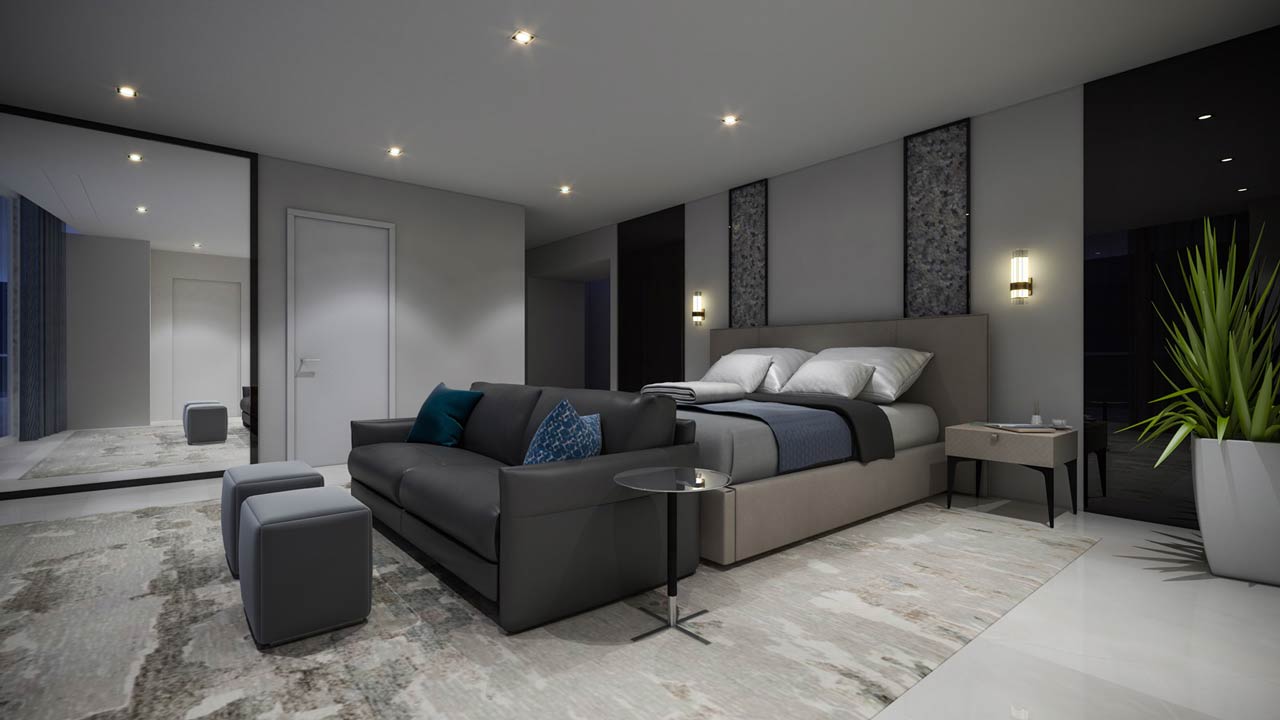
Your bedroom deserves your greatest investment in quality. A superior mattress, high-thread-count sheets in natural fibers, supportive pillows, and a substantial duvet or coverlet create the foundation for restorative sleep. Layer bedding for visual richness and adjustable warmth.
Bedside tables should accommodate everything needed within arm’s reach: lighting, a carafe of water, a small clock, and perhaps a book or journal. Ensure adequate storage throughout the room so clothing and personal items remain out of sight, maintaining the serene atmosphere essential for rest.
Outdoor Retreats
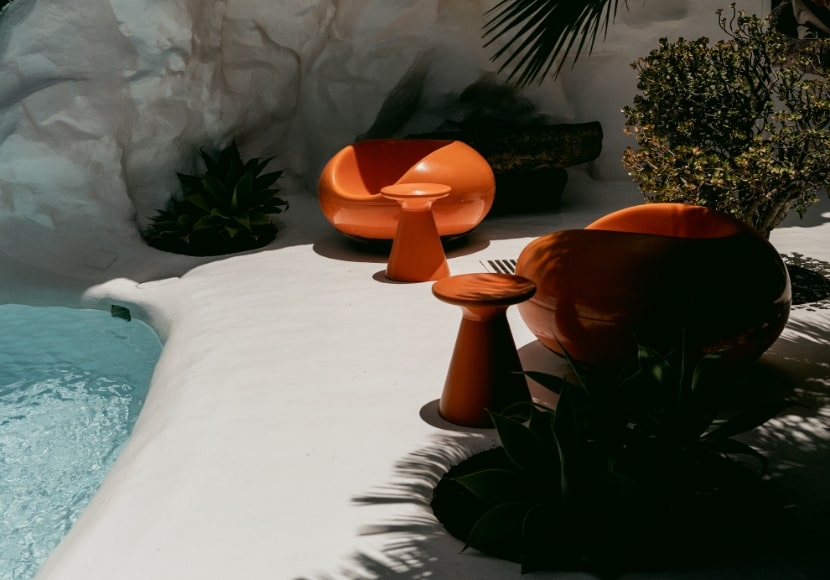
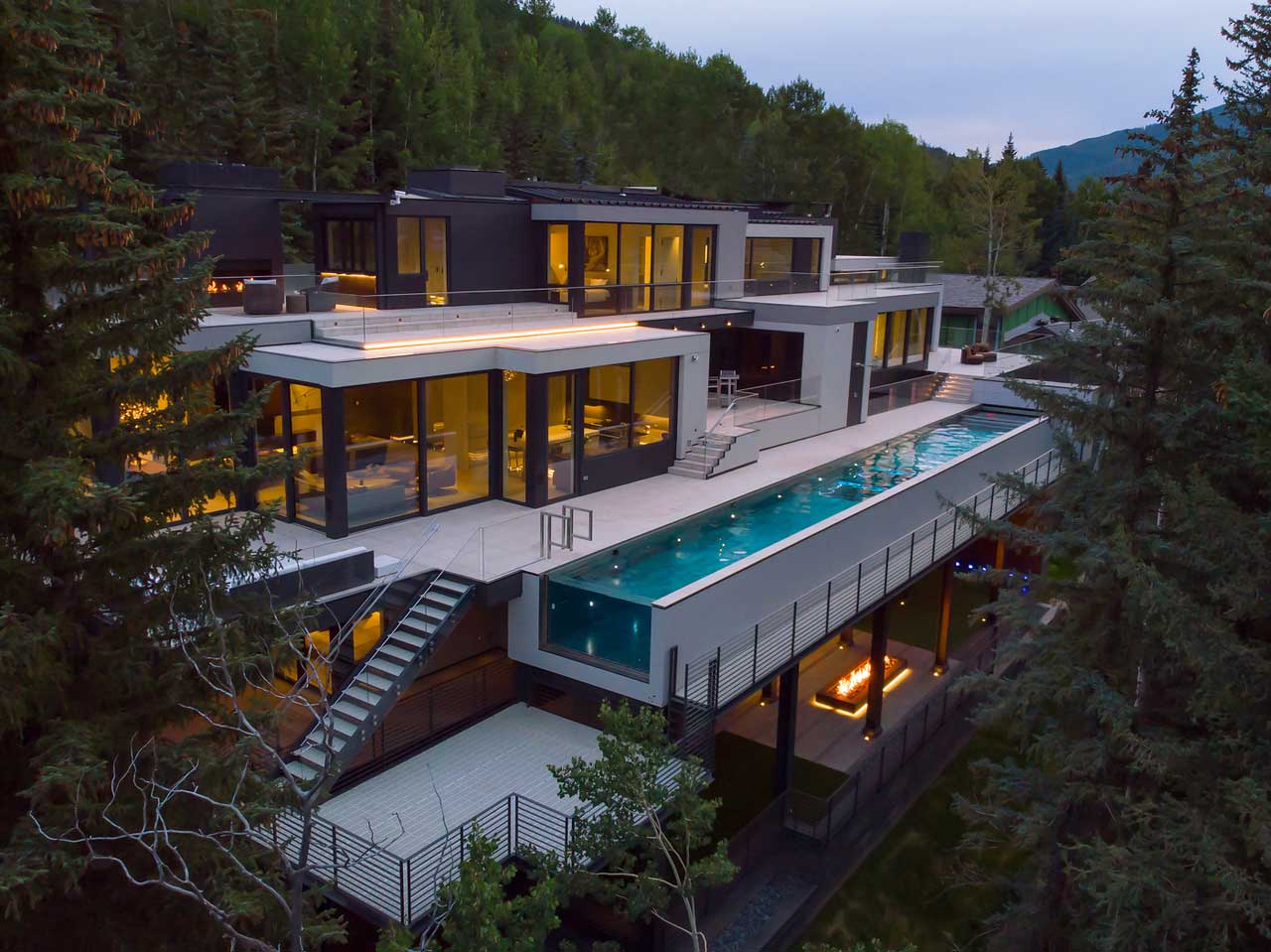
If you have outdoor space, treat it as an extension of your interior retreat. Comfortable seating with weather-resistant cushions, ambient lighting through lanterns or string lights, and perhaps a fire feature create an inviting outdoor room. Privacy screening through plantings or elegant fencing ensures seclusion.
Consider the transitions between indoor and outdoor spaces. Large sliding or folding doors blur boundaries and allow natural ventilation. Maintain consistent flooring materials or complementary styles that visually connect the two areas.
Maintaining Your Retreat
Systems and Organization
Luxury requires maintenance. Develop systems that keep your retreat pristine without consuming all your time. Adequate storage prevents clutter accumulation, while regular cleaning schedules maintain freshness. Invest in quality cleaning tools and products that make maintenance easier rather than viewing them as afterthoughts.
Organizational systems should be invisible but highly functional. Custom closets, drawer dividers, and hidden storage ensure everything has a designated place. When items lack homes, clutter inevitably accumulates and disrupts the serene environment you’ve created.
Evolution and Refresh
Even well-designed spaces benefit from occasional refresh. Rotate artwork, update textile colors seasonally, rearrange furniture to optimize flow, or introduce new accessories that reflect your evolving tastes. These changes keep your retreat feeling dynamic and personally relevant rather than static.
Conclusion
Designing your own five-star retreat represents an investment in your wellbeing and quality of life. By approaching the project thoughtfully, prioritizing quality and comfort, and creating spaces that truly reflect your vision of luxury, you can craft a home that provides daily restoration and joy. The journey from concept to completion requires patience and attention to detail, but the result—a personal sanctuary that rivals the world’s finest hotels—makes every effort worthwhile. Whether you tackle this transformation independently or work with a professional home interior decorator, the key is maintaining your vision while ensuring every detail contributes to your ideal retreat.
Contact us today for a consultation. Let’s discuss how we can turn your home into the five-star retreat you’ve been dreaming of—a personal sanctuary where every day feels like a luxurious escape. Your retreat awaits creation, and we’re ready to make it a reality.
Frequently Asked Questions
How much should I budget for creating a luxury retreat?
Budgets vary enormously based on the scope of your project, existing conditions, and quality expectations. Prioritize foundational elements like quality furniture, superior bedding, and architectural improvements before accessories. Even modest budgets can achieve luxury through careful selection and prioritizing quality over quantity.
Can I create a five-star retreat in a small space?
Absolutely. Luxury isn’t about square footage but about attention to detail and quality. Small spaces often feel more intimate and cozy when designed well. Focus on multi-functional furniture, excellent lighting, mirrors to expand perceived space, and ruthless editing to prevent clutter.
Should I hire professionals or design it myself?
This depends on your skills, available time, and project complexity. Interior designers bring expertise in space planning, material selection, and avoiding costly mistakes. However, many people successfully create beautiful spaces independently through research and careful planning. Consider consulting professionals for specific challenges like lighting design or furniture layouts while handling other aspects yourself.
How do I maintain luxury without constant effort?
Design for ease of maintenance from the beginning. Choose durable materials appropriate for their use, install adequate storage to prevent clutter, and establish simple routines for daily tidying. Quality items typically require less maintenance than cheaper alternatives that constantly need replacement.
What if my budget doesn’t allow for everything at once?
Phase your project strategically. Start with the spaces you use most or the improvements that will have the greatest impact on your daily life. Creating one truly beautiful room is more satisfying than spreading resources too thin across multiple spaces. Add elements gradually as budget allows, ensuring each addition maintains the overall vision.
How can I make my retreat feel personal rather than generic?
Incorporate meaningful objects, artwork that resonates emotionally, collections that tell your story, and custom elements that reflect your specific needs. Avoid overly matchy-matchy design schemes in favor of curated collections that have been thoughtfully assembled over time. Your unique perspective and experiences should shine through in every design decision.