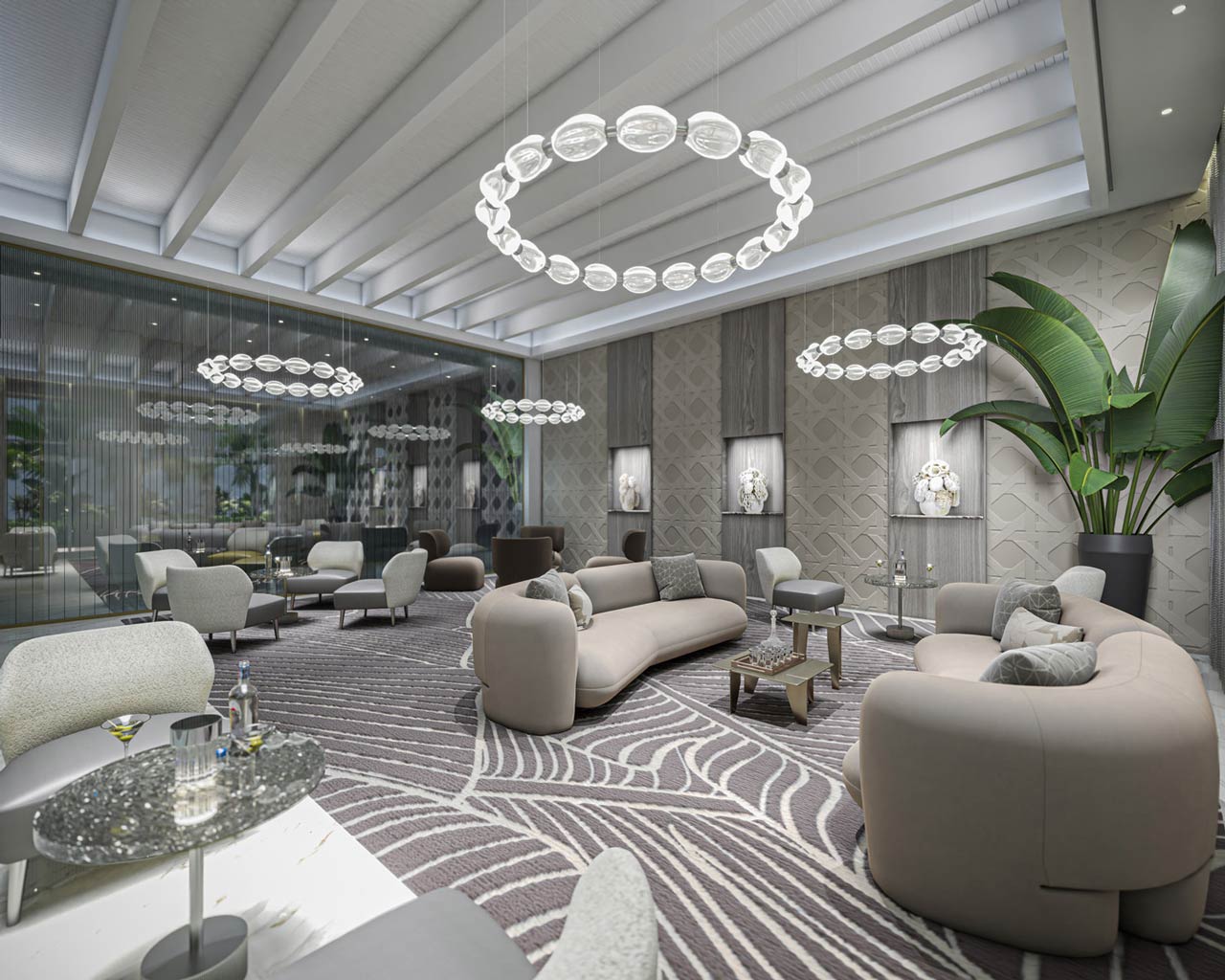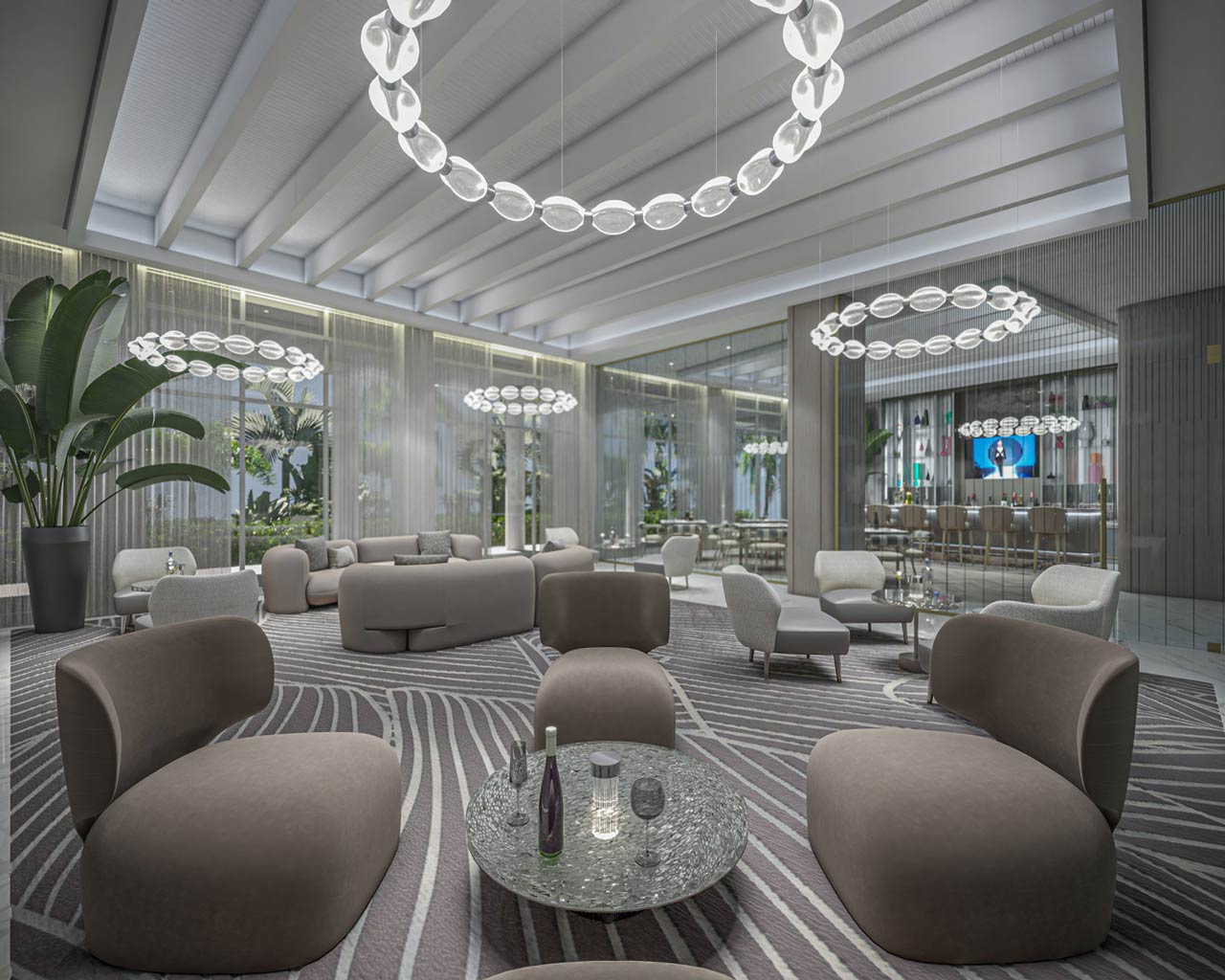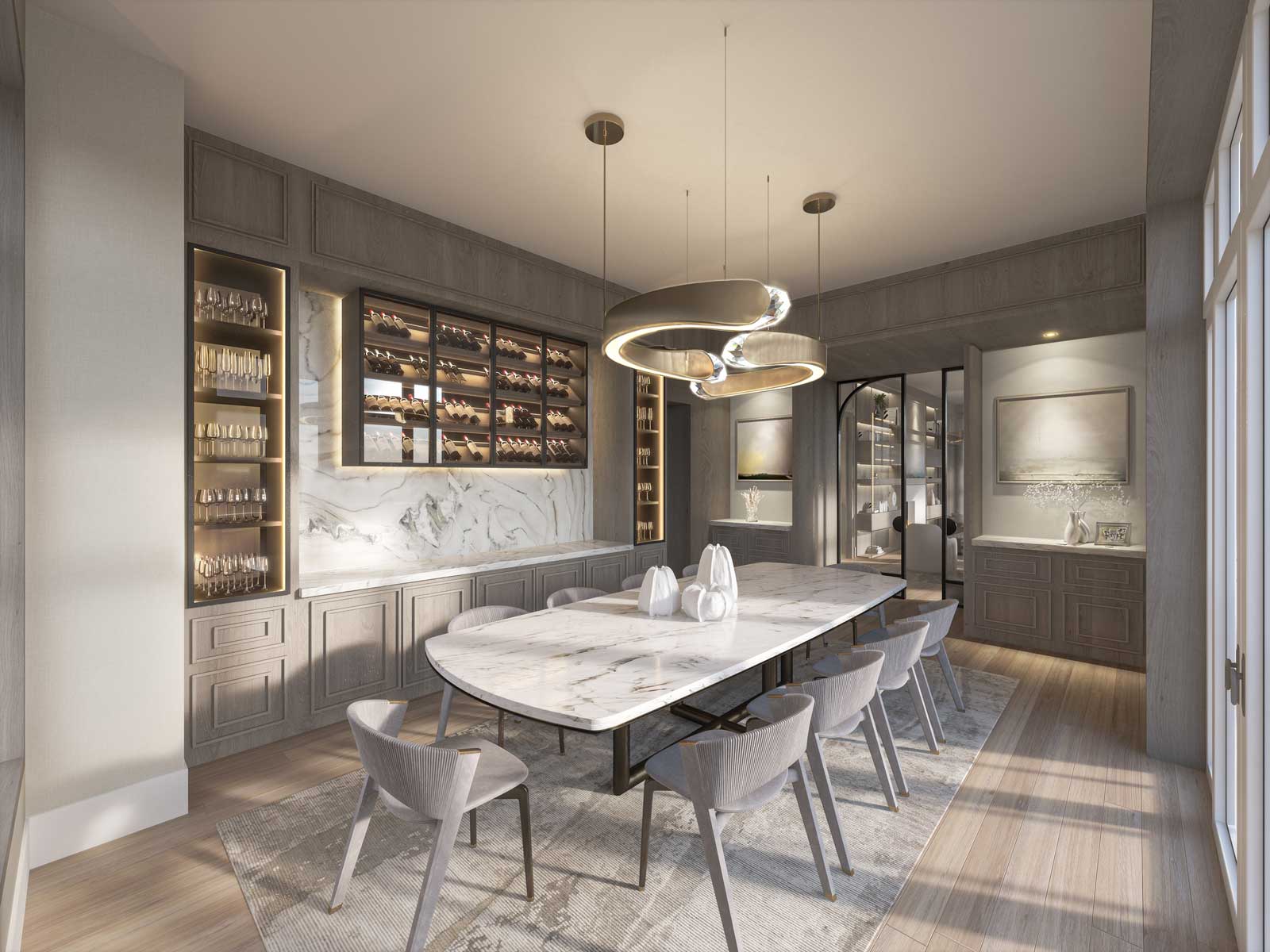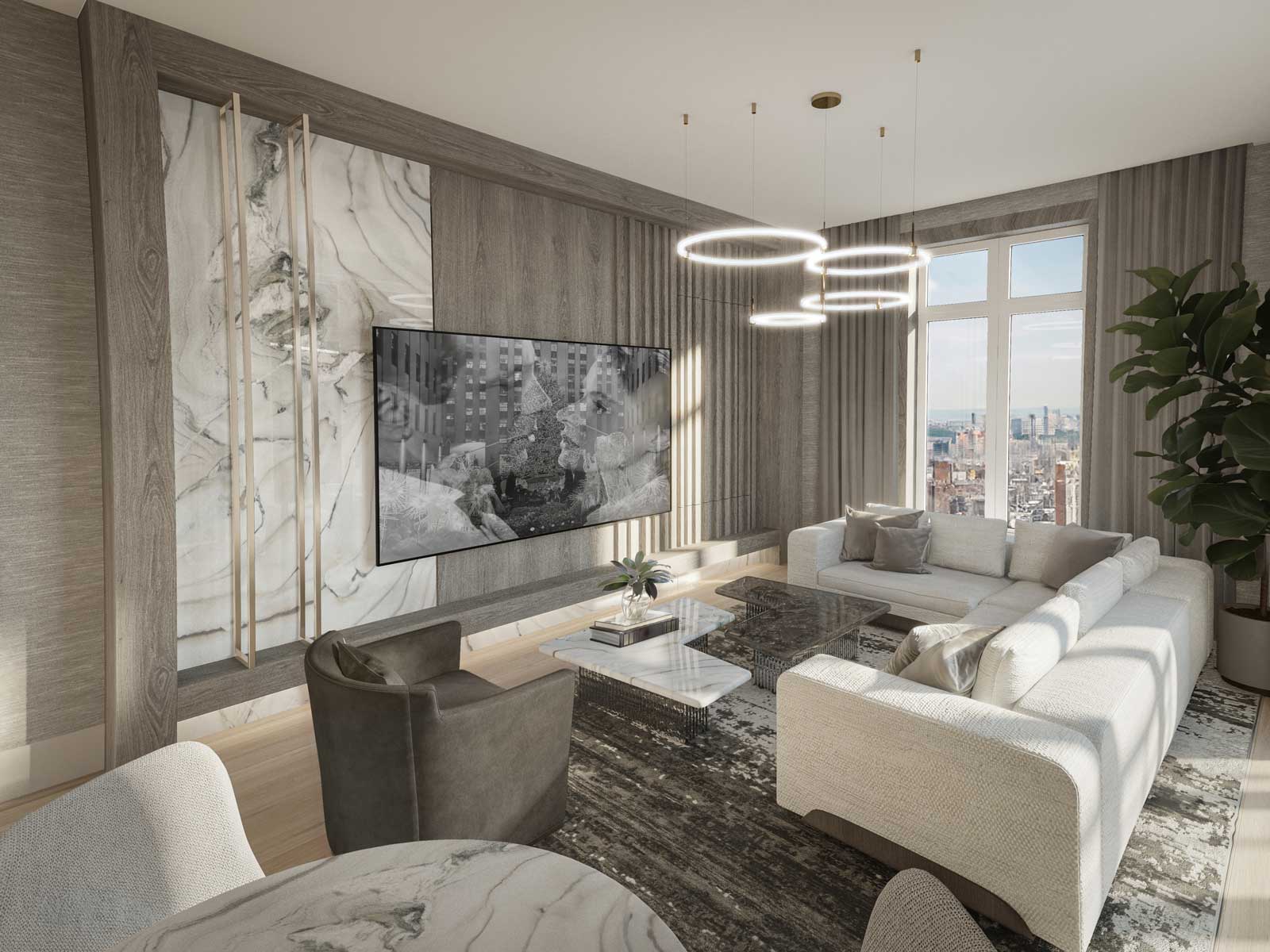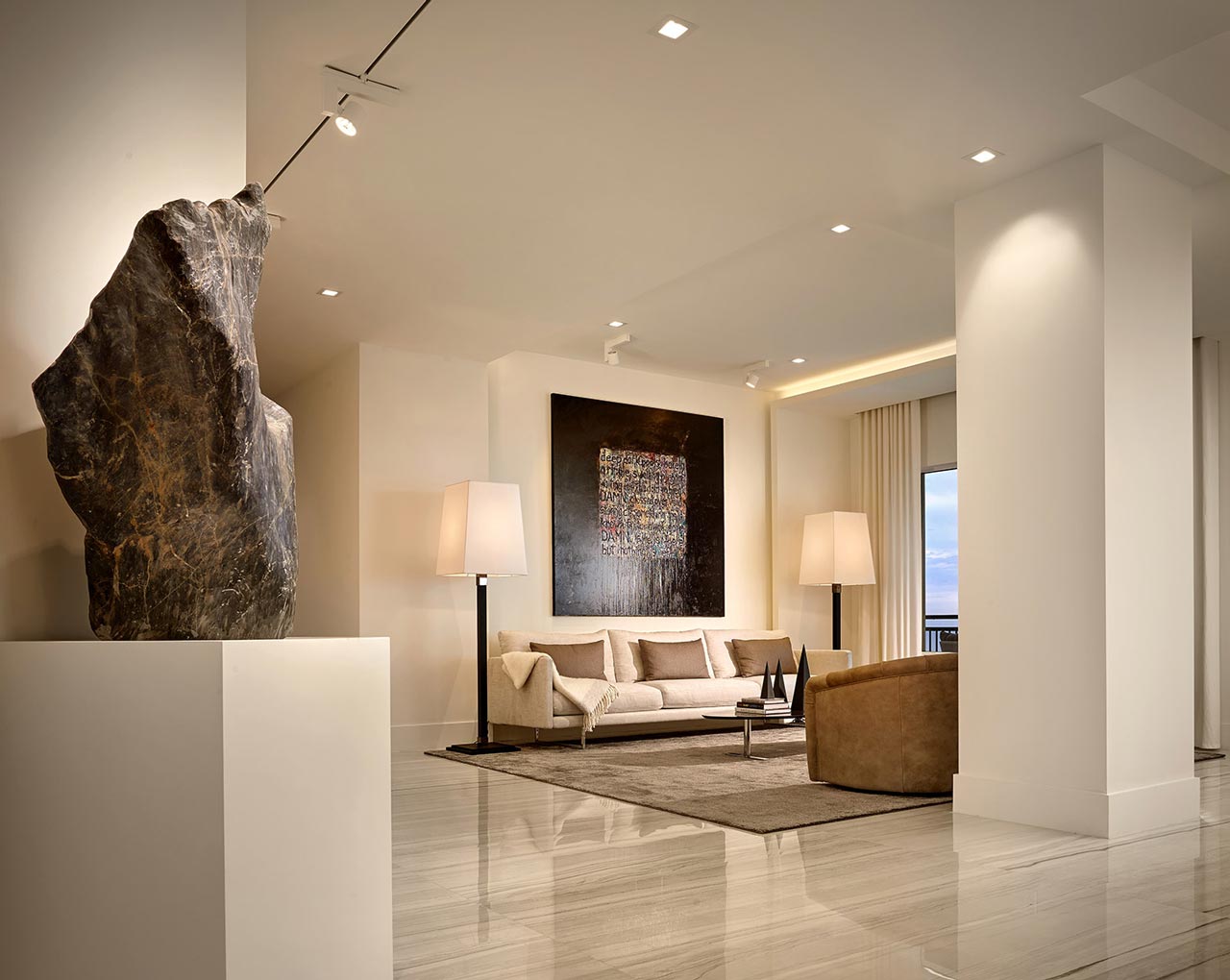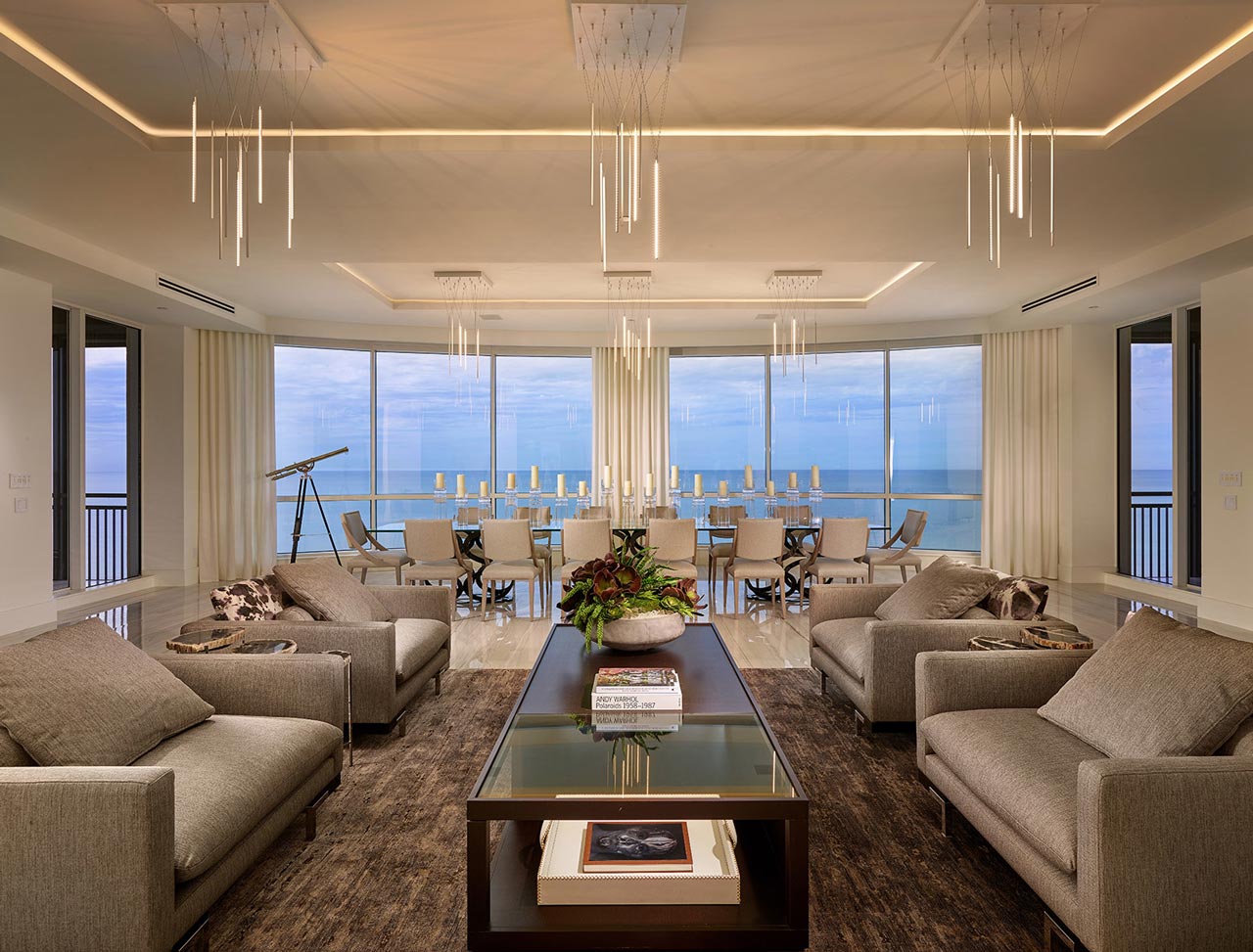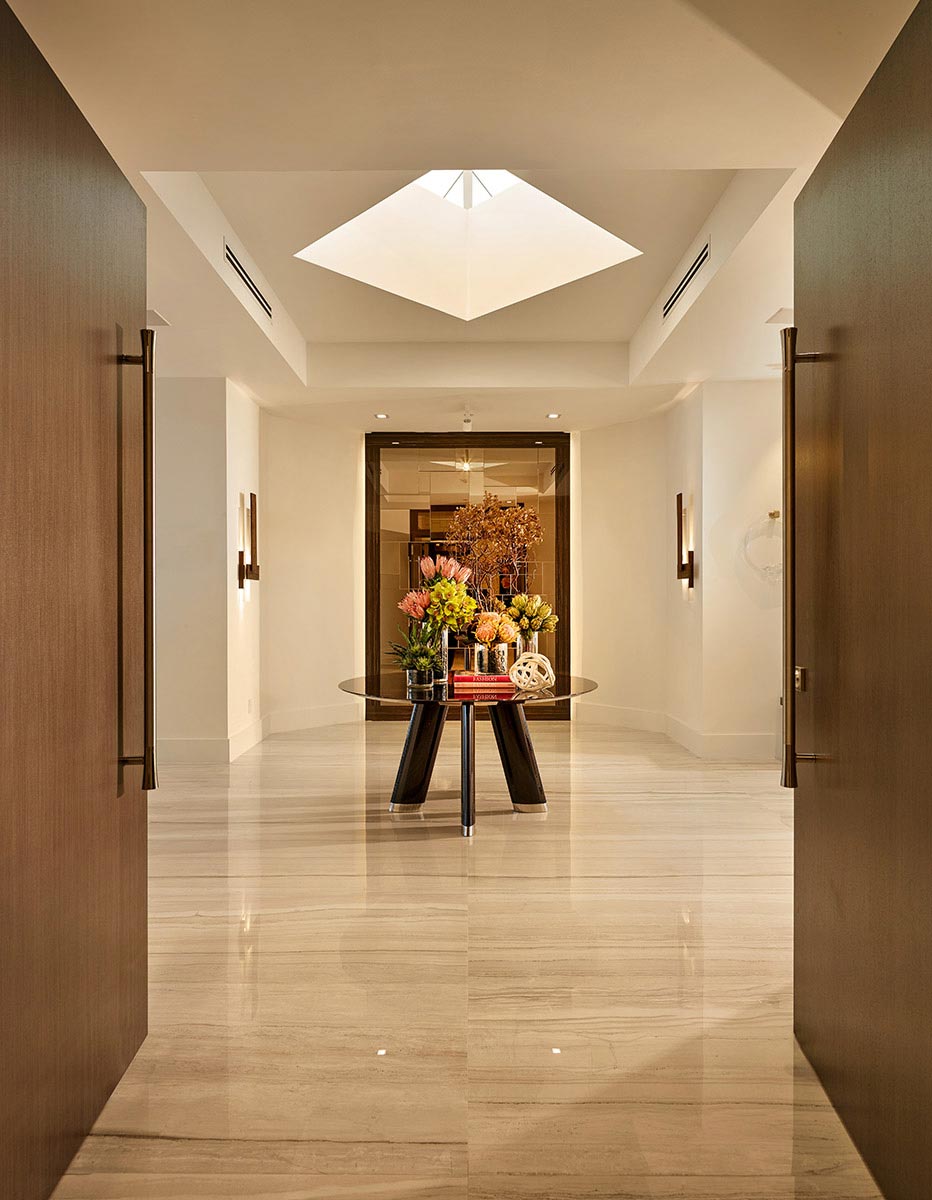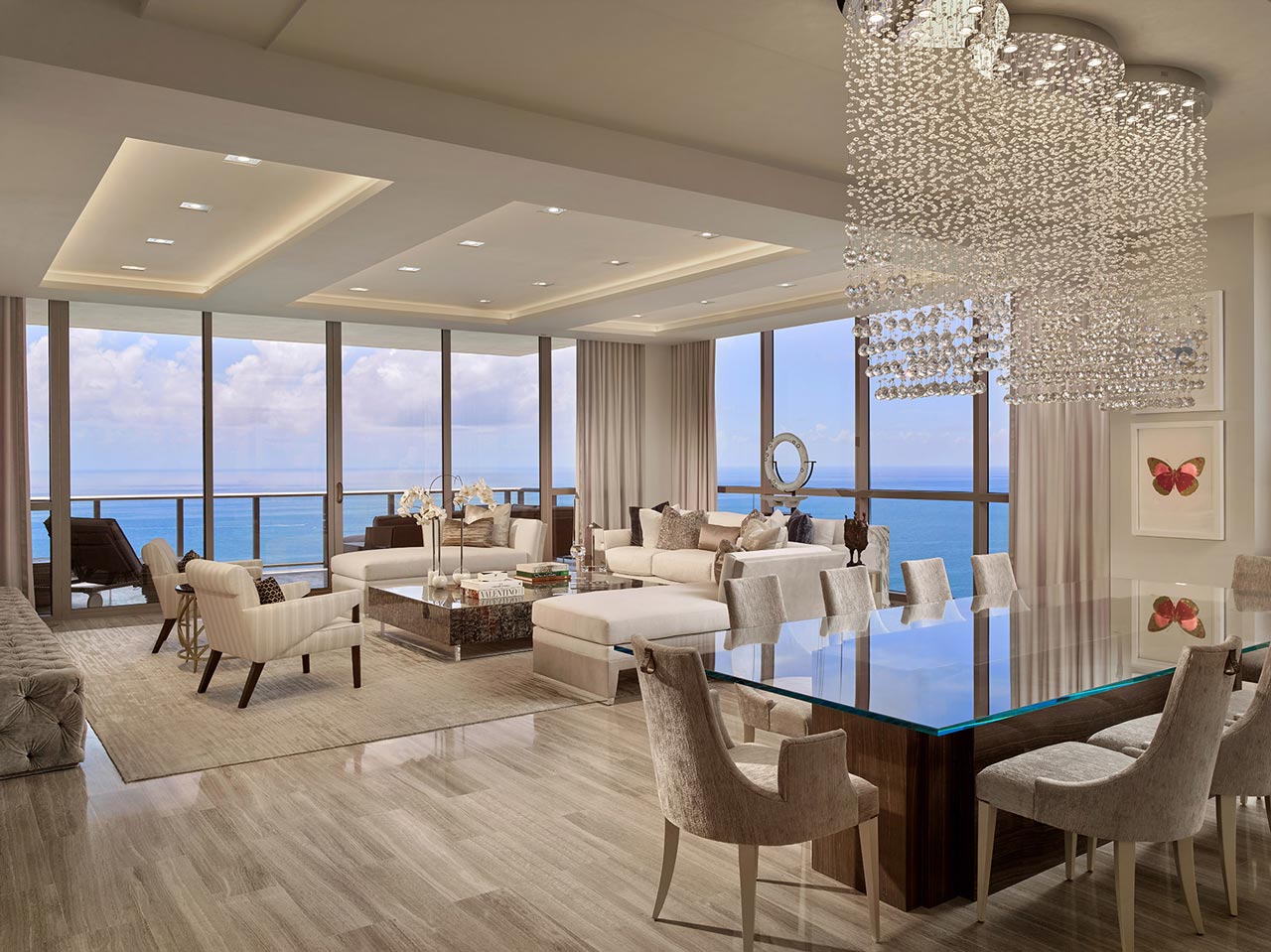




Transforming a house into a home requires more than just arranging furniture and choosing paint colors. The interior design process is a thoughtful journey that combines creativity, functionality, and personal style to create spaces that truly reflect who you are. Whether you’re redesigning a single room or tackling an entire home renovation, understanding the step-by-step process will help you achieve results that are both beautiful and livable.
Understanding Your Vision and Goals
The foundation of any successful design project begins with clarity. Before selecting fabrics or browsing furniture showrooms, take time to understand what you want to achieve. This initial phase involves honest reflection about how you use your space, what frustrates you about your current layout, and what dreams you have for the transformation.
Consider your lifestyle carefully. Do you entertain frequently? Are you working from home? Do you have children or pets? These practical considerations will significantly influence every design decision that follows. A home interior decorator knows that the most stunning room in a magazine might not work for your daily life, so alignment between aesthetics and function is essential from the start.
Create a collection of inspiration that speaks to you. This might include magazine clippings, saved images from design platforms, or even photographs from your travels. Look for patterns in what attracts you—perhaps you’re drawn to clean lines and neutral palettes, or maybe you gravitate toward bold colors and eclectic mixes. Understanding these preferences will guide the entire process.
Establishing Your Budget and Timeline
Financial planning is one of the most critical steps in the design process, yet it’s often overlooked until problems arise. Setting a realistic budget early prevents heartbreak later when you fall in love with pieces you can’t afford. Your budget should account for furniture, materials, labor, and a contingency fund for unexpected expenses that inevitably arise.
Break down your budget by category. Allocate funds for major purchases like sofas and beds, then set aside amounts for lighting, window treatments, accessories, and professional services. Remember that quality often trumps quantity—investing in fewer, well-made pieces creates more impact than filling a room with mediocre items.
Timeline considerations are equally important. Design projects always take longer than expected, so build in buffer time for delays in shipping, manufacturing, or installation. Understanding that good design can’t be rushed will help manage expectations and reduce stress throughout the process.
Measuring and Assessing Your Space
Accurate measurements form the backbone of successful interior design. Before purchasing anything, document every dimension of your space, including ceiling heights, window sizes, door swings, and architectural features. Note the location of electrical outlets, switches, and any permanent fixtures that will influence furniture placement.
Pay attention to how natural light moves through your space throughout the day. Observe which areas receive morning sun versus afternoon light, and identify any dark corners that might need additional illumination. Light dramatically affects how colors appear and how comfortable a space feels.
Consider the flow of movement through your rooms. People need clear pathways to walk without bumping into furniture or feeling cramped. Think about traffic patterns and ensure that your design enhances rather than obstructs the natural flow of daily life.
Developing Your Design Concept
With your vision clarified and practical constraints understood, you can begin developing a cohesive design concept. This is where creativity flourishes as you select a style direction that resonates with your personality and suits your space. Your concept should feel authentic to you rather than following trends that don’t match your lifestyle.
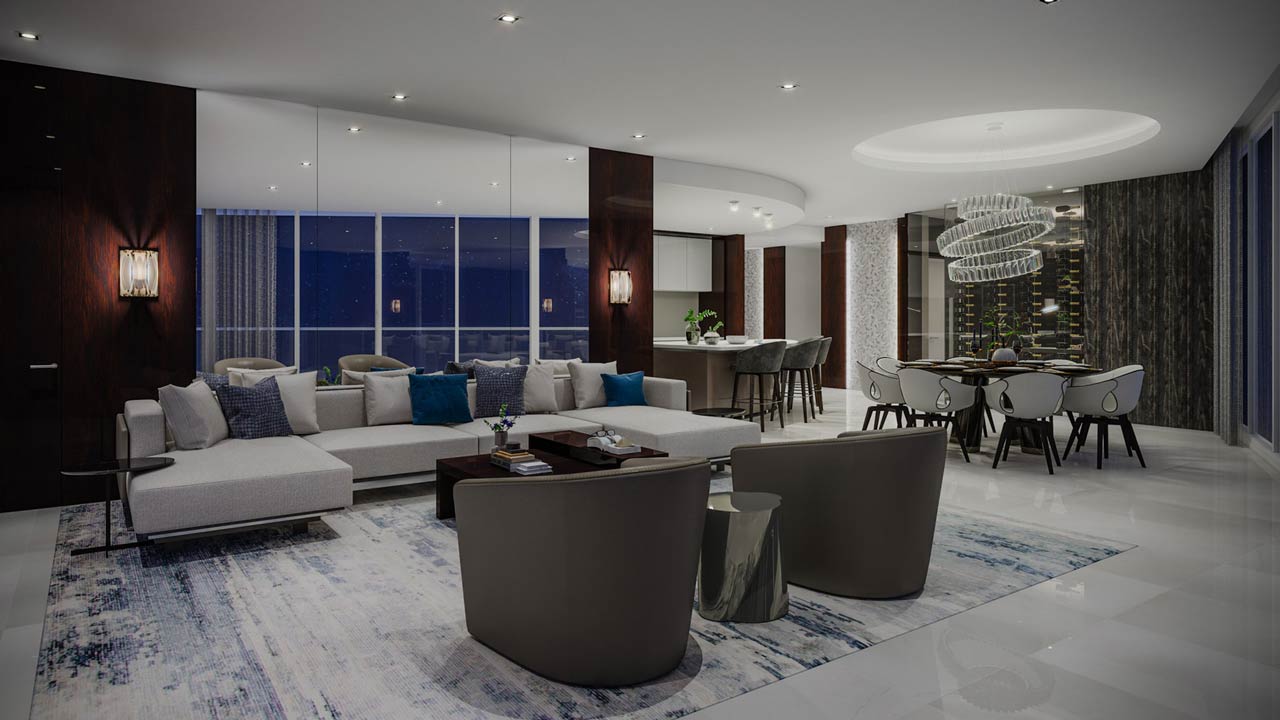
Choose a color palette that will unify your space. Many designers recommend starting with a neutral base and layering in accent colors for depth and interest. Consider how colors in one room will transition to adjacent spaces, creating visual harmony throughout your home.
Select materials and textures that complement your chosen aesthetic. Mixing different textures—smooth with rough, soft with hard, matte with glossy—adds dimension and prevents spaces from feeling flat or one-dimensional. These tactile elements contribute significantly to the overall sensory experience of a room.
Creating Your Floor Plan and Layout
Armed with accurate measurements and a clear design concept, you can now arrange your space thoughtfully. Floor planning involves determining where each piece of furniture will live and ensuring that the arrangement supports both aesthetics and functionality.
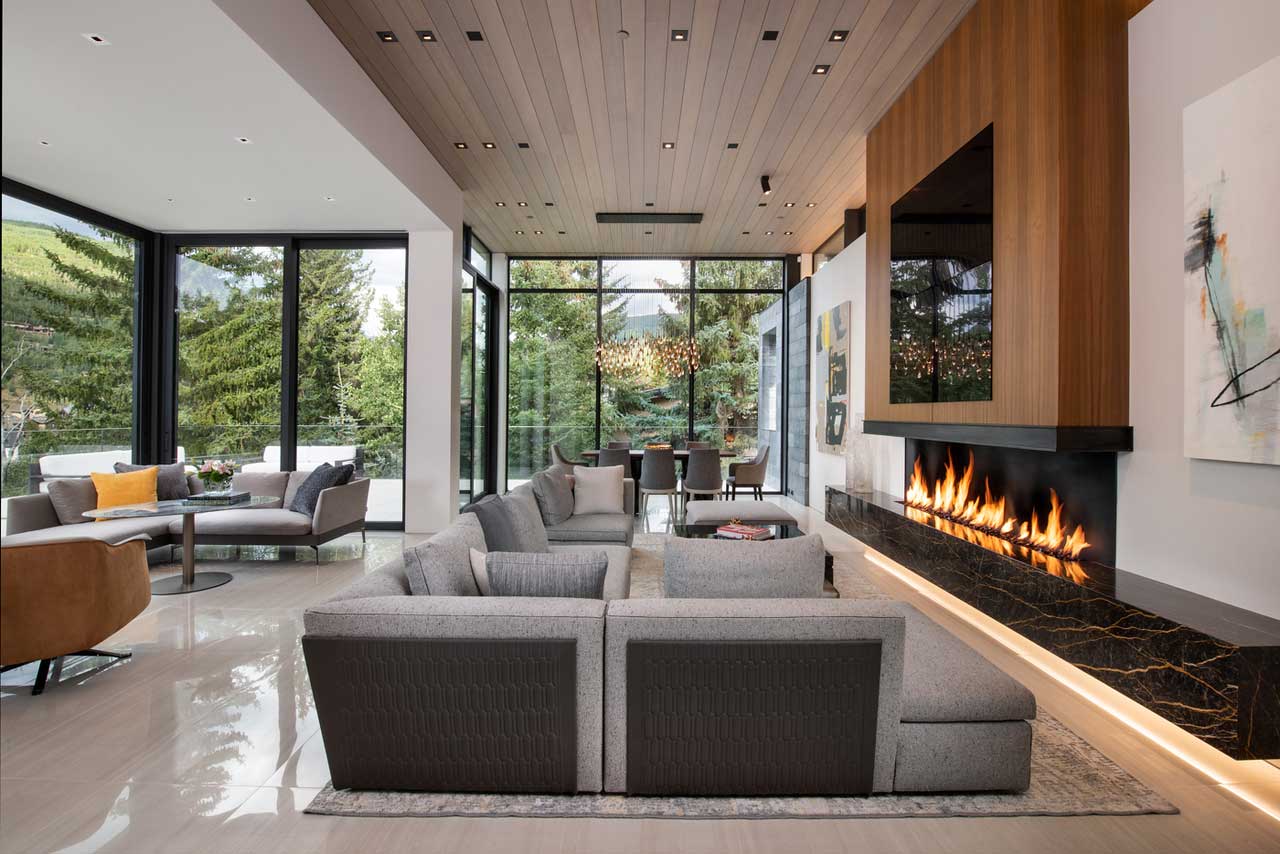
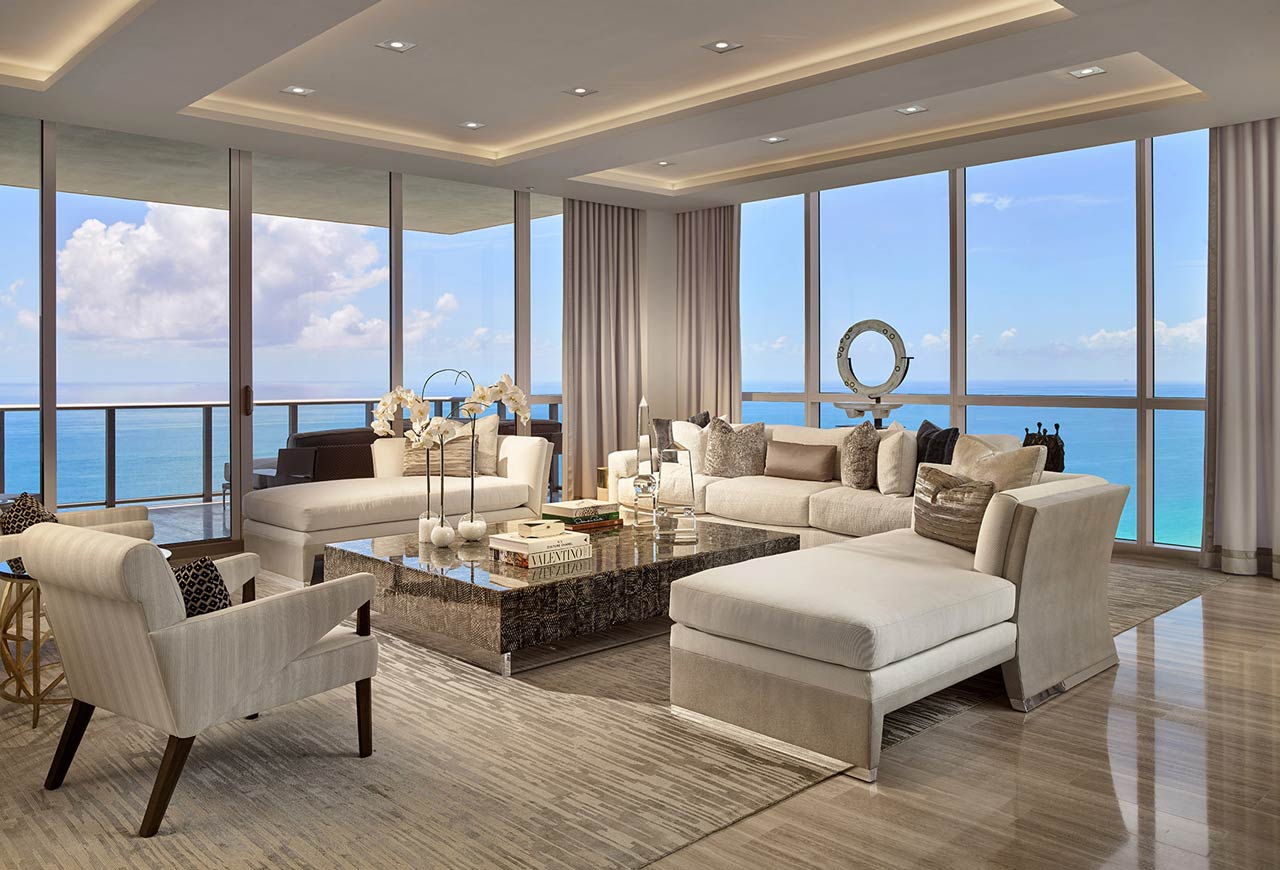
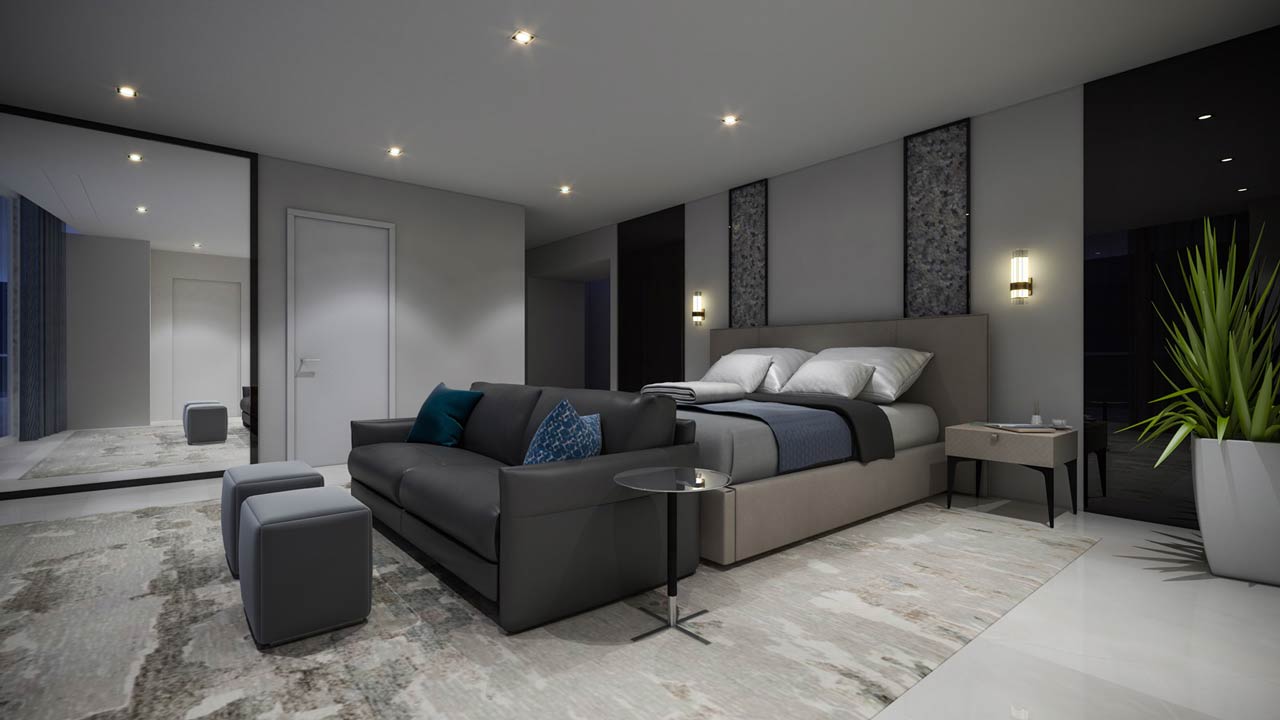
Start with your largest pieces and anchor furniture. In living rooms, this typically means positioning the sofa first. In bedrooms, the bed location determines everything else. Consider focal points like fireplaces or windows when deciding on furniture placement.
Maintain appropriate scale and proportion. Oversized furniture can overwhelm a small room, while pieces that are too small get lost in large spaces. Each item should feel intentional and appropriately sized for its location.
Selecting Furniture and Furnishings
With your floor plan established, you can confidently select specific pieces. This is often the most exciting phase, but it requires discipline to stay true to your concept and budget. Prioritize quality over quantity, especially for pieces you’ll use daily like sofas, beds, and dining chairs.
Consider versatility when selecting furniture. Pieces that serve multiple purposes or can adapt as your needs change offer excellent value. Storage solutions built into furniture maximize functionality without sacrificing style.
Don’t rush this stage. Take time to test furniture in person when possible. Sit on sofas, open drawers, and examine construction quality. Research reviews and compare options before committing to major purchases.
Layering Lighting, Art, and Accessories
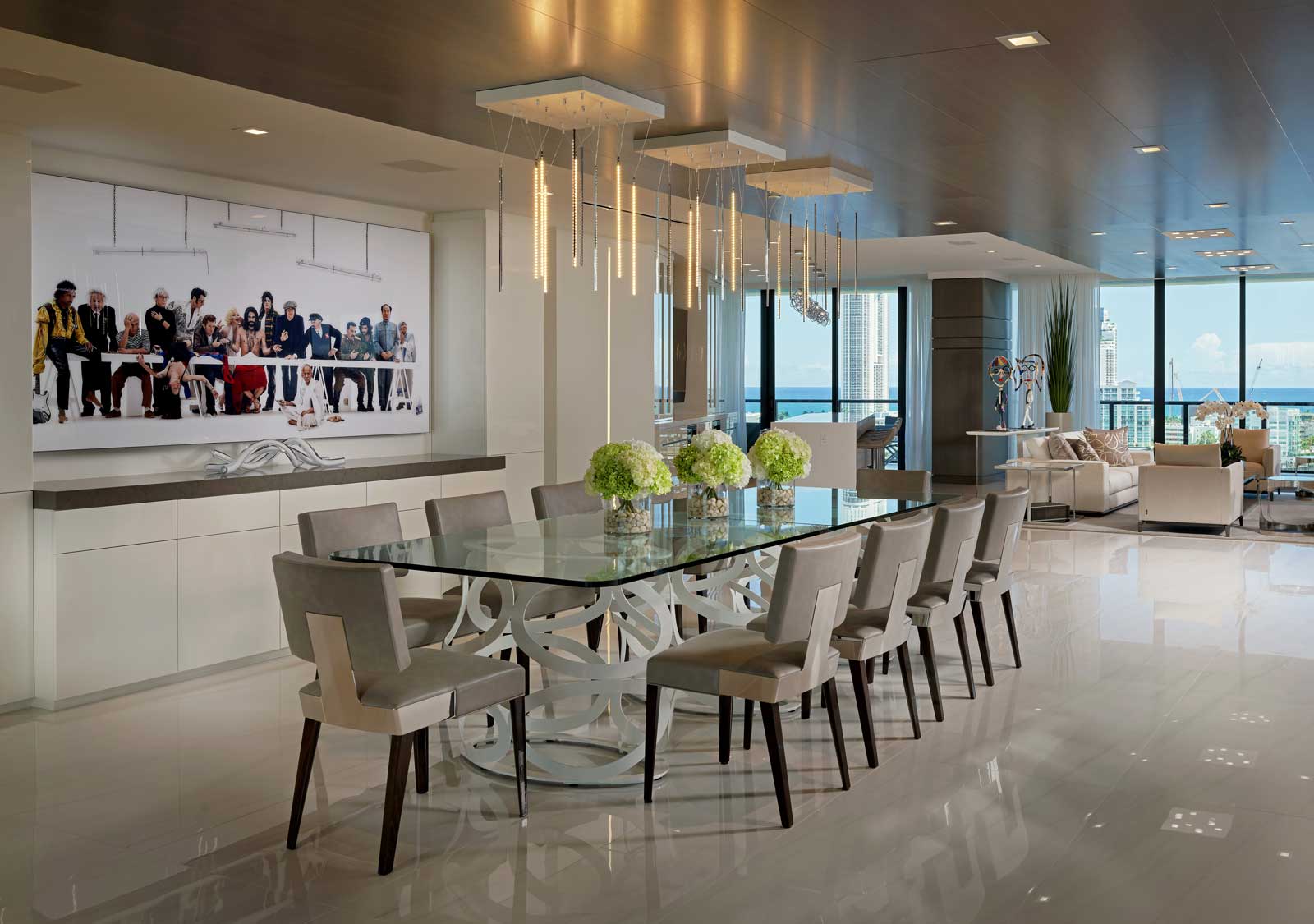
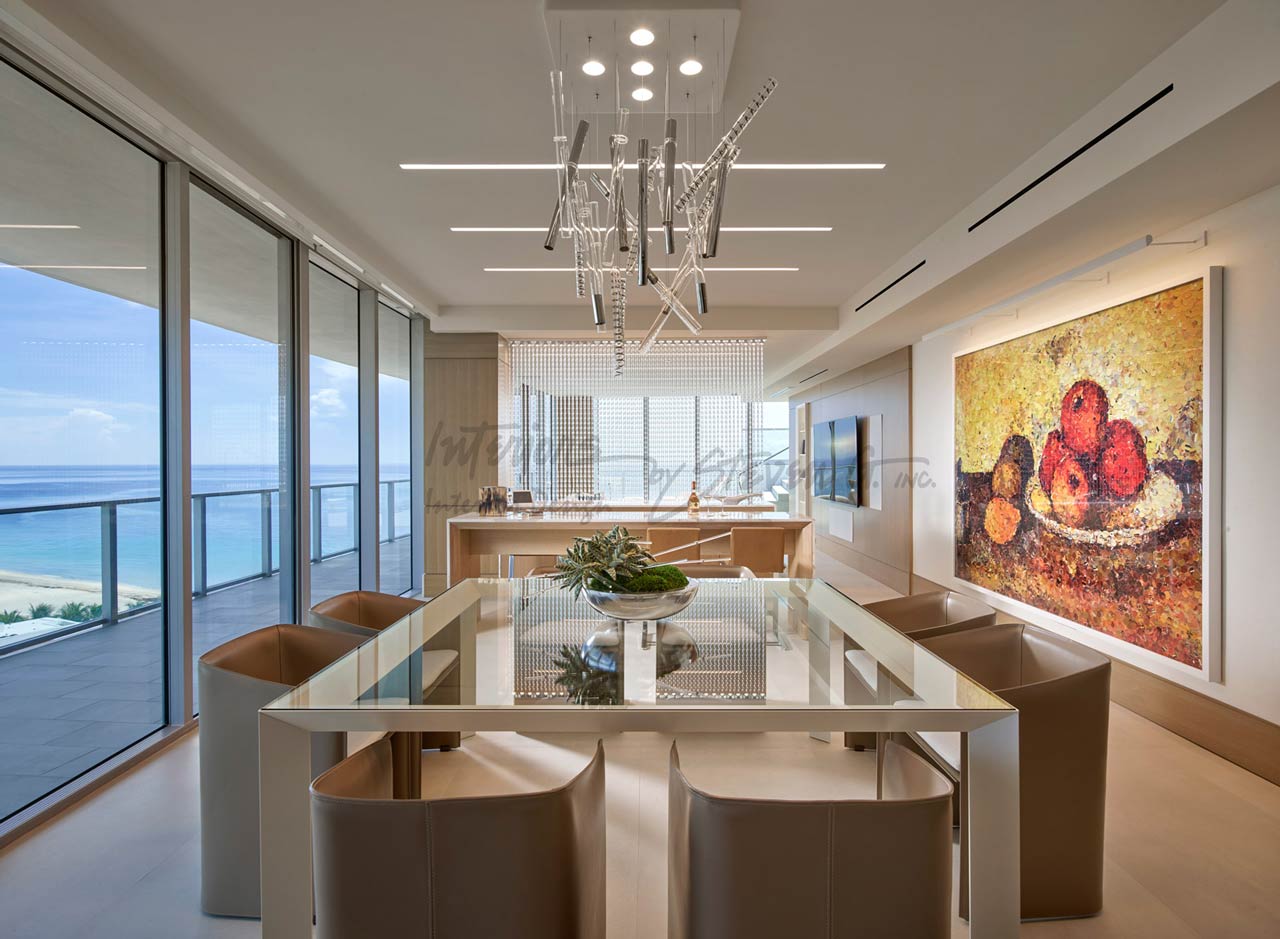
Lighting deserves as much attention as any other design element. A well-lit room requires multiple light sources at different heights, creating layers of illumination for various activities and moods. Combine ambient lighting for overall brightness, task lighting for specific activities, and accent lighting to highlight architectural features or artwork.
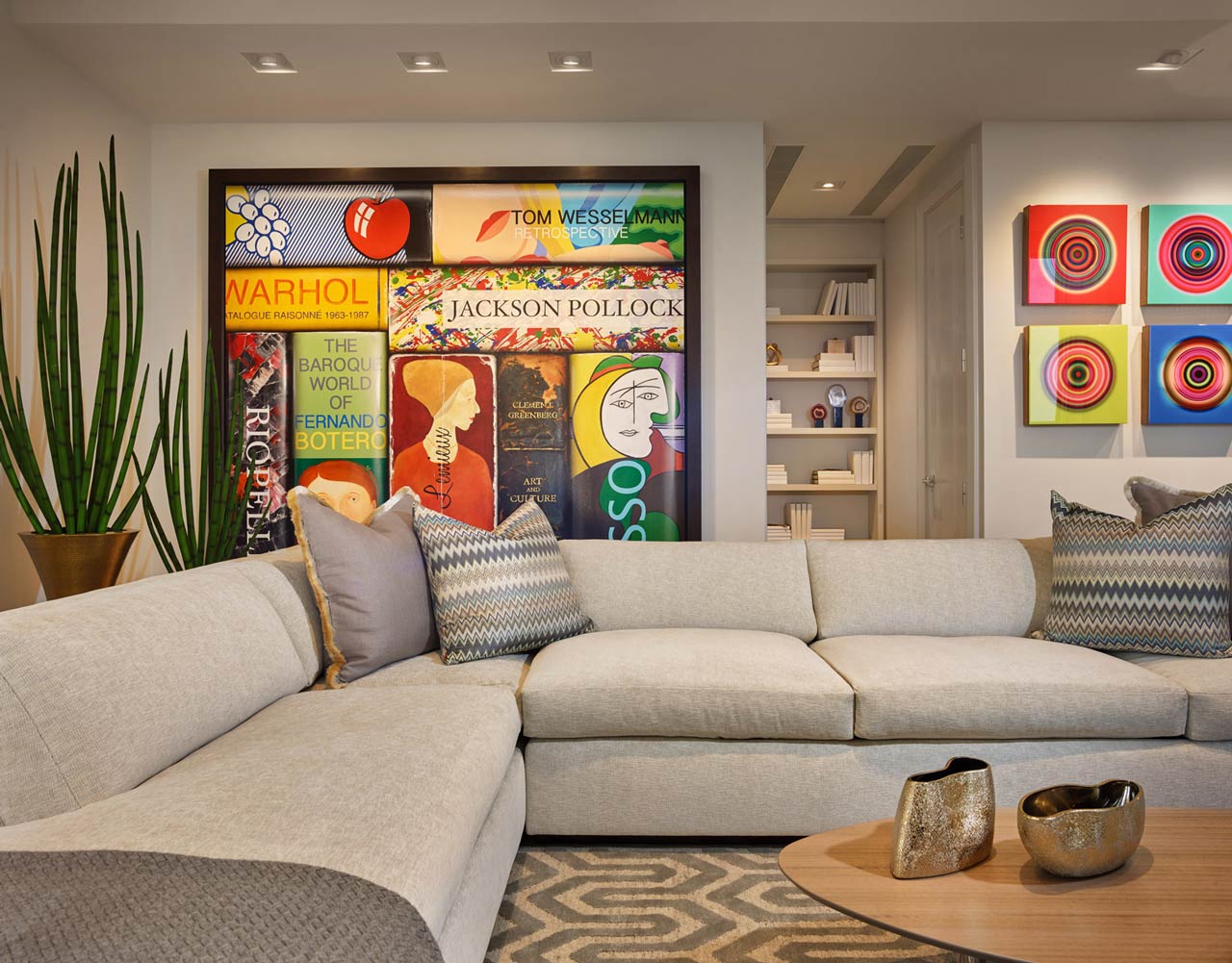
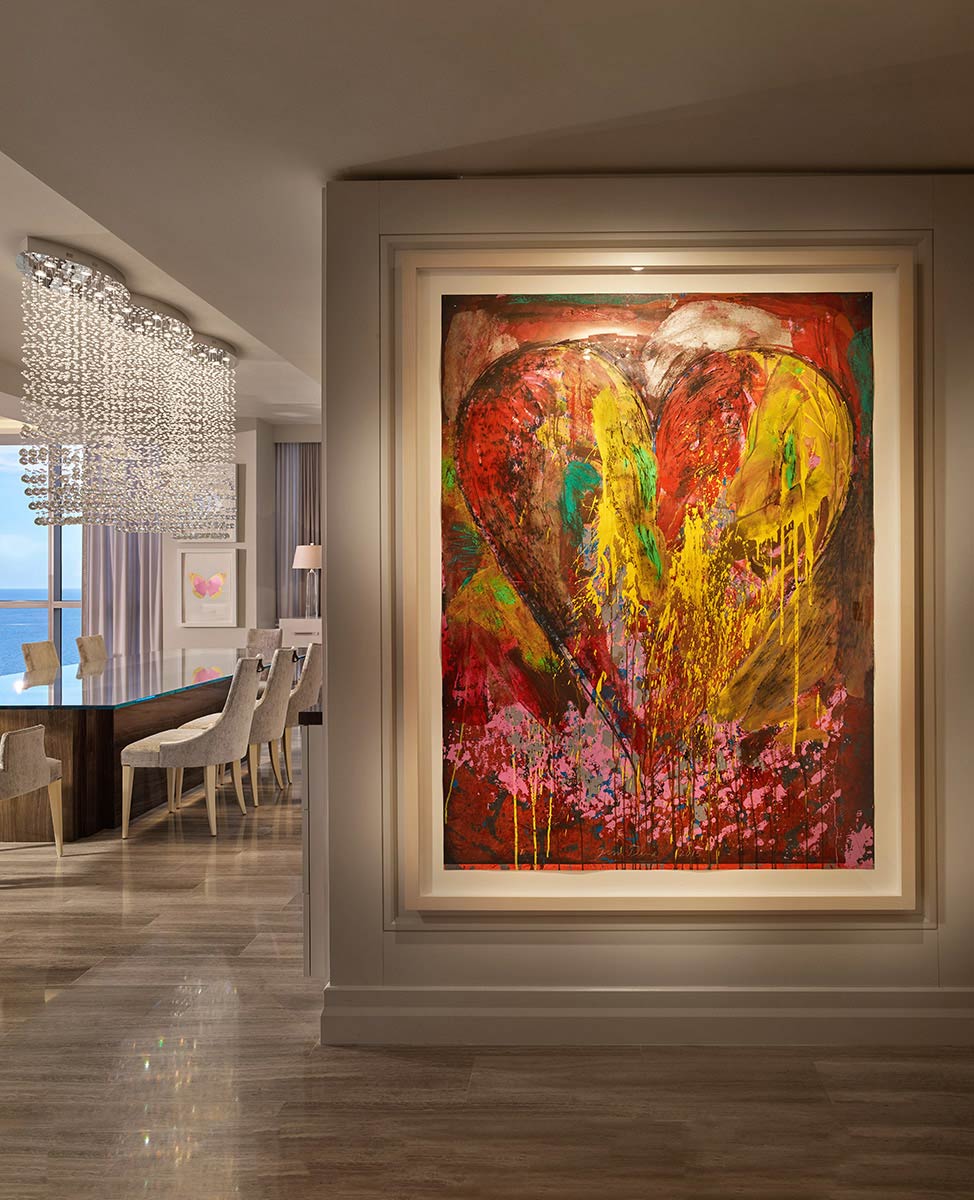
Art and accessories inject personality into your space. These finishing touches transform a well-designed room into one that feels uniquely yours. Display items that have meaning to you rather than generic decor purchased solely to fill space.
Resist the urge to accessorize everything immediately. Rooms can evolve over time as you discover pieces that speak to you. Sometimes leaving space empty allows you to appreciate the architecture and furniture you’ve carefully selected.
Implementation and Installation
This phase brings your design to life. Whether you’re managing the project yourself or working with professionals, coordination is key. Deliveries must be scheduled, installations must be completed in the correct order, and quality must be verified before accepting work.
Protect your floors and existing furnishings during installation. Keep documentation of all purchases, warranties, and care instructions organized. Take progress photos—you’ll appreciate having a record of the transformation.
Be prepared for hiccups. Damaged deliveries, incorrect orders, or installation challenges happen in nearly every project. Maintaining flexibility and problem-solving positively will help you navigate these inevitable bumps.
Living With and Refining Your Space
Once everything is in place, live with your new design for a while before making final assessments. You might discover that certain elements don’t work as anticipated or that adjustments would improve functionality. This is completely normal.
Give yourself permission to make changes. Interior design isn’t about achieving perfection in a single attempt—it’s about creating spaces that enhance your daily life. If something isn’t working, address it rather than living with frustration.
Maintain your investment by caring for your furnishings properly. Regular cleaning, prompt attention to damage, and occasional refreshing of accessories will keep your space looking beautiful for years to come.
Understanding the interior design process is the first step toward creating the home you’ve always envisioned. While this guide provides the framework, bringing that vision to life takes time, expertise, and a keen eye for detail. That’s where we come in.
Our team of experienced designers is passionate about crafting spaces that don’t just look beautiful—they work seamlessly with your lifestyle. We handle everything from initial concept development to final installation, ensuring every detail aligns with your vision and budget. Whether you’re looking to refresh a single room or reimagine your entire home, we’re here to make the process enjoyable and stress-free.
Frequently Asked Questions
How long does the interior design process typically take?
The timeline varies dramatically depending on the scope of your project. A single room refresh might take a few weeks, while a whole-home renovation can span several months or longer. Factors affecting timeline include furniture lead times, custom work requirements, and the complexity of any structural changes.
Do I need to complete my entire home at once?
Absolutely not. Many people prefer to tackle their design room by room, which spreads costs over time and allows you to refine your style as you go. If you’re phasing your project, maintain a consistent color palette and style throughout to ensure cohesion.
What’s the biggest mistake people make in the design process?
Rushing decisions is the most common pitfall. Whether it’s purchasing furniture before measuring properly or selecting colors without testing them in your lighting, haste often leads to expensive mistakes. Taking time to plan thoroughly and live with samples before committing prevents regret.
How do I know if I should hire a professional designer?
Consider professional help if you feel overwhelmed by choices, struggle with spatial planning, or want access to trade-only resources. Designers bring expertise that can actually save money by preventing costly mistakes. Even a few consultation hours can provide valuable direction.
Can I mix different design styles in my home?
Yes, and many of the most interesting interiors do exactly this. The key is maintaining some unifying elements—perhaps a consistent color palette or repeated materials—that create cohesion even when styles vary. Eclectic design requires a thoughtful approach but can result in spaces with unique character.
What should I invest in versus save on?
Invest in pieces you’ll use daily and that are difficult to replace: sofas, beds, dining tables, and quality mattresses deserve your budget priority. You can often save on trendy accessories, accent furniture, and decorative items that you might want to update as your style evolves.