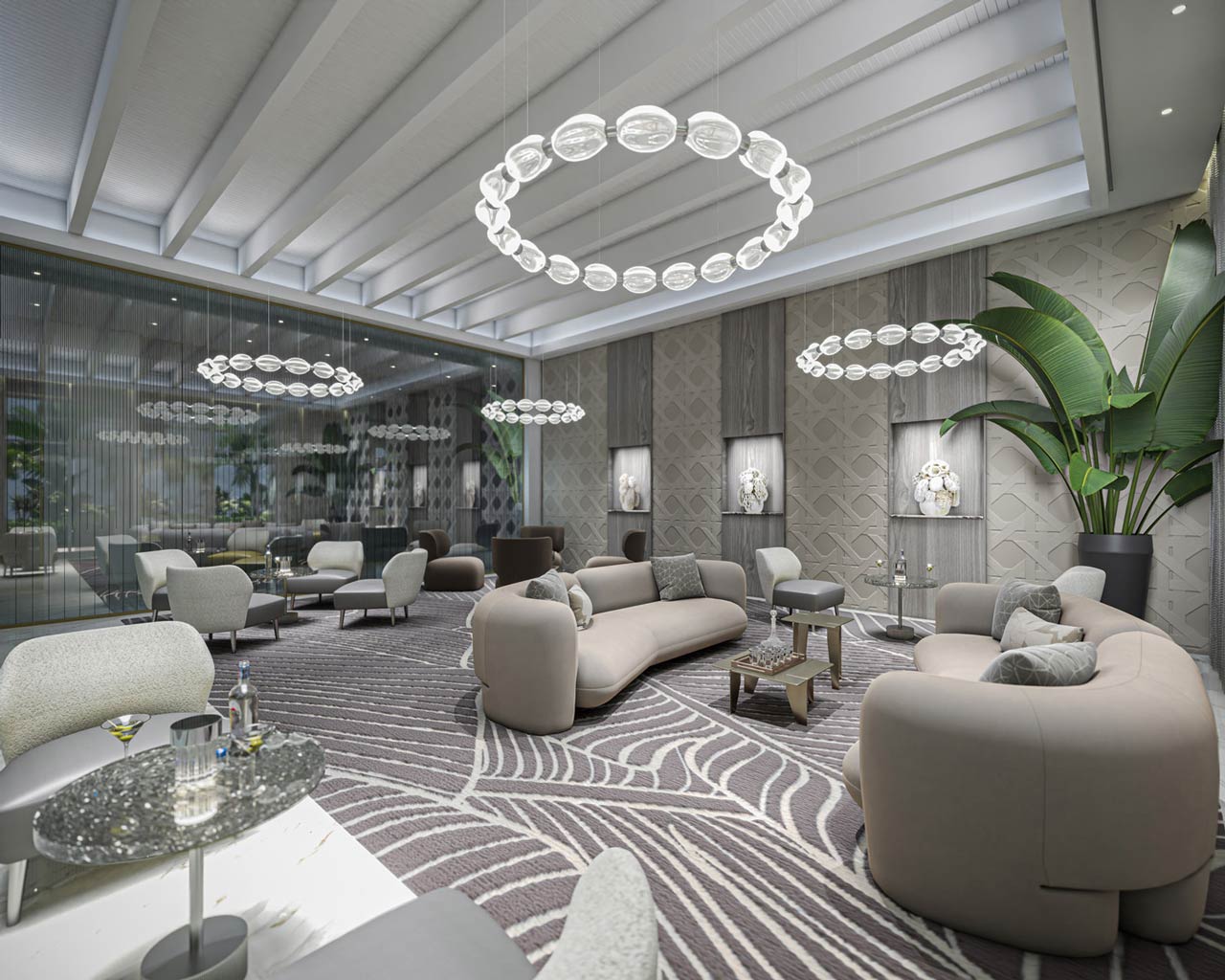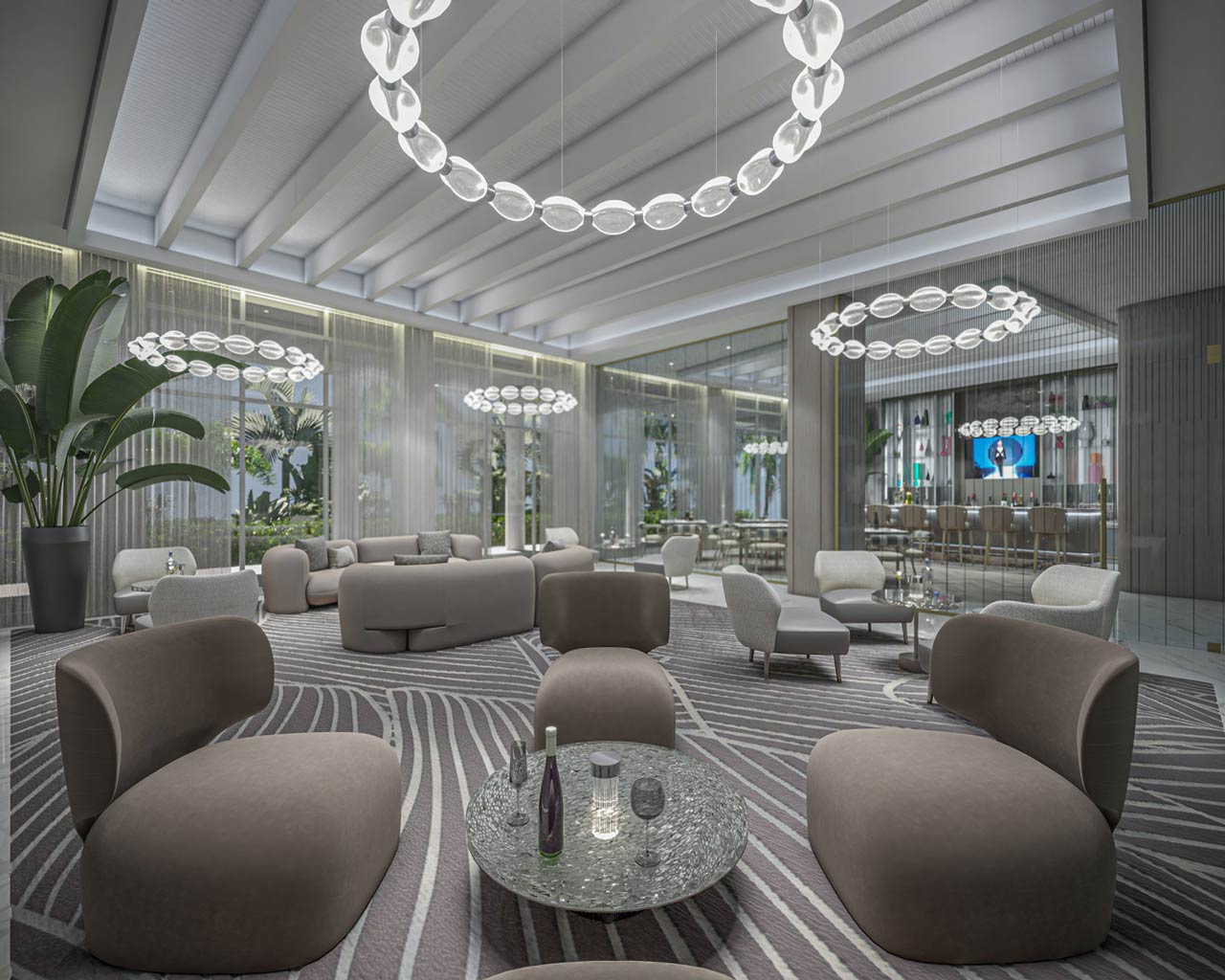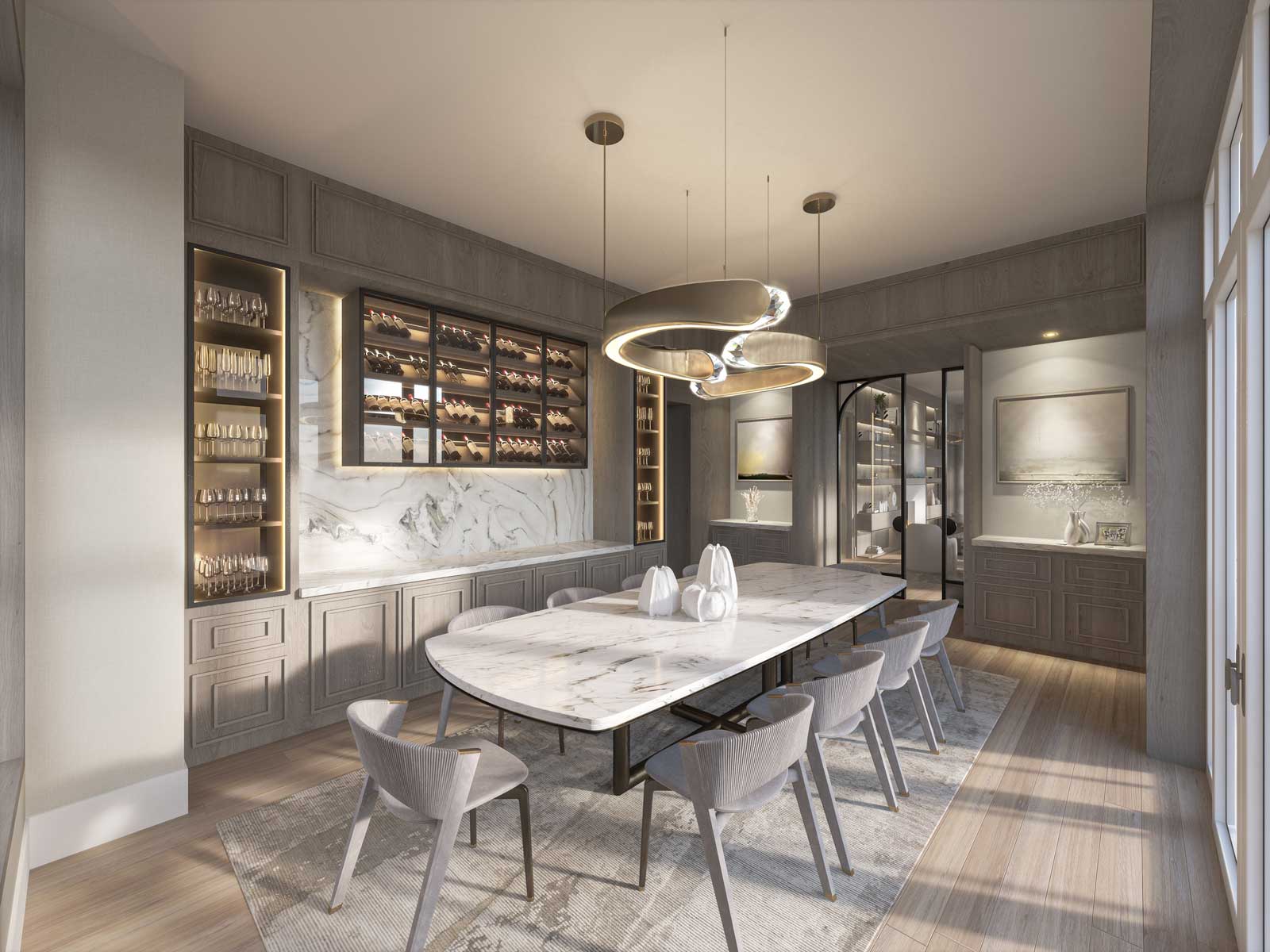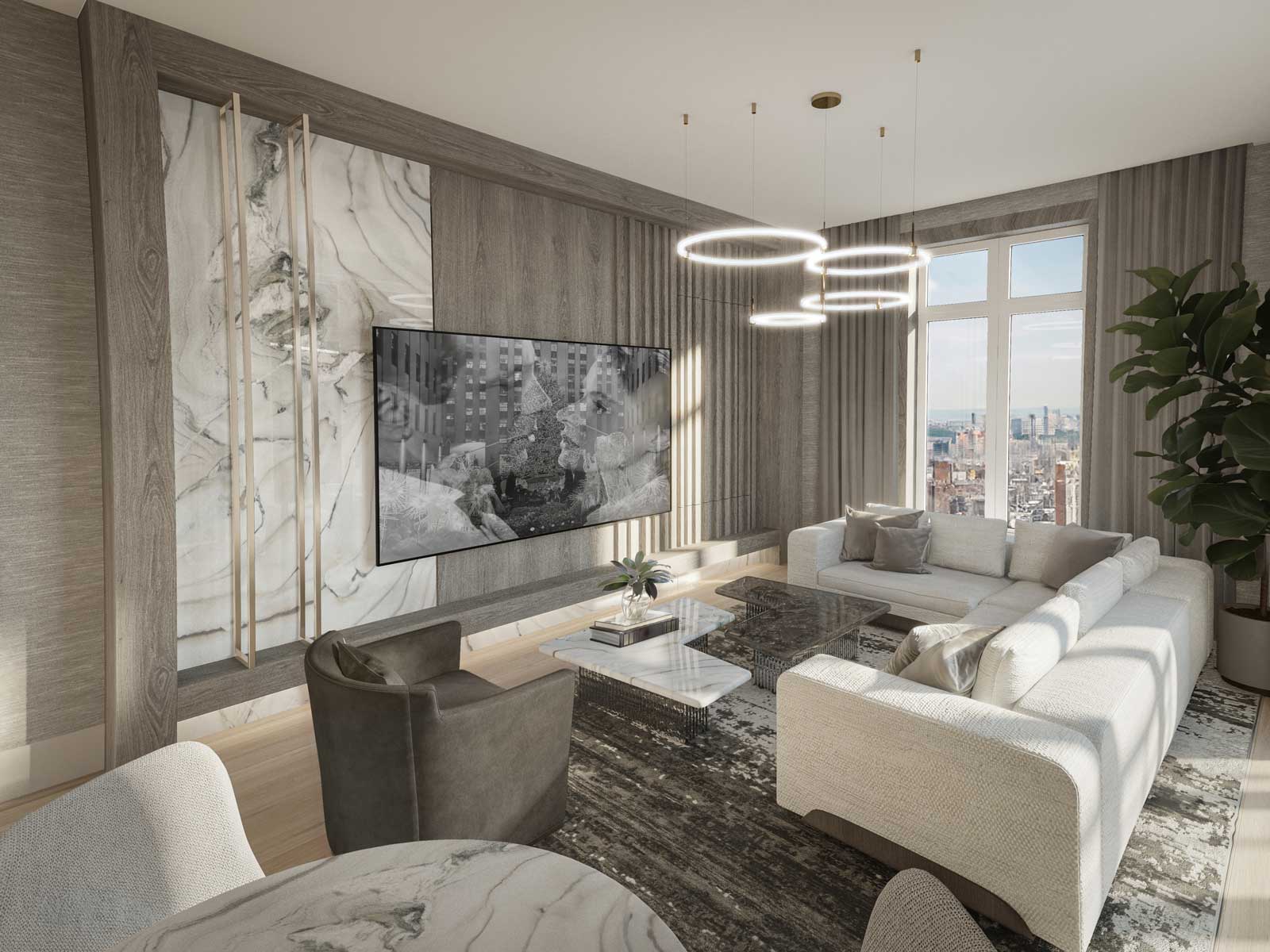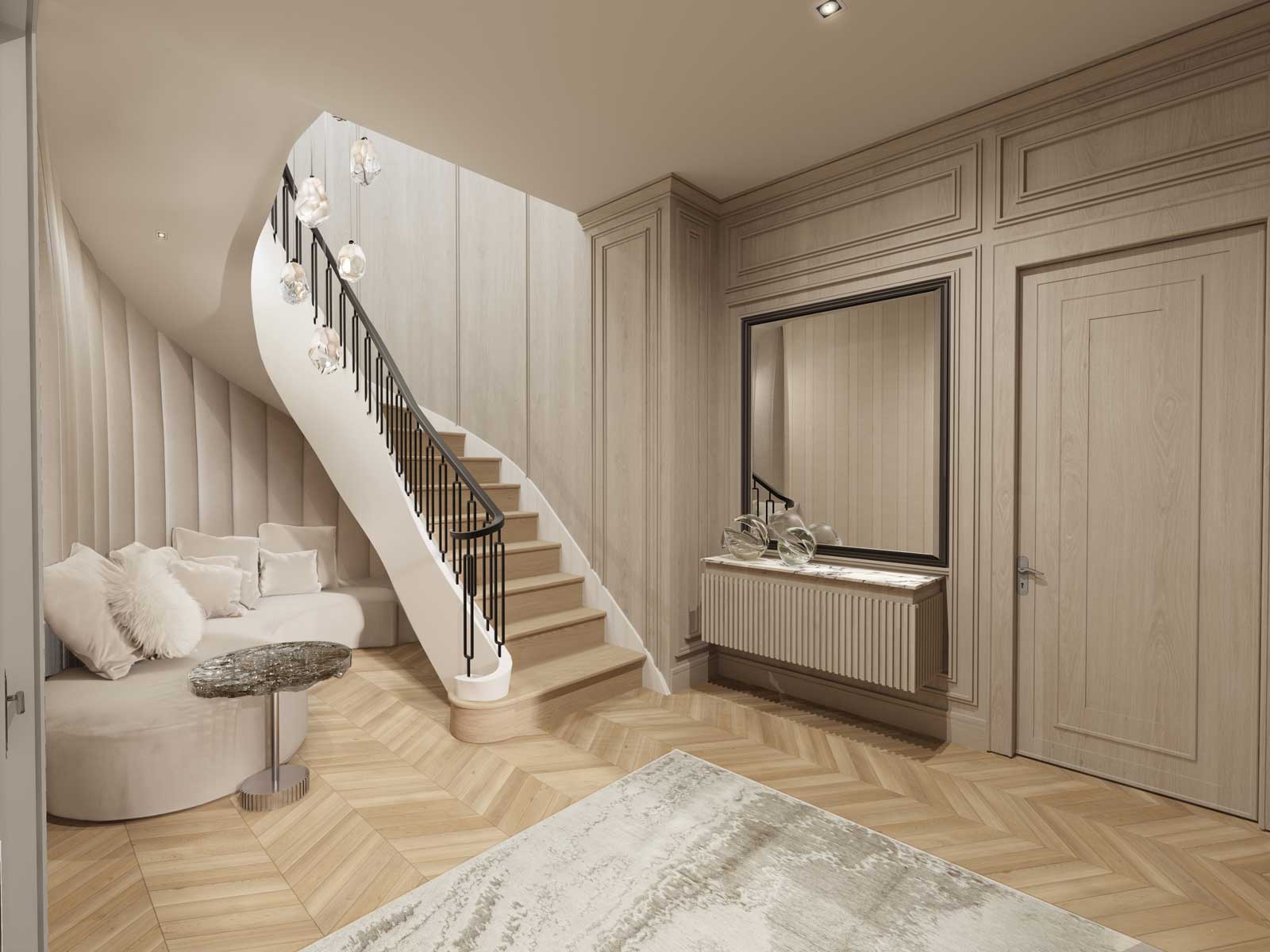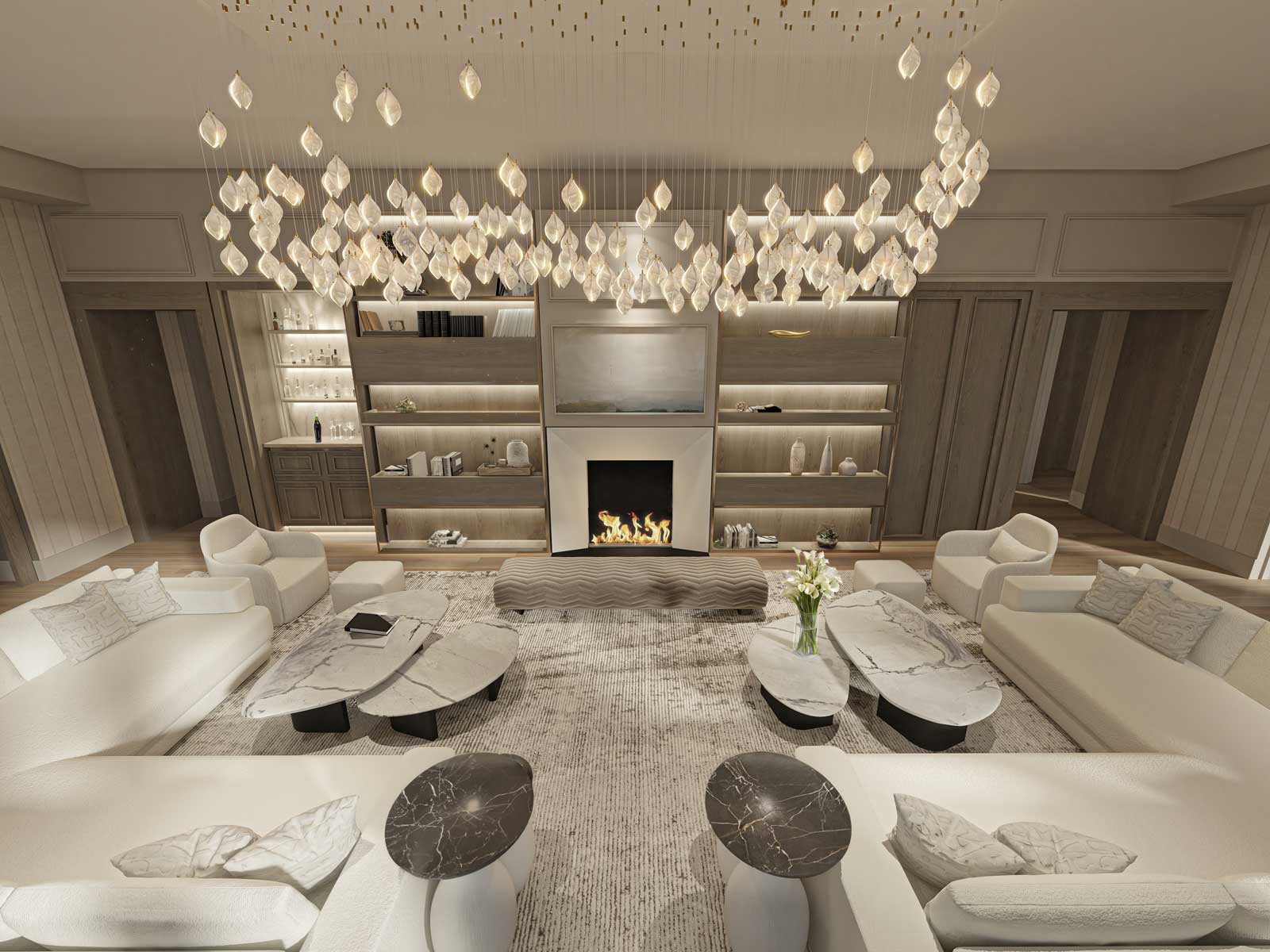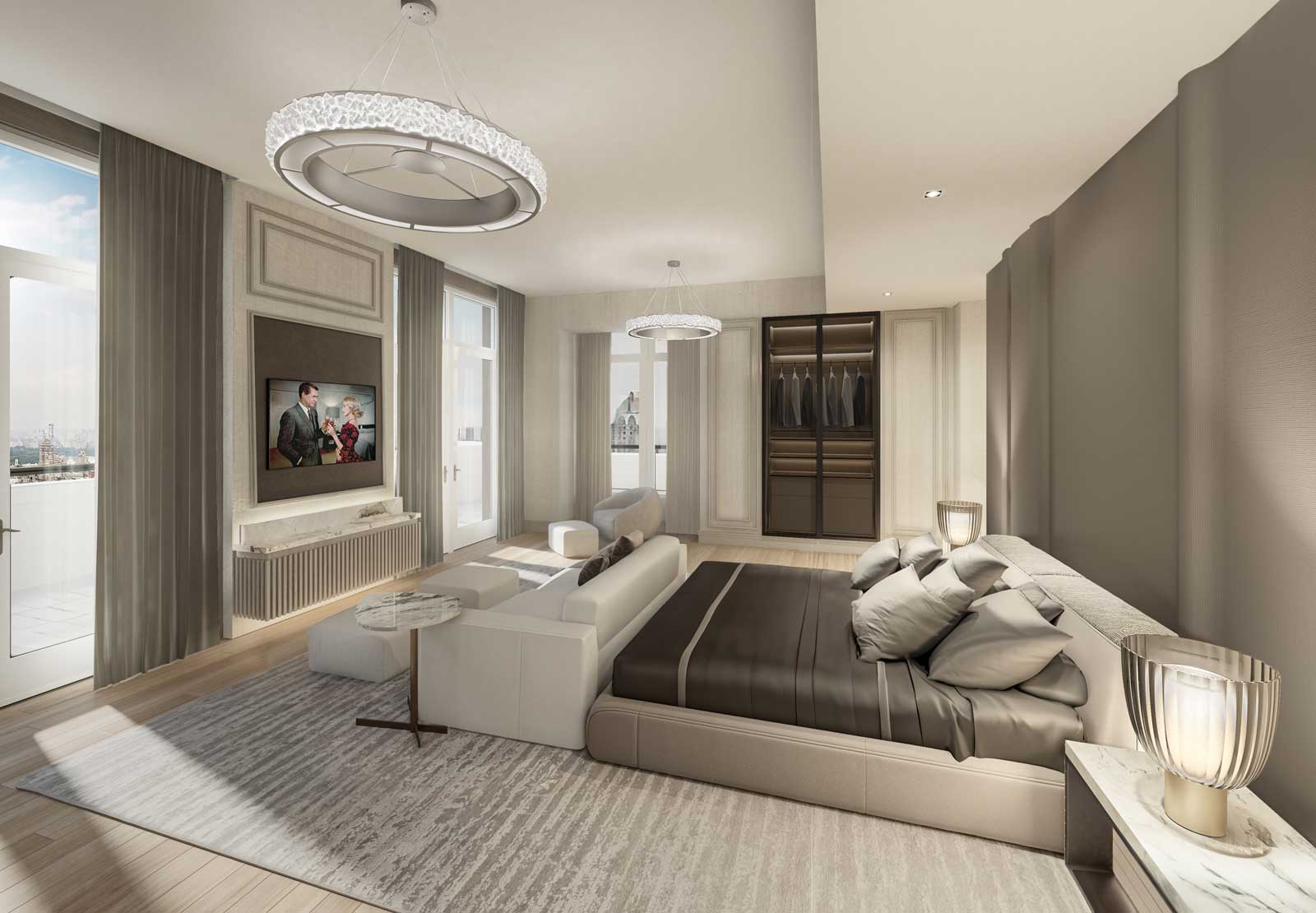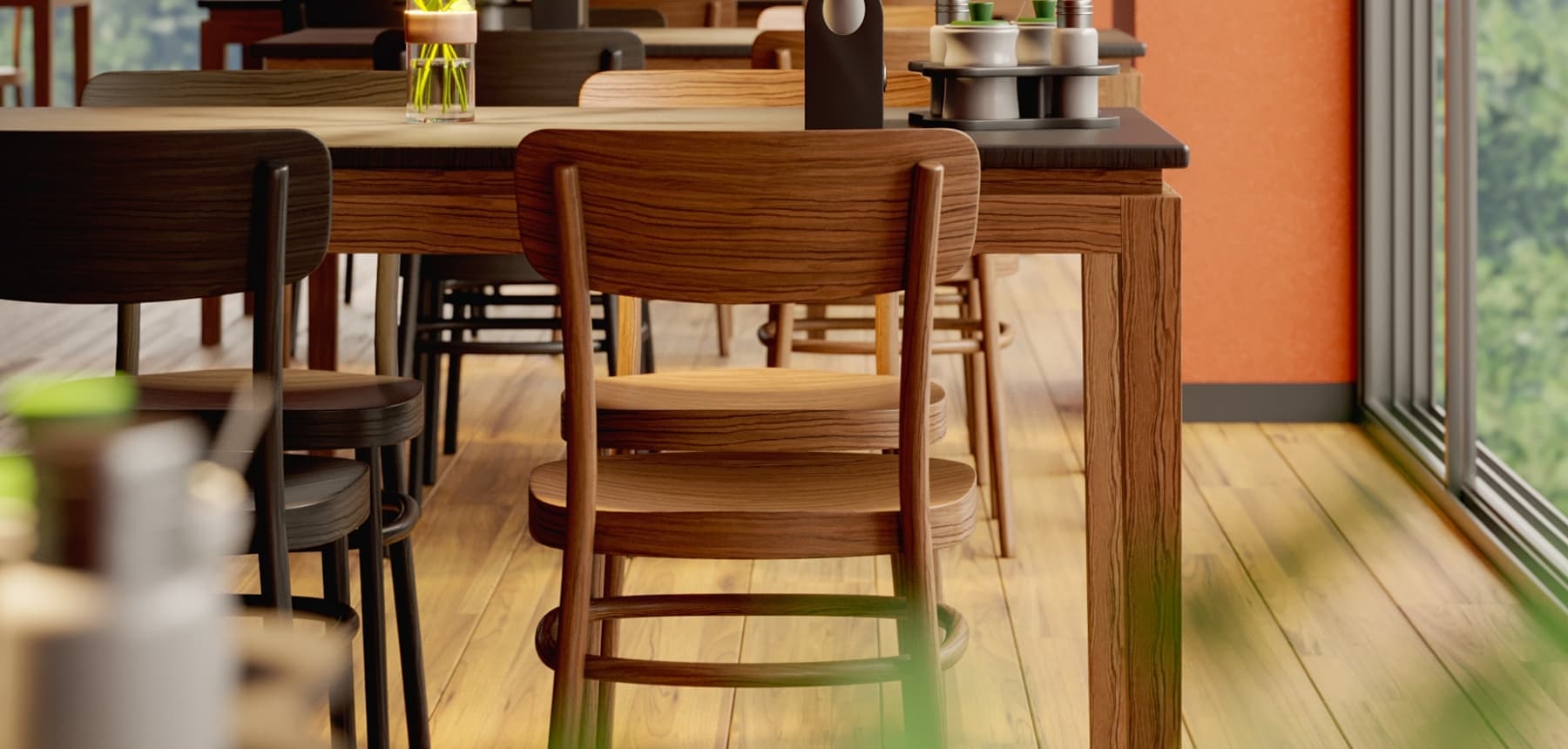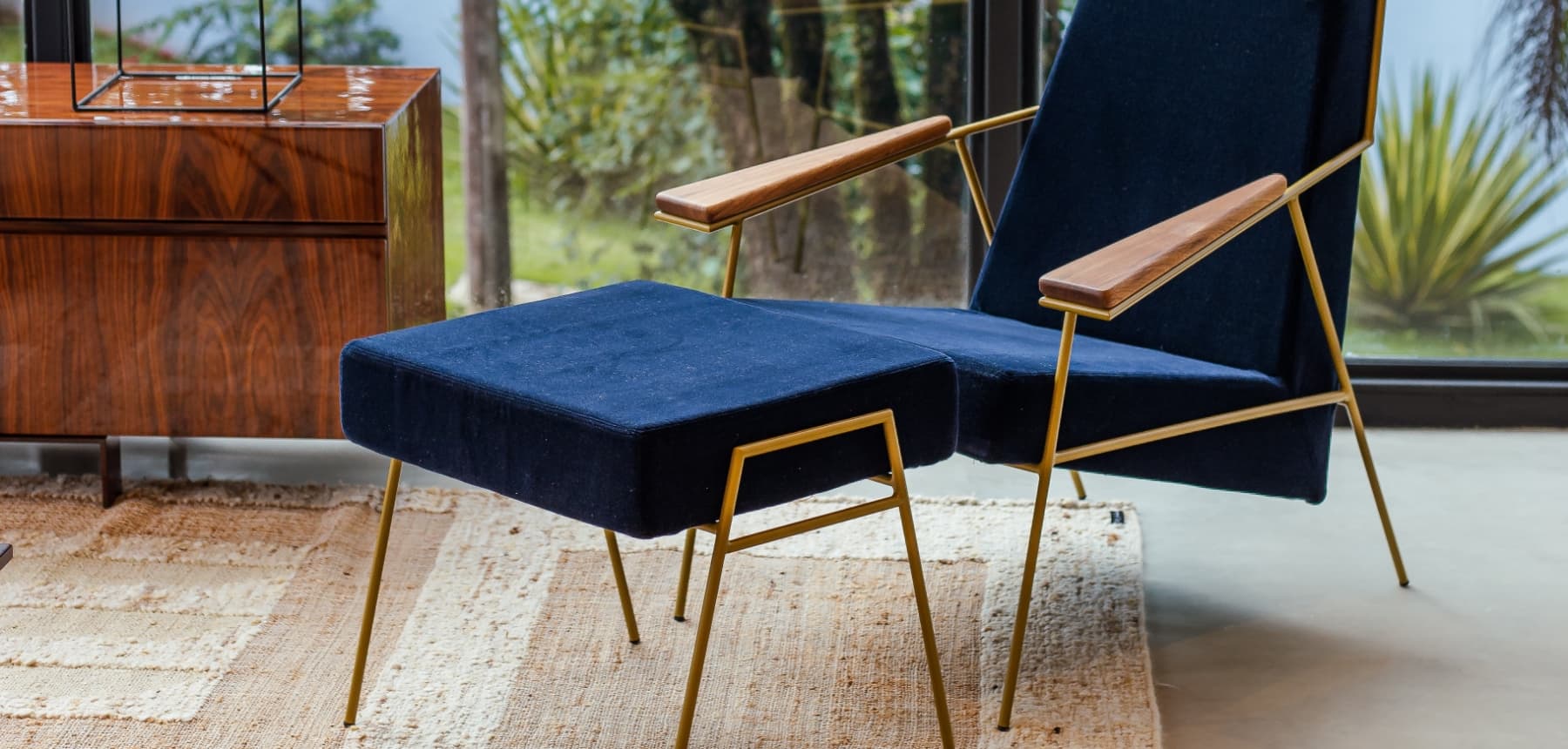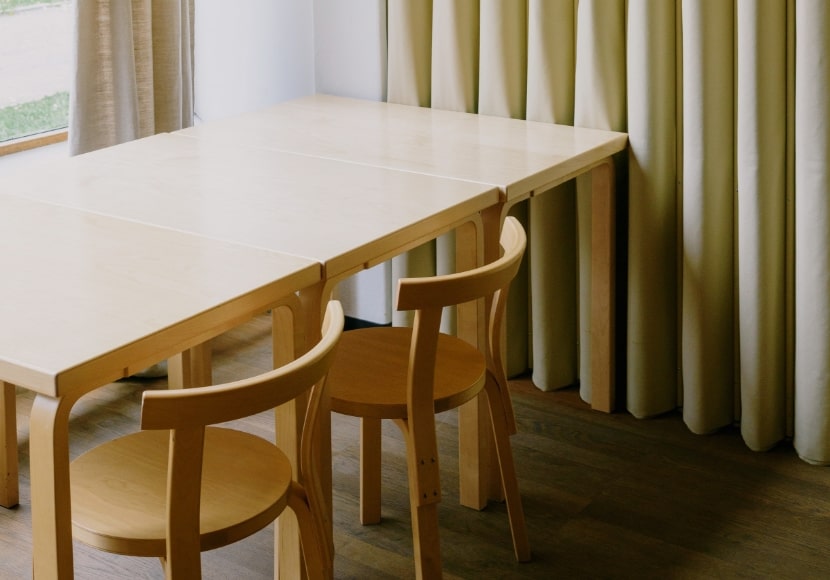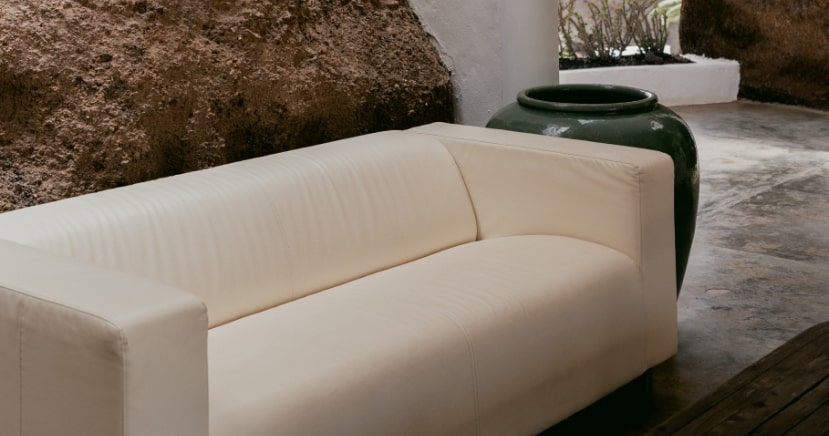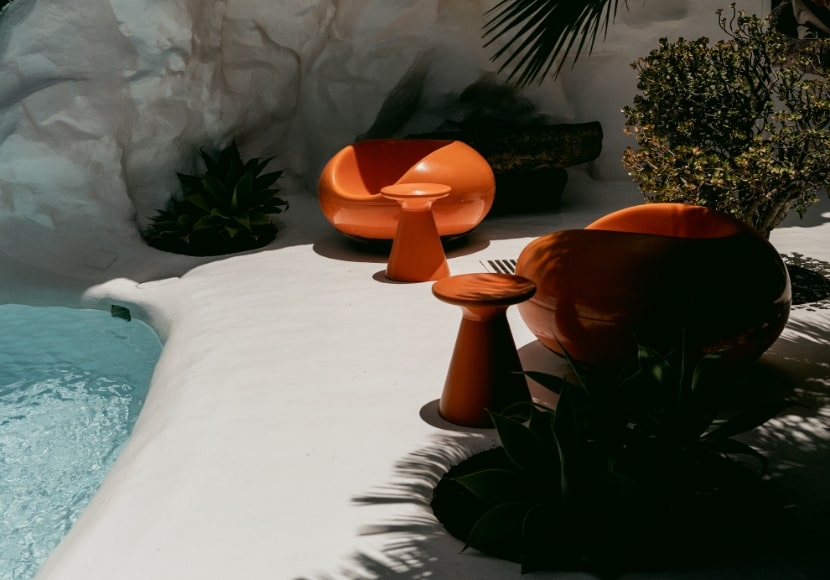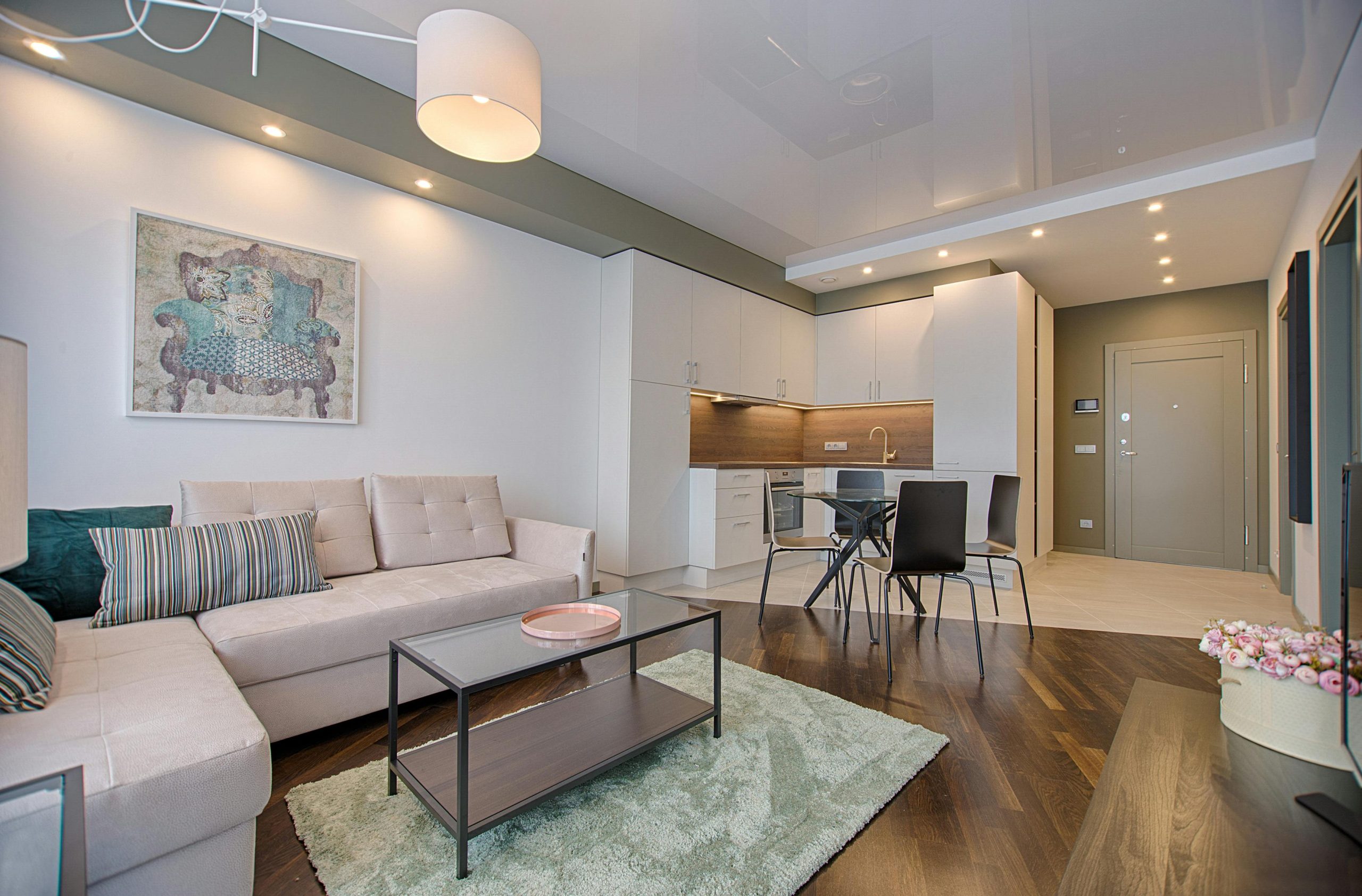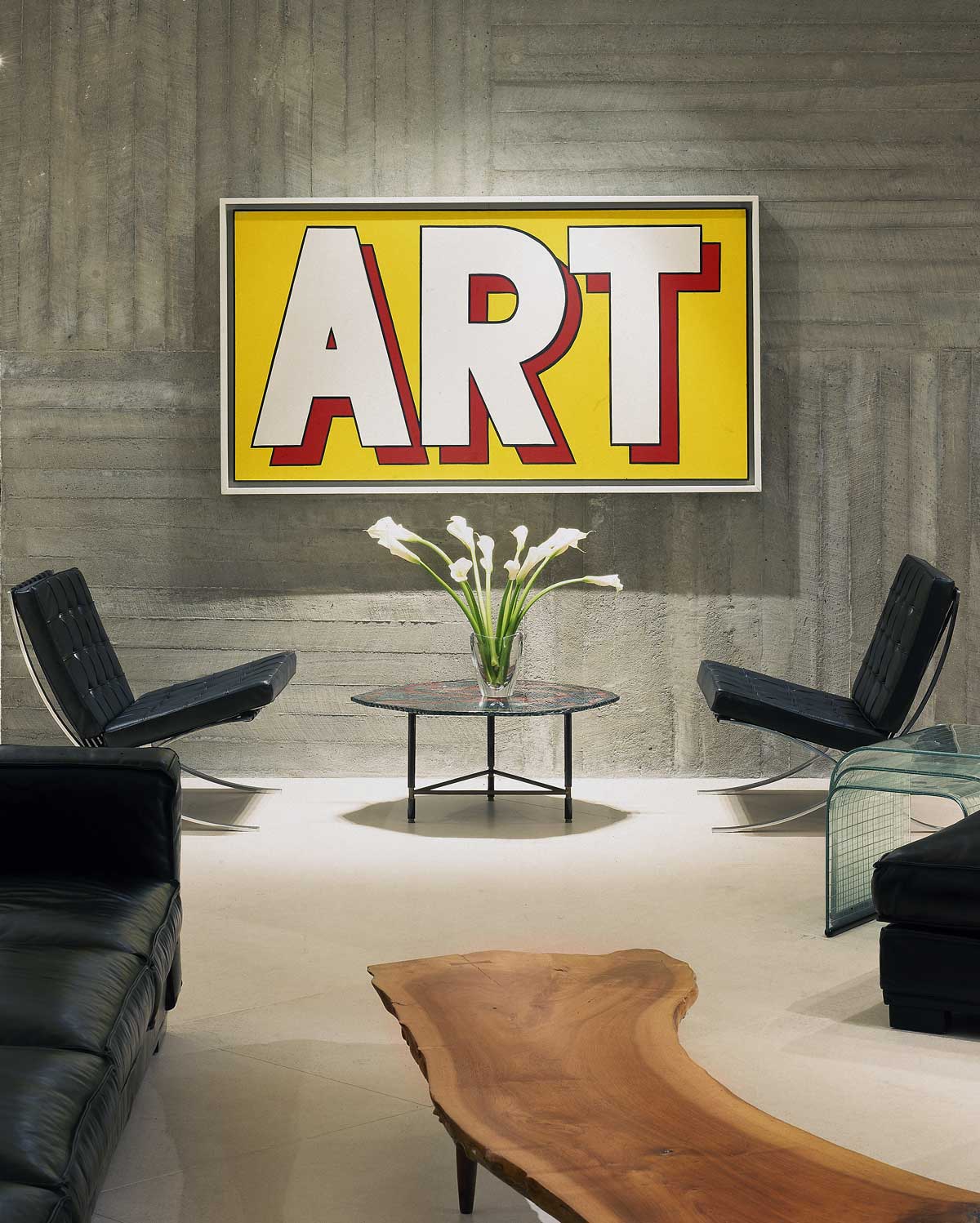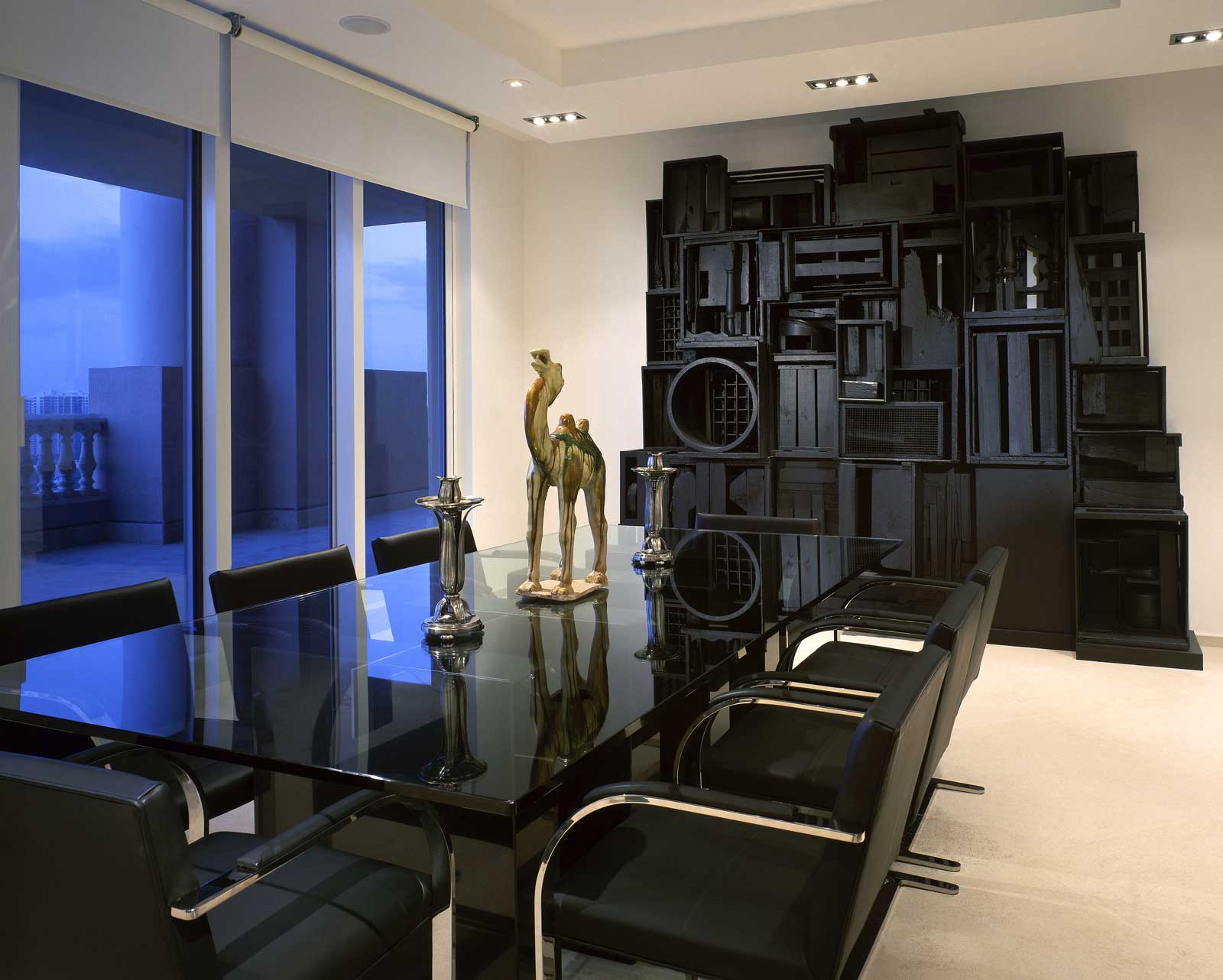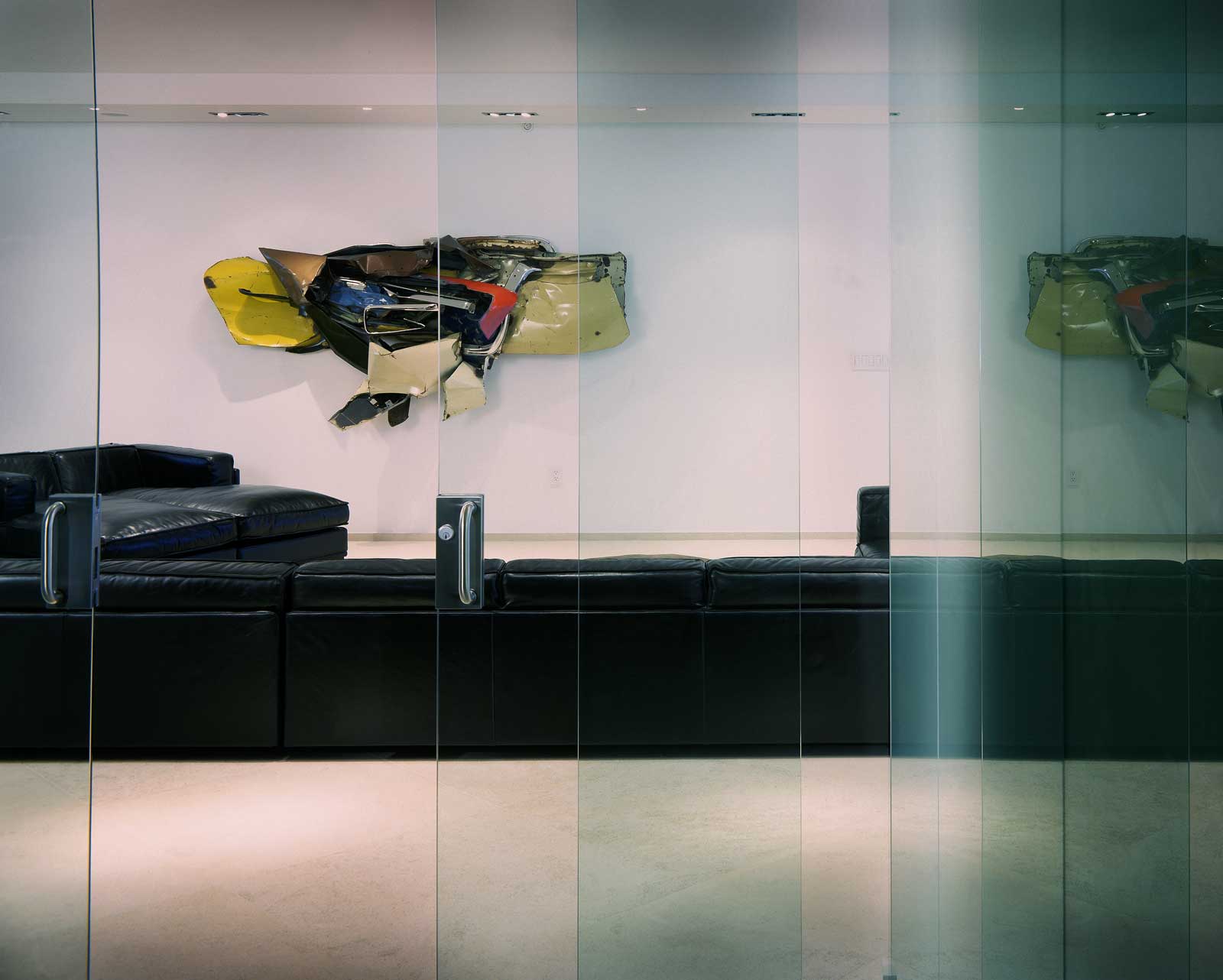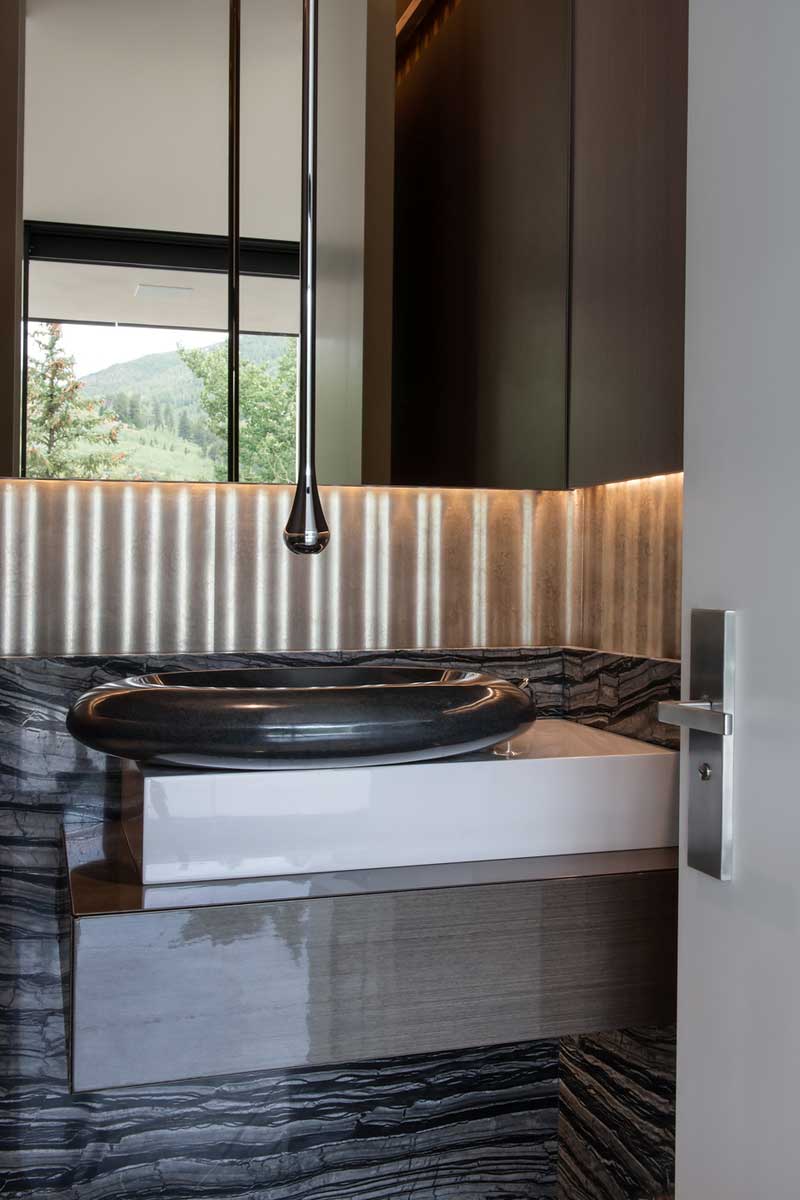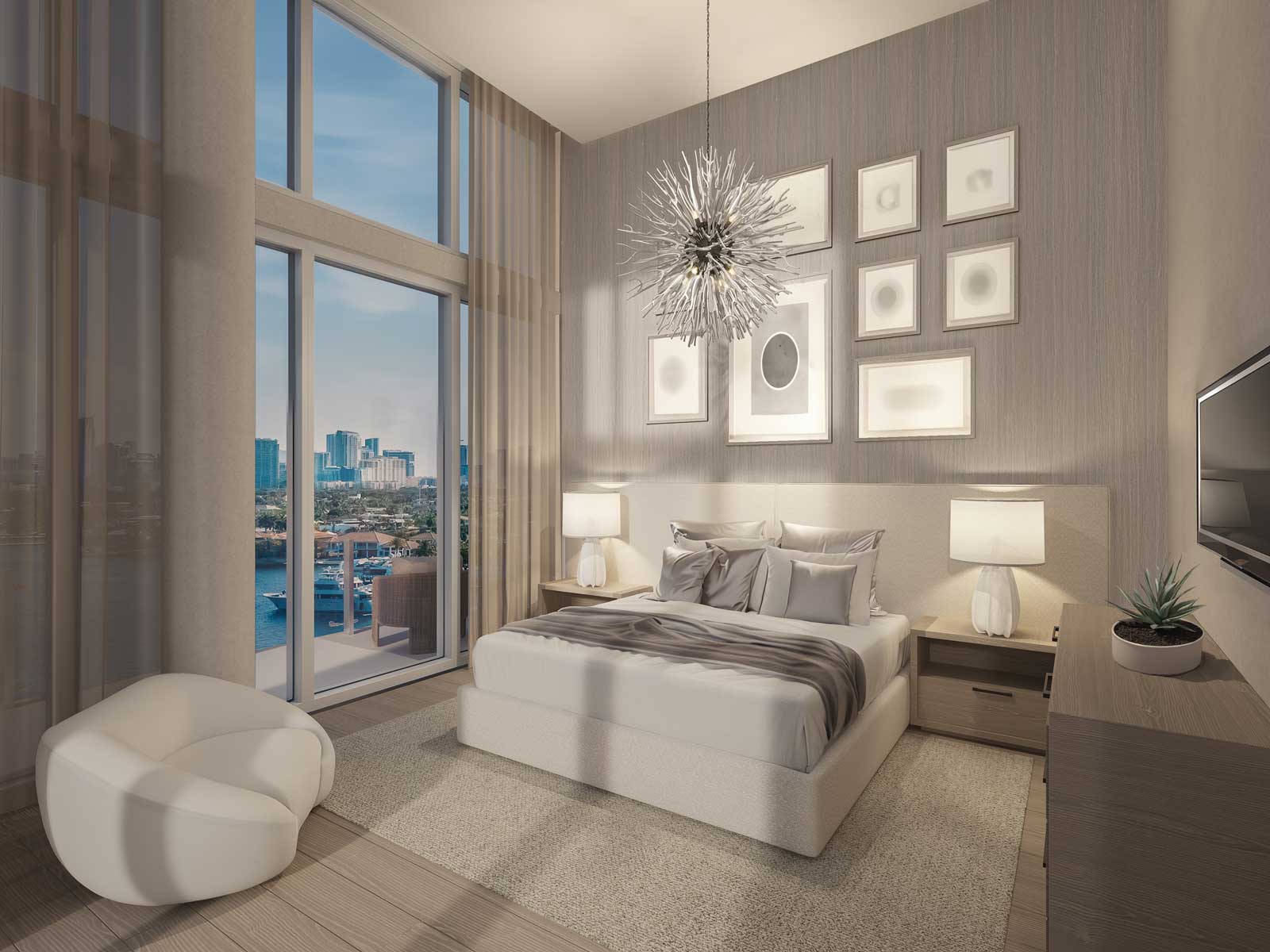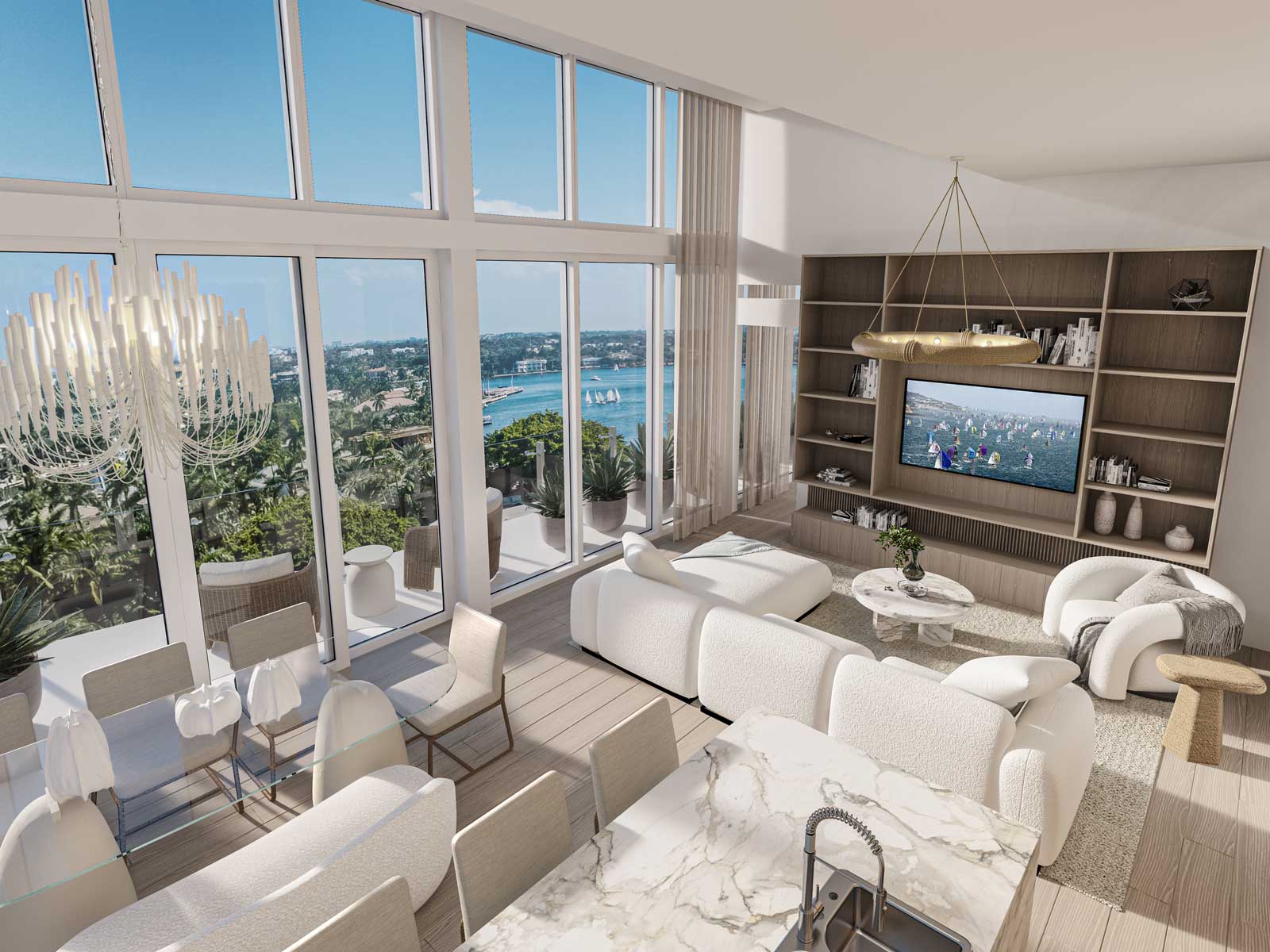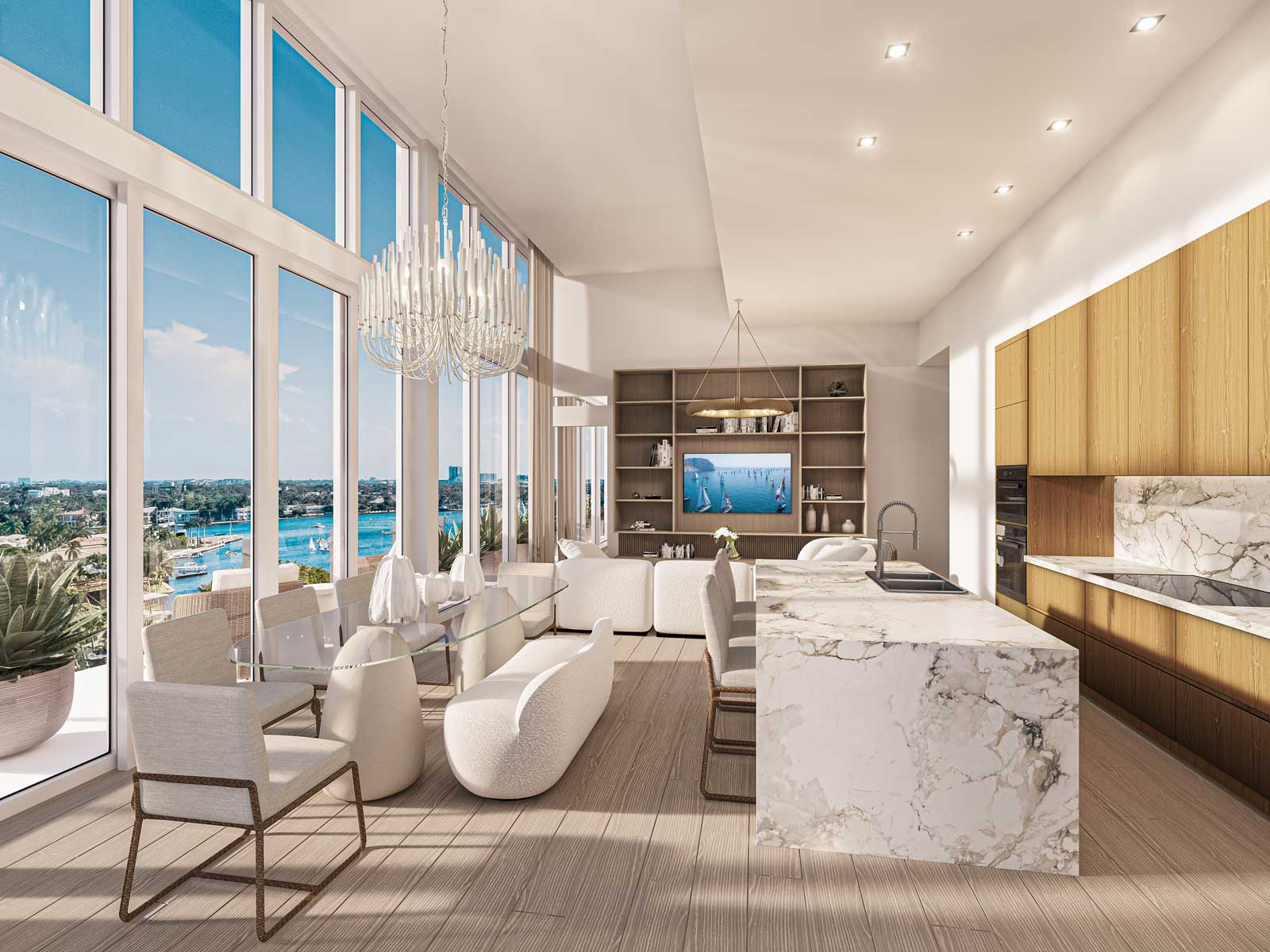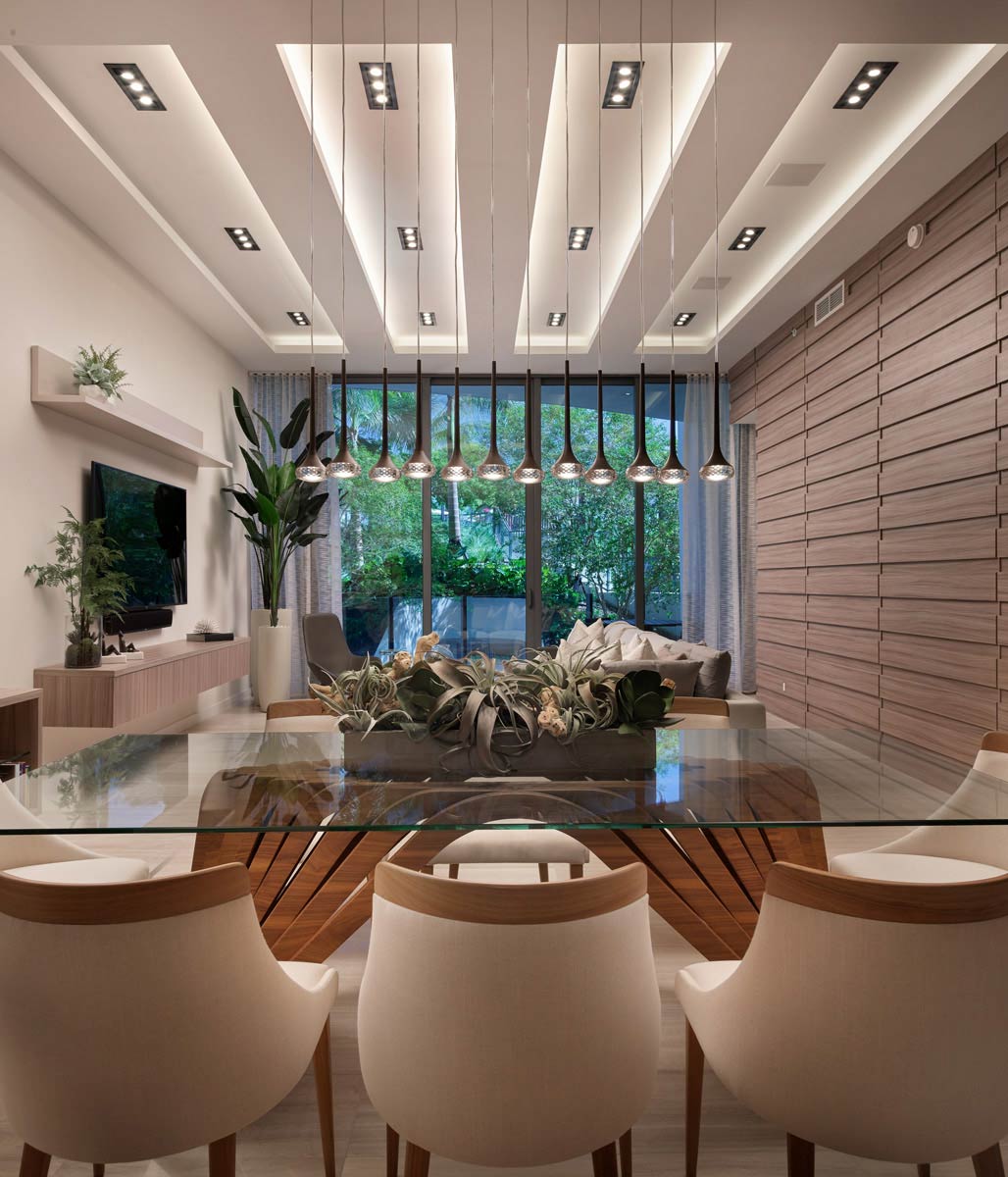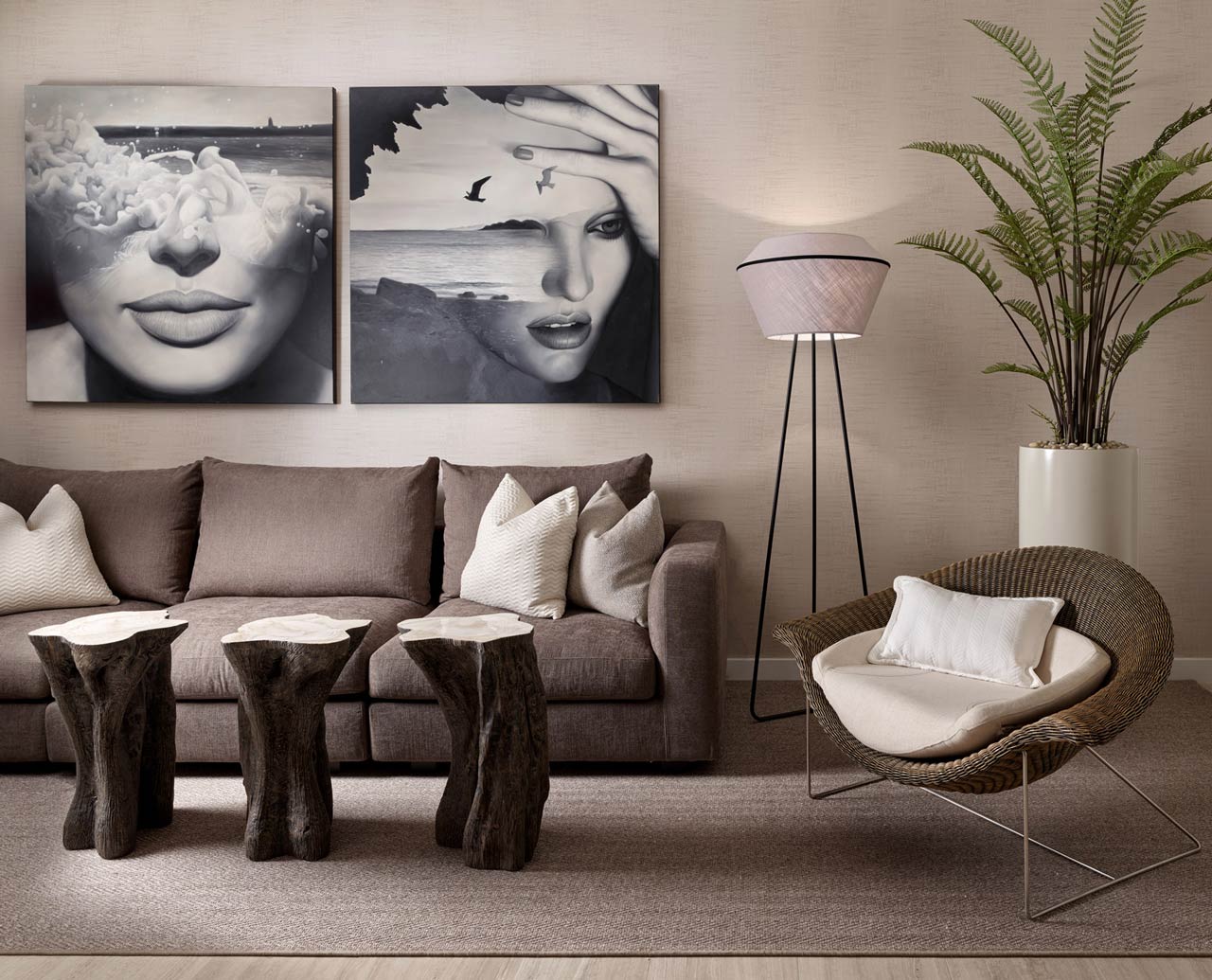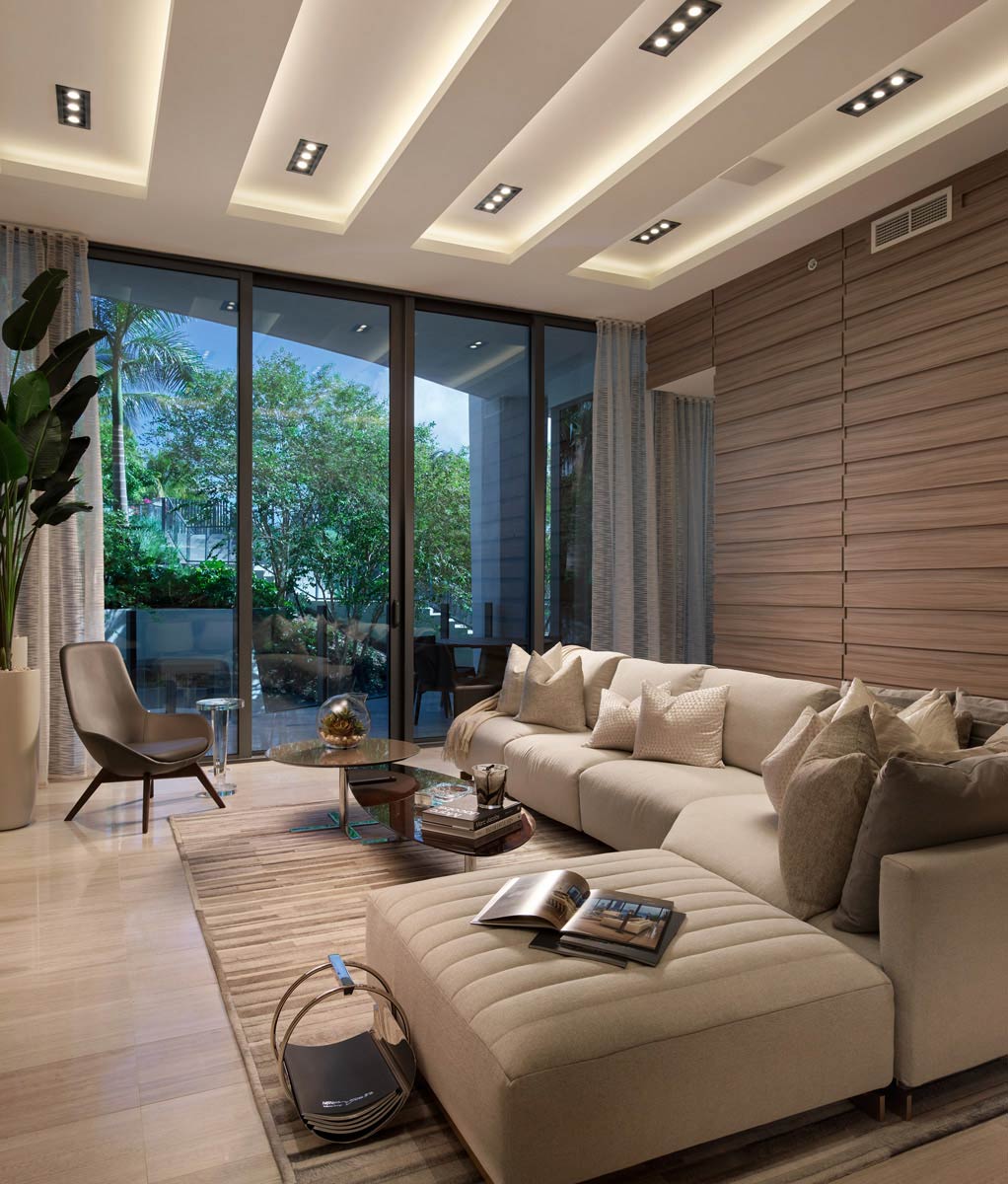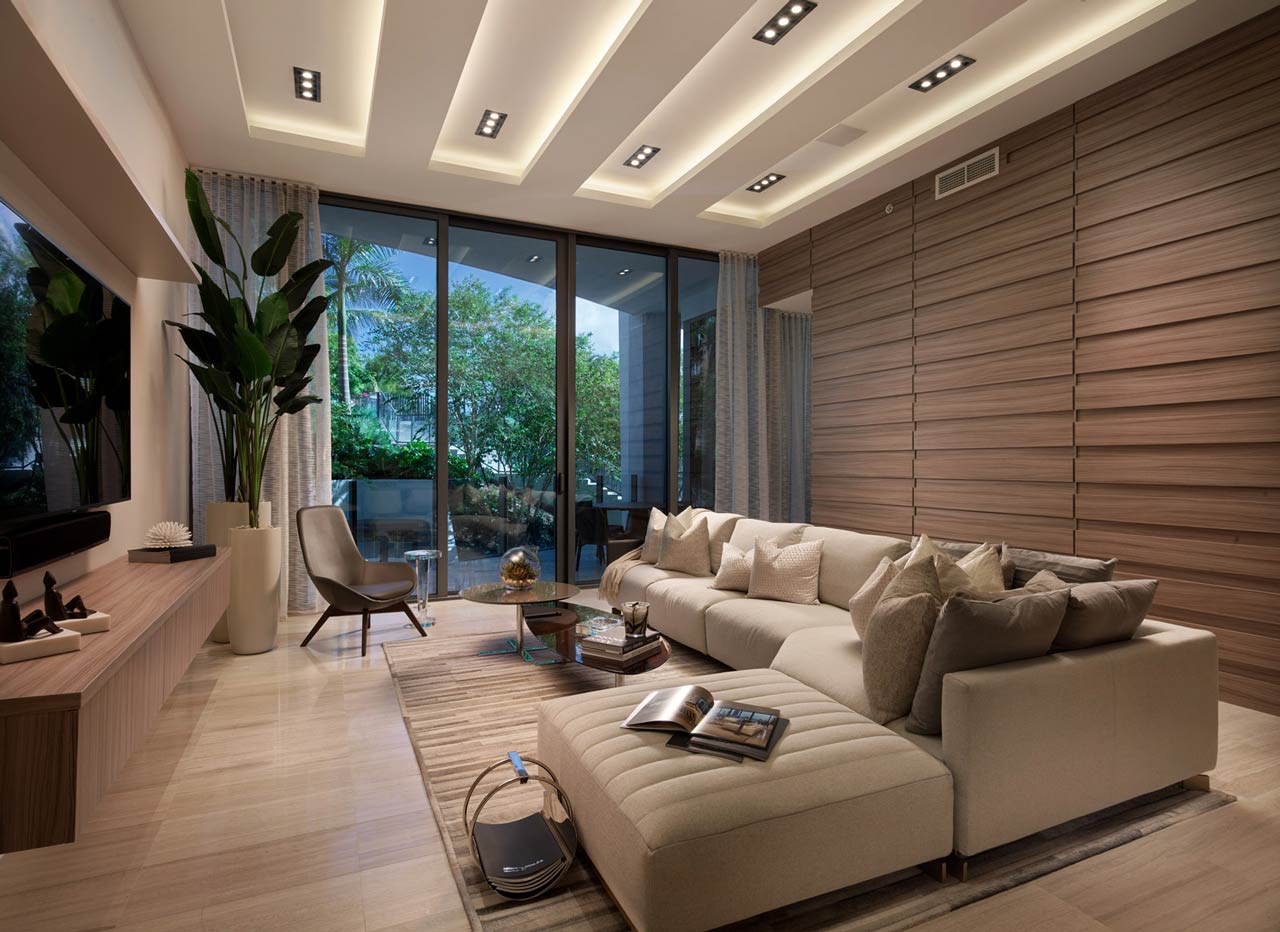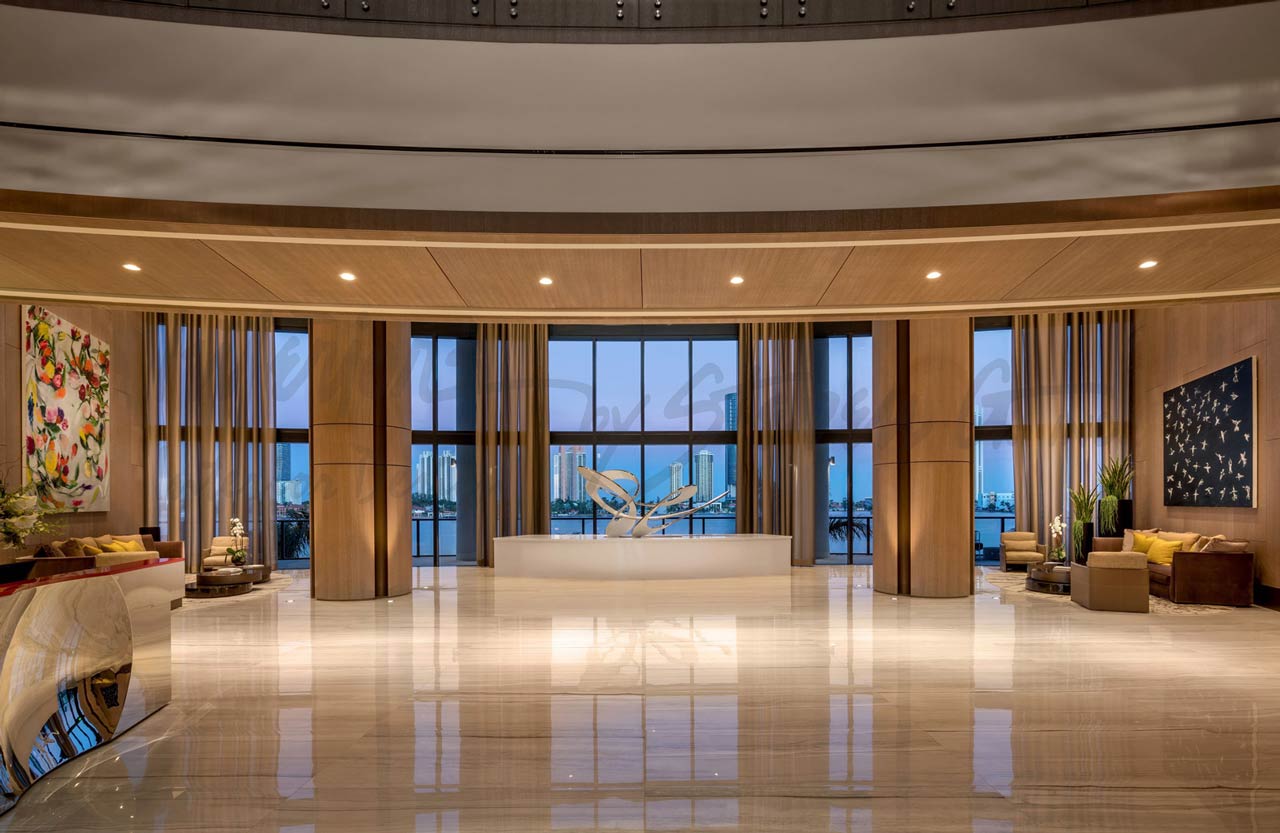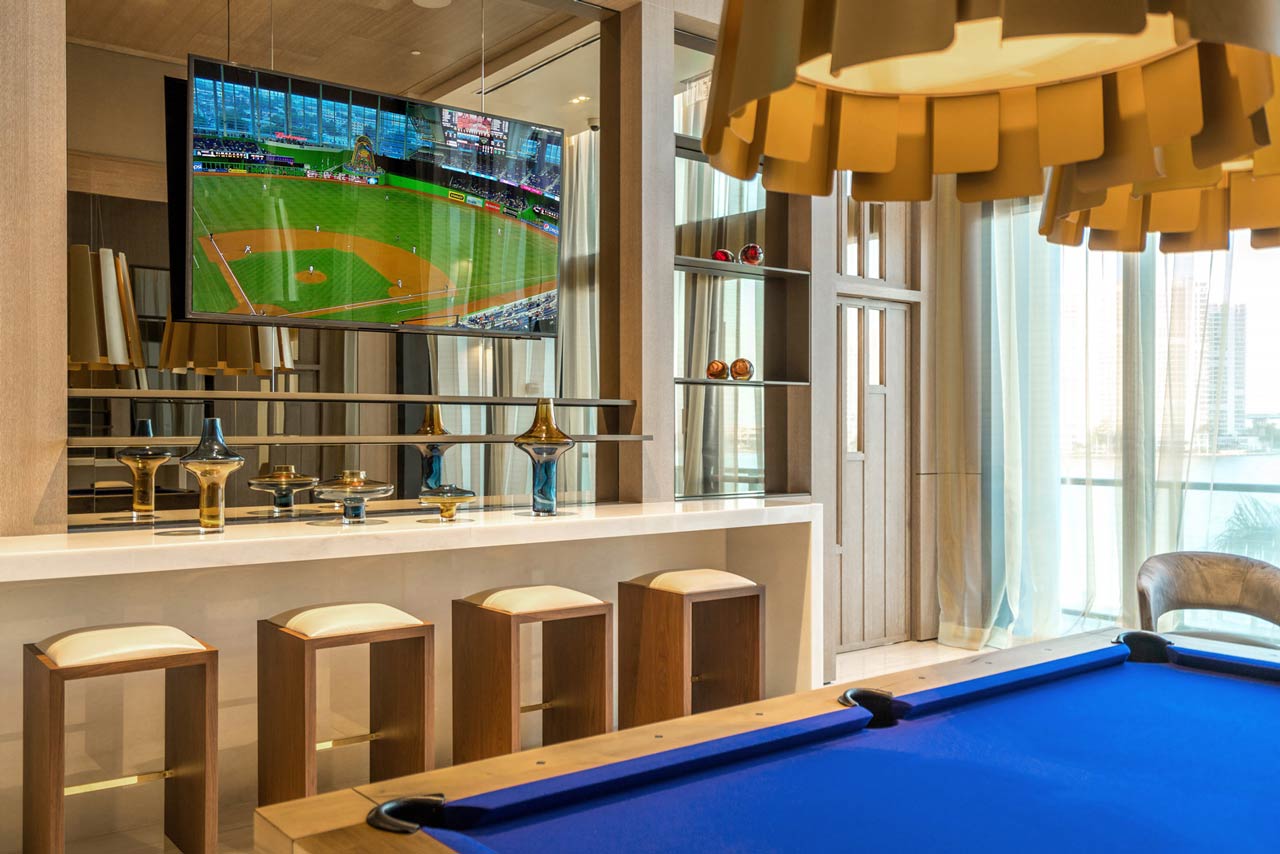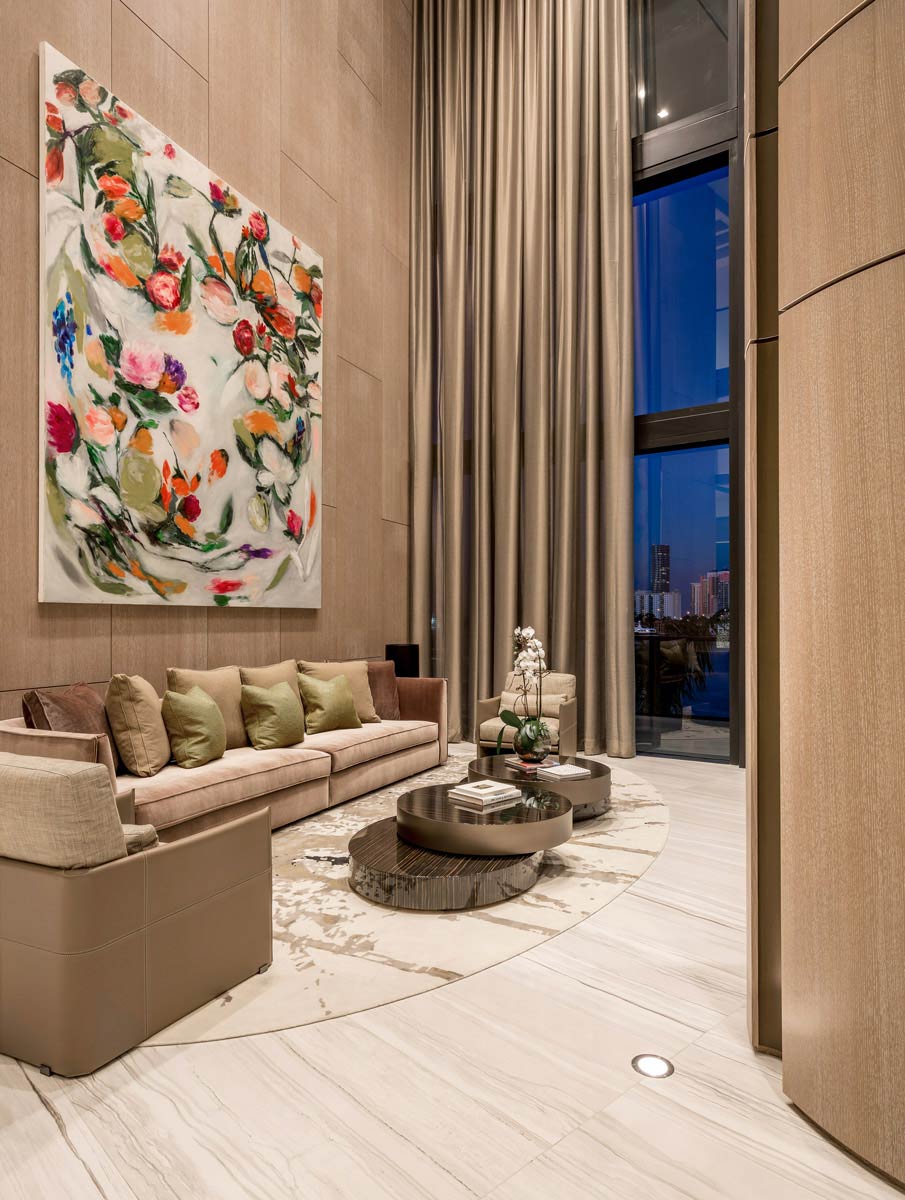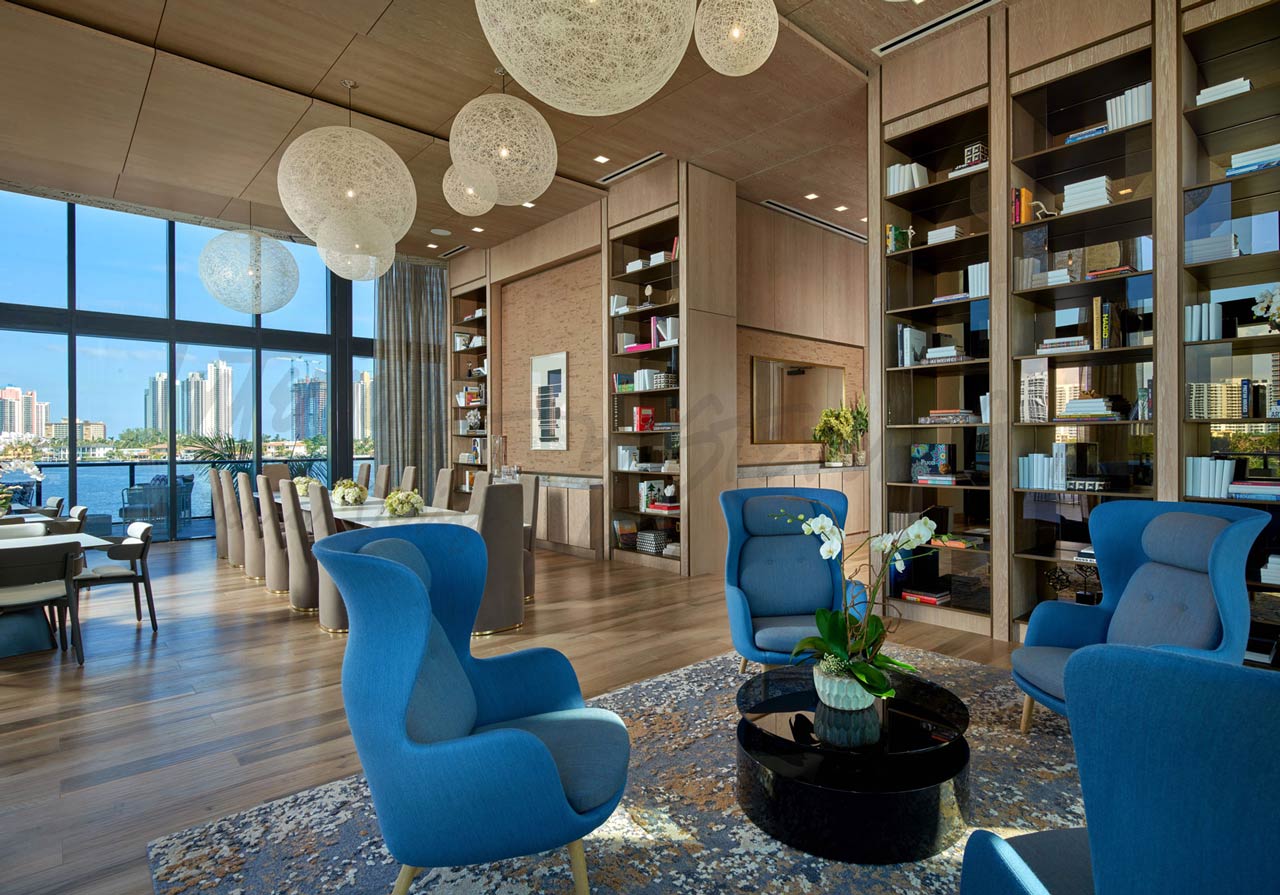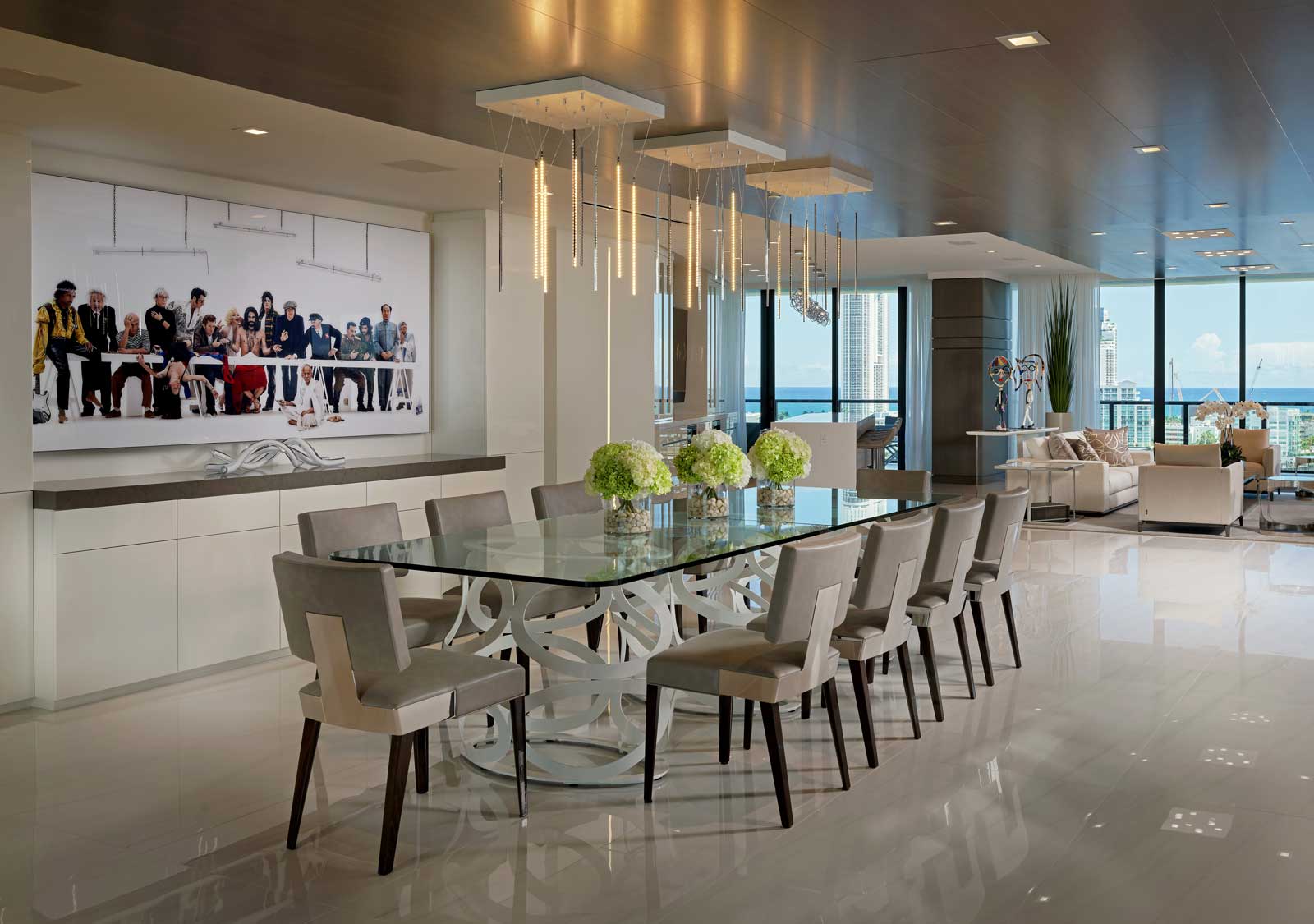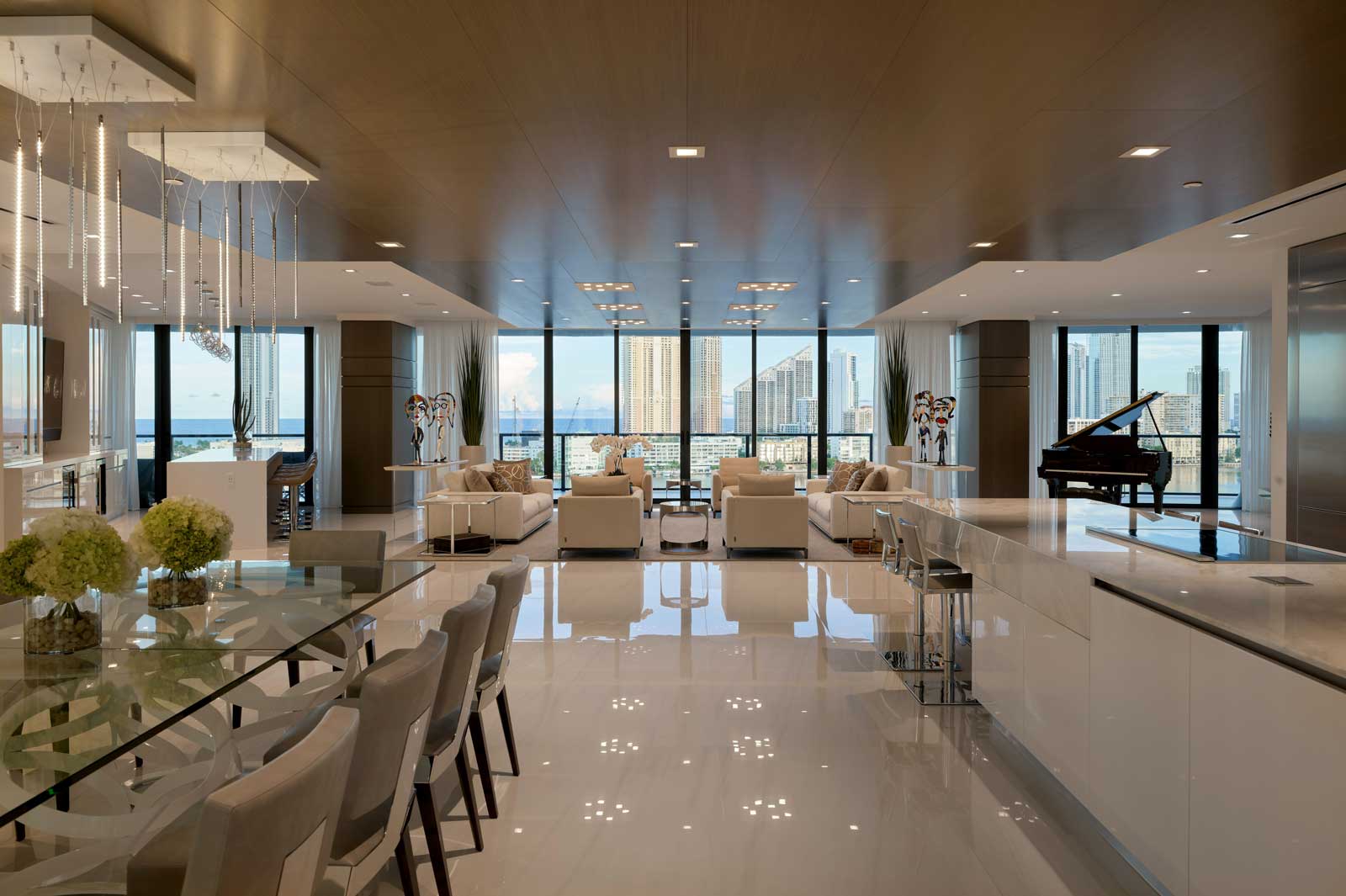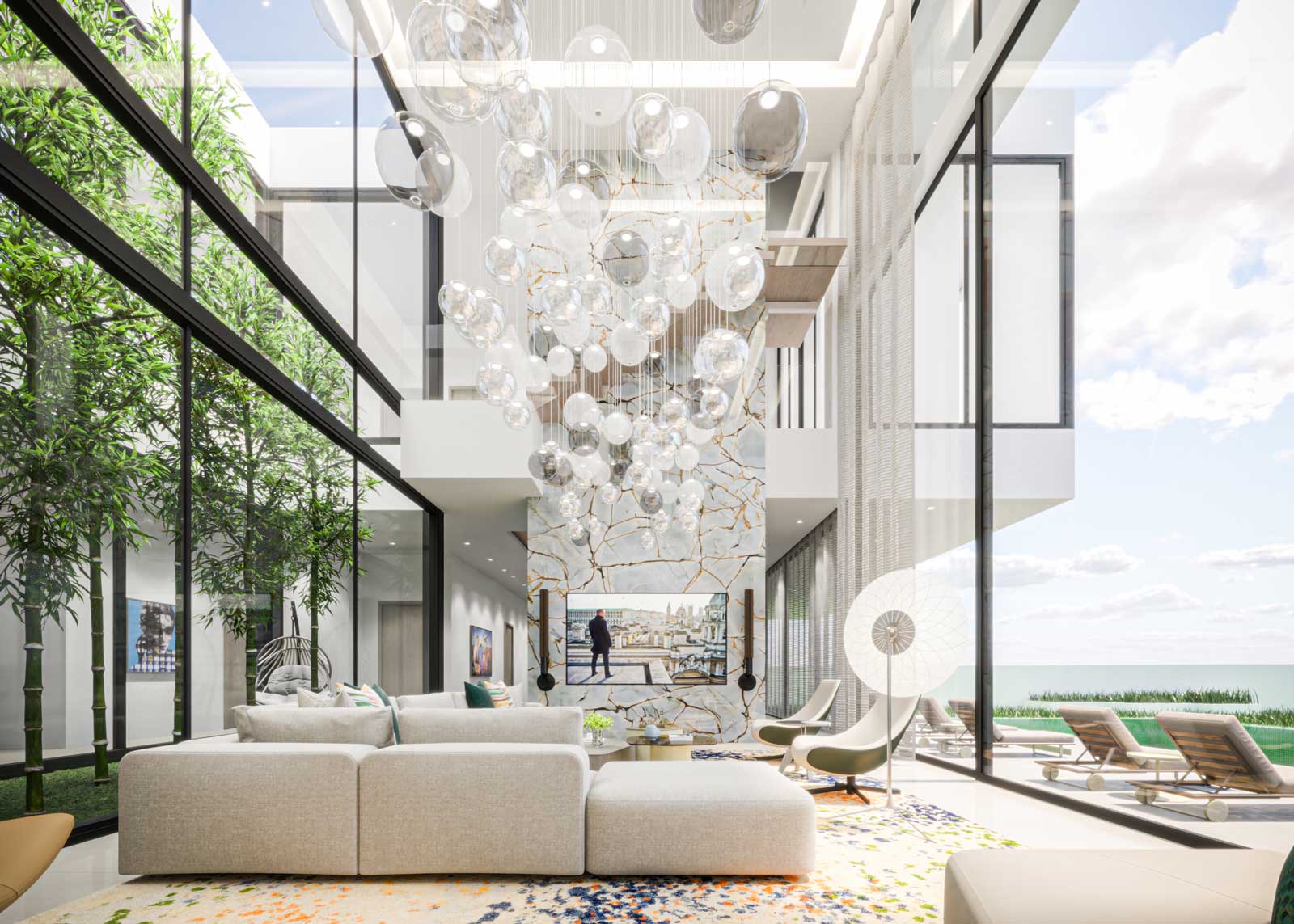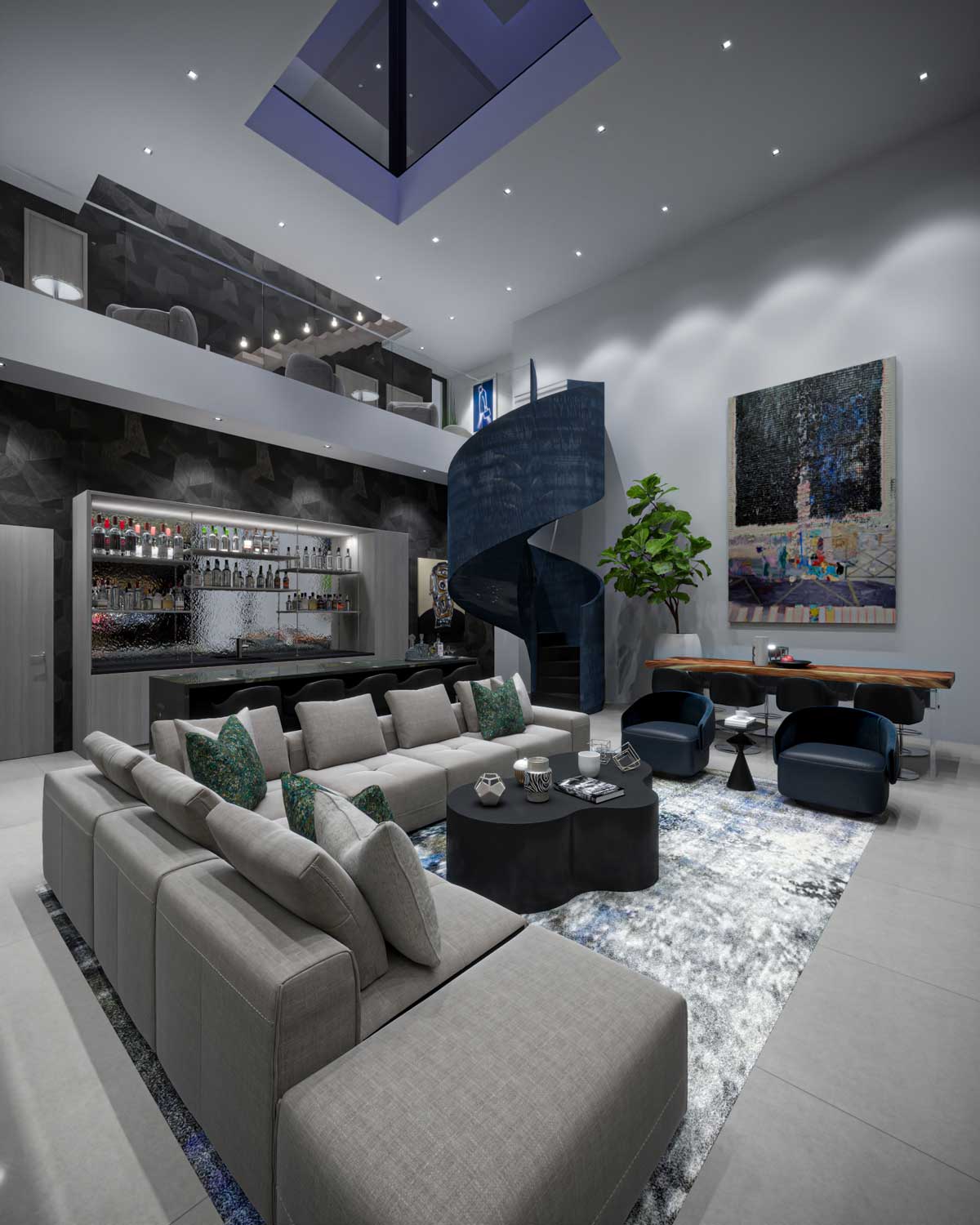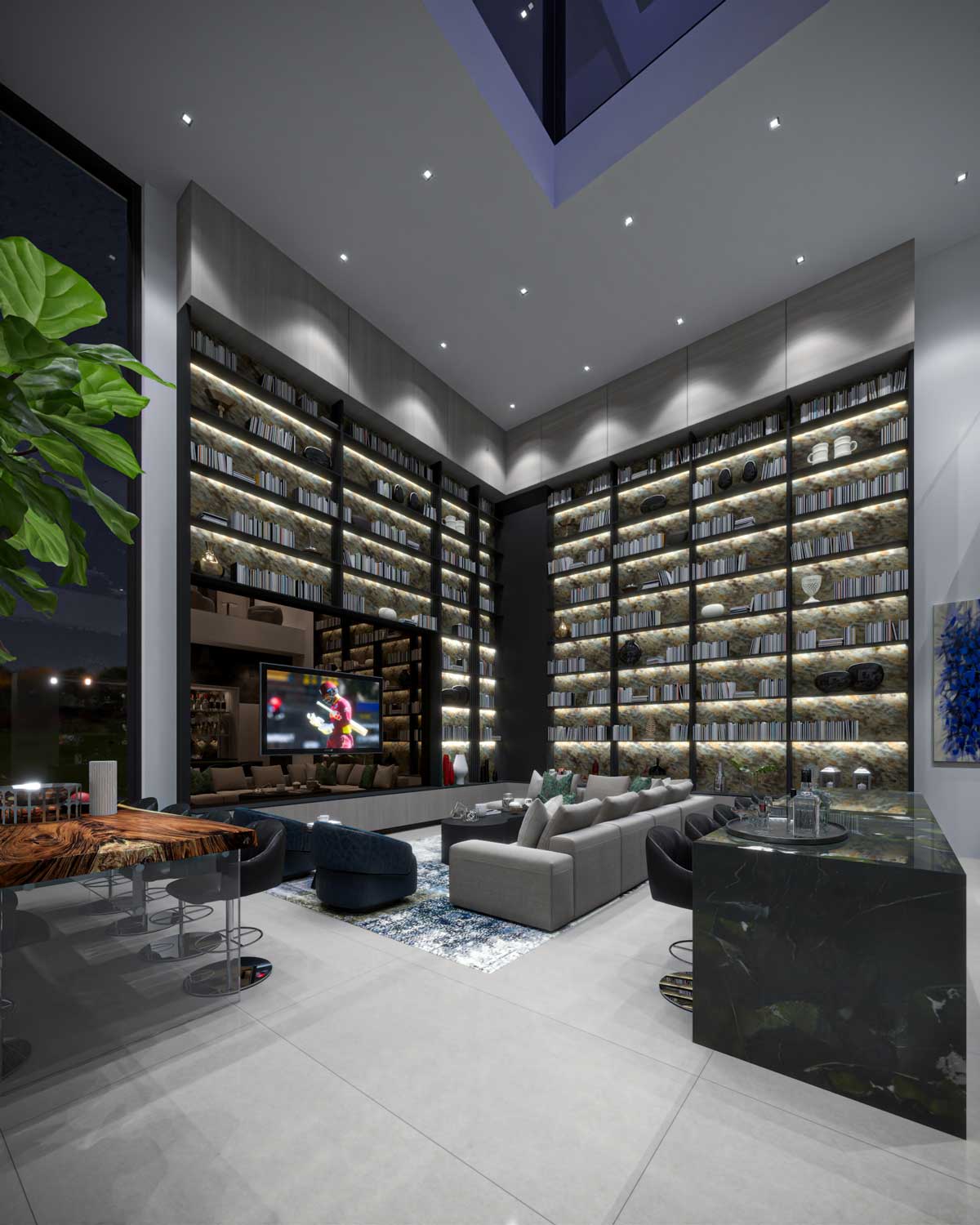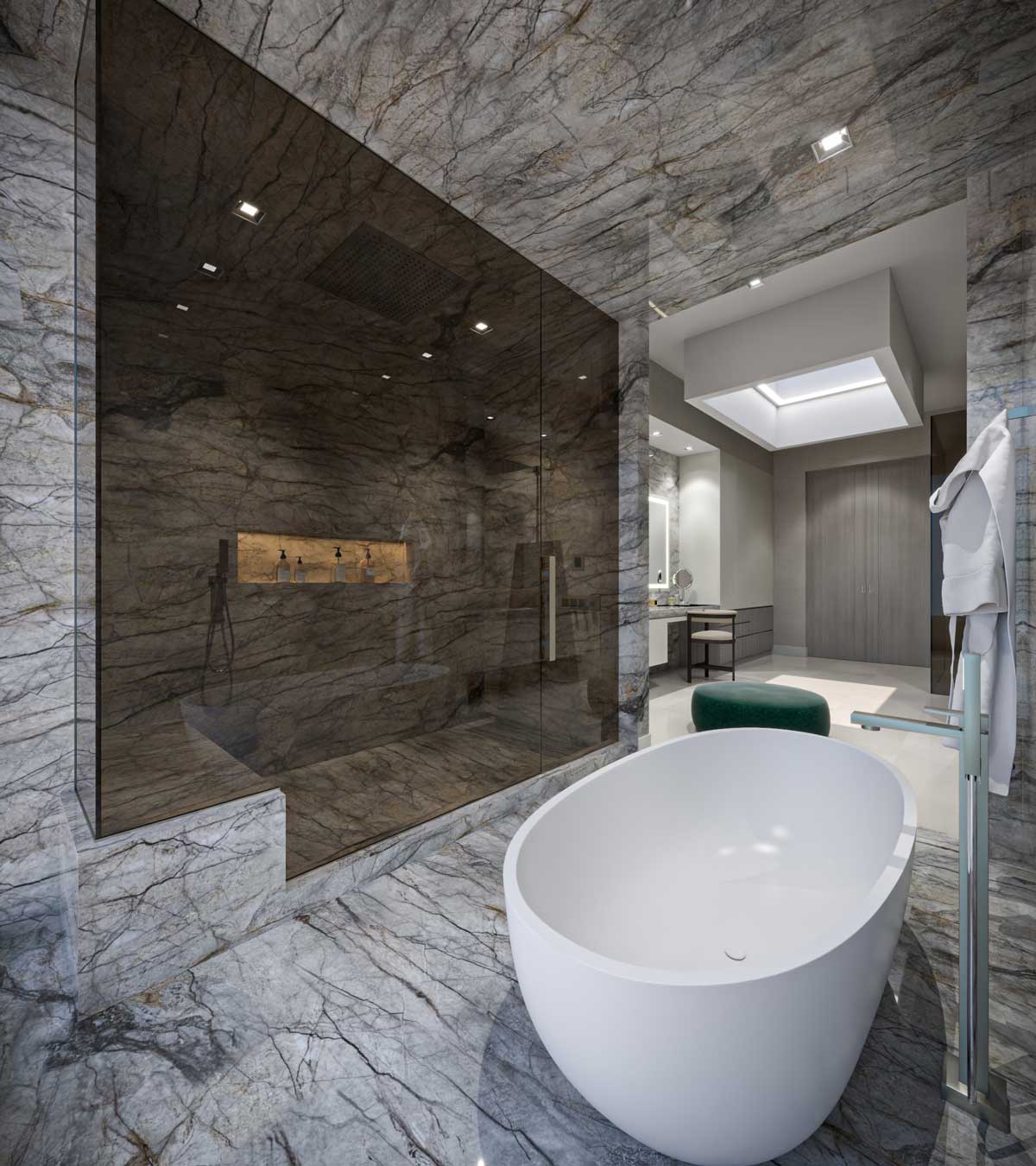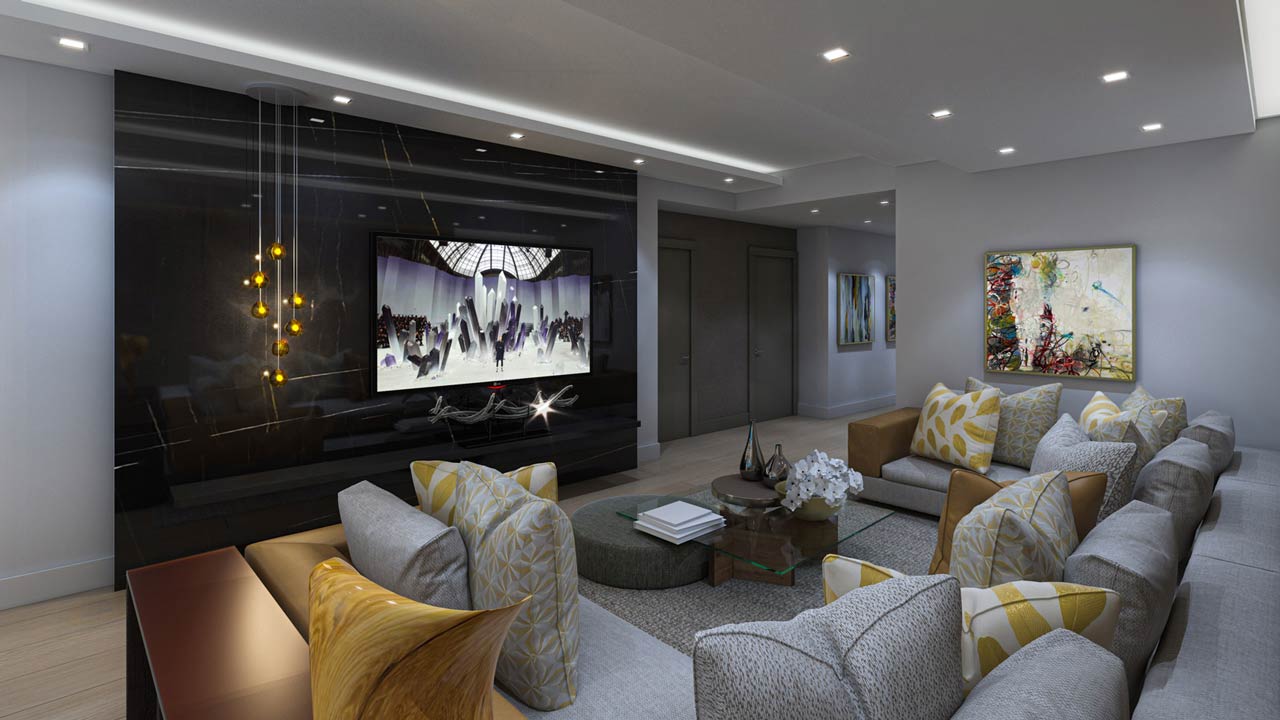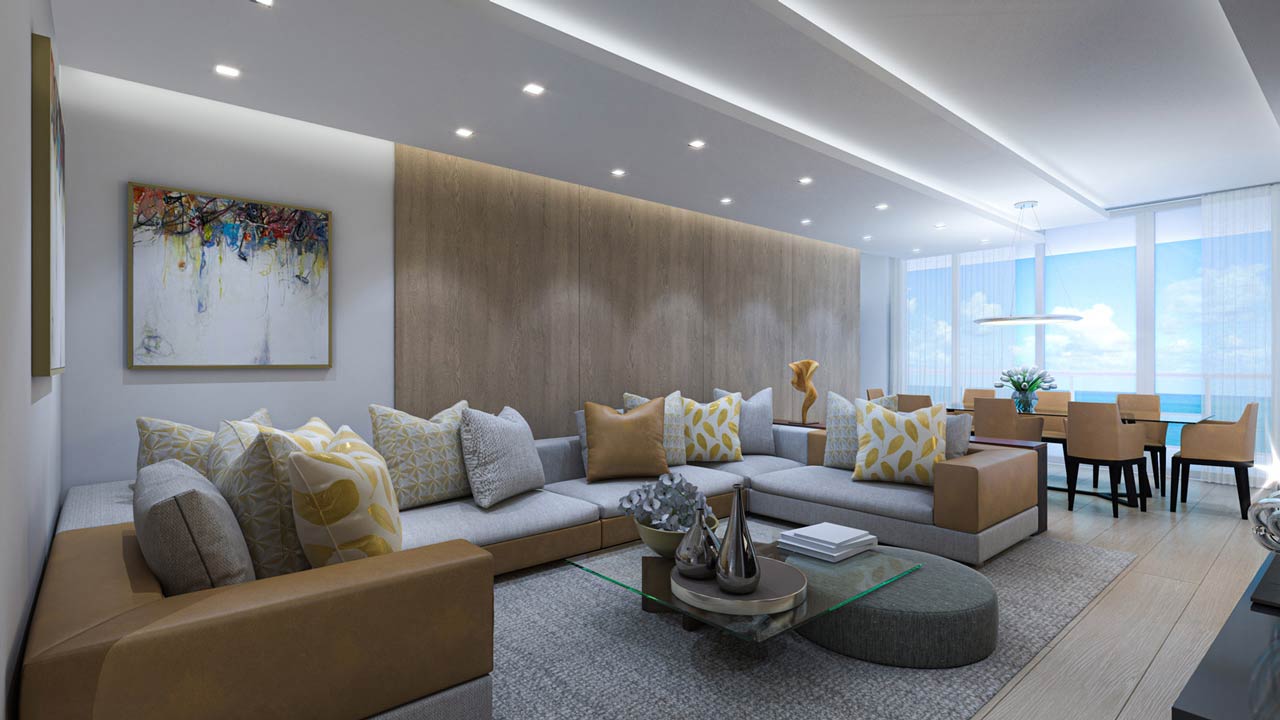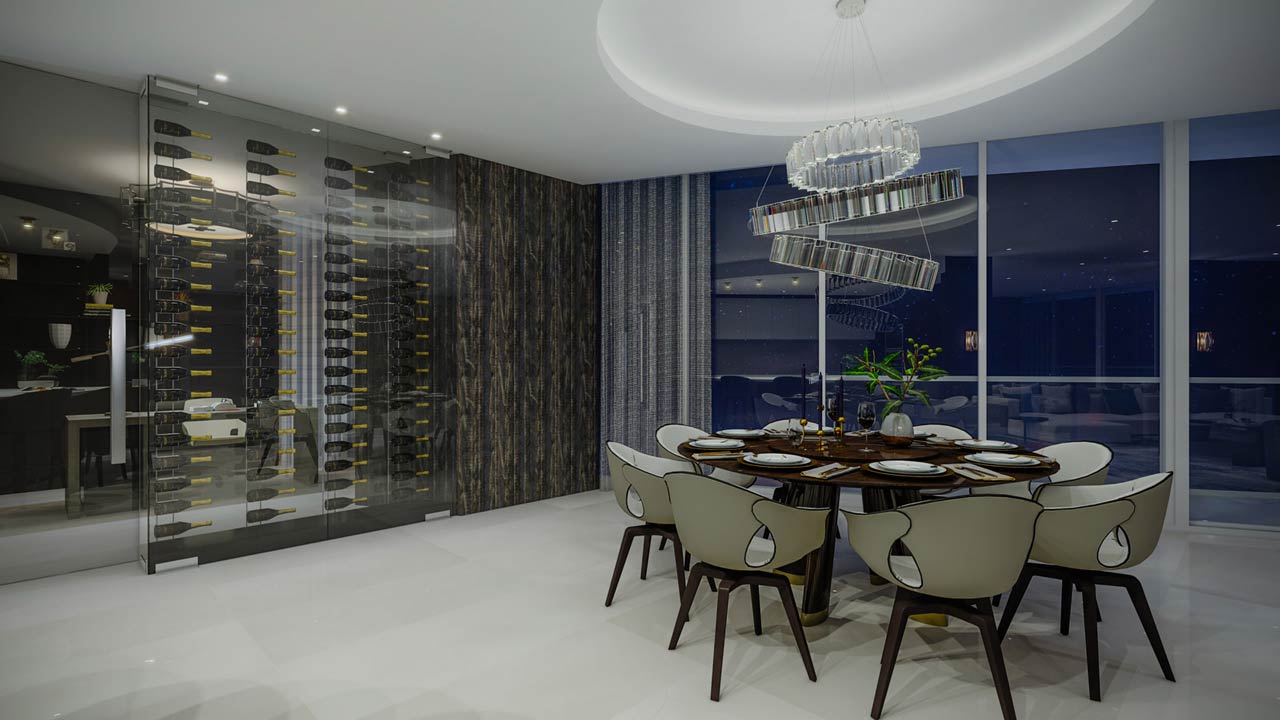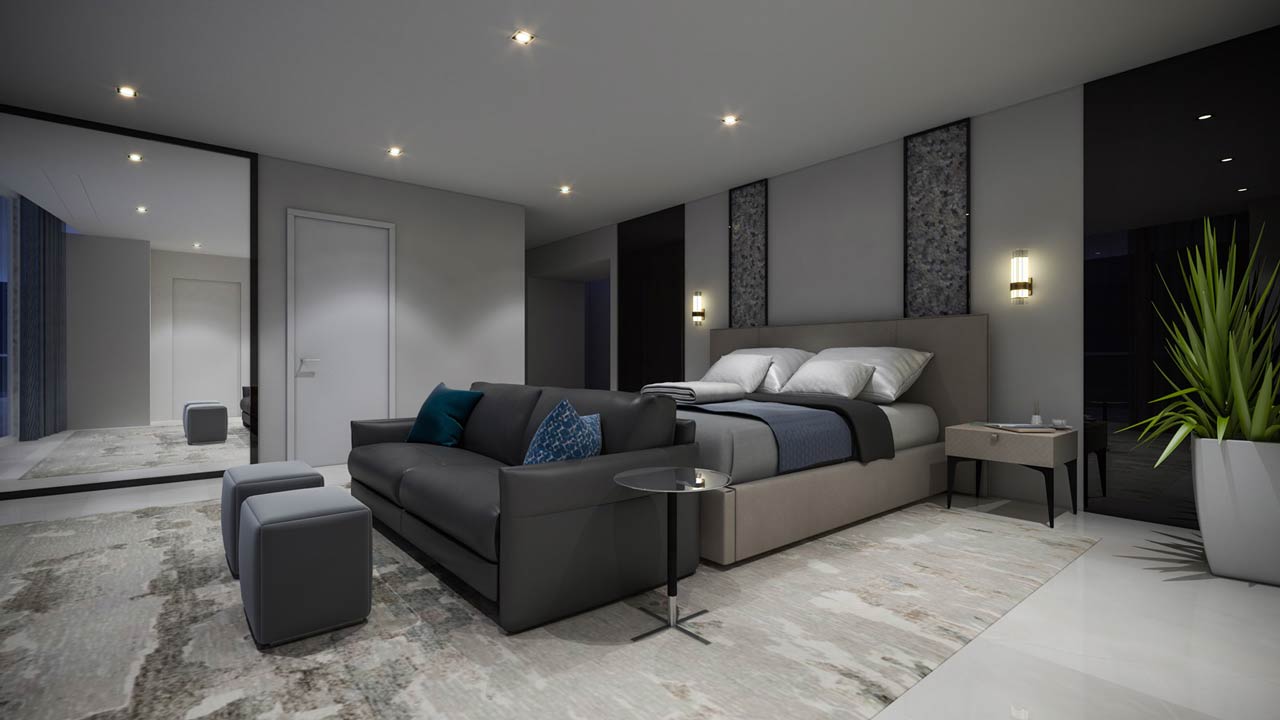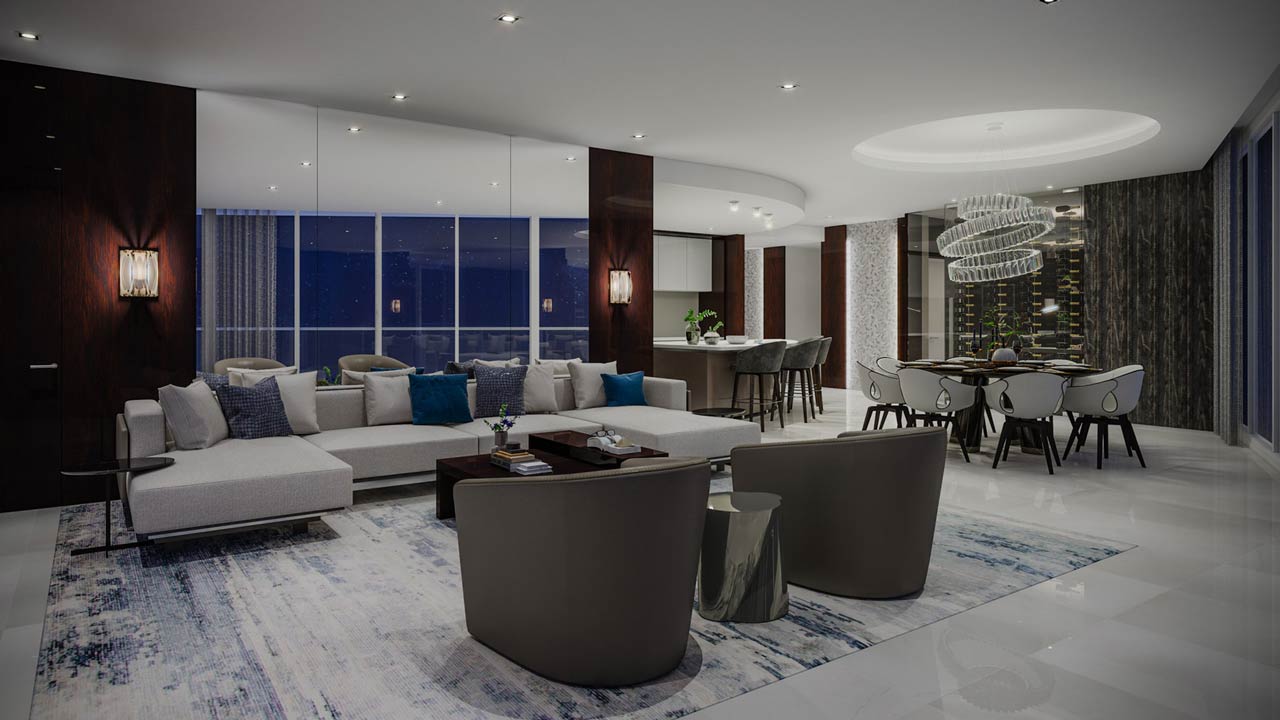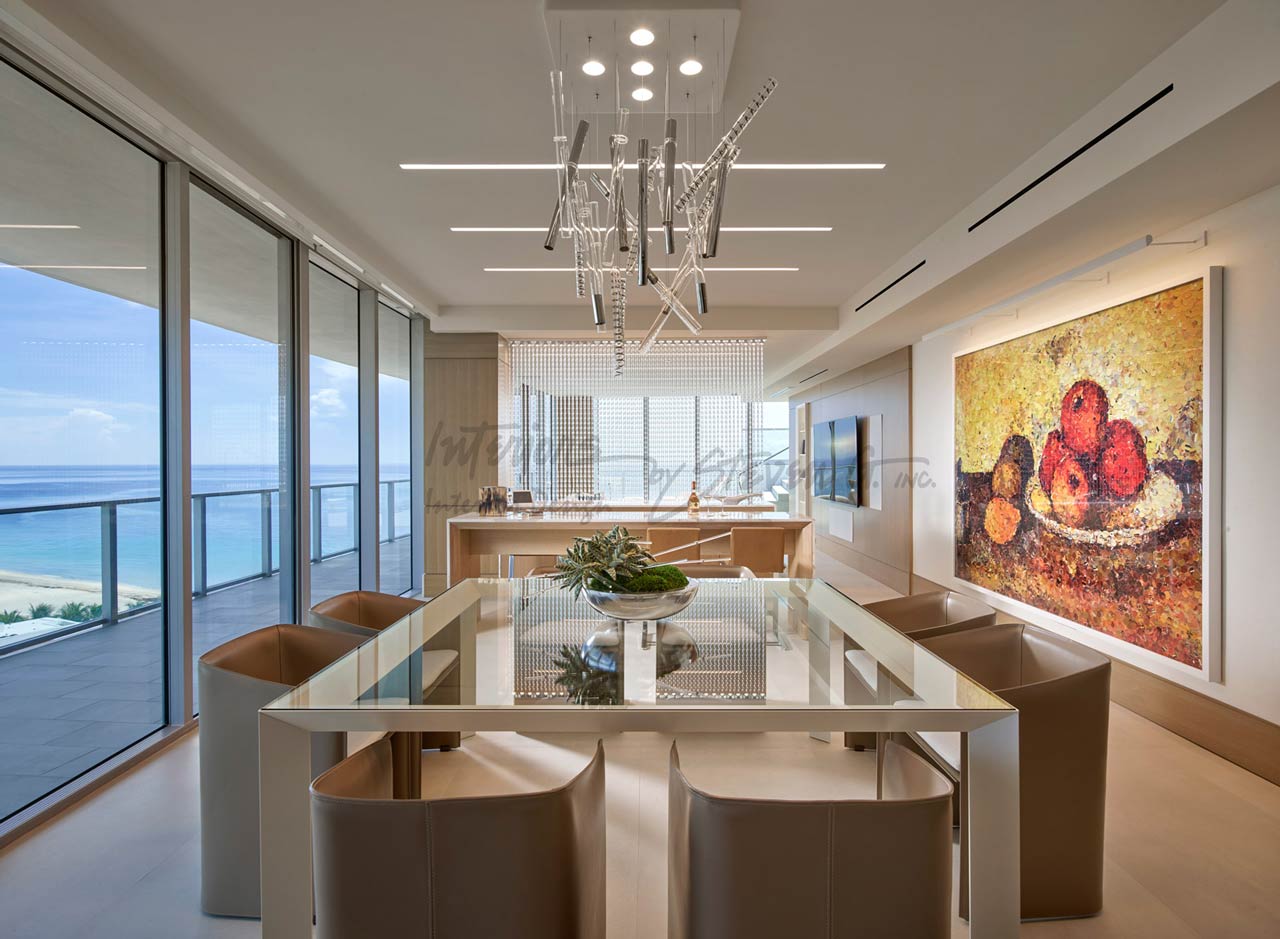




When you walk into a space that feels just right, there’s usually something timeless at work. Great design doesn’t follow fleeting trends or rely on what’s popular this season. Instead, it’s built on foundations that have guided creators for generations, principles that work just as well today as they did decades ago. Whether you’re thinking about refreshing a single room or reimagining an entire property, understanding these enduring ideas can help you create spaces that feel both current and lasting.
The beauty of timeless design principles is that they transcend style preferences. They’re not about choosing between modern minimalism and traditional elegance. Rather, they’re about understanding how spaces work, how people move through them, and how design choices affect the way we feel. These principles apply equally whether you’re working on a cozy home or a dynamic commercial environment.
Balance Creates Visual Harmony
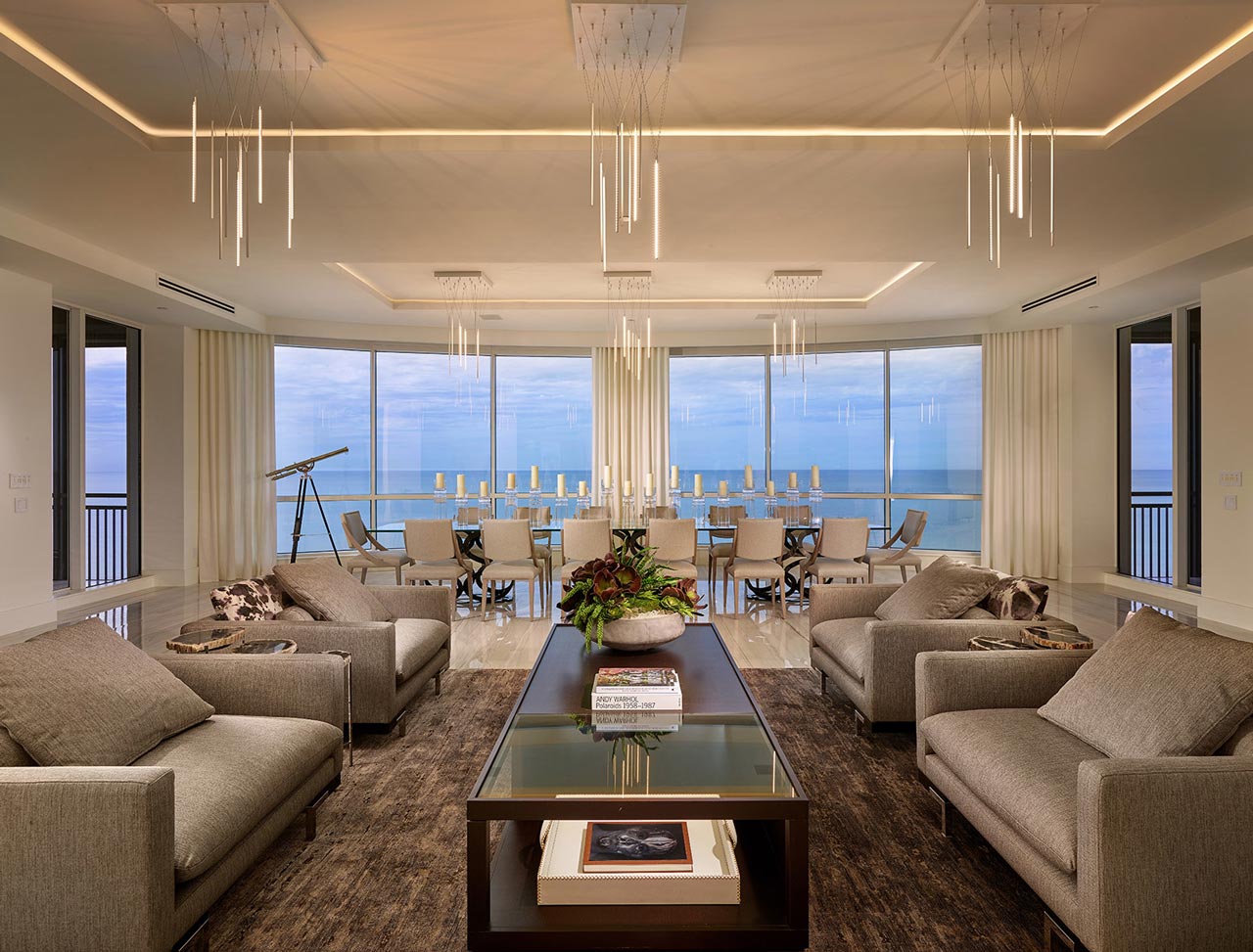
Balance in design is about creating equilibrium in a space, ensuring that no single area feels too heavy or too light compared to the rest. When a room achieves balance, your eye moves comfortably around the space without getting stuck or feeling unsettled. This doesn’t mean everything needs to be symmetrical or that both sides of a room must mirror each other perfectly.
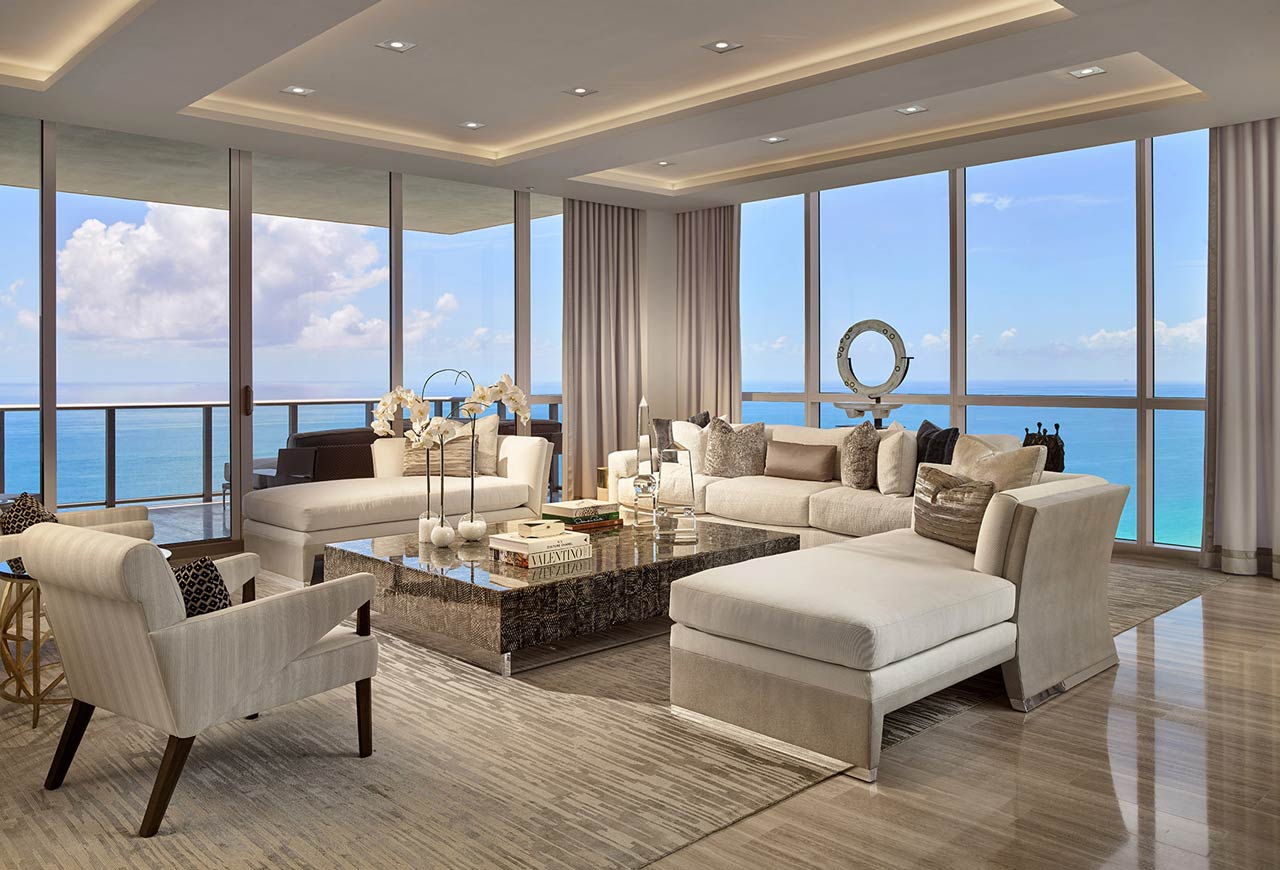
Think of balance as the way visual weight is distributed throughout a space. A large piece of furniture on one side might be balanced by several smaller pieces grouped together on the other. Dark colors carry more visual weight than light ones, and textured surfaces draw more attention than smooth ones. Residential interior designers often work with these elements to create rooms that feel anchored and complete, even when the arrangement is asymmetrical.
The magic of balance is that it happens almost subconsciously. When it’s present, people feel comfortable and relaxed in a space without necessarily knowing why. When it’s absent, something feels off, even if visitors can’t quite put their finger on what’s wrong.
Proportion Guides the Eye
Proportion refers to the relationship between the size of different elements in a space and how they relate to the room itself. When proportion is handled well, everything feels like it belongs together. Furniture doesn’t overwhelm the room or disappear into it. Artwork sits at the right height and scale. Windows feel appropriately sized for the walls they occupy.
Getting proportion right means considering how different pieces relate to each other and to the human scale. A sofa should feel substantial enough to anchor a seating area but not so large that it dominates the entire room. Tables should be the right height relative to the seating. Lighting fixtures should match the scale of the space they illuminate.
Rhythm Moves the Experience Forward
Rhythm in design creates a sense of movement and flow, guiding people through a space in an intentional way. This happens through repetition, whether that’s repeating colors, shapes, textures, or patterns. When rhythm is present, spaces feel cohesive and connected rather than random or disjointed.
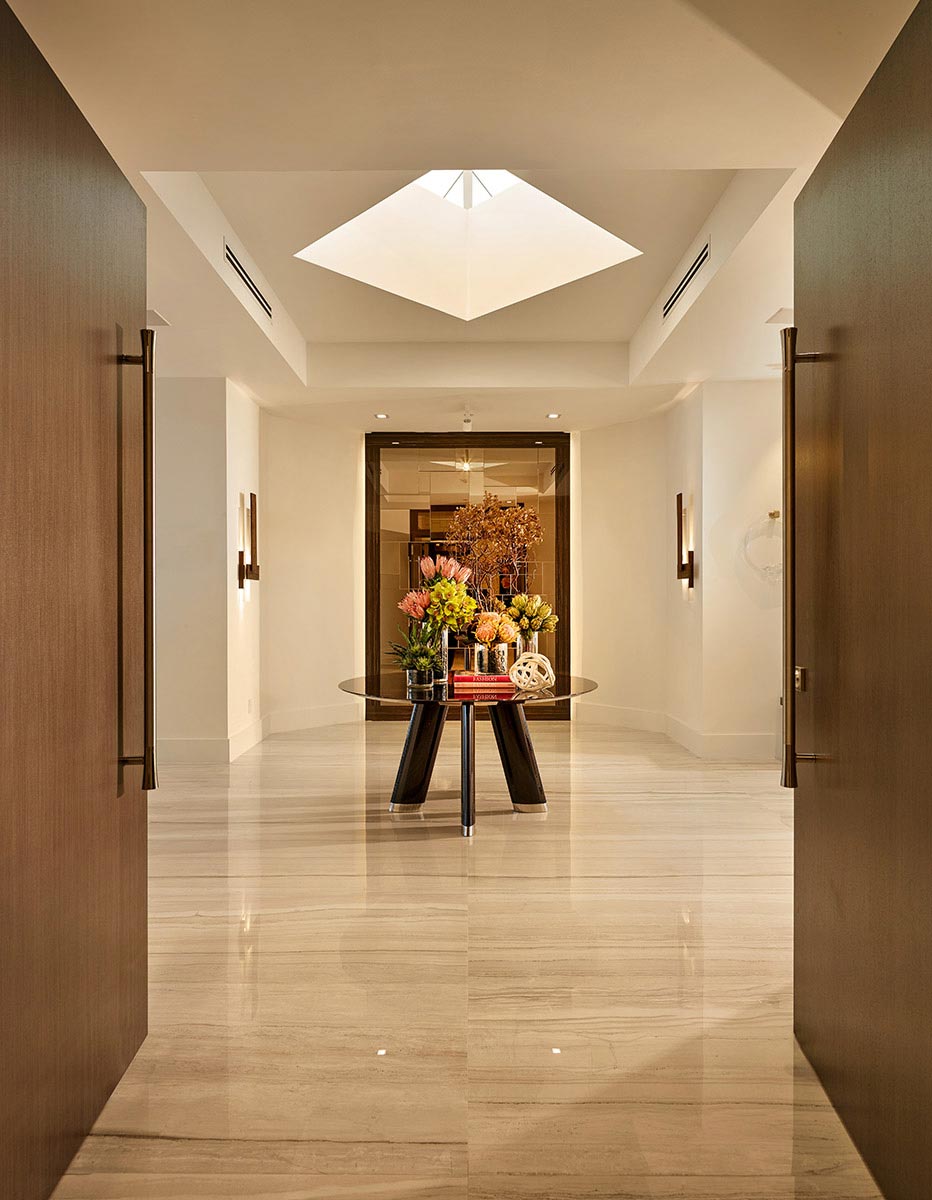
You might see rhythm expressed through a color that appears in different forms throughout a room, or through architectural details that repeat at regular intervals. It could be the way flooring patterns lead your eye down a hallway, or how similar shapes appear in furniture, lighting, and accessories. This repetition creates a thread that ties everything together.
Rhythm doesn’t mean monotony. The most interesting spaces use rhythm with variation, repeating elements while also introducing enough change to keep things engaging. It’s like music where a melody repeats but evolves, creating something that’s both familiar and fresh.
Emphasis Directs Attention
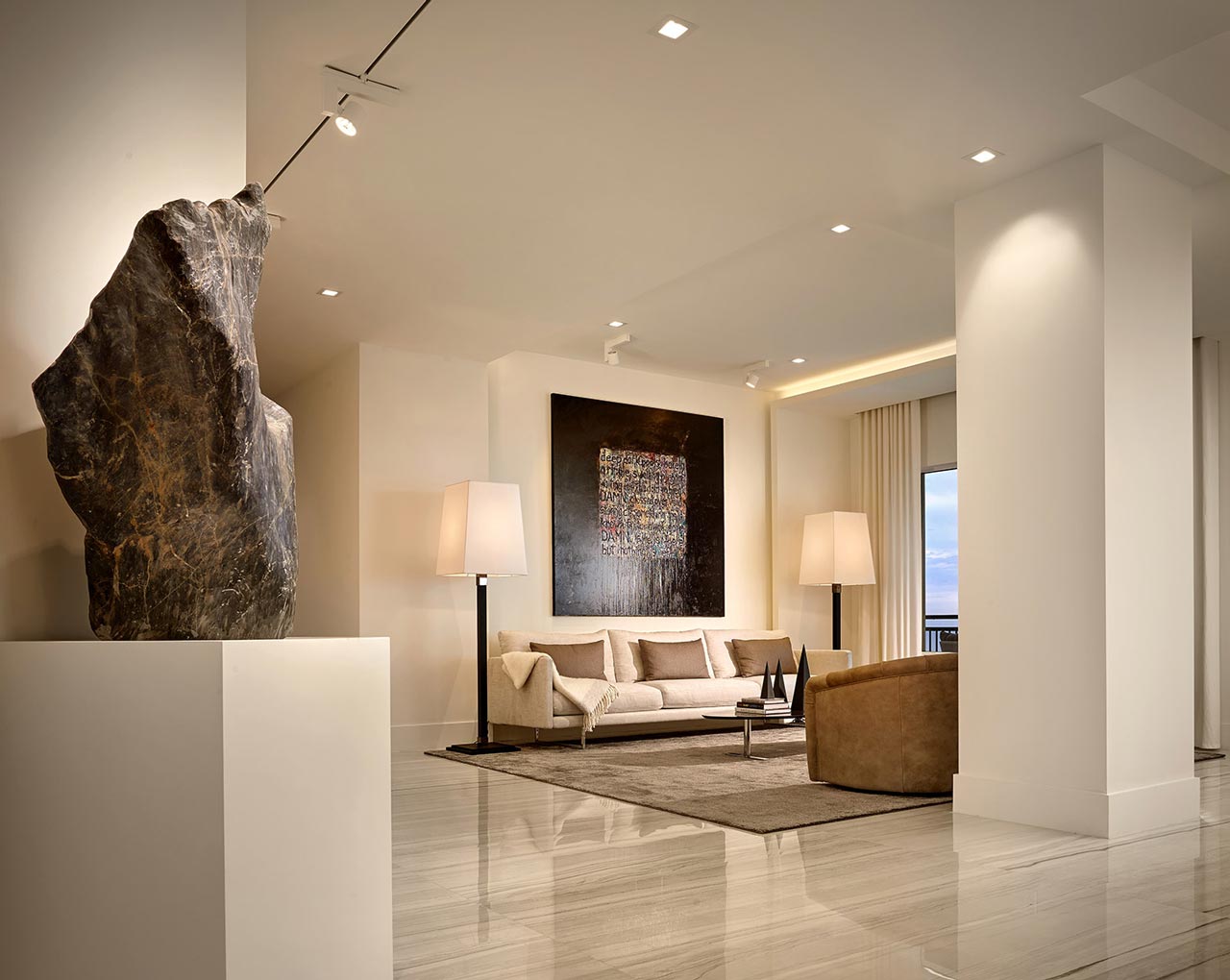
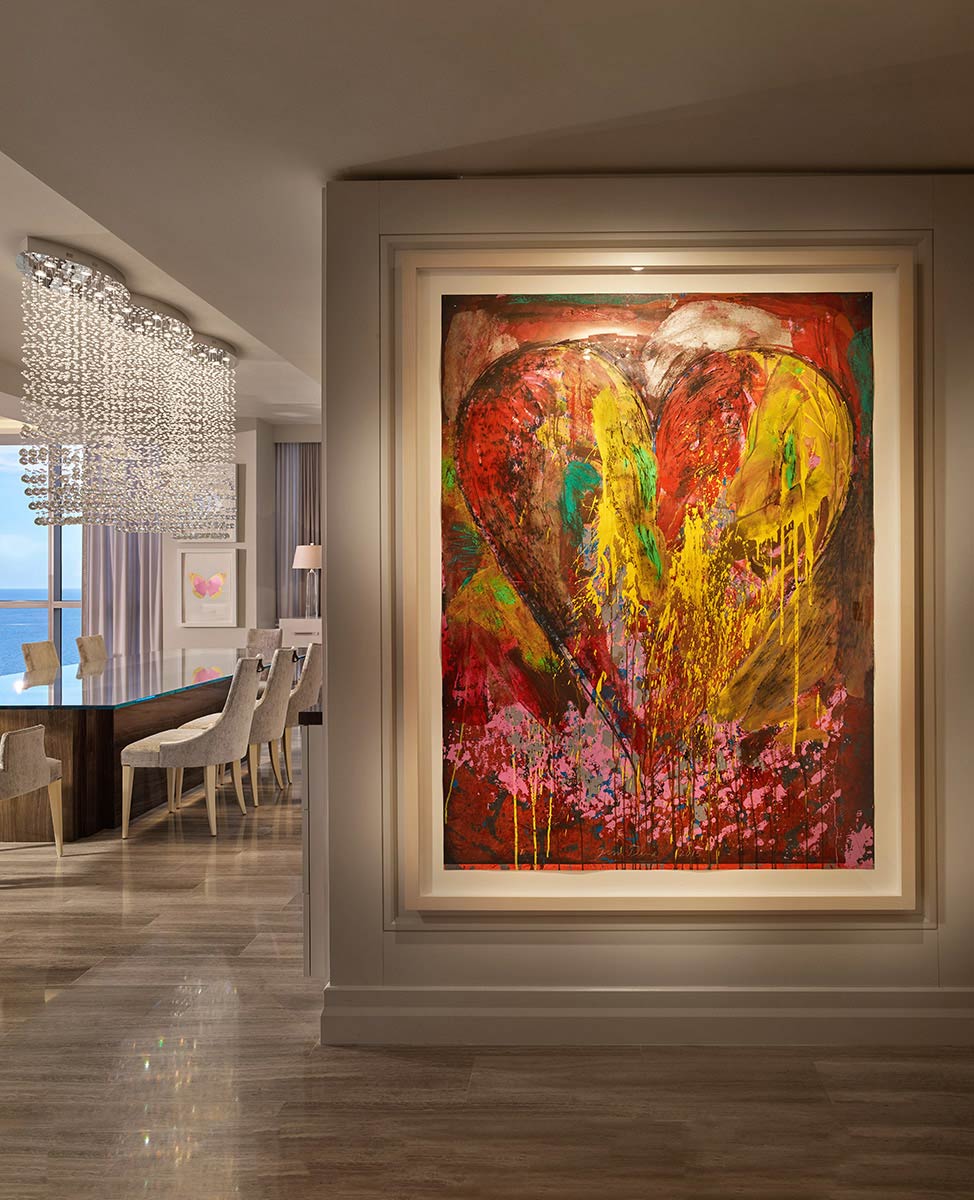
Every well-designed space needs a focal point, something that draws the eye and serves as an anchor for the rest of the design. This is emphasis at work, the principle of creating hierarchy and directing attention to what matters most. Without emphasis, spaces can feel scattered and purposeless.
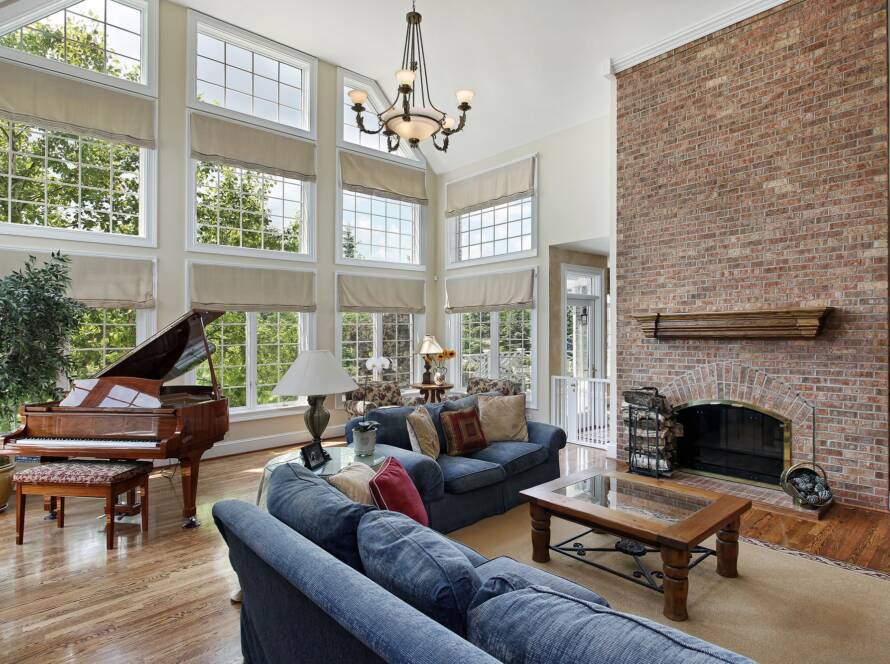
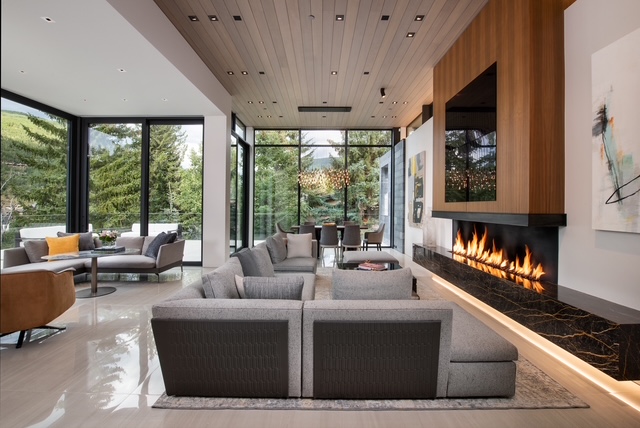
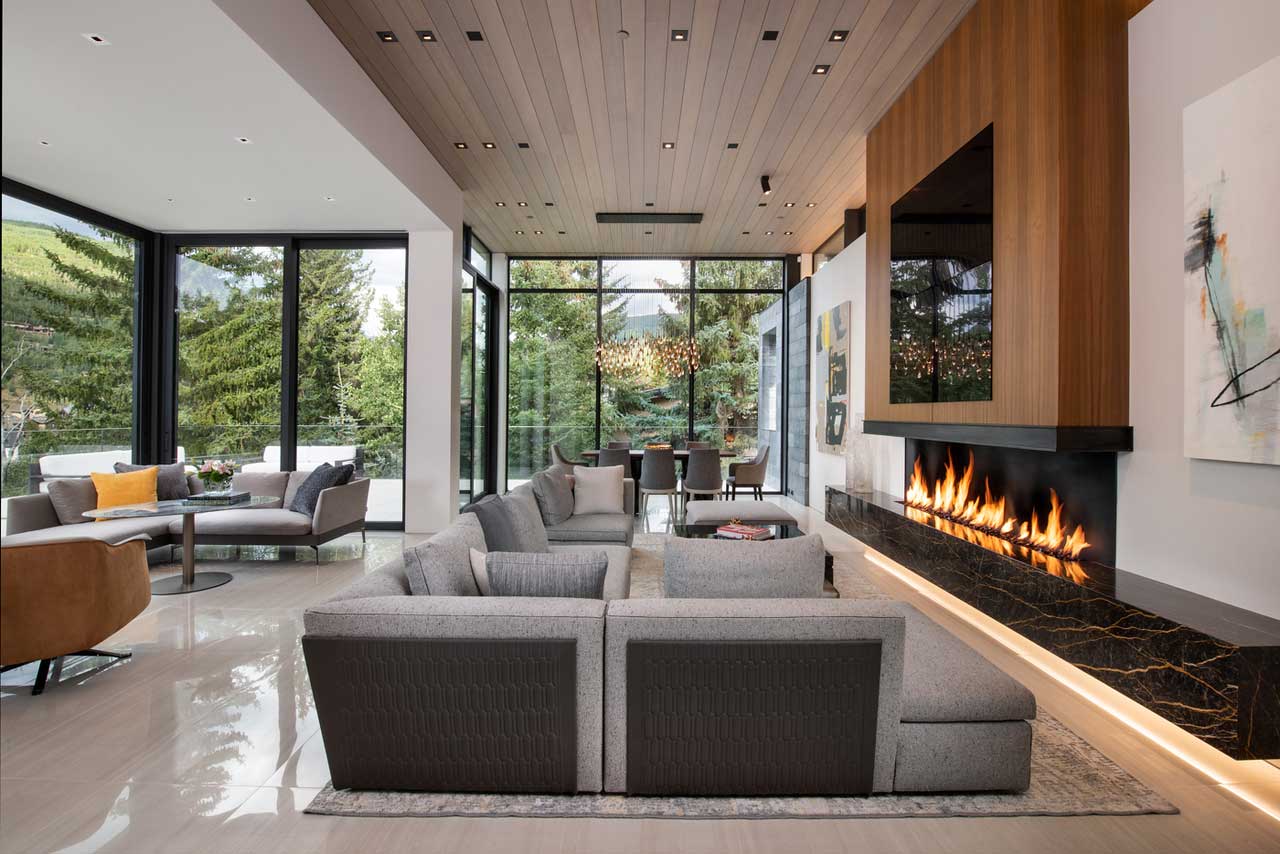
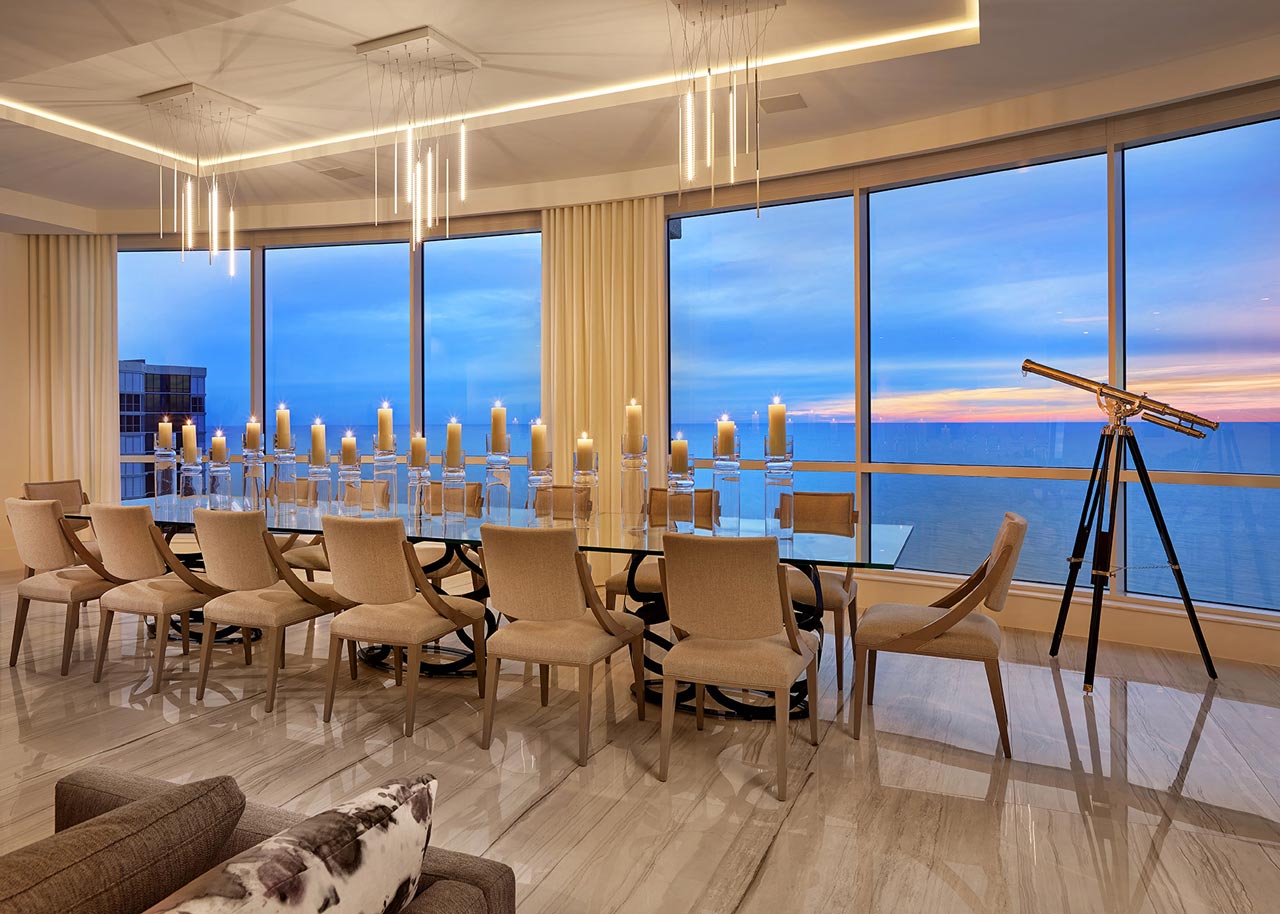
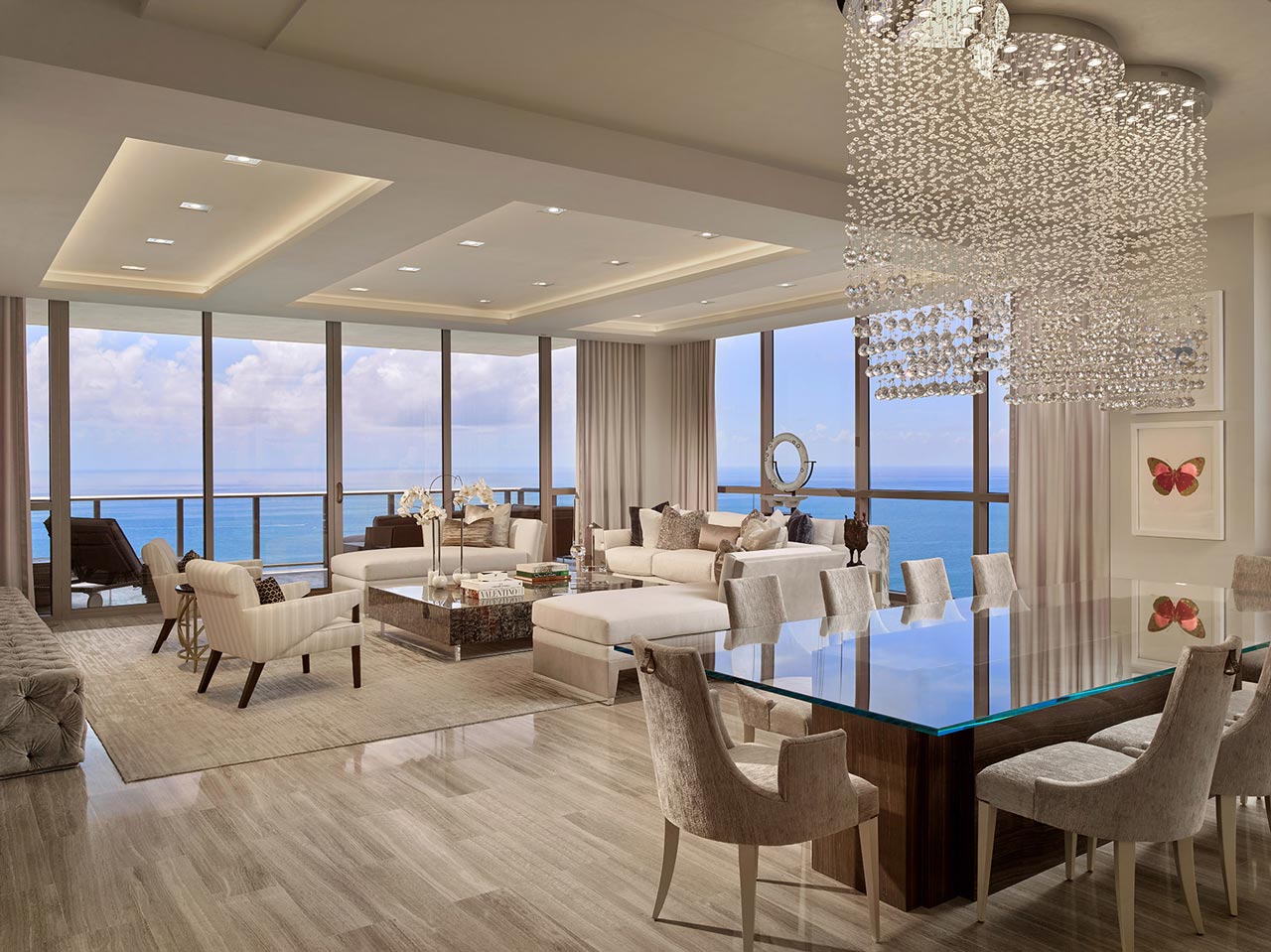
A focal point might be architectural, like a fireplace or a wall of windows with a stunning view. It could be created through design choices, like an accent wall or a dramatic lighting fixture. Whatever form it takes, emphasis gives people a place to start when they enter a space and provides a reference point for arranging everything else.
The key is having one primary focal point rather than competing elements that fight for attention. Secondary points of interest can support the main focus, but they shouldn’t overwhelm it. This creates a clear hierarchy that makes spaces easier to understand and more pleasant to experience.
Unity Brings Everything Together
Unity is what transforms a collection of individual elements into a cohesive whole. It’s the principle that ensures all your design choices work together rather than against each other. When unity is present, everything in a space feels like it belongs, even when the individual pieces are quite different from each other.
Creating unity often involves finding common threads between disparate elements. This might be a consistent color palette, similar materials or finishes, or a shared style sensibility. It could also come from the way pieces relate to each other through proportion and scale, or how they all serve a common functional purpose.
Unity doesn’t require uniformity. In fact, some of the most interesting spaces achieve unity while incorporating diverse elements and unexpected combinations. The goal is connection, not sameness, creating relationships that make sense even when bringing together different styles, eras, or aesthetics.
Contrast Creates Interest
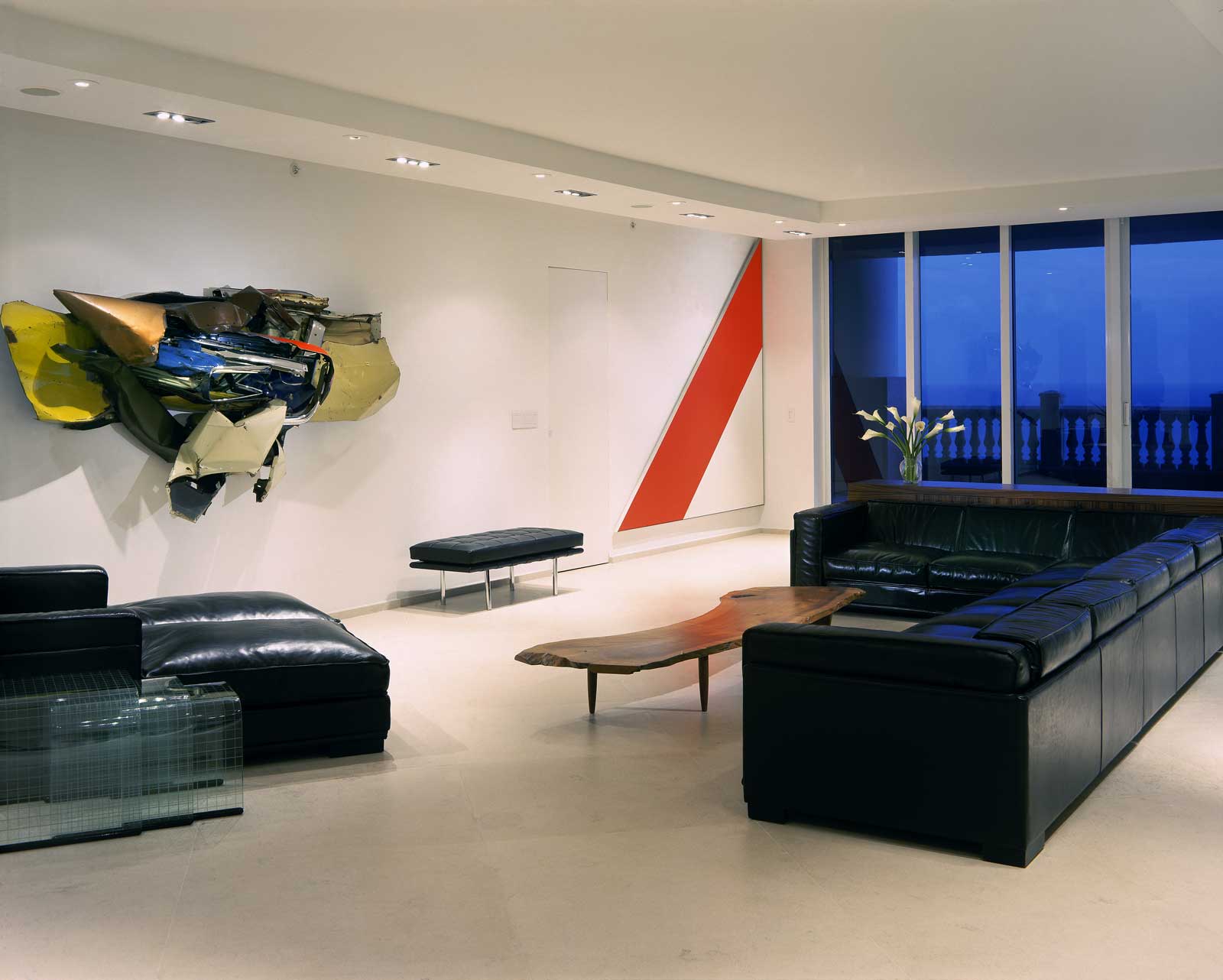
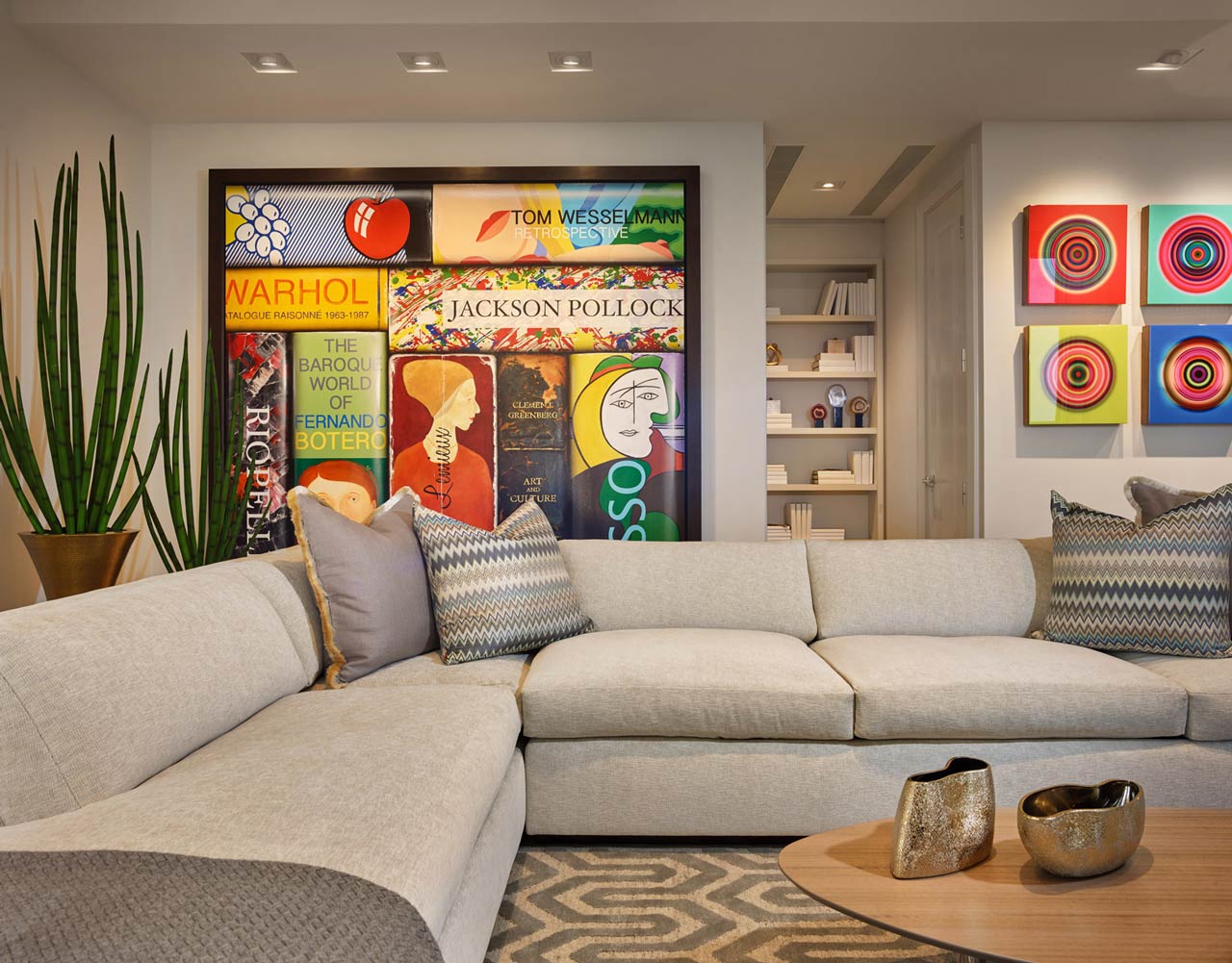
While unity brings things together, contrast is what makes them interesting. Contrast happens when you place different elements side by side, creating visual tension and energy. Light against dark, smooth against textured, simple against ornate—these juxtapositions wake up a space and give it personality.
The most effective use of contrast is intentional and measured. Too little contrast and a space feels flat and monotonous. Too much and it becomes chaotic and exhausting. The sweet spot is finding the right amount of variety to create interest while maintaining overall cohesion.
Contrast can serve practical purposes, too. It helps define different areas within an open space, drawing boundaries without walls. It can highlight important features or downplay ones you want to minimize. Used thoughtfully, contrast becomes a powerful tool for shaping how people experience and interact with a space.
Functionality Ensures Lasting Value
The most timeless principle of all might be that good design works well. Spaces need to serve their intended purpose effectively, making life easier and more enjoyable for the people who use them. No matter how beautiful a design is, it won’t stand the test of time if it doesn’t function properly.
Functionality means thinking about how spaces will actually be used, considering traffic patterns, storage needs, lighting requirements, and countless other practical considerations. It means designing for real life, not just for how a space looks in a photograph. When functionality is prioritized alongside aesthetics, you create spaces that people love not just initially but over the long term.
This principle applies equally to residential and commercial settings. A home needs to support daily routines and adapt to changing needs. A workspace needs to facilitate productivity and collaboration. When design serves these functional goals while also being visually appealing, that’s when it truly succeeds.
These seven principles—balance, proportion, rhythm, emphasis, unity, contrast, and functionality—form a foundation for creating spaces that endure. They’re not rules to follow rigidly but rather guides to inform your decisions and help you evaluate your choices. Understanding them gives you a framework for creating spaces that feel right, work well, and remain relevant over time.
The beauty of these principles is their flexibility. They can be applied to any style, any budget, and any type of space. They work whether you’re drawn to clean contemporary lines or rich traditional details. They’re just as relevant for a commercial environment as for a private home.
If you’re ready to create spaces guided by these timeless principles, our team is here to help bring your vision to life. Contact us today to get started.
Frequently Asked Questions
Can timeless design principles work with personal style preferences?
Absolutely. These principles are frameworks that support rather than dictate style choices. They help ensure that whatever aesthetic direction you choose will be executed in a way that feels balanced, cohesive, and functional. Your personal taste determines what the space looks like, while these principles help ensure it works well.
Do these principles apply to outdoor spaces as well?
Yes, these same principles guide successful outdoor design. Balance, proportion, rhythm, emphasis, unity, contrast, and functionality all matter just as much in gardens, patios, and outdoor living areas. The materials and specific challenges differ, but the underlying principles remain the same.
Is it possible to update a space without starting from scratch?
Definitely. Understanding these principles can help you identify what’s working and what isn’t in an existing space. Sometimes, minor adjustments to improve balance or create better emphasis can transform a room without major renovation. Strategic updates that address functional issues or introduce more effective contrast can refresh a space while keeping much of what’s already there.