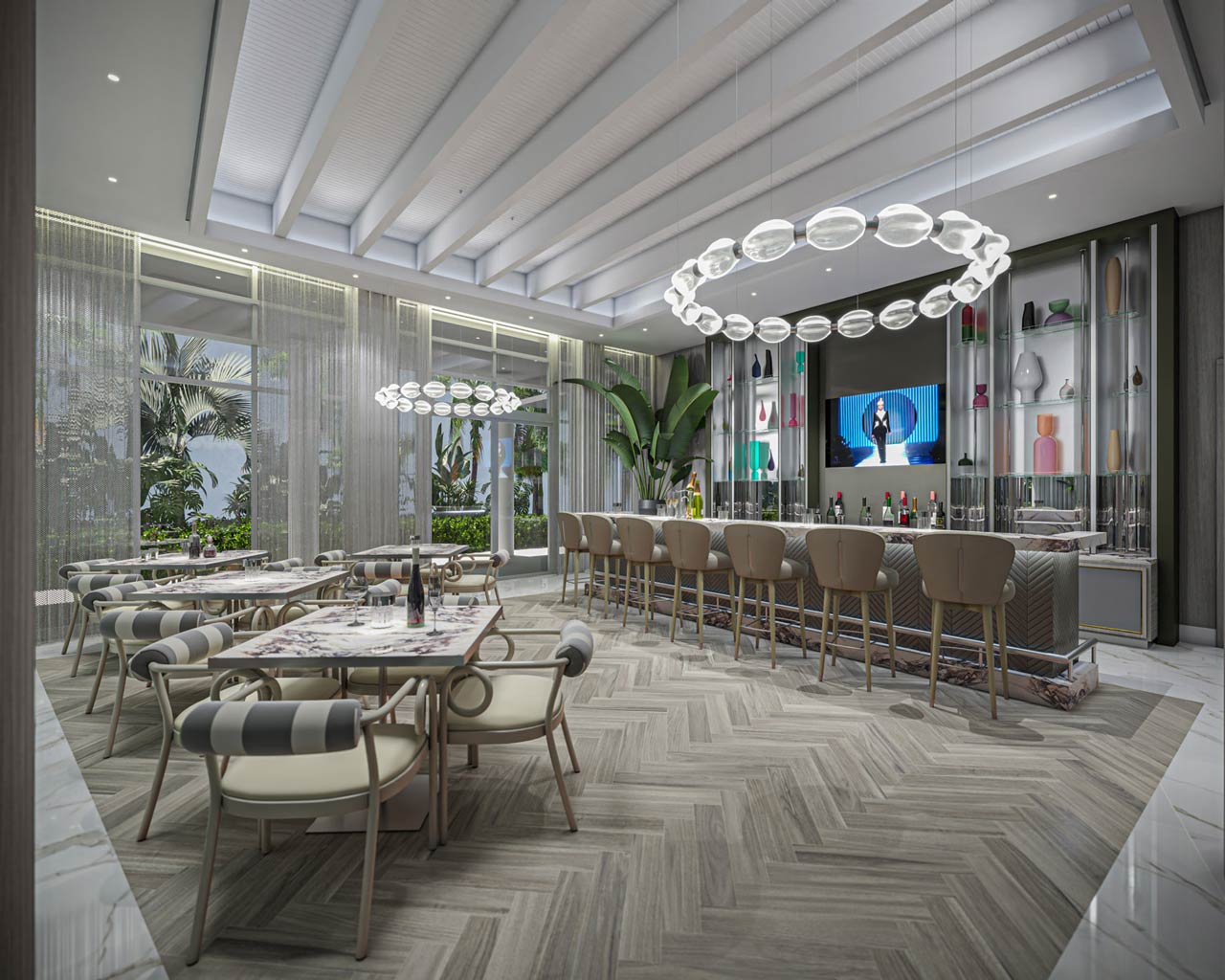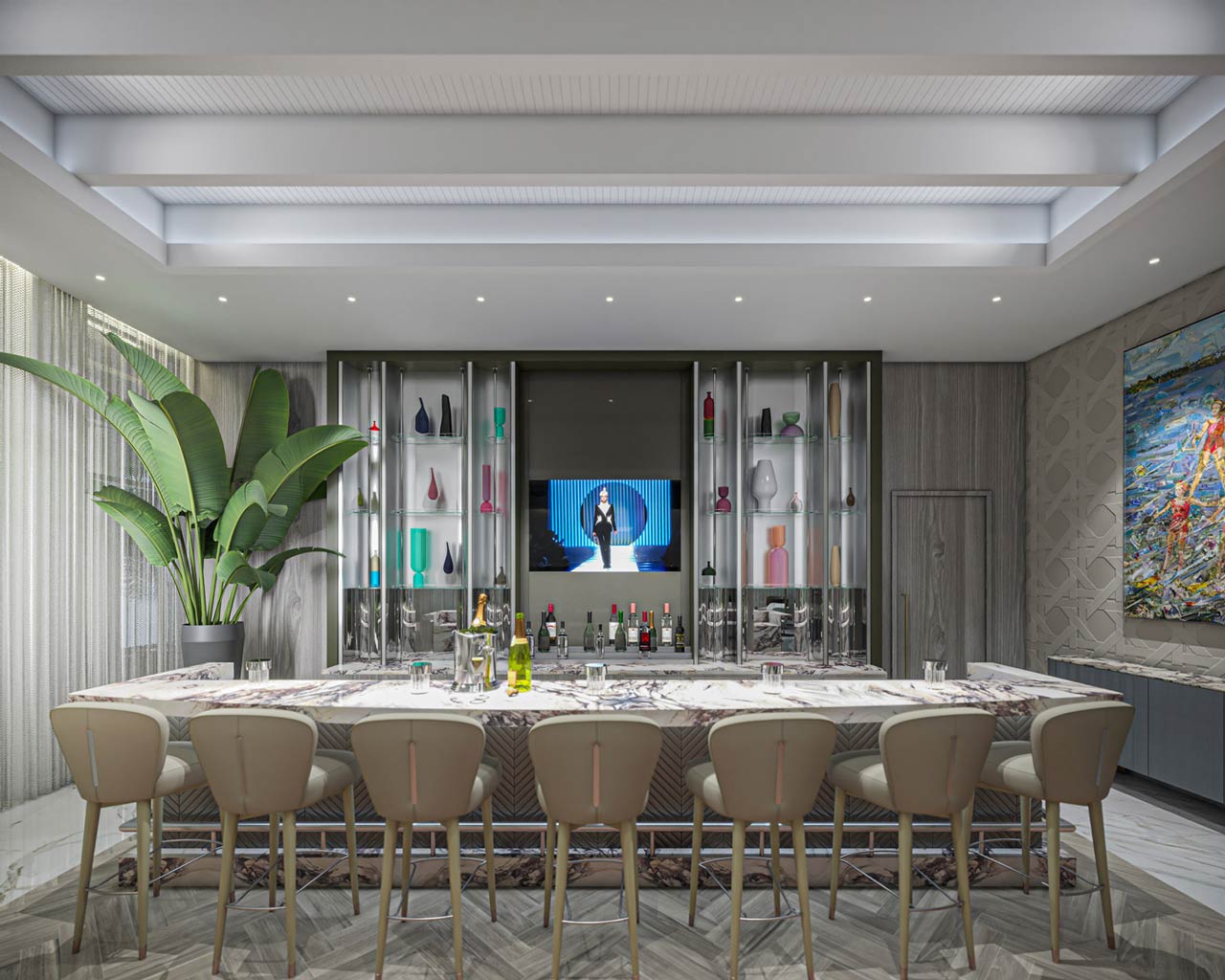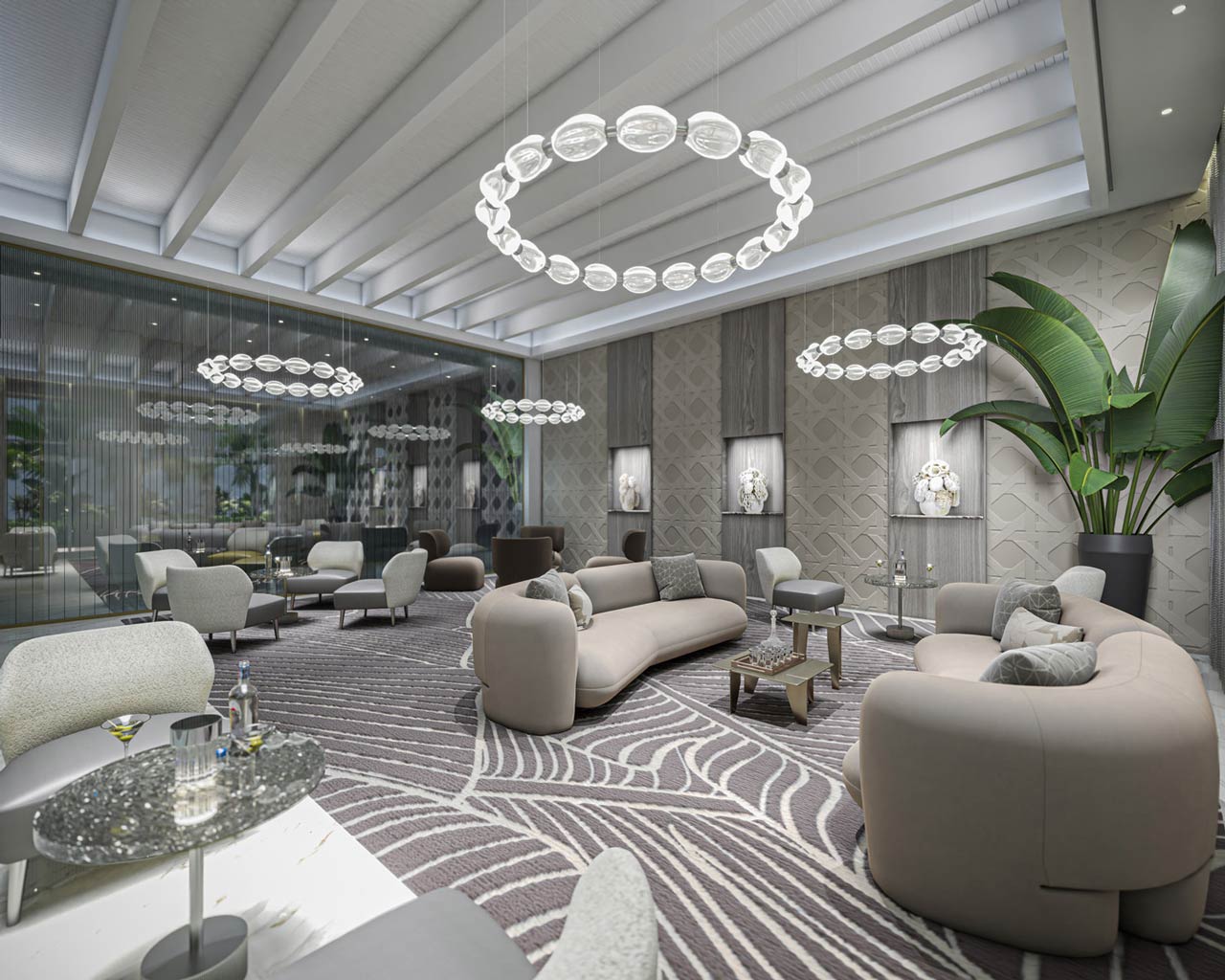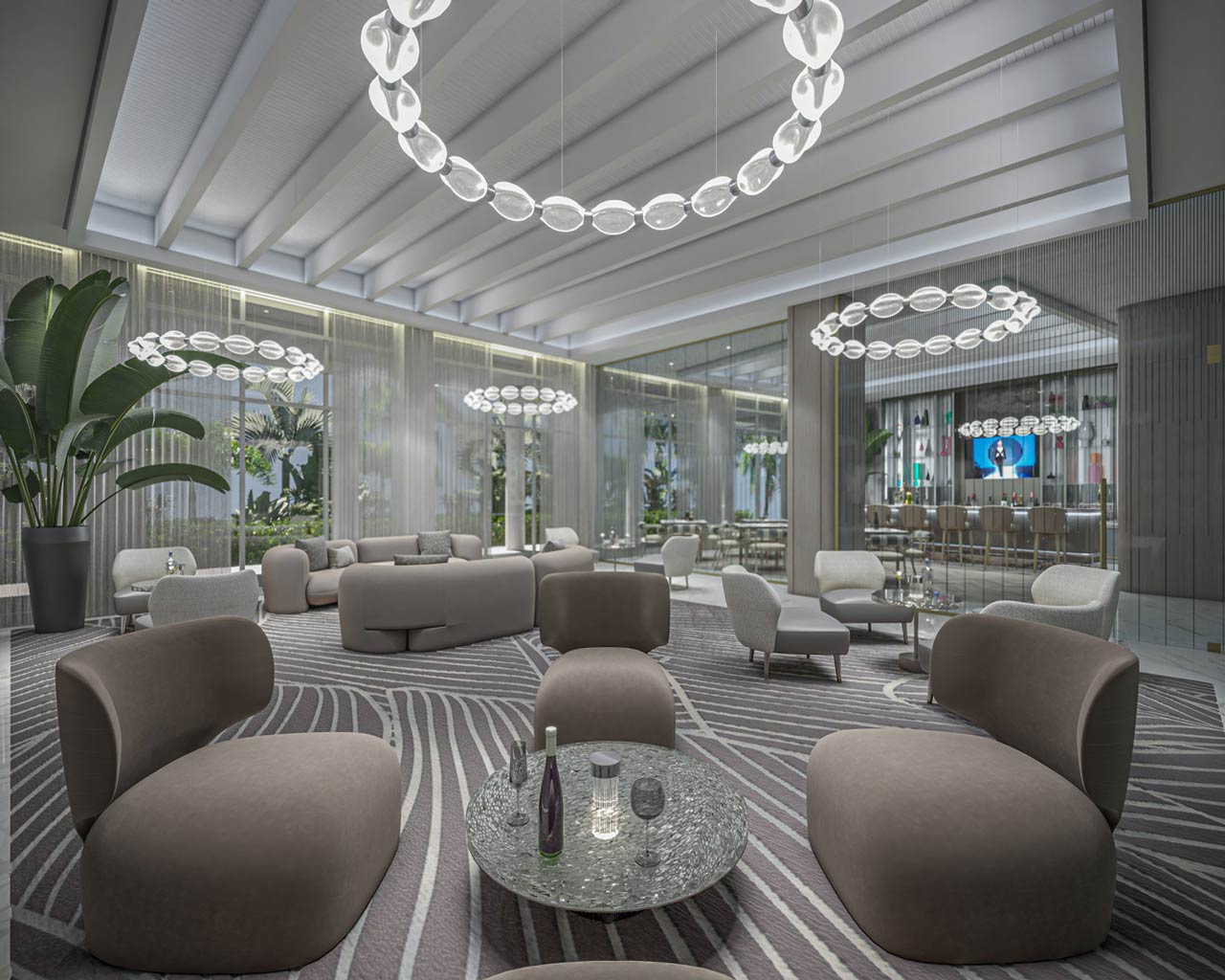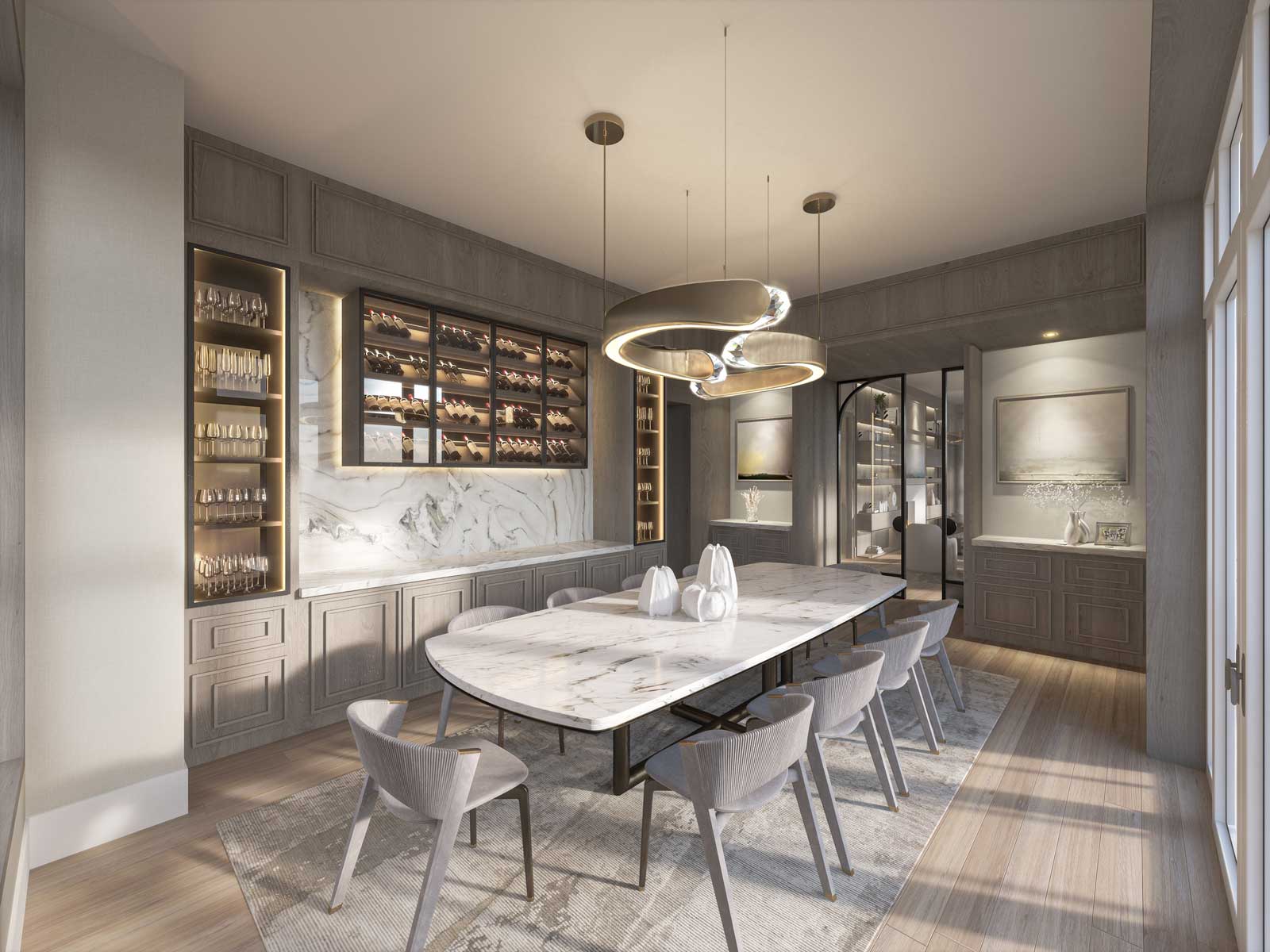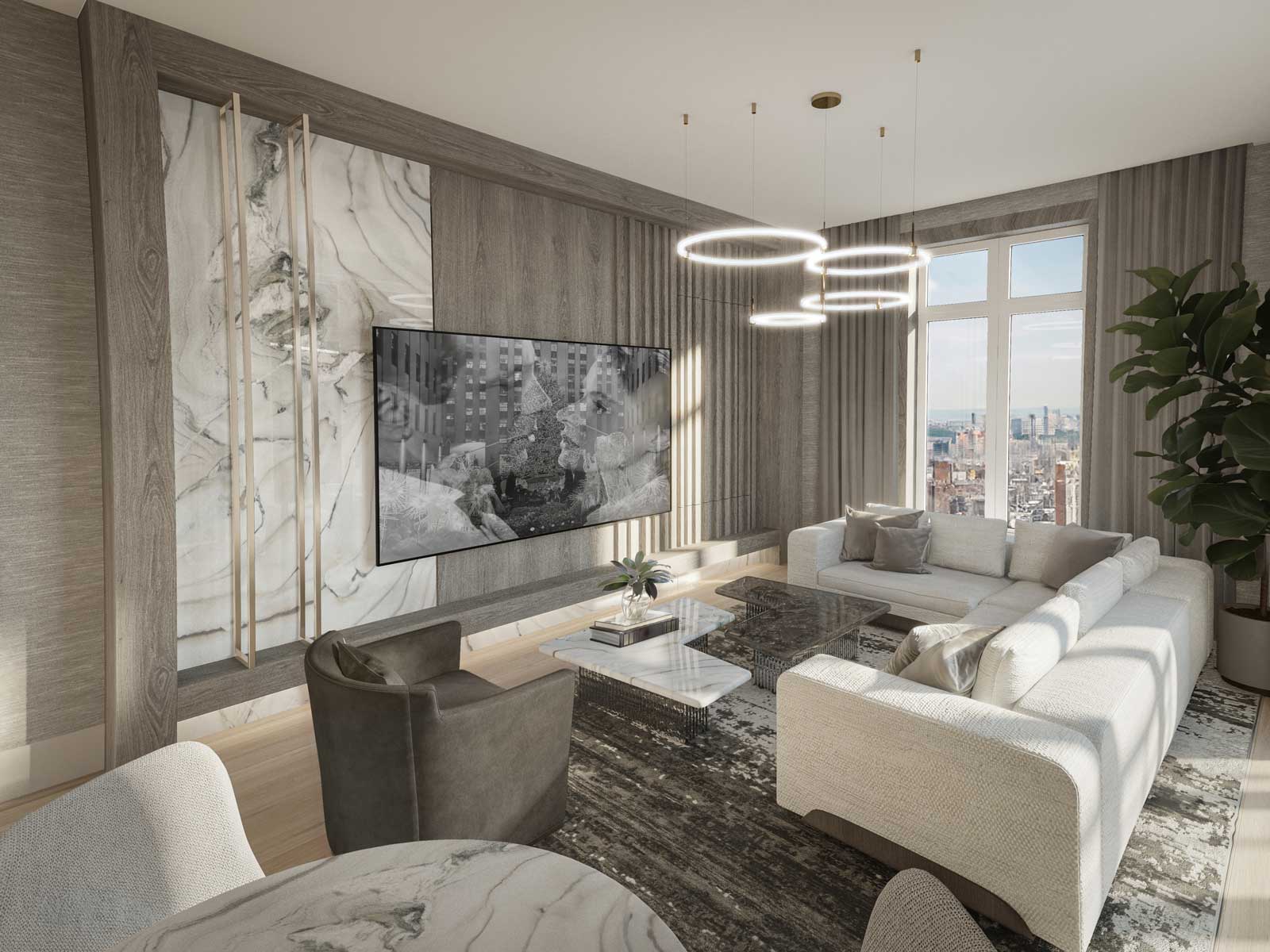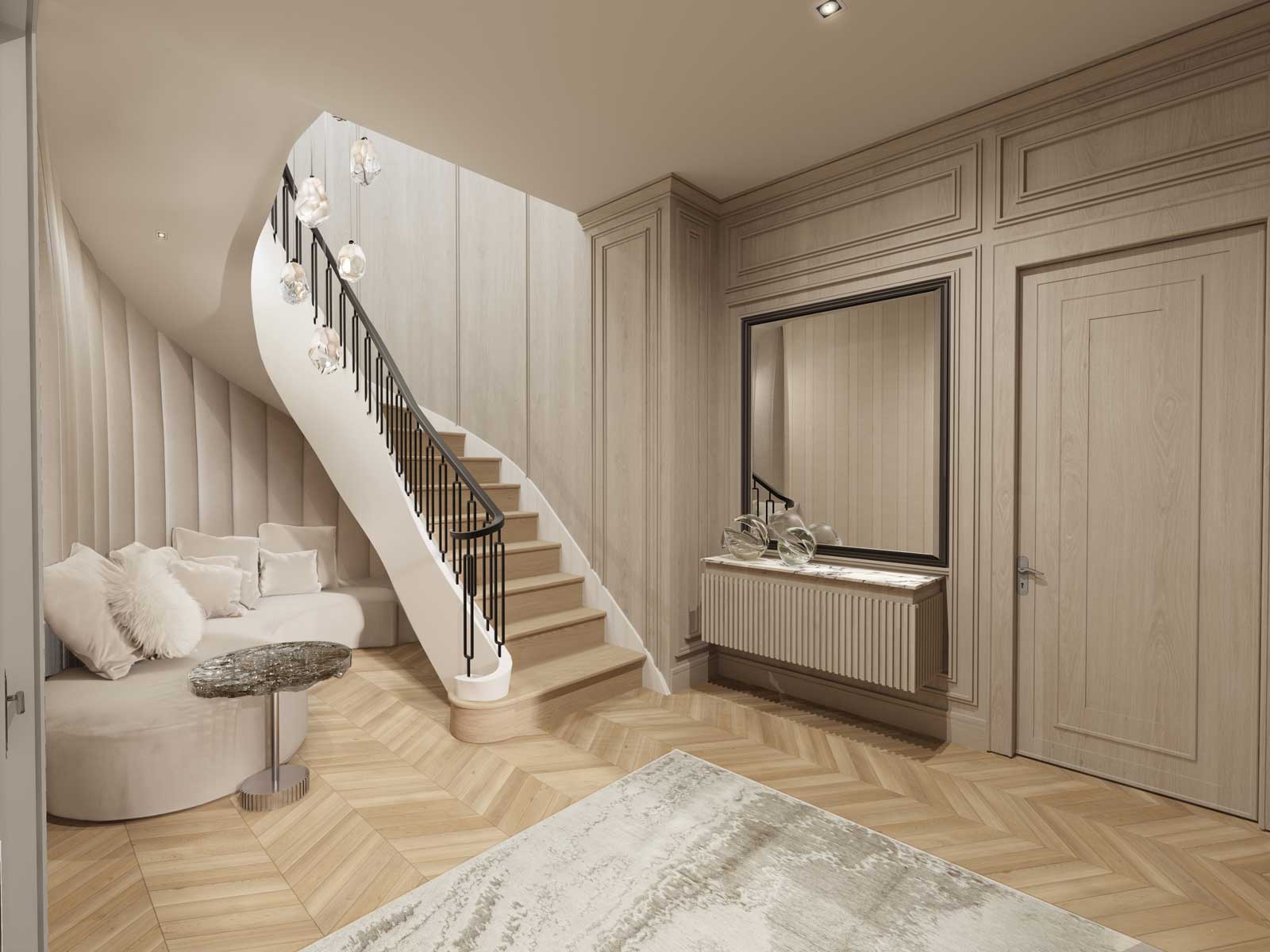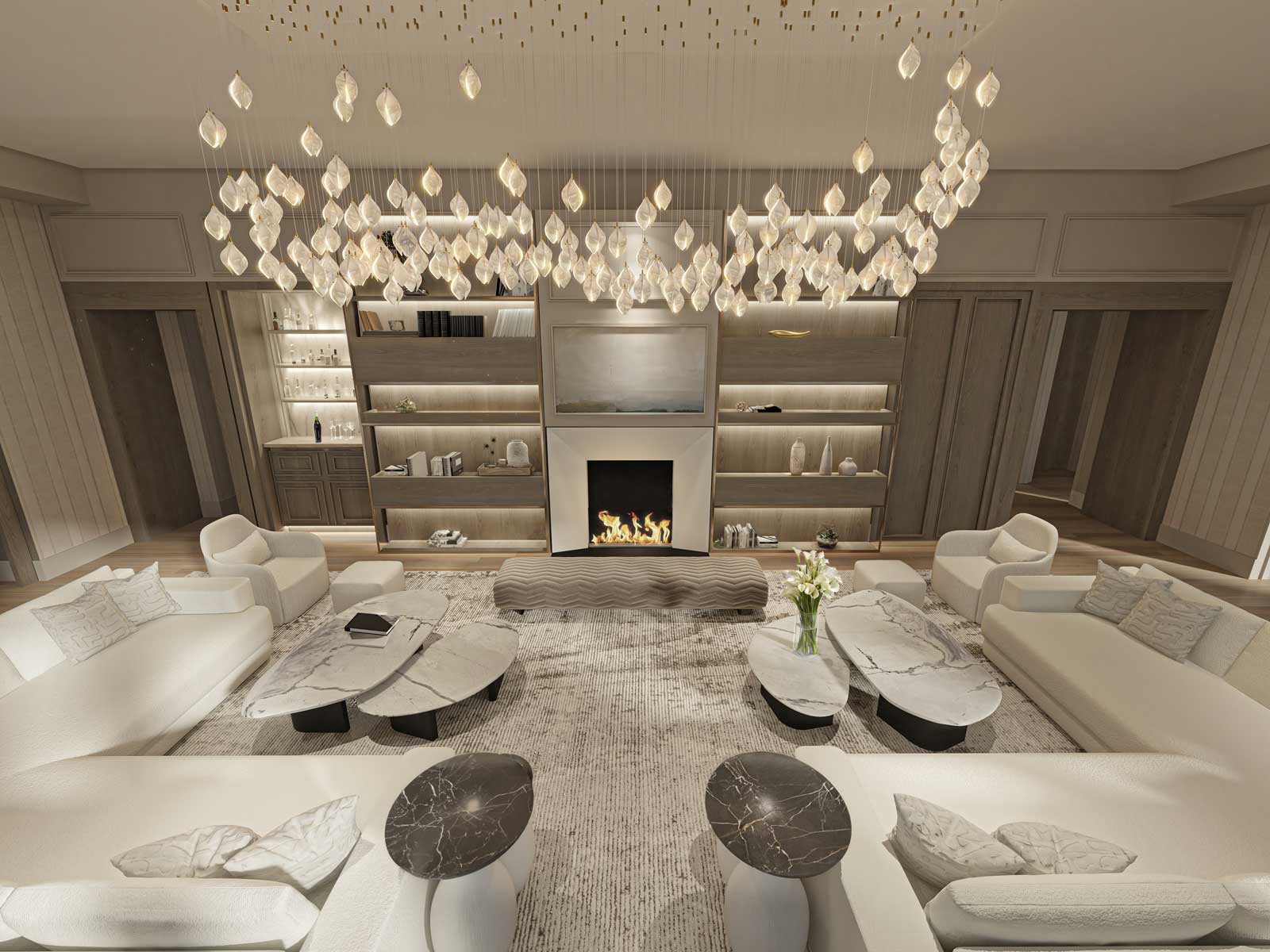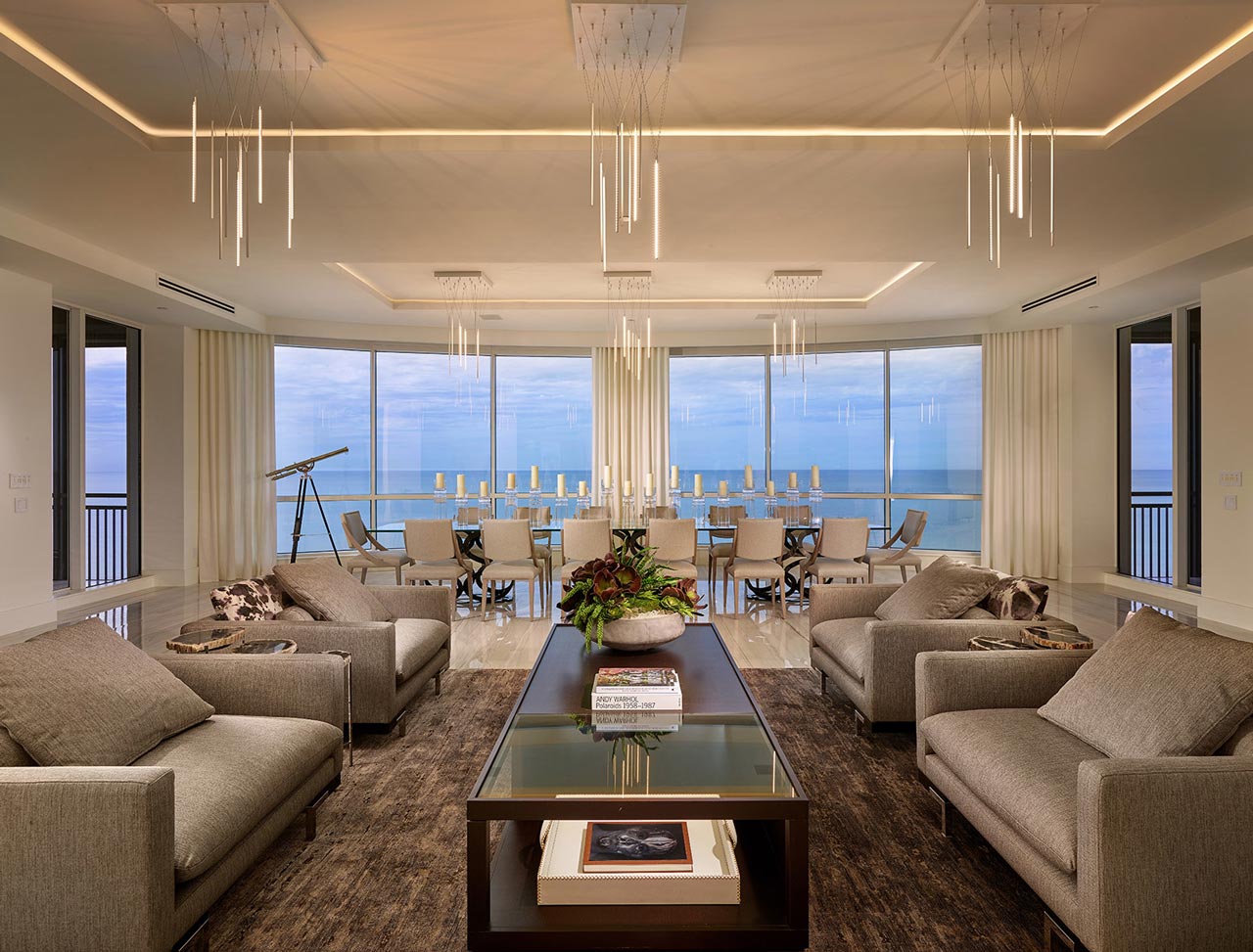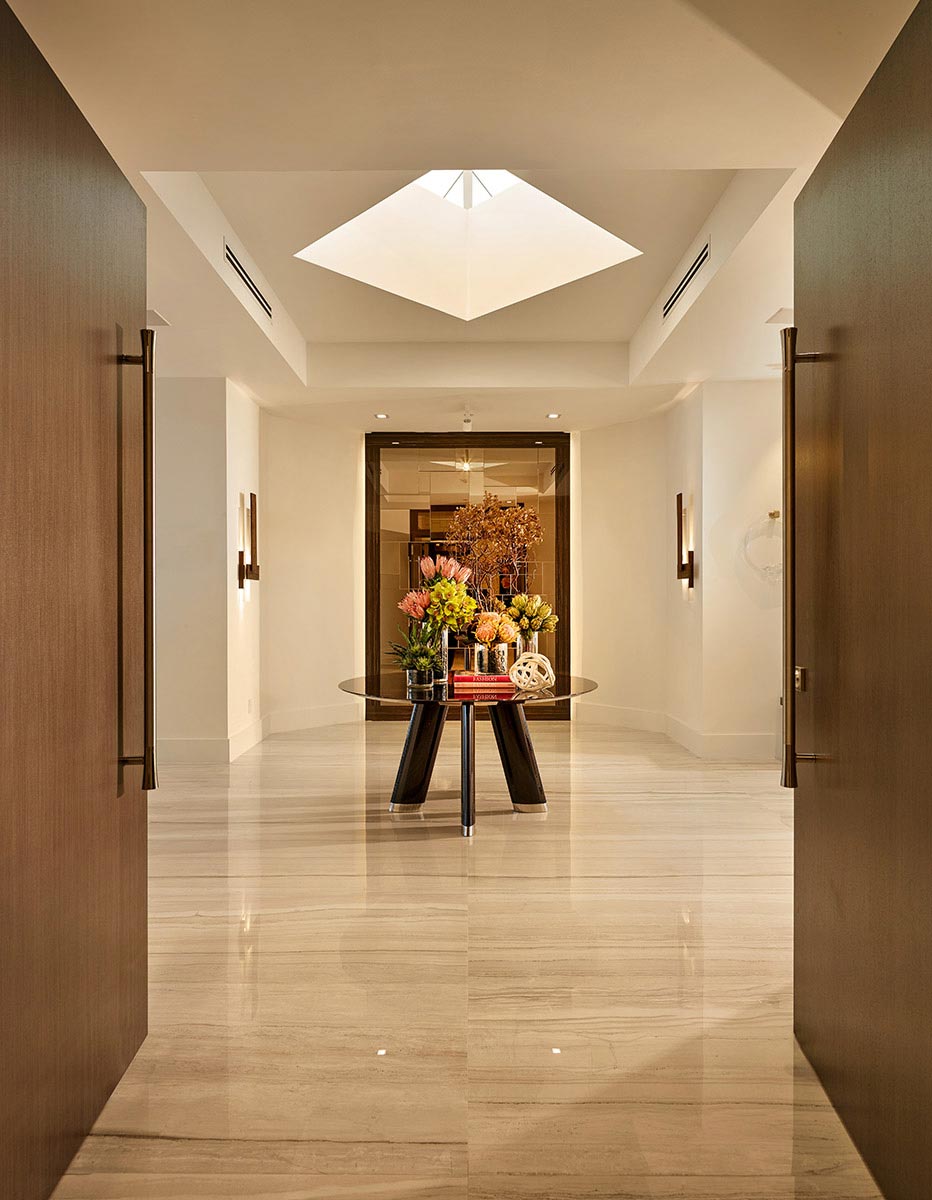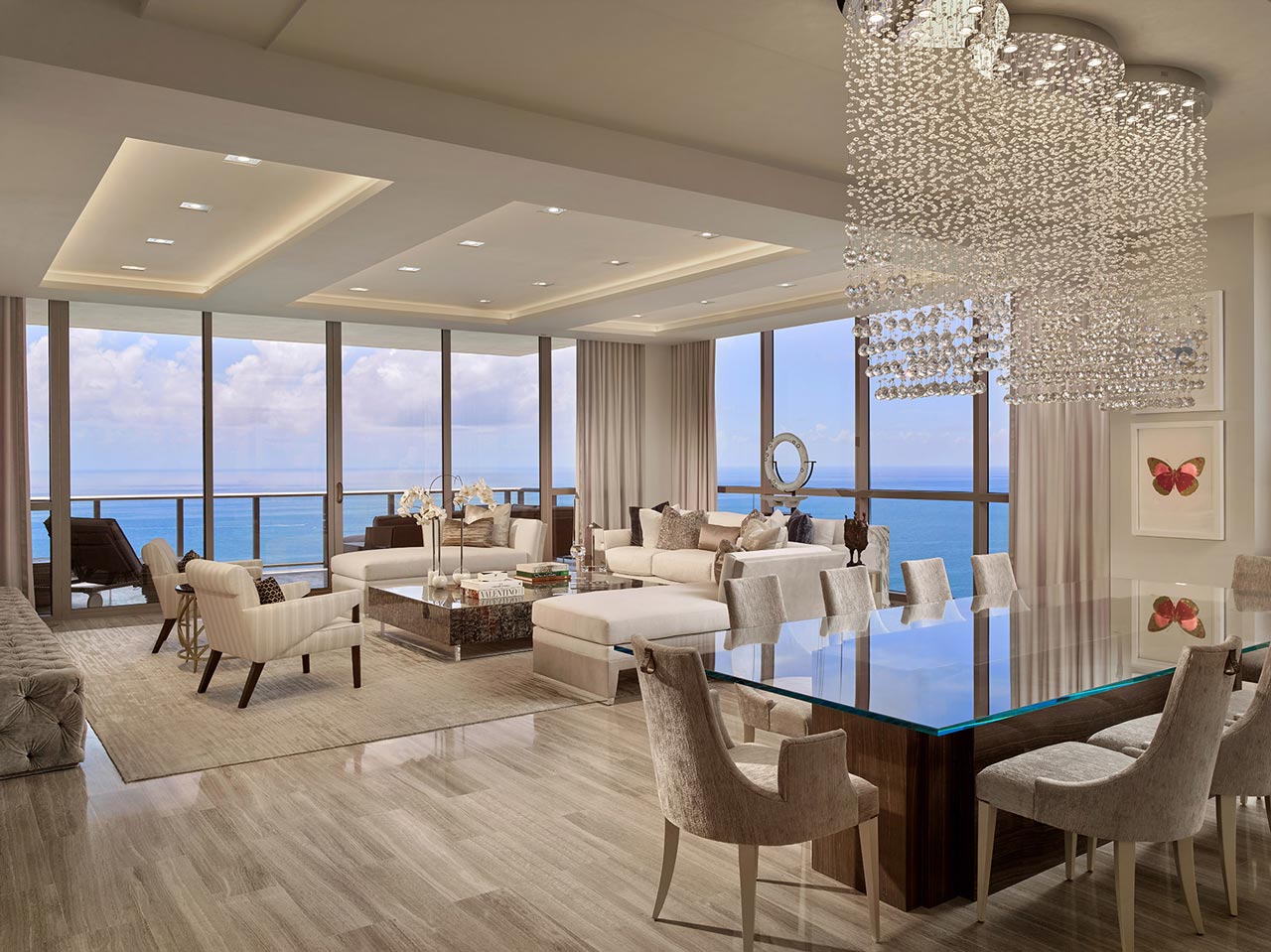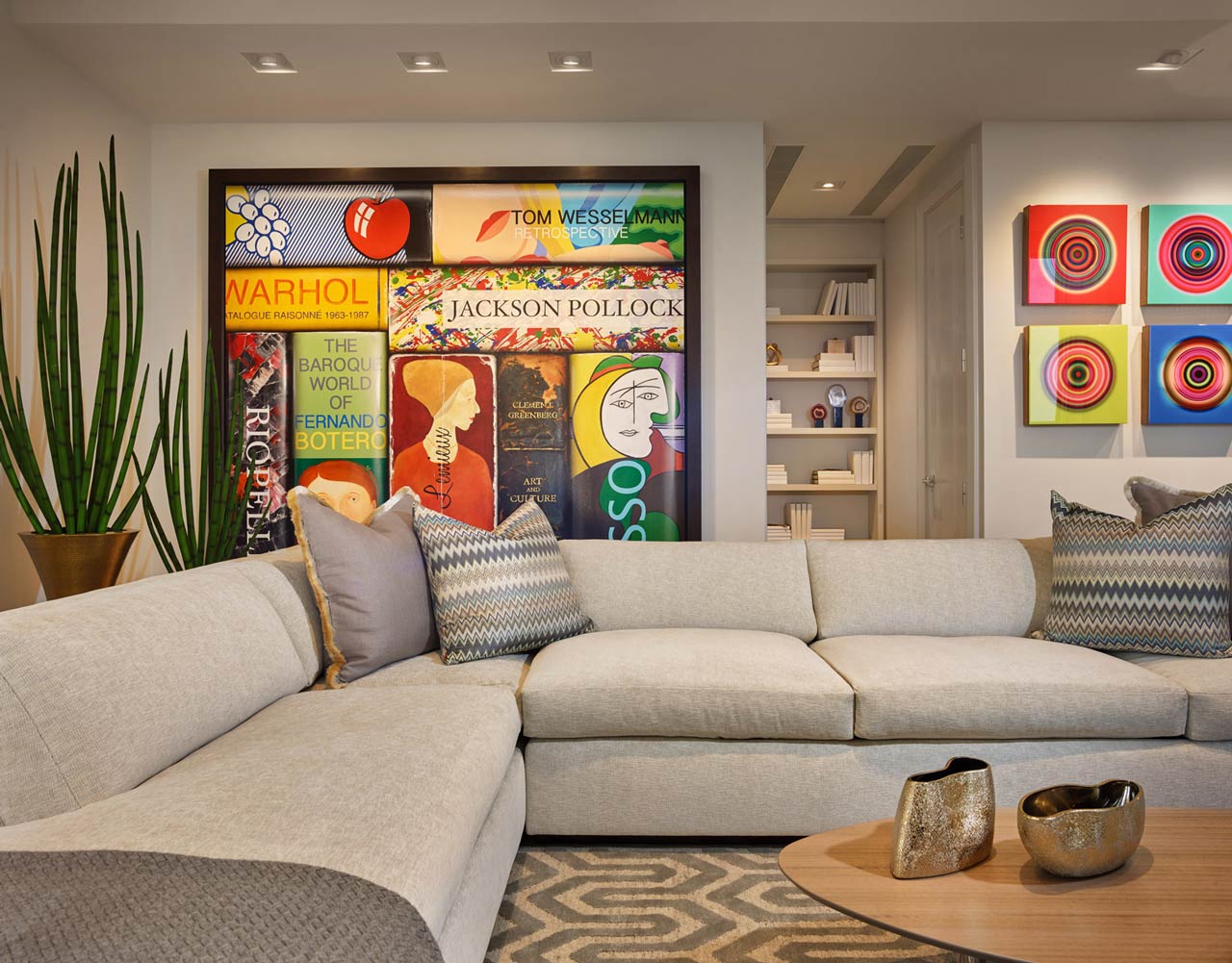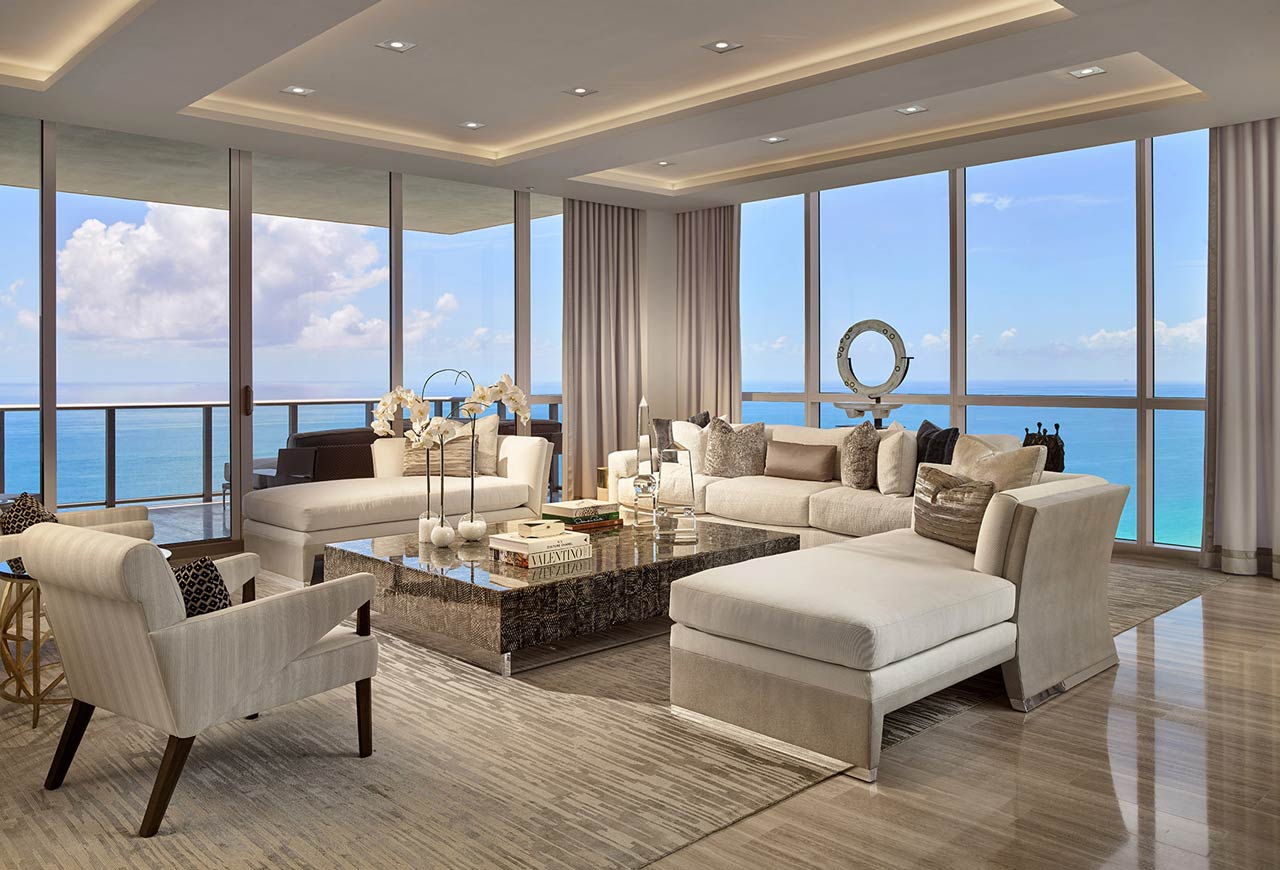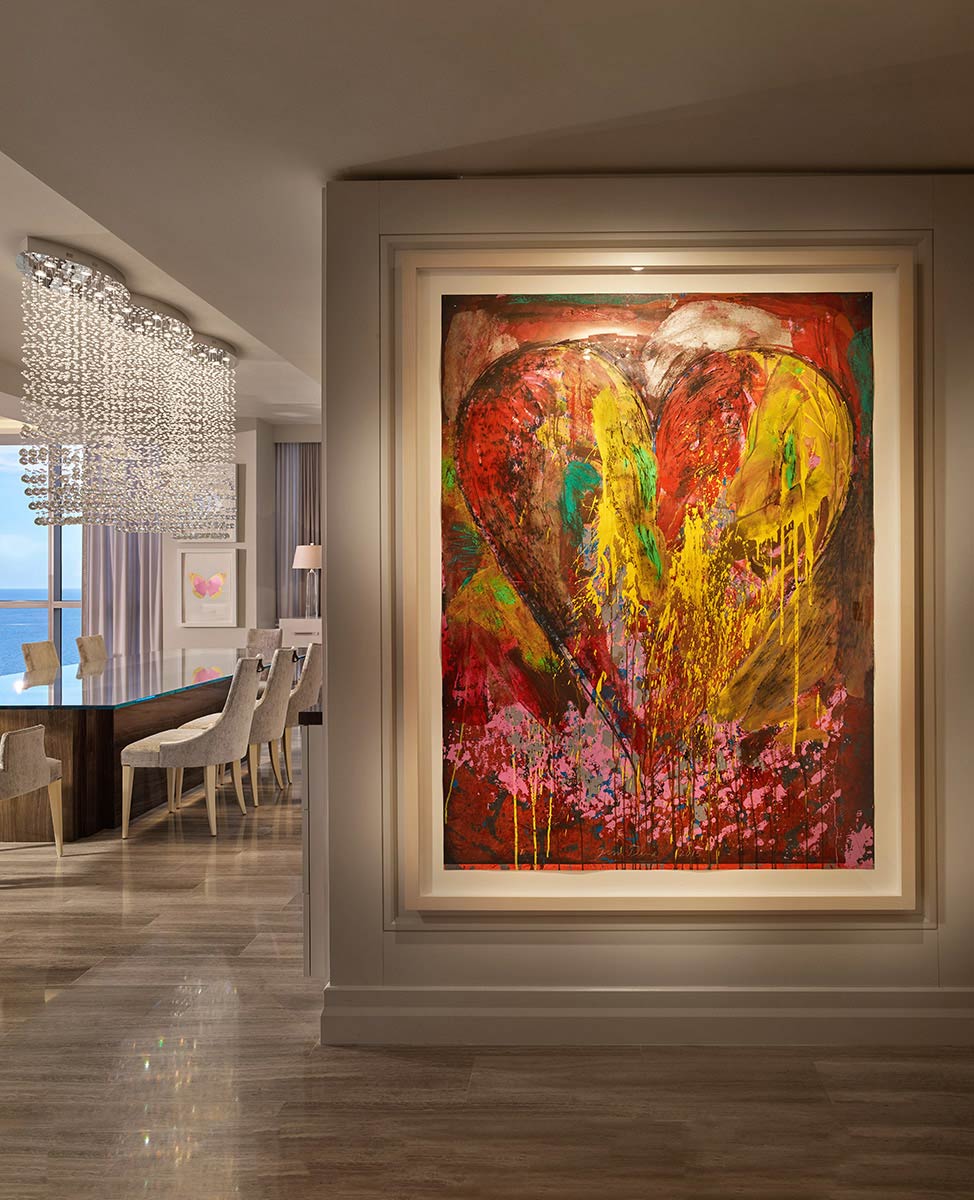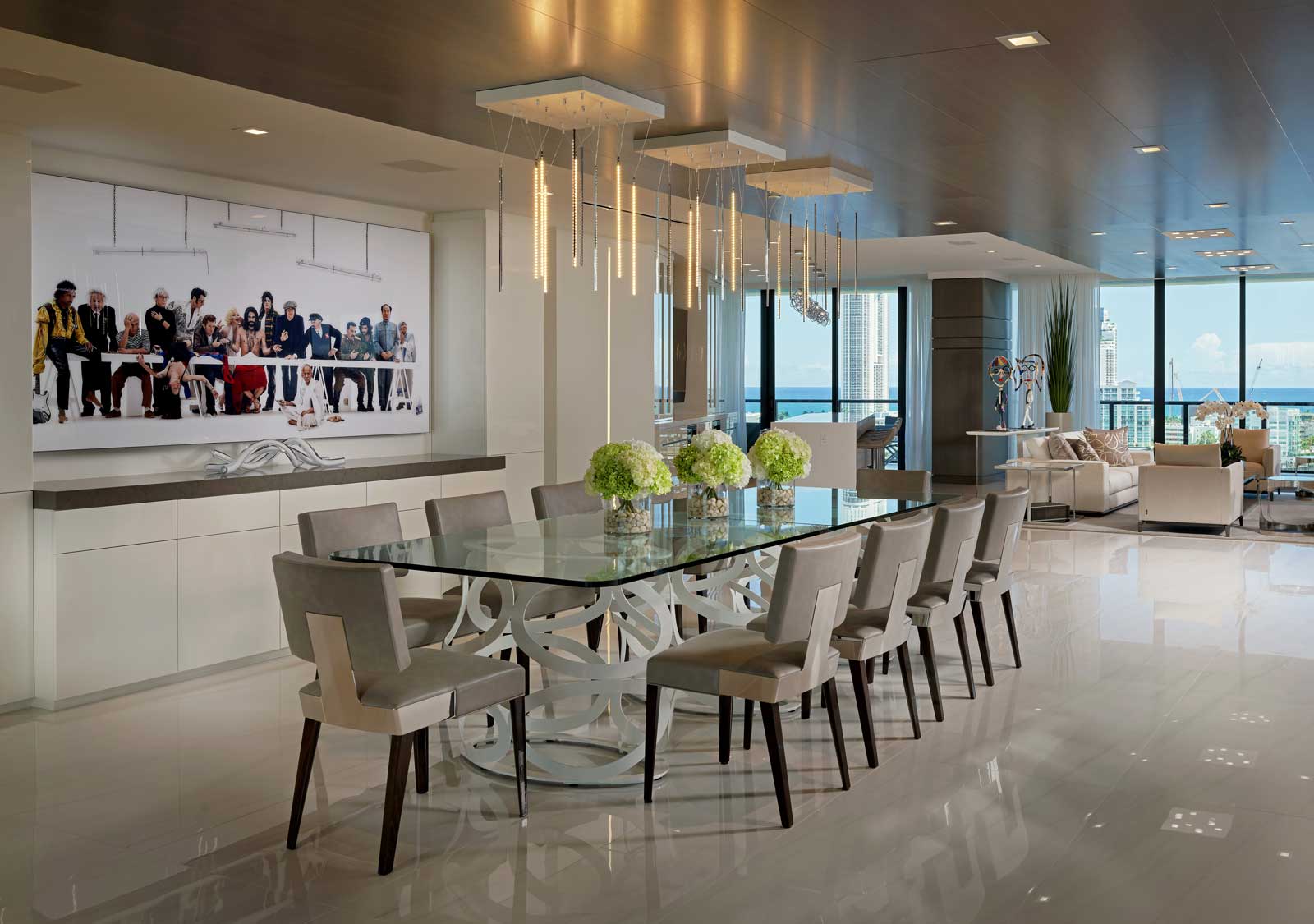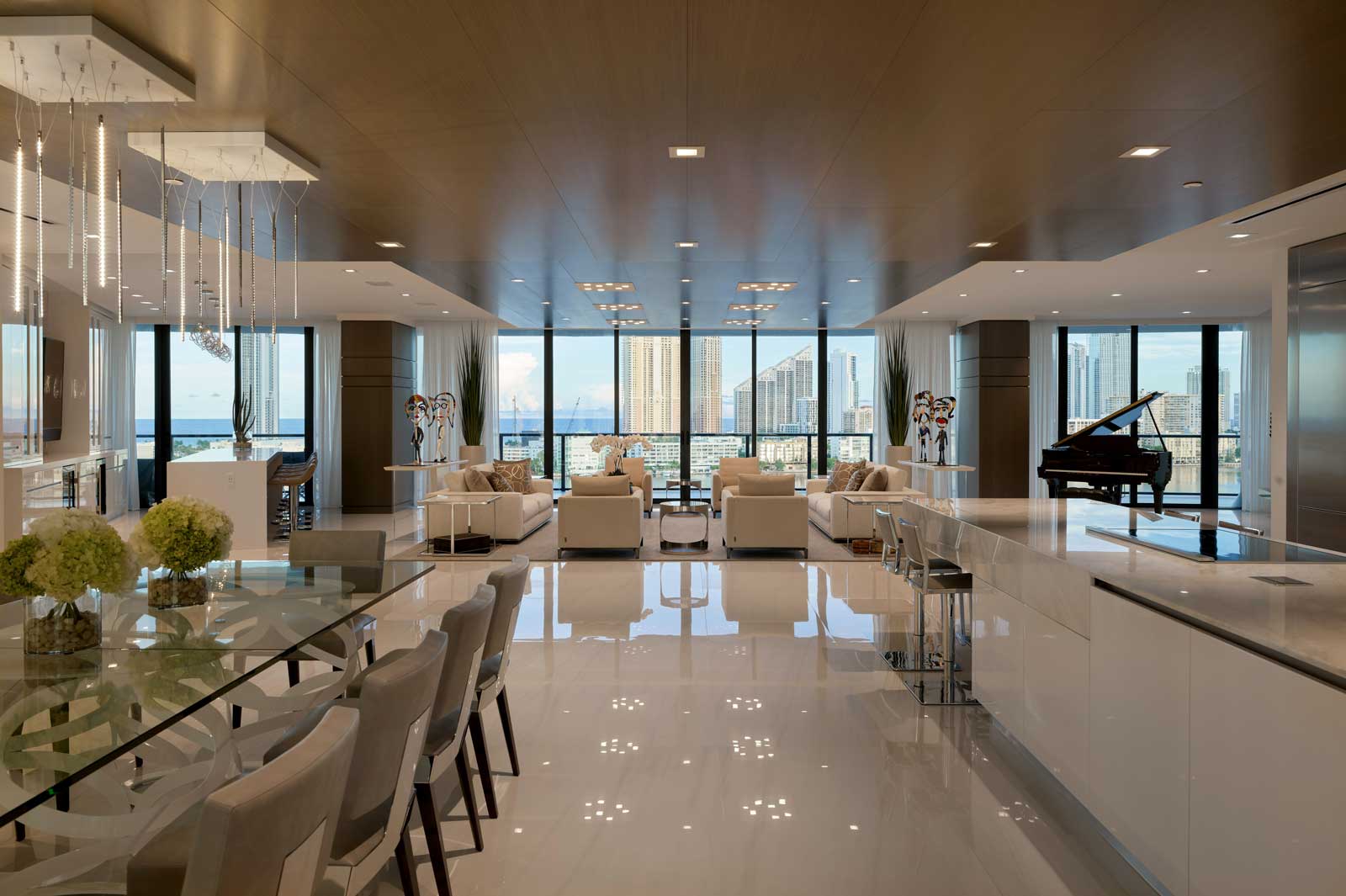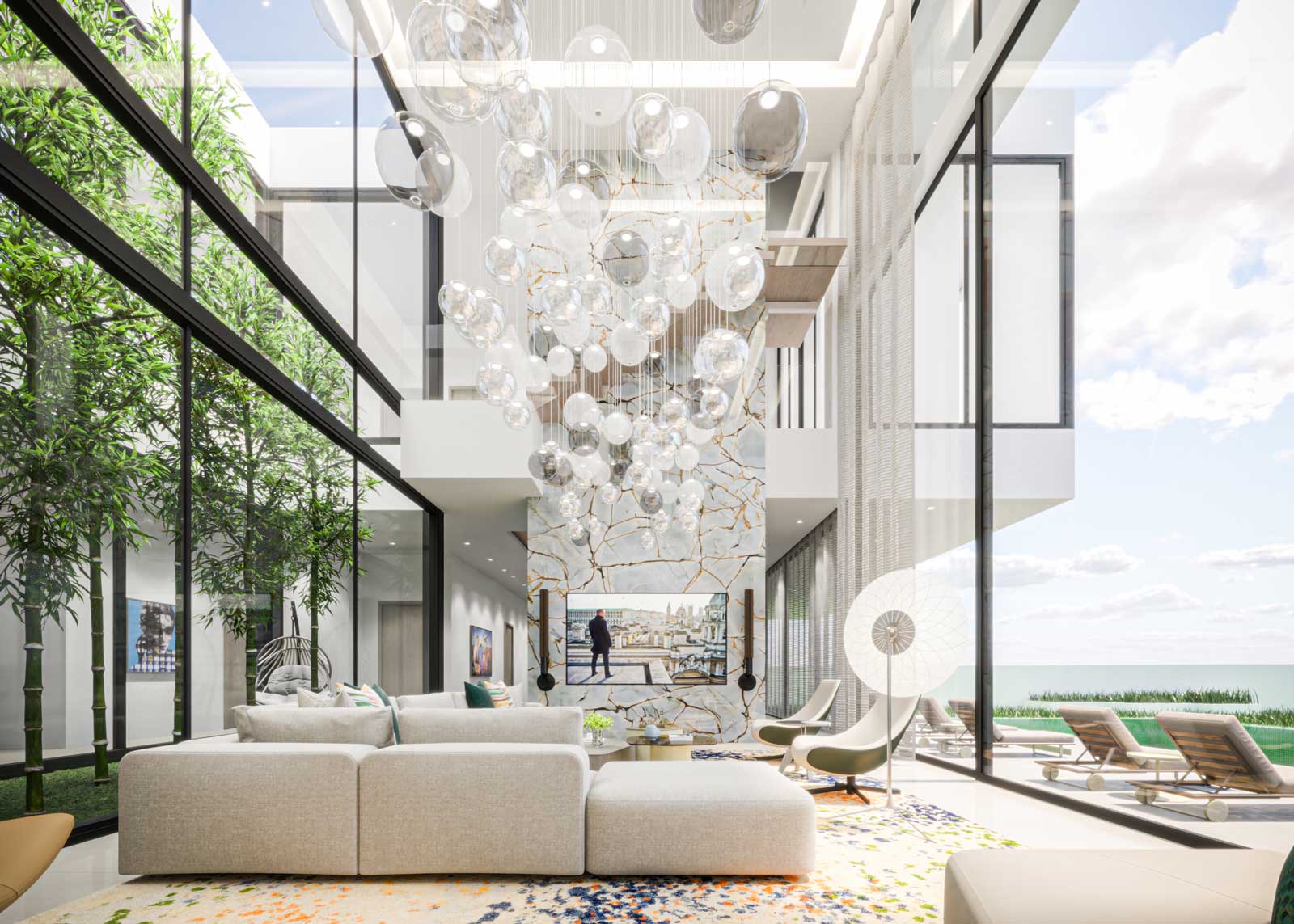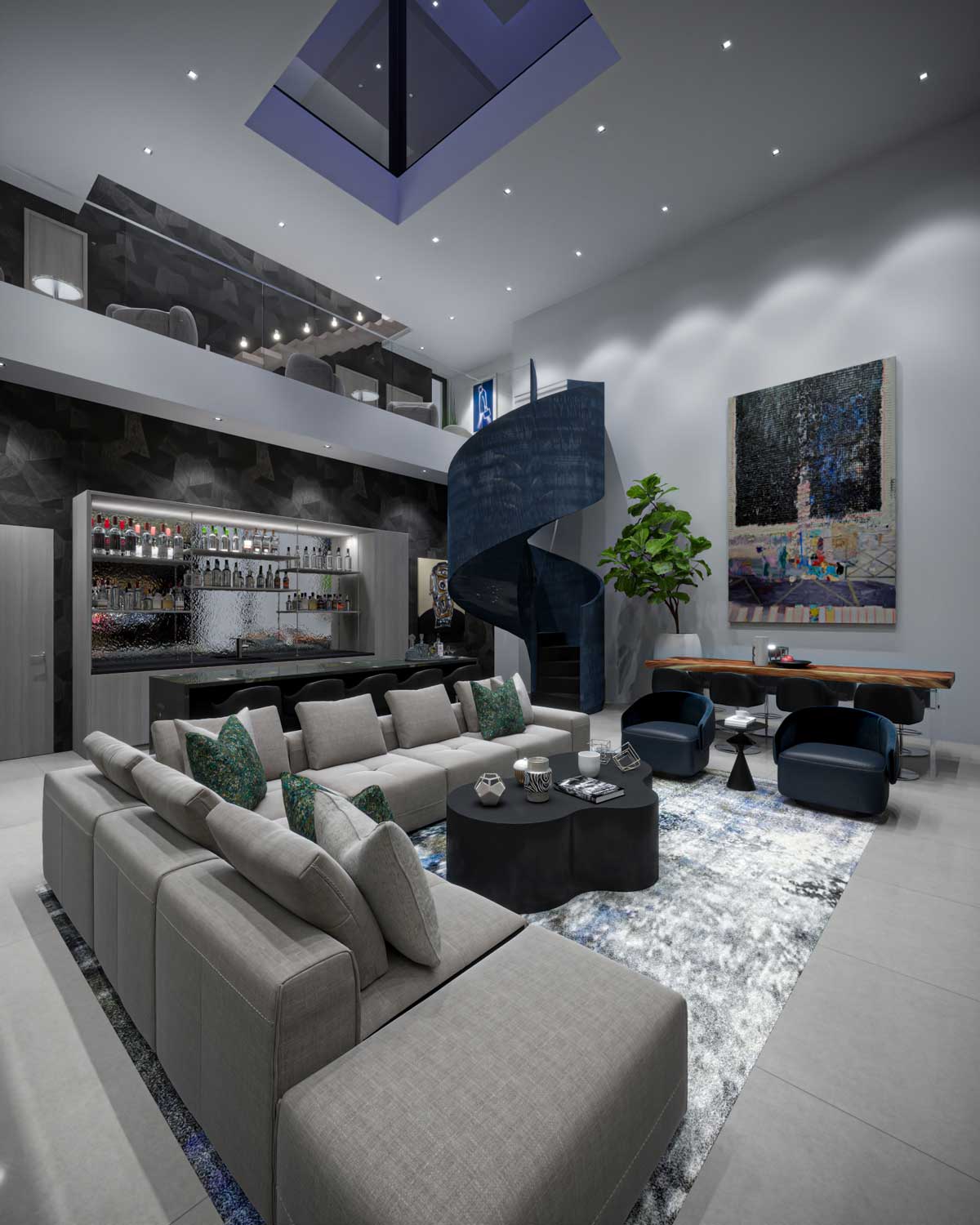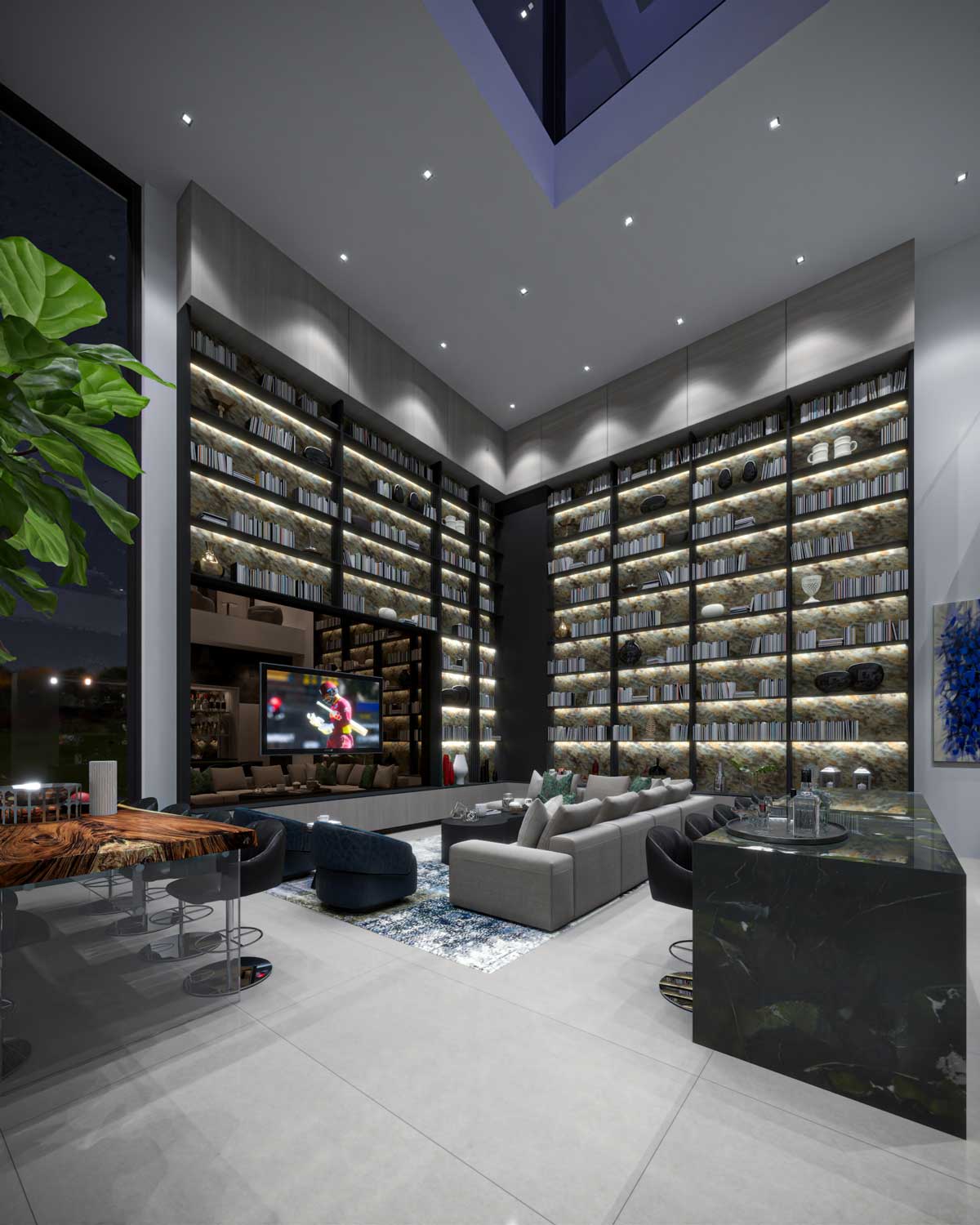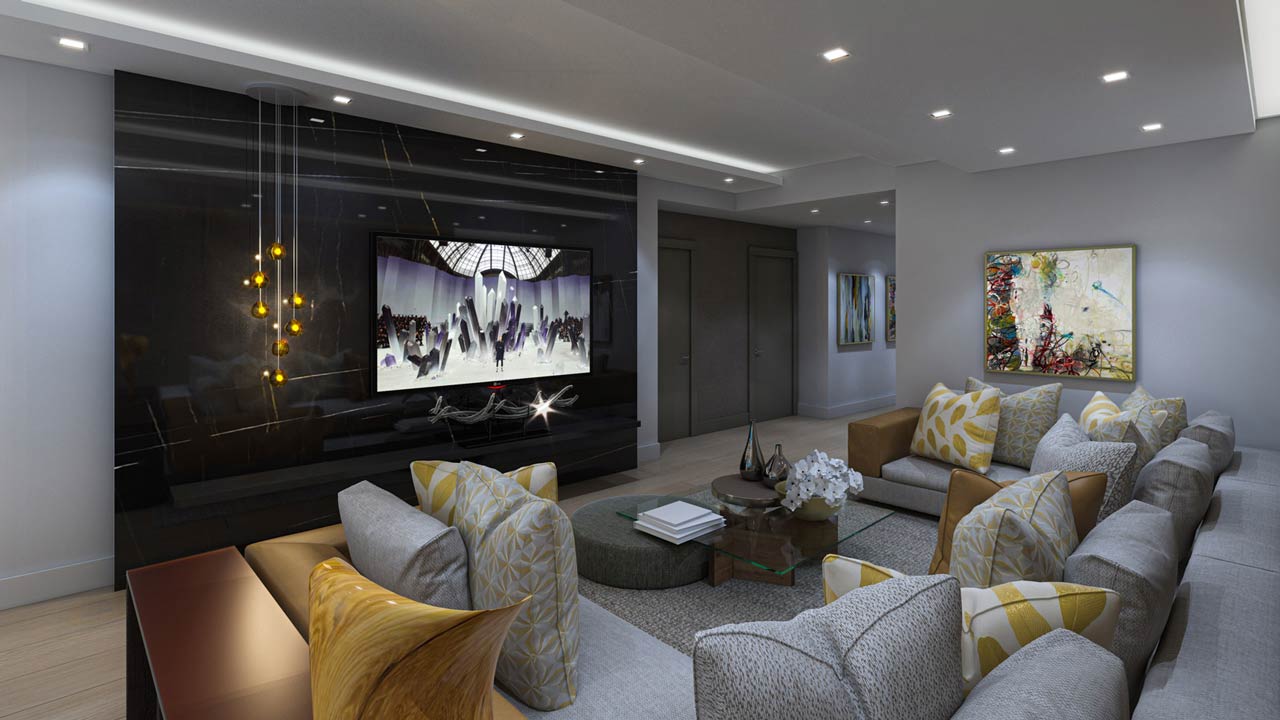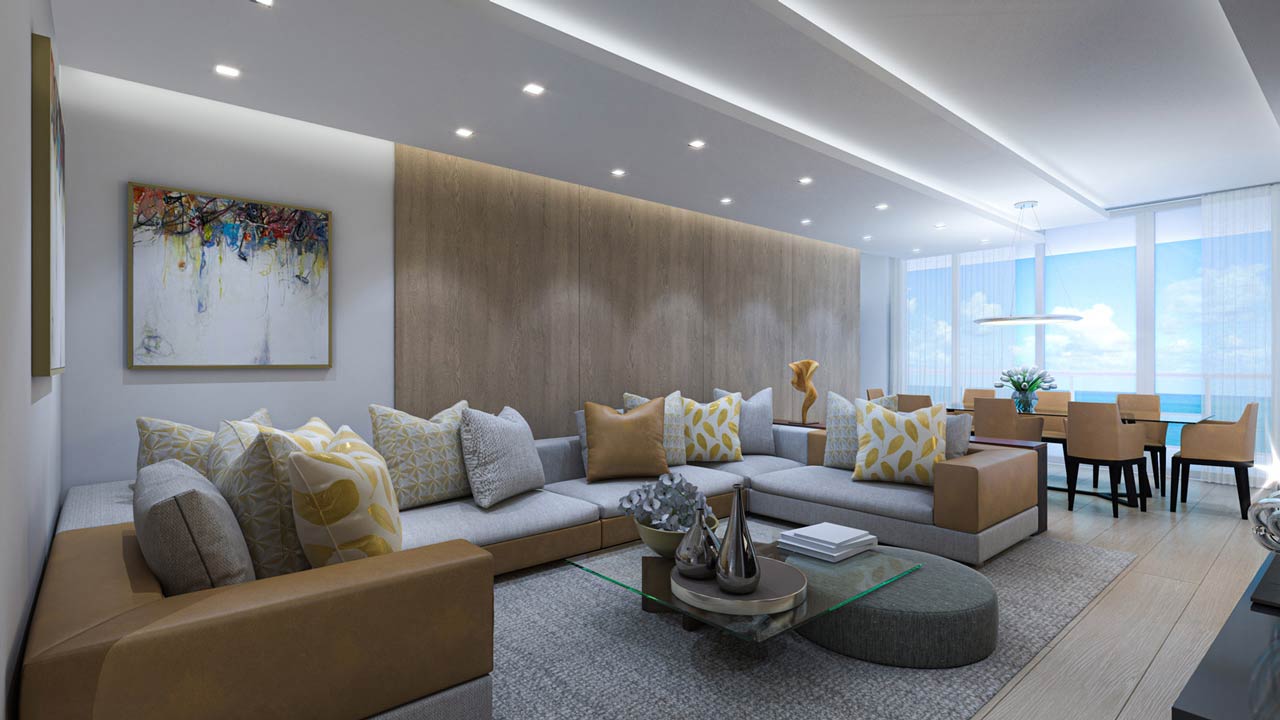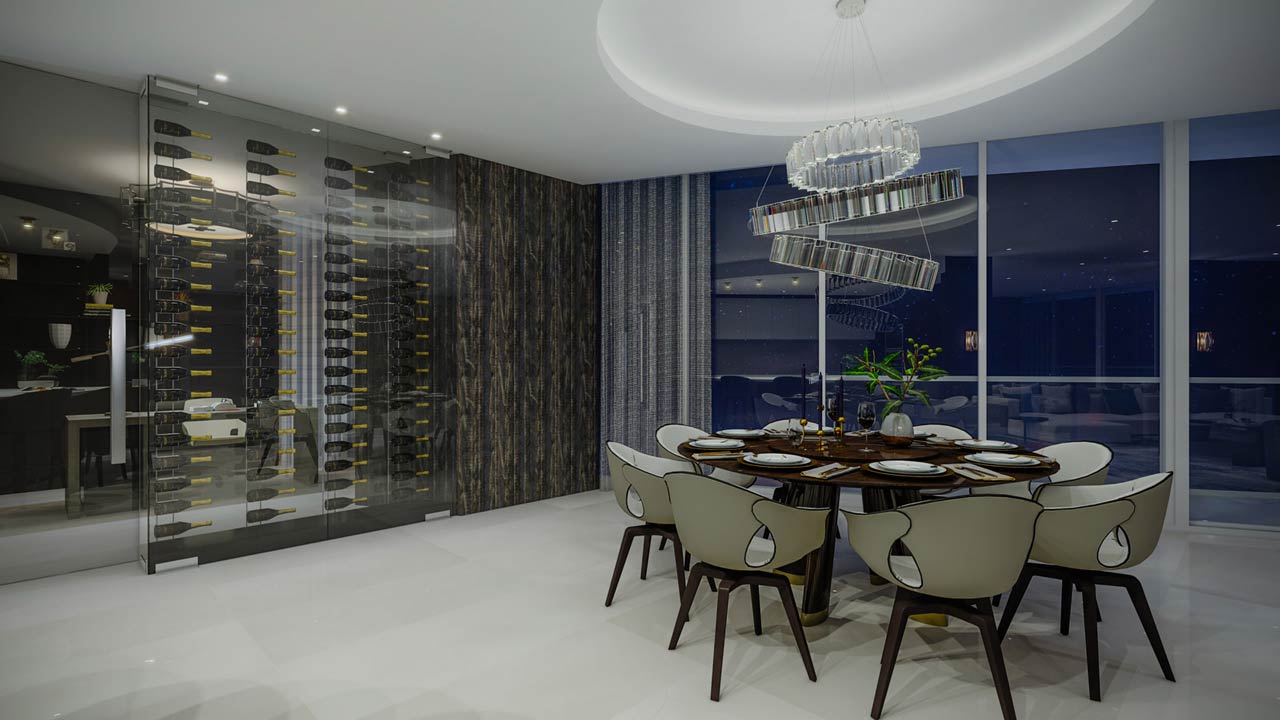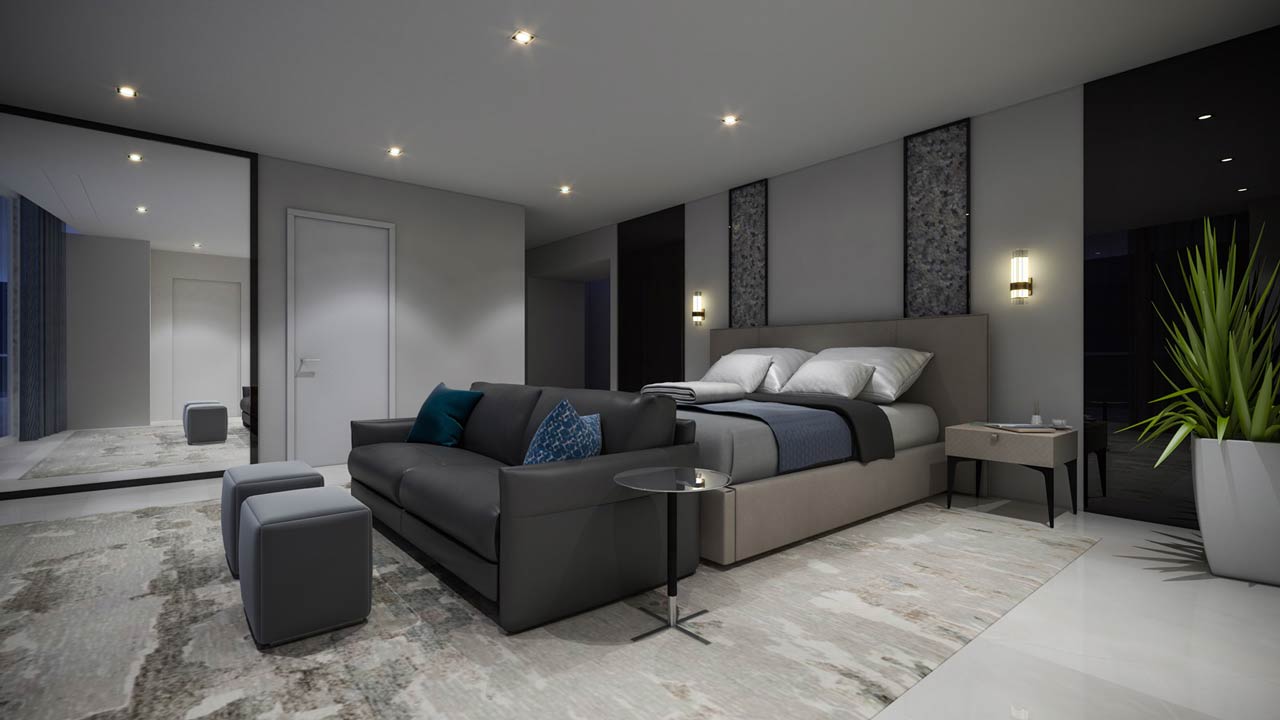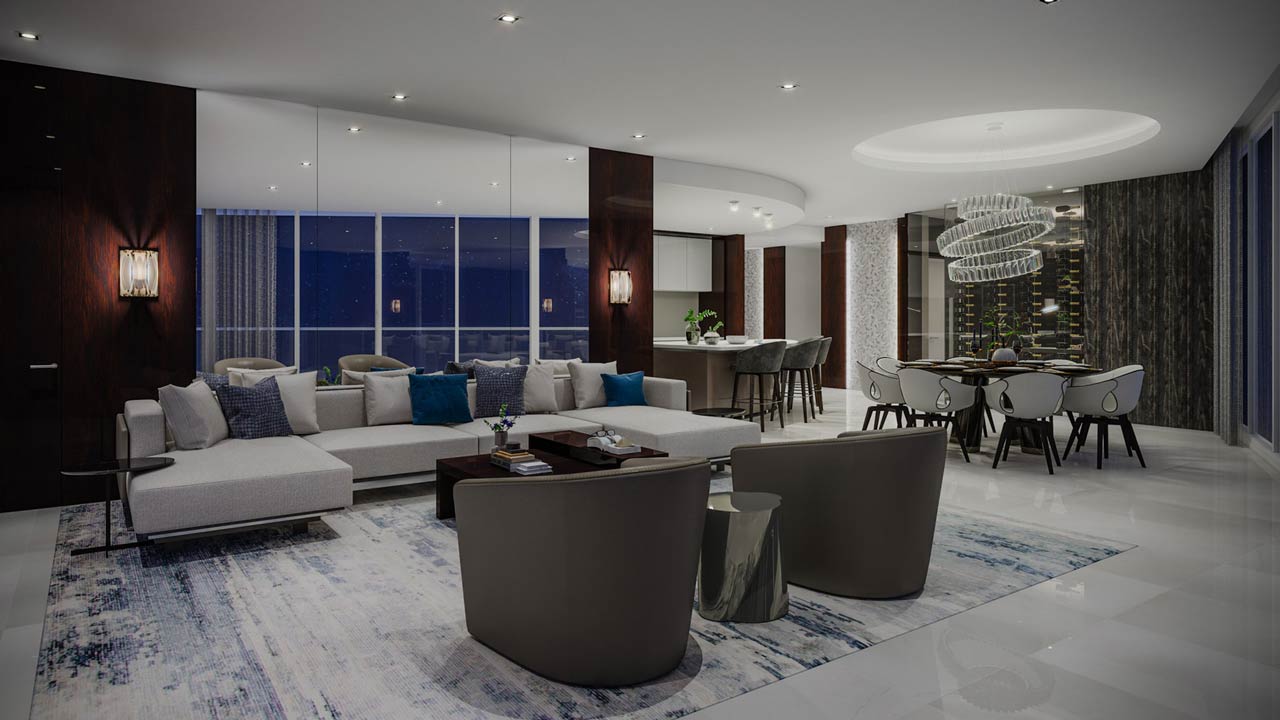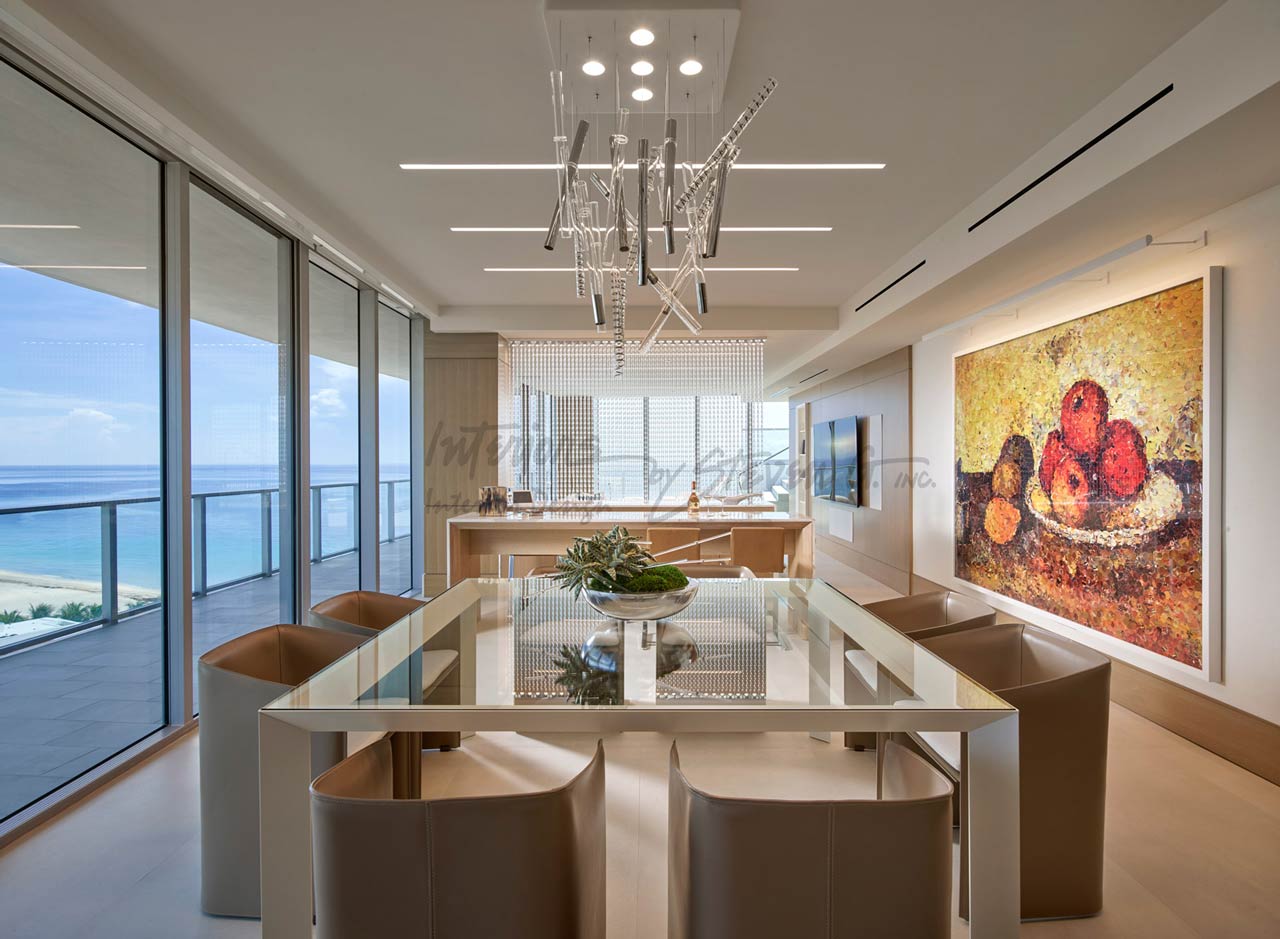




The heart of exceptional restaurant design lies not merely in beautiful aesthetics but in the seamless marriage of form and function. When guests step into a thoughtfully designed restaurant, they experience something magical—an environment where every element works in harmony to create an unforgettable dining experience. This harmony emerges from understanding that in restaurant interiors, form must always follow function, creating spaces that are both visually stunning and operationally brilliant.
The Foundation of Functional Restaurant Design
Understanding the fundamental principle that form follows function means recognizing that every design decision should serve a purpose beyond mere visual appeal. In restaurant design, this philosophy becomes the cornerstone of creating spaces that work beautifully for both guests and staff. The layout, materials, lighting, and furnishings must all contribute to the establishment’s primary goal: delivering exceptional hospitality.
When designers prioritize function as the foundation, they create environments where servers can move efficiently between tables, kitchen staff can work without obstruction, and guests feel comfortable and welcomed. This functional approach doesn’t compromise beauty; instead, it ensures that aesthetic choices enhance rather than hinder the restaurant’s operation.
Creating Natural Traffic Patterns
The Dance of Service Flow
Effective restaurant design orchestrates movement like a carefully choreographed dance. The path from entrance to seating, from kitchen to dining room, and between tables creates the rhythm of the entire establishment. When these pathways are thoughtfully planned, service flows naturally, creating an atmosphere of effortless hospitality.
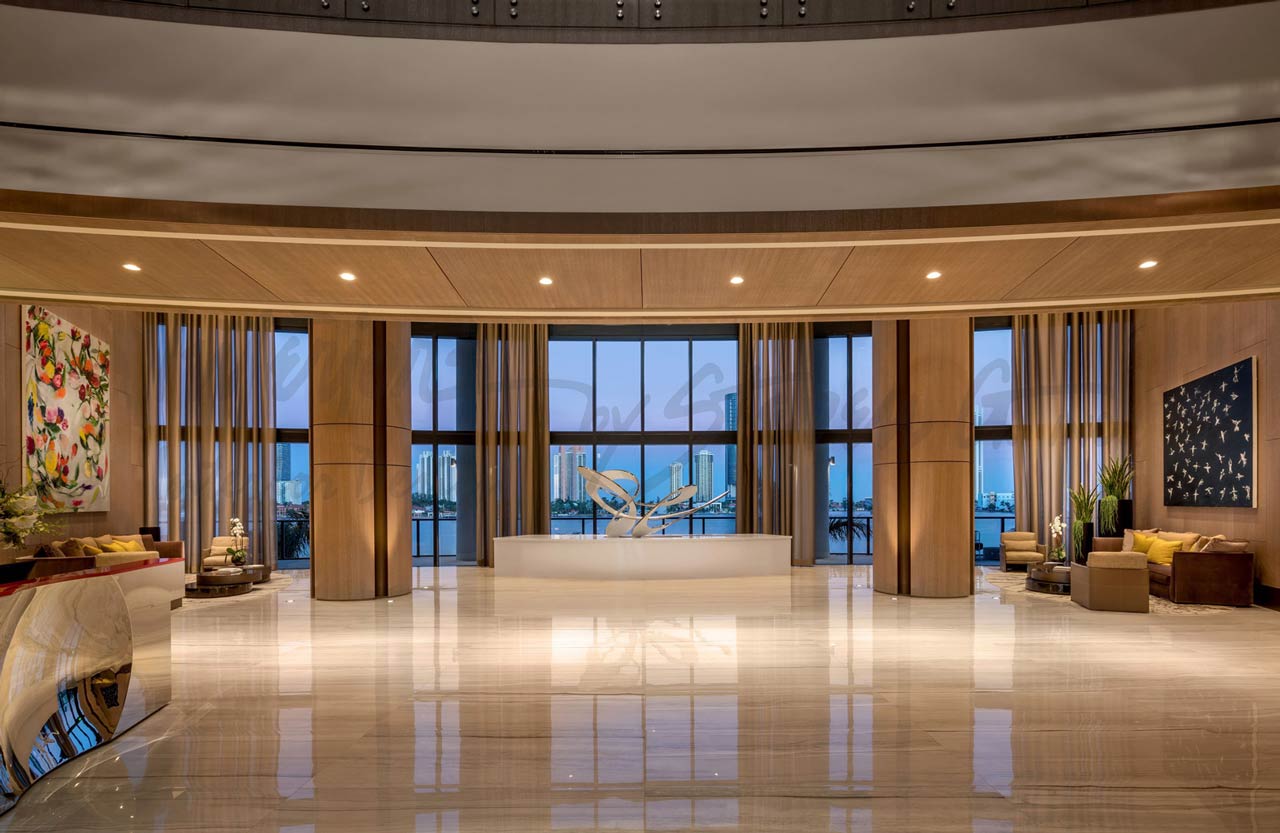
The entrance sets the tone for this journey. A well-designed entry naturally guides guests toward the host station while providing clear sightlines into the dining area. This creates anticipation and allows patrons to begin absorbing the restaurant’s atmosphere from the moment they arrive.
Zoning for Different Experiences
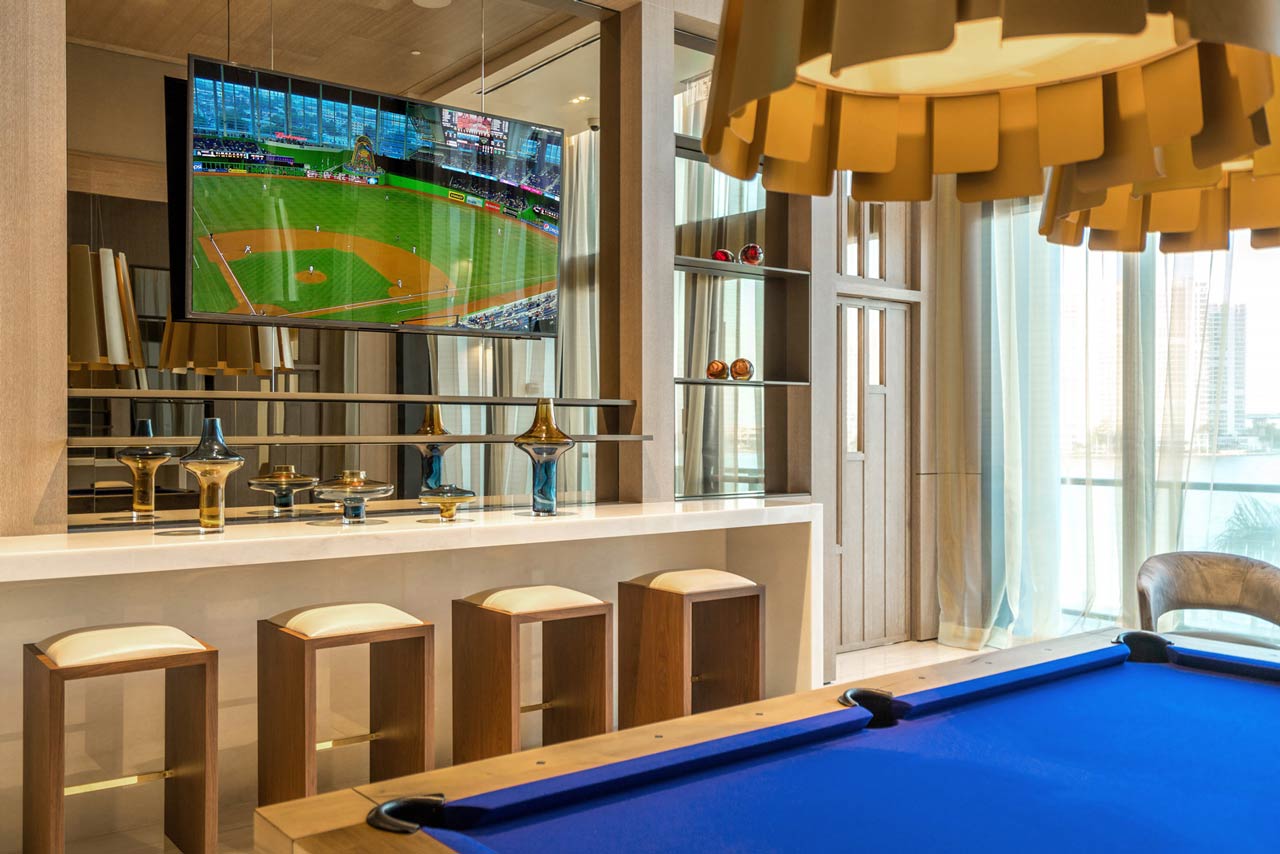
Smart restaurant design creates distinct zones that serve different purposes while maintaining visual cohesion throughout the space. The bar area might feature more dynamic lighting and closer seating to encourage conversation and energy, while dining areas could offer more intimate lighting and comfortable spacing for relaxed meals.
These zones don’t exist in isolation but flow together seamlessly, allowing guests to experience different moods within the same establishment. The transition between zones should feel natural and intuitive, guided by subtle changes in materials, lighting, or ceiling height rather than obvious barriers.
The Psychology of Space and Comfort
Understanding Guest Behavior
Successful restaurant design considers how people naturally behave in dining environments. Guests prefer seating that offers some privacy while still allowing them to observe their surroundings. They appreciate clear sightlines to exits and restrooms, and they respond positively to spaces that feel neither too cramped nor too vast.
The height of ceilings, the width of aisles, and the spacing between tables all influence how comfortable guests feel during their visit. When these elements are properly balanced, diners can focus entirely on their food and companions rather than feeling distracted by their environment.
Creating Intimate Moments in Public Spaces
One of the greatest challenges in restaurant design is creating a sense of intimacy within a public setting. This requires careful attention to acoustics, lighting, and sight lines. Varied ceiling heights, strategic placement of architectural elements, and thoughtful use of materials can create pockets of privacy without completely isolating diners from the energy of the broader space.
Material Selection and Durability
Beauty That Endures
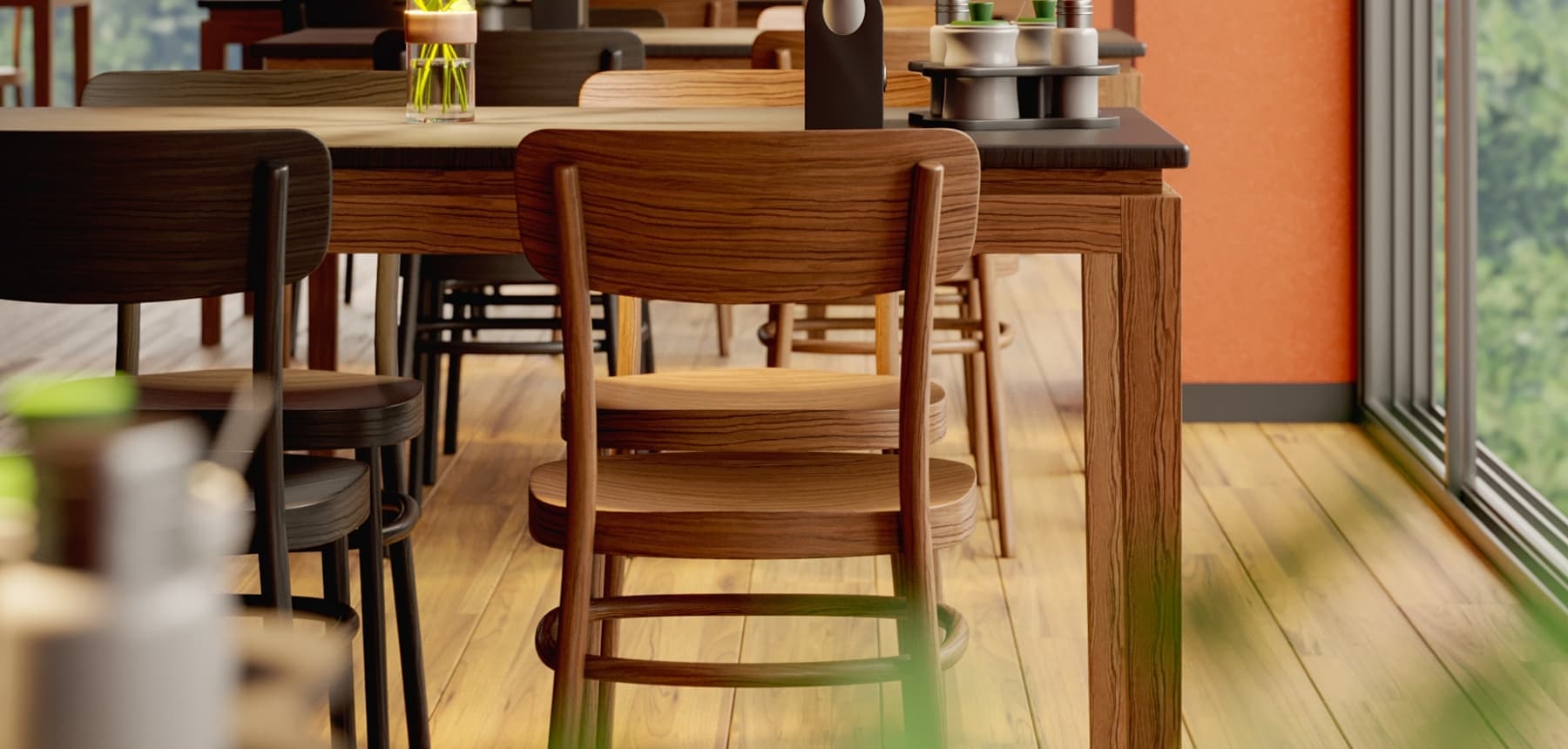
In restaurant environments, materials must be selected for both aesthetic appeal and practical performance. Surfaces need to withstand heavy use, frequent cleaning, and the inevitable spills and impacts of busy service. The most successful restaurant designs choose materials that actually improve with age and use, developing character and patina over time.
Natural materials like wood and stone often work beautifully in restaurant settings because they age gracefully and can be refinished or restored as needed. These materials also contribute to acoustic comfort, helping to create the right sound environment for conversation and dining.
The Role of Lighting in Function and Form
Lighting serves multiple masters in restaurant design. It must provide adequate illumination for both diners and staff while creating atmosphere and highlighting architectural features. The best restaurant lighting systems offer flexibility, allowing operators to adjust the mood throughout the day as the establishment transitions from lunch to dinner service.
Task lighting ensures servers can work efficiently and safely, while ambient lighting creates the emotional tone of the space. Accent lighting can highlight artwork, architectural details, or featured menu items, adding layers of visual interest without overwhelming the senses.
Acoustic Design for Comfort
Often overlooked in restaurant design discussions, acoustic planning is crucial for creating comfortable dining environments. The sounds of conversation, service, and kitchen activity all contribute to the restaurant’s atmosphere, but they must be carefully balanced to avoid overwhelming guests.
Effective acoustic design uses a combination of materials, spatial planning, and sometimes technology to create environments where conversation flows naturally at normal voice levels. This consideration extends to the kitchen and service areas, where noise control helps maintain the professional atmosphere while allowing staff to communicate effectively.
Technology Integration Without Compromise
Contemporary restaurant design must accommodate various technological needs without allowing them to dominate the aesthetic. From point-of-sale systems to music systems to charging stations, technology should integrate seamlessly into the design rather than appearing as afterthoughts.
The most successful integrations make technology invisible to guests while ensuring it’s accessible and functional for staff. This might mean building charging stations into banquettes, concealing speakers within architectural elements, or creating dedicated spaces for payment processing that don’t interrupt the flow of service.
Flexibility for Evolution
Restaurants evolve constantly, adjusting their offerings, service styles, and even concepts based on market demands and guest feedback. The best restaurant designs anticipate this need for flexibility, creating spaces that can adapt to changing requirements without major renovation.
This flexibility might manifest in modular seating arrangements, adaptable lighting systems, or neutral architectural elements that can support different decorative schemes. The goal is to create timeless foundations that can support various aesthetic expressions over the restaurant’s lifetime.
Designing for flow in restaurant interiors requires a deep understanding of how form and function work together to create exceptional dining experiences. When designers prioritize operational efficiency while maintaining aesthetic excellence, they create spaces that serve both business objectives and guest satisfaction. These environments feel effortless and welcoming because every element has been carefully considered for both its practical contribution and its visual impact.
The most successful restaurant designs emerge from a collaborative process that considers the unique needs of each establishment while applying proven principles of hospitality design. This approach ensures that form and function work in perfect harmony, creating spaces where memorable dining experiences naturally unfold.
Ready to transform your restaurant concept into a space where form and function create unforgettable experiences? Connect with our team to explore how thoughtful design can elevate your establishment’s potential.